It’s About Something, Not Of Something

Reading Time: 3 minutes

There’s a quote I’ve always loved from wildlife photographer Tin Man Lee:

That line sticks with me because it’s true far beyond wildlife photography. It applies to storytelling in every form—whether in photos, videos, or words.

When I look back at the strongest work I’ve done—whether it’s a missionary story from Africa, a corporate brand film, or even a simple portrait—it’s never just of a person or place. It’s about something: purpose, calling, hope, or transformation.

That’s what separates a good image from one that moves people.

Too often, I see photographers focusing on the technical aspects: light, exposure, and composition. All of that matters, of course. But storytelling begins when you start asking why.

  • Why does this moment matter?
  • Why should anyone care?
  • What’s really happening here beyond what’s visible?

A photo of a pastor shows him preaching.
A photo of a pastor shows his passion for people and his heart for the Gospel.

A video of a nurse shows her working in a clinic.
A video about that same nurse shows the fatigue in her eyes and the compassion that keeps her showing up anyway.

The “about” is where the story lives. It’s what gives your audience a reason to care—and a reason to remember.

So next time you’re behind the camera, pause before you hit record or press the shutter. Ask yourself:

What is this really about?

Because when you can answer that question, your photos won’t just show the world—they’ll help change how people see it.

When a Member-Paid Organization Becomes Volunteer-Led: What Happens to Community?

Reading Time: 5 minutes

As I look forward to attending the Atlanta Photojournalism Seminar next week, I’ve been reflecting on the role NPPA plays in the lives of visual journalists. These are just some of my thoughts on how the organization supports photographers—especially freelancers—through connection, community, and collaboration.

The National Press Photographers Association has always been more than an organization—it’s a lifeline for storytellers who often work alone in the field. For photographers chasing a story on their own, deadlines looming, and cameras in hand, the work can feel isolating. NPPA provides connection, guidance, and a sense of belonging, reminding every member that their craft matters and that they’re not alone.

Today, NPPA is entering a new chapter. With fewer paid staff than in the past, much of the work is now carried out by volunteers. This shift naturally raises questions: what happens to the community when the people members once relied on for support are no longer on payroll? The answer is nuanced. While the structure changes, the heart of NPPA remains—members supporting members. Volunteer leadership encourages a deeper, more participatory engagement. It invites members to serve, collaborate, and strengthen the community in ways that a purely staff-led model could never fully achieve.


From Staff to Volunteers: Rethinking the Relationship Between Dues, Service & Membership in the National Press Photographers Association (NPPA)

Historically, NPPA relied on a combination of professional staff and volunteers to deliver services to its members. Staff managed membership, advocacy, and communications, while volunteers supported committees, contests, events, and mentoring. Membership dues helped sustain the professional team, and members expected those services to be delivered.

The shift to a primarily volunteer-led model changes this dynamic. Freelancers and independent visual journalists—who now make up a growing portion of the membership—often feel more isolated than staff photographers ever did. They no longer have daily interactions with a newsroom or office colleagues. NPPA, in its volunteer-driven model, becomes not just a service provider but a hub of connection. Members are called upon to participate actively, share experiences, mentor one another, and maintain the sense of camaraderie that paid staff once helped foster. This new model not only asks photographers to receive support but also to contribute to the ongoing health of their professional community.


Southwestern Photojournalism Conference 25th Anniversary

Membership Dues, Staff Services & Shared Ownership: A Story of Transition

The transition from paid staff to volunteers is both practical and symbolic. It acknowledges that the landscape of visual journalism has changed—fewer staff positions, more freelance and independent photographers, and new challenges in sustaining a professional association. Membership dues now serve a dual purpose: supporting the core operations and empowering members to take ownership of the organization’s mission.

Shared ownership transforms the experience of membership. Freelancers who may have felt isolated now have the opportunity to step into leadership, mentor their peers, and actively contribute to the community they value. While the number of staff jobs has decreased, NPPA remains steadfast in its mission: fostering a connected, supportive, and professional community. The organization’s evolution demonstrates that even in a volunteer-driven model, it is possible to provide resources, advocacy, and a sense of belonging to members who need it most—those individuals out in the field, telling stories that no one else can tell.

Atlanta Photojournalism Seminar 2024

From Mentorship to Meaningful Relationships: How Experience Shifts What We Seek in a Community

As photographers progress in their careers, the nature of what we need from our professional communities evolves. Early on, mentorship is crucial—guiding your craft, navigating assignments, and learning the unwritten rules of the field. However, as the years pass, the value often shifts from being mentored to building and maintaining meaningful relationships. For me, NPPA has become a place where those relationships thrive. Whether it’s connecting with someone who has faced the same challenging shoot, swapping insights on storytelling, or simply sharing encouragement, these connections sustain both my work and my sense of belonging. Even without a formal mentor, the association reminds me that no matter how experienced you are, the bonds we form with peers are what keep the profession vibrant and connected.

Isolation and Peer Support:
For many freelancers, the day-to-day work is solitary—long hours in the field, tight deadlines, and few colleagues nearby to share the triumphs or frustrations. NPPA helps bridge that gap. Even without staff running every program, the relationships formed through committees, contests, or networking events become lifelines. It’s not mentorship in the traditional sense; it’s peer-to-peer support, advice, and encouragement that reminds you you’re not alone in the work you do.

Southwestern Photojournalism Conference 25th Anniversary

The Role of Shared Experience:
As you gain experience, formal guidance may matter less, but the value of shared experience grows. Talking through how someone else solved a tricky shoot, how they approached a challenging story, or even just sharing a laugh about the realities of the job—that’s where NPPA shines. These connections keep the craft alive and remind each of us that while the work can be isolating, we are part of a larger, vibrant community.

From Receiving to Giving:
One of the beautiful things about NPPA’s volunteer-driven model is that it encourages experienced members to give back. The relationships aren’t just for personal growth—they’re opportunities to strengthen the profession for others. For me, this means mentoring informally, sharing lessons from decades of assignments, and helping younger or newer photographers navigate the challenges of freelance life. Even without a formal mentor-mentee structure, the community becomes a web of mutual support, sustaining both the individual and the craft.

Southwestern Photojournalism Conference

Finding Your People: Why NPPA Events Are Where Connection Happens
Freelancing in visual journalism can feel like a solitary pursuit. Not everyone you meet in the industry is focused on supporting each other, and sometimes personalities don’t click. That’s where NPPA makes a difference. By attending their events—workshops, contests, networking meetups—you’re stepping into a space full of peers who understand the challenges you face and care about building community. You don’t need to find everyone who “gets you”; even finding one person who becomes a collaborator, a sounding board, or a source of encouragement can transform your work and your confidence. NPPA isn’t just about professional development—it’s about creating the environment where those vital connections are possible, where you can finally find the people who will walk alongside you in your storytelling journey.

Are We Living Traditions or Performing Them?

Reading Time: 2 minutes

Every fall and winter, my social media feed fills with familiar scenes — families in pumpkin patches, kids bundled up picking out Christmas trees, couples posing in front of twinkling lights. And every year, I see photographers talking about putting their take on these traditions.

Now, there’s nothing wrong with that. In fact, I think traditions are healthy. They give us rhythm and stability — something to look forward to. They help us reconnect with what really matters: the people we love and the memories we make together.

Into The Woods Test Shots

But I’ve started to wonder if sometimes we blur the line between living a tradition and performing one.

With the pressure to post, share, and show our lives online, it’s easy for even meaningful moments to turn into a kind of performance. Instead of being fully present — smelling the pine, laughing at the cold, helping the kids pick the “perfect” pumpkin — we’re thinking about composition, lighting, and what will look good on Instagram.

As photographers, it’s natural for us to see the world through our creative lens. But I think it’s worth asking ourselves:

“Am I doing this because it brings me joy, or do I feel like I should?”

Alive After Five on Canton Street in Roswell, Georgia

When our traditions become more about keeping up than connecting, we miss the heart of them. Maybe the best photos this holiday season aren’t the ones we plan, but the ones that happen when we’re too busy living to notice.

Tagged : / /

Finding Your Own Path in Photography

Reading Time: < 1 minute

James Nachtwey speaking at the Atlanta Photojournalism Seminar, 2024.
Hearing him share his life’s work reminded me why I chose this profession. His courage, empathy, and relentless pursuit of truth have shaped generations of visual storytellers — myself included. But what James did can’t be repeated. His path was uniquely his — forged by moments, conflicts, and convictions that only he could have lived. The best way we can honor that is not by trying to walk his road, but by finding our own stories to tell with the same integrity and compassion.

I’ve sat through countless presentations by incredible photographers — people whose work makes you want to grab your camera and run out the door to create something just as powerful. But I’ve learned over the years: those speakers aren’t giving you a map to follow. They’re showing you what’s possible.

Their stories are meant to inspire you, not to be copied by you.

Each has walked a road filled with unique experiences, challenges, and opportunities that shaped who they are as visual storytellers. You can learn from their techniques, admire their vision, and even borrow bits of their wisdom — but you can’t (and shouldn’t) try to live their story.

Photography is deeply personal. What you bring to a frame — your perspective, values, and curiosity— makes your work different from everyone else’s.

So as you sit in on talks or workshops, listen closely. Take notes. Let their stories spark something inside you. But when you pick up your camera again, make work that’s true to you.

“Don’t be a second-rate version of someone else; be a first-rate version of yourself.” — Judy Garland

Let their stories light your fire, not draw your outline. Your path will look different — and that’s precisely the point.

Tagged : / /

Why Your Nonprofit Doesn’t Need Hollywood-Style Video to Move Hearts – and What to Do Instead

Reading Time: 3 minutes

The Grand Premiere night in Dar es Salaam culminated our week-long Storytelling Workshop with ABWE missionaries. Each participant shared their finished video story before an audience filled with their subjects, families, and friends. It’s always a powerful moment when those whose stories were told get to see their lives celebrated on screen, reminding us that authentic storytelling builds real connection and community.

If you’ve ever hesitated to tell your organization’s story because you don’t have the budget for fancy gear, a production crew, or a cinematic edit—take a deep breath. You don’t need Hollywood to move hearts. What you need is honesty.

After 40+ years of storytelling through photography and video, I’ve learned something truer today than ever: authentic stories connect more deeply than polished ones.

The Perfection Trap

Too often, nonprofits get caught up in the idea that their story has to look perfect. You might think you need flawless lighting, scripted lines, or dramatic drone shots to earn attention. But perfection can sometimes create distance.

People don’t connect with perfection—they connect with real people who share their struggles, hopes, and faith.

In today’s world, audiences can spot “overproduced” from a mile away and scroll past it. What stops the scroll is authentic emotion—a real person telling their story.

A woman from the SIFA program watches her story unfold on screen during the Grand Premiere in Dar es Salaam. As tears welled in her eyes, the room felt the weight of her journey and the power of being truly seen. Moments like this remind us why storytelling matters—it honors real people and the impact of God’s work in their lives.

The Power of Imperfect Honesty

When I teach storytelling workshops around the world, I tell my students this: If your video has one thing—authenticity—it has everything it needs.

I’ve seen shaky handheld footage that made donors cry and inspired entire communities to act. I’ve also seen beautifully shot projects that never connected because they felt staged.

The difference isn’t technical—it’s emotional honesty.

Produced by Ken Robinson

What to Do Instead

Here are a few practical ways your nonprofit can tell authentic, heart-moving stories—without a Hollywood budget:

  1. Start with the heart, not the hardware.
    Before you hit record, know the “why” behind the story. What’s the emotional core? What moment will make people feel something? That’s what matters most.
  2. Let your subjects be themselves.
    Don’t over-script. Encourage the people you interview to speak naturally, even if they stumble over words. Their pauses, tears, and laughter make the story believable.
  3. Focus on meaningful details.
    You don’t need a perfect setting—just one that supports the story. Maybe it’s a missionary holding a weathered Bible, or a teacher surrounded by students’ artwork. Real environments carry truth.
  4. Use simple lighting and good sound.
    Clear audio and natural light go a long way. I often use my LED lights, but I’ll also usually position someone by a window. The goal isn’t drama—it’s clarity and warmth.
  5. End with a personal invitation.
    Instead of a flashy call-to-action, invite your viewers into the story. “You can be part of this change” means far more than “Click here to donate.”

Audiences Want Connection, Not Perfection

Social media and short-form video have changed the rules. People crave connection, not production. Today’s most successful nonprofits are those that show up as themselves—honest, unpolished, and real.

When you share your story from the heart, your audience won’t remember how cinematic your lighting was. They’ll remember how it made them feel.

A Final Thought

When I think back to the most impactful projects I’ve ever shot, they weren’t the ones with the largest budgets or fanciest cameras. They were the ones where someone trusted me enough to be vulnerable—to share their story, just as they were.

And that’s the real magic of storytelling: not the polish, but the presence.

Tagged : /

Capturing the Spirit of Riverwood’s Pre-Homecoming Party

Reading Time: 3 minutes

This past weekend, I had the pleasure of photographing Riverwood International Charter School’s Pre-Homecoming Party. The event was held at a beautiful home, providing the perfect backdrop for a fun and memorable afternoon. More than 90 students — and their dates — arrived, dressed to the nines, ready to kick off the night.

As students came in with their parents, I loved capturing a few moments of them together before the evening got underway. Those parent-child portraits always become some of the most cherished images.

Riverwood International Charter School: Homecoming

Setting the Stage

The host had set up a fantastic photo area for the traditional pre-dance portraits, and I came prepared to make the most of it. I brought two Flashpoint XPlor 600 HSS TTL lights and Glow ParaPop round softboxes. I prefer the round softboxes because of the natural, flattering quality of light they produce — they mimic window light beautifully and make everyone look their best.

As I moved around, I also caught candid moments — corsages being pinned on lapels, placed on wrists, and those fun pre-party smiles before everyone piled into their rides to the dance.

Why Hire a Photographer?

I noticed how everyone wanted to take their own photos with their phones — which I completely understand. It’s fun and instant! But here’s the difference: when you look at my setup shots compared to phone images, you’ll immediately see how professional lighting changes everything. The studio strobes provide a full spectrum of light, bringing out vibrant colors and detail that phone cameras can’t match, especially as the sun starts to drop.

A Group Effort

Just before everyone headed out, the host asked if we could do a big group photo of all the students. So, we made it happen! We gathered everyone on the backyard stairs — a perfect tiered setup — and I quickly carried over my lights, stands, and sandbags (because with 90 excited students, you definitely don’t want your lights toppling over). With a few quick adjustments, we captured a beautiful group shot that everyone will treasure for years.

« of 23 »

Go With the Flow

Events like this remind me that flexibility is key. Things move quickly, plans shift, and opportunities for great photos often happen in the moment. That’s part of what makes photographing these gatherings enjoyable and rewarding.

If you’re hosting a pre-prom, homecoming, senior party, or family celebration, I’d love to help you capture it in a way that goes beyond what smartphones can do.

Let’s make your next event unforgettable — with professional lighting, candid moments, and portraits your family will cherish.

Friday Night Under the Lights: Georgia Tech vs. Auburn Women’s Softball Exhibition

Reading Time: 5 minutes

Last night, I took my gear to cover the exhibition game between Georgia Tech and Auburn under the lights, a perfect challenge for storytelling through sports photography. The high-energy atmosphere, athletic motion, fast plays, and the dim, artificial light all came together to test camera settings, gear choices, and technique — and ultimately deliver images that, while plentiful, required severe narrowing to find the ones that truly tell the story.

Here’s a breakdown of how I shot the game, what gear and settings I used — plus why they mattered — and what I learned for future assignments.


Gear & Setup

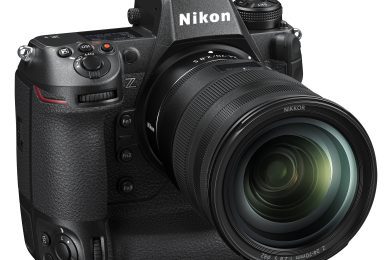
I brought my trusted Nikon Z9 body with the Nikkor Z 100‑400 mm f/4.5‑5.6 VR S lens. That combination gives me the reach, autofocus speed, and sensor performance I need for a fast-moving, variable-light sport like softball.

The 100-400 zoom range allowed me to nail tight action shots at the plate or in the outfield and broader sideline/mound views without changing lenses. The lens is highly regarded for sports and wildlife uses — it is sharp throughout the zoom range, has excellent handling, and reduces vibration.

I anticipated entering high ISO territory because it was a night game under stadium lights. So, I set up to give myself the best chance of crisp, usable images.

And for white balance, I used my ExpoDisc 2.0 White Balance Filter to nail a reliable custom white balance before the game started. The ExpoDisc is designed to provide a calibrated reference that the camera uses for a custom white balance setting, especially useful in mixed or artificial light, rather than relying solely on auto white balance.


Settings: Auto ISO, Shutter Speed & Pre-Capture

Because the light levels were relatively low (stadium lights at night), I decided to rely on Auto ISO mode to let the camera handle the sensitivity ramping as needed. That freed me to focus on shutter speed and composition.

I set a fast shutter speed to freeze action — typically in the range of 1/1000s-1/2000s, depending on the play and zoom. With the 100-400 lens and distance from the field, I often zoomed toward 300-400 mm, so the combination of reach + action required shutter discipline.

Because of the light challenge, I found ISO settings mostly around ISO 25600 for much of the game. That’s high, but with the Z9 (and modern mirrorless sensors), you can push high ISO further than in older systems and still deliver usable files. Many hobbyists hesitate at 25600, but I found that I could still get strong results with careful exposure and focus.

For instance, the Z9’s reviews show that noise is well-controlled even at elevated ISO settings: “careful noise reduction lowers it near the point of irrelevance” for high ISO. In forums, sports shooters report confidently pushing the Z9 at night.

I wanted to try out one extra setting: the pre-capture (or pre-burst) option. In the Z9, this allows the camera to buffer a few frames before the shutter button is fully depressed, capturing “what happened just before” you pressed the button. I used this to ensure that unexpected, split-second plays (e.g., a dive, tag, throw) weren’t missed because I hit the shutter just after the action started.


White Balance Strategy

Before the game began, I placed the ExpoDisc over the lens (at wide-angle/view), pointed at the illumination in the stadium (ideally a neutral field area but under the lights), and set a custom white balance in the camera. The ExpoDisc gives a neutral reference so the camera calibrates its white balance to the dominant light source.

Using the custom white balance is especially helpful under stadium lighting, which often mixes metal halide, LED, or other artificial sources with sometimes ambient twilight. If I left the camera on AWB (auto white balance), I might have gotten color shifts (greens/off-greens on the field, skin tones under changing light). By doing the ExpoDisc step, I could start from a known baseline and rely on RAW to refine further in post if needed.

After the custom WB was set, I left the camera in RAW and made minor tweaks in post-processing only where required. A consistent neutral color was beneficial on the night’s images, especially when selecting fewer keepers.


[NIKON Z 9, NIKKOR Z 100-400mm f/4.5-5.6 VR S, Mode Aperture Priority, ISO 25600, 1/800, ƒ/5, (35mm 240)]
« of 40 »

Image Counts & Selection

Over the duration of the game, I captured approximately 3,900 images. That works out to lots of frames — but that’s part of shooting action sports: lots of motion, moments, and misses. From those, I narrowed to 436 usable images — images I considered suitable for storytelling, focus, composition, exposure, and color.

From that 436, I judged roughly 20 images to be at the “wire-service submission level”. These would be the ones I would consider sending in if I were providing coverage for a sports news outlet or wire feed: strong play, crisp freeze-action, good light, telling emotion, minimal noise/color issues.


Insights & Tips for Hobbyists

Since many in my audience are advancing their visual-story skills or covering events for nonprofits/businesses, here are some takeaways:

  • Don’t fear high ISO: Pushing ISO is often necessary when the light is low. With modern full-frame mirrorless (like the Z9), you can go to ISO 25600 and beyond and still get results you can work with — provided you expose well and manage focus. Underexposure will make noise worse.
  • Auto ISO is your friend in variable light. Using Auto ISO (with caps or limits) allows you to maintain a consistent shutter (and aperture) while letting the camera compensate for light changes. This is efficient for sports under lights.
  • Custom white balance saves time: Especially with artificial or mixed lighting, using a tool like the ExpoDisc to set a custom WB before you shoot gives you a color baseline. It reduces surprises in post and frees up more time for narrative, composition, and storytelling.
  • Pre-capture/buffer functions are valuable: When shooting live action, the difference between hitting the shutter a split-second too late and missing a key moment can be a missed key moment. Using pre-capture (or high-frame-rate burst) functions helps you catch those decisive moments.
  • Lens choice matters: A zoom like the 100-400 gives flexibility of reach and framing. The specific lens I used is praised for sharpness, handling, and VR (vibration reduction), which are all important in a low-light sports scenario. And when you’re pretty far from the field, reach communicates the story better.
  • Be ruthless in selection: Shooting nearly 4,000 images and extracting fewer than 500 usable images shows the behind-the-scenes work. As storytellers, we’re not just aiming for images —for those few that tell the story, evoke emotion, show context, and freeze a key moment.

Final Thoughts

Covering the Georgia Tech vs. Auburn exhibition game reminded me why I love sports photography for nonprofits and brand-story contexts: the human emotion (win, loss, effort), the motion, the environment under the lights, and the texture of the moment. With the proper gear setup (Z9 + 100–400mm), settings (Auto ISO + pre-capture), white balance control (ExpoDisc), and an intentional selection process, I was able to generate a gallery of images that don’t just show activity — they tell the story.

If you’re heading out to shoot a night game or event under challenging light, I encourage you to test your gear, consider custom white balance, set smart Auto ISO parameters, be ready to shoot lots, and then pick smartly. The hard work in the gallery is in the editing as much as in the image capture.

Thanks for reading. If you like, I can share a short “behind-the-scenes” video clip or slideshow of highlight frames from this game (with commentary on settings per frame). Would that be useful for your workshop or blog audience?

Tagged : / /

Why I Love Photographing Private High Schools

Reading Time: 2 minutes

Over the years, I’ve photographed students, faculty, and campuses at private high schools nationwide. And I must say—it’s some of the work I love most.

Why? Because private schools aren’t just about academics or athletics—they’re about community, character, and stories waiting to be told. Each student has a journey, each classroom has energy, and every campus has a personality. My job as a photographer isn’t just to “take pictures”—it’s to capture those stories in a way that feels authentic, vibrant, and inviting.

When I photograph private schools, I get to focus on the things that make them unique: the quiet moments of a student engrossed in study, the laughter on the sports field, the camaraderie during arts performances, and even the small details that hint at tradition and culture. These are the visuals prospective families connect with—they want to see what life is like, not just a posed brochure.

I’ve found that recruitment photography is best when everyone on campus feels relaxed and natural. That’s why I take the time to build trust, observe fundamental interactions, and let moments unfold naturally. The result is a gallery that not only looks professional but actually communicates the heart of the school.

Over the years, I’ve worked with many schools to create visuals that elevate their recruitment efforts. From day-in-the-life photo sessions to capturing special events, I aim to tell a story that draws viewers in and makes them feel part of the community before they even set foot on campus.

Below, I’m excited to share a few examples from my work—photos that perfectly capture the essence of the schools I’ve photographed. Each image represents not just a moment frozen in time, but a story waiting to be discovered by future students and families.

Photographing private high schools isn’t just a job—it’s a passion. And nothing excites me more than helping these schools show the world who they are, one authentic, compelling image at a time.

Why Your Organization Should Hire a Professional Photographer

Reading Time: 3 minutes

In today’s crowded marketplace, every organization is competing for attention. And in a world dominated by visuals, the quality of your images says a lot about who you are. So why should you hire a professional photographer instead of relying on smartphone snapshots? The answer is simple: professional photography is not just pictures—it’s strategic storytelling, brand building, and a long-term investment.

Here’s what a professional photographer brings that ordinary cell phone images typically don’t.


1. Expertise in Light, Composition, and Story

Professional photographers see the world differently. They know how to use light, shadow, and angles to create images that tell a story. That trained eye lets them capture authentic, compelling, and visually striking moments—something most of us can’t consistently achieve with a smartphone.

Whether it’s a portrait, a product, or an event, a professional can frame the scene in a way that draws the viewer in and communicates your message instantly.


2. Superior Equipment and Technical Skill

Smartphones are amazing, but they have limits. Professional cameras, lenses, and lighting equipment allow for higher image quality, especially in tricky situations like low light or large group shots.

Beyond gear, professionals understand how to adjust settings like shutter speed, aperture, and ISO on the fly to get the perfect shot—something most casual photographers can’t do.


3. Consistency and Brand Cohesion

Your brand isn’t just what you say—it’s how it looks. A professional photographer ensures your images are consistent in style, tone, and quality, whether on your website, social media, or marketing materials.

Consistency in visuals builds trust. It tells your audience you care about quality, professionalism, and your brand identity.


4. Audience Impact and Engagement

High-quality images grab attention. They stand out in a crowded feed, generate more engagement, and inspire trust. People respond emotionally to visuals; professional photography ensures those visuals reflect your mission and values, not just a generic stock photo.

In short, your images aren’t just decoration—they’re an essential tool for connecting with your audience and telling your story.


5. Efficiency and Peace of Mind

Hiring a professional photographer saves time and reduces stress. They plan the shoot, handle the technical details, and deliver polished images ready for use. You don’t have to worry about missed moments, bad lighting, or inconsistent quality.

Plus, professional photographers provide high-resolution files suitable for print, digital use, and long-term campaigns—giving your organization assets that can be reused for years.


6. Strategic Storytelling

Above all, a professional photographer is a visual storyteller. They don’t just take pictures—they craft images that communicate your organization’s mission, personality, and vision. For nonprofits, businesses, and faith-based organizations, this means creating visuals that resonate emotionally and help your audience engage with your story.


The Bottom Line

Professional photography is more than an expense—it’s an investment. It elevates your brand, builds trust, engages your audience, and creates a library of high-quality images that support your marketing efforts for years to come.

Smartphone snapshots may capture a moment, but professional photography captures your story—and ensures the world sees it the way you want it to be seen.

Tagged : /

Since 2006 — Teaching, Storytelling, and Chasing Dreams

Reading Time: 3 minutes

In February 2006, my first YWAM photography class gathered for a quick group photo—with my son Taylor and Chelle joining in, too! Grateful to have Dorie behind the camera capturing this moment where teaching, family, and storytelling all came together in one frame.

In March 2006, I started this blog with a simple purpose: to give my Youth With A Mission (YWAM) photography students a place to keep learning after class. I was teaching studio lighting and how to build a career in photography, and I wanted to create an online space where they could return for guidance, examples, and encouragement.

At the time, it was mainly about the craft — exposure, light ratios, softboxes, strobes. But over time, something bigger happened. The posts evolved into reflections on storytelling, business, and purpose.

Nearly twenty years later, I’ve written more than 2,000 posts (and trimmed quite a few that didn’t hold up). What’s left is the heartbeat of what I love — helping people grow from amateurs into professionals, from photographers into storytellers.


Jeff Raymond, James Dockery and Stanley Leary the leaders of the Storytellers Abroad Workshop in Nicaragua.

Why I Still Love Teaching

Teaching has never been just about technique for me. It’s about watching someone’s eyes light up when they get it — when they finally understand how light shapes emotion, or when they see how storytelling can elevate their work beyond aesthetics.

I’ve had the privilege of teaching students from around the world — in YWAM programs, in my workshops, and through countless one-on-one conversations. Each time, I’m reminded that learning photography isn’t just about mastering light — it’s about finding your voice.


From Photography to Purpose

Over the years, my work expanded beyond just making photos. I began consulting and creating for nonprofits, ministries, and businesses that wanted to connect their audiences through meaningful stories.

Photography became the gateway to something larger: helping people communicate their purpose. That’s what still drives me today — showing organizations and individuals how to use storytelling to make their message stick.


Stanley Leary served as a guest speaker for Mark Johnson’s Advanced Photojournalism class at the University of Georgia’s Grady College of Journalism and Mass Communication.

Looking Ahead — Speaking and Sharing

As I reflect on the journey since 2006, I realize my next chapter is about sharing what I’ve learned — not just about cameras and lighting, but about how to build a life doing what you love.

If you’re planning a conference, retreat, or workshop, I’d love to speak to your group about:

  • How to turn passion into purpose.
  • How storytelling can transform your brand.
  • How amateurs become professionals — and professionals stay inspired.

Photography gave me a career. Teaching gave me a mission. And storytelling gave it all meaning.


Thank You

To everyone who has read, commented, attended a class, or hired me over the years — thank you. You’ve helped shape this journey as much as I have.

Here’s to continuing the work of telling stories that change lives.

Tagged : / /

Protesting Power: Visual Storytelling at the ‘No Kings’ Rally in Marietta

Reading Time: 2 minutes

A frog, a diaper-clad baby, and a handmaid cross paths at the intersection of Roswell Road and Johnson Ferry Road, their homemade signs waving in the breeze. Over 3,000 people gathered Saturday, honking horns in support, as East Cobb became the stage for a modern-day protest invoking one of America’s oldest principles: no kings.

The “No Kings” protest draws a symbolic line back to the Boston Tea Party, when colonists famously resisted the king’s authority and helped shape a government without a monarch. Today’s demonstrators say they are ensuring that principle continues, expressing concern about actions by the executive branch that they see as consolidating power in the presidency at the expense of Congress and the judiciary. Many participants have cited controversial pardons that challenge judicial decisions as examples of this trend.

A protester in an inflatable duck costume holds a sign reading “Duck Ice, Duck Trump, Duck Kings” while a friend stands beside them with a sign that says “No Ducking Kings” during a “No Kings” rally Saturday at the intersection of Roswell Road and Johnson Ferry Road in Marietta. Many participants created homemade signs combining satire and political commentary.

The rally was a visual spectacle. Many attendees created homemade signs, like “NO KINGS” or “No Ducking Kings,” while others embraced costumes and satire to clarify their message. Inflatable ducks, frogs, diaper-clad political caricatures, and handmaid costumes drew attention and added humor to the protest while underscoring serious points about democratic limits and accountability.

A drone captures the intersection of Roswell Road and Johnson Ferry Road in Marietta during a “No Kings” rally Saturday. Organizers said more than 1,800 people registered for the event, but the crowd appeared to be at least twice that size.

Drone shots captured the crowd from above, revealing an estimated turnout that far exceeded organizers’ registration numbers. Cars passing through the intersection honked in support, amplifying the energy and engagement of those on the ground. Flags reading “We the People: No Kings in America” highlighted the connection to the country’s founding principles and the enduring American emphasis on limiting centralized authority.

These images capture more than a protest—they tell a story of Americans creatively engaging with democracy. From homemade signs to elaborate costumes, the participants used visual storytelling to make their voices heard, reminding us that activism can be playful, pointed, humorous, and deeply serious.

Most of the protesters at the “No Kings” rally Saturday at the intersection of Roswell Road and Johnson Ferry Road made their own homemade signs, including a woman holding one that reads “NO KINGS.” To her right, other demonstrators mix visual satire with protest — one dressed as a frog and another as a diaper-clad baby version of a political figure — a nod to the inflatable frog costume trend that has become a symbol of whimsical, nonviolent resistance in the movement.
« of 13 »

Whether you were there in person or seeing it through photos, the Marietta “No Kings” rally offers a vivid reminder of the power of citizen expression and the creativity that often accompanies it.

Tagged :

Why Upgrading to FotoQuote® Pro 8 is Essential for Photographers & Videographers

Reading Time: 2 minutes

As a visual storyteller, pricing your work accurately is crucial to ensure fair compensation and reflect the value of your expertise and creativity. With the release of FotoQuote® Pro 8, Cradoc fotoSoftware has introduced significant enhancements that make this tool indispensable for professionals navigating the complexities of stock and assignment pricing.

What’s New in FotoQuote® Pro 8?

FotoQuote® Pro 8 isn’t just an update; it’s a comprehensive overhaul designed to streamline your quoting process and enhance your business operations. Here’s what’s new:

  • Expanded Categories: Access over 360 stock photo categories and more than 70 assignment types, covering various scenarios from editorial shoots to corporate assignments.
  • Enhanced Line-Item Pricing: Break down your quotes with precision, including costs for assistants, stylists, drone operators, and more, ensuring every aspect of your project is accounted for.
  • RightsWriter™ License Builder: Craft custom licenses tailored to your needs, protecting your work and clarifying client usage terms.
  • International Currency Support: Operate globally efficiently, as the software supports multiple currencies, making it ideal for international projects.
  • User-Friendly Interface: Navigate easily through a redesigned interface that simplifies the quoting process, saving time and reducing errors.
  • No Recurring Fees: Enjoy the benefits of a one-time purchase with no monthly or annual fees, providing long-term value. Cradoc fotoSoftware

Real-World Application: Drone Footage Licensing

Consider this scenario: You receive an inquiry about licensing your drone footage for a commercial project. Without a transparent pricing structure, determining a fair rate can be challenging. FotoQuote® Pro 8 simplifies this process by offering a comprehensive pricing guide that reflects current industry standards. By inputting the specifics of your footage—such as usage type, duration, and distribution—you can generate a professional quote that ensures you’re compensated appropriately for your work.

Is the Upgrade Worth It?

Absolutely. For a one-time fee of $169.99 (or $118.99 if upgrading), FotoQuote® Pro 8 provides a robust toolkit that can significantly enhance your business operations. The time saved in quoting and the confidence gained in pricing your work accurately can lead to increased client trust and, ultimately, higher earnings. Cradoc fotoSoftware

Additional Tools to Complement FotoQuote® Pro 8

To further streamline your workflow, consider integrating these tools:

  • fotoBiz® X: A comprehensive business management software that includes invoicing, contact management, and integrates seamlessly with FotoQuote® Pro 8. Cradoc fotoSoftware
  • fotoKeyword Harvester™: Accelerate your image keywording process, ensuring your work is discoverable by potential clients.

In conclusion, upgrading to FotoQuote® Pro 8 equips you with the tools to price your work confidently and professionally. Whether licensing stock images or quoting for assignments, this software is designed to support your business’s growth and success.

Tagged : /