|
Getting your Trinity Audio player ready...
|
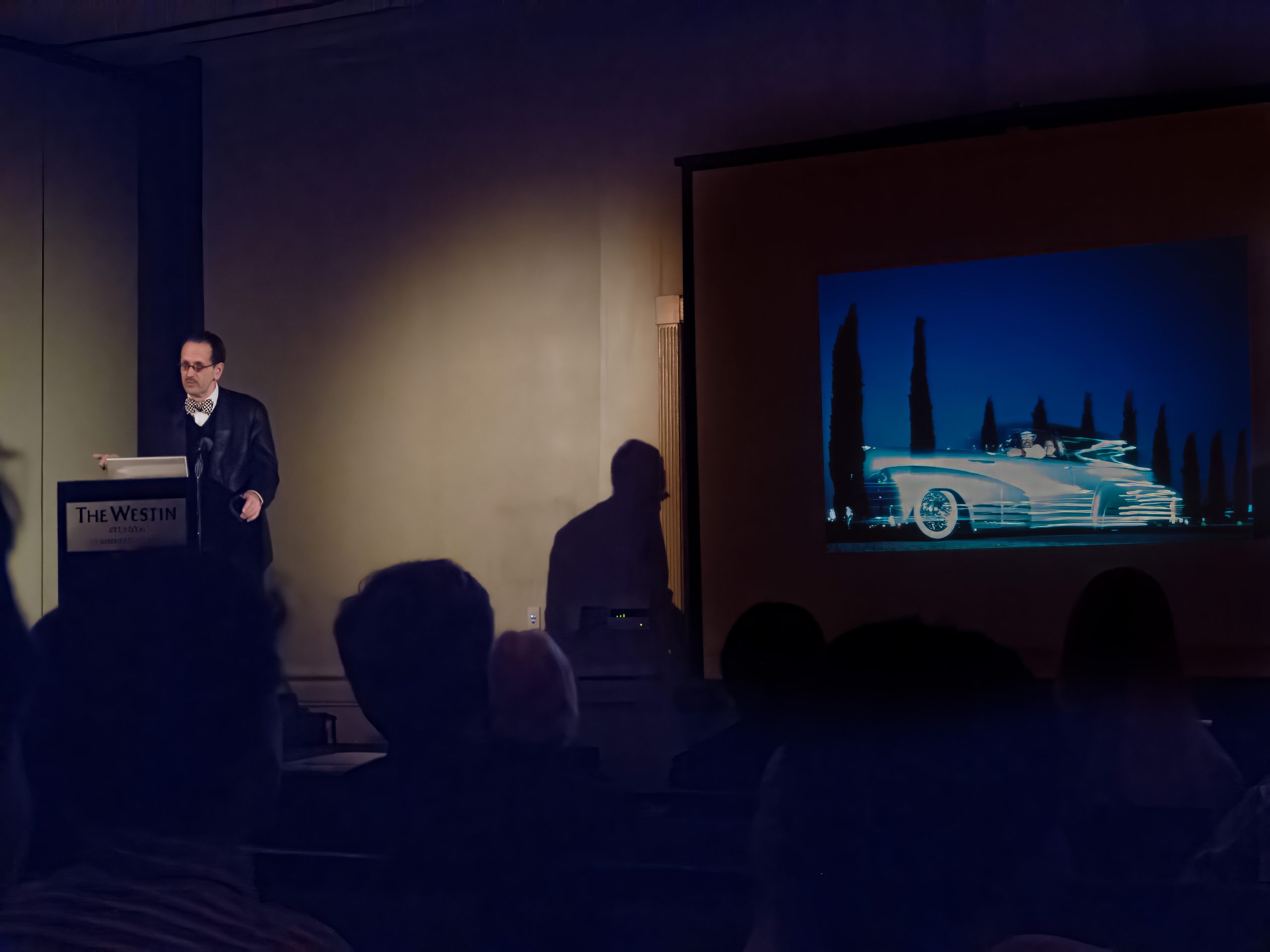
The Grand Premiere night in Dar es Salaam culminated our week-long Storytelling Workshop with ABWE missionaries. Each participant shared their finished video story before an audience filled with their subjects, families, and friends. It’s always a powerful moment when those whose stories were told get to see their lives celebrated on screen, reminding us that authentic storytelling builds real connection and community.
If you’ve ever hesitated to tell your organization’s story because you don’t have the budget for fancy gear, a production crew, or a cinematic edit—take a deep breath. You don’t need Hollywood to move hearts. What you need is honesty.
After 40+ years of storytelling through photography and video, I’ve learned something truer today than ever: authentic stories connect more deeply than polished ones.
The Perfection Trap
Too often, nonprofits get caught up in the idea that their story has to look perfect. You might think you need flawless lighting, scripted lines, or dramatic drone shots to earn attention. But perfection can sometimes create distance.
People don’t connect with perfection—they connect with real people who share their struggles, hopes, and faith.
In today’s world, audiences can spot “overproduced” from a mile away and scroll past it. What stops the scroll is authentic emotion—a real person telling their story.

The Power of Imperfect Honesty
When I teach storytelling workshops around the world, I tell my students this: If your video has one thing—authenticity—it has everything it needs.
I’ve seen shaky handheld footage that made donors cry and inspired entire communities to act. I’ve also seen beautifully shot projects that never connected because they felt staged.
The difference isn’t technical—it’s emotional honesty.
What to Do Instead
Here are a few practical ways your nonprofit can tell authentic, heart-moving stories—without a Hollywood budget:
- Start with the heart, not the hardware.
Before you hit record, know the “why” behind the story. What’s the emotional core? What moment will make people feel something? That’s what matters most. - Let your subjects be themselves.
Don’t over-script. Encourage the people you interview to speak naturally, even if they stumble over words. Their pauses, tears, and laughter make the story believable. - Focus on meaningful details.
You don’t need a perfect setting—just one that supports the story. Maybe it’s a missionary holding a weathered Bible, or a teacher surrounded by students’ artwork. Real environments carry truth. - Use simple lighting and good sound.
Clear audio and natural light go a long way. I often use my LED lights, but I’ll also usually position someone by a window. The goal isn’t drama—it’s clarity and warmth. - End with a personal invitation.
Instead of a flashy call-to-action, invite your viewers into the story. “You can be part of this change” means far more than “Click here to donate.”
Audiences Want Connection, Not Perfection
Social media and short-form video have changed the rules. People crave connection, not production. Today’s most successful nonprofits are those that show up as themselves—honest, unpolished, and real.
When you share your story from the heart, your audience won’t remember how cinematic your lighting was. They’ll remember how it made them feel.
A Final Thought
When I think back to the most impactful projects I’ve ever shot, they weren’t the ones with the largest budgets or fanciest cameras. They were the ones where someone trusted me enough to be vulnerable—to share their story, just as they were.
And that’s the real magic of storytelling: not the polish, but the presence.