When I first started as a student photographer at East Carolina University, I quickly discovered that I loved working for the newspaper more than the yearbook.
The yearbook was beautiful. It had higher production quality and was designed to become a keepsake people would hold onto for years. But the newspaper had something different. It was alive.
I would walk around campus and see students carrying it, sitting in the student center reading it, or talking about stories they had seen. I wasn’t just taking pictures and turning them in. I could actually see people interacting with the work.
That feeling stayed with me.
As my career progressed, I saw my work published in different places. I enjoyed seeing my photographs in The Commission magazine and seeing stories I covered for the International Mission Board appear in Baptist state papers. While working on my master’s degree, I saw my work in print less often.
Later at Georgia Tech, I again had opportunities to see my work used in recruiting materials and publications such as Research Horizons for the Georgia Tech Research Institute. But even then, it wasn’t like the daily newspaper experience.
As a freelancer, you often see your work even less. Sometimes your images are used in internal communications, annual reports, websites, or marketing materials with a limited audience. I worked for Chick-fil-A, primarily publishing materials internally for operators and support staff. The work mattered, but I rarely saw people engaging with it.
Lately, I have been doing assignments for Appen Media, and it has reminded me of something I had almost forgotten from my first full-time job after college at The Hickory Daily Record.
The reward is not publication itself.
The reward is impact.
One thing I am really enjoying is that before many assignments, I reach out to event planners or people connected to the story. I interview them. I photograph them. Then, after the story is published online, I send them the link.
That simple process has become one of the most rewarding parts of the work.
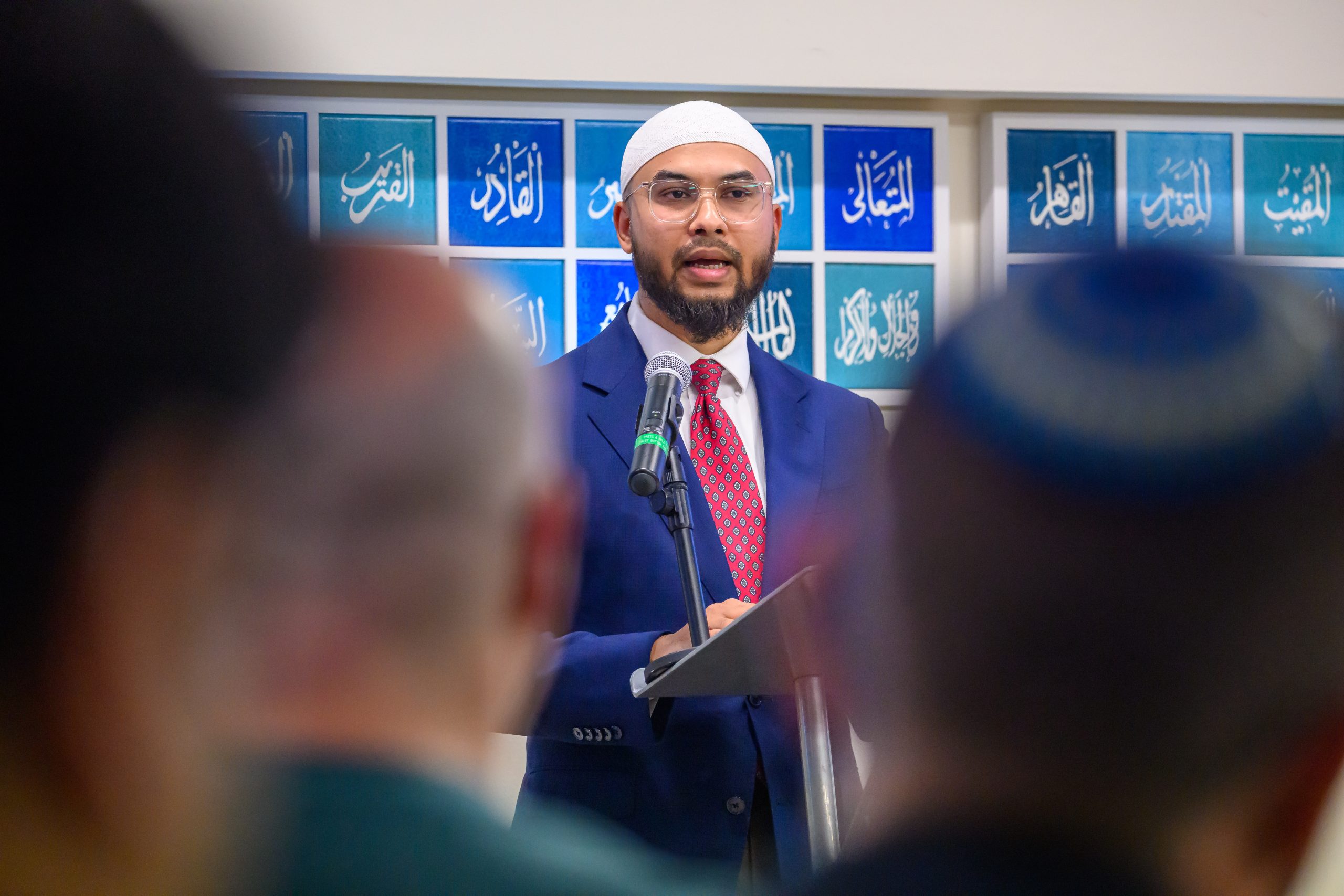
Last night I covered the Roswell Community Masjid vigil. After the story was published, I sent the link to some of the contacts involved. One response came from Shaheen Bharde of the Masjid:
“Thank you for putting together such a beautiful article. Truly appreciate your words and efforts to humanize our community.”
That comment stopped me.
Not because it complemented my work.
Because it reminded me of what photojournalists are supposed to do.
We aren’t simply documenting events.
We help people see one another.
A photograph can cause someone to pause. A story can help someone understand experiences outside their own. Together, they can create empathy and close gaps between communities that might otherwise remain distant.
The best photojournalism does more than tell people what happened.
It helps them understand why it matters.
As photojournalists, we move quickly. We shoot, edit, write, file the story, and then move to the next assignment. Often, we never hear what happened after that. We don’t know whether people connected with the work or simply scrolled past it.
Then occasionally someone responds.
Someone says they felt seen.
Someone says they felt understood.
Someone says you helped others understand them.
Moments like that remind me that the most rewarding part of photojournalism was never publication itself.
It’s knowing the story made a difference.

