Why Your Gut Reacts Before Your Brain: What Photojournalists Can Teach Us About Seeing

Reading Time: 4 minutes

I’ve long believed that photojournalists don’t just take pictures—they train themselves to see. And in doing so, they uncover something most people overlook: your gut reacts long before your brain has time to explain why.

That reaction? It’s not random. It’s built on what you see and hear—far more than the words someone chooses.

The Cobb County Classic Rodeo @ Jim R. Miller Park in Marietta.

1. We Look for Moments That Speak Without Words

At the heart of great storytelling is the moment.

Not just any moment—but the one that communicates emotion, tension, or truth in a way words often can’t. A glance. A gesture. The way someone holds their hands when they’re unsure.

As Henri Cartier-Bresson famously said,

“Your first 10,000 photographs are your worst.”

What he was getting at wasn’t discouragement—it was training your eye to recognize the moment when everything aligns.

And when it does, it hits people in the gut.

Ocean Isle Beach, North Carolina.

2. Composition Shapes How You Feel About What You See

Once you find the moment, composition determines how that moment lands.

Leading lines, framing, layering—these aren’t just artistic tricks. They guide the viewer’s eye and, more importantly, their emotional response.

Dorothea Lange, whose work during the Great Depression shaped public opinion, once said:

“The camera is an instrument that teaches people how to see without a camera.”

Her images didn’t just document hardship—they helped a nation feel it.

Atlanta Skyline from the Carter Center

3. Exposure Creates Mood

Light is emotion.

Bright, airy images can feel hopeful. Deep shadows can create tension or mystery. Exposure isn’t just technical—it’s psychological.

This is why two photographers can stand in the same place and tell completely different stories.

The Roswell Criterium

4. Positioning Changes Everything

Where you stand determines what the audience experiences.

Background, light, layers—these aren’t accidents. They’re choices.

Over time, you begin to anticipate how these elements come together. You start seeing not just what is, but what could be if you take two steps to the left or wait ten more seconds.

That’s where experience shows up.

5. Sound Adds a New Layer of Truth

When you move into video or multimedia storytelling, you add something even more powerful: the human voice.

And it’s not just the words.

Tone. Cadence. Pauses.

In celebration of Dr. Maya Angelou’s 80th birthday, a host of entertainers, sports figures, civil rights activists, supporters, and admirers gathered at Woodruff Performing Arts Center/Atlanta Symphony Hall, with proceeds benefiting the Andrew & Walter Young Family YMCA, on May 3, 2008, in Atlanta.

As Maya Angelou put it:

“People will forget what you said… but people will never forget how you made them feel.”

That feeling often comes from how something is said—not just what is said.


The Power—and the Responsibility

At its best, photojournalism moves people toward action. It shapes how societies think, feel, and respond.

History is full of moments where images changed the course of public opinion—from war photography to civil rights coverage.

But that power comes with a warning.

Not Everything That Moves You Is True

We’re wired to respond emotionally to what we see and hear. And that makes us vulnerable.

Actors are trained to create believable emotions. That’s why we cry in movies. That’s why we feel connected to fictional characters.

Shuler Hensley Awards

There’s nothing wrong with that—it’s storytelling.

But outside of the theater, that same emotional pull can be used to mislead.

There are also individuals who intentionally manipulate emotion for personal gain—people who understand how to trigger trust, urgency, or empathy without grounding it in truth.

And now, we’ve added a new layer.

AI Has Changed the Game

With the rise of artificial intelligence, images, audio, and video can be created or altered in ways that are increasingly difficult to detect.

What looks real may not be.
What sounds authentic may be generated.

Your gut will still react—but now it can be triggered by something that never actually happened.


So What Do We Do?

If your gut is powerful—and it is—you don’t ignore it.

You train it.

Photojournalists don’t just learn how to create powerful images. They learn how to evaluate what they’re seeing.

And that’s the takeaway for all of us:

  • Slow down before reacting
  • Ask where the image or story came from
  • Look for context, not just impact
  • Verify through credible sources
  • Pay attention to what might be outside the frame

Because the same tools that can move us toward truth can also pull us toward deception.


Final Thought

Your gut reaction is one of the most powerful tools you have.

But it works best when it’s paired with discernment.

The goal isn’t to become cynical—it’s to become aware.

To see not just what’s in front of you…
But to understand why it affects you the way it does.

That’s what great photojournalists learn over a lifetime.

And it’s something we can all start practicing today.

Seeing the Story Differently at Atlanta’s Eid Celebration

Reading Time: 4 minutes

For years, I’ve attended the Atlanta Mayor’s Eid Celebration with a camera in hand—there to serve a client, ensure every moment was captured, and deliver a complete visual story of the evening.

This time was different.

A special moment tonight with Amira and Soumaya Khalifa at the Atlanta Mayor’s Eid Celebration.

I was invited by Soumaya Khalifa of the Islamic Speakers Bureau of Atlanta, and instead of working the event, my wife, Dorie Griggs, and I were there simply as guests.

And I have to tell you—I loved the event even more.


From Assignment to Experience

When you’re hired to photograph something, your mindset is different. You’re constantly asking:

Did I get everything?
Did I cover every speaker?
Did I anticipate the key moments?

It’s a responsibility I take seriously, and it shapes how I move through an event.

But this time, I didn’t carry that weight.

Yes, I brought a camera. That’s just part of who I am. But I wasn’t there to deliver a complete package. I was there to experience the evening—and respond to it.

Leaders and friends gathered at the Atlanta Mayor’s Eid Celebration—Bill Bolling, Dorie Griggs, Mohamed Khalifi, Ricky Steele, Sean Smith, and Soumaya Khalifa—representing the relationships and shared commitment that make evenings like this so meaningful.

The Atlanta Mayor’s Eid celebration, often hosted at City Hall in partnership with the Islamic Speakers Bureau of Atlanta (ISB), is an annual event celebrating Eid al-Fitr, marking the end of Ramadan. The reception brings together city leaders, interfaith representatives, and the local Muslim community to foster unity, dialogue, and appreciation for the local Muslim community.

Mother & Son known as Grow perform

The Atlanta Mayor’s Eid celebration, often hosted at City Hall in partnership with the Islamic Speakers Bureau of Atlanta (ISB), is an annual event celebrating Eid al-Fitr, marking the end of Ramadan. The reception brings together city leaders, interfaith representatives, and the local Muslim community to foster unity, dialogue, and appreciation for the local Muslim community.

What Changed Behind the Camera

As I reviewed my images afterward, something stood out.

I didn’t shoot nearly as much as I normally would.

And yet… the story was still there.

The moments I captured weren’t driven by obligation—they were driven by connection. I photographed what moved me. What caught my attention. What felt meaningful in the moment.

And somehow, those images still communicated the story of the evening—maybe even more honestly—because they reflected my experience, not just the assignment.


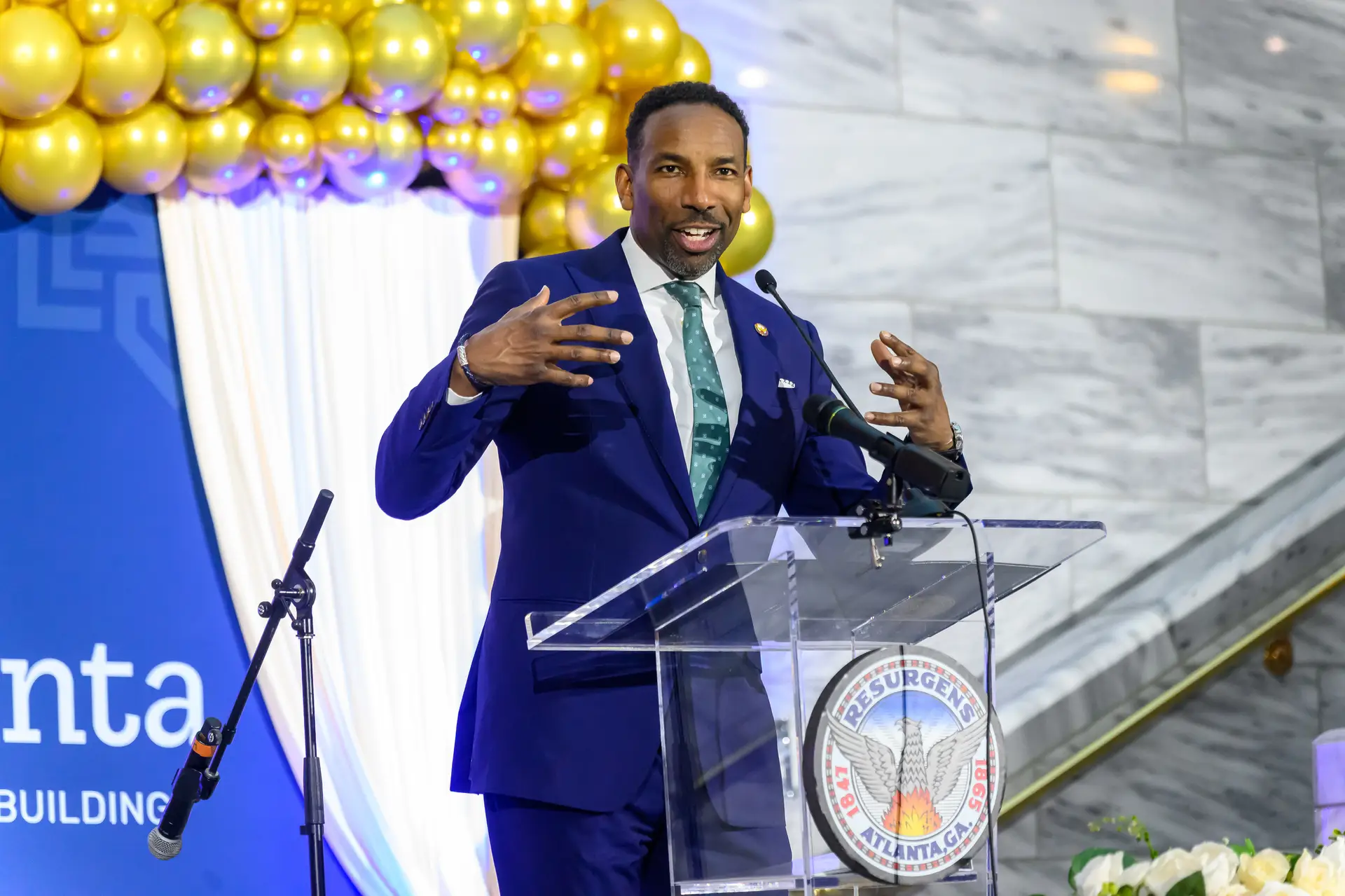
Celebrating 25 years of building bridges and fostering understanding—Andre Dickens joined the board of the Islamic Speakers Bureau of Atlanta for a special cake-cutting moment honoring ISB Atlanta’s 25th anniversary. A milestone that reflects decades of bringing people together across cultures, faiths, and communities here in Atlanta.

The Atlanta Mayor’s Eid celebration, often hosted at City Hall in partnership with the Islamic Speakers Bureau of Atlanta (ISB), is an annual event celebrating Eid al-Fitr, marking the end of Ramadan. The reception brings together city leaders, interfaith representatives, and the local Muslim community to foster unity, dialogue, and appreciation for the local Muslim community.

A Night of Purposeful Connection

Hearing Soumaya Khalifa speak about the mission behind ISB reminded me how intentional this work has been over the years—creating space for understanding across cultures and faiths.

The event itself, supported by Andre Dickens for the past five years, continues to bring together a wide cross-section of Atlanta’s community. And with April Okpwae guiding the evening, there was a sense of warmth and inclusion that made everyone feel part of the story.

What stood out most wasn’t just the program—it was the room.

The diversity. The conversations. The shared experience.


A Reminder About Storytelling

This night gave me a fresh reminder about storytelling—one I didn’t expect.

When I’m working for a client, my role is to be thorough. To make sure nothing is missed.

But when I’m simply present… I see differently.

I don’t chase every moment. I wait for the ones that matter to me.

And those moments still tell the story.

Maybe that’s the balance we’re all trying to find—not just as photographers, but as communicators. Knowing when to cover everything… and when to simply experience it.

Because sometimes, the most honest story is the one you feel first—and photograph second.

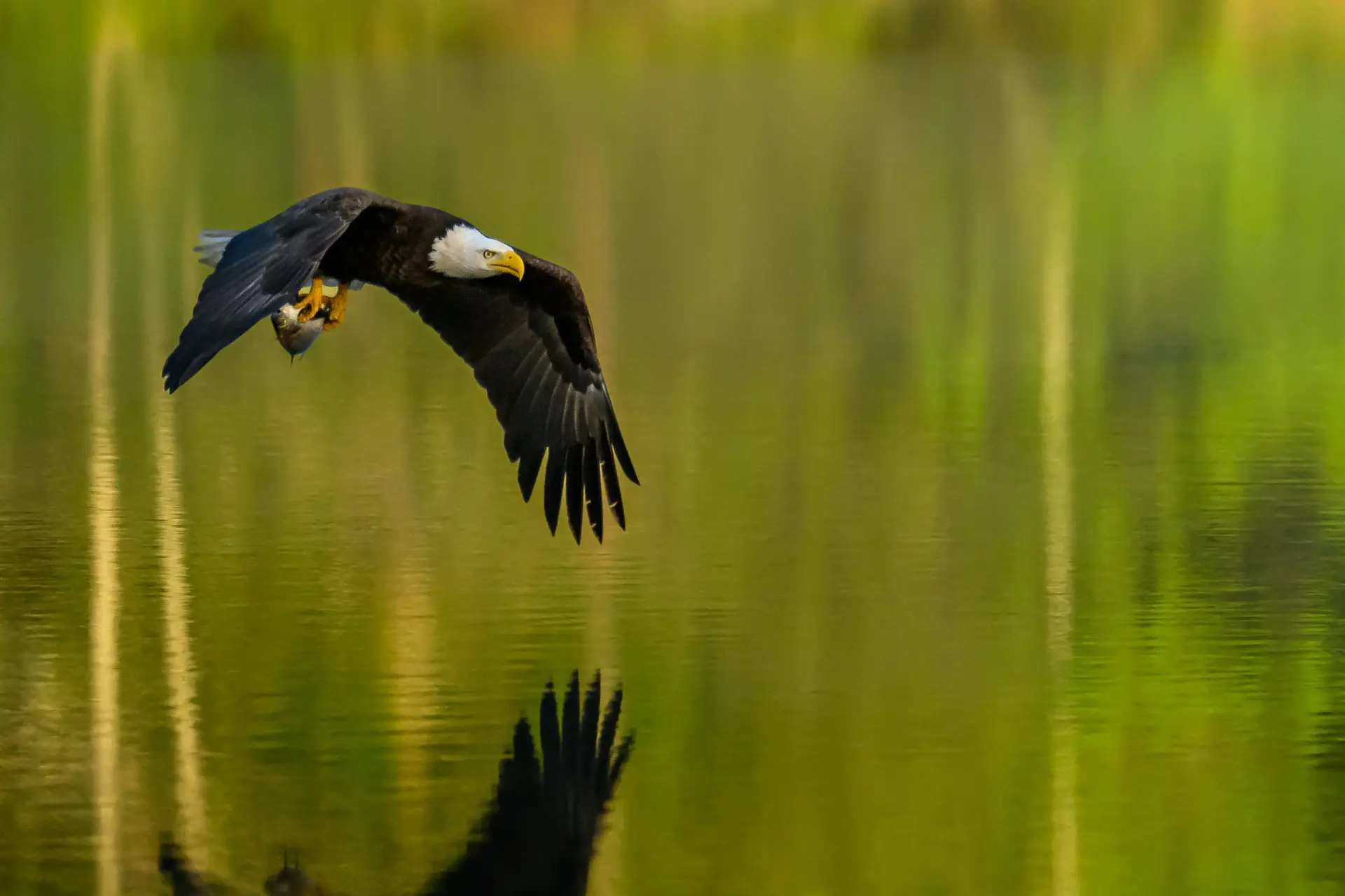
My First Bald Eagle: Why Being Ready Matters More Than Being Perfect

Reading Time: 3 minutes

This morning reminded me why I still get excited about photography after all these years.

It wasn’t just about capturing my first bald eagle—it was about being ready when the moment showed up.

The Backstory

This actually goes back about a year.

A friend of mine, Brenda Oran, had told me about her quiet morning routine. She would grab breakfast at Chick-fil-A and then head over to the lake to sit, eat, and enjoy the stillness before the day really got going.

Over time, she started noticing something unusual—bald eagles in the area.

She also mentioned running into wildlife photographers there, which is usually a pretty strong signal that something special is happening.

That conversation stuck with me.

So when Gibbs Frazeur mentioned he was heading out to look for bald eagles nearby, I shared Brenda’s experience with him. He took that information and did what good photographers do—he went and checked it out first.

That’s what ultimately led us to meet out there at 7:30 a.m. the next morning.

The Location

We met at Mountain Park, just outside Roswell, where two lakes sit at the heart of the community: Lake Cherful and Lake Garrett.

Gibbs suggested Lake Cherful for the light—and he was right.

The sun would come in over my right shoulder just enough to give us a clean angle if anything happened.

The Setup (and the Mistake)

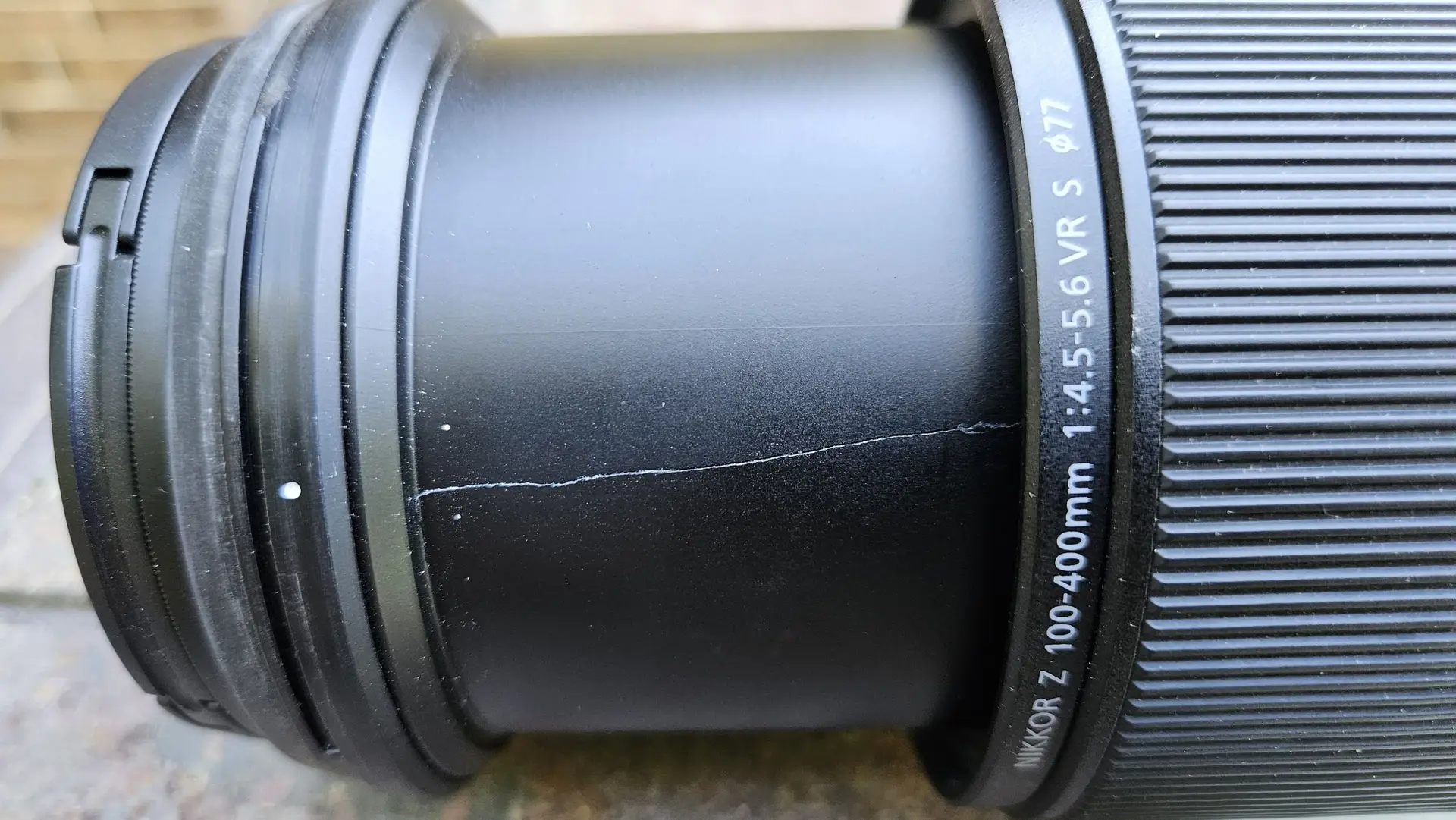
I was shooting with my Nikon Z9, paired with the Nikon Z 100-400mm f/4.5-5.6 VR S and a 1.4x converter, for a total of 560mm.

Settings:

  • 1/2500
  • ƒ/8 (wide open with the converter)
  • Auto ISO (ranging from 900 to 25,000)
  • Spot metering tied to the bird’s eye
  • Bird detection autofocus
  • Back-button focus

And yes… I forgot to switch to high-speed motor drive.

I was in single-shot mode.

Not ideal—but as it turns out, not fatal either.

The Moment

Then it happened.

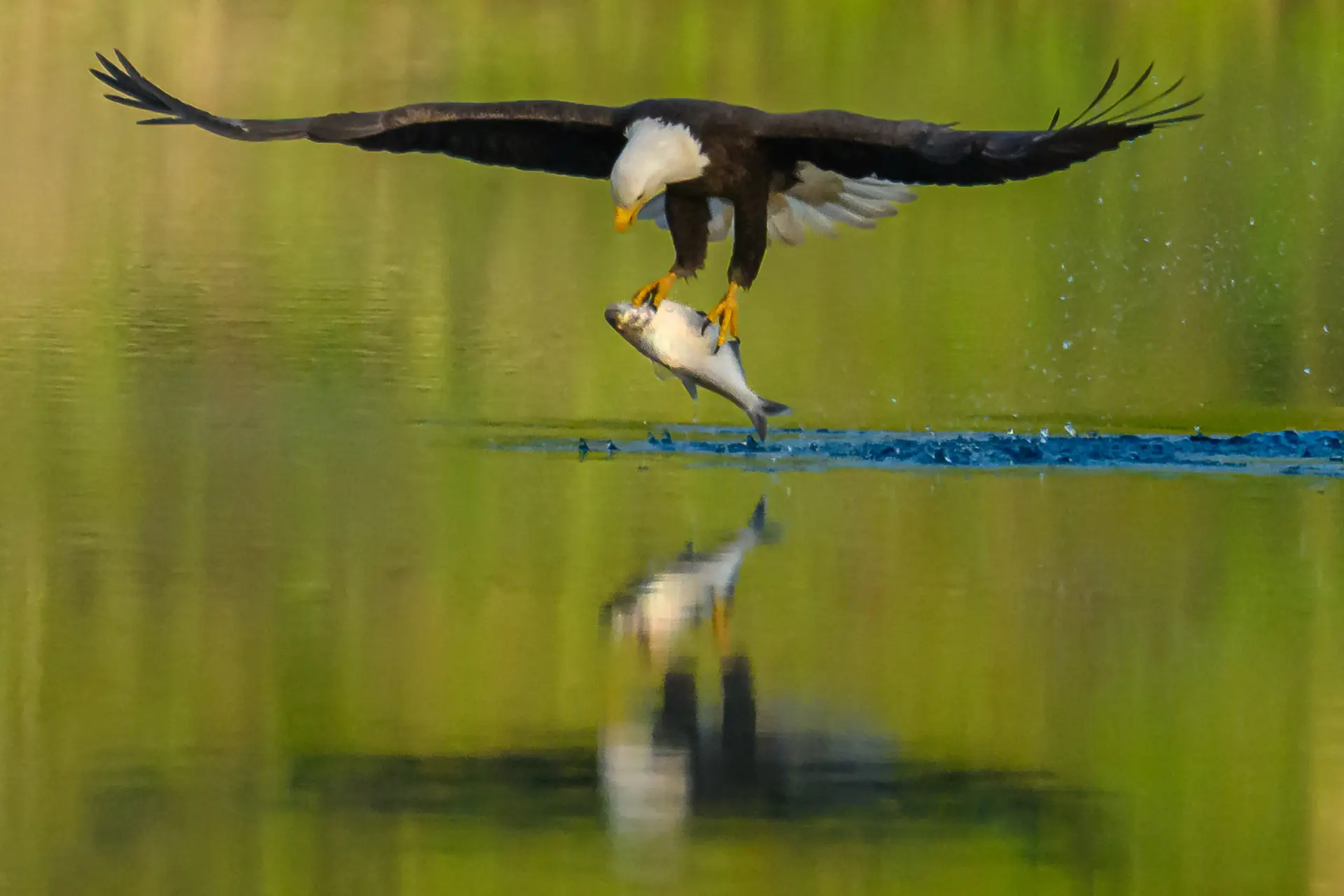
A large bird flew over me.

At first, I didn’t even know what it was.

No hesitation—I zoomed out, grabbed focus with the back button, and started tracking.

That’s when everything lined up.

The bird was flying away… then suddenly banked, turned, and dove almost straight toward me.

The light was perfect—coming over my right shoulder at about 30°, lighting up the eagle’s face.

Then it struck.

It caught a fish.

And just like that, it turned again—now flying left to right, parallel to me, heading back toward what I can only assume was its nest.

From the first frame to the last: about 55 seconds.

I kept 43 images.

Not bad for single-shot mode.

Gibbs Frazeur & Darryl A Vincent chatting about life

The Community

Not long after, Darryl A Vincent joined us.

Gibbs already knew him, and I had met him previously while shooting at Providence Park.

And that’s one of the things I love about this kind of photography.

Yes, we’re all there for the shot—but we’re also there for each other.

We swapped stories. Compared notes. Enjoyed the moment.

A Few Takeaways

1. Preparation beats perfection
I didn’t have everything set perfectly—but I had enough right to make the moment count.

2. Know your gear before the moment comes
Because when it happens, there’s no time to think—only react.

3. Light matters more than almost anything
That 30° angle over the shoulder made the difference between a record shot and a storytelling image.

4. Sometimes you get nothing—and that’s okay
Most days, wildlife photography is waiting. Watching. Hoping.

But even when nothing shows up, you’re still standing in a beautiful place, paying attention to the world.

And that’s never wasted.

5. Community makes it richer
Photography may look like a solo craft, but moments like this remind me it’s often shared.

Final Thought

There’s something powerful about watching a bald eagle in the wild—especially when you see it hunt, succeed, and carry that story right in front of you.

And when you’re fortunate enough to capture it…

You don’t just walk away with photos.

You walk away with a story worth telling.

AI Didn’t Replace Visual Storytelling—It Raised the Bar for Emotional Truth

Reading Time: 4 minutes

There’s a lot of noise right now about AI in visual storytelling.

Some say it will replace photographers. Others say it will make real images irrelevant. But what I’m seeing in the field tells a very different story.

AI hasn’t replaced visual storytelling.

It has raised the expectation for emotional truth.

And that changes everything.


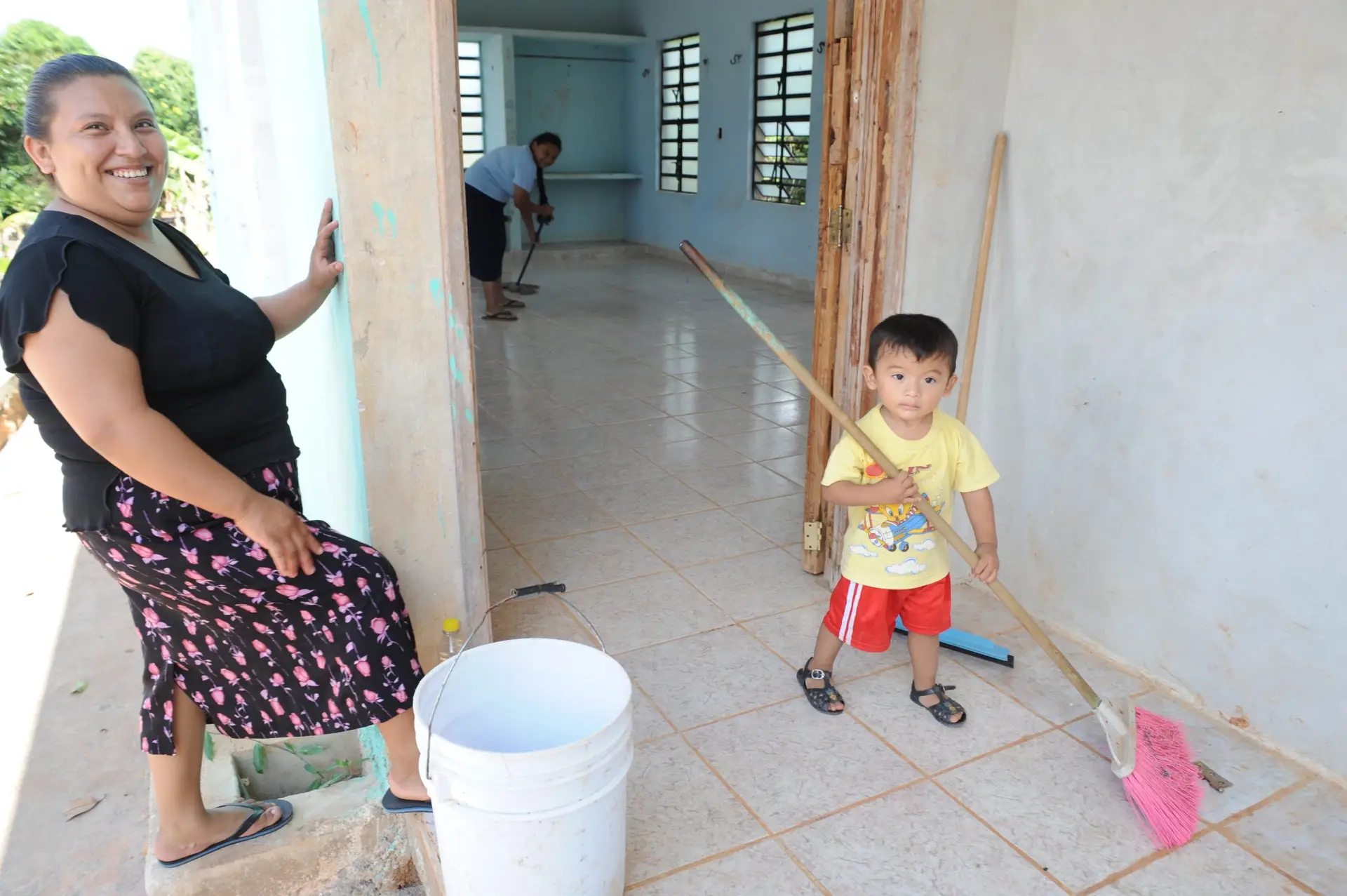
Street Scene in Tekax, Yucatan, Mexico

We’re not competing with AI—we’re competing with believability

For years, the challenge in photography was technical:
sharpness, exposure, composition, and lighting.

Those things still matter, but they are no longer what make an image powerful.

Today, the question has shifted:

Does this feel real?

Not “Is this perfect?”
Not “Is this impressive?”
But “Do I believe this moment actually happened?”

AI can now generate perfection on demand. It can build faces, environments, and entire worlds that look convincing at a glance.

But it cannot remember a moment it didn’t live.

And that’s where visual storytellers now have an advantage—if we choose to lean into it.


Couples talking outside a church service in Salvador Urbina, in the state of Chiapas, Mexico.

The new value is emotional evidence

The strongest images today carry something deeper than aesthetics.

They carry emotional evidence:

  • The tension in a room before a hard conversation
  • The exhaustion after serving long hours in a mission field
  • The joy that shows up in unguarded laughter
  • The silence that speaks louder than words

These moments are not manufactured.

They are witnessed.

And that witnessing is what separates storytelling from content creation.


A couple flirting with each other inside a church social in Salvador Urbina, in the state of Chiapas, Mexico.

AI is a tool—but it can’t be the witness

AI is useful. I use it. Many of us do.

It can:

  • Organize ideas faster
  • Help structure narratives
  • Enhance production workflows
  • Generate concepts and variations

But here’s the boundary I keep coming back to:

AI can assist storytelling, but it cannot stand inside the moment with people.

It can describe grief, but it cannot feel the weight of it in a room.

It can simulate joy, but it cannot wait for joy to arrive unexpectedly after a long day of uncertainty.

That’s still our work.


Children playing video games at a corner store in Salvador Urbina, Chiapas, Mexico.

The temptation: replace meaning with efficiency

The danger isn’t AI replacing photographers.

The danger is photographers replacing themselves with efficiency.

It becomes tempting to:

  • Rely on generated visuals instead of going into real spaces
  • Choose speed over presence
  • Construct stories instead of discovering them

But the stories that last—the ones organizations remember, the ones that move people to act—are never the fastest ones to create.

They are the ones who required us to be there.


A woman feeding the birds at Kensington Palace

What clients are really asking for now

Whether they say it directly or not, clients are asking for something very specific:

They don’t just want “great photos.”

They want proof that their story matters.

They want:

  • Trust built through real moments
  • Credibility that cannot be faked
  • An emotional connection that survives scrolling

AI can create attention.

But only real storytelling creates trust.


How I’m using AI without losing the human story

For me, the balance looks like this:

  • I may use AI to outline or refine narrative structure
  • I may use it to explore angles I didn’t initially consider
  • I may use it to speed up post-production thinking

But I never use it to replace:

  • Presence
  • Observation
  • Timing
  • Human connection
  • Lived experience

Because those are the ingredients that carry emotional truth.


Kensington Palace

The future belongs to witnesses

We are entering an era where anyone can create an image.

But not everyone has stood in the room where the story actually unfolded.

That difference matters more now than ever.

Because in a world of infinite images, the most valuable thing we can offer is still the same:

We were there. We saw it. And we can show you what it felt like.


Closing thought

AI didn’t reduce the value of visual storytelling.

It clarified it.

And what it clarified is simple:

The closer we stay to real human experience, the more powerful our work becomes.

Not because it is perfect.

But because it is true.

If the Camera Can Do Everything… What’s Left for the Photographer?

Reading Time: 4 minutes

I’ve been watching cameras get smarter my entire career.

Today, you can pick up a camera that will track a bird in flight, lock onto the eye, nail the exposure, and get you pretty close on white balance—all without you doing much at all.

That used to take years to learn.

So it raises a fair question:

If the camera can do all that… what’s left for the photographer?

Here’s the answer I keep coming back to:

The camera can execute. It still can’t decide what matters.

And that’s the job.


The Shift Most Photographers Are Missing

For a long time, being a good photographer meant mastering the technical side:

  • Focus
  • Exposure
  • Color
  • Timing

Those things still matter—but they’re no longer what separates you.

The camera handles more of that every year.

What it doesn’t handle is:

  • Why this moment is important
  • What story is unfolding
  • What the audience should feel
  • What needs to be included—or left out

That part is entirely on you.

And honestly, that’s where the real value has always been.


The juvenile red-shouldered hawks are out hunting.

Where I See Photographers Struggling

A lot of photographers are still trying to compete with the camera.

They’re chasing sharper images, better dynamic range, cleaner files.

But clients don’t hire you because your camera is better.

They hire you because you help them communicate something they can’t do on their own.

If all you’re offering is technical skill, you’re becoming easier to replace.

If you bring insight, clarity, and storytelling, you become hard to replace.


What Actually Helps You Grow Today

If you want to grow as a photographer right now, your energy needs to shift.

Here’s where I’d focus:

Learn to See Before You Shoot

The best images aren’t accidents.

They come from paying attention—watching people, reading moments, noticing what’s about to happen.

Most people raise the camera too fast.

Slow down and ask: What am I really looking at here?


The Scarlet Ibis, locally known as “flamingo,” makes its home in the Caroni Bird Sanctuary in the Caroni Swamp–an area set aside by the government for the protection of these colorful birds. The Caroni Swamp includes fifteen thousand acres of marshland, tidal lagoons, and mangrove trees. Several thousand Scarlet Ibises nest and roost in the sanctuary and are often seen in large numbers during the last two hours of daylight. Larger numbers of Scarlet Ibises can be seen during the breeding season, from April to August. These birds feed mainly on crabs, which they seek out on the mud flats exposed at low tide and on the stilt roots of the red mangrove.

Think in Stories, Not Singles

One strong image is good.

A set of images that work together? That’s what clients need.

Start asking:

  • What’s the bigger story here?
  • What details support it?
  • What’s missing?

This is where photographers become storytellers.


Be Intentional With Your Frame

Your camera doesn’t know what to ignore.

You do.

What’s in the background matters as much as what’s in the foreground.

Distractions weaken your message.

Clean frames strengthen it.


Use Light With Purpose

Your camera can measure light.

It can’t tell you what that light means.

Soft light feels different than hard light.
The front light feels different from the side light.

Pay attention to how light shapes emotion—not just exposure.


Work With People, Not Just Subjects

This is a big one.

The strongest images come when people trust you.

That doesn’t happen because you showed up with a great camera.

It happens because you connected with them.

Spend time without the camera in your face.
Have conversations. Listen.

You’ll get better moments every time.


Edit Like a Storyteller

Just because you captured it doesn’t mean it belongs.

One of the hardest skills to learn is what to leave out.

Every image you include should clarify or strengthen the story.

If it doesn’t, it’s noise.


Find Your Voice

This takes time.

But it’s the difference between someone who takes good photos and someone people seek out.

What do you notice that others miss?
What stories are you drawn to?
What keeps showing up in your work?

That’s your voice starting to form.


Where This Leaves Us

Cameras are only going to keep getting better.

They’ll keep making the technical side easier.

But that doesn’t make photographers less important.

It actually raises the bar.

Because now the question isn’t:
“Can you get the shot?”

It’s:
“Do you know what the shot should be?”


Final Thought

I don’t worry about cameras replacing photographers.

I do think photographers who stay focused only on the technical side will struggle.

But the ones who learn to see, understand people, and tell meaningful stories?

They’re more valuable than ever.

Because in the end…

The camera records what’s in front of it.
You decide what’s worth remembering.

Why Smart Organizations Lead With Visual Storytelling

Reading Time: 3 minutes

If your goal is to get people to understand what you do, words will get you there.

If your goal is to get people to care, trust you, and ultimately take action, you need to lead with visuals.

This isn’t about creativity. It’s about how people make decisions.


Simon Sinek popularized the idea of starting with Why, but the reason it works goes deeper than messaging strategy.

It’s rooted in how the brain functions.

The part of the brain responsible for decision-making responds first to emotion, not language. Only after someone feels something do they begin to justify that decision with logic.

Neuroscientist Antonio Damasio found that when people lose access to emotional processing, they don’t become more rational—they become unable to make decisions at all.

People don’t act because they understand.

They act because something moves them.


Where Most Organizations Miss the Mark

Most organizations lead with information:

  • What they do
  • How they do it
  • Why it matters

But by the time they explain all of that, they’ve already lost part of their audience.

Because they started with the part of the brain that analyzes instead of the part that decides.


A skilled cowboy demonstrates precision and speed during the Panama Stampede Rodeo roping competition at the Equestrian Center Complex on Stainback Highway, Hilo, Hawaii.

Why Visuals Work

A strong visual communicates in a way words simply can’t.

In a fraction of a second, an image can create:

  • Trust
  • Connection
  • Urgency
  • Empathy

Before someone reads a headline… they’ve already formed an impression.

That’s the moment that determines whether they lean in—or move on.


Charlatan Witch Doctor of Fetishes in Togo, West Africa

What This Means for Your Organization

Visual storytelling shouldn’t be something you “add on” at the end.

It should be part of how you lead.

When done well, visuals:

  • Capture attention faster
  • Build trust earlier
  • Make your message more memorable
  • Move people toward action

Your words still matter—but they work best when they support something your audience already feels.


Little boy during church service at Eglise Baptiste Biblique in Adeta, Togo, West Africa.

How to Get the Most From a Visual Storyteller

If you’re going to invest in photography or video, the biggest mistake is treating it like a checklist item.

A visual storyteller should be part of how you think—not just how you document.

Here’s how to make that shift:

Bring them in early
The earlier a storyteller understands your goals, the more intentional the work becomes. They’re not just reacting—they’re helping shape what gets communicated.

Share the real objective
Don’t just assign coverage. Explain what success looks like. Who are you trying to reach? What do you want them to feel or do?

Focus on people
Audiences connect with people, not programs. The more your visuals reflect real human moments, the stronger your connection will be.

Think beyond one use
Strong visuals should serve you across platforms—your website, social media, presentations, and fundraising. This is an investment in your communication system, not a one-time deliverable.

Let visuals lead
Start with something that makes people pause. Then use your words to guide them deeper into the story.


The Bottom Line

If you want to be understood, explain what you do.

If you want to be remembered—and chosen—help people feel something first.

That’s where decisions are made.

And that’s where the right visual story makes all the difference.

Stop Living in Binary: Why Freelancers Need to Embrace the Infinite Game

Reading Time: 3 minutes

Most freelancers I meet are exhausted—and it’s not just from the workload.

It’s from the way we’ve been trained to think about our work.

We default to binary thinking:

  • Success or failure
  • Booked or broke
  • Good client or bad client
  • Win or lose

It feels clean. Simple. Manageable.

But it doesn’t match reality.


“It’s complicated.”

Those words hang on the wall of Ken Burns’ editing room. They also capture how he understands history.

“It’s complicated.”

Not as an excuse. Not as avoidance. But as truth.

Because history—like creative work, like life, like freelancing—doesn’t fit into neat categories. It resists reduction. It refuses to be flattened into simple answers.

And yet, freelancers often try to do exactly that with their own careers.

We label projects as either successful or a failure.
We label clients as either ideal or toxic.
We label seasons as either “good” or “bad.”

But most of the time, it’s more honest to say: it’s complicated.

The project that felt like a mess might become the portfolio piece that opens doors later.
The client who stretched you the most might have actually sharpened your craft.
The slow season might have been the space where your thinking finally caught up to your ambition.

Nothing is as clean as we want it to be in the moment.


The Trap of Certainty

Burns has also said something that cuts even deeper into how we operate:

The opposite of faith is not doubt. Doubt is central to faith. The opposite of faith is certainty.

Freelancers tend to crave certainty:

  • A predictable income
  • Clear outcomes
  • Stable demand

But certainty is an illusion in creative work.

When you demand certainty, you start shrinking your decisions:

  • You avoid risk
  • You say yes too quickly
  • You prioritize safety over growth

And ironically, the more you chase certainty, the less resilient your work becomes.

Because this line of work was never built on certainty—it’s built on trust.

Trust in your skills when the outcome isn’t guaranteed.
Trust in relationships that take time to mature.
Trust in yourself when the path isn’t clearly marked.

Doubt isn’t the enemy of that kind of work. It’s part of it.


The Infinite Game

Simon Sinek describes life and business as an infinite game.

There is no final scoreboard. No finishing line where everything is settled. No moment where you “win” freelancing.

The only real question is: are you still playing?

That changes everything.

A slow month isn’t failure—it’s part of the rhythm.
A project that didn’t land isn’t an ending—it’s data.
A season of uncertainty isn’t a verdict—it’s a chapter.

You stop asking, “Did I win?”

And start asking, “Am I still becoming the kind of freelancer I want to be?”


A Better Way to See Your Work

When you step out of binary thinking, your work becomes lighter—and deeper at the same time.

You begin to see:

1. Progress over perfection
You’re not trying to nail every project. You’re building a body of work over time.

2. Complexity over judgment
You stop rushing to label experiences and start learning from them.

3. Longevity over moments
You’re not defined by your last job. You’re defined by the arc of your work.


A Better Question

Instead of:

  • “Did this go well or badly?”

Try:

  • “What is this becoming?”
  • “How does this fit into the larger story of my work?”
  • “What am I learning that I couldn’t have learned any other way?”

Because freelancing isn’t a series of wins and losses.

It’s a long conversation with your craft, your clients, and your own growth.

And like Ken Burns reminds us:

It’s complicated.

When “Just Show Up and Shoot” Isn’t Enough

Reading Time: 5 minutes

Most people think great photography is about what happens when the shutter clicks.

It’s not.

It’s about everything that happens before and after.

Recently, I had a simple request from Jim Rasmussen. He was speaking at a devotional at Chick-fil-A’s Support Center and wanted “good photos if possible.”

That phrase—if possible—is where most photographers miss the opportunity.

Because that’s exactly where you decide whether you’re going to meet expectations…or exceed them.


The Assignment Was Simple. The Opportunity Was Not.

Jim didn’t ask for storytelling coverage.

He didn’t ask for behind-the-scenes moments.

He didn’t ask for environmental portraits, networking interactions, or a complete visual narrative of the morning.

But that’s what he needed.

So I showed up early—before the moment most photographers would consider “start time.”

And that changed everything.


Before the devotional began, Jim Rasmussen reconnects with Jonathan Morrow—a relationship that goes back to when Jonathan was still in college and his mother worked alongside Jim. Moments like this remind us that the story often starts long before the program begins.

The First Layer of “Above and Beyond”: Show the Whole Story

By arriving early, I didn’t just photograph a speaker.

I documented anticipation.

I captured Jim connecting with people as they arrived—including leadership moments with people like Dan Cathy.

Those images matter.

Because for someone like Jim, the story isn’t just what he said—it’s who he impacted.


During rehearsal, I was able to step in close and capture a perspective that would have been distracting during the live presentation. These are the moments most people never see—but they’re exactly where you create the kind of images that elevate the entire story.

The Second Layer: Anticipate What the Client Doesn’t Know to Ask For

Most clients don’t think in terms of visual storytelling.

They think in terms of coverage.

So while Jim asked for photos of his talk, I made sure to:

  • Capture rehearsal moments
  • Photograph audience reactions
  • Frame him with his slides
  • Stay afterward for relationship moments

Those are the images that actually get used.


The Third Layer: Respect the Client’s Time

The event ended at 9:25 AM.

Jim had images in his inbox by 1:30 PM.

That’s not normal.

That’s intentional.

Fast delivery isn’t just a “nice touch”—it’s often the difference between content being used…or forgotten.


The Fourth Layer: Add Value They Can’t See (But Feel)

This is where professionals separate themselves.

Here’s what Jim didn’t ask for—but absolutely benefits from:

Clean, curated selects

I shot over 2,000 frames. He received 790 strong images.

No one wants to dig through mediocrity to find gold.


Intelligent metadata (this is a big one)

Using tools like Adobe Lightroom Classic, I tagged people in the photos.

That means later, when Jim needs:

  • A photo with a specific executive
  • A moment with a key connection
  • Images for a particular audience

He can find them instantly.

That’s not just organization—that’s usability.

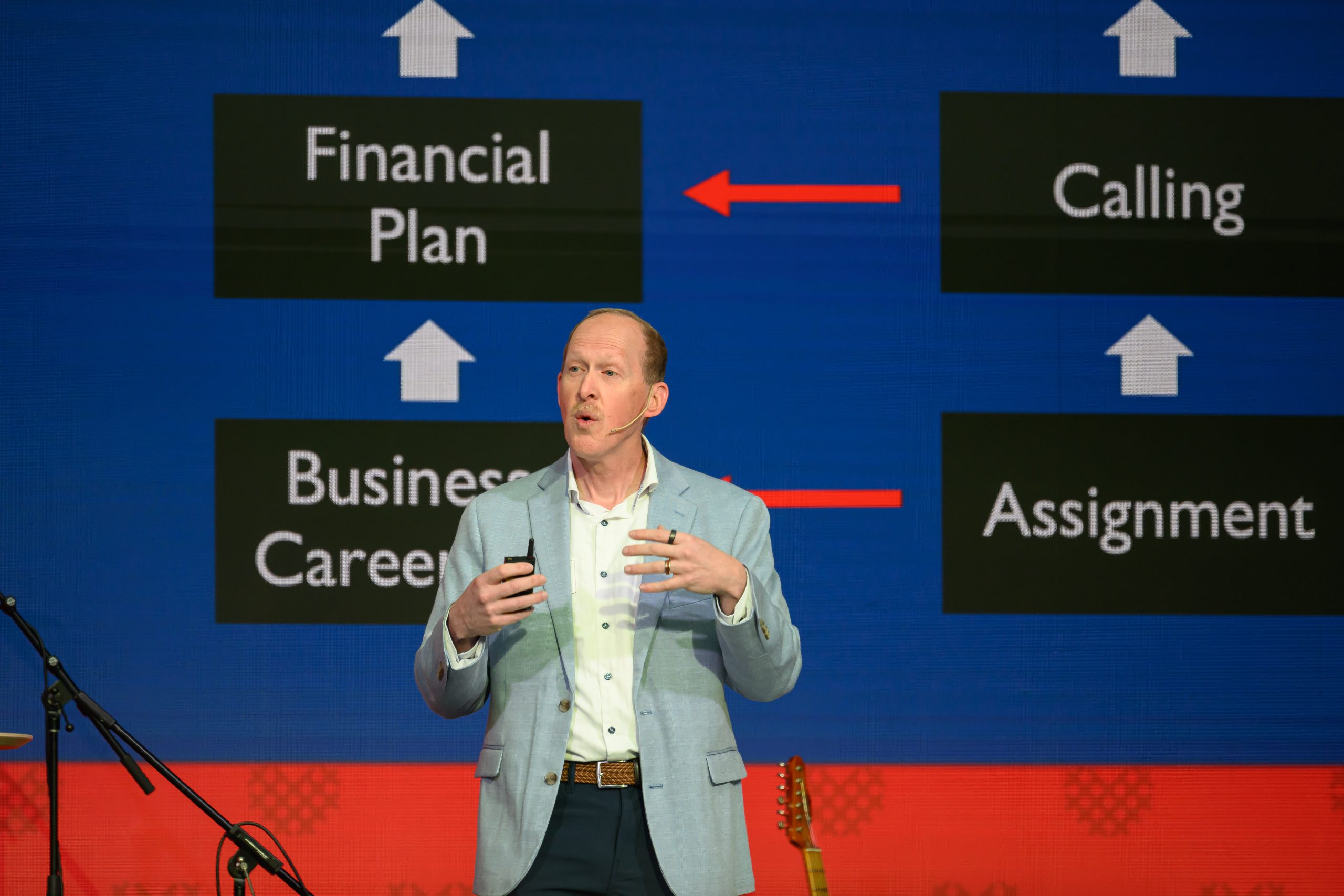
A moment of reflection as Jim Rasmussen shares his journey of being called from his role at Chick-fil-A into a new season of serving operators, staff, and community leaders through financial planning. Listening in this moment are, left to right, Priscilla Nicholson, Jim Rasmussen, Jeff Henderson, David Farmer, and Shane Benson—a gathering of leadership leaning into a story of purpose, transition, and calling.

Technical problem-solving

Low light? High ISO? No problem.

Selective noise reduction, exposure balancing, and batch editing ensured consistency across the gallery.

Not flashy work—but critical work.


Long-term security

Every image exists in three places.

Because losing a client’s photos isn’t a mistake—it’s a failure of professionalism.


As Jim Rasmussen speaks, the message behind him reinforces the heart of his story—clearly stating a purpose centered on making God known to others. In that moment, the words on the screen and the words being spoken aligned, creating a simple but powerful reminder that leadership is most impactful when purpose is made visible and lived out in real time.

The Fifth Layer: Make It Easy to Say Yes Again

Delivery wasn’t just about sending files.

It was about creating a smooth experience:

  • Easy-to-access gallery via PhotoShelter
  • Clear communication
  • Invoice included and ready

Even tools like FotoBiz help streamline the business side so the client never feels friction.


The Result

At 3:00 PM, Jim replied:

“WOW Stanley! This is awesome.”

That response wasn’t about the photos alone.

It was about the experience.


The Real Lesson

Going above and beyond isn’t about doing more work.

It’s about doing the right work—especially the parts the client doesn’t know to ask for.

That’s where trust is built.

That’s where repeat business comes from.

And that’s where you stop being seen as a vendor…
and start being seen as a partner.


Practical Takeaways

For Photographers

1. Show up before the moment starts
The story begins long before the “official” start time.

2. Shoot what’s happening—and what it means
Moments + context = usable storytelling.

3. Cull aggressively
Your client hires you to make decisions, not just images.

4. Speed matters more than perfection
Timely delivery increases usage dramatically.

5. Use metadata like a pro
Tag names, locations, and context. You’re building a searchable archive, not just a gallery.

6. Solve problems quietly
Noise, bad lighting, cluttered backgrounds—handle it without making it the client’s concern.

7. Build systems, not just workflows
Backup, delivery, invoicing—these should run smoothly every time.


For Clients

1. Don’t just hire a photographer—hire a problem solver
The best creatives bring ideas you didn’t think to ask for.

2. Share the bigger picture
The more context you give, the better the storytelling.

3. Value speed and usability—not just quantity
Images you can quickly find and use are far more valuable than thousands you can’t.

4. Think beyond the event
Great images should serve you long after the moment is over—marketing, branding, storytelling.

5. Invest in relationships, not transactions
The more a photographer understands you, the more value they can create.


If you’re a photographer, this is the difference between getting hired once…or becoming indispensable.

And if you’re a client, this is how you recognize the difference.

Why Easter Eggs Matter (And What Photographers Should See That Others Miss)

Reading Time: 2 minutes

Most people see Easter eggs and think of color, candy, and kids running through the yard.

As photographers, we should see something deeper.

Because behind every egg is a story—and if you miss that story, you’re just taking pictures of objects instead of creating images that mean something.

The Symbol Most People Know

In the Christian faith, the egg represents new life and resurrection.

A shell that looks lifeless on the outside… yet inside, life is forming. And then one day, it breaks open.

That’s the visual parallel to Easter—the resurrection of Jesus. Life overcoming death.

Now think about that as a photographer.

You’re not just photographing an egg—you’re photographing a metaphor.


The Story Most People Don’t Know

Here’s where it gets even more interesting—and more useful for storytelling.

Historically, during Lent—the 40 days leading up to Easter—people often gave up meat, dairy, and eggs as part of their spiritual discipline.

But chickens didn’t stop laying eggs.

So day after day, eggs piled up.

By the time Easter arrived, families had an abundance of them. And when the fast ended, eggs were among the first foods people could enjoy again.

That’s why they became part of the celebration.

Not just because of symbolism—but because of real life.


This Is Where Story Lives

This is the difference between documenting and storytelling.

Anyone can photograph:

  • dyed eggs
  • baskets
  • kids on a hunt

But a storyteller asks:

  • What does this represent?
  • What came before this moment?
  • Why does this matter?

Because the meaning isn’t just in the object—it’s in the context.


How This Changes Your Photography

If you approach Easter (or any assignment) this way, everything shifts.

Instead of just capturing moments, you start looking for:

  • anticipation (before the celebration)
  • contrast (fasting vs. feasting)
  • symbolism (life, renewal, restoration)
  • emotion (joy after restraint)

Now your photos aren’t just descriptive—they’re interpretive.

And that’s what clients are really looking for, whether they know how to say it or not.


Easter Egg Hunt at Riverside Park in Roswell, Georgia

The Bigger Lesson

Easter eggs are a perfect reminder that the strongest images come from understanding the story behind what you’re photographing.

When you know the “why,” you shoot differently.

You wait longer.
You frame more intentionally.
You capture meaning—not just moments.

And that’s what separates a photographer from a visual storyteller.

Naive Enough to Start

Reading Time: 2 minutes

There’s a moment before anyone starts something new where they stand at the edge of what they don’t know.

For some, that’s where they stop.

For others, that’s where they begin.

Naiveté—what we often dismiss as inexperience or lack of awareness—might actually be one of the most powerful assets an entrepreneur has.

Because if you fully understood everything it would take to build something from scratch… You might never start.


The Problem With Knowing Too Much

Experience is valuable. I’ve built a career on it.

But experience also does something subtle—it teaches you all the reasons something won’t work.

You begin to see:

  • The competition
  • The saturated markets
  • The financial risks
  • The long hours
  • The uncertainty

And those are all real.

But here’s the tension:
If those realities show up too early in your thinking, they don’t inform your decision—they shut it down.


Why Naiveté Creates Movement

Naiveté allows you to ask a different kind of question.

Not:

“Will this work?”

But:

“What if it did?”

That shift is everything.

It’s what allowed Daniel Lubetzky to step into a crowded food industry and build KIND Snacks around values most competitors weren’t prioritizing.

He didn’t start with dominance in mind.

He started with curiosity:
What would it look like to build a snack company rooted in kindness, transparency, and long-term thinking?

That question doesn’t come from expertise alone.

It comes from a willingness not to fully understand the limits.


Freelancers Face This Same Moment

I see this all the time with photographers, videographers, and storytellers.

The ones who haven’t started yet often say things like:

  • “The market is too saturated.”
  • “There are already too many people doing this.”
  • “I don’t know enough yet.”

And in many cases, they’re right.

But the people who do start?
They’re often just naive enough to believe:

  • They’ll figure it out
  • Their voice matters
  • There’s room for them

And because they believe that… they take action.


Naiveté Gets You Started. Growth Keeps You Going.

Naiveté isn’t the goal. It’s the doorway.

At some point, reality shows up—and it should.

You learn:

  • How to price your work
  • How to communicate value
  • How to handle rejection
  • How to build systems and workflows

That’s where experience becomes your ally.

But none of that happens if you never start.


What This Means for You

If you’re standing on the edge of starting something—especially a freelance business—don’t wait until you feel fully ready.

That feeling doesn’t come.

Instead, pay attention to the part of you that says:

“I think this could work.”

That voice isn’t ignorance.

It’s a possibility.


A Better Way to Think About It

Maybe naiveté isn’t a weakness to overcome.

Maybe it’s a window you only get for a short period of time—before experience fills in all the blanks.

And maybe some of the most meaningful work you’ll ever do…

only exists on the other side of stepping forward before you have everything figured out.


Closing Thought

If you knew every obstacle ahead of time, you might hesitate.

If you don’t know them all, you might begin.

And the beginning is what makes everything else possible.