Anytime I buy new camera gear—or even pull something off the shelf that I haven’t used in a while—I remind myself of one simple truth: never take it to a client job until you’ve tested it thoroughly.
Today was one of those reminders.
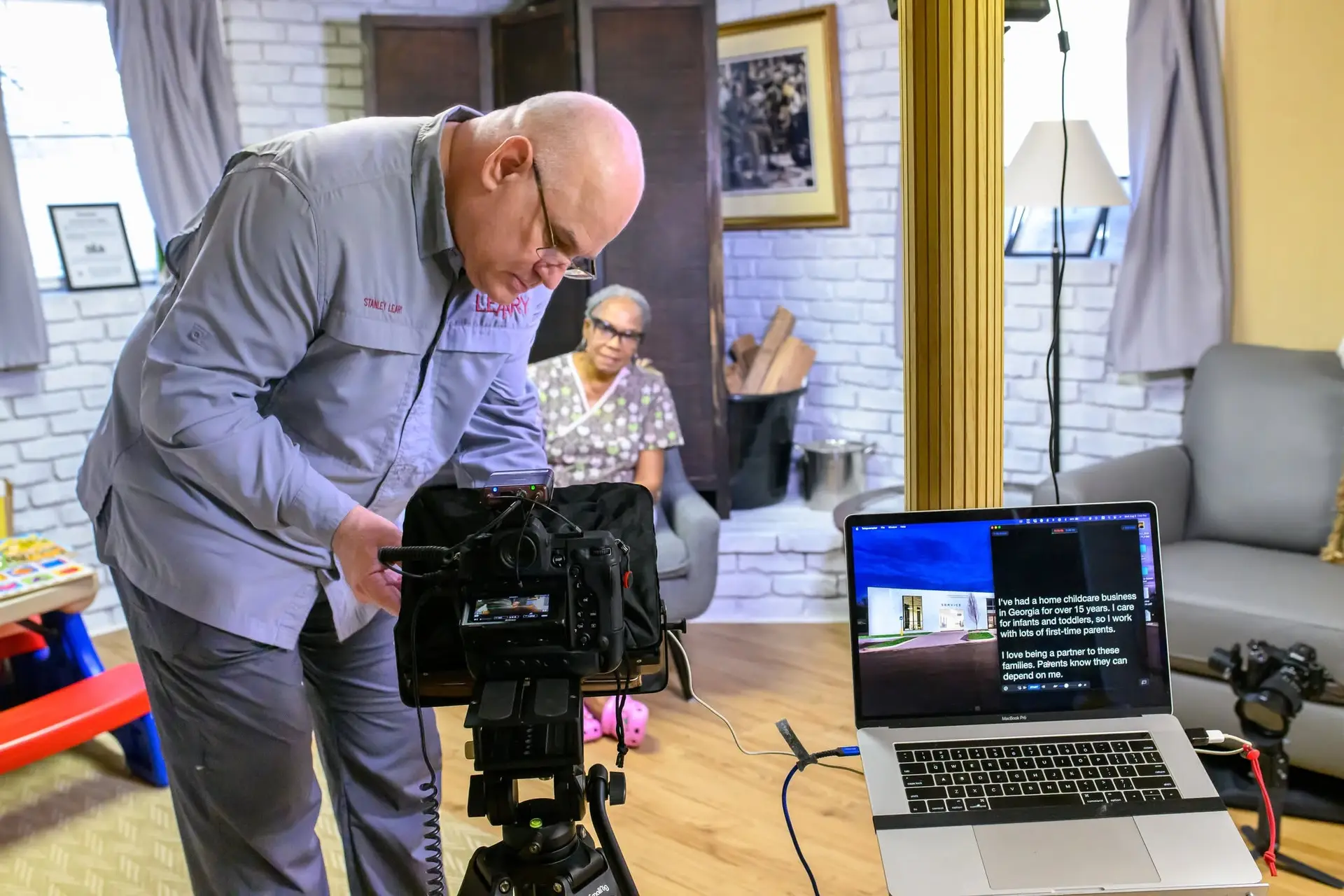
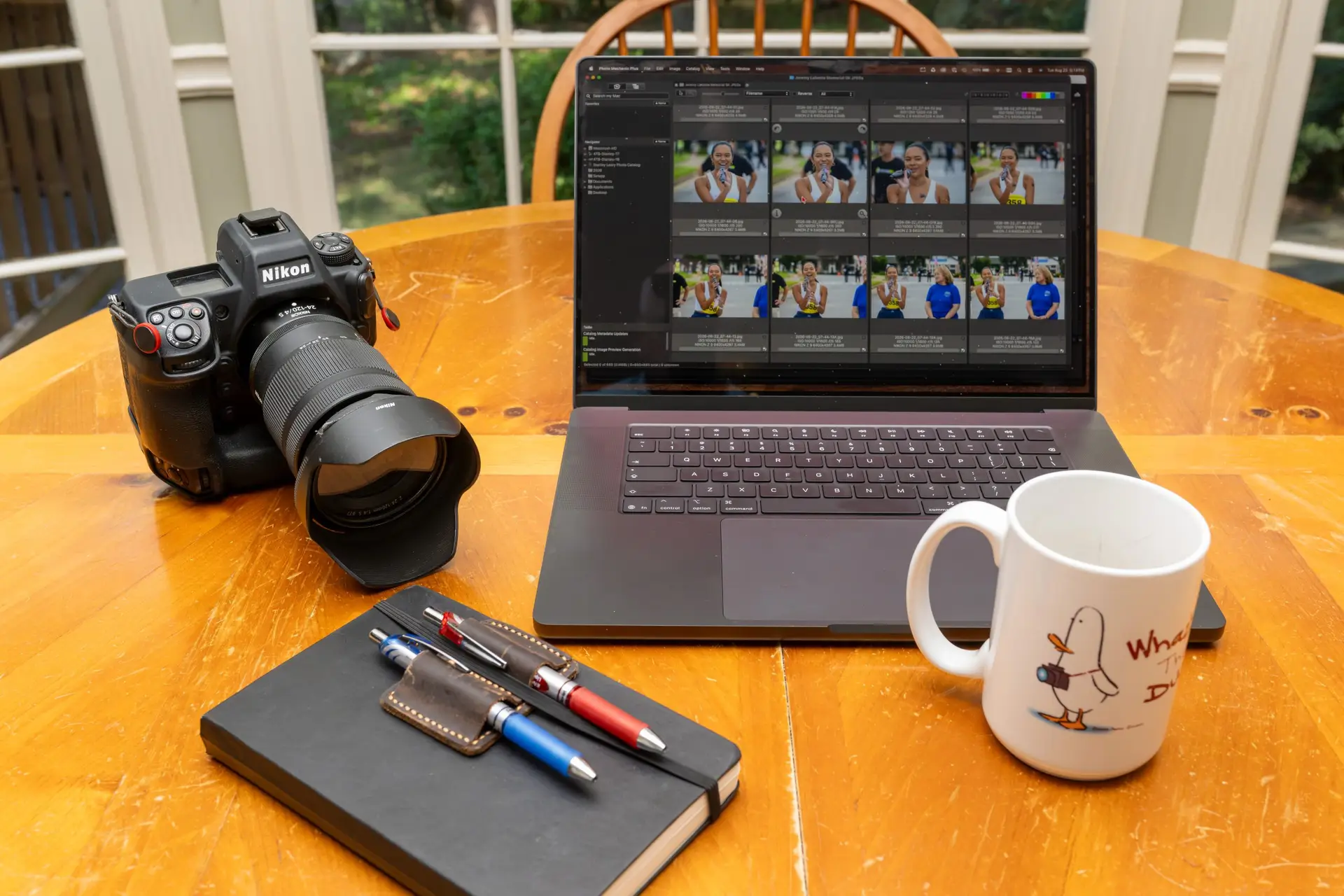
I’m preparing for a project in a few days, so I spent the morning working with my Nikon Z9 and the DJI Mic 2 system. I’ve been using both for a while now, but like anything in our world, settings change, firmware updates happen, and sometimes the details fade if you haven’t touched something in a few months.
Before I point a camera at a client, I want to know exactly what each setting does—and why. I don’t want to be the person who finds a “recommended setting” and rolls with it. I want to understand the concept behind each control so I know when to adjust it and how it affects the recording. That knowledge gives me confidence, and confidence lets me focus on the story instead of the gear.
Refreshing on the DJI Mic 2
I pulled up a couple of YouTube videos to refresh my memory on the DJI Mic 2—mainly because there are a few settings I dial in once, forget about, and then have to relearn the next time I use it. One of those was the “Camera” setting inside the DJI receiver menu.
What I confirmed (again!) is that this setting controls the output gain from the DJI receiver going into the camera’s mic input. That’s it. It’s easy to overthink.
Here’s how I approach it:
How I Set Gain Between the DJI Mic 2 and the Nikon Z9
Think of it like a two-stage system:
- DJI Mic 2 Output Gain (Camera Setting on the Receiver)
This is the signal strength from the DJI receiver to the Z9.
I prefer to keep this relatively low because a strong signal going into the camera can easily clip. The DJI mics are quiet and clean, so lowering the output gives the camera room to breathe. The gain is set at +9 on the DJI Mic 2. - Nikon Z9 Input Gain
This is where I fine-tune the actual recording level.
On the Z9, I usually start around 3–4 and adjust based on the speaker’s volume. This keeps the preamps clean and reduces the risk of distortion.
In short:
Lower gain on the DJI receiver, controlled gain on the Z9. Keep camera input low, and use the receiver’s gain to boost the signal, while disabling transmitter noise reduction and using windscreens for the best quality in post-production.
That combination gives me headroom and cleaner audio.
The Two-Track Safety Net: Why I Love 32-Bit Float
When I run the DJI Mic 2 with the Z9, I think of it as two simultaneous recordings:
- The main audio:
The signal goes from the mic transmitter → receiver → into the Z9. This is what gets synced to the video automatically. - The backup:
Each transmitter records internally in 32-bit Float.
That’s a huge safety net.
If someone laughs loudly or suddenly projects, the camera track might clip—but the 32-bit float file won’t. Later, I can pull the file off the transmitter via USB-C, sync it, and choose whichever track sounds better.
This is especially helpful when I’m filming conversations or podcasts where levels can jump without warning.
Watching, Listening, and Staying Ahead of Trouble
The most significant part of testing is simply getting comfortable enough that monitoring becomes second nature. When the job comes, I want to be able to glance at my setup and instantly know everything is healthy.
During the podcast shoot I’m prepping for, I’ll be:
- Watching the Z9:
The red box around the frame indicates it’s recording, and I’ll keep an eye on the camera’s meters. - Watching the DJI Mic 2 receiver:
It gives me the same visual reassurance: a red box and levels for each mic. - Listening on headphones:
No guessing. No hoping. Just explicit confirmation that the audio hitting the camera is clean.
Why All This Matters
Gear is expensive. Clients are trusting. And once the moment is gone, it’s gone.
Testing isn’t about paranoia—it’s about stewardship. It’s about respecting the people you’re serving enough to make sure your tools are ready long before you walk into the room.
Every time I sit down with new equipment—or equipment I haven’t used in a while—I’m reminded that the best storytellers aren’t just creative. They’re prepared.
And that preparation starts long before the record button is pressed.