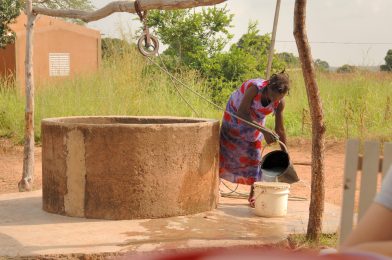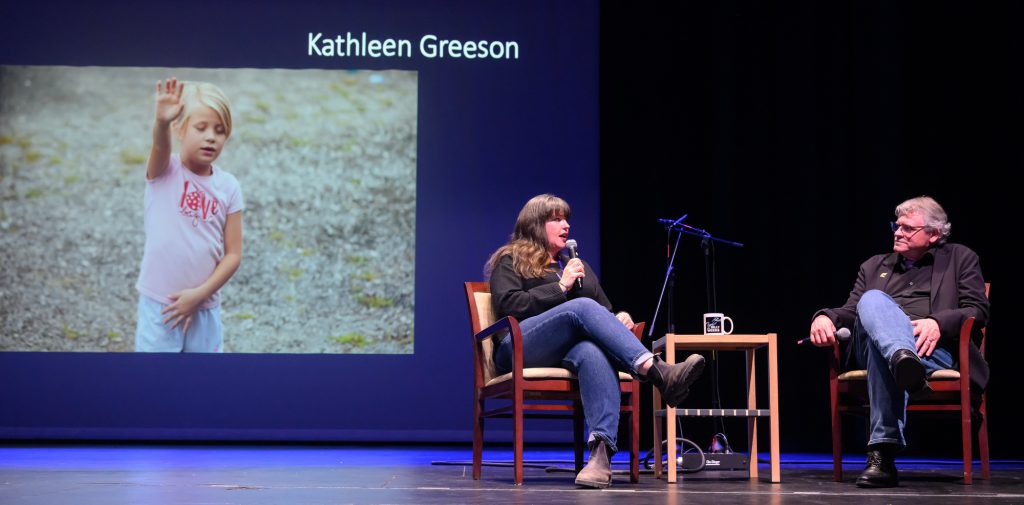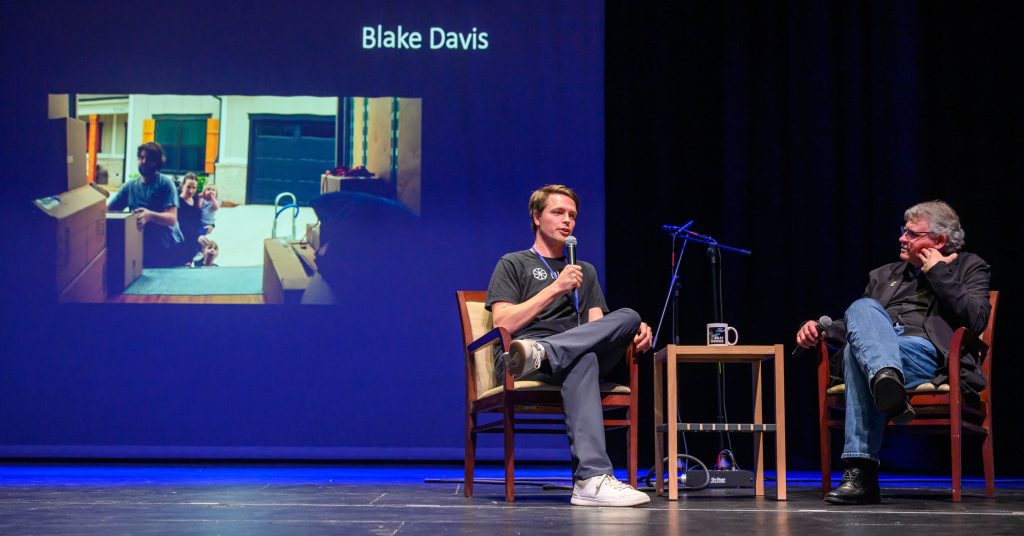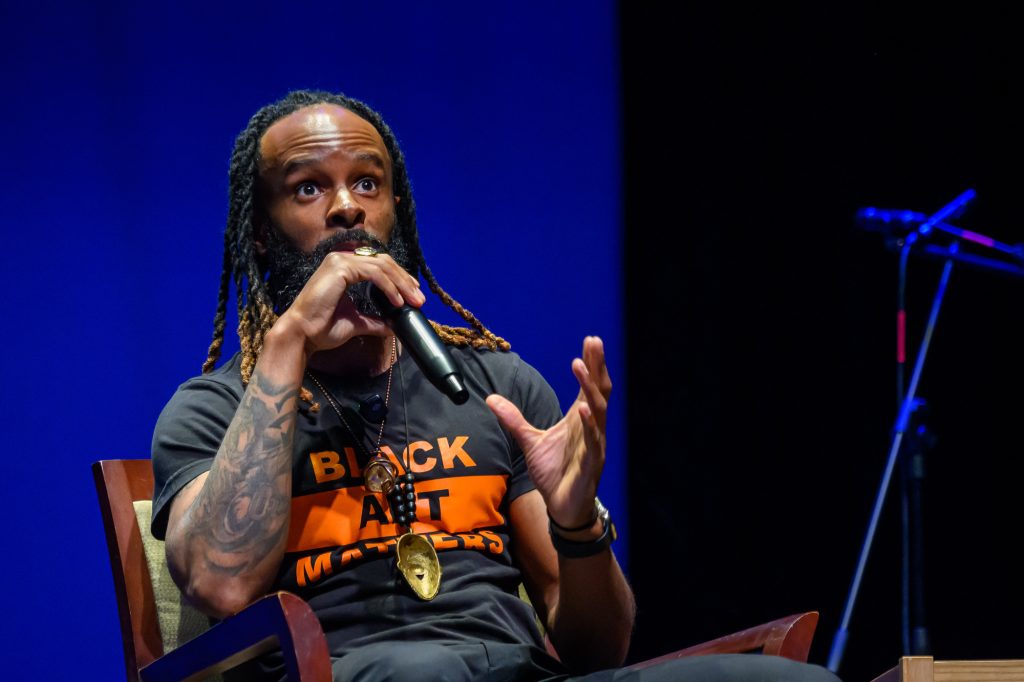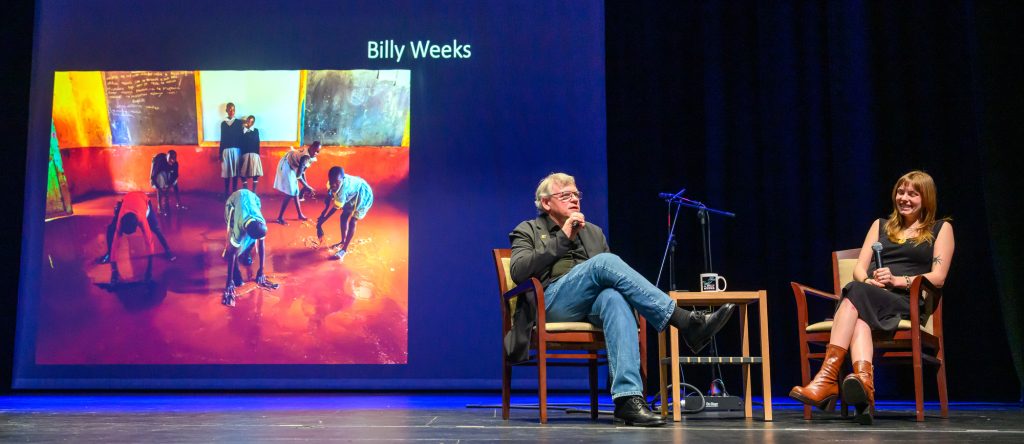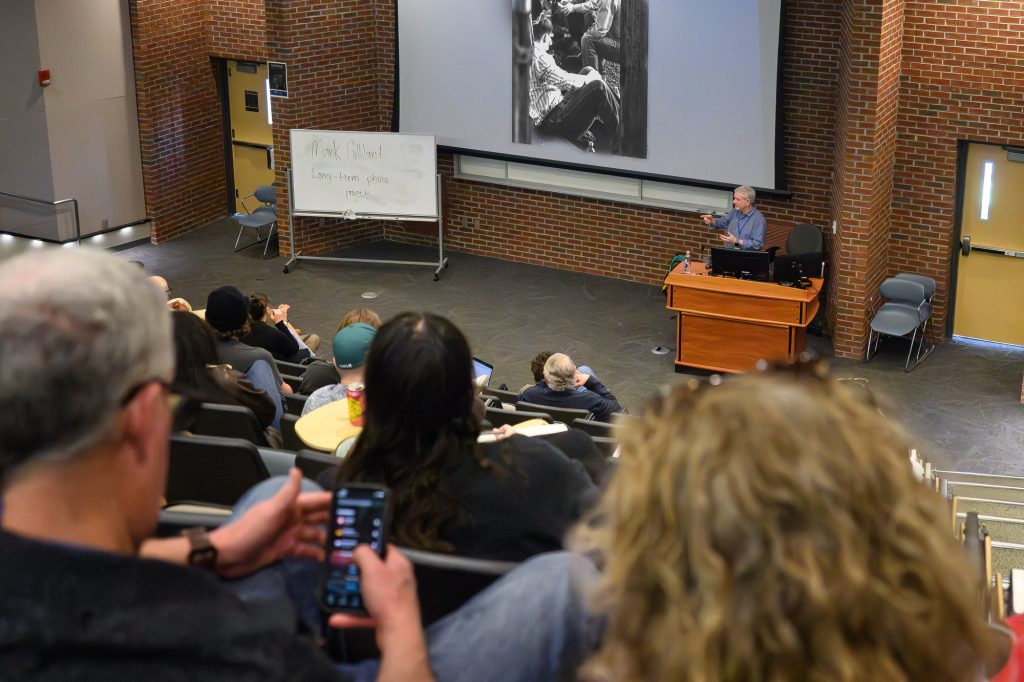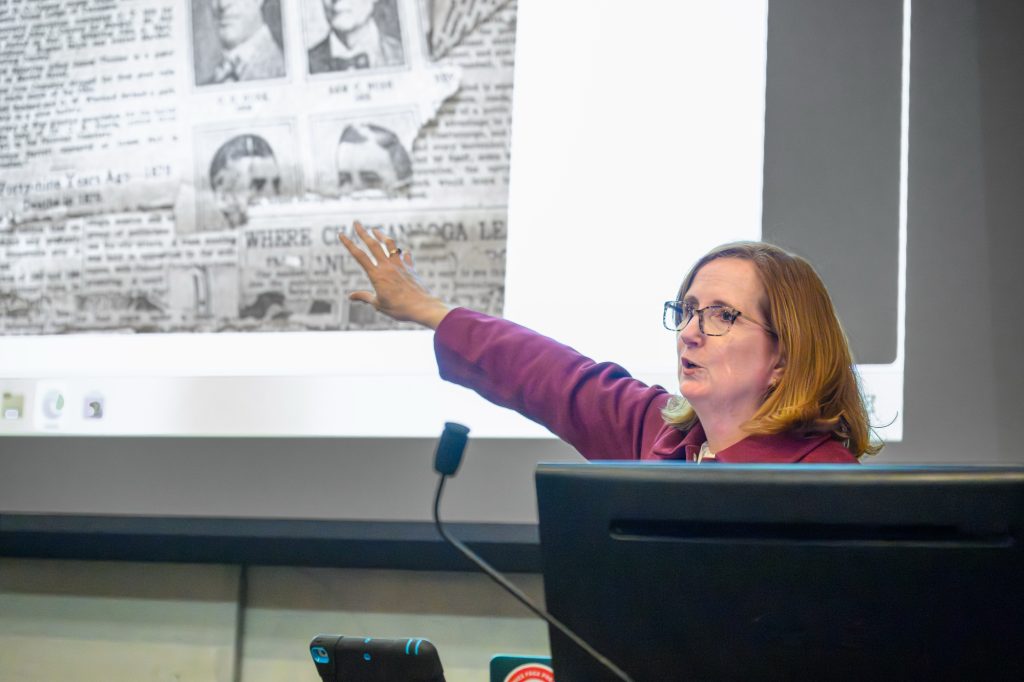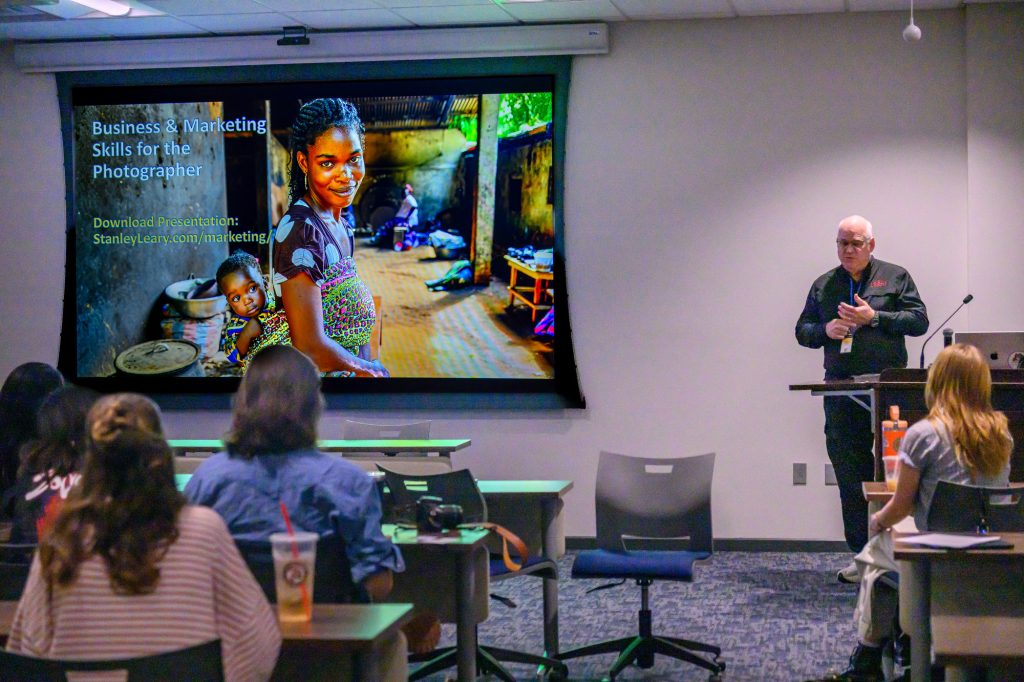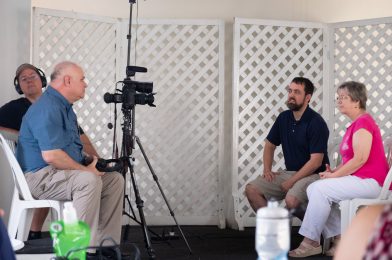
In Lima, Peru, we practiced mock interviews to teach missionaries how to draw out authentic stories and work effectively with a translator. Great storytelling doesn’t happen by accident—it’s learned, refined, and practiced.
Early in my career, I had what I thought was my dream job. I was working for a Christian mission organization doing photography and storytelling—exactly what I believed I was called to do.
Then, giving to the organization declined.
Like many nonprofits during difficult seasons, they had to make cuts. My position disappeared.
One day, I was doing the work I loved. The next day, I was trying to figure out how to pay my bills.
Dream job gone.
That moment taught me something I wish more people pursuing photography, video, and storytelling understood:
Having to take another job doesn’t mean your dream is over.
It may simply mean you’re entering the part of the journey where persistence matters most.
Your Dream Isn’t Dead Because You Took Another Job
Some creatives believe that taking a job outside their field means they’ve somehow failed.
That mindset can trap people.
The truth is simple: adults must provide for themselves.
Rent doesn’t wait for your portfolio to improve. Groceries don’t go on hold while you build your brand. Insurance, gas, and utilities all expect to be paid on time.
Taking a job that pays the bills isn’t quitting your dream.
It’s creating the stability that allows you to keep pursuing it.
Many Jobs That Pay the Bills Aren’t Ideal
Here’s another truth people don’t talk about enough.
Some of the jobs that help you survive financially will not be places you love working.
You may deal with poor management. You may work in environments that don’t inspire you creatively. Some days you may simply be watching the clock.
But those jobs still serve a purpose.
They give you financial oxygen.
One of the most important lessons I learned is this:
Always keep a job while looking for a better one.
When you’re employed, you have options. When you’re unemployed, desperation can lead to poor decisions.
Stability gives you the ability to move forward wisely.
My Detour Back to Stability
After losing that mission job, I needed income.
I worked for Tandy, the parent company of what many people knew as Radio Shack, selling computer systems to businesses for about a year. It wasn’t photography. It wasn’t storytelling. But it paid the bills.
During that season, I made another decision that helped shape my future: I enrolled in seminary to pursue a master’s degree in communications.
For the next three years, I worked full-time while going to school.
First, I sold meat door-to-door out of the back of a truck.
Then I worked at Glamour Shots.
After that, I became an assistant manager at a one-hour photo lab in a drugstore chain. Later, I moved to another one-hour photo lab, where I served as manager.
Those jobs were 40 to 50 hours a week while I was also taking classes.
Were those dream jobs?
No.
But they kept the lights on. They kept food on the table. And they kept me moving forward.
Milestones Help You Keep Going
One thing that saved my sanity during that season was having milestones.
School gave me measurable progress. Every semester meant I was one step closer to where I ultimately wanted to be.
Without those milestones, it would have been easy to feel stuck.
When you’re pursuing a dream that takes time, it helps to create markers that remind you you’re moving forward.
Many Creative Careers Start as Two Jobs
For a season, many photographers, filmmakers, and storytellers live a double life.
A full-time job that pays the bills.
And evenings or weekends spent building their creative work.
That season can feel exhausting.
But it’s also where portfolios are built, skills are refined, and relationships begin to form.
Too many people underestimate how much consistent work over time it takes to build a sustainable creative career.
Passion Alone Isn’t Enough
We often hear the phrase “follow your passion.”
What we hear less often is the other side of that truth.
Passion must be paired with persistence.
The people who eventually succeed in creative fields are rarely the ones who had the easiest path.
They’re the ones who kept going when the dream temporarily disappeared.
They kept learning. Kept practicing. Kept taking the next small step forward.
Wanting It Isn’t the Same as Earning It
Here’s the part that can be hard to hear.
Just because you want to become a photographer, filmmaker, or storyteller doesn’t mean it will automatically happen.
Creative careers are earned.
They’re earned through years of effort, learning, mistakes, relationships, and perseverance.
That process often takes far longer than anyone expects.
But if the calling is real, the work is worth it.
Don’t Quit — Just Be Honest About the Journey
If storytelling is something you truly feel drawn to do, don’t abandon the dream simply because it isn’t paying the bills right now.
Instead, be honest about the path.
Find work that gives you stability.
Take care of your responsibilities.
Then keep building your craft during the time you do have available.
Many people who eventually make a living with a camera didn’t start there.
They started by doing whatever work was necessary to keep moving forward.
Your current job may not be your dream.
But it might be the very thing that makes your dream possible later.