When “Just Show Up and Shoot” Isn’t Enough

Reading Time: 5 minutes

Most people think great photography is about what happens when the shutter clicks.

It’s not.

It’s about everything that happens before and after.

Recently, I had a simple request from Jim Rasmussen. He was speaking at a devotional at Chick-fil-A’s Support Center and wanted “good photos if possible.”

That phrase—if possible—is where most photographers miss the opportunity.

Because that’s exactly where you decide whether you’re going to meet expectations…or exceed them.


The Assignment Was Simple. The Opportunity Was Not.

Jim didn’t ask for storytelling coverage.

He didn’t ask for behind-the-scenes moments.

He didn’t ask for environmental portraits, networking interactions, or a complete visual narrative of the morning.

But that’s what he needed.

So I showed up early—before the moment most photographers would consider “start time.”

And that changed everything.


Before the devotional began, Jim Rasmussen reconnects with Jonathan Morrow—a relationship that goes back to when Jonathan was still in college and his mother worked alongside Jim. Moments like this remind us that the story often starts long before the program begins.

The First Layer of “Above and Beyond”: Show the Whole Story

By arriving early, I didn’t just photograph a speaker.

I documented anticipation.

I captured Jim connecting with people as they arrived—including leadership moments with people like Dan Cathy.

Those images matter.

Because for someone like Jim, the story isn’t just what he said—it’s who he impacted.


During rehearsal, I was able to step in close and capture a perspective that would have been distracting during the live presentation. These are the moments most people never see—but they’re exactly where you create the kind of images that elevate the entire story.

The Second Layer: Anticipate What the Client Doesn’t Know to Ask For

Most clients don’t think in terms of visual storytelling.

They think in terms of coverage.

So while Jim asked for photos of his talk, I made sure to:

  • Capture rehearsal moments
  • Photograph audience reactions
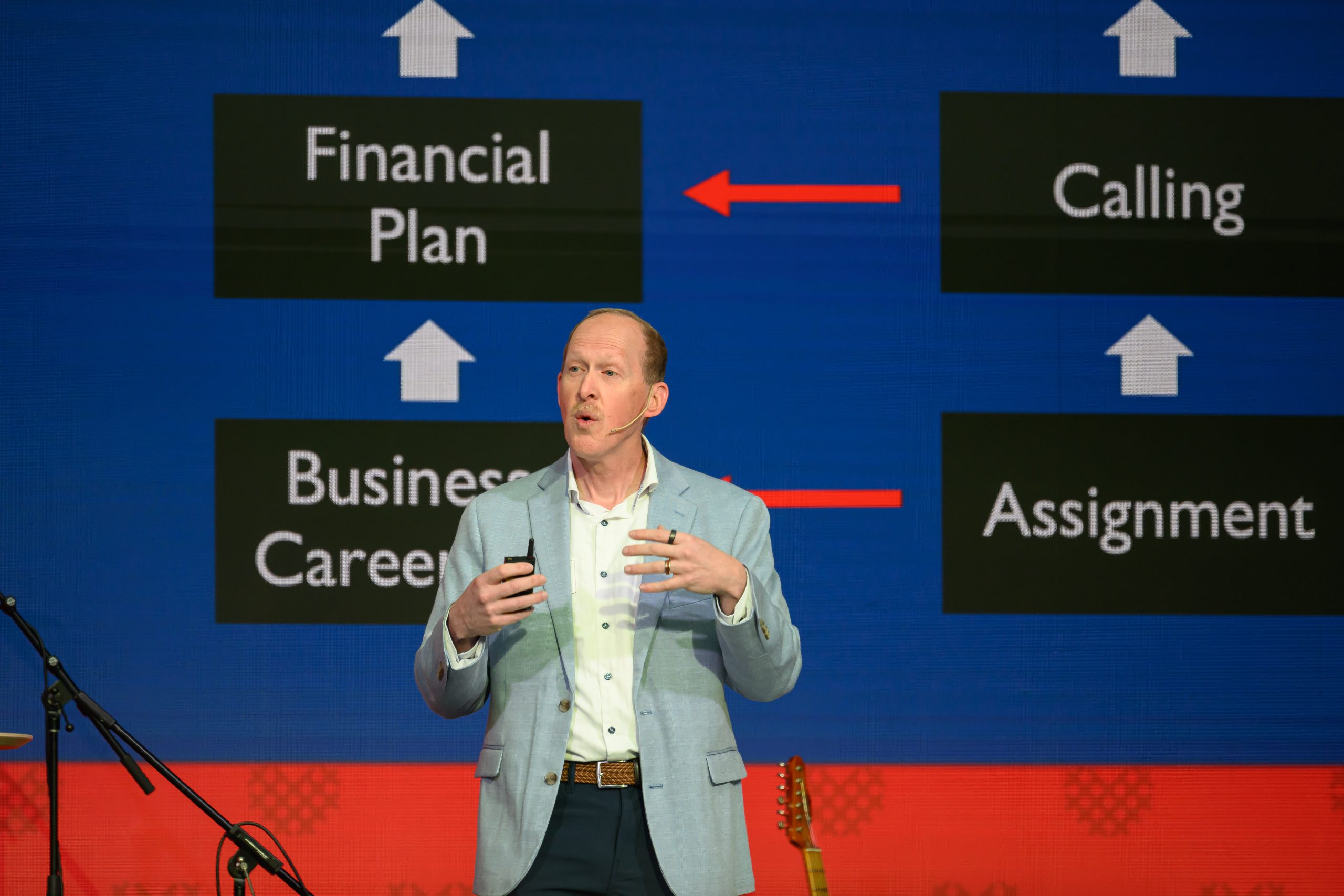
  • Frame him with his slides
  • Stay afterward for relationship moments

Those are the images that actually get used.


The Third Layer: Respect the Client’s Time

The event ended at 9:25 AM.

Jim had images in his inbox by 1:30 PM.

That’s not normal.

That’s intentional.

Fast delivery isn’t just a “nice touch”—it’s often the difference between content being used…or forgotten.


The Fourth Layer: Add Value They Can’t See (But Feel)

This is where professionals separate themselves.

Here’s what Jim didn’t ask for—but absolutely benefits from:

Clean, curated selects

I shot over 2,000 frames. He received 790 strong images.

No one wants to dig through mediocrity to find gold.


Intelligent metadata (this is a big one)

Using tools like Adobe Lightroom Classic, I tagged people in the photos.

That means later, when Jim needs:

  • A photo with a specific executive
  • A moment with a key connection
  • Images for a particular audience

He can find them instantly.

That’s not just organization—that’s usability.

A moment of reflection as Jim Rasmussen shares his journey of being called from his role at Chick-fil-A into a new season of serving operators, staff, and community leaders through financial planning. Listening in this moment are, left to right, Priscilla Nicholson, Jim Rasmussen, Jeff Henderson, David Farmer, and Shane Benson—a gathering of leadership leaning into a story of purpose, transition, and calling.

Technical problem-solving

Low light? High ISO? No problem.

Selective noise reduction, exposure balancing, and batch editing ensured consistency across the gallery.

Not flashy work—but critical work.


Long-term security

Every image exists in three places.

Because losing a client’s photos isn’t a mistake—it’s a failure of professionalism.


As Jim Rasmussen speaks, the message behind him reinforces the heart of his story—clearly stating a purpose centered on making God known to others. In that moment, the words on the screen and the words being spoken aligned, creating a simple but powerful reminder that leadership is most impactful when purpose is made visible and lived out in real time.

The Fifth Layer: Make It Easy to Say Yes Again

Delivery wasn’t just about sending files.

It was about creating a smooth experience:

  • Easy-to-access gallery via PhotoShelter
  • Clear communication
  • Invoice included and ready

Even tools like FotoBiz help streamline the business side so the client never feels friction.


The Result

At 3:00 PM, Jim replied:

“WOW Stanley! This is awesome.”

That response wasn’t about the photos alone.

It was about the experience.


The Real Lesson

Going above and beyond isn’t about doing more work.

It’s about doing the right work—especially the parts the client doesn’t know to ask for.

That’s where trust is built.

That’s where repeat business comes from.

And that’s where you stop being seen as a vendor…
and start being seen as a partner.


Practical Takeaways

For Photographers

1. Show up before the moment starts
The story begins long before the “official” start time.

2. Shoot what’s happening—and what it means
Moments + context = usable storytelling.

3. Cull aggressively
Your client hires you to make decisions, not just images.

4. Speed matters more than perfection
Timely delivery increases usage dramatically.

5. Use metadata like a pro
Tag names, locations, and context. You’re building a searchable archive, not just a gallery.

6. Solve problems quietly
Noise, bad lighting, cluttered backgrounds—handle it without making it the client’s concern.

7. Build systems, not just workflows
Backup, delivery, invoicing—these should run smoothly every time.


For Clients

1. Don’t just hire a photographer—hire a problem solver
The best creatives bring ideas you didn’t think to ask for.

2. Share the bigger picture
The more context you give, the better the storytelling.

3. Value speed and usability—not just quantity
Images you can quickly find and use are far more valuable than thousands you can’t.

4. Think beyond the event
Great images should serve you long after the moment is over—marketing, branding, storytelling.

5. Invest in relationships, not transactions
The more a photographer understands you, the more value they can create.


If you’re a photographer, this is the difference between getting hired once…or becoming indispensable.

And if you’re a client, this is how you recognize the difference.