Understanding Anxiety Through Life Moments and Work Disruptions

Reading Time: 4 minutes

There are moments in life that seem small on the outside but create a cascade of thoughts on the inside. A camera strap coming undone is one of those moments for me.

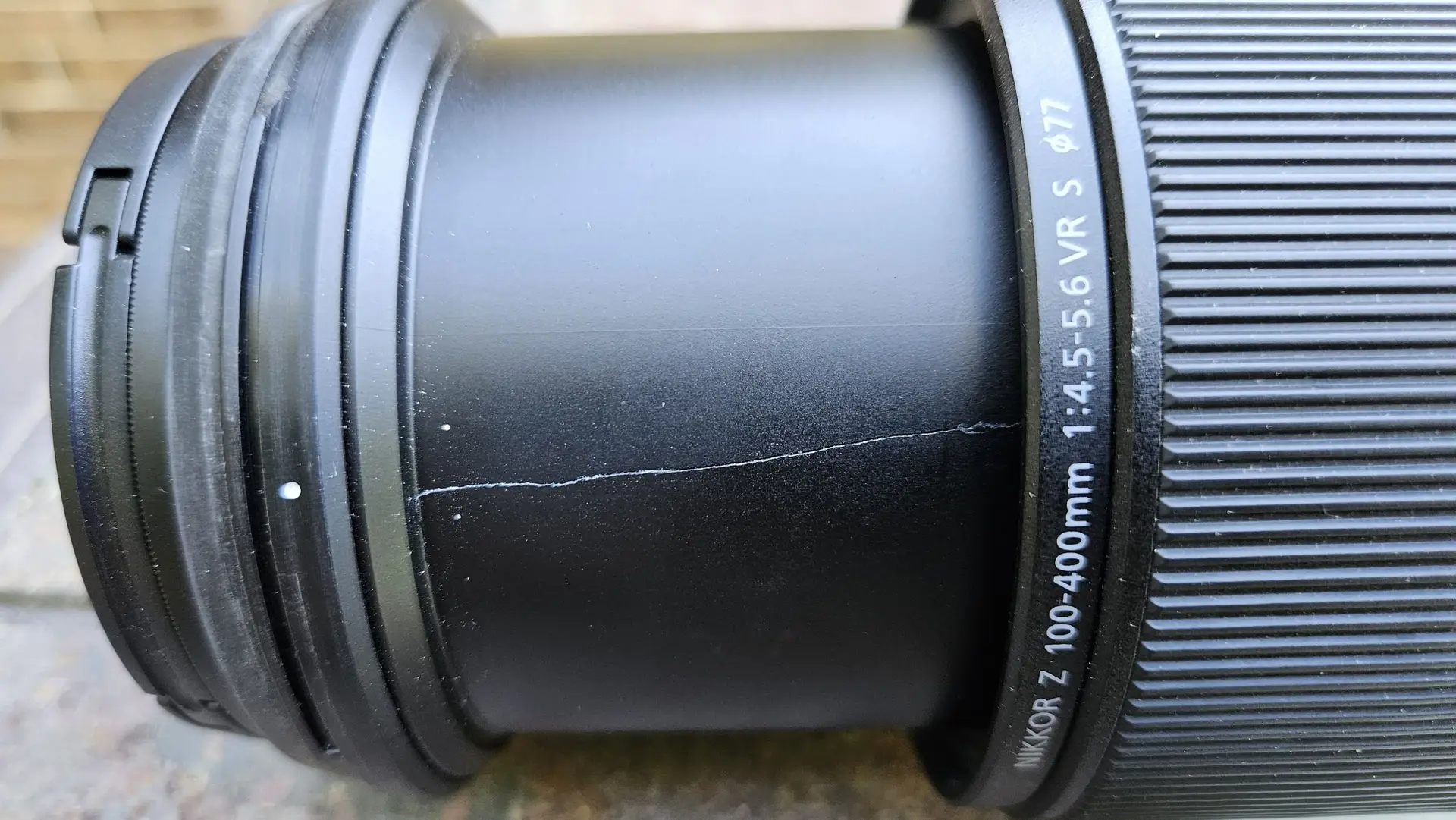
My Nikon Z 100–400 lens is now off for repair after my camera dropped. On the surface, it’s a gear issue. But internally, it became something else entirely for a moment: a familiar wave of anxiety.

Not because it’s just equipment—but because my mind immediately starts asking questions: What does this mean? How much will it cost? How long will I be without it? How will this affect my work?

And I’ve learned this isn’t new for me.

Where Anxiety Shows Up in Life

Looking back, I can trace this response back to childhood.

I fell down the steps. I fell out of a tree. I even remember standing on a towel in the bathroom when my sister pulled it out from under me to grab something—sending me straight down. Many of those moments ended in emergency rooms, stitches, and a very early introduction to pain and surprise.

Later in life, it showed up differently—but with the same emotional pattern.

A toothache that turned into a root canal didn’t start with just physical discomfort. It started with the conversation. Hearing what “might be needed” sent me into tears—not because of the procedure itself, but because of the anticipation and uncertainty.

That pattern has repeated in different forms over the years. Different situations, same internal reaction.

The Brain Behind Anxiety

Anxiety isn’t just emotional—it’s neurological. Several parts of the brain work together in those moments:

  • The amygdala acts like a smoke alarm, constantly scanning for danger and sounding the alert.
  • The prefrontal cortex tries to reason through the situation and calm things down.
  • The hippocampus pulls in past experiences, sometimes reinforcing fear based on memory.
  • The hypothalamus activates the body’s stress response—heart rate, tension, adrenaline.
  • The brainstem helps regulate alertness, keeping the body in a heightened state.

In simple terms, one part of the brain says, “This might be trouble,” another tries to think it through, and the body responds before everything is fully processed.

That’s why anxiety feels so immediate. It’s not imagined—it’s physiological.

The Stages I Notice in Myself

Over time, I’ve started recognizing a pattern in how anxiety moves through me:

  1. Trigger – Something unexpected happens (like my camera dropping).
  2. Interpretation – My mind immediately asks, “What does this mean?”
  3. Escalation – The worst-case scenarios begin to surface.
  4. Physical response – Tension, racing thoughts, emotional overwhelm.
  5. Processing – I begin shifting toward what can actually be done.
  6. Action – Repairs, decisions, next steps.

What has changed over the years is not that anxiety disappears—but that I move through it faster than I used to.

What I’ve Learned Helps

One of the most interesting discoveries for me has been how rest affects my mind. During a past sinus lift procedure for a dental implant, I noticed something simple but profound: being put to sleep removed the mental loop entirely. My mind wasn’t fighting the situation—it was paused.

It made me realize how much anxiety is a mental activity without resolution.

Sleep, rest, and even stepping away physically from a problem often gives the brain a reset it can’t create while actively spinning.

The other lesson is less comforting but more practical: sometimes the solution simply costs something—time, money, or inconvenience. And at some point, you have to accept it and move forward.

That acceptance is often where relief begins.

Anxiety Doesn’t Disappear—But It Changes

Here’s what I’ve come to accept: anxiety will show up again. Not because something is wrong with me, but because it’s part of how the brain responds to uncertainty and perceived loss or disruption.

I can’t eliminate it completely.

But what does change is this:

  • I recognize it sooner.
  • I don’t assume it is the truth of the situation.
  • I know I will move through it.
  • I know action reduces its power.

A Visual Way to Think About It

If I were to illustrate this, I’d draw a simple diagram of the brain with highlighted regions:

  • The amygdala flashing like an alarm light
  • The prefrontal cortex is trying to steady things like a control room
  • Arrows moving between memory, emotion, and physical response

And next to it, I’d show something very ordinary: a camera on the ground after a strap failure.

Because that’s really the point. It doesn’t take a life-threatening event to trigger anxiety. It can be something as simple as a broken gear—especially when that gear is tied to your work, identity, and responsibility.

Final Thought

Life keeps happening. Gear breaks. Plans shift. Bodies get procedures. Bills come. Unexpected moments show up.

Anxiety is part of that experience—not the exception to it.

But what I continue to learn is this: while I may not stop the initial reaction, I do keep discovering that I will get through it. Every time.

And that changes everything.

Philippians 4:6-7 (New International Version) 6 “Do not be anxious about anything, but in every situation, by prayer and petition, with thanksgiving, present your requests to God. 7 And the peace of God, which transcends all understanding, will guard your hearts and your minds in Christ Jesus.”

Key Themes

  • Addressing Anxiety: The passage begins with a command not to be anxious, regardless of the situation.
  • The Power of Prayer: It provides a specific method for handling worry: combining prayer (general devotion), petition (specific requests), and thanksgiving.
  • Transcendent Peace: The promise is not necessarily a change in circumstances, but a supernatural peace from God that “transcends all understanding”—meaning it doesn’t always make sense given the situation.
  • Protection: This peace acts as a “guard” for both the heart (emotions) and the mind (thoughts).