The Importance of Turnaround Time in Photography: Meeting Client Expectations

Reading Time: 3 minutes

When it comes to photography, whether it’s capturing the magic of a wedding, the professionalism of corporate headshots, or the urgency of breaking news, one crucial factor often gets overlooked: turnaround time. How soon can you expect to receive your photos after the event? The answer to this question depends on various factors, and understanding them can help clients and photographers manage expectations effectively.

Understanding Turnaround Time
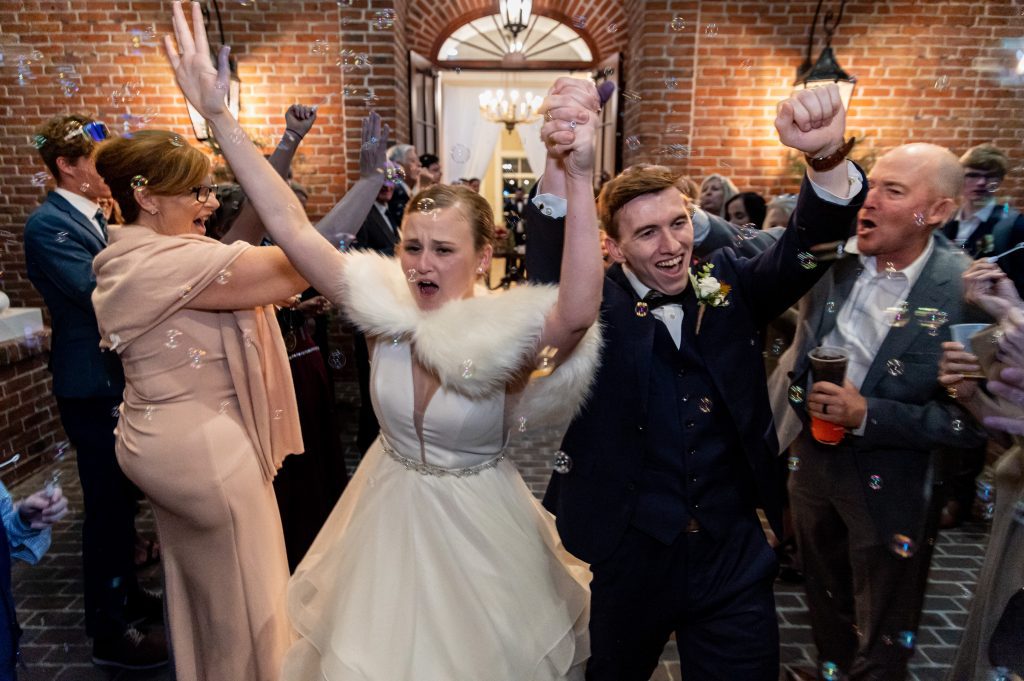
Ashlee Richardson and Benjamin Boyette Wedding

Wedding Photography

For those eagerly awaiting their wedding photos, patience is vital. The turnaround time for wedding photos can vary significantly depending on the photographer’s workload and post-processing requirements. Typically, couples can expect to receive their photos within two weeks to 3 months after the wedding date. Some photographers may offer expedited processing for an additional fee, providing a quicker turnaround.

Headshot Photography

For headshot sessions, clients can usually anticipate receiving their photos within 1 to 2 weeks after the session. Again, this timeframe may vary based on the photographer’s workload and any specific agreements made with the client. Discussing the expected turnaround time beforehand ensures clarity on both sides.

Commercial Photography

Commercial photography projects span a broad spectrum, from small-scale shoots to large advertising campaigns. As such, the turnaround time can vary greatly. Smaller projects may be completed within a few days, while larger endeavors could take several weeks due to extensive editing and client coordination. Some photographers may offer expedited services for quicker delivery.

Photojournalism

In the fast-paced world of photojournalism, speed is essential. Photojournalists are known for their ability to deliver images quickly, often within tight deadlines. Whether covering breaking news or ongoing events, photojournalists work rapidly to provide timely coverage to their editors or wire services.

The Photographer’s Perspective

As a photographer, my philosophy centers on swift turnaround times. Drawing from my experience in photojournalism, where speed is paramount, I prioritize processing images promptly. Whether it’s a wedding, corporate event, or real estate shoot, I aim to deliver results swiftly without compromising quality. I usually turn around projects in a day or less.

Technology has enabled me to expedite the process in the digital age. I can shoot, edit, and transmit images in minutes with today’s cameras. This agility allows me to accommodate tight deadlines and fulfill client expectations effectively.

When clients book me for a project, I make it a point to inquire about their deadline and preferred delivery method. Most opt for online galleries for easy access and downloading. By understanding their needs upfront, I can ensure a seamless experience and strive to exceed their expectations by delivering ahead of schedule whenever possible.

Setting Yourself Apart as a Photographer

For photographers, offering prompt turnaround times can be a significant competitive advantage. In a crowded market, where clients value efficiency and reliability, the ability to deliver high-quality images quickly can set you apart from the competition. By emphasizing your commitment to timely delivery and exceeding client expectations, you enhance customer satisfaction and build a reputation for professionalism and reliability.

Conclusion

In photography, turnaround time is crucial in shaping the client experience. By understanding the factors influencing delivery timelines and adopting strategies to expedite the process, photographers can enhance their value proposition and distinguish themselves in a competitive landscape. For clients, clear communication and alignment on expectations ensure a positive and rewarding collaboration with their chosen photographer.

Tagged :

Unveiling the Essence of Leadership: Insights from Top Speakers

Reading Time: 5 minutes

Embarking on a Journey of Inspiration: A Reflection on Four Days with Chick-fil-A

For over a decade now, I’ve had the distinct privilege of being a part of an extraordinary annual tradition—the gathering of Chick-fil-A Operators, Staff, and their spouses for a profound journey of inspiration. As we convened once again to set the stage for 2024, I immersed myself in an atmosphere of enthusiasm, camaraderie, and a shared commitment to excellence.

Having covered Chick-fil-A’s annual meeting since 2009, I’ve witnessed firsthand the evolution of this remarkable event. Each year, it serves as a beacon of hope, a platform for innovation, and a source of renewed determination for all those who play a part in the Chick-fil-A story. And this year was no exception.

Over four transformative days, I had the opportunity to engage with Chick-fil-A Operators, Staff, and their spouses as they came together to draw inspiration, gain insights, and chart a course for success in the year ahead. The annual meeting catalyzed growth, unity, and empowerment, from spirited discussions and insightful presentations to heartfelt moments of connection and reflection.

In this blog post, I invite you to join me on a journey of discovery as we delve into the highlights, insights, and lessons learned from my time spent with Chick-fil-A’s dedicated community. Together, let’s explore the themes of leadership, innovation, and purpose that permeated every aspect of this extraordinary gathering and uncover its profound impact on shaping the future of Chick-fil-A and those it serves.

In the fast-paced business realm, leadership isn’t just a position—it’s an art, a skill set, and a mindset that can make or break an organization’s success. That’s why companies worldwide are eager to glean wisdom from leadership speakers who offer unique perspectives, strategies, and philosophies to navigate the complexities of modern leadership.

At a recent conference, I was privileged to capture moments with some of our most renowned leadership speakers: Adam Grant, Vanessa Van Edwards, Kondos Field, Will Guidara, and Marcus Buckingham. Each, with its distinct approach, sheds light on what it truly means to lead effectively in today’s dynamic landscape.

Adam Grant: Cultivating a Culture of Originality In the words of Adam Grant, “The hallmark of originality is rejecting the default and exploring whether a better option exists.” Grant, a renowned organizational psychologist, and bestselling author emphasizes the importance of fostering a culture where original ideas are encouraged and embraced. He advocates for leaders to create environments where innovation thrives, and employees feel empowered to challenge the status quo.

Vanessa Van Edwards: Mastering the Art of Communication Vanessa Van Edwards, a behavioral investigator and bestselling author, believes that effective leadership hinges on mastering the art of communication. She asserts, “Communication is not just about what you say; it’s about how you say it and how you make others feel.” Van Edwards emphasizes the power of nonverbal cues, body language, and emotional intelligence in building rapport, inspiring trust, and fostering collaboration within teams.

Kondos Field: Leading with Empathy and Authenticity As the legendary coach of the UCLA Bruins gymnastics team, Valorie Kondos Field, affectionately known as Miss Val, emphasizes the importance of leading with empathy and authenticity. She believes, “Authenticity is magnetic; people are drawn to genuine and empathetic leaders.” Kondos Field’s leadership philosophy centers on nurturing a supportive and inclusive environment where individuals feel valued, empowered, and inspired to achieve greatness.

Will Guidara: Elevating the Human Experience Renowned restaurateur and hospitality expert Will Guidara understands that exceptional leadership goes beyond business metrics—it’s about elevating the human experience. He asserts, “In the hospitality industry, we’re not just in the business of serving food; we’re in the business of making people feel seen, valued, and cared for.” Guidara emphasizes the importance of empathy, attention to detail, and a relentless commitment to exceeding expectations to create memorable experiences for customers and employees.

Marcus Buckingham: Harnessing the Power of Strengths Marcus Buckingham, a global expert on strengths-based leadership, believes that the key to unlocking individual and organizational success lies in harnessing the power of strengths. He advocates, “Great leaders don’t try to fix weaknesses; they focus on amplifying strengths.” Buckingham’s approach emphasizes identifying and leveraging an individual’s talents, passions, and strengths to drive workplace engagement, productivity, and fulfillment.

Marcus Buckingham advocates for a leadership approach centered around the transformative power of love. He emphasizes the importance of authentic connection, empathy, and understanding between leaders and their team members. Leaders can foster strong relationships, inspire commitment, and drive performance by creating a supportive environment where individuals feel valued and appreciated. Leading by example, they set the tone for a culture of kindness and compassion, ultimately positively impacting people’s lives. Buckingham believes that love in leadership is not just about being kind; it’s about driving success and creating lasting legacies of empowerment and fulfillment within organizations.

In Conclusion, As I reflect on the invaluable insights these esteemed leadership speakers shared, it becomes evident that effective leadership transcends traditional notions of authority and control. It’s about cultivating a culture of originality, mastering the art of communication, leading with empathy and authenticity, elevating the human experience, and harnessing the power of strengths.

In a rapidly evolving business landscape, companies that embrace these principles and invest in developing their leaders stand poised to survive and thrive amidst uncertainty and change. By heeding the wisdom of these visionary speakers and embracing a mindset of continuous growth and adaptation, organizations can chart a course toward sustained success and significance in the years to come.

What Can Freelancers Glean from Leadership Speakers?

Much like corporate leaders, freelancers operate within a dynamic and competitive landscape. Drawing inspiration from leadership speakers can offer invaluable guidance in running a successful freelance business. Like Adam Grant’s perspective, embracing visionary thinking can empower freelancers to innovate and differentiate themselves in their respective fields. Vanessa Van Edwards’ emphasis on emotional intelligence can guide freelancers in building strong client relationships and navigating diverse work scenarios gracefully. Kondo Field’s advocacy for purpose-driven leadership resonates deeply with freelancers, reminding them to infuse passion and meaning into their work. Will Guidara’s philosophy of servant leadership can inspire freelancers to prioritize client satisfaction and focus on delivering exceptional value. Lastly, Marcus Buckingham’s emphasis on people-centric approaches underscores the importance of understanding and catering to clients’ needs, fostering long-term partnerships built on trust and mutual respect. By integrating these insights into their business practices, freelancers can elevate their craft, enhance client satisfaction, and pave the way for sustained success in their endeavors.

Tagged :

Actions Speak Louder: Capturing Authenticity in Photography and Business

Reading Time: 3 minutes

Introduction:

In the realm of creativity, where words often serve as the paint on a canvas of imagination, the quote, “I appreciate words, but I value actions. Show me your love, your passion, your commitment through your deeds, for actions speak louder than words, and I find truth in the lived-out moments,” resonates deeply. As creatives, especially in photography, there is a profound connection between capturing moments and the authenticity that underlies those moments. In this blog post, we explore the significance of genuine concern and actions in the photography business, emphasizing the power of visual storytelling in portraying brands that genuinely live out their values.

Surgeon Danny Crawley is in theatre doing a hernia operation, and Comfort Bawa, a theatre assistant, helps him at the Baptist Medical Centre in Nalerigu, Ghana.

The Power of Authenticity in Photography:

Photography, at its core, is a medium of storytelling. It captures not just the images but the emotions, the narratives, and the moment’s essence. When running a photography business, the ability to authentically portray the values and ethos of a brand is paramount. While words may articulate a vision, the actions captured through the lens truly bring that vision to life.

Service project with Habitat for Humanity

Building a Brand Through Deeds, Not Just Words:

For photographers looking to establish a brand known for genuine concern and authenticity, it’s crucial to go beyond the surface. In a world saturated with visuals, clients and audiences are becoming more discerning, seeking aesthetically pleasing images and narratives that resonate with their values. Here are some critical considerations for photographers aiming to build a brand that reflects genuine care:

Recognition Day is a momentous occasion in the life of a knob. It means the end for rigid formations, walking in single file at breakneck speed, and the highly disciplined way of life that is The Citadel’s Fourth-Class System: the most demanding college military training system in the country.
  1. Understand the Brand Story: Before even picking up the camera, genuinely understand the brand you are capturing. What are its values? What is its mission? By immersing yourself in the brand story, you can better translate it into visual narratives that speak to the audience on a deeper level.
  2. Candid Moments Over Posed Perfection: Authenticity often lies in unplanned, candid moments. Encourage your clients to be themselves and capture the raw, genuine emotions. These moments not only make for compelling visuals but also reflect the real identity of the brand.
  3. Showcase Behind-the-Scenes: Pull back the curtain and reveal the behind-the-scenes aspects of a business. Highlight the dedication, hard work, and passion that go into bringing a product or service to life. This transparency builds trust and connects the audience with the brand’s human side.
  4. Engage with the Community: Actions extend beyond the lens. Actively engage with the community and showcase the positive impact of the brand. Whether it’s supporting local initiatives, environmental efforts, or social causes, documenting these actions can speak volumes about the brand’s commitment to making a difference.
The 9/11 Memorial Stair Climb honors and remembers the New York City firefighters, police officers, and emergency workers who made the ultimate sacrifice that fateful day. Climb the equivalent of the 110 stories of the World Trade Center to benefit the FDNY CSU, help defray the cost of sending FDNY family members to Memorial Weekend and help fund the programs provided by the NFFF to support the families of our nation’s fallen firefighters.

Conclusion:

In the world of photography and business, actions indeed speak louder than words. For photographers, the lens becomes a powerful tool to capture images and document the lived-out moments that define a brand. By understanding the essence of a brand, prioritizing candid moments, showcasing behind-the-scenes efforts, and actively engaging with the community, photographers can build a brand that goes beyond aesthetics, resonating with audiences on a profound level. As the shutter clicks and the moments unfold, let authenticity be the guiding light, turning your visual narratives into a testament of genuine concern and care.

Tagged :

Embracing Authenticity in the Age of AI Marketing

Reading Time: 2 minutes

In the ever-evolving marketing landscape, the year 2024 presents a unique challenge for businesses, and the culprit is artificial intelligence (AI). As we reflect on the transformative journey of marketing, from the rise of the internet to the dominance of social media, it’s evident that businesses must now navigate the era of AI-driven content.

A few years back, the focus shifted from traditional advertising to the dynamic world of social media. YouTubers garnered followings comparable to established media, and significant magazines dwindled in size. The media landscape was not shrinking; it was expanding, creating new business opportunities and challenges.

In 2008, Seth Godin’s book “Tribes: We Need You to Lead Us” introduced three foundational ideas: the concept of a tribe, the importance of shared interests and communication within a group, and the necessity of leadership for tribes. Social media platforms like Facebook and YouTube facilitated the creation of tribes through shared interests, rapidly shaping new business models.

However, success attracted imitators, and soon, tribes were inundated with copycats. The focus shifted from the uniqueness of experience to the effectiveness of messaging and the energy a person could inject into a tribe or industry.

Fast forward to today, and we grapple with a new game-changer – AI. With the assistance of AI, individuals can craft messages with production values reminiscent of Hollywood. The question arises: How can an average business thrive in an environment where superior messaging competes against companies delivering the best products?

A simple story about artist Kate Saville that I captured

Standing Out Amidst the Glitz and Glam: The Power of Authenticity

Amid the glitz and glam of AI-generated content, businesses can find their competitive edge through authenticity. Authenticity has become the currency that resonates with audiences seeking genuine connections. Here are key strategies to navigate the challenges posed by AI marketing:

  1. Craft Genuine Stories: Share authentic narratives that reflect the values and ethos of your brand. People connect with stories that evoke emotion and authenticity.
  2. Humanize Your Brand: AI may elevate production values but cannot replicate human connection. Humanize your brand by showing the people behind the business and highlighting genuine interactions.
  3. Engage with Your Community: Building a community around your brand goes beyond transactional relationships. You can actively engage with your audience on social media, respond to comments, and participate in conversations.
  4. Transparency is Key: In an age where AI can simulate perfection, transparency becomes a distinguishing factor. Be open about your processes, challenges, and journey. Consumers appreciate honesty.
  5. Embrace Imperfections: Perfection is not always relatable. Embrace the imperfections that make your brand unique. Authenticity often lies in the genuine, unpolished moments.

In a world where technology constantly raises the bar, standing out is not about competing in a race for perfection. It’s about forging real connections that resonate with your audience more deeply. Authenticity is the timeless key to navigating the complexities of AI-driven marketing.

Tagged : /

Mastering Social Media: A Photographer/Videographer’s Guide to Client Engagement in 2024

Reading Time: 2 minutes
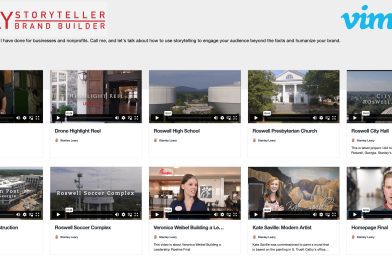
Vimeo Showcase Page

In the fast-paced marketing realm, social media remains a vibrant landscape for photographers and videographers seeking to captivate and engage potential clients. As we dive into 2024, here’s a comprehensive breakdown of strategies that could significantly elevate your presence and reel in prospective clients.

1. Embrace Video Content Dominance

Videos reign supreme across social media platforms. Crafting short, captivating, and interactive video content continues to yield exceptional results. Consider tailoring content for TikTok, Instagram Reels, and YouTube Shorts to leverage their massive audience reach.

2. Harness Ephemeral Content’s Urgency

Platforms like Instagram, Snapchat, and Facebook offer Stories—a transient format that disappears within 24 hours. Utilize this feature to create a sense of urgency and FOMO (fear of missing out). Showcase behind-the-scenes moments, exclusive offers, or rapid updates to engage your audience.

3. Cultivate Community Engagement

Instead of simply accumulating followers, concentrate on fostering a community. Engage with your audience by responding to comments, conducting polls, hosting Q&A sessions, and involving them in your content creation process. This builds a loyal and interactive following.

4. Forge Relationships through Influencers

Collaborating with influencers aligned with your brand values can significantly expand your audience. Micro-influencers, in particular, often boast highly engaged followers, offering an excellent avenue for targeted marketing.

5. Champion Social Responsibility

In an era where consumers seek authenticity and purpose, emphasize your brand’s values, commitment to social causes, and sustainability efforts. Clients appreciate businesses that stand for something beyond their products.

6. Optimize through Analytics

Continuously analyze your social media performance using analytics tools. Adapt your strategies based on data insights to optimize content, posting schedules, and ad spending for maximum impact.

The Key to Success: Authenticity and Value

While trends and platforms evolve, the fundamental principles of successful social media marketing endure. Stay authentic, offer value, and engage meaningfully with your audience. These core principles remain your guiding light amidst the ever-changing social media landscape.

In the competitive world of photography and videography, mastering these social media strategies can be a game-changer. Adopting these approaches and remaining true to your brand can forge deeper connections, attract clients, and create a distinctive place in the digital sphere.

Remember, your unique storytelling through visuals and a strategic social media approach can amplify your reach and solidify your standing as a sought-after photographer or videographer in 2024 and beyond.

Tagged :

The Power of Listening: A Photographer’s Guide to Persuasion in 2024

Reading Time: 2 minutes

In the bustling world of photography freelancing, the art of persuasion often takes center stage. Yet, what if I told you that the most potent tool in your arsenal isn’t your eloquence or sales pitch but your ability to listen deeply?

A fascinating insight unfolds in the book The Persuaders by Anand Giridharadas: the path to genuine persuasion doesn’t lie in replacing beliefs but in displacing them. Giridharadas interviewed Loretta Ross, and her wisdom resonates profoundly as she highlights the art of unsettling ideas rather than forcefully replacing them. It’s about fostering curiosity, raising questions, and reducing certainties rather than imposing new convictions.

So, how does this translate to the world of freelance photography? The key lies in engaging in conversations with your clients and potential clients on a deeper level. Here’s a quick tip list on how to truly listen and understand your client’s struggles in the coming year:

  1. Start with Genuine Interest: Initiate conversations by asking open-ended questions about their experiences and opinions. Create a space for personal stories to unfold.
  2. Share Your Own Stories: Foster a sense of camaraderie by sharing your experiences and opinions. This builds a connection and encourages reciprocal sharing.
  3. Seek Universal Connections: Explore how their struggles resonate with broader human experiences. It’s about normalizing their issues and making them relatable on a universal scale.
  4. Invest Time: Understand that genuine understanding takes time. Aim for at least 30 minutes of deep conversation to grasp their challenges and perspectives.

As we enter 2024, let’s kickstart the year by initiating meaningful conversations with our clients. Here’s a quick list of ways to extend a conversation beyond a brief exchange:

  1. Ask Thought-Provoking Questions: Encourage discussion by posing questions that prompt introspection rather than simple yes/no answers.
  2. Be Authentic and Vulnerable: Share your thoughts and vulnerabilities. It builds trust and encourages them to open up.
  3. Listen Actively: Focus on what they’re saying without forming your response. Show genuine interest and understanding.
  4. Create a Safe Space: Ensure they feel comfortable expressing themselves without judgment or pressure.

Remember, persuasion isn’t about pushing an agenda; it’s about fostering genuine connections and understanding. So, here’s to a year of listening deeply, understanding profoundly, and creating stronger bonds with our clients—one meaningful conversation at a time.

Tagged :

Maximizing Stock Sales: Where Photographers Should Showcase Their Work

Reading Time: 3 minutes

In the ever-evolving sphere of photography, the approach to earning a living through your lens has shifted dramatically. One significant aspect is the landscape of stock photography. Once a lucrative avenue, the income potential from stock sales has seemingly decreased compared to previous years. Despite this apparent decline, there are compelling reasons why photographers should continue to explore and engage in stock sales.

1. Diversifying Revenue Streams

Diversification remains pivotal for financial stability. While the earnings per image might not match historical highs, the collective income from multiple photos across various platforms can still provide a consistent revenue stream.

2. Exposure and Networking Opportunities

Stock photography platforms serve as valuable hubs for exposure to a vast audience. The visibility gained through these platforms often leads to new opportunities, including potential client inquiries, collaborations, and direct sales of your work.

3. Portfolio Enhancement and Skill Development

Engaging in stock photography encourages photographers to refine their craft continually. It challenges them to create marketable content, push creative boundaries, and enhance technical skills. Moreover, it offers a platform to experiment with diverse styles and subjects, enriching their portfolio.

4. Passive Income Potential

While immediate returns might not be as significant as commissioned work, stock sales offer a form of passive income. Once uploaded, images generate revenue over time, creating a cumulative income stream as the portfolio expands.

5. Adaptation to Market Trends

Stock photography reflects evolving trends in visual content consumption. Photographers gain insights into in-demand imagery by participating in stock sales, enabling them to adapt their shooting style and subject choices to meet market demands.

6. Global Reach and Impact

Stock photography transcends borders, allowing photographers to reach a global audience. Your images can be licensed and used in various contexts, contributing to a broader impact than local or commissioned work.

7. Contribution to the Creative Community

Sharing work on stock platforms fosters a vibrant, creative community. Your images can inspire others and be utilized by fellow artists, designers, and businesses, fostering collaboration within the industry.

Places to Sell Your Images

Now, where should photographers showcase their work for sale? Here are some prominent platforms:

  1. Adobe Stock: A well-known and established platform integrated into Adobe Creative Cloud.
  2. Shutterstock: A popular platform with a vast user base and a broad range of image categories.
  3. Getty Images: Known for its high-quality standards, Getty Images offers the potential for higher earnings.
  4. iStock: Owned by Getty Images, iStock offers a range of options for contributors.
  5. Alamy: An excellent platform for those seeking higher commissions per sale and flexibility in licensing.

Conclusion

While the heyday of stock photography might have evolved, the benefits of engaging in stock sales remain compelling. Diversification, exposure, skill enhancement, passive income, market adaptability, global reach, and community contribution underscore the significance of participating in stock photography.

Ultimately, the income potential might not match historical highs, but the multifaceted advantages make stock sales an integral part of a photographer’s journey in today’s dynamic industry. Exploring these platforms can sustain income and foster growth, learning, and a broader impact within the photography community.

Tagged :

Capturing Diversity: Why Showcasing Your Photography Range is Crucial for Client Engagement

Reading Time: 2 minutes

Showcasing one’s capabilities as a photographer is pivotal in attracting clients. Your portfolio is your visual resume, the first impression potential clients have of your work. Here are some insights and tips on the importance of displaying your range as a photographer:

The Power of Visual Representation

1. Show Diversity: Clients often have a specific vision in mind. If they don’t see a style or type of photography they like, they’re less likely to reach out. Displaying a diverse range helps cater to different preferences.

2. Tailor Your Portfolio: Segment your portfolio to reflect different genres or styles. Create sections for weddings, family portraits, landscapes, or commercial work. This allows clients to navigate and find what resonates with them easily.

3. Highlight Your Best Work: Quality over quantity matters. Showcase your best shots, highlighting your skills, creativity, and versatility.

Tips for Photographers:

1. Curate a Strong Portfolio: Your portfolio should be a well-curated selection of your finest work. A smaller selection of top-notch images is better than a more extensive collection with mediocre shots.

2. Regularly Update: As you grow and evolve as a photographer, update your portfolio accordingly. Keep it fresh to showcase your latest and best work.

3. Show Your Range: Don’t limit yourself to one style. Experiment, explore, and display the various genres and techniques you excel in.

4. Use Social Media: Utilize platforms like Instagram, Flickr, or Behance to share your work regularly. Social media is a powerful tool for reaching a wider audience and attracting potential clients.

5. Seek Feedback: Ask peers, mentors, or clients for feedback. Constructive criticism can help you refine your portfolio and improve your presentation.

6. Customize for Clients: When pitching to potential clients, consider curating a sample selection that aligns with their specific needs or style preferences. Tailoring your showcase can make a significant impact.

Conclusion:

Your portfolio isn’t just a collection of images; it’s your sales pitch, your calling card. It’s crucial to present a well-rounded view of your capabilities. By showcasing your range, you attract more clients and increase the chances of engaging those who might not have initially considered your services.

Remember, your portfolio is a living, evolving entity that should consistently reflect your growth and talent as a photographer. Keep refining, updating, and diversifying—it’s the key to unlocking more opportunities in the competitive world of photography.

Tagged : /

Navigating Creative Passages: Embracing Transformation in Artistic Journeys

Reading Time: 2 minutes

In the vast canvas of life, some moments mark profound shifts—a mosaic of passages that weave through our existence, reshaping who we are and how we express ourselves. Gail Sheehy’s timeless work, “Passages,” illuminates the ebbs and flows of personal development and resonates deeply with the transformative stages of a creative journey.

Much like life, creativity isn’t a stagnant pond but a flowing river, demanding adaptation and evolution. Sheehy echoes this sentiment: “Creativity could be described as letting go of certainties.” Artists find fertile ground for innovation by releasing rigid assumptions and embracing uncertainty.

Early in our creative pilgrimage, we tread the path of learning. It’s a time of exploration and discovery, akin to the tumultuous twenties Sheehy describes. The choices made, be it committing to a medium, honing a craft, or embracing a particular style, often feel irreversible, laden with the weight of permanence. Yet, as we immerse ourselves in the process, we realize that change is inevitable and essential for growth. “If we don’t change, we don’t grow. If we don’t grow, we aren’t living,” Sheehy’s words reverberate, reminding us that artistic stagnation is antithetical to the essence of creation.

As proficiency blossoms and mastery beckons, the echoes of Sheehy’s wisdom resonate louder. It’s not merely about competence; it’s about recognition and respect. Artists yearn not just to create but to be acknowledged, to have their voices heard amidst the din of the creative realm. This quest for validation shapes the transition into the thirties and forties—a phase akin to the ‘rediscovery of community’ that Sheehy depicts. In the embrace of one’s true self lies the nexus where personal authenticity melds with creative expression.

However, life’s passage isn’t a solitary journey. As my wife and I encountered the Empty Nest Syndrome, artists often face unexpected shifts—a reconfiguration of priorities, obligations, and responsibilities. For some, like me, it’s aging parents requiring more care, altering the rhythm of existence. Similarly, for artists, these moments often lead to profound introspection and recalibration of artistic vision.

As Sheehy depicts, the midlife passage mirrors a pivotal juncture in a creative’s voyage. “You can’t take everything with you when you leave on the midlife journey,” she asserts, signaling a departure from external validations. Artists begin to shed the layers of conformity, stepping into an arena of self-discovery and introspection. It’s a time to move away from prescribed roles and external expectations, forging an identity deeply rooted in personal expression.

Ultimately, these passages in life and creativity intertwine, converging in the realization that change is not a threat but a conduit for renewal. The stages laid bare by Sheehy offer a roadmap—a beacon guiding artists through the labyrinth of creative evolution. In embracing these passages and navigating the ebbs and flows, artists transcend mere creation and birth a legacy that speaks volumes to the world.

Tagged :

Active Listening

Reading Time: 3 minutes

Vince Stanton attempts Troublemaker during the Professional Bull Riders Atlanta Classic at the Georgia Dome. 

From Wikipedia
Active listening is a communication technique that requires the listener to understand, interpret, and evaluate what they hear. Listening actively can improve personal relationships by reducing conflicts, strengthening cooperation, and fostering understanding. When interacting, people often do not listen attentively. They may be distracted, thinking about other things, or thinking about what they will say next (the latter case is particularly true in conflict situations or disagreements). Active listening is a structured way of listening and responding to others, focusing attention on the speaker. Suspending one’s frame of reference, suspending judgment, and avoiding other internal mental activities are essential to attend to the speaker fully. “The Most Dangerous Eight Seconds in Sports” is how National Geographic writer Zoltan Istvan describes bull riding.  Death is a real possibility for the bull rider.  The bulls are 15 times the size of the rider.  Imagine a defensive lineman in football being 15 times the quarterback’s size. One of my photography friends is also a bull-riding coach.  His name is Maxy Pinson.  When you meet Maxey, you see a well-dressed and groomed elderly gentleman.  He is from Oklahoma and was a scientist for the oil industry in his earlier career.   

Reuben Geleynse hangs on to Long John during the 2004 RBR Atlanta Classic at the Georgia Dome, February 7, 2004.

 I was fascinated with Maxy’s career and interested in what a coach does to help a cowboy ride a bull.  What he teaches these bull riders parallels what we need to know about being a good listener. Maxy teaches the bull rider to focus his “full attention” on the bull’s head.  “The bull’s head will let you know what the bull is doing and going to do,” says Maxy.  You cannot take your eye off it.  You have to stay focused for 8 seconds to ride the bull. Active listening requires you to make eye contact and listen to understand the message, and not just hear the words. You cannot be distracted by whatever else is happening around you, or by forming counterarguments you’ll make when the other person stops speaking. Nor can you allow yourself to get bored and lose focus on what the other person is saying. All of these contribute to a lack of listening and understanding. You also need to communicate to the person you are listening.  Sometimes just an “uh-huh” or nod will let them know you are listening.  This isn’t saying you agree, but it communicates you are listening. An occasional question or comment to recap what they say

WE REMEMBER
10% of what we read
20% of what we hear
30% of what we see
50% of what we hear and see
70% of what we discuss with others
80% of what we experience
95% of what we teach others–Edgar Dale

The first step to becoming a better listener was acknowledging that my communication style has been less than stellar.  While I was getting better at getting my ideas across as I matured, my relationships with people were not improving.  I had to stop and evaluate my communication style.  It needed an overhaul. I can see that the successes I have had in life have usually been when I practiced “active listening.”  There are still many relationships where I need to implement these skills better.   I have discovered that Edgar Dale is right. I remember more of what I needed to do to be more successful: write and share what I found on this blog.   While you might get something out of the blog, the very nature of writing these posts has helped me improve in many ways.

Bart Jackson attempts to ride Smokin Joe during the 2004 RBR Atlanta Classic at the Georgia Dome, February 7, 2004.

If you don’t listen actively to those needing your attention, you will go down like a bull rider.

Tagged : /

Guidelines for Portraits, Headshots and Mug shots

Reading Time: 3 minutes

With LinkedIn, Facebook, and other social media websites, the importance of a good headshot could not be more critical. However, there are a few do’s and don’ts, which, if you know them, can help you look your best the next time you have your photo taken. 

When you have a head-and-shoulders photo, the image should be about the person, not the clothes. I doubt that a clothing manufacturer seriously wants a headshot of the model to sell their shirts—they want to see the clothing primarily.

The reverse of this will help you look your best—the photo is about you, not your clothes and jewelry. So here are a few guidelines about keeping your attention on yourself and not the clothes.

Example of Pattern

Solid Colors; Avoid Patterns – The design over the face keeps the viewer looking first at the clothing.

Darker clothing is preferable – Your eye will go to the lighter area of the photo, which will be the eyes. White shirts are rugged enough for printers to hold together, but they can also make your head look like it’s floating on the page without a sweater.

Avoid herringbone jackets – You will get a moiré effect on the web and television.

Solid Color

Classic over trendy clothing – The classic look stays fresh without going out of date as quickly as some of the day’s fashion trends, making the photo look more current for an extended period.

Simple or no Jewelry – One strand of pearls and matching earrings versus pendants and large earrings help keep the attention on you.

Simple Jewelry

Do you wear casual or a suit for the photo? If you are using the images for business—it is always best to have the case in addition to a simple dress if you choose to use as your primary photo a casual dress. The backup suit photo is because we often need a more serious tone. If your company is going through a merger, the suit photo would probably be a better choice to send out with the PR packet.

As you plan for portraits in the future, it is always best to follow these guidelines and bring two or more outfits to change into. For example, suppose you are part of the company’s executive team. You want to look your best so the company will benefit. Having a few different portraits with different outfits to pick from gives you the ability to choose the best option—and this is what most executives do each day—make choices.

If you need additional help planning your next portrait session, give me a call, and I will be glad to answer any other questions.

Tagged : /