“How do you describe PhotoShelter to others?”

Reading Time: 4 minutes

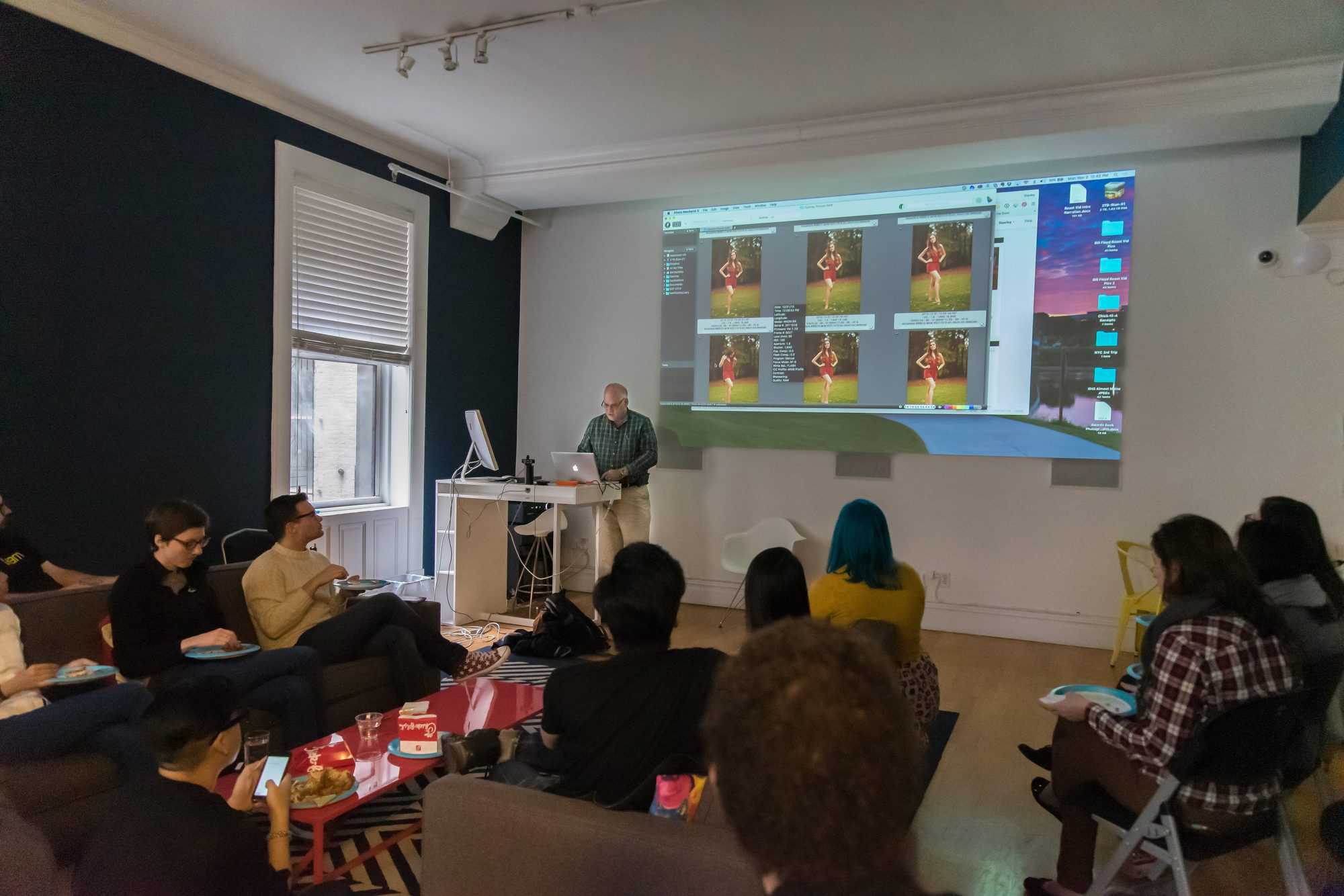
[Caption: Stanley is speaking to the staff at the PhotoShelter headquarters in New York City. Photo by David White]

“How do you describe PhotoShelter to others?” was the question I was asked while speaking to those working at PhotoShelter’s NYC offices.

PhotoShelter is a system for photographers to deliver images to clients and those searching for ideas to find the photographer’s photos.

That is my response to that question. I realized this past week that when I had to ship a strobe in to be repaired that when I logged into my FedEx account, it had been a LONG time since I had used it.

I was used to weekly shipping with FedEx CDs and DVDs to clients. It has been a few years since I have delivered images to clients using FedEx. I now put those images up online using PhotoShelter.

Here are some of the things I use PhotoShelter to do for me:

  • Showcase my portfolio
  • Contact information to reach me for assignments
  • Deliver photos by way of a secure gallery accessed;
    • Password – Link and password can be easily shared
    • Email + Password – this makes it even more secure
  • Clients can order:
    • Prints
    • Fine Art Prints
    • Gallery Canvas Wrapped Prints
    • Cards / Prints with Envelopes
    • Clothing
    • Other products like Key Tag, coffee mugs, etc
    • Rights Managed Stock Photography Sales with pricing supported by fotoQuote
    • Downloads
      • Can control the size from small to the original size

The key thing I like the most is uploading the images once at the highest resolution, adding pricing profiles, and not doing anything except watching the sales and transactions through email updates. 

Touch It Once – Productivity Principle

This is one of the most fundamental principles of productivity and time management. It’s called the “touch it once” principle.

Stanley speaks to the PhotoShelter staff in New York City, and for lunch, they ordered Chick-fil-A. Photo by: David White

When I told the staff at PhotoShelter that I was coming to town, they wanted me to drop by and speak to their team. I have participated in many meetings where Chick-fil-A brought in their operators and customers and asked them to help them learn how to do a better job.

Companies actively listening to the customer will do a better job of getting and keeping clients.

When did you last sit down with your client and ask questions about how you could do a better job?

You may have never done this, but the time is now that you need to act. Take a customer to lunch and ask them what they like that you do and if they have things that they would recommend you do to improve in some way.

Photo by David White

I started my talk with PhotoShelter folks with what do you want to know from me? I did show them my workflow. Here is a blog post that walks through what I shared with them.

I shared some of the work I do. You can find that on my main website here www.StanleyLeary.com.

Kristin, who works with their Libris product, interviewed me on various topics on video and will be using this on their blog and other places to promote their product. I received this email from her after our time together.

Hi Stanley, 

Thank you so much for coming in to talk to the team today. Our staff members loved your talk, and your interview will help us share Libris and PhotoShelter with others. Thank you. 

All the best to you and David – hope you have a nice afternoon in NYC! 

Thanks, 

Kristin

The marketing director also sent me a note.

Hi Stanley,

Great session with the team today. You definitely had their full attention!

Kevin G. Davis 

While I love the product, I was asked what I would like to improve. I shared some of my wishes, which some have already started working on.

I am pretty proud of asking for a dashboard for Libris that helps one dissect how users use the system. Many companies would like to know their ROI [Return On Investment], allowing them to see the product’s value.

Every photographer needs to be recommending to their clients Libris that have a need. Anyone who hires photographers regularly will benefit from having their images online and accessible worldwide.

Having photos accessible for an organization rather than on someone’s computer, DVD in their office drawer, or who knows where can turn those one-time huge budget shoots into multiple usages and stretch those dollars and more than likely have more images used more often with communications for their organization.

The photographer who introduces them to Libris will most likely be their “GO TO GUY” for photography because they are the one who knows how to help them get a better ROI.

Click on this for the personal system.
Click on this for the corporate system

Be sure and tell them I referred you. This helps to support this blog. I recommend PhotoShelter, and here is a link to signup.

Working with a recording artist Sydney Rhame

Reading Time: 4 minutes

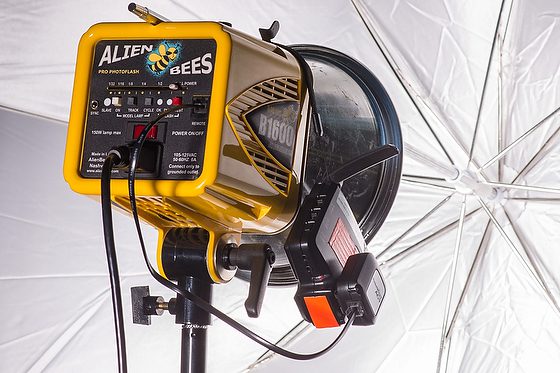
Nikon D4, Sigma 120-300mm ƒ/2.8 DG OS HSM | S, AC-9, AC-3, PocketWizard Mini TT1, TT5, Paul Buff Vagabond, Alienbees B1600, ISO 320, ƒ/2.8, 1/640

Today I was privileged to work with Sydney Rhame who was on The Voice this year. To get those chairs to turn as she did you have to be comfortable in front of the camera.

Sydney on iTunes.

Here is her Facebook fan page

Sydney needed little direction. I just needed to spend a little time before we started asking what she was looking for in her photos.

This is one of my favorite photos today. I used the high speed sync using he Pocketwizard TTL system with the Alienbees. This let me shoot at 1/640 shutter speed. Here is the lighting diagram.

The trick was to take a few test shots until I was able to get the rich colors in the background balanced with the flashes.

The photo on the left [ISO 100, ƒ/2.8, 1/500] and the right [ISO 320, ƒ/2.8, 1/400]. I also dialed the flash down in power on the right.

This is what I call experimenting to get the look you are wanting.

Nikon D4, Nikon 85mm ƒ/1.8G, AC-3, PocketWizard Mini TT1, TT5, Paul Buff Vagabond, Alienbees B1600, ISO 100, ƒ/1.8, 1/640

I also like to have subjects bring a variety of outfits and let us try a few looks.

This is the setup where I have main light on her face and separate light to just add a little kicker in the back.

Nikon D4, Sigma 120-300mm ƒ/2.8 DG OS HSM | S, AC-9, AC-3, PocketWizard Mini TT1, TT5, Paul Buff Vagabond, Alienbees B1600, ISO 320, ƒ/2.8, 1/640

For this photo I took the white umbrella off the light behind Sydney to give a little more kick on the hair.

I also believe you really mix up the backgrounds and looks when you are helping someone with things like model portfolios, PR kits for musicians and actresses.

Nikon D750, Nikon 85mm ƒ/1.8G, ISO 100, ƒ/4, 1/200–Alienbees and Softboxes

Here is more of a traditional headshot.

Now to give a different look that this I just shot with the available light with the same setup.

Nikon D750, Nikon 85mm ƒ/1.8G, ISO 1250, ƒ/1.8, 1/200

I believe we were getting some variety throughout the photo shoot. As Sydney and I got more comfortable with each other the expressions just got better and better.

Nikon D750, Nikon 85mm ƒ/1.8G, ISO 100, ƒ/4, 1/160

While backing up and showing more of Sydney gave a different look, my favorites where up close where you can see her eyes.


Nikon D750, Nikon 85mm ƒ/1.8G, ISO 1250, ƒ/1.8, 1/200

When shooting at ƒ/1.8 her eyelashes are not even in focus, just her eyes.

Now shooting at ƒ/4 gave a little bit more depth-of-field.


Nikon D750, Nikon 85mm ƒ/1.8G, ISO 100, ƒ/4, 1/200

While the shallow depth-of-field looks great it is difficult to get all your photos in focus.

Going for “look” can sacrifice great “moments”

Because you choose to want that silky smooth BOKEH means that you will be tossing out photos just because they are not sharp where you need them to be. Therefore you may lose the best “moment” because the “look” is more important to you.

This is one of the reasons I am not shooting at wide open all the time. I prefer to stop down just a bit to get some leeway allowing me to more likely not to toss out the great “moment” because I missed the focus due to such a shallow depth-of-field.

Use flash outside

By using the strobes outside on an overcast day I was able to help the subject pop and not look flat due to the natural light.

Using high speed sync let me shoot at wide apertures and just crank the shutter speed up to control the available light.

My guest lecture experience at UGA’s Grady School of Journalism taught me something

Reading Time: 3 minutes
Fujifilm X-E2, FUJINON XF 18-55mm, ISO 6400, ƒ/2.8, 1/80

This week, I was asked to be a guest lecturer at the Grady School’s Advanced Photojournalism class on the campus of the University of Georgia.

This was my sixth year, and I spoke on business practices to this class.

While the content hasn’t radically changed from the first time I spoke to now, each year I try to do a better job than the year before in the presentation.

I felt I was off my game this year and did a poor job. I felt like I was preaching rather than teaching with this class.

Preaching vs Teaching

… the answer is more straightforward than any of them, and rests in the meanings of the words themselves. A kerux (the usual word for “preacher” in the New Testament) in the ancient world was simply a herald: a guy who rode into town to deliver significant news. A didaskalos (the usual word for “teacher”) was an instructor: someone who explained or taught something to someone else. There, it seems to me, is the difference. Preaching is proclaiming, heralding and announcing news to people – the gospel – especially (but not exclusively) to those who haven’t heard it before. Teaching is explaining things about the gospel that people don’t understand, and instructing them on how to live in light of it.

In other words, the difference between preaching and teaching is not shouting versus whispering, or illuminating versus bamboozling, or revealing versus informing. In a nutshell, it’s the difference between heralding and explaining. 

– Andrew Wilson
 

What triggered the Preaching?

 
When preaching abroad in a different culture and language, it is common for people to talk more slowly and louder in their native language, hoping this helps the person who doesn’t speak their language understand. Often, when it is apparent communication is failing, we get louder, as if this somehow helps foreign language translation.
 
The questions and responses from some in the class were frustrated about the content. 

“Where are you finding these clients willing to pay those prices?” was asked in different ways. After the class we had a real situation.  

A student had been asked to use one of their photos in a magazine. “What should I charge?” After talking through some of the pricing considerations we gave the student a range that might be good for her to use.  

She was being offered $25 for something that for the most part should have been paid $75 – $150 as a minimum price.  

“What do I do when they want pay it?” My response is to walk away. “But she will be losing $25 she could have had,” was the comment by another student. 

When students don’t like an answer and I have spent time explaining the content, I realize the problem is like taking a science class without the lab portion. They needed to see proof of how this works.
 
Fujifilm X-E2, FUJINON XF 18-55mm, ISO 6400, ƒ/2.8, 1/75
 

The need for a Lab

 
There was just not enough time to cover all the content and do a lab. I was stuck with the realization that I had introduced some of the concepts of running a photography business, but they needed to experience this firsthand. 
 
I had made the presentation and even gave them all my PowerPoint notes they could download. 
 

The Key to Good Teaching

 
Great teachers don’t necessarily work harder at teaching than others, as much as they care more about their students. Educator Ben Johnson said it best:

My experience is that good teachers care about students. Good teachers know the content and know how to explain it. Good teachers expect and demand high levels of performance of students. Good teachers are great performers and storytellers that rivet their students’ attention.

All of this is good but great teachers engineer learning experiences that maneuver the students into the driver’s seat and then the teachers get out of the way. Students learn best by personally experiencing learning that is physical, emotional, intellectual and spiritual. John Dewey had it right in 1935 when he espoused his theories on experiential learning.

So next time I will try to relax more when challenged. I will do a better job of demonstrating I care for them as people and fellow colleagues. I will also prepare some better stories that help demonstrate the concepts in a better way than I have done up to now. I will do a better job teaching and minimize the preaching next time I speak to the class again., I will dissect my presentation as much as I did this time and make changes again, because I can always do a better job next time.  

Learning to manage expectations

Reading Time: 2 minutes

Nikon D750, AF-S NIKKOR 28-300mm f/3.5-5.6G ED VR, ISO 10000, ƒ/5.6, 1/250

The one thing that helps to calm my fears for an assignment is seeing what the client has gotten in the past from other photographers. I also love it when they tell me how they felt about that coverage.

The best thing you can do before you take on an assignment is to find out what the expectations are of the client for the project. I call this calibrating your creative juices.

Nikon D750, AF-S NIKKOR 28-300mm f/3.5-5.6G ED VR, ISO 12800, ƒ/5.6, 1/160

Before shooting this wedding the parents of the groom showed me the brides sister’s wedding coverage from two years ago. I knew after seeing the other photographer’s work what the standards for their wedding were for their photographer.

They were happy with the photos. I made mental note of the style and then decided to meet that and then to put my own touches onto the images. I was just adding icing to the cake.

Nikon D4, Nikon 85mm ƒ/1.8G,  ISO 2800, ƒ/1.8, 1/100

My strength is finding moments like these here. Capturing the “True Love” of a bride and groom is what I loved doing with this wedding.

Nikon D750, AF-S NIKKOR 28-300mm f/3.5-5.6G ED VR, ISO 100, ƒ/5.6, 1/60–Pocketwizard AC9 to combine with my Pocketwizard TT5 and then using the phone cord plug into the back of the Alienbees B1600.

I also love making the light look better when needed.

Do you know the expectations of your client? Are you able to not just meet those expectations but give them some images that take the coverage up a notch or two?

Overcast and Gloomy day–No Problem

Reading Time: 3 minutes

Nikon D750, Sigma 24-105mm f/4 DG OS HSM Art Lens, ISO 200, ƒ/5.6, 1/125 – [2] Alienbees B1600 triggered with AC9 on Pocketwizard TT5 talking to the TT1 with the AC3 to control the power output from on the camera.

Yesterday it was overcast and really flat lighting. No problem, I just brought the Alienbees and used them to create sunlight for me on the subject.

I basically used the same setup and just moved around the park.

Nikon D750, Sigma 24-105mm f/4 DG OS HSM Art Lens,  ISO 200, ƒ/5.6, 1/125 – [2] Alienbees B1600 triggered with AC9 on Pocketwizard TT5 talking to the TT1 with the AC3 to control the power output from on the camera.

Now there is one more “NEW” piece of gear that I was using this time. I purchased the Sigma 24-105mm f/4 DG OS HSM Art Lens and really loving the lens. It is great for the portrait photographer who needs to do group photos and then also switch to individuals in photo shoots.

It is much sharper than my Nikon 28-300mm before applying the Lens Optimization in Lightroom. This makes a huge difference when shooting video.

Nikon D750, Nikon 85mm ƒ/1.8G,  ISO 100, ƒ/1.8, 1/400 – [2] Alienbees B1600 triggered with AC9 on Pocketwizard TT5 talking to the TT1 with the AC3 to control the power output from on the camera.

While I could have shot these individuals with the Sigma 24-105mm I decided to shoot these with the Nikon 85mm ƒ/1.8. Since the AC9 lets me shoot at any shutter speed with my Alienbees I was able to shoot at ƒ/1.8 with no problem. I just cranked up the shutter speed to 1/400.

Nikon D750, Nikon 85mm ƒ/1.8G,  ISO 100, ƒ/1.8, 1/400 – [2] Alienbees B1600 triggered with AC9 on Pocketwizard TT5 talking to the TT1 with the AC3 to control the power output from on the camera.

I love the BOKEH on these photos.

Nikon D750, Nikon 85mm ƒ/1.8G,  ISO 100, ƒ/1.8, 1/400 – [2] Alienbees B1600 triggered with AC9 on Pocketwizard TT5 talking to the TT1 with the AC3 to control the power output from on the camera.

Having the right gear on an overcast day can give you the results you desire. You are in control.

Adobe Lightroom Tip – Correcting Multiple Images

Reading Time: < 1 minute


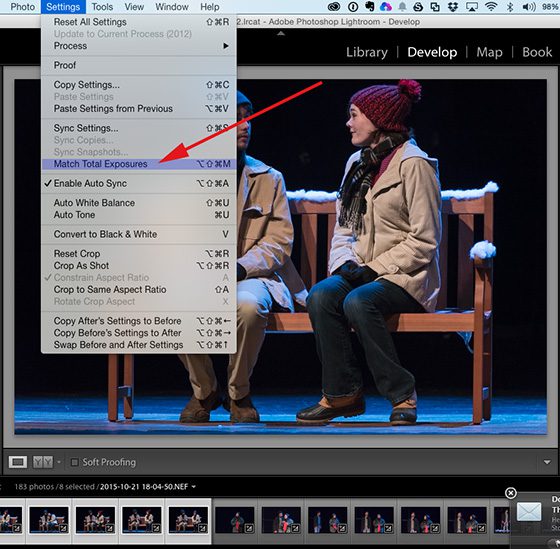
This screenshot is just a simple tip for those editing in Lightroom who want to correct a series of photos simultaneously, but there is a slight variation in exposures. The variations in exposure often happen when your camera is in some form of auto exposure mode like Aperture or Shutter priority mode.

  1. Select All images in series
  2. Make all corrections you need to do in one photo
  3. Go to Settings>Match Total Exposures
Once you do this, if, say, you had bracketed the exposures -1 EV to +3 EV, Lightroom will make all of them equally as best as it can.
 
After I do this, I just quickly click through the images, and 99% of the time, it is dead on.

Don’t just click the shutter – Learn to click with people

Reading Time: 3 minutes

Nikon D4, AF-S NIKKOR 14-24mm f/2.8G ED, ISO 560, ƒ/8, 1/100

“It is more important to click with people than to click the shutter.”

– Alfred Eisenstaedt

Yesterday I talked with the family after the wedding and was told they were thrilled to have had me at their wedding. They said it felt right to have me there and thought I was just part of the family.

It was also important to them to tell me on the day of the events that my presence made them relax and enjoy the wedding. They knew I would get every photo they needed, which made them realize they could look back later and enjoy it.

Nikon D4, AF-S NIKKOR 14-24mm f/2.8G ED, ISO 400, ƒ/3.5, 1/6

The wedding was for a client who has hired many photographers in their line of work through the years. They had hired some of the more famous photographers. The groom’s parents wanted it covered well, and at the same time, they wanted someone who would fit in with the two families coming together.

Over the past seven years, this person has watched me create teams of photographers covering events like the Chick-fil-A Bowls and Chick-fil-A Kickoffs. They watched me work and cover annual meetings for corporations. I continued covering events and strategizing about other coverage types to help with communication projects.

Nikon D750, AF-S NIKKOR 28-300mm f/3.5-5.6G ED VR, ISO 200, ƒ/5.6, 1/200–2 Alienbees B1600 bouncing off the ceiling for lighting.

“If a photographer cares about the people before the lens and is compassionate, much is given. It is the photographer, not the camera, that is the instrument.”

– Eve Arnold

I wish I had customers who told me nice things about myself or my work. You might also feel that getting said; this is why my photographs a much better than others.

TIP

I hear from many wanna-be photographers all the time. If they would send me that coverage, I could do it. The key is they believe in their minds they are capable, but they haven’t a portfolio that demonstrates they have already done this before.

People do not give you work before you show them you can. You must show us all you can do, and then they will provide you with work.

I demonstrated in every job that I always had their best interests.

Nikon D750, AF-S NIKKOR 28-300mm f/3.5-5.6G ED VR, ISO 200, ƒ/5.6, 1/200–2 Alienbees B1600

I learned this very early in my life through my faith.

But God demonstrates his love for us in this: While we were still sinners, Christ died for us.

– Romans 5:8

The best thing I can ever recommend to improve your photography and character so that more people want to hire you is finding a mentor that exemplifies all these characteristics. For me, that person is Jesus. 

A few years ago, a bracelet became very popular. It had WWJD on it. It was a simple reminder for those who follow Jesus to ask themselves, “What Would Jesus Do?”

Where is your true North pointing you?

Who’s your mentor, and if you had a bracelet on your arm that helped to remind you what to do in a situation, what would it say? 

Jesus’ first miracle was turning water into wine at a wedding. Weddings are about the commitment to loving someone for a lifetime. This principle is a cornerstone of Jesus’ message–we must love one another.

My goal for my business is to be known for my love and to bring joy into their lives.

Lessons from my last wedding with a second shooter

Reading Time: 3 minutes
 
Nikon D750, AF-S NIKKOR 28-300mm f/3.5-5.6G ED VR, ISO 200, ƒ/5.6, 1/30–Pocketwizard AC9 to combine with my Pocketwizard TT5 and then using the phone cord plug into the back of the Alienbees B1600.

Available light or strobes?

First, I had an excellent second shooter for my last job. Second, Laura Deas Espeut is one of my favorite people to work with through the years.

I asked her to shoot as she usually does and that the two styles would give the bride and groom some options. She did a great job.

Canon EOS 5D Mark III, Canon EF 70-200mm f/2.8L, ISO 640, ƒ/2.8, 1/100

Now I will not make a call as to which is better. This choice is about seeing how each is as much a style choice as anything else.

Nikon D750, AF-S NIKKOR 28-300mm f/3.5-5.6G ED VR, ISO 200, ƒ/5.6, 1/30–Pocketwizard AC9 to combine with my Pocketwizard TT5 and then using the phone cord plug into the back of the Alienbees B1600.

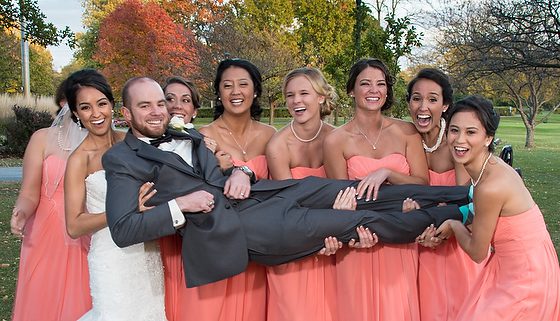
Here I strobed the group jumping, and then Laura shot about the same time from a slightly different angle with available light.

Canon EOS 5D Mark III, Canon EF 28mm f/1.8, ISO 640, ƒ/1.8, 1/500

Here is another example:

Canon EOS 5D Mark III, Canon EF 50mm f/1.8, ISO 640, ƒ/1.8, 1/800

This photo is Laura’s shot of the bridesmaids with the bride.

Nikon D750, AF-S NIKKOR 28-300mm f/3.5-5.6G ED VR, ISO 100, ƒ/5.6, 1/30–Pocketwizard AC9 to combine with my Pocketwizard TT5 and then using the phone cord plug into the back of the Alienbees B1600.

I love available light and think if it looks good, it goes with it most of the time. However, every once in a while, I believe strobes can make a photo a lot better.

Nikon D750, AF-S NIKKOR 28-300mm f/3.5-5.6G ED VR, ISO 100, ƒ/8, 1/100–Pocketwizard AC9 to combine with my Pocketwizard TT5 and then using the phone cord, plug into the back of the Alienbees B1600.

Here I had the groomsmen and the groom walk toward the camera in the flying formation. Again, this technique helped them keep their eyes open rather than walk straight into the sun.

Nikon D750, AF-S NIKKOR 28-300mm f/3.5-5.6G ED VR, ISO 100, ƒ/5.6, 1/400–Pocketwizard AC9 to combine with my Pocketwizard TT5 and then using the phone cord plug into the back of the Alienbees B1600.

Recommendation: Know available light and the ability to create light with strobes or constant light

I recommend that every working pro know how to do both, use whatever you need to get the photo and try to make your work distinguishable from all the competition.

You can never scout enough before the shoot

Reading Time: 2 minutes
 
Nikon D4, AF-S NIKKOR 14-24mm f/2.8G ED, ISO 2000, ƒ/2.8, /100

I am in the suburbs of Chicago, IL, this weekend in the town of Homewood to photograph a wedding for my friends.

At the rehearsal, one of the people said you don’t see photographers at rehearsals.

That is very true. If you are familiar with the venues in your town, you might not need to go to a rehearsal.

However, if you are starting, you want to do what my friend and fellow photographer Randy Wilson does for his weddings and as I am doing here.

Randy and I discovered that by going to a rehearsal, everyone gets to know you and feels more comfortable on the wedding day. That is a HUGE!!! bonus for getting better moments.

Nikon D750, AF-S NIKKOR 28-300mm f/3.5-5.6G ED VR, ISO 4000, ƒ/3.5, 1/250

By seeing everyone practice, I and my assistant Laura Deas Espeut, who also shoots weddings, could see what the sight-lines were for taking photos. We knew we had to be at certain places in the church even to get a picture.

At this rehearsal, we also noticed that the placement of the unity candle and where they planned to wash each other’s feet was not just bad for photos but for everyone to see. So, by being there, we were able not just to help them have better pictures but a better experience for those attending the wedding to see the symbolic moments they had chosen to do.

Why Scouting Helps

  • You get to see the location and take test shots
  • You find the best sight-lines to take photos
  • If there like a wedding rehearsal, you can plan for the timing so you are in the best location at the right time.
  • You get to speak at the event. If you see a problem that could impact the photos as we did, you can call attention to this with the event planners. Here they made changes, which improved the images.
  • You can plan to bring the right gear to get the best possible photos
I cannot stress enough how much preparation for anything you do will always impact your end product. 
 
We have all heard how 20/20 hindsight is always better than in the moment. While last-second things can change, you can come close to 20/20 with enough foresight. Unfortunately, just showing up and going with the flow means constantly reacting rather than anticipating.
 

The best photos you can take are the ones you anticipated–not those you reacted.

Pocketwizard AC9 a Game Changer with Alienbees High Speed Sync 1/8000

Reading Time: 3 minutes
Nikon D4, Nikon 85mm ƒ/1.8G, ISO 125, ƒ/1.8, 1/1250

Today, for the first time, I was shooting with my Alienbees outside with shutter speeds above 1/400. That is all I could sync before using my Pocketwizards and plugging into the Alienbees with a 1/8 plug.

I bought the Pocketwizard AC9 to combine with my Pocketwizard TT5 and then used the phone cord to plug into the back of the Alienbees B1600.

With this combination, I could shoot up to 1/4000 on my Nikon D750 and up to 1/8000 on my Nikon D4.

Nikon D750, Nikon 85mm ƒ/1.8G, ISO 1000, ƒ/1.8, 1/4000

As you can see, here is the D750 with Flash @ 1/4000.

Nikon D750, Nikon 85mm ƒ/1.8G, ISO 1000, ƒ/1.8, 1/4000

This photo is with no flash outside. So you can see how much the flash helps.


Now with the AC3 on top of the Pocketwizard Mini TT1, you can control the power of the Alienbees.

Here is the chart of how that would work:

  • +3 = Full Power
  • +2 = 1/2 Power
  • +1 = 1/4 Power
  • 0 = 1/8 Power
  • -1 = 1/16 Power
  • -2 = 1/32 Power
  • -3 = 1/32 Power
You also have the 1/3 increments to use in between. 
 
 
So here is the basic setup I was using. Here is the list of gear:
  • 2 – Alienbee B1600s
  • 2 – Vagabond Mini
  • 2 – Cowboystudio 7’ 4 Section Portable Adjustable Stand
  • 2 – Westcott 2001 43” Optical White Satin Collapsible Umbrella
  • 2 – Pocketwizard AC9
  • 2 – Pocketwizard TT5
  • 1 – Pocketwizard Mini TT1
  • 1 – Pocketwizard AC3
  • Nikon D4
  • Nikon 85mm ƒ/1.8
 
I pack the lighting gear all into this Seahorse SE-920 with padded dividers. This technique is a super basic kit that I can fly with to jobs where I need something a little more powerful and now capable of still shooting at ƒ/1.8 to get that great BOKEH.


Halloween Photography Tips

Reading Time: 3 minutes
 
Coolpix P7000, ISO 400, ƒ/4, 1/7

The time for Halloween is just days away. Halloween can be fun for photographers to document their kids through the years and get some fun photos.

Coolpix P7000, ISO 1061, ƒ/2.8, 1/280

Take the time and photograph your family getting ready for Halloween. Here I am with my daughter and her friend a few houses down as we take time to carve our pumpkins.

Coolpix P7000, ISO 1600, ƒ/3.2, 1/230

A couple of years ago, I set up a background in our garage, took photos of the kids as they came by, and then posted a gallery for them to get their photos. So many parents loved having lovely pictures of their kids.

 
Coolpix P7000, ISO 100, ƒ/8, 1/640

I set it up in the garage rather than our house because the parents could see their kids throughout the process, and I got more photos. However, had I requested people to come into our house, I am not sure that would have gone.

This lighting is a super simple setup. Two strobes pointed onto the white background. They are one-stop brighter than the two lights that are on the subject.

This setup works reasonably well when you don’t know what everyone will wear.

Nikon D3S, Nikon 24-120mm ƒ/3.5-5.6, ISO 200, ƒ/5.6, 1/80–Off-camera fill-flash using the Nikon SB-900. The flash is on the Pocketwizard TT5. The trigger is by the Mini TT1 on the Camera. The AC3 to control the flash’s output is an accessory I added to the Mini TT1. 

My daughter has a very creative imagination. One year she wanted to dress up as a princess of the enchanted forest. e went out in our backyard, and I captured her where she loved to play, but now in her Halloween princess outfit.

This same year I took photos in my home studio that I set up in our basement.

Nikon D3S, Nikon 24-120mm ƒ/3.5-5.6, ISO 200, ƒ/16, 1/200

Some photos we like best through the years of our kids are from Halloween. They had so much fun dressing up and having fun with their friends.

Nikon D3S, Nikon 24-120mm ƒ/3.5-5.6, ISO 200, ƒ/5.6, 1/1600

Since my daughter’s birthday is just a few days after Halloween, she has had many Halloween-themed birthday parties. So, here she is with her friends going putt-putt before going out for trick or treat later that evening.

Halloween Photography Tips

  • Take photos of your family getting ready for Halloween. Carving pumpkins or shopping for pumpkins on a farm
  • Set up a small studio or space to make Halloween photos. You may even want to create a small set.
  • Photograph your kid in a natural setting that compliments their theme for their costume
 

Photographing The Citadel’s Ring Day Weekend

Reading Time: 3 minutes
Nikon D3, Sigma 120-300 mm f/2.8 DG EX APO IF HSM, ISO 6400, ƒ/3.5, 1/100

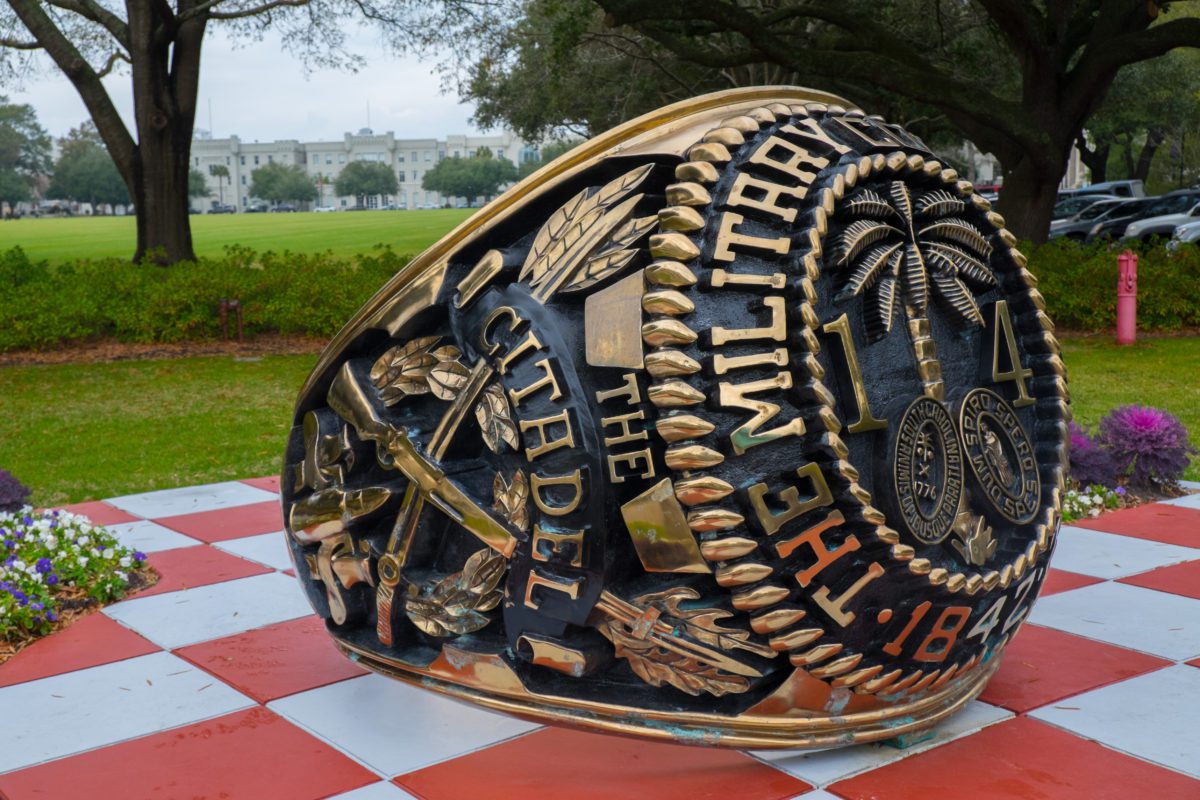
The Citadel Ring Day Weekend

This weekend is the time the seniors at The Citadel get their rings. Most cadets go through the ring with their parents and date. My wife is going through the ring with my stepson and his date.

Nikon D3s, Nikon 24-120mm ƒ/3.5-5.6, ISO 12800, ƒ/5.6, 1/80

I can tell you that you are better off shooting without a camera flash. You are just too far away for it to make a difference. It would be best if you had a camera with an ISO of 6400 or higher to get a good sharp photo.

You may want a lens that covers 50mm to 200mm if you stand on the floor.

Tips:

  • Arrive early
  • Take test shots at different White Balance settings.
  • Custom White Balance is the best [blog on how to do that]. Also, the blog explains how to set presets as well.
  • Set ISO up high, like ISO 6400 or higher. I shot the second photo at ISO 12800
  • Keep shutter speed up, so shoot wide open with your aperture.
  • Make test shots and take a look.
Nikon D3, Nikon 24-120mm ƒ/3.5-5.6, ISO 6400, ƒ/3.5, 1/125–Two off-camera flashes on either side of the camera.
Take photos other than going through the ring. Here I photographed them in the Quad of the Barracks.
 
Nikon D3S, Sigma 120-300 mm f/2.8 DG EX APO IF HSM, ISO 6400, ƒ/2.8, 1/80
The good news is the seniors get their rings in the afternoon before walking through the ring. Great time to practice in the same room; the photos will be that night. Here my son helps with name pronunciation.
 
Nikon D3S, Sigma 120-300 mm f/2.8 DG EX APO IF HSM, ISO 3200, ƒ/2.8, 1/80
Here he is getting the ring. The good news is when they are standing in the ring and walking down the carpet, there are more lights on them.
 
Nikon D3S, AF-S NIKKOR 14-24mm f/2.8G ED, ISO 400, ƒ/8, 1/3200
You will shoot many photos of your cadet holding the ring close to the camera. Be sure your aperture is pretty high. Here it is ƒ/8. The larger aperture helps keep their ring and faces in focus.
 
Nikon D3, Nikon 24-120mm ƒ/3.5-5.6, ISO 1000, ƒ/5.3, 1/60–Two off camera flashes on either side of the camera.
If your son/daughter isn’t a senior, this is a great time to practice a year or two earlier so that when your time comes, you are seasoned. If you get great photos, you can share them with the other families.
 
We are grateful to have all these photos to remember our son’s journey through The Citadel.