|
Getting your Trinity Audio player ready...
|
I am in the suburbs of Chicago, IL, this weekend in the town of Homewood to photograph a wedding for my friends.
At the rehearsal, someone said you don’t see photographers at rehearsals.
That is very true. If you are familiar with the venues in your town, you might not need to go to a rehearsal.
However, if you are starting out, you’ll want to do what my friend and fellow photographer Randy Wilson does for his weddings, and what I am doing here.
Randy and I discovered that going to a rehearsal helps everyone get to know you and feel more comfortable on the wedding day. That is a HUGE!!! bonus for getting better moments.
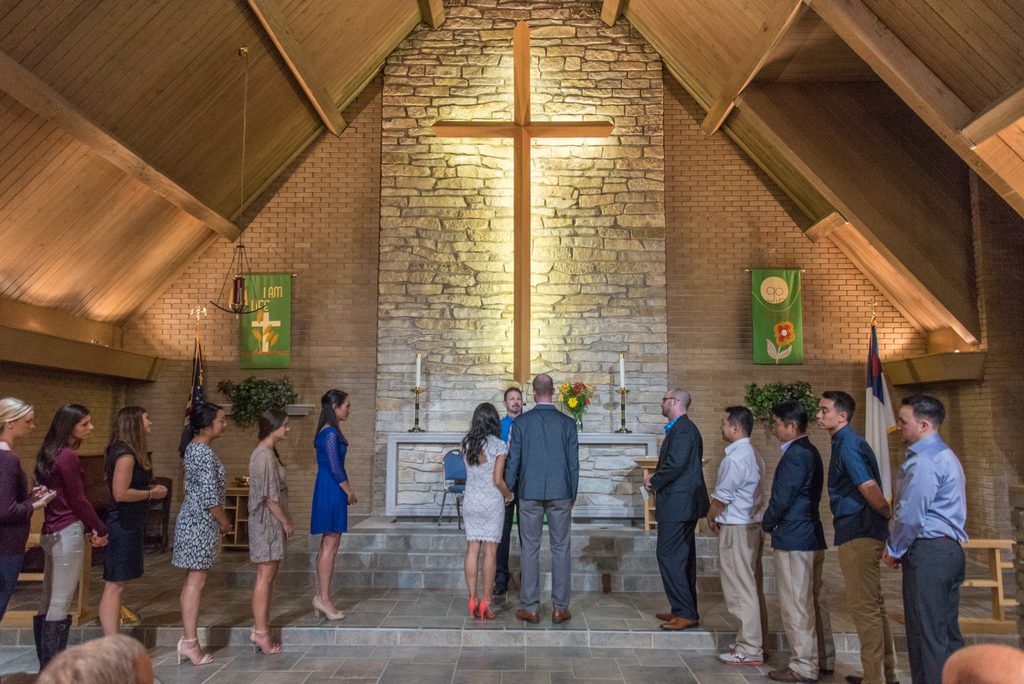
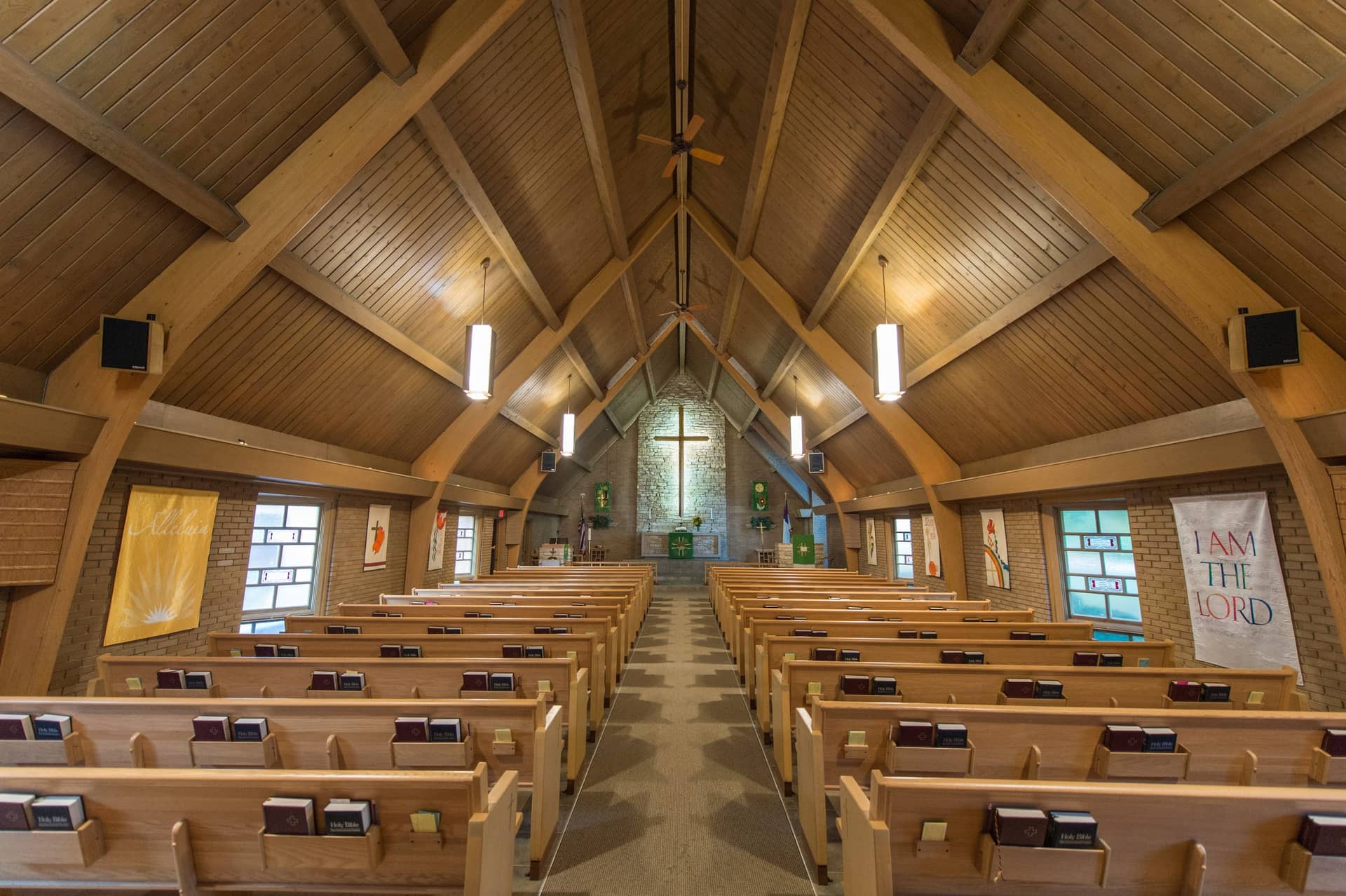
By watching everyone practice, the second shooter, Laura Deas Espeut, who also shoots weddings, and I could see the sightlines for taking photos. We knew we had to be at certain places in the church even to get a picture.
At this rehearsal, we also noticed that the placement of the unity candle and where they planned to wash each other’s feet wasn’t just bad for photos, but for everyone to see. So, by being there, we could not only help them get better photos but also provide a better experience for wedding guests by seeing the symbolic moments they chose.
Why Scouting Helps
- You get to see the location and take test shots
- You find the best sightlines to take photos
- If there is a wedding rehearsal, you can plan for the timing so you are in the best location at the right time.
- You get to speak at the event. If you see a problem that could affect the photos, as we did, you can bring it to the event planners’ attention. Here they made changes, which improved the images.
- You can plan to bring the right gear to get the best possible photos
I cannot stress enough how much preparation for anything you do will always impact your end product. We have all heard how 20/20 hindsight is always better than in the moment. While last-second changes can happen, you can get close to 20/20 with enough foresight. Unfortunately, just showing up and going with the flow means you’re constantly reacting instead of anticipating.