The Secret to Finding Great Stories: Learning How to Listen

Reading Time: 3 minutes

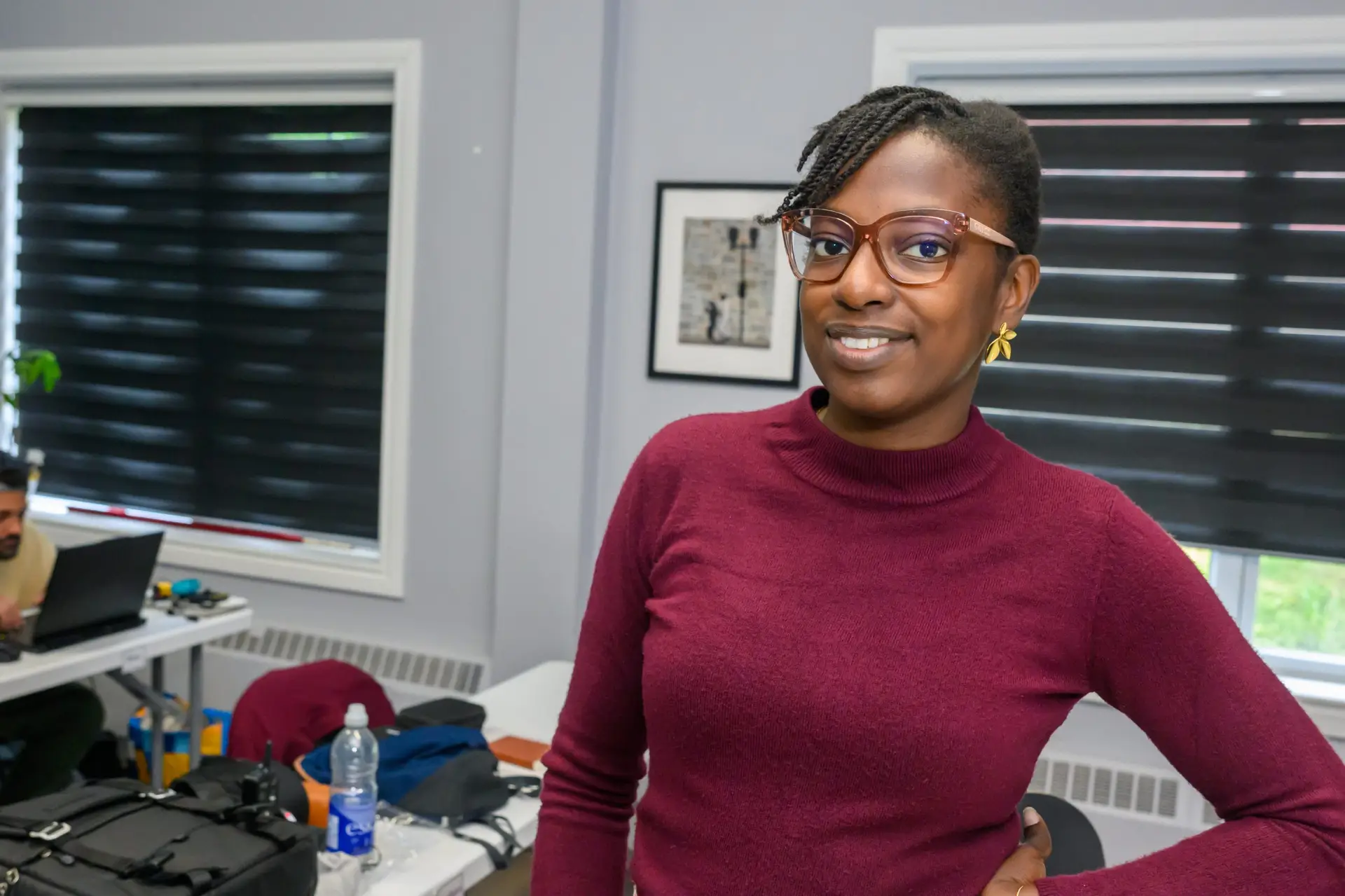
Last week, while teaching at the School of Photography with YWAM Dunham in Quebec, one of the students, Sandrine Frédéric, asked me a question that many beginning storytellers wrestle with:

“How do you interview someone?”

For many young photographers and videographers, interviewing people is terrifying. Pointing a camera at someone is easy compared to asking meaningful questions and uncovering a story.

When I teach storytelling, I often point students to the work of Brandon Stanton, creator of Humans of New York. Stanton has interviewed thousands of strangers around the world. What makes his work so compelling isn’t his photography—it’s his ability to help ordinary people share extraordinary stories.

The good news is that interviewing is a skill anyone can learn.

Stop Looking for a Story. Look for a Struggle.

One of the biggest mistakes beginners make is trying to find someone with an amazing life story.

Instead, look for a struggle.

Every meaningful story involves someone facing a challenge, obstacle, fear, disappointment, loss, or difficult decision. The struggle doesn’t have to be dramatic.

A story can be about:

  • Overcoming insecurity.
  • Recovering from failure.
  • Learning to forgive.
  • Moving to a new country.
  • Losing a loved one.
  • Finding purpose.
  • Overcoming loneliness.

The question isn’t, “What happened to you?”

The question is, “What have you had to overcome?”

That’s where the story usually lives.

Start Shallow Before Going Deep

Many young storytellers make the mistake of asking deeply personal questions immediately.

Imagine meeting someone for the first time and asking:

“What is the hardest thing you’ve ever experienced?”

Most people will shut down.

Brandon Stanton often begins with simple, easy questions. He starts a conversation before he starts an interview. Trust is built one question at a time. Research on Stanton’s approach shows that he often begins with casual conversation and gradually moves toward deeper subjects as people become comfortable.

Start with questions like:

  • Where are you from?
  • What do you enjoy doing?
  • What brought you here?
  • Tell me about your family.

Then slowly move deeper.

Listen for Emotional Doorways

As people talk, certain words deserve your attention.

Listen for phrases like:

  • “That was a difficult time.”
  • “I wasn’t sure what to do.”
  • “Everything changed when…”
  • “I almost quit.”
  • “I never thought I’d…”

Those are emotional doorways.

When you hear one, don’t move on to your next prepared question.

Open that door.

Ask:

  • Tell me more about that.
  • What happened next?
  • How did that make you feel?
  • Why was that difficult?
  • What were you thinking at the time?

The best interviews rarely follow a script.

Ask Open-Ended Questions

Avoid questions that can be answered with yes or no.

Instead of:

“Did you enjoy that experience?”

Ask:

“Tell me about that experience.”

Instead of:

“Were you nervous?”

Ask:

“What was going through your mind at that moment?”

Good interview questions often begin with:

  • Tell me…
  • Describe…
  • Explain…
  • Help me understand…
  • What was it like when…

These questions encourage people to tell stories rather than provide facts.

Become Comfortable with Silence

This is one of the hardest skills for young storytellers.

When someone finishes answering, don’t immediately ask the next question.

Wait.

A few seconds of silence often encourages people to continue talking.

Many of the most meaningful parts of an interview happen after someone thinks they’ve finished answering.

Silence gives people permission to reflect.

Don’t Chase Facts. Chase Feelings.

Facts help explain what happened.

Feelings help people care.

Two people may experience the exact same event, but what makes the story unique is how they felt about it.

Ask questions like:

  • What were you afraid of?
  • What gave you hope?
  • What did you learn?
  • What would you tell your younger self?
  • How did that experience change you?

Those answers reveal the heart of the story.

Listen More Than You Talk

One of Brandon Stanton’s observations is that listening has become a rare skill in a world where everyone is trying to tell their own story. He believes genuine listening helps people open up and share experiences they might not otherwise share.

Young storytellers often think they need to impress people.

They don’t.

People are usually far more interested in being heard than being impressed.

Your job is not to be interesting.

Your job is to be interested.

Remember: Every Person Has a Story

One reason Humans of New York became so successful is that Stanton discovered ordinary people often carry extraordinary experiences. The stories that resonate most are usually rooted in universal emotions such as fear, joy, sadness, hope, and resilience.

You don’t need to find celebrities.

You don’t need to find heroes.

You simply need to find people.

If you are willing to listen long enough, most people will eventually tell you about a challenge they’ve faced, a lesson they’ve learned, or a moment that changed their life.

And that’s where the story begins.

Assignment for New Storytellers

The next time you interview someone, don’t ask, “What do you do?”

Instead ask:

“What is something you’ve overcome that has shaped who you are today?”

Then listen carefully.

Your next great story may be hiding in the answer.