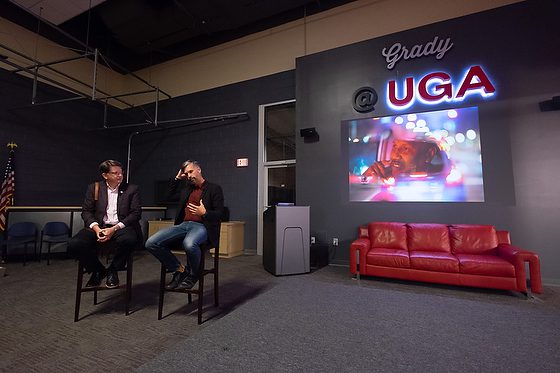
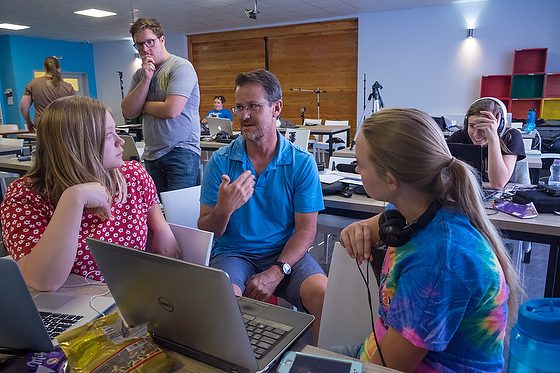
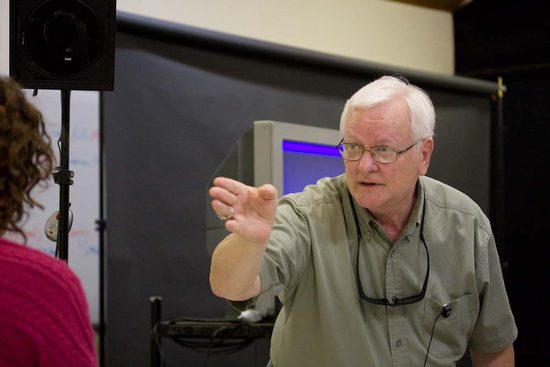
Mark Johnson interviews Kevin Liles, a documentary and commercial photographer based in Atlanta, specializing in covering religion, politics, and sports in the South. His career has included working as a small-town newspaper reporter and photographer, as well as a full-time assistant with Sports Illustrated, before transitioning to a full-time, independent photographer in 2012. Kevin has covered hundreds of assignments throughout the Southeast for clients such as The New York Times, The Washington Post, Sports Illustrated, NPR, The Wall Street Journal, and The Players’ Tribune. [X-E2, XF10-24mmF4 R OIS, ISO 6400, ƒ/4, 1/40]
UGA’s Photojournalism program had its first Photo Night last night. This was all inspired by Billy Weeks, who has been doing this for five years in Chattanooga.
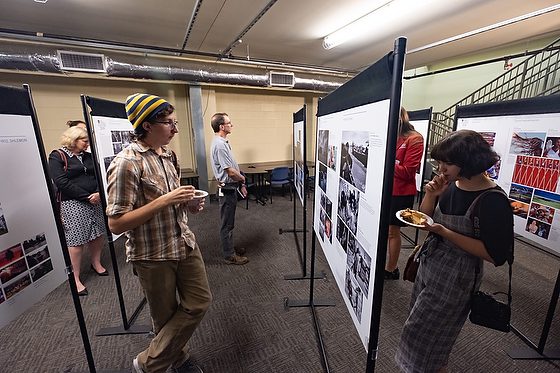
UGA Photo Night, where they had the White House News Photographers Association’s Eyes of History exhibit it up, thanks to the help of the UGA NPPA Student Chapter. [X-E3, XF10-24mmF4 R OIS, ISO 800, ƒ/4, 1/125]
Each of the primary speakers brought just three photos to talk about.
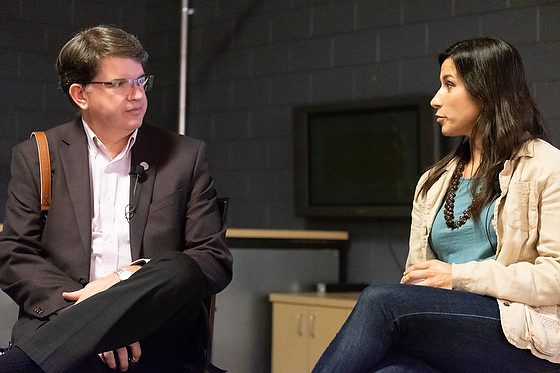
Mark Johnson interviews Dorothy Kozlowski, a Double Dawg with degrees in landscape architecture and journalism. She is a photographer with UGA’s Marketing and Communications Division, and the main focus of her work is to showcase the academic side of the University for its print and digital publications, as well as for its central social media platforms while staying consistent with the University’s branding guidelines. Her position requires a mix of photojournalism and studio photography skills (and, in many situations, a visually seamless blend of the two). Ms. Kozlowski is an alum of Grady’s visual journalism program. She participated in several workshops, including the 2009 Motorsports Workshop at the Petit Le Mans, an international endurance sports car race in Georgia. [X-E2, XF10-24mmF4 R OIS, ISO 6400, ƒ/4, 1/40]
Mark Johnson, who interviewed each guest, kept the evening moving and packed a lot in for just an hour and a half of presentation time.
Mark Johnson interviews Dorothy Kozlowski [X-E3, XF55-200mmF3.5-4.8 R LM OIS, ISO 10000, ƒ/3.5, 1/100]
In between the prominent guests, there were two presentations by present students.
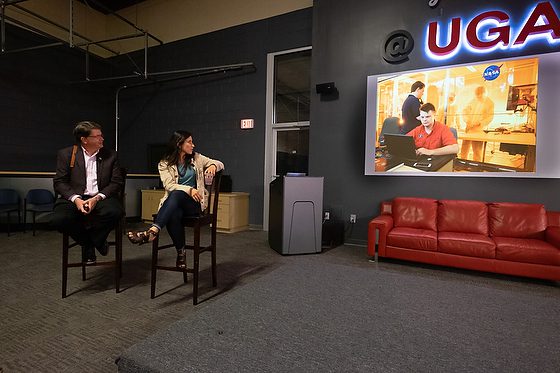
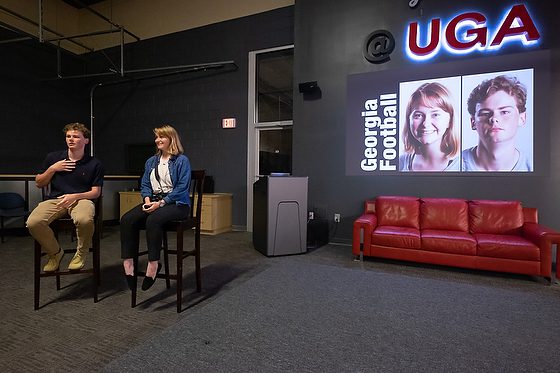
Tony Walsh & Rebecca Wright are students of Mark’s and talk about what they have to do as a team to cover UGA Football Games. [X-E2, XF10-24mmF4 R OIS, ISO 6400, ƒ/4, 1/40]
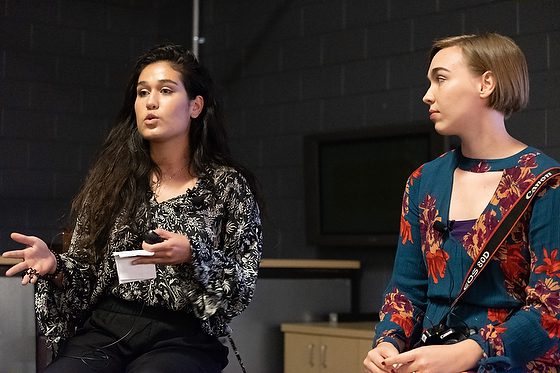
[L/R] Christina Matacotta & Miranda Kay Daniel talked about how they covered the Warrior games this past summer at the Air Force Academy. [X-E3, XF55-200mmF3.5-4.8 R LM OIS, ISO 10000, ƒ/3.5, 1/100]
Stay tuned for the next Photo Night at Grady School of Journalism.
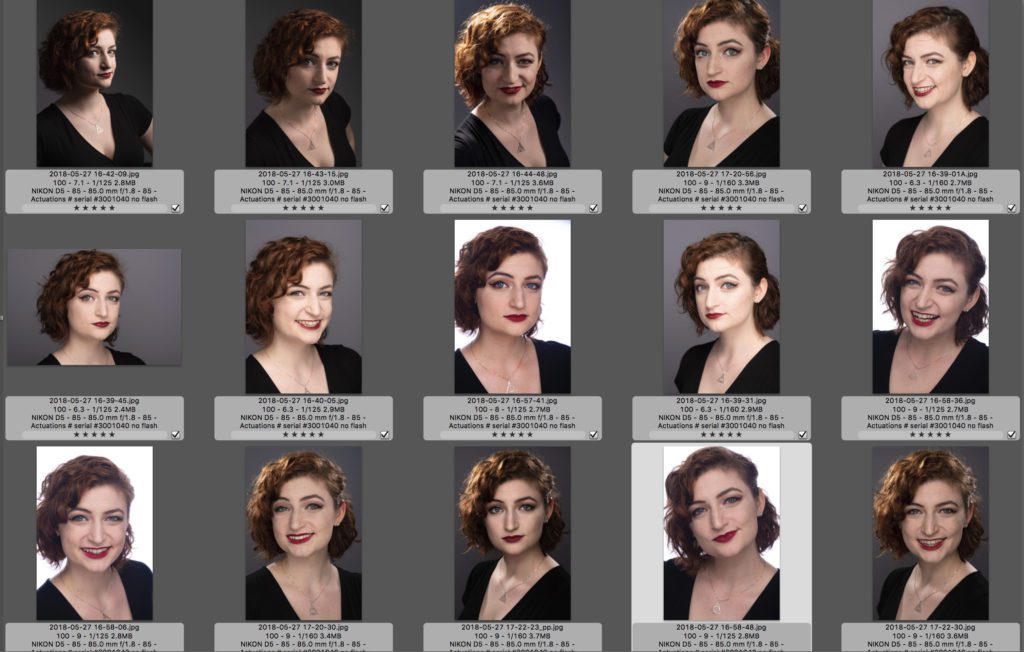
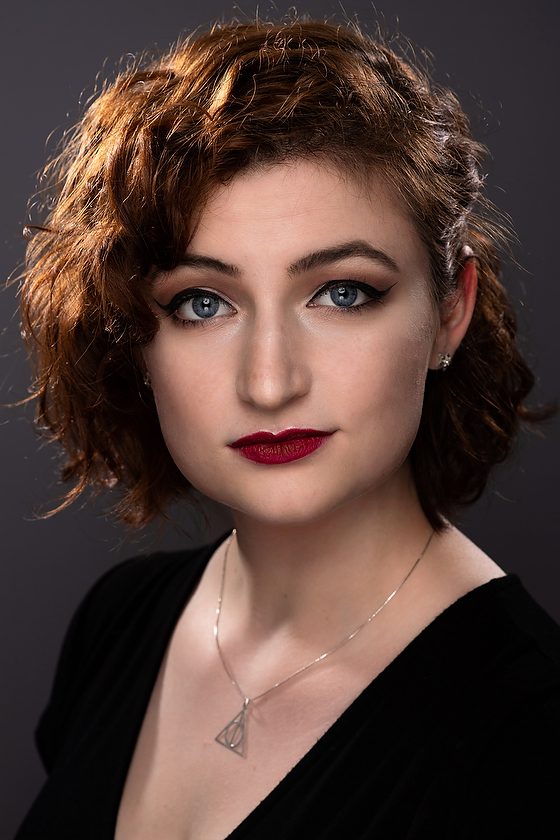
One of the best ways to improve your portrait session is to start with a plan for posing. My uncle Knolan Benfield had a studio in Hickory, NC, where he did mainly portraits for his business.
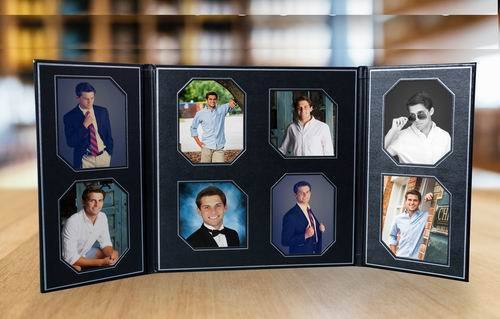
You may have seen some of these folios that many photographers still sell as a way to display more photos from a session for the client.
He realized he could shoot to help sell those and up his average sale. Well, it worked. He started to pre-visualize the photos in the folio.
Chelle Leary [NIKON D5, 85.0 mm f/1.8, ISO 100, ƒ/9, 1/160]
The customers were buying more photos, and he was getting better pictures for the customer in the process.
At first, it will feel a little mechanical and formulaic, but you start expanding the poses over time.
At first, you may just be having a person face to one side and then the other. Slowly, however, you will start to experiment. You begin to learn that each basic pose of the body is endless when you start going for different expressions.
Click on to see my instagram feed
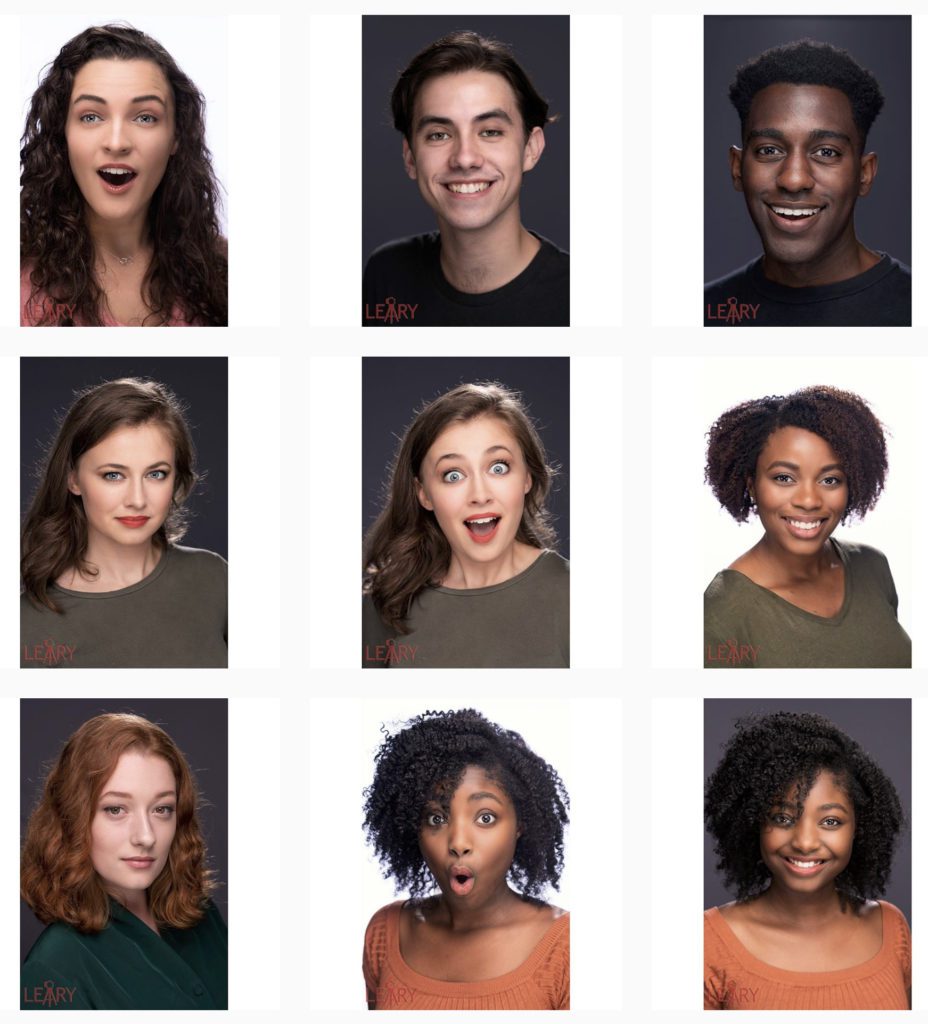
What surprised me was the likes on the fun photos versus just stunning photos of theatre students I did this past weekend.
Summary
Shoot to for a folio Add a photo each time you do a portrait Try for different expressions in each pose
Hannah Broeils [NIKON D5, 85.0 mm f/1.8, ISO 100, ƒ/5.6, 1/125]
Hannah Broeils [NIKON D5, 85.0 mm f/1.8, ISO 100, ƒ/5.6, 1/125]
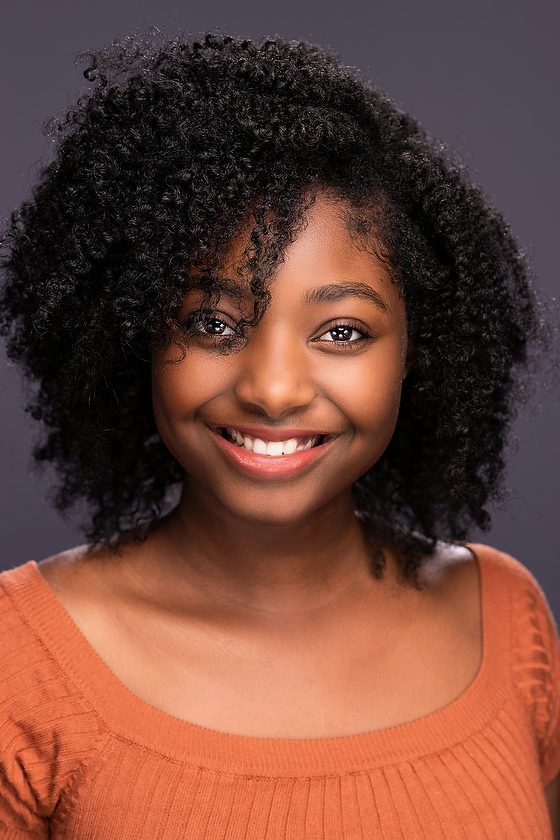
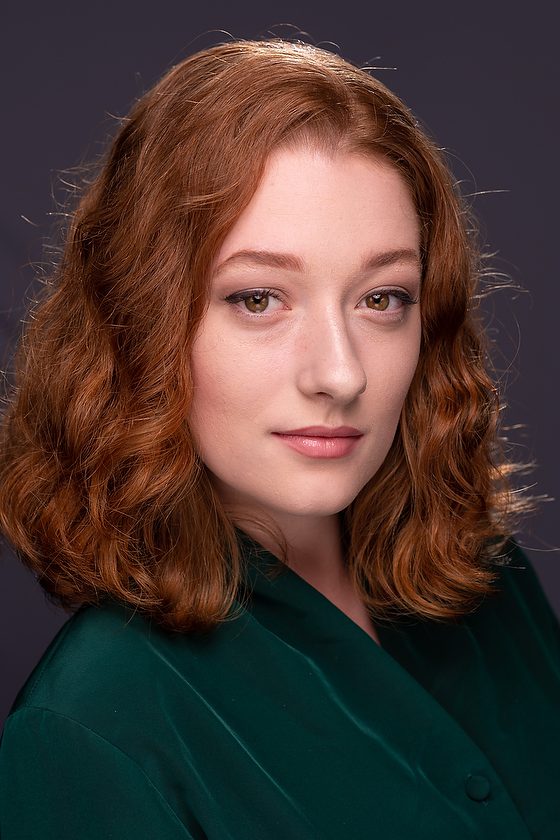
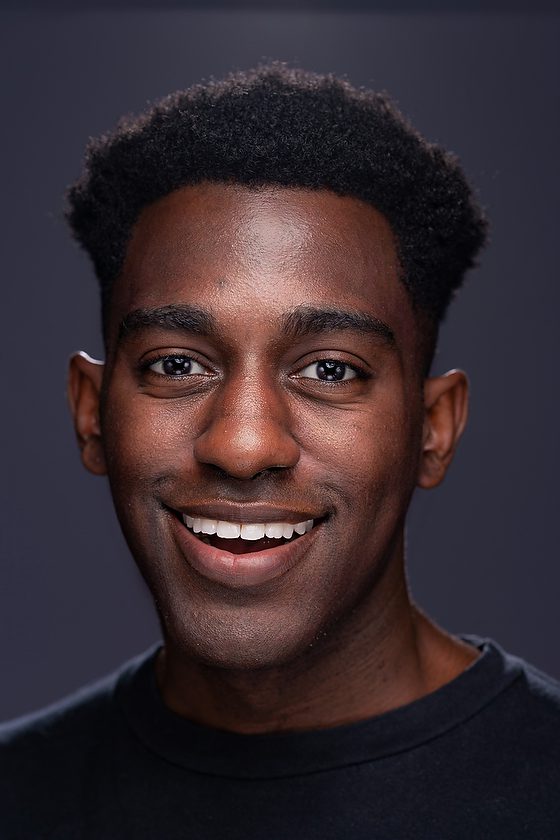
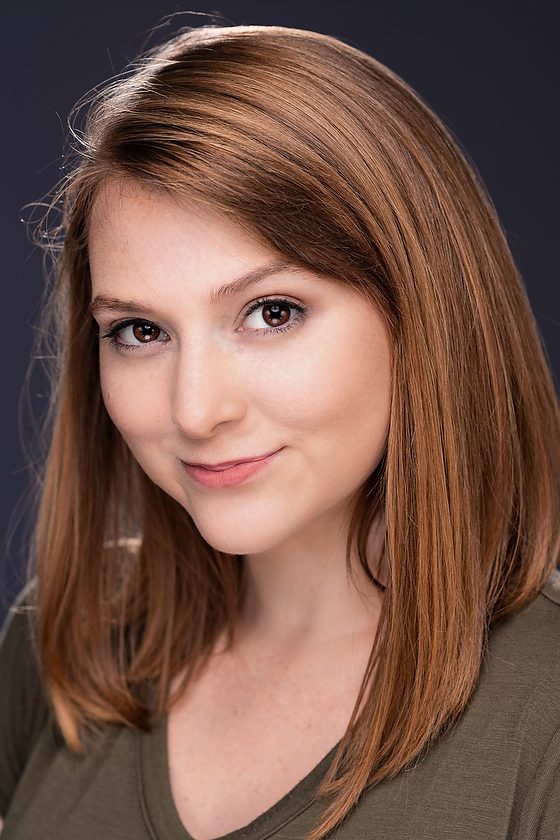
This past weekend I spent both Saturday and Sunday doing headshots for Columbus State University Theatre students.
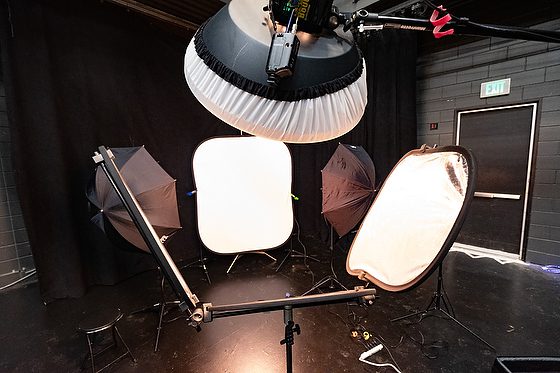
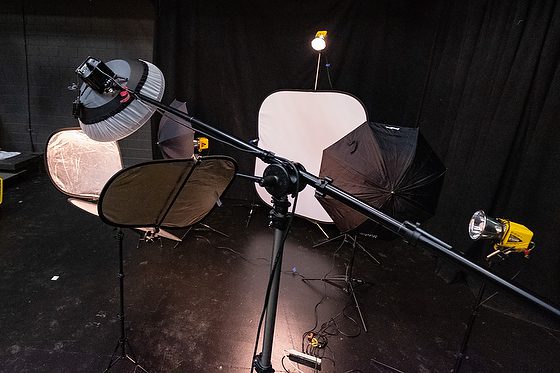
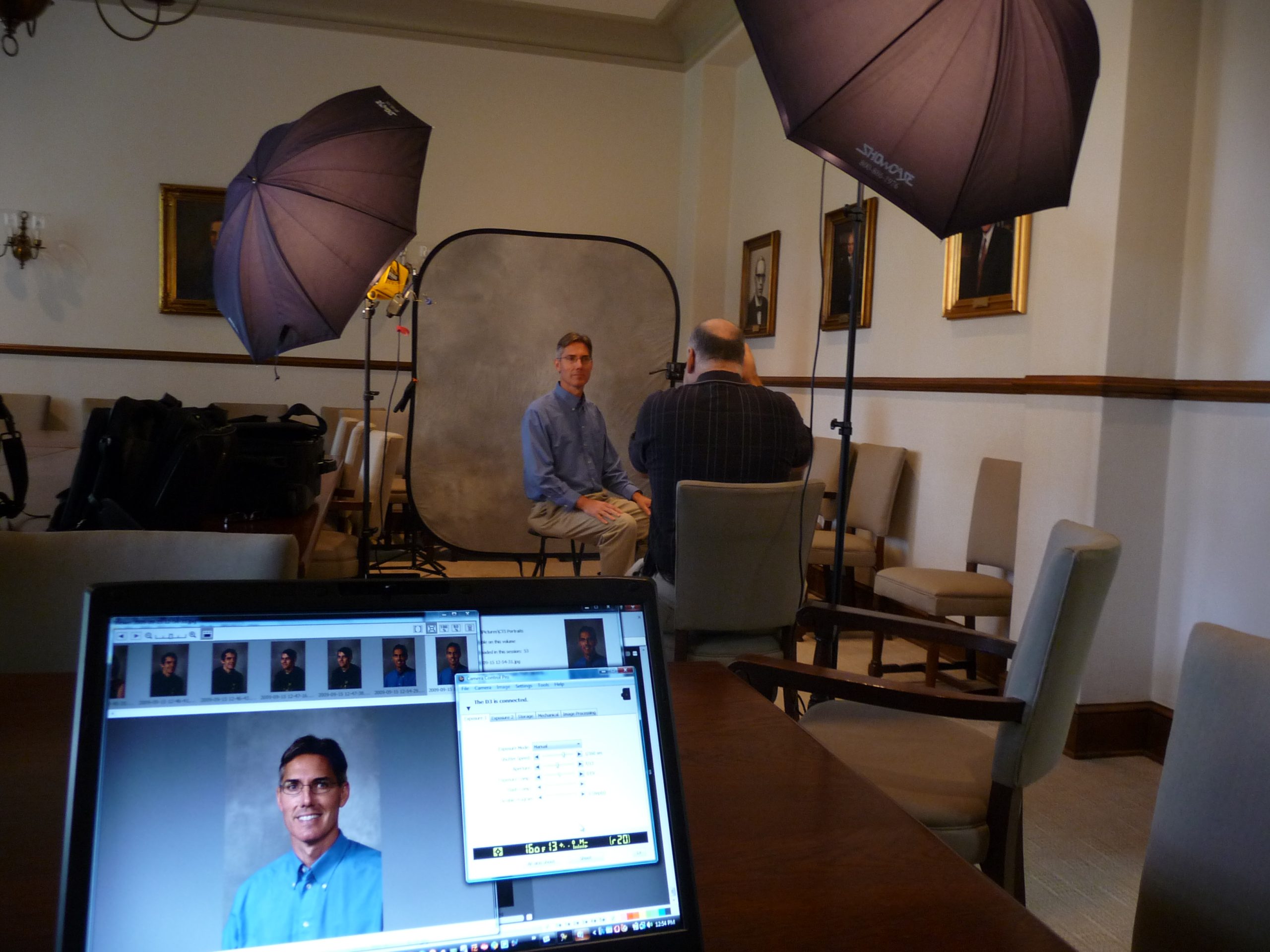
Setup for headshots [X-E3, XF10-24mmF4 R OIS, ISO 12800, ƒ/4, 1/13 ]
Here you can see the basic setup for the photos.
[X-E3, XF10-24mmF4 R OIS, ISO 12800, ƒ/4, 1/35 ]
I had two lights on the white background and would turn them off for the grey background look.
Erika Johnson [NIKON D5, 85.0 mm f/1.8, ISO 100, ƒ/5.6, 1/125]
I kept them on for the white background. I also had a hair light up straight behind the subject.
Debrinja Watts [NIKON D5, 85.0 mm f/1.8, ISO 100, ƒ/5.6, 1/125]
My main light was a beauty dish, and I kept the aperture at ƒ/5.6 with the Nikon 85mm ƒ/1.8 lens. Not too shallow of a depth-of-field and not too deep either.
Madi StepCaitlin Melvin [NIKON D5, 85.0 mm ƒ/1.8, ISO 100, ƒ/5.6, 1/125]
I prefer ƒ/4 to ƒ/5.6 when shooting individual headshots. Occasionally I will use a shallow depth-of-field of ƒ/1.4, but you and the subject must be still to make that work.
Robert Trammell [NIKON D5, 85.0 mm ƒ/1.8, ISO 100, ƒ/5.6, 1/125]
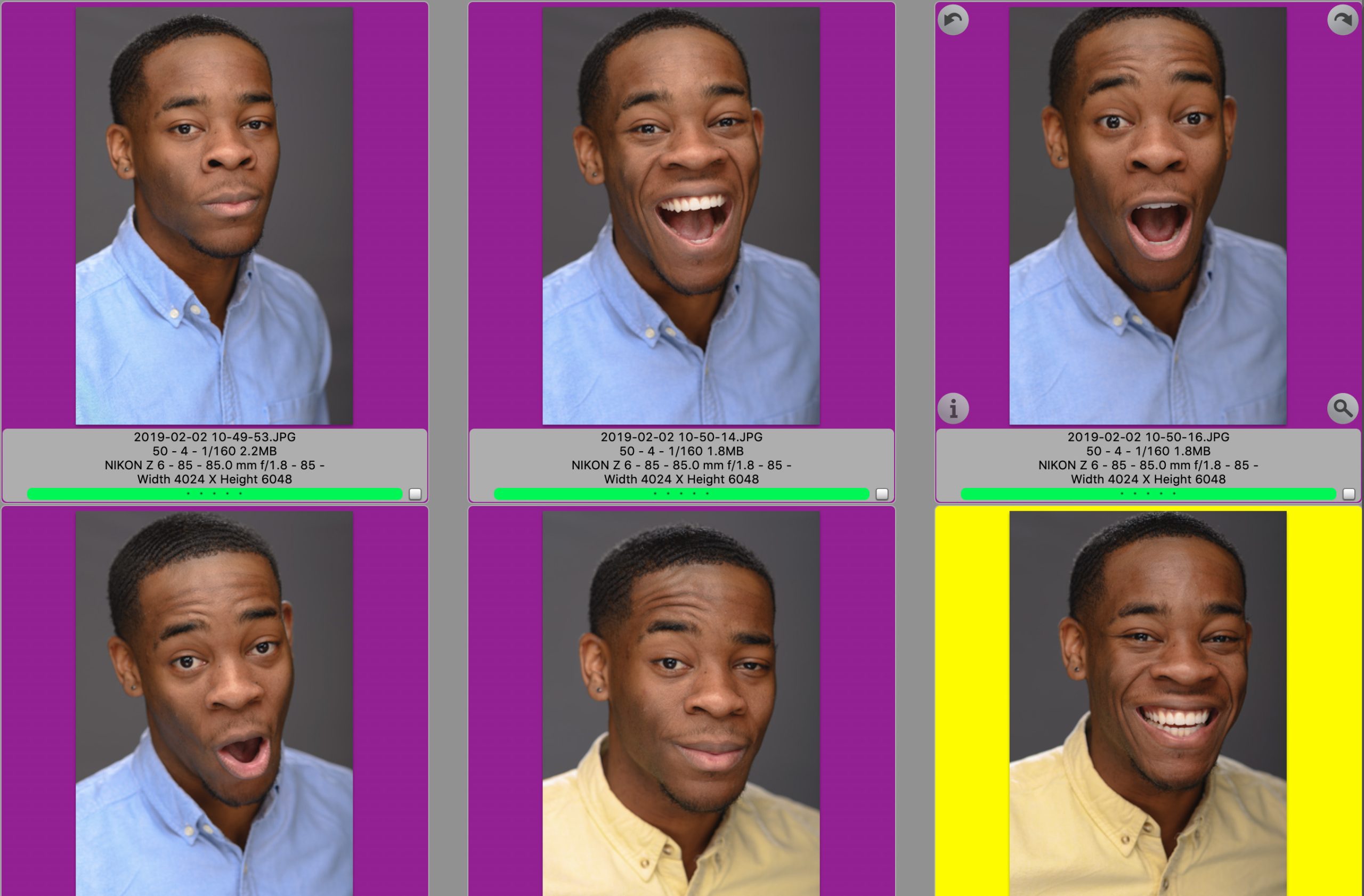
The fun thing with Theatre students is they enjoy trying all kinds of expressions.
Kate Fowler [NIKON D5, 85.0 mm ƒ/1.8, ISO 100, ƒ/5.6, 1/125]
So we had some fun looking surprised.
Hannah Broeils [NIKON D5, 85.0 mm ƒ/1.8, ISO 100, ƒ/5.6, 1/125 ]
We tried a lot of expressions.
Brady Madden [NIKON D5, 85.0 mm ƒ/1.8, ISO 100, ƒ/5.6, 1/125 ]
The one thing that happened after trying some goofy photos, surprise photos, and even being sad was that the expressions that followed were more genuine and authentic. Actors are up for the fun and challenge, but even they need to loosen up, and the best way to do that is to push the limits and dial them back.
Debrinja Watts [NIKON D5, 85.0 mm ƒ/1.8, ISO 100, ƒ/5.6, 1/125 ]
[NIKON D5, 28.0-300.0 mm f/3.5-5.6, ISO 2000, ƒ/5.6, 1/4000, 35mm Equivalent=300mm]
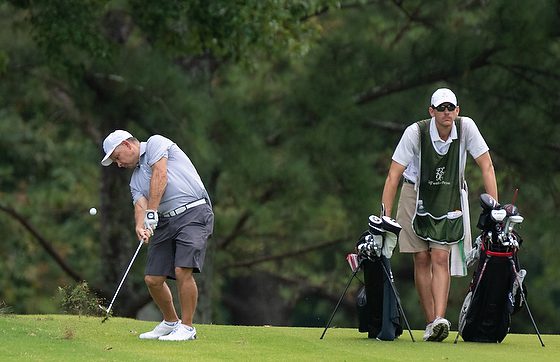
I find a lot of similarities between the game of golf and photography. We talk about golf being the game of inches, and we say the same in photography.
If you move the frame slightly, it would be a much better photo.
Lifeshape’s Legacy of Leaders Golf Classic [NIKON D5, 28.0-300.0 mm ƒ/3.5-5.6, ISO 110, ƒ/5.6, 1/100, 35mm Equivalent=300mm]
Before a golfer takes a shot, they examine the ball’s lie. They look at the distance to the pin. They see if they need a couple of photos to reach the plug. When putting, they try and read the putt before they take a swing.
The problem I am seeing with most beginning photographers is they were playing golf. They would walk up to the ball and just hit it. They don’t look at what they want to accomplish. They don’t decide which is the best club from their bag to hit the ball with and then determine how they will swing to hit the ball.
Lifeshape’s Legacy of Leaders Golf Classic [NIKON D5, 120.0-300.0 mm ƒ/2.8, ISO 2800, ƒ/5.6, 1/4000, 35mm Equivalent=600mm]
Now at the best golf courses and for pro players, they had caddies.
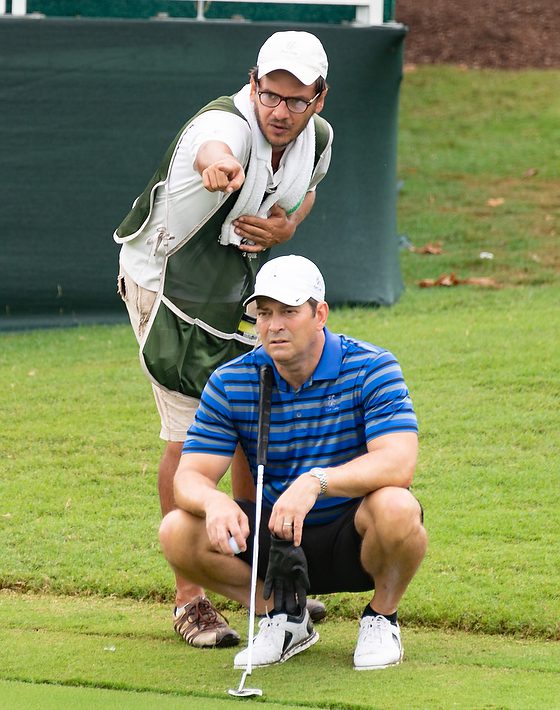
In golf, a caddie (or caddy) is the person who carries a player’s bag and clubs and gives insightful advice and moral support. A good caddie is aware of the challenges and obstacles of the golf course, along with the best strategy for playing it. This includes knowing overall yardage, pin placements, and club selection.
At the very top of their game, you see pros not swinging a club before they have paused, considered everything possible, selected the club, and even do some practice swings.
Lifeshape’s Legacy of Leaders Golf Classic Lifeshape’s Legacy of Leaders Golf Classic [NIKON D5, 28.0-300.0 mm ƒ/3.5-5.6, ISO 100, ƒ/5.6, 1/100, 35mm Equivalent=125mm]
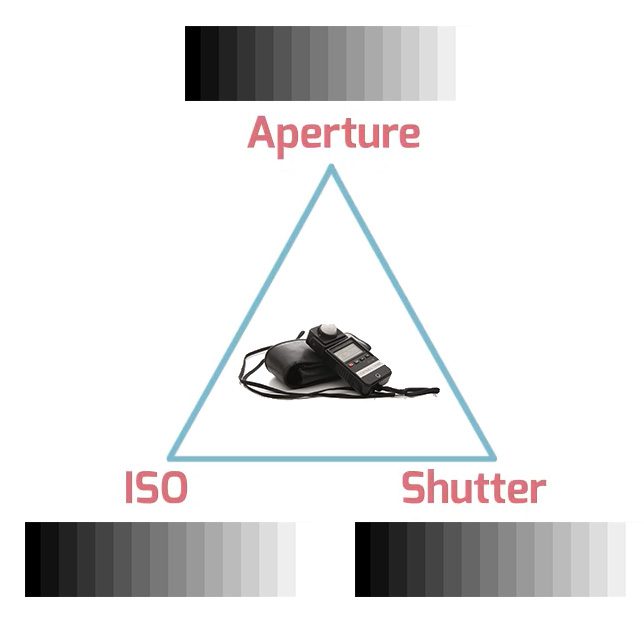
Here is a tip for every photographer. Before you click the shutter, decide on each of these and why you picked them before taking a photo.
ISO
Aperture
Shutter-Speed
White Balance
Under exposed, normal exposure or over exposed
Do I need to change the light in some way [reflector, flash, etc]
Background
Foreground
Composition
If you were to talk about why you took a photo, could you tell us also why you chose different settings on your camera to capture the moment?
It all boils down to why am I taking this photo? What am I doing with the camera to ensure I have captured the best possible way to achieve my goal.
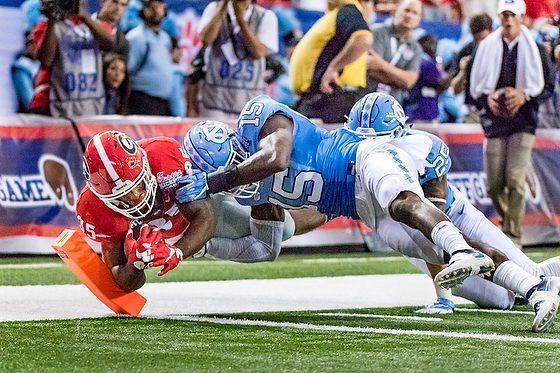
Georgia Dome – Georgia Bulldog’s Freshman Running Back #35 Brian Herrien scored his first collegiate touchdown. In contrast, UNC’s Safety #15 Donnie Miles could not stop him during tonight’s Chick-fil-A Kickoff Game, September 3, 2016, at the Georgia Dome. [NIKON D5, 120.0-300.0 mm ƒ/2.8, ISO 45600, ƒ/5.6, 1/4000, 35mm Equivalent=240mm]
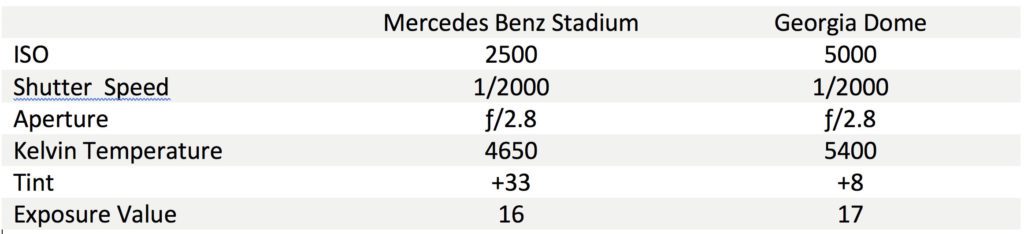
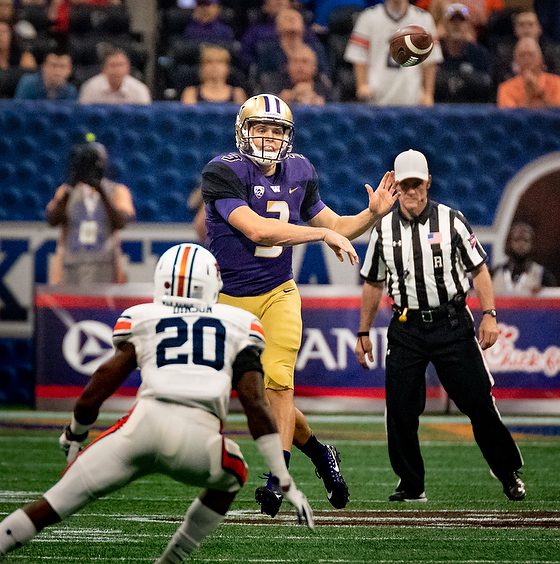
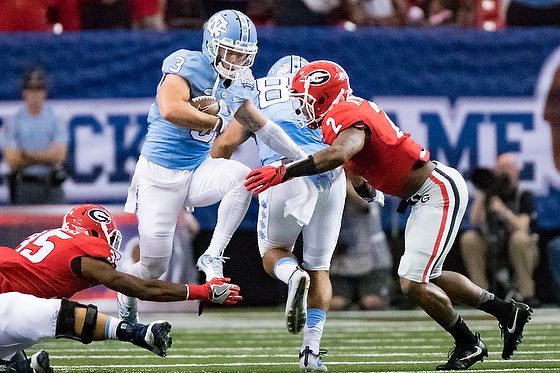
Photographers are concerned about a few things when they go to a new football stadium. Here are some comparisons between the older Georgia Dome and the new Mercedes Benz Stadium in Atlanta, Georgia.
The light is, first of all, much more, even from one end of the field to the next. Unless you put lights in the end zone pointed straight at the area, it is impossible to make it as even as the middle of the field where some of the lights are in front of the action.
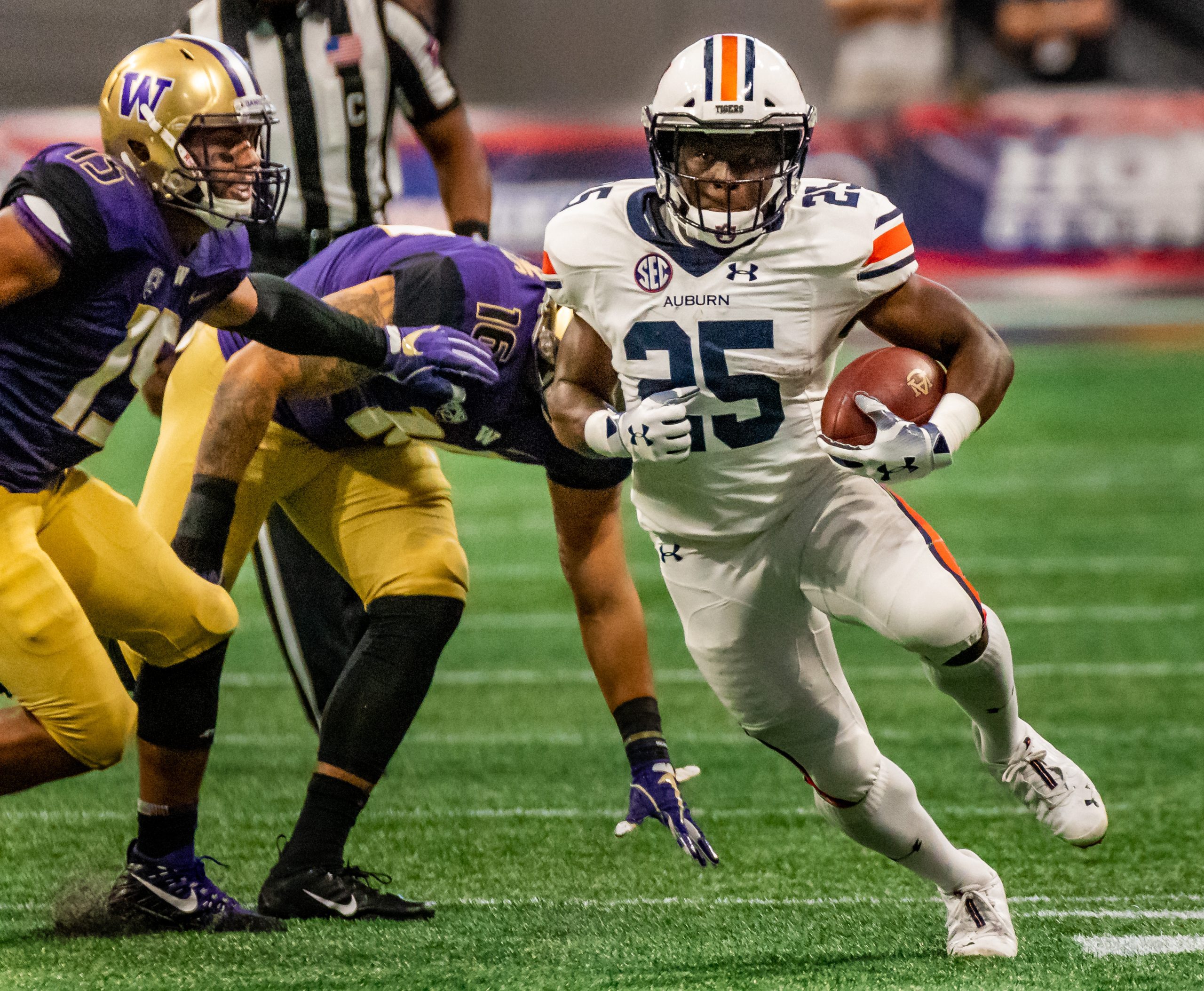
Mercedes Benz Stadium – Chick-fil-A Kickoff Washington vs Auburn [NIKON D5, 120.0-300.0 mm ƒ/2.8, ISO 25600, ƒ/5.6, 1/4000, 35mm Equivalent=600mm]
The color temperature in the Mercedes Benz is about 5400k with +8 magenta using Adobe Lightroom. Very close to daylight. In the Georgia Dome, the temperature was 4650K with +33 magenta making it closer to Fluorescent.
Georgia Dome – UNC vs Georgia [NIKON D5, 120.0-300.0 mm ƒ/2.8, ISO 40000, ƒ/5.6, 1/4000, 35mm Equivalent=600mm]
The other big difference is there was more of a flicker in the Georgia Dome with the lights. I didn’t detect any indication in the Mercedes Benz Stadium.
The complaints for those working the games in the new stadium are due to the size of the place. Under the stadium, behind each bench, are restaurants about the size of a football field, and outside of that is the tunnel to walk around with the locker rooms.
The press box is no longer the center field. It is in the corner. The photographer’s workroom is on the outside wall of the field-level tunnel.
Mercedes Benz Stadium – Chick-fil-A Kickoff Washington vs Auburn [NIKON D5, 120.0-300.0 mm ƒ/2.8, ISO 20000, ƒ/5.6, 1/4000, 35mm Equivalent=460mm]
You walk about double the distance to the field from the workrooms than you did in the older Georgia Dome.
I am noticing photographers are in better shape now and writers who decide to come down from the press box to the field.
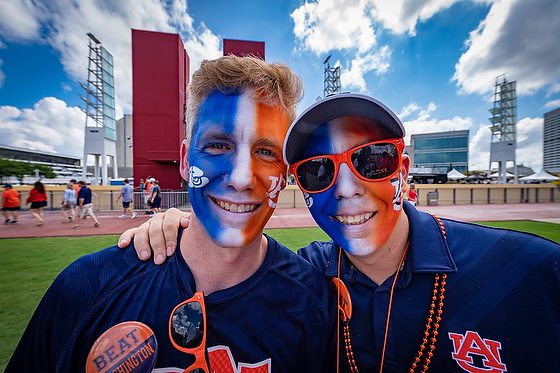
Chick-fil-A Kickoff, Washington vs Auburn [NIKON D5, Nikon 14.0-24.0 mm f/2.8, ISO 400, ƒ/9, 1/500 35mm Equivalent=14mm]
Fans love to show their support for their teams using face paint.
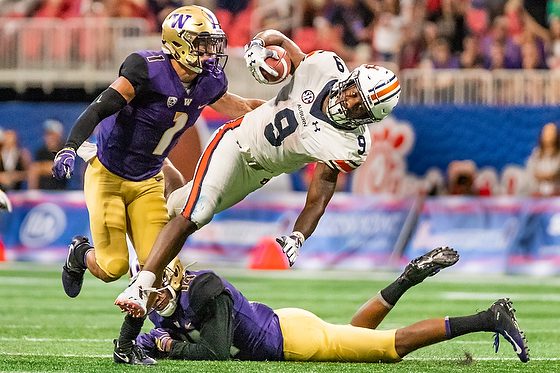
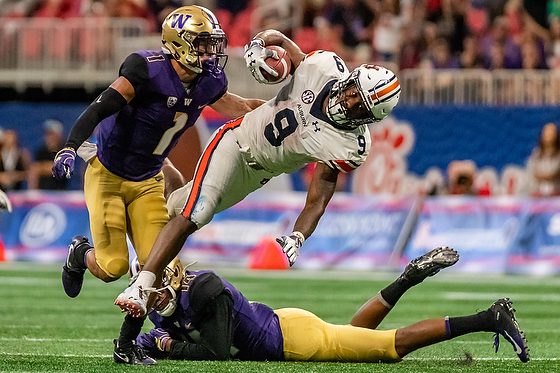
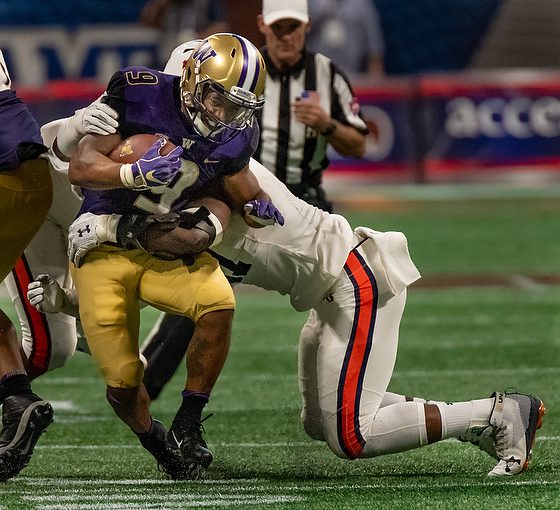
Auburn’s Kam Martin (9) barrels through Washington’s Huskies at Mercedes-Benz Stadium in Atlanta, Ga., on Saturday, Sept. 1, 2018. Auburn defeated Washington 21-16 in the Chick-fil-A Kickoff Game. [NIKON D5, 120.0-300.0 mm f/2.8, ISO 20000, ƒ/5.6, 1/4000]
Another Chick-fil-A Kickoff is in the books, and Auburn broke their losing streak at Mercedes Benz Stadium with a win over the Washington Huskies by 21-16 victory.
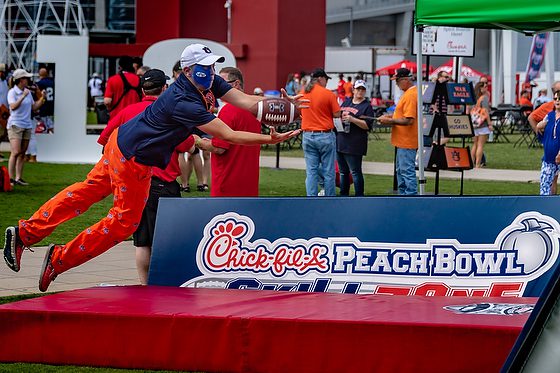
Fans enjoy a moment of glory for catching the football. The fans get a nice cushioned mat, whereas the players hit the hard ground after such a catch. This was at the International plaza outside the Mercedes Benz Stadium during the Chick-fil-A Kickoff. [NIKON D5, 28.0-300.0 mm f/3.5-5.6, ISO 100, ƒ/5.3, 1/640]
The day begins long before the 3:30 pm kickoff, where fans get to dream a little about their end zone catch that they would make for their team during the FanZone experience.
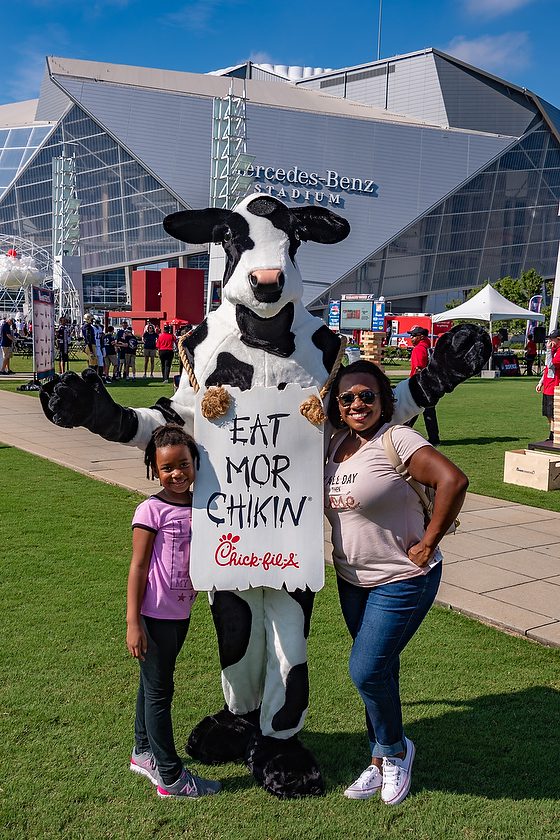
Fans enjoy taking photos with the Chick-fil-A Cows at the International Plaza before the Chick-fil-A Kickoff. [NIKON D5, 28.0-300.0 mm f/3.5-5.6, ISO 100, ƒ/8, 1/400]
I am there to capture the action on the gridiron and the fans enjoying themselves.
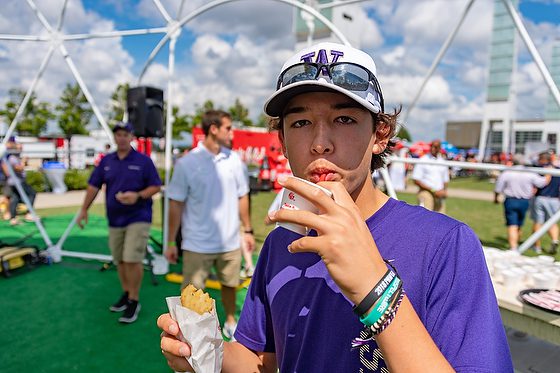
Chick-fil-A One Members enjoy sampling all flavors of Chick-fil-A Milkshakes as part of the Chick-fil-A One VIP Experience before the game. [NIKON D5, 28.0-300.0 mm f/3.5-5.6, ISO 100, ƒ/4, 1/1250]
While in the past, fans could get their photos made with the Chick-fil-A cows, this year, two of the most liked menu items, Waffle Fries & Milk Shakes, were being given away in the VIP Experience before the game.
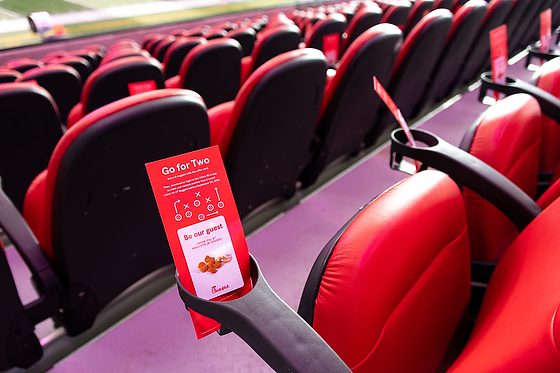
Digital “Be Our Guest” cards were stocked in each stadium cup holder for the Chick-fil-A Kickoff. [NIKON D5, 28.0-300.0 mm f/3.5-5.6, ISO 3200, ƒ/4, 1/100]
Every fan that had a ticket to the game also got more free food with a “Be Our Guest” digital card they could redeem later at their favorite Chick-fil-A Restaurant.
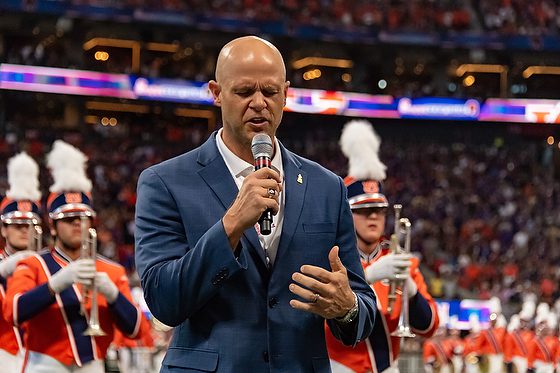
Giving the invocation at the Chick-fil-A Kickoff is Daniel Carl Wuerffel, a former college and professional American football quarterback who won the 1996 Heisman Trophy and the 1996 national football championship while playing college football for the University of Florida. [NIKON D5, 28.0-300.0 mm ƒ/3.5-5.6, ISO 22800, ƒ/5.6, 1/4000]
The Chick-fil-A Kickoff game is one of the few college football games that have an invocation before the game.
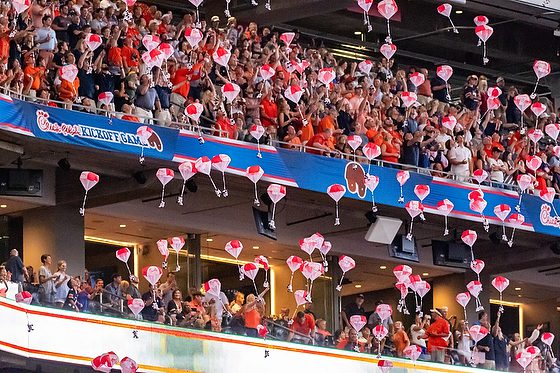
Chick-fil-A Cow Airborne Division parachuted over the fans during the Chick-fil-A Kickoff. [NIKON D5, 120.0-300.0 mm ƒ/2.8, ISO 64000, ƒ/5.6, 1/2000]
Just before Kickoff, Chick-fil-A Cows parachute in the stadium for the fans.
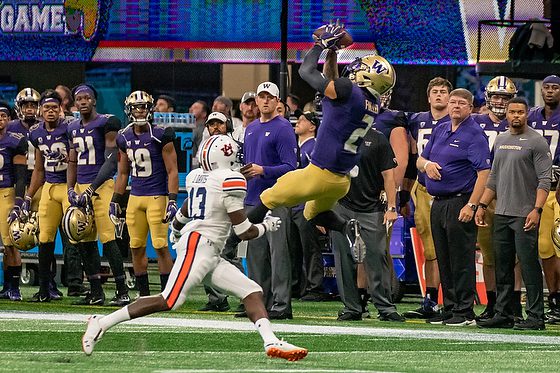
Washington wide receiver Aaron Fuller (2) makes a catch as Auburn defensive back Javaris Davis (13) defends in the first half of an NCAA college football game Saturday, Sept. 1, 2018, in Atlanta. [NIKON D5, 120.0-300.0 mm ƒ/2.8, ISO 22800, ƒ/5.6, 1/4000]
The action didn’t disappoint either team during the game. Both teams made remarkable catches.
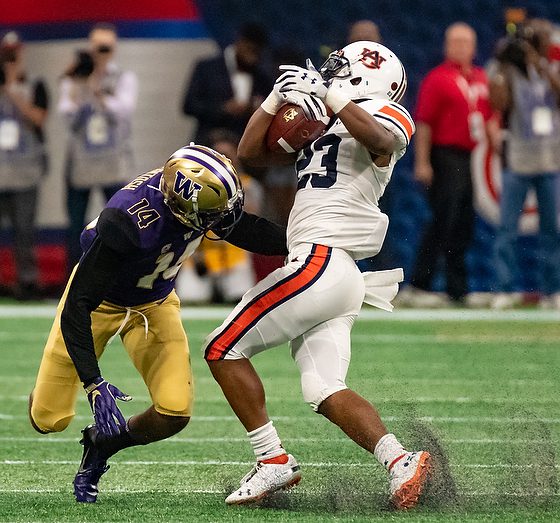
Auburn wide receiver Bryan Davis (23) breaks away from Washington defensive back Jojo MacIntosh (14) during the Chick-fil-A Kickoff game in Atlanta on September 1, 2018. [NIKON D5, 120.0-300.0 mm ƒ/2.8, ISO 25600, ƒ/5.6, 1/4000]
I couldn’t have covered the game by myself and all the activities. Greg Thompson, Michael Schwarz, and Robin Rayne Nelson helped cover the events.
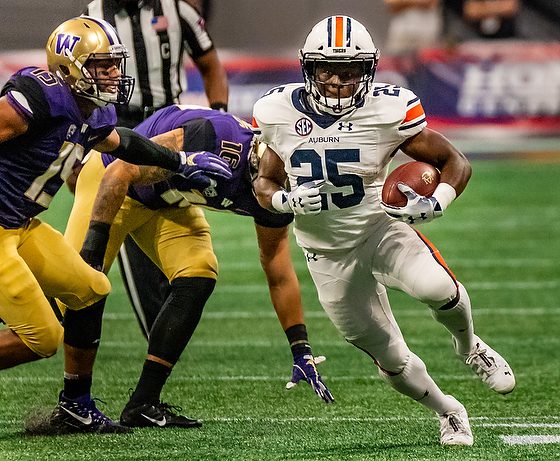
Auburn’s running back, Shaun Shivers, rushes for yardage during the Chick-fil-A Kickoff Game at Mercedes Benz Stadium. [NIKON D5, 120.0-300.0 mm ƒ/2.8, ISO 22800, ƒ/5.6, 1/4000]
If you were to see all 3,000+ images I shot for the day; you would notice a few things I am doing.
Always looking to capture faces and expressions Watching my background Watching how the light is hitting the subject Looking for Chick-fil-A branding – They are the client Something happening – Working for action and peak moments
Washington’s Miles Gaskin (9) is stopped by Auburn during the Chick-fil-A Kickoff Game. [NIKON D5, 120.0-300.0 mm ƒ/2.8, ISO 25600, ƒ/5.6, 1/4000]
They start early in the morning and shoot until the game ends as the players say thanks to their fans and then hit the road to go home.
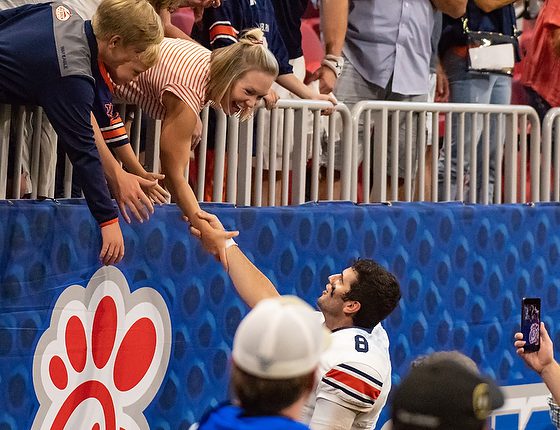
Auburn quarterback Jarrett Stidham (8) thanks fans for their support after the win at the Chick-fil-A Kickoff at Mercedes Benz Stadium in Atlanta, Georgia. [NIKON D5, 120.0-300.0 mm ƒ/2.8, ISO 45600, ƒ/5.6, 1/4000]
Some may wonder why I put camera data in my captions here on the blog. Well, the main reason for this blog is teaching. I always have students who are learning how to do what I am doing. When you start seeing some of this camera data helps you understand what camera setting. Let me get a sharp, well-exposed, and proper white balance for my photos. Correct white balance is done by doing a custom white balance.
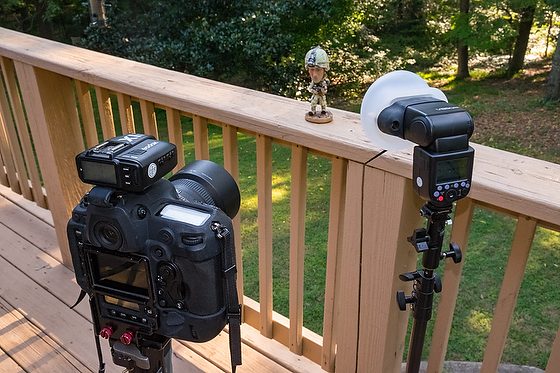
Godox V860IIN 2.4G TTL Lion Battery Camera Flash Speedlite for Nikon + Godox X1NT Flash Trigger
One of the biggest mistakes new photographers make when trying to do photography as a profession is not investing enough in a light kit that lets them take photos with the light source off of their camera.
The super simple kit I have above is so inexpensive to take off-camera flash photos.
Here is what I recommend for just about everyone, and they make this kit for Nikon, Canon, Sony, and Fuji. There are many other solutions but invest in an off-camera light source.
$225.00 – Godox VING V860II TTL Li-Ion Flash with X1T TTL Trigger Kit $57.15 – Manfrotto 5001B Nano Black Light Stand – 6.2′ $17.90 – Godox S-Type Speedlite Bracket for Bowens $20.50 – Westcott Optical White Satin Diffusion Umbrella (45″) $320.55 Total
This alone will make your photos stand out. This photo below is without a flash.
[Nikon D5, 85.0 mm f/1.8, ISO 100, f/1.8, 1/100]
Now, look at everything the same, but an off-camera flash can do at 45º from the camera.
[Nikon D5, 85.0 mm f/1.8, ISO 100, f/1.8, 1/125 – Godox V860IIN 2.4G TTL L + Godox X1NT Flash Trigger]
The only difference between the photos, for the most part, is the off-camera flash.
Which one of the photos will people pay you to take more often than the other? The one with the flash, because they can get the other photo with their camera on their phone.
Patrick Davison, professor at UNC School of Media/Journalism, talks with students about their projects during a visual storytelling workshop in the Balkans. [Fuji X-E2, XF18-55mmF2.8-4 R LM OIS, ISO 5000, ƒ/5, 1/100]
Matthew 18:3 ESV And said, “Truly, I say to you, unless you turn and become like children, you will never enter the kingdom of heaven.”
Little children have an extraordinary humbleness and are easily taught. Most adults are not this way. A little child is enthusiastic and eager to learn and has a forgiving love. He has simple trust.
My mentor Don Rutledge says, “Photography … forces us to see, to look beyond what the average person observes, to search where some people never think to look. It even draws us back to the curiosity we experienced in our childhood.
“Children are excited about their surrounding world: Why is the sky blue? Why is one flower red and another yellow? How do the stars stay up in the sky? Why is the snow cold?
“As the years go by, that curious child matures into a normal adult with the attitude of ‘who cares anymore about those childish questions and answers?’ The ‘seeing beyond what the average person sees’ fills us constantly with excitement and allows us to keep the dreams of our youth.”
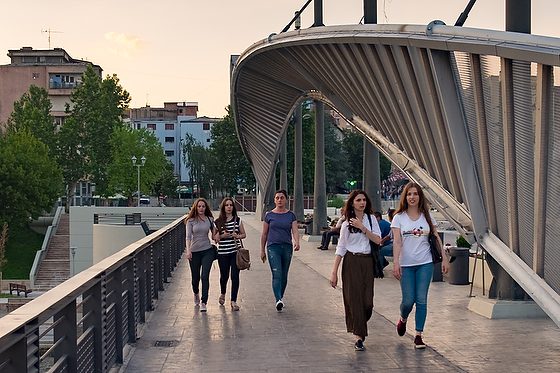
Bridge in Mitrovica [Fuji X-E2, XF18-55mmF2.8-4 R LM OIS, ISO 400, ƒ/2.8, 1/320]
I am just a child who has never grown up. I still ask these ‘how’ and ‘why’ questions, and occasionally, I find an answer. — Stephen Hawking
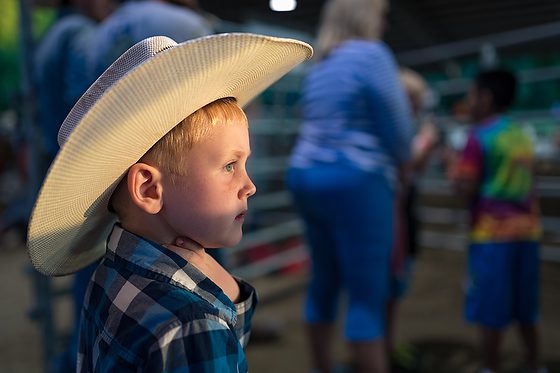
Little Cowboy enjoys the Celebrate Freedom Rodeo at Wills Park in Alpharetta, GA. [Nikon D5, Sigma 35mm ƒ/1.4, ISO 640, ƒ/1.8, 1/160]
“When you stop learning, stop listening, stop looking and asking, always new questions, it is time to die.” — Lillian Smith
If you have a staff job in the communications field, the odds of being let go are higher than ever for good reasons.
One of the highest costs for an employer is healthcare. Freelancers come without that cost to the employer. When it comes to cost savings, many companies see this as a good reason to outsource their communications to freelancers and agencies.
When a company hires a creative person, they are stuck with that person’s creativity. As the company grows and needs to change, it is much more challenging to do that with creatives who cannot produce different kinds of work beyond their style.
“Say goodbye to full-time jobs with benefits”
“In the Future, Employees Won’t Exist” was the headline of the Tech Crunch story.
Microsoft has nearly two-thirds as many contractors as full-time employees. Even the most straightforward business structures, sole proprietorships, have increased their use of contract workers roughly two-fold since 2003.
“40% of America’s workforce will be freelancers by 2020,” said Quartz. [Update 7-27-22 about 35%]
“Stanley, if you put in as much work as you have been doing at Georgia Tech into your freelance, you will be successful,” said a friend in 2002 when I started freelancing full-time.
That was the most profound statement at the time and made me think of treating my freelancing like a full-time job.
Ken Touchton and me
One of the best mentors I have ever had in my life is Ken Touchton. When I started freelancing full-time, Ken called weekly to check on me.
Ken told me how when he started; he would get up, get dressed in a shirt and tie, and then go to the next room and start his day, even if he had no assignments to go anywhere.
If you find yourself laid off and having to look at freelancing, let me give you just a few tips that are very general but worked for me.
Photographer, are you Liked or Loved – You need table food and soul food. The best way to get both is the personal project that shows your business solution through a photo project, for example, that shows how you solved this problem for someone.
How much can you make as a photographer? – You need a good understanding of the cost of doing business. One key element is to know your family budget. If you don’t know what your bills are, how much you bring in, and the difference, you will probably fail in business.
Create a calendar with actions for you to do. Here are some things that should be on your list:
People to contact by phone [weekly] – These are your clients and prospects.
Targeted marketing campaign – this is where you write a letter that targets people in your database in a particular industry.
Education Market
Editorial Market
Sports
Medical
Blog – this is where you share something that continues to build your reputation as an expert. I recommend three times a week.
E-Newsletter – I send one out monthly to my clients. This is just a way to reconnect with your audience. Remember to consider why they want to get this, not that you want them to hire you.
Snail mail – you can send handwritten thank you cards to all your recently hired clients. Do this after each job. Maybe create a postcard or some other mailing. Remember, they have to physically touch this before it goes in the mail, whereas emails will get automatically deleted and never seen.
Networking events – You need to be out and meeting new people. I call this fishing with a big net.
Workshops – You need to continue to grow in knowledge, so plan to attend meetings throughout the year to help you expand your skills.
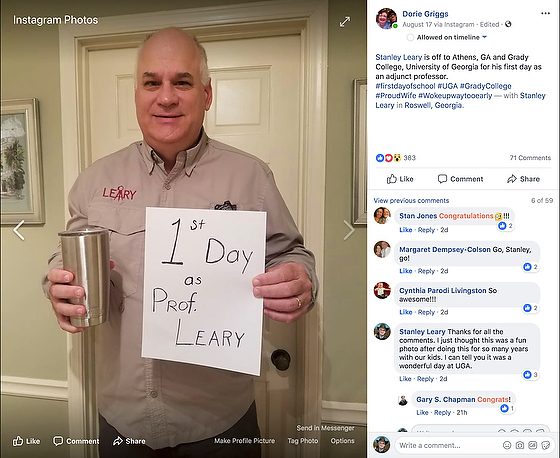
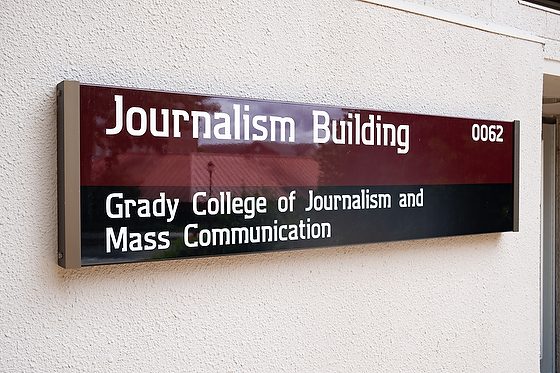
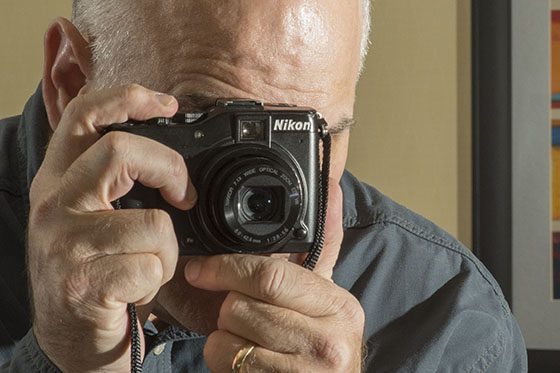
Friday, August 17, 2018, was my first-day teaching Intro to Photojournalism at The Grady College of Journalism and Mass Communication at the University of Georgia.
The night before, Dorie, my wife, thought as much as we always take pictures of the kids on their first day, she wanted to do the same with me this year. #ThingEmptyNestersDo
For us, this turned out to be our viral photo. We have never had 383 likes on an image.
[Fuji X-E3, 18-55mm, ISO 200, ƒ/5, 1/110]
The end goal of this class is for the students to learn how to communicate visually, control a camera, compose an image and capture a moment that others will understand. That last part? That’s the hard part!
One of the critical parts of the class is teaching ethics and specifically the ethics of photojournalism. We use the NPPA Code of Ethics.
What is remarkable about teaching at UGA is that the National Press Photographers Association headquarters is at the Henry W. Grady College of Journalism and Mass Communication.
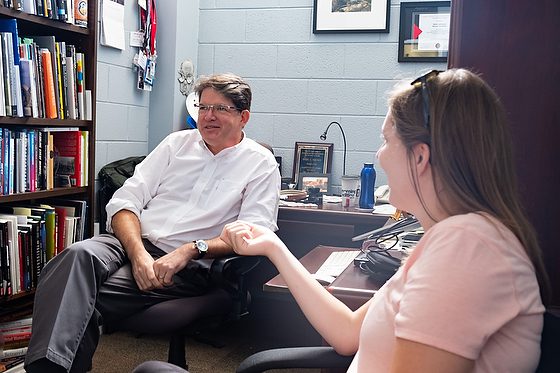
Mark Johnson and Andrea Briscoe are in Mark’s office enjoying some time together. [Fuji X-E3, 18-55mm, ISO 1600, ƒ/5, 1/10]
On December 19, 2014, it was announced that NPPA relocated its headquarters to UGA. Mark Johnson was the initiative’s leader in bringing the NPPA to UGA. Mark sold the idea to both the Grady School and NPPA. It was his enthusiasm that created a partnership that was a win-win opportunity.
Mark is the one who asked me to teach at UGA.
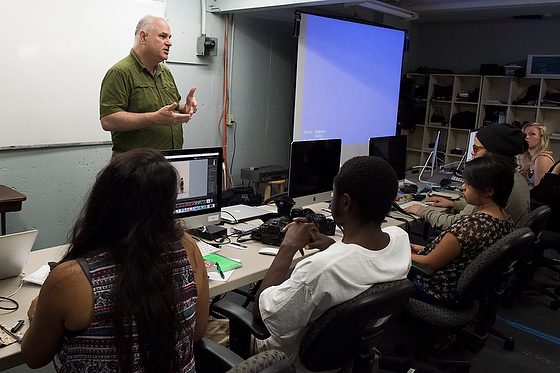
So on Friday, I had two JOUR 3330: Introduction to Photojournalism classes to teach, back to back. The class size is limited to 20, and I had 17 in one class and 18 in the other.
Being nervous that first day, I packed too much into that first class. I think in the following courses, I will be more relaxed, and the pacing of the content will be better for the students and me.
I am having lots of fun looking for content to share in the class.
This is one of the videos I came across that does a great job of teaching depth-of-field by explaining how it works.
This week we will be getting a little history of photojournalism. Here is a video about Eugene Smith I will be showing, and then we will discuss it in the class.
I love preparing for class and looking forward to helping another crop of students become passionate about visual storytelling.
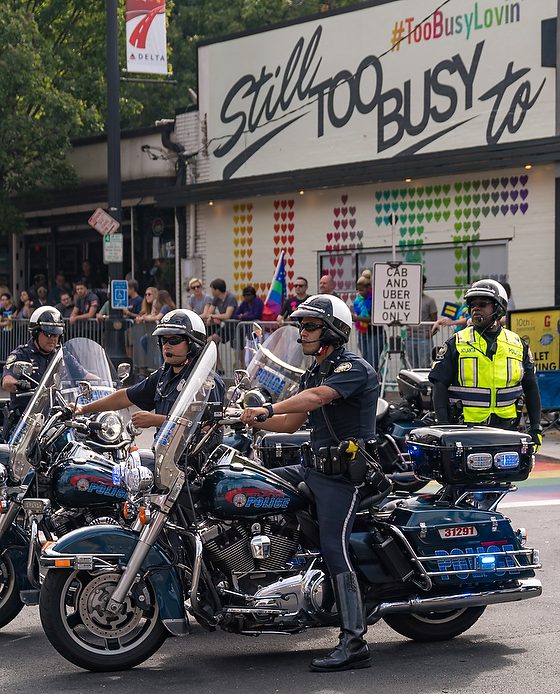
Still Too Busy [Nikon D5, Sigma 24.0-105.0 mm f/4.0, ISO 100, ƒ/4, 1/500]
Still Too Busy
This photo illustrates my inner frustrations when I am asked to do just one more thing, or someone wants to add something to my load. The cops do not see the big sign saying “Still Too Busy” but are there to arrest me for not complying.
Usually, a request has two answers–1) Yes and 2) No. Sometimes, you can even supply more information to the person asking to see if they will withdraw their bid.
There are some legitimate responses that would cause most people to take back their request. Today is your wedding anniversary, and you have plans and should tell them. Maybe you have nonrefundable tickets to an event you have planned for a long time.
I will never forget when I was shocked when the person I was saying no to wanted complete access to my calendar to call everyone to reschedule so I could do their project.
At that particular time, I was reporting to 5 different directors. I needed a hand for a long time to overcome this difficulty.
[Nikon D4, 28.0-300.0 mm f/3.5-5.6, ISO 200, ƒ/9, 1/125]
I wish I had known then what I know now. What helped me was to see this from the requester’s perspective. When I said no, I wasn’t helping the client at all. If they still needed it done, they would find someone who could make it happen, and often then, I would no longer be used for future projects.
When I was in a staff job, I often said no because I didn’t have time with all the other things on my plate. As a freelancer, I was saying no because they asked for more without offering more pay.
Had I learned this tip earlier in my career, I would have become a more valuable team member when someone would ask me to do something; I would now be saying how I want to help them. I would be saying YES–IF.
Yes, I can make that happen for you if you tell me which of these other projects I can delay or not do to be able to take on this extra work.
As a freelancer, I am saying YES–IF you decide what on the list we were shooting comes off because I don’t have time to do all you have, or I might be saying yes if you agree to the extra XYZ cost.
Since learning this technique, my new goal is to say yes as much as possible and to be sure the client is saying no, not me.
As a freelancer, the client asks me to do something, and my response is I would love to help you. The additional cost to make this happen is XYZ. Just sign right here to the changes on the contract, and I will make it happen.
The client will then respond tremendous or no, we cannot afford to do that. If they have to do this, then you are not the reason it gets done; they don’t have the resources to make it happen, or maybe the request is no longer necessary.
As a staff person, I am not asking for more money. I am taking the burden of what is on my plate and the difficulties of making it happen back onto their plate.
My boss asked me to take photos of their event; I would have said no in the past, but I am already booked. I now say I am already covering another event at the same time. I am more than willing to have this event covered. Which event do you want me to cover, and would you like me to get another photographer to cover the event I cannot hide?
Saying No makes you a problem! Saying Yes Makes you a problem solver!!!
When you say no, the person requesting help must find someone else. Had you said yes, their problem would have been solved.
Today, when I get a request for something and I am already booked, I always offer to find someone for them. One of the best ways to keep those clients returning is to handle the booking of the photographer and have the photographer work as a subcontractor for you. This way, they show up to shoot the project, and you handle the billing. This way, they continue to come back to you.
Knolan Benfield is in Hawaii with me, helping teach posing to photography students with Youth With a Mission. (Photo by: Dennis Fahringer)
This is my uncle Knolan Benfield who was the first to give me a camera and teach me photography.
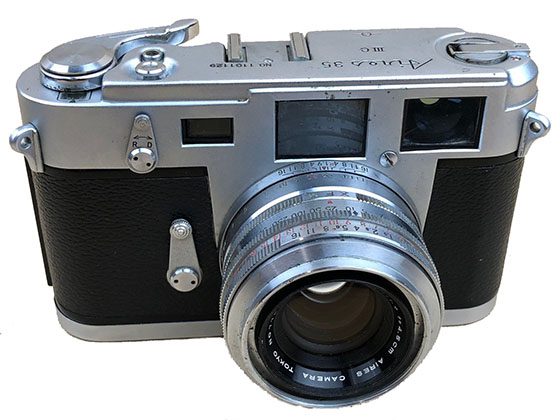
Knolan talked with me over his counter in his studio in Hickory, North Carolina, in 1979 about how to use this range finder camera he gave me. It took 35mm film and didn’t have a meter.
Aires IIIC That was given to me
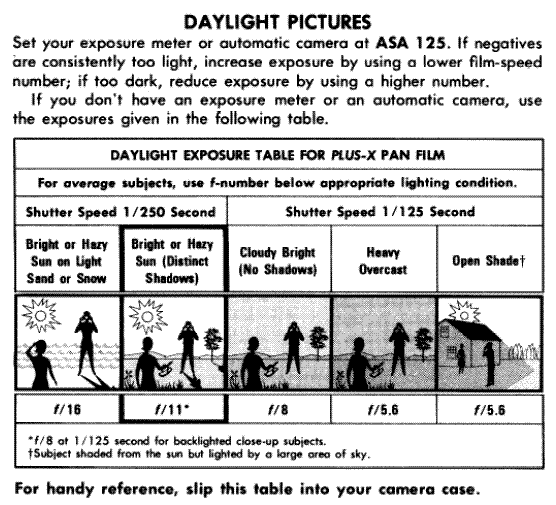
No meter meant you had no way to measure the light and see what a perfect exposure was. He gave me a roll of film and then pulled out the paper that came with the film.
Kodak Data Sheet
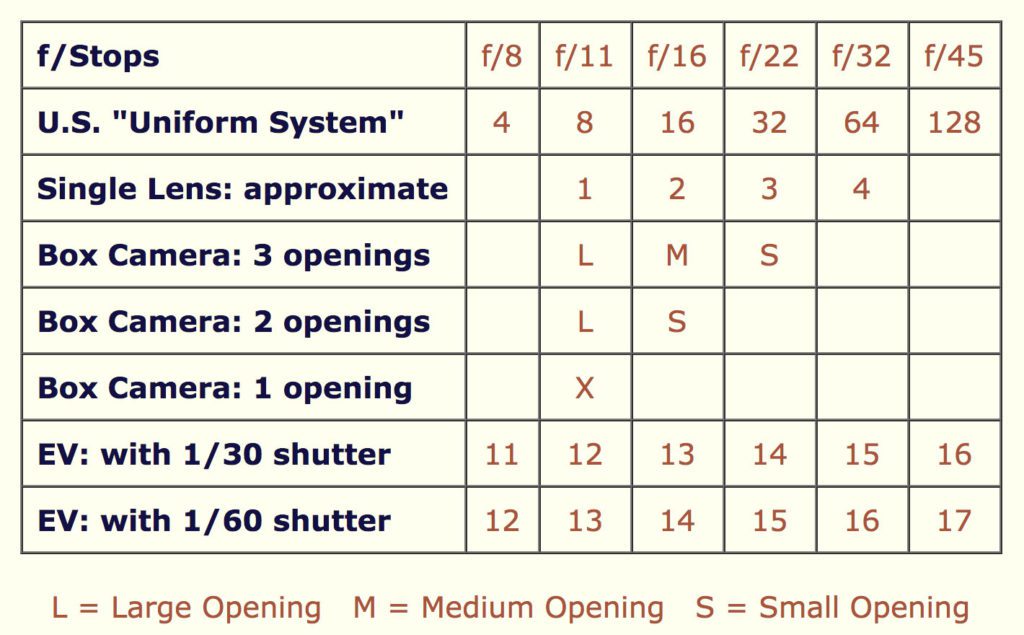
I learned about the Sunny ƒ/16 rule. This is where in direct sunlight, the Aperture is ƒ/16, and the shutter speed is equivalent to the ISO. So if you had ISO 64, your shutter speed would be the closest to that; for my camera, that was 1/60. Using the chart with the film, I learned how to properly expose Sunlight, Cloudy days, Shade, and backlit photos.
This is how I took photos when I first started. I dropped that camera while ice-skating when my dad bought me my first DSLR Pentax K1000 camera. I could change lenses, and it had a built-in meter.
Now in the days of film, you buy a film that would work indoors or outdoors. You didn’t change your ISO from frame to frame as you can today with digital.
I remember Knolan taking time to explain how Aperture and Shutter-speed worked.
One of the most important things he taught me was how the Kodak Brownie box camera worked and how my camera was different.
Brownie Aperture Chart
The original Brownie camera had one aperture of ƒ/11 and one shutter speed of 1/35-1/50 seconds.
Knolan pointed out that only using the sunny ƒ/16 rule outside meant I could have saved a lot of money and bought the Kodak Brownie camera rather than the Pentax K1000.
Besides controlling the exposure, Aperture and Shutter-Speed give you creativity.
Today I am channeling all those comments that Knolan taught me. If you only shoot at one aperture all the time, you are missing out on so much creativity that your camera can do.
Assignment to do
Depth of Field & Lens Selection 4 images with the same composition, altering the aperture and focal length 1. Widest focal length, widest aperture (~ f/3.5) 2. Widest focal length, aperture between f/11-f/22 3. Longest focal length, widest aperture (~ f/4.5-5.6) 4. Longest focal length, aperture between f/11-f/22