The Lifeline of Creativity: Why Constant Content Creation is Essential for Success

Reading Time: 3 minutes

In today’s fast-paced, content-driven world, staying relevant as a creative professional means constantly producing new content. For storytellers, photographers, and videographers like myself, this is not just a strategy; it’s a necessity. Potential clients must see you as a wellspring of fresh ideas and innovation. Here’s why continually generating new content and how you can effectively showcase it to your audience is vital.

The Importance of Continuous Content Creation

  1. Demonstrates Your Skills:
    • Personal projects are a fantastic way to highlight your abilities. They allow you to showcase what you can do without client constraints, often leading to some of your most creative work.
  2. Showcases Your Range:
    • Regularly sharing different types of content shows the variety of your ideas and the breadth of your skill set. Whether it’s a stunning landscape photograph or a compelling brand story video, diversity in your work makes you more appealing to a broader audience.
  3. Evolves Your Style:
    • Creativity is a journey, not a destination. By constantly creating, you let your style evolve naturally over time. This progression keeps your work fresh and engaging for you and your audience.
  4. Keeps You Top of Mind:
    • Consistently putting out new content ensures that you stay on the radar of potential clients and collaborators. It’s a gentle reminder of your expertise and availability.
  5. Builds Your Portfolio:
    • A robust, diverse portfolio is crucial for attracting new clients. Regular content creation means you always have new work to showcase, keeping your portfolio dynamic and up-to-date.
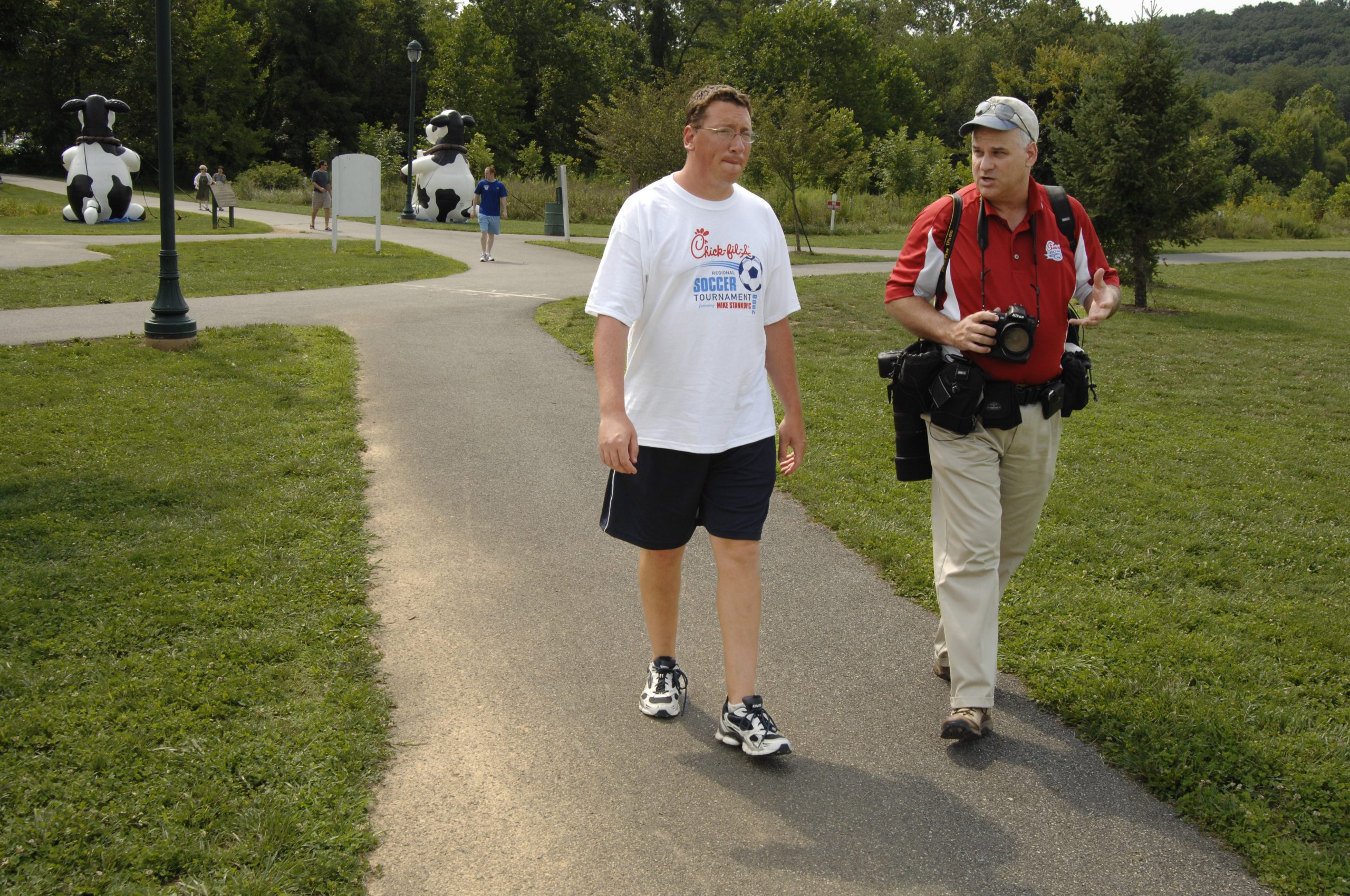
Chick-fil-A Holcomb Bridge Road & Alpharetta Hwy, Roswell, Georgia

Getting Your Content in Front of Clients

In today’s digital age, there are more ways than ever to get your work seen by potential clients:

  1. Blogs:
    • Write blog posts about your latest projects, industry trends, and creative processes. Blogs are great for SEO and can drive traffic to your website.
  2. Video Platforms (Vimeo/YouTube):
    • Share your video content on platforms like Vimeo and YouTube. These platforms have massive audiences and are great for showcasing your storytelling and videography skills.
  3. Newsletters:
    • Create a regular newsletter to keep your audience updated on your latest work, upcoming projects, and insights. This helps maintain a direct line of communication with your followers and clients.
  4. Social Media:
    • Platforms like Instagram, Facebook, and LinkedIn are excellent for sharing snippets of your work and engaging with your audience. Consistent posting helps build a loyal following.
  5. Printed Promotional Content:
    • Don’t underestimate the power of print. High-quality postcards, brochures, or portfolios can make a lasting impression, especially in face-to-face meetings or networking events.

How Often Should You Post New Content?

While there’s no one-size-fits-all answer, here are some general guidelines:

  • Social Media: Aim for at least 3-5 posts per week.
  • Blog Posts: Once a week or bi-weekly is a good target.
  • Newsletters: Monthly or bi-monthly.
  • Video Content: Aim for a new video every month or more frequently.
Elite Dance Academy Spring Recital at Springer Opera House

Using a Content Calendar

Planning your content with a calendar can be incredibly beneficial. Here’s why:

  1. Organization:
    • A content calendar helps you stay organized, ensuring you always have something ready to share.
  2. Consistency:
    • Regular posting is key to keeping your audience engaged. A calendar helps you maintain a consistent posting schedule.
  3. Strategic Planning:
    • It allows you to plan content around key dates, events, and campaigns, ensuring your content aligns with your overall marketing strategy.
  4. Time Management:
    • By planning, you can allocate time more efficiently and avoid last-minute rushes.

Conclusion

For creatives, constant content creation is more than just keeping busy; it’s about continually pushing boundaries, showcasing your evolving skills, and staying relevant in a crowded market. By leveraging multiple platforms and maintaining a consistent posting schedule, you can ensure your work gets the attention it deserves. So, grab that camera, start that blog, and let your creativity shine!


Please contact me for more personalized advice or help with your content strategy. Let’s keep those ideas flowing and your portfolio growing!

Tagged :

The Importance of Overshooting: Capturing Dance Recitals and Beyond

Reading Time: 3 minutes

Yesterday was a special day for me. I had the pleasure of photographing my daughter’s students from Elite Dance Academy during their Spring Dance Recital at the Springer Opera House in Columbus, Georgia. This venue holds a special place in our hearts because of its rich history and because my daughter works full-time at the box office, conducts ghost tours, and hosts No-Shame Theater every other week. It was a joy to see her in her element and to capture the artistry of her students on such a grand stage.

Why Overshooting is Essential

Photography, especially in dynamic settings like dance recitals, demands a keen eye and quick reflexes. The fleeting nature of “peak” moments – those split seconds where the dancers’ expressions, movements, and lighting converge perfectly – makes overshooting an invaluable strategy. Here’s why:

  1. Capturing the Unpredictable: Dance is all about movement. Unlike posed photography, you can’t predict when a dancer will hit their stride. By overshooting, you increase your chances of capturing those perfect, unscripted moments that define the performance.
  2. Compensating for Inexperience: While I don’t shoot dance daily, even seasoned photographers who specialize in dance know the importance of taking numerous shots. When you’re not regularly photographing a particular subject, overshooting helps mitigate the risk of missing key moments.
  3. Ensuring Coverage: At yesterday’s recital, there were over 80 separate dance routines, ranging from young children to high school students. Shooting around 100 images per dance routine might seem excessive, but it ensures that I have a wide selection to choose from, highlighting each dancer’s best moments.
  4. Capturing “Peak” Moments: Dance photography is all about timing. Those brief, peak moments where a dancer’s skill and emotion are fully displayed can be challenging to capture. Taking many shots maximizes your chances of freezing these moments in time.
« of 37 »

Tips for Effective Overshooting

  1. Know Your Equipment: Familiarize yourself with your camera’s burst mode settings. This allows you to take multiple shots quickly, which is crucial for capturing fast-moving subjects like dancers.
  2. Anticipate Movements: Study the dance routines beforehand if possible. Understanding the choreography helps you anticipate when those peak moments might occur, allowing you to be ready to capture them.
  3. Be Selective with Your Shots: While overshooting involves taking many photos, it’s also about being strategic. Focus on moments when the dancers will likely express the most emotion or demonstrate impressive technical skills.

Culling the Images: Finding the Best Moments

Once the event is over and you have thousands of images, the next step is culling – sorting through to find the best shots. Here are some tips to streamline this process:

  1. Initial Pass: Please look at all your images and discard any that are out of focus, poorly composed, or otherwise unusable. This will significantly reduce the number of images you must review more carefully.
  2. Star Rating System: Use a star rating system to categorize your images. Start with broad categories (e.g., 1-2 stars for average shots, 3-4 stars for good shots, 5 stars for the best shots). This helps you progressively narrow down your selection.
  3. Look for Emotion and Composition: Focus on images that convey strong emotions, tell a story, or have excellent composition. These are the photos that will stand out and resonate with viewers.
  4. Seek Feedback: If possible, get a second opinion. Sometimes, another set of eyes can catch details you might have missed and provide valuable insights into which images truly capture the essence of the performance.

Conclusion

Overshooting is a powerful technique, especially when every moment counts and the action is unpredictable. Yesterday’s dance recital at the Springer Opera House reminded me of the beauty of these fleeting moments and the importance of capturing them. Whether you’re photographing dance, sports, or any fast-moving event, don’t be afraid to overshoot. The extra effort will pay off when you see the final images that truly encapsulate the spirit and energy of the performance.

Remember, the key to successful photography is not just the moments you capture but also ensuring you have enough material to choose from to tell the best possible story. Happy shooting!

Tagged : /

Communicating Visuals: From Advocacy to Storytelling

Reading Time: 3 minutes

In photography and storytelling, the ability to effectively communicate visuals is paramount. It’s not just about capturing a moment; it’s about conveying emotion, depth, and understanding. As a seasoned instructor and photographer with over 30 years of experience, I’ve come to realize that the key to compelling visual communication lies in two essential elements: building relationships and understanding advocacy.

No photo description available.
Stanley teaches students in the School of Photography workshop, part of Youth With A Mission in Kona, Hawaii. [photo by: Dorie Griggs]

In a recent workshop, I reiterated the same advice to my students: get physically closer and engage more with your subjects. The photos lacked intimacy, both physically and emotionally. But amidst this challenge, I stumbled upon a phrase encapsulating the essence of effective visual communication: “Talk your way in and then shoot your way out.”

This concept emphasizes the importance of building relationships before capturing images. It’s about putting aside the camera and engaging in genuine conversation with your subjects. Doing so establishes rapport and gains valuable insights into their stories and perspectives.

David and Tami Wood, missionaries in Burkina Faso, play a vital role in gathering essential data on existing churches, access to resources like fresh water, and documenting their travels using GPS. Here, they are interviewing Pastor Sylvain Ouattara in the village of Soubakamedougou, located in Burkina Faso, West Africa.

Before advocating for someone, you’ll need to understand their narrative. This notion of advocacy is not limited to political or policy outcomes but extends to storytelling itself. Whether capturing images for a journalistic report or advocating for a cause through photography, the process begins with getting to know your subject personally.

In journalism, there exists a perceived tension between impartial reporting and advocacy. While some argue for maintaining journalistic integrity, others advocate using media as a platform for societal change. However, regardless of where you stand on this spectrum, the fundamental principle remains the same: understanding and empathy.

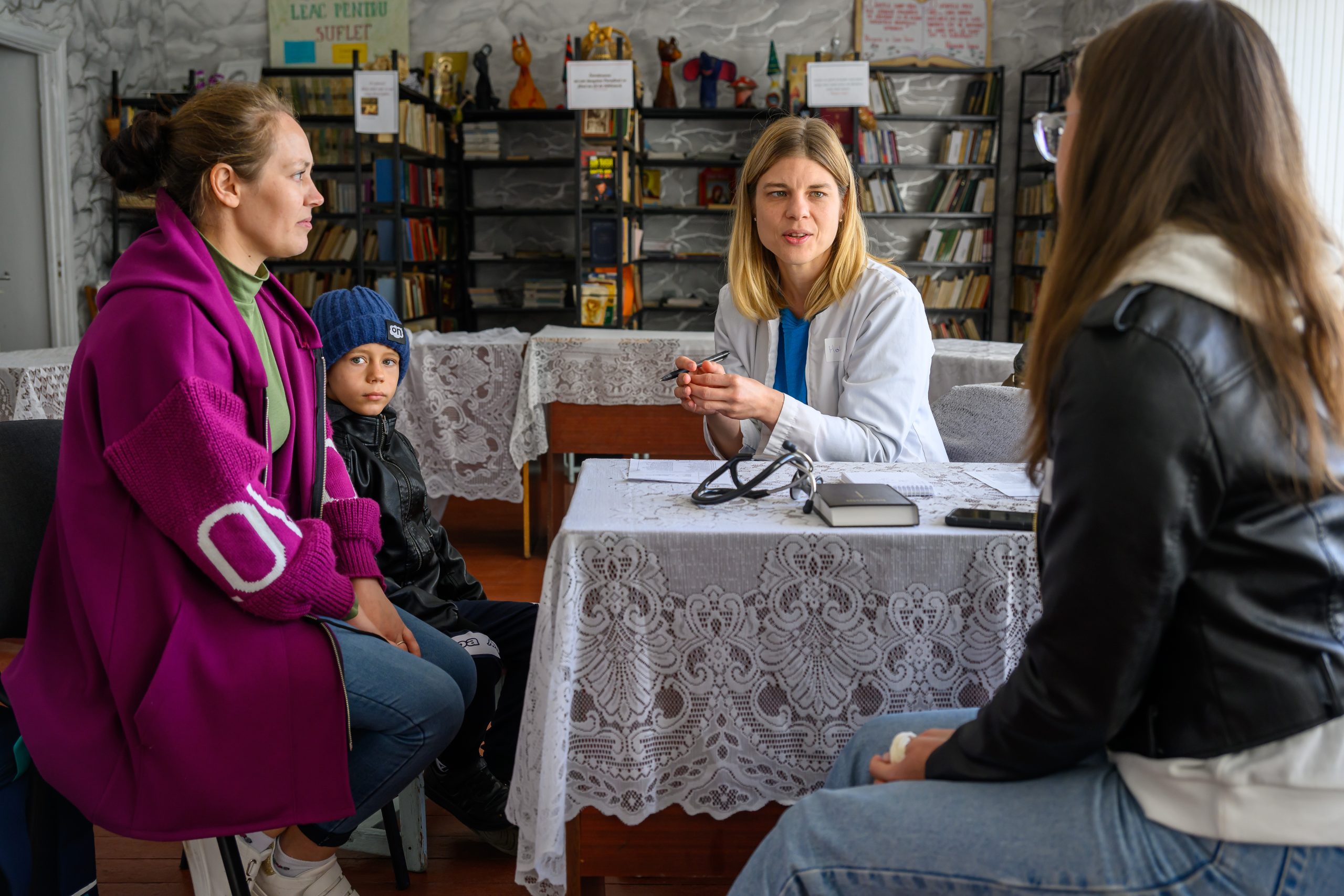
Dr. George Faile, a family practitioner, conducts his rounds at the Baptist Medical Centre in Nalerigu, Ghana, where he sees a young boy with his mother looking on.

As photographers and storytellers, we can amplify voices and illuminate overlooked issues. This is where the concept of constructive journalism comes into play. It’s about highlighting problems and exploring evidence-based solutions and progress.

By embracing the principles of advocacy and constructive journalism, we can elevate our visual storytelling to new heights. It’s more than just capturing images; it’s about creating meaningful connections and advocating for positive change.

So the next time you pick up your camera, remember to “talk your way in and then shoot your way out.” Build relationships, understand your subjects’ narratives, and let your visuals speak volumes. In doing so, you’ll improve your communication of visuals and become a more effective advocate for the stories that matter.

Tagged :

Creating Impactful Photos: The Power of Storytelling

Reading Time: 3 minutes

In photography, we often talk about techniques like lighting and composition to enhance the visual appeal of our images. But what truly sets a photograph apart from the rest? What makes it resonate deeply with the viewer? It’s the ability to tell a story.

I believe that a photograph should be more than just a documentation of a subject; it should be a narrative that captivates the audience and leaves them asking questions. Here’s how you can harness the power of storytelling to create photos that stand out and leave a lasting impact.

Chick-fil-A Peach Bowl 2022 with Georgia breathing Ohio to go on later to win the National Championship.

1. Anticipation Photos: Setting the Stage for Drama

Ever heard the saying, “It’s not about the destination, but the journey”? The same principle applies to photography. Anticipation photos capture the moments just before something significant is about to happen. These images are like a cliffhanger in a story, leaving the audience eagerly anticipating the next chapter.

The photo above has you anticipating a catch, but he could miss it for several reasons. These moments are pregnant with anticipation, drawing viewers into the story and sparking their curiosity and imagination.

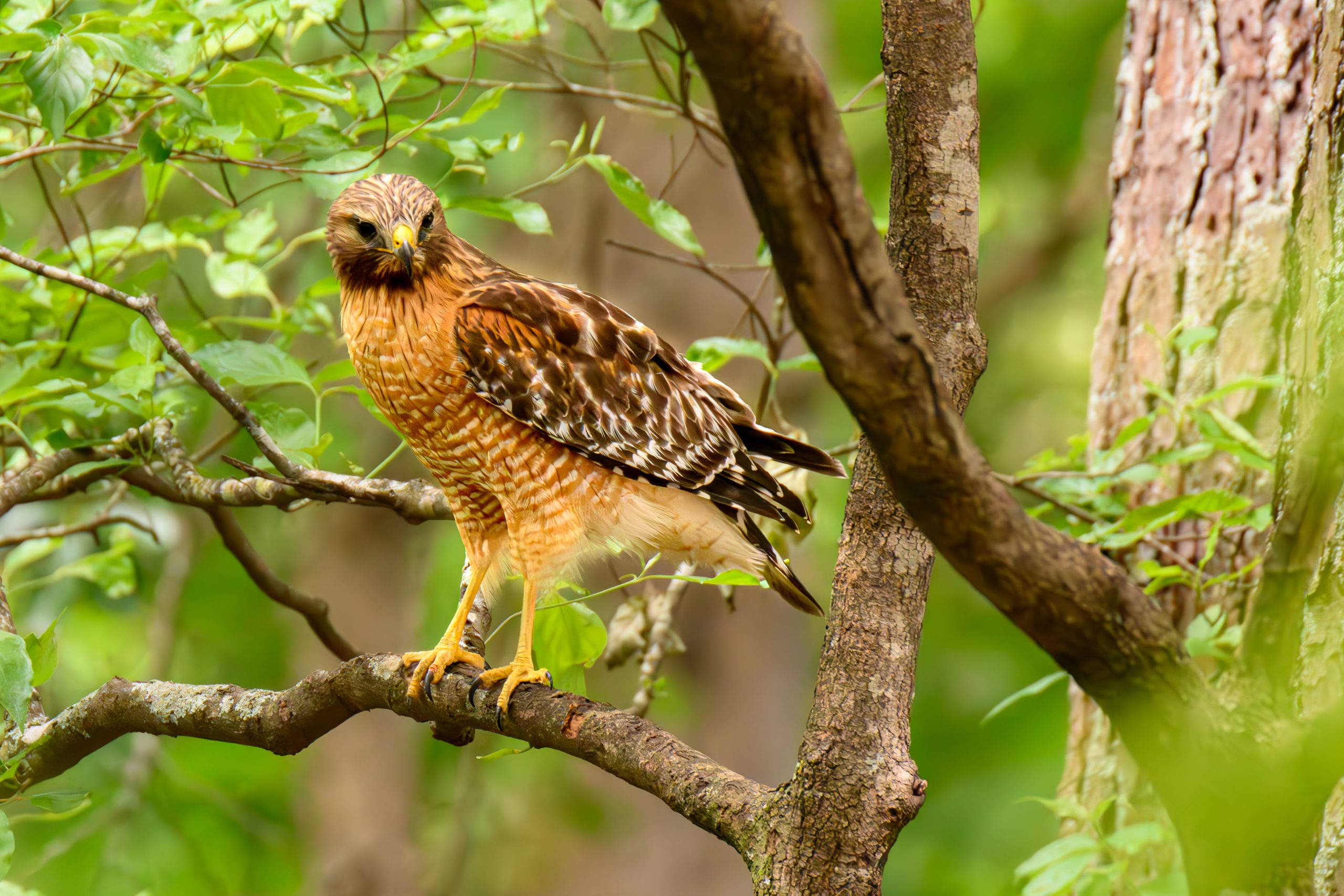
Tight shot of Red-Shouldered Hawk

2. The Power of Context: Shooting Wide for Storytelling

While close-up shots can be visually striking, they often lack the context to tell a compelling story. Shooting wide allows you to include visual cues that provide context and depth to your images. Whether it’s capturing the bustling streets of a city or the vast expanse of a natural landscape, wide shots invite the viewer to immerse themselves in the scene and piece together the narrative.

A red-shouldered hawk is in pursuit of a squirrel in our neighbor’s yard. The squirrel is visible in the wider shot.

For example, instead of zooming in on a Hawk. By including surrounding elements, such as trees, sunlight, and the squirrel, you give your audience a richer understanding of the moment you’re capturing.

3. Captions: Adding Layers to Your Story

A picture may be worth a thousand words, but sometimes, a well-crafted caption can elevate it even further. Look for photos that naturally lend themselves to storytelling, where the visuals leave room for interpretation and intrigue. These images cry out for a caption, inviting the viewer to engage with the story deeply.

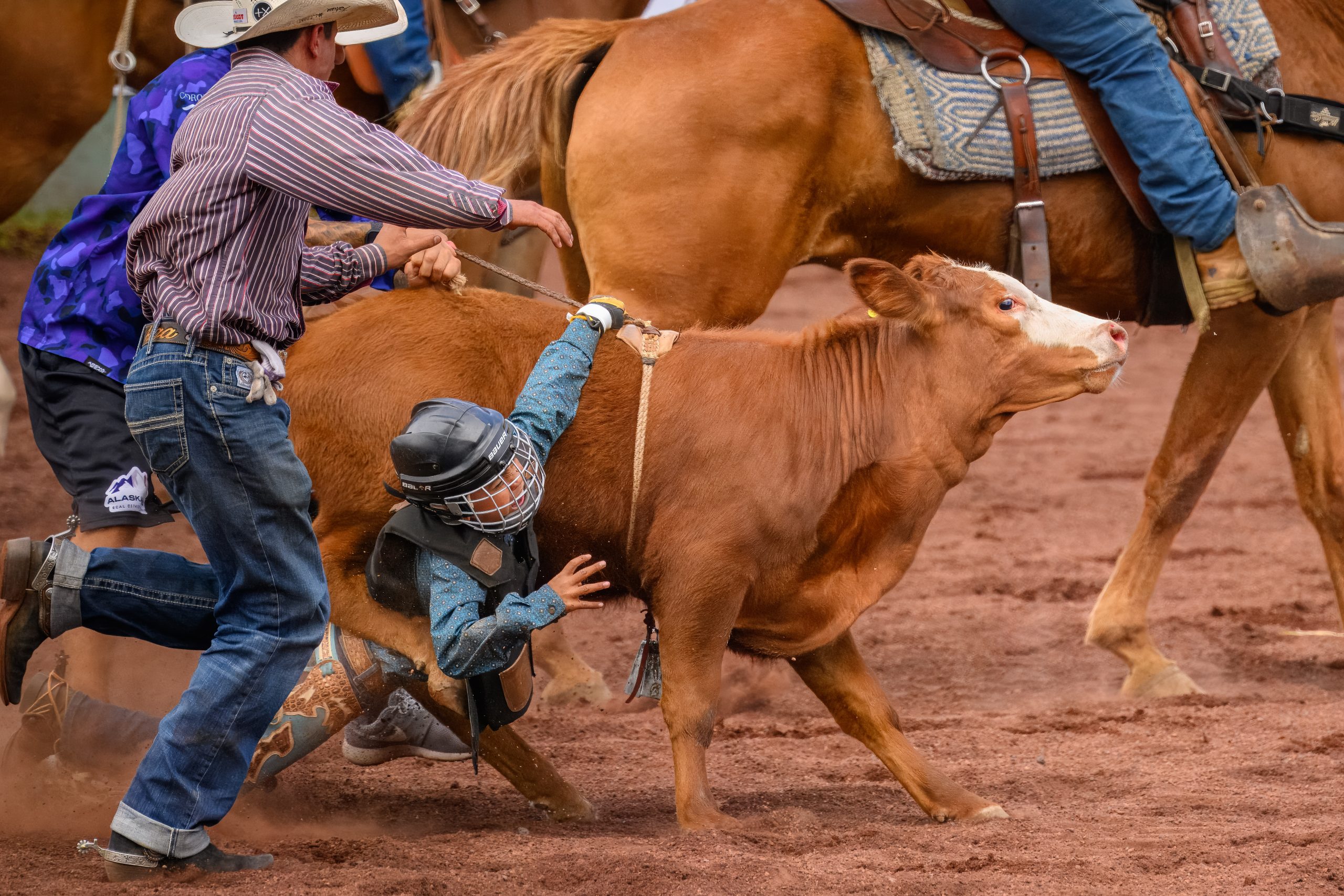
Cowboy has trouble dismounting during the bronc riding event during the Panaewa Stampede Rodeo at Equestrian Center Complex, Stainback Highway, Hilo, Hawaii.

For instance, a photo of a cowboy in distress, but with the caption now suddenly, the image takes on a whole new dimension, inviting viewers to reflect on their aspirations and desires.

In conclusion, storytelling is the secret ingredient that can take your photos from ordinary to extraordinary. By capturing moments of anticipation, shooting wide for context, and adding thoughtful captions, you can create images that not only captivate the eye but also touch the heart and stir the imagination. So the next time you pick up your camera, remember to ask yourself: What story am I trying to tell?

Tagged :

Reflecting on Pinch-Me Moments: My Journey with Faith And The City

Reading Time: 3 minutes

Reflecting on my journey, I’m grateful for the many pinch-me moments that have peppered my career. But amidst the tapestry of experiences, one standout chapter continues to shimmer in my memory: my time working with Faith And The City.

It’s funny how life’s intricate connections often lead us down unexpected paths. In this case, my wife, Dorie Griggs, catalyzed this incredible opportunity. As the communications manager for Faith And The City, her unwavering support and belief in my abilities allowed me to lend my talents to this esteemed organization.

Faith And The City is unique in the heart of Atlanta’s vibrant community. Comprised of the executive leadership from renowned theological institutions such as Candler School of Theology, Columbia Theological Seminary, and the Interdenominational Theological Center, alongside esteemed figures like Ambassador James T. Laney and Ambassador Andrew Young, this organization stands as a beacon of unity and moral leadership.

From the moment I stepped into the fold, I knew I was part of something remarkable. My role as a contractor involved managing their website and capturing the essence of their mission through photography. Beyond the technical tasks, however, there is a more profound significance—the opportunity to contribute to a cause greater than myself.

One of the most enriching aspects of my tenure with Faith and The City was the chance to interact with influential leaders and thinkers, including Ambassadors Young and Laney. These encounters broadened my perspective and imbued me with a sense of purpose, knowing that my work played a small part in fostering meaningful dialogue and collaboration within our community.

Through my camera lens, I had the privilege of documenting moments of connection, understanding, and shared humanity. Whether capturing the vibrant tapestry of faiths represented in Atlanta or immortalizing the spirited discussions at interfaith dialogues, each photograph became a testament to the power of unity amidst diversity.

But perhaps the most profound impact of my time with Faith And The City was the relationships forged along the way. Interacting with individuals from diverse backgrounds and beliefs expanded my professional network and enriched my life in ways I couldn’t have imagined. These friendships transcended barriers of faith and race, reminding me of the inherent beauty in our shared humanity.

As I reminisce on those years, I’m reminded of the transformative power of storytelling. Through my lens, I was privileged to capture the untold narratives that bind us as a community. Though my journey with Faith and The City may have ended, its legacy continues to reverberate within me, constantly reminding us of the profound impact we can have when we come together in pursuit of a common good.

They were so kind as to promote a time I spoke at Reinhardt College in a press release.

Below, I’ve curated a selection of photographs from my time with Faith And The City – snapshots that document moments in time and serve as a testament to the enduring spirit of unity and cooperation that defines our community.

As I look ahead to the future, I carry the lessons learned and the memories cherished from my time with Faith and The City. Though the road ahead may be uncertain, I take solace in the knowledge that the bonds forged and the stories told will continue to guide me on my journey, one frame at a time.

Tagged :

Dancing Through Client Requests: A Photographer’s Journey

Reading Time: 2 minutes

One lesson stands out in the ever-evolving world of photography and client servicing: keep your dancing shoes on. As a photographer and storyteller, I’ve encountered many client requests, each with its unique twist. Let’s delve into some recent encounters that have truly tested my adaptability.

Example 1: The Tale of Two Publishers

Imagine the challenge of matching the aesthetics of coffee table books produced by different publishers. Recently, despite my familiarity with a different platform, I was tasked with aligning my work with past yearbooks created through Shutterfly. This required mastering new software, navigating font limitations, and covering design intricacies. Flexibility became the key to ensuring continuity in the client’s visual narrative.

Example 2: Transitioning Across Platforms

Another client presented the challenge of transitioning their extensive photo library from Aperture to Lightroom. This seemingly straightforward task changed when I discovered that not all images had been migrated. I was asked to ingest 150 memory cards that had never been formatted, and some of the photos were already in Lightroom. Balancing the need to match existing folders with creating new ones showcased the importance of adaptability in addressing unexpected hurdles.

Example 3: Shifting Storage Solutions

For over 17 years, I’ve partnered with a corporate client to manage their photography needs. However, a recent request to move from an external platform to an internal server posed unforeseen obstacles. Anticipating IT restrictions and adjusting my workflow accordingly highlighted the necessity of staying nimble in an ever-changing digital landscape. I had to have more conversations, letting the client know what I needed from them to meet their needs.

Example 4: A Vertical Video Voyage

In the fast-paced world of client demands, flexibility is often tested in real time. A last-minute adjustment to shoot vertical video and produce additional short clips challenged my established workflow. Yet, embracing the challenge allowed me to expand my skill set and exceed client expectations.

Navigating the Quandary

Amidst these varied encounters, one lesson remains constant: understanding and communicating boundaries. While accommodating client requests is paramount, it’s equally crucial to articulate potential limitations and adjustments. As my friend wisely advises, saying “yes” is only the beginning; clarity and transparency pave the way for successful collaboration.

Conclusion: Finding Harmony Amidst Change

Flexibility reigns supreme in the dance between client demands and creative execution. We meet and exceed client expectations by embracing change and adapting our workflows. Whether mastering new software or pivoting mid-project, the ability to pivot gracefully ensures our continued success in the ever-evolving world of photography and storytelling.

So, fellow storytellers and brand builders, lace up your dancing shoes and embrace the rhythm of change. For in the twists and turns of client requests lies the opportunity to showcase our adaptability and creativity. Keep dancing, keep creating, and let the collaboration music guide us forward.

Tagged : /

Capturing Legacies: Honoring Dennis Fahringer’s Leadership at YWAM’s School of Photography

Reading Time: 4 minutes

Let’s delve into the profound impact of Dennis Fahringer’s leadership at the School of Photography (SOP) at Youth With A Mission (YWAM), starting with exploring the school’s significance within the YWAM community. Dennis Fahringer’s 49th School of Photography (SOP) at the University of the Nations in Kona, Hawaii, was his last as leader of the school finished in March 2024.

Dennis Fahringer teaching in SOP 1

Understanding SOP at YWAM:

Imagine immersing yourself in photography, not just as a pastime but as a powerful tool for service and storytelling. That’s precisely the opportunity offered by the School of Photography (SOP) at YWAM. It’s a unique platform where individuals passionate about photography can undergo accelerated learning in a Christ-centered environment.

At SOP, students embark on a transformative three-month journey, refining their photography skills while being nurtured within a supportive community. Led by seasoned professionals from the field, SOP offers personalized mentorship and hands-on experiences, both inside the classroom and through real-world internships.

The curriculum is thoughtfully crafted to equip students with technical proficiency and a heart for missions. By emphasizing service to other ministries and continual skill refinement, SOP graduates emerge ready to utilize their photography for meaningful purposes.

Celebrating Dennis Fahringer’s Leadership:

Today, we honor Dennis Fahringer, a true pioneer in photography education whose influence has spanned nearly five decades at YWAM’s School of Photography. Through his guidance, countless individuals have found their calling and purpose in photography.

Stanley Leary is teaching in SOP1 in Kona, Hawaii. [photo by: Dennis Fahringer]

My journey with Dennis began in 2006 when he invited me to join the SOP1 program, where he sought to enhance the students’ lighting skills. Since then, our collaboration has been marked by growth and resilience, even amidst challenges like COVID-19.

Dennis’s legacy is unparalleled, characterized by his meticulous crafting of a curriculum accessible to all with a passion for missions. With just one prerequisite – the Discipleship Training School (DTS) – Dennis has paved the way for aspiring visual communicators to embark on a transformative journey.

One of Dennis’s students completed SOP1 and attended the Southwestern Photojournalism Seminar, an event that Bill Bangham and a few others collaborated on for 25 years. Subsequently, the student accompanied Dennis to the London Olympics as part of the SOP2 class, sharing a room with Dennis. His feedback prompted Dennis to seek out new instructors, a testament to Dennis’s commitment to evolving SOP over the years.

I recommended Bill Bangham to teach the photojournalism/storytelling week of the course.

Bill Bangham gives one-on-one reviews to the students in the School of Photography at the University of Nations in Kona, Hawaii.

Bill Bangham’s contribution cannot be understated. His willingness to share expertise has enriched the lives of countless storytellers.

In addition to Dennis Fahringer’s leadership, it’s crucial to highlight the remarkable contributions of Gary S. Chapman and his wife, Vivian Chapman, who are integral members of the SOP faculty. In the video, Vivian tells of their journey, which they often share with Dennis’s students.

Gary & Vivian Chapman: Gary’s journey is a testament to his passion for visual storytelling and his commitment to using photography as a tool for advocacy. Known for his work as a humanitarian photographer and stock photography, Gary taught various subjects from Lightroom and PhotoShop and taught students how to see color, patterns, and composition.

Vivian’s role in their dynamic partnership is equally significant. As an editor, she is vital in refining Gary’s vision and ensuring their collaborative projects resonate with authenticity and depth. Their journey together, both personally and professionally, has been characterized by mutual support and a shared commitment to excellence.

Gary & Vivian Chapman teaching in SOP1 YWAM in Kona, Hawaii

Their collaboration extends beyond photography as they draw upon their experiences to impart valuable lessons about marriage and faith. Through their shared workshops and teachings at SOP, Gary and Vivian share insights into their craft and offer guidance on cultivating a Christ-centered marriage—a testament to their belief in the transformative power of love and faith.

Gary and Vivian Chapman embody the spirit of partnership and dedication to using their talents for the greater good. Their presence at SOP enriches the educational experience for students, offering a unique blend of expertise, creativity, and unwavering faith.

Since this tribute is about Dennis, it’s fitting to acknowledge Bill, Gary, and Vivian’s roles in enhancing SOP’s offerings.

Despite challenges, Dennis has remained steadfast, approaching each interaction with grace and a genuine desire to foster understanding.

As Dennis transitions into a new chapter, his legacy will continue to inspire generations of visual storytellers. His impact is immeasurable, and his dedication is unwavering. Dennis, your contributions to photography education will forever be cherished.

Let’s toast Dennis Fahringer – a pioneer, mentor, and friend. Your light will continue to shine brightly in the hearts of those you’ve touched. Thank you for your tireless dedication and passion. Here’s to you, Dennis!

This tribute honors Dennis Fahringer and underscores what makes SOP at YWAM a transformative experience.

Tagged :

Capturing the Majesty: Tips for Photographing Red-Shouldered Hawks

Reading Time: 2 minutes

Welcome to the majestic world of red-shouldered hawks! As a professional photographer and avid storyteller, I’ve observed and photographed these stunning birds of prey in their natural habitat. Nestled high in a pine tree, their annual nesting ritual provides a captivating opportunity for photographers to capture their grace and beauty. In this blog post, I’ll share some invaluable tips based on my experiences photographing red-shouldered hawks, particularly during their nesting season.

  1. Know Your Subject: Before embarking on your photography expedition, take the time to research red-shouldered hawks. Understanding their behavior, nesting habits, and preferred surroundings will significantly enhance your ability to anticipate their movements and capture compelling shots.
  2. Location Scouting: Familiarize yourself with the nesting site of the red-shouldered hawks. As you mentioned, they often build their nests about 60 feet up in a pine tree. Scout the area beforehand to identify ideal vantage points and angles for photographing the nest and its inhabitants.
  3. Timing is Key: The most opportune moments for photographing red-shouldered hawks are during their nesting season, especially when the adults are actively tending to their nestlings. Monitor the nest regularly to determine the best times of day for photography, such as early morning or late afternoon when the lighting is soft and flattering.
  4. Patience and Persistence: Wildlife photography requires patience and persistence. Spend ample time observing the red-shouldered hawks from a distance to avoid disturbing them. Be prepared to wait for the perfect shot, as capturing intimate moments of their behavior often requires time and dedication.
  5. Use a Telephoto Lens: Given the height of the nest and the need to maintain a respectful distance, a telephoto lens is essential for photographing red-shouldered hawks. Invest in a quality telephoto lens with a focal length of at least 300mm to capture close-up shots without encroaching on their space. I typically use 600mm and then have to crop a little.
  6. Focus on Composition: When framing your shots, pay attention to composition. Experiment with different angles and perspectives to create visually engaging images. Consider incorporating elements of the surrounding environment, such as the intricate patterns of the pine tree branches, to add depth and context to your photographs.
  7. Be Mindful of Lighting: As with any form of photography, lighting is crucial in capturing stunning images of red-shouldered hawks. Aim to shoot during the golden hours of sunrise and sunset for soft, warm lighting that enhances the natural beauty of your subjects.
  8. Capture Action Shots: Red-shouldered hawks are active and agile birds, making them perfect subjects for action shots. Be ready to capture dynamic moments such as takeoffs, landings, and interactions between the adults and their fledglings.
  9. Respect Wildlife Ethics: While photographing red-shouldered hawks, prioritize their well-being and adhere to ethical guidelines for wildlife photography. Avoid causing undue stress or disturbance to the birds, and always respect their natural behavior and habitat.
  10. Tell Their Story: As a storyteller, use your photography to convey the captivating narrative of the red-shouldered hawks and their nesting journey. Document their physical beauty and the connections and interactions unfolding within the nest.

In conclusion, photographing red-shouldered hawks offers a rewarding opportunity to capture these magnificent birds’ raw beauty and elegance. By following these tips and approaching your photography with patience, respect, and creativity, you can create stunning images that showcase the unique charm of red-shouldered hawks and inspire others to appreciate and protect their natural habitat. So grab your camera, venture into the wilderness, and let the magic of wildlife photography unfold before your lens!

Tagged :

Navigating the Complexities of Modern Life: Reflections on Progress and Challenges

Reading Time: 2 minutes

In the quest for progress and innovation, it’s easy to assume that life should become more straightforward, safer, and more manageable each year. Yet, as we journey through modern existence’s complexities, we often face unexpected challenges and new layers of intricacy. One striking example of this paradox lies in the realm of fire safety.

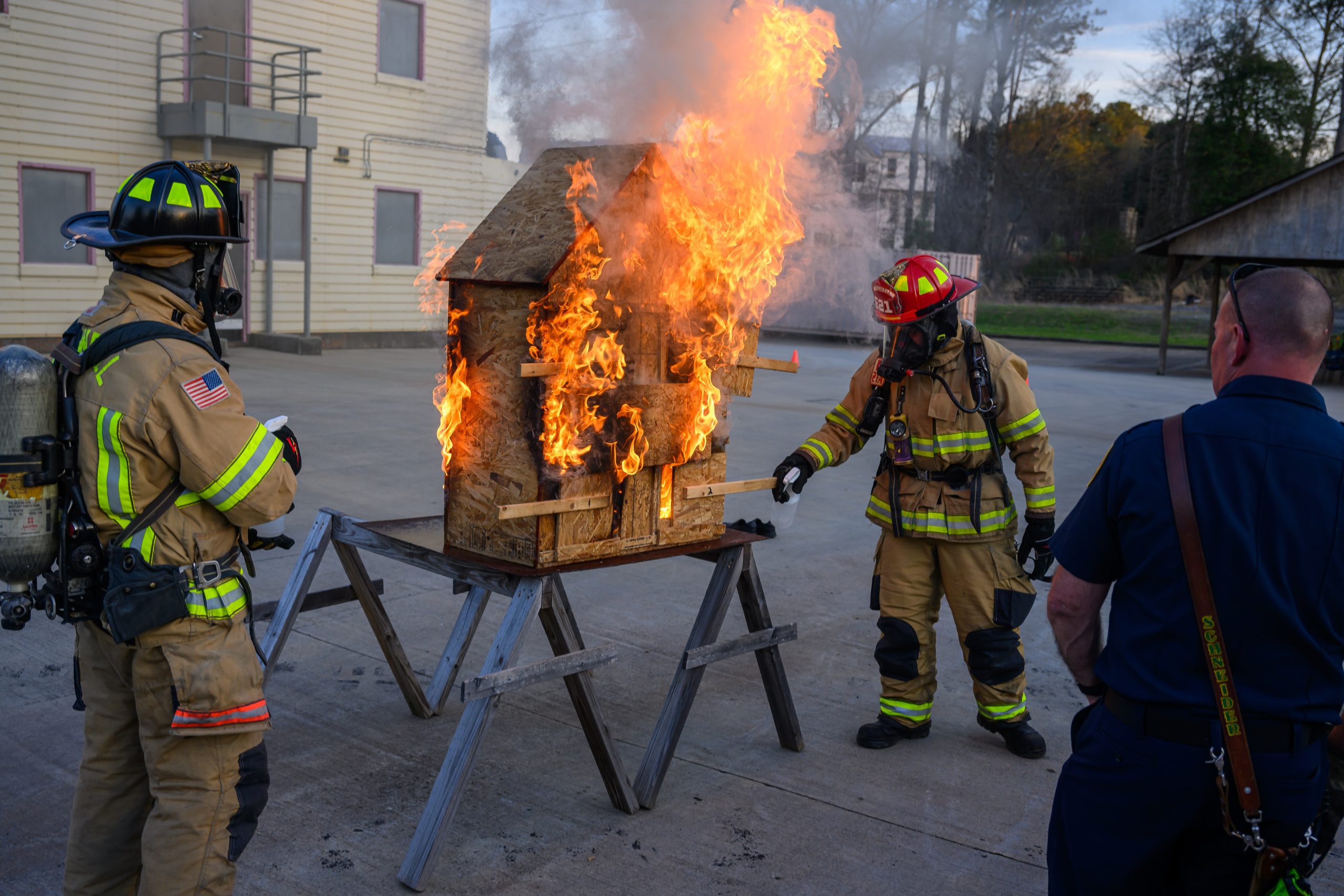
Recently, during a fire training session, an eye-opening statistic from the UL Firefighter Safety Research Institute (FSRI) caught my attention. Forty years ago, the average household had approximately 17 minutes to escape a fire. Today, due to the prevalence of synthetic plastic materials in our homes, that escape window has dwindled to a mere 3 minutes. Our living spaces are saturated with plastic—from furniture and carpets to curtains and kitchen appliances—posing heightened risks in the event of a fire.

This shift highlights the unintended consequences of our plastic obsession and preference for cheap, mass-produced materials over quality and sustainability. Not so long ago, there were fewer possessions, but they were crafted with care from natural fibers and built to last a lifetime. It’s a reminder to reevaluate our consumer habits, embrace minimalism, prioritize quality over quantity, and advocate for sustainable, locally sourced materials.

Fire Trucks drive through North Fulton Hospital to pay tribute to the staff and patients dealing with COVID-19.

Moreover, the COVID-19 pandemic has added another layer of complexity to the landscape of business and economics. Before the pandemic, the business world was already undergoing rapid transformation, with the rise of e-commerce, digital marketing, and remote work. However, the pandemic accelerated these trends, forcing small businesses to adapt or face extinction.

During the pandemic, small businesses faced unprecedented challenges, from navigating lockdowns and supply chain disruptions to accessing government relief programs. As we transition into a post-pandemic era, remote work and e-commerce remain prevalent, but recovery is uneven, with lingering issues such as labor shortages and inflation.

Adaptability and resilience are crucial for small business owners in this dynamic environment. To thrive in today’s landscape, here are some essential strategies:

  1. Embrace digital transformation: Invest in robust online platforms, digital marketing, and e-commerce capabilities to reach customers and drive sales in an increasingly digital marketplace.
  2. Prioritize flexibility: Adopt flexible work arrangements and business models to accommodate changing consumer behaviors and market dynamics.
  3. Focus on sustainability: Incorporate sustainable practices into your business operations, from sourcing materials to waste management, to appeal to environmentally conscious consumers.
  4. Build resilience: Diversify your revenue streams, establish emergency funds, and develop contingency plans to weather unforeseen challenges and disruptions.
  5. Cultivate community: Foster strong relationships with customers, suppliers, and fellow small business owners to collaborate, support each other, and collectively navigate challenges.

In conclusion, while advances in knowledge and technology have undoubtedly transformed our world, they have also introduced new complexities and challenges. Small business owners can navigate these complexities and build successful enterprises in an ever-evolving landscape by adopting a mindful approach to consumption, embracing innovation, and cultivating resilience.

Tagged :

Unlocking the Power of Photography: Beyond Snapping Shots

Reading Time: 3 minutes

Heading 1: The Misconception of Photography

In the world of professional photography, it’s not uncommon to encounter individuals who perceive the craft solely as the act of capturing high-quality images. While technical prowess and a keen eye are undeniably important, true success in the field extends beyond just taking pictures—it’s about understanding how your photography can serve a greater purpose.

Heading 2: The Pitfall of Self-Centered Photography

Observing a photographer engrossed in documenting a nonprofit event, it’s disheartening to witness a missed opportunity for collaboration. Rather than merely documenting the occasion, photographers should actively seek ways to leverage their work for the benefit of their clients. This means thinking beyond the lens and considering how their images can contribute to the promotion and success of the event.

Heading 3: The Power of Proactive Photography

Successful photographers distinguish themselves by their proactive approach to their craft. Rather than passively snapping photos, they strategize how their photography can amplify their clients’ messages and objectives—for example, my experience with my daughter’s high school theater productions.

Theater Promotion Photos

Heading 4: A Theatrical Success Story

When my daughter participated in school theater, I recognized an opportunity to contribute to promoting the productions. By collaborating with the cast, I orchestrated a photoshoot to capture captivating images of the actors. These photos were then used to create promotional materials, including a banner displayed prominently outside the school—an unprecedented move that garnered attention and elevated the status of the theater program. the smaller poster doubled as a rate card to get local businesses to donate and sponsor the production on the backside of the poster; after all, we asked them to display the poster in their retail location.

Heading 5: Beyond Photography: A Comprehensive Approach

However, our efforts didn’t stop at photography. My wife Dorie and I also provided headshots and other assets for the program, enhancing the overall presentation and professionalism of the productions. These efforts boosted ticket sales and instilled a sense of pride and recognition among the theater students, akin to that enjoyed by athletes.

Theater Performance Photos

Heading 6: The Importance of Timing and Purpose

While documenting the performances was necessary for archival purposes, the actual value of our photography lay in its ability to promote future productions. We maximized our work’s impact by strategically planning our approach and aligning our efforts with the theater program’s objectives. School Theater programs will not use the photos you take this year of them doing a production like Oklahoma in the near future. They will probably not do that again for years. Oklahoma promotion shots to promote this performance will be used, but only if they are done early enough to be used for banners, posters, social media, and more PR purposes.

Heading 7: Key Takeaways for Photographers

  • Strategic Thinking: Approach photography with a mindset focused on how your work can contribute to the goals of your clients or organizations.
  • Quality vs. Impact: While technical proficiency is essential, prioritize images beyond mere snapshots to give to the actors and their families and deliver value and resonance to your clients, who are often the theater teachers.
  • Building Brands: Recognize the role of photography in shaping perceptions and building brands. Your work can elevate and amplify your clients’ messages, leaving a lasting impression on their audience.

Heading 8: Taking Ownership: Beyond Photography to Comprehensive Promotion

In some cases, as a photographer, you may take on additional roles beyond just capturing images. While this may include creating banners, designing posters, or managing social media marketing, these efforts ensure that your work contributes directly to the success of the program or organization rather than being relegated to mere memorabilia. My wife and I paid for the banner, helped distribute the posters, and put out the promotion on social media.

In conclusion, photography is not just about capturing moments—crafting narratives, elevating brands, and making a meaningful impact. By adopting a proactive mindset and aligning your efforts with your client’s objectives, you can unlock the true potential of your photography, leaving a lasting impression on your subjects and their audiences.

Tagged :

Snapshot Moments: A Peek into UTC’s Photo Night Extravaganza

Reading Time: 5 minutes

Lights, camera, action! It’s that time of year again when lenses are polished, shutter speeds are adjusted, and the University of Tennessee at Chattanooga transforms into a haven for all things photography. But wait, it’s not just any ordinary night—it’s the much-anticipated University of Tennessee at Chattanooga Photo Night, orchestrated by Billy Weeks, the maestro of imagery himself.

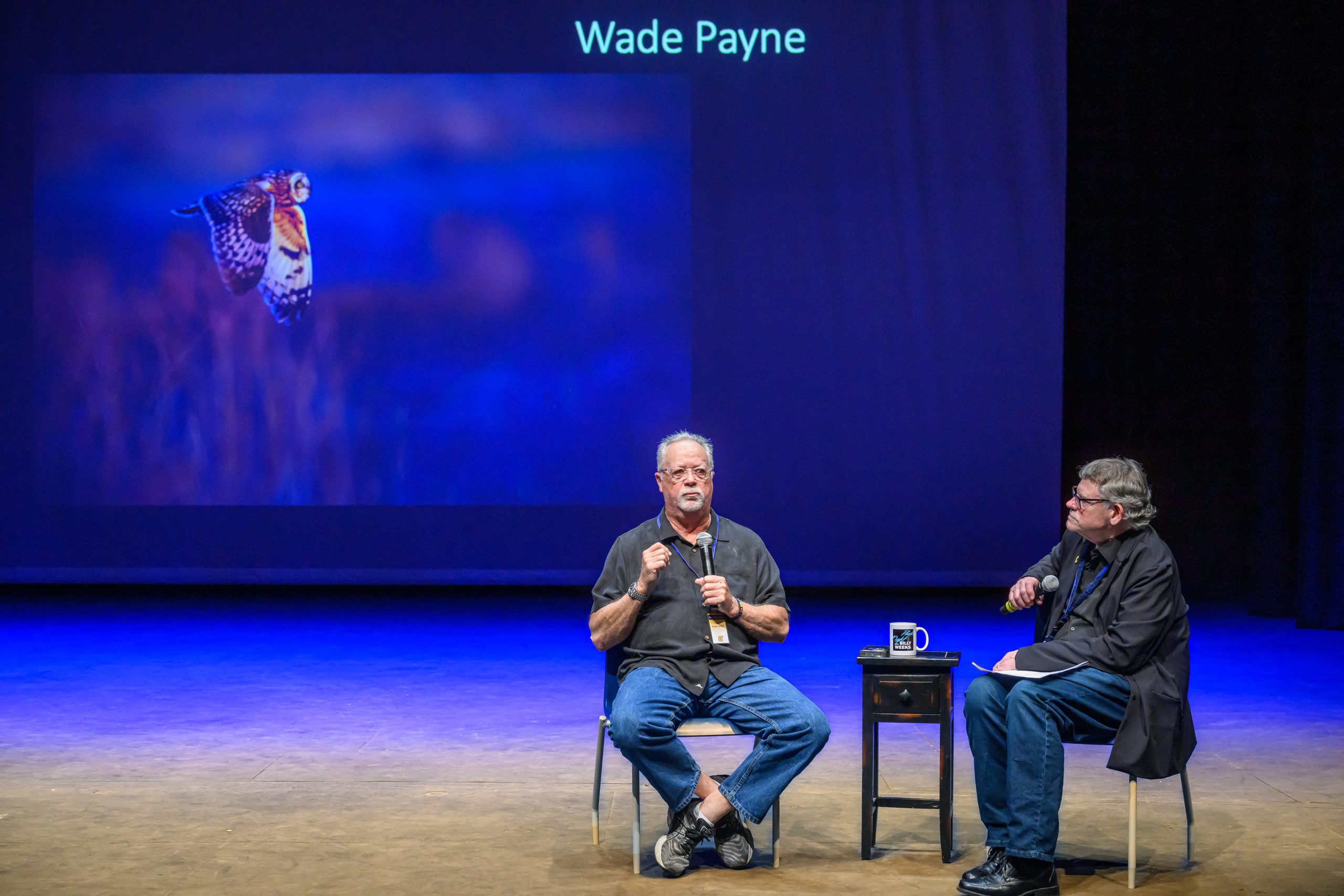
Caption: Portrait photographer Marielle Jai Echavez Mathis talks with Billy Weeks on stage about her work. She commented that she works with customers on “Photo Date Nights.” This is where she captures them together over a while to capture the couple’s love for each other.

Now, let’s be honest here. Billy knows that while photographers may excel at capturing moments frozen in time, they might not always be the best at verbalizing their artistry. Hence, he graciously extends an invitation to a stellar lineup of outside speakers, ensuring his students not only receive a hefty dose of inspiration but also learn from the best in the business.

Caption: Kevin Lilies shared this photo of a guy being saved in a tent revival because he said, “I am that guy. I have gotten so many second chances.” Kevin’s theme was about how much grace he has experienced. Before Billy asked any questions, he thanked him for all he did for the photo community. Kevin appreciates people like Billy and Bob Rosata, who have mentored him, and he always wants to give shout-outs to people.

Picture this: Kevin Lilies, the man behind the lens capturing the essence of the Atlanta Braves, takes center stage alongside documentary virtuoso Kathleen Greeson, AP’s very own Wade Payne, and the master of portraits, Marielle Jai Echavez Mathis. With such a star-studded cast, one can only imagine the flashbulbs going off in the minds of aspiring photographers.

Caption: Kathleen Greeson, a former student of UTC, embraced some of her low points and even shared that Billy Weeks had fired her from the Chattanooga Times. Kathleen shared photos from a community she started photographing just because kids played basketball at a community net. This was the beginning of a long project that, after 21 years, she made prints of the people from the earlier work and found them again recently, photographing them holding prints of themselves 21 years younger than today. She likes to go deep in her connections with people. I felt like Kathleen leaned into conflict and tension in her life and the lives of her subjects because I think she knows this is the key to the change that happens to the hero of a story.

But Billy’s meticulous planning doesn’t stop there. Oh no, he’s got this evening choreographed down to the millisecond. With students strategically placed in the audience armed with cue cards, Billy ensures he doesn’t overstay his welcome on the mic. Because let’s face it, even the most captivating storytellers can lose their audience if they drone on too long.

Caption: Some people interviewed in the student video projects showed up at the Photo Night. This guy with Asperger’s who loves the band KISS came dressed up like Paul Stanley of KISS and came on the stage at the end of the video, showing him putting on his makeup and playing the guitar he taught himself to play.

And then there’s the highlight reel—literally. Each speaker selects three of their most iconic photos and a video snippet. Billy then takes the reins, peppering the presenter with questions that peel back the layers of their creative process, all while providing invaluable insights to the eager audience.

Caption: Billy Weeks shares how he was behind this guy on a motorcycle, photographing a lady who was 102 years old. So Billy sets up that for him to stop doing that. The shaft of light he saw on the guy made him come out, and just as he did, the guy blew a puff of smoke from his cigarette. Billy also talked about “Being on the shadow side of the photo,” another way he likes to use light.

But what’s a night of photography without a bit of drama? Fear not, for Billy has it all under control. With video story projects showcasing the talents of UTC’s budding photographers sandwiched between speaker sessions, there’s never a dull moment. It’s the perfect blend of showcasing student work while keeping everyone on the edge.

Just when you thought the curtain was about to fall, Billy Weeks himself walked in, ready to take the hot seat. Interviewed by Bethany Cothran, the NPPA Chapter president at UTC, Billy flipped the script and became the subject of scrutiny. But hey, if anyone can handle the spotlight with grace and humor, it’s Billy Weeks.

Caption: Kevin Lilies is taking a moment to publicly thank Billy Weeks for all Billy does for the photo community.

As the night draws to a close, amidst the laughter, applause, and perhaps a few camera clicks, one thing becomes abundantly clear—UTC’s Photo Night isn’t just about snapshots and shutter speeds; it’s a celebration of creativity, camaraderie, and the timeless art of storytelling through the lens. And with Billy Weeks at the helm, every moment is worth capturing. Cheers to another unforgettable evening in the world of photography!

Tagged :

My Journey in Photography: 7 Mistakes I Made When Starting Out

Reading Time: 3 minutes

As I reflect on my forty-year career as a photographer, I can’t help but acknowledge the myriad of mistakes I made along the way. Despite spending seventeen years as a staff photographer for various newspapers, magazines, nonprofits, and colleges, some of these errors persisted even while I juggled freelance work. Transitioning into full-time photography was a dream come true but came with challenges. Here are the seven most significant mistakes I made when I started:

  1. Underestimating the Business Side: Like many photographers, I was enamored with the artistry of the craft and often neglected the business aspects. I failed to recognize the importance of marketing, financial planning, and client management, ultimately hindering my growth.
  2. Lack of Financial Planning: Despite having a steady income from my staff positions, I needed to establish a solid financial plan when venturing into freelance work. I struggled setting appropriate pricing, budgeting for expenses, and managing cash flow effectively.
  3. Ignoring Marketing and Networking: I relied heavily on word-of-mouth referrals and social media, neglecting the importance of actively networking and marketing my services. This limited my visibility and growth potential in the industry.
  4. Not Diversifying Income Streams: While my staff positions provided a steady income, I needed to diversify my revenue streams through avenues like stock photography, workshops, or selling prints. This left me vulnerable to income fluctuations.
  5. Neglecting Legal and Contractual Aspects: I should have prioritized having clear contracts, copyright protection, or liability insurance, leaving myself vulnerable to legal issues and client disputes.
  6. Overlooking Client Relationships: While I focused on delivering quality work, I often neglected the importance of nurturing client relationships. Building long-term connections and ensuring client satisfaction are crucial for sustained success in the industry.
  7. Unrealistic Expectations: I harbored overly optimistic expectations about income, workload, and the time required to establish myself in the industry. This led to frustration and disappointment when reality didn’t align with my expectations.

Reflecting on these mistakes, I realize each was a valuable lesson that contributed to my photography growth. While it’s natural to stumble along the way, acknowledging and learning from our mistakes is critical to evolving and thriving in any career, especially one as dynamic and competitive as photography.

Strength: Financial Discipline

As a dedicated photographer, my passion for the craft often tempted me to invest in the latest equipment. However, I leveraged my innate penny-pinching tendencies to my advantage. I recognized the importance of fiscal responsibility and consciously decided to purchase gear only when I had cash. Refusing to succumb to the allure of credit card debt, I ensured that my financial decisions aligned with my long-term goals, allowing me to build a sustainable business without unnecessary financial strain.

Strength: Exceptional Time Management

One of my greatest photography industry strengths was my ability to book and manage multiple projects simultaneously. Rather than succumbing to overwhelm, I thrived in high-pressure environments by meticulously considering my workload and personal capacity. By prioritizing tasks and allocating my time, I could meet deadlines consistently and deliver quality work to my clients. This skill enhanced my reputation and laid the foundation for long-term success in the competitive field of photography.

Strength: Commitment to Continued Learning

In recognizing the dynamic nature of the photography industry, I understood the importance of continual education and skill development. Instead of resting on my laurels, I embraced a mindset of lifelong learning, investing in workshops, seminars, and courses to stay abreast of emerging trends and technologies. This proactive approach fueled my creativity and ensured that I remained competitive in an ever-evolving landscape. By prioritizing ongoing education, I positioned myself as a forward-thinking professional, capable of adapting to the changing demands of the industry and maintaining a distinct edge over my competitors.

Tagged : /