Capturing the Thrills of Rodeo: My Experience at the Panaewa Stampede in Hawaii

Reading Time: 5 minutes

As a passionate photographer with a love for capturing action and excitement, few events rival the adrenaline-pumping atmosphere of a rodeo. From the thundering hooves of broncos to the daring maneuvers of bull riders, each moment presents a thrilling opportunity to freeze time and preserve the raw energy of the rodeo arena.

A teenage girl is riding her horse in the barrel racing event for the Panaewa Stampede Rodeo at Equestrian Center Complex, Stainback Highway, Hilo, Hawaii. [NIKON Z 9, NIKKOR Z 100-400mm f/4.5-5.6 VR S, Mode = Aperture Priority, ISO 1100, 1/4000, ƒ/5, (35mm = 200)]

Recently, I had the chance to immerse myself in the heart of the action at the Panaewa Stampede Rodeo, held on the breathtaking Big Island of Hawaii. Armed with my trusty Nikon Z9 camera and a selection of lenses, including the versatile 100-400mm and the reliable 24-120mm ƒ/4, I set out to capture the essence of this exhilarating event.

Cowboy swings his lasso in hopes of roping the steer during the Panaewa Stampede Rodeo at Equestrian Center Complex, Stainback Highway, Hilo, Hawaii. [NIKON Z 9, NIKKOR Z 100-400mm f/4.5-5.6 VR S, Mode = Aperture Priority, ISO 3200, 1/4000, ƒ/5, (35mm = 240)]

Upon arrival, I was immediately struck by the vibrant atmosphere and palpable anticipation that permeated the air. As the riders prepared for their events and the crowd buzzed excitedly, I wasted no time finding my vantage point. Initially drawn to the fence for a closer view, I quickly realized that my shots were obstructed by its presence, hindering my ability to capture the action.

Cowboy is trying his best to pull himself back upon the horse during the bucking competition of the Panaewa Stampede Rodeo at Equestrian Center Complex, Stainback Highway, Hilo, Hawaii. [NIKON Z 9, NIKKOR Z 100-400mm f/4.5-5.6 VR S, Mode = Aperture Priority, ISO 4500, 1/4000, ƒ/5.6, (35mm = 230)]

Adapting to the situation, I made my way to the back row of the risers/stands, where I discovered a newfound perspective that offered unobstructed views of the arena below. From this elevated position, I found that I could frame my shots more effectively, capturing the dynamic movement of the riders and their steeds against the backdrop of the expansive arena.

Young Boy rides a calf like the big cowboys do when riding a grown bull. The cowboy off to the right follows close behind him to rescue him if necessary during the Panaewa Stampede Rodeo at Equestrian Center Complex, Stainback Highway, Hilo, Hawaii. [NIKON Z 9, NIKKOR Z 100-400mm f/4.5-5.6 VR S, Mode = Aperture Priority, ISO 5000, 1/4000, ƒ/5.6, (35mm = 400)]

One of the invaluable lessons I learned from this experience was the importance of being prepared and informed. Before the event, I obtained a program detailing the schedule of events, allowing me to anticipate the action and position myself accordingly. Additionally, these programs provided valuable insights into the various competitions and participants, enriching my understanding of the sport and enhancing my ability to capture its essence through my lens.

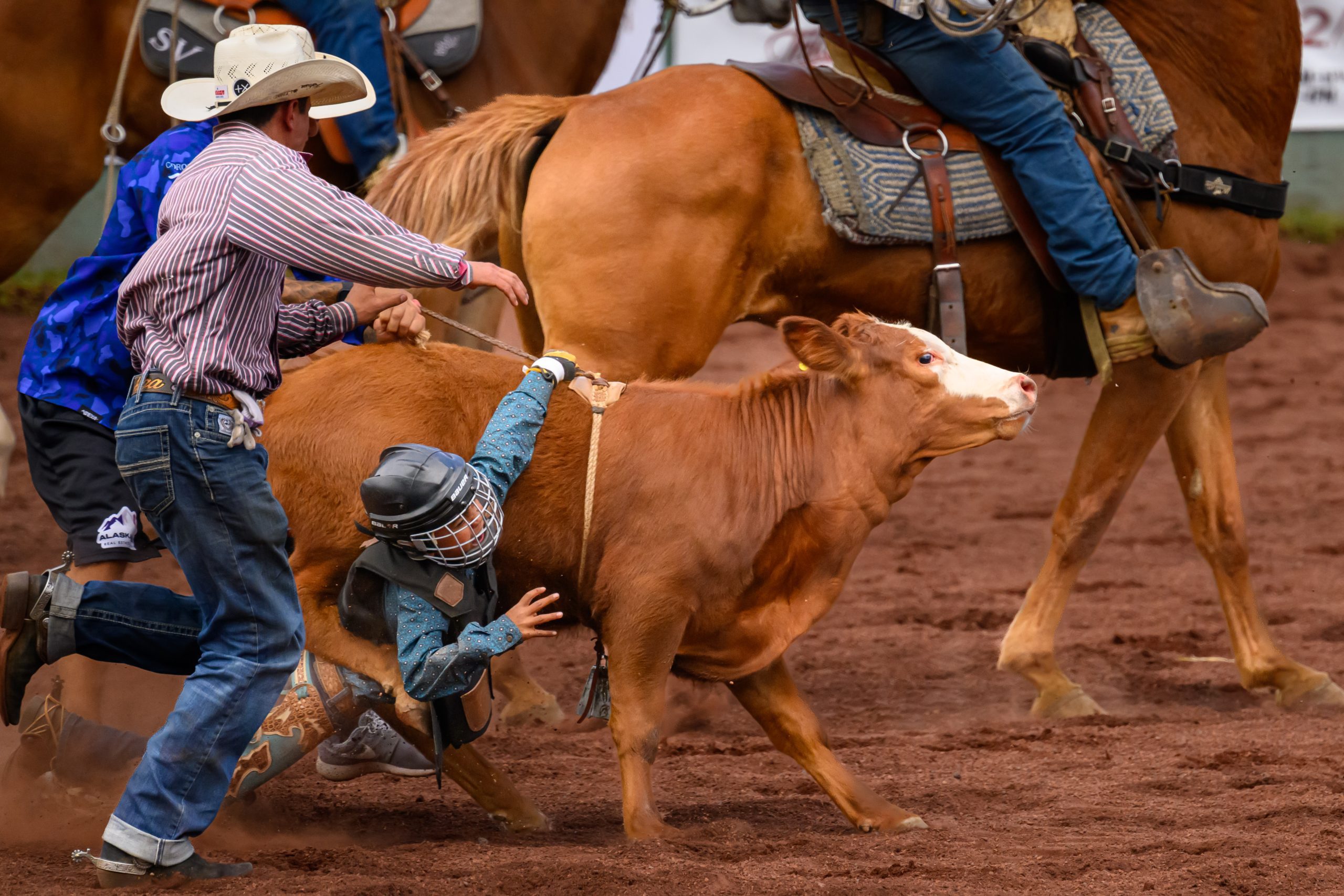
A young teenage girl is wrestling the cow to the ground. She was dragged all over the ring. She came and sat up in the stands afterward, and her friends asked if she was OK, and she said she was doing fine. This was all part of the Panaewa Stampede Rodeo at Equestrian Center Complex, Stainback Highway, Hilo, Hawaii. [NIKON Z 9, NIKKOR Z 100-400mm f/4.5-5.6 VR S, Mode = Aperture Priority, ISO 3200, 1/4000, ƒ/5.6, (35mm = 150)]

Regarding camera settings, I prefer to keep things simple yet effective. Opting for Auto ISO, a fast shutter speed of 1/4000, and shooting wide open on my lens, I ensure I can freeze the fast-paced action with crisp detail. Pairing this with eye tracking and continuous focus with a Wide-L focus area on my Nikon Z9, I maintain a sharp focus on the subjects, allowing me to track their movements precisely and accurately.

During the Panama Stampede Rodeo at Equestrian Center Complex, Stainback Highway, Hilo, Hawaii, a cowgirl shows women can lasso a cow as good as any man could. [NIKON Z 9, NIKKOR Z 100-400mm f/4.5-5.6 VR S, Mode = Aperture Priority, ISO 2800, 1/4000, ƒ/5.6, (35mm = 240)]

As the day unfolded and the events progressed, I was utterly absorbed in the exhilarating spectacle, from the heart-stopping thrills of bull riding to the graceful agility of barrel racing; each moment presented a unique challenge and opportunity to capture the essence of rodeo culture.

This is a team of a cowgirl and a cowboy competing against other teams on the time it takes for one to lasso the head and the other to lasso one or both of the back feet to capture a cow during Panaewa Stampede Rodeo at Equestrian Center Complex, Stainback Highway, Hilo, Hawaii. [NIKON Z 9, NIKKOR Z 100-400mm f/4.5-5.6 VR S, Mode = Aperture Priority, ISO 5000, 1/4000, ƒ/7.1, (35mm = 155)]

Ultimately, my experience at the Panaewa Stampede Rodeo was exhilarating. Through careful preparation, adaptability, and a keen eye for detail, I captured the essence of this iconic event, preserving its energy and excitement for generations to come. As I reflect on this unforgettable experience, I am reminded once again of the timeless allure of rodeo and the profound impact it continues to have on both participants and spectators alike.

Tagged :

The Power of Stories: A Visual Storyteller’s Reflection on 40+ Years of Experience

Reading Time: 2 minutes

Introduction:

In the fast-paced world of freelancing, where deadlines loom and projects pile up, it’s easy to lose sight of the human element behind every interaction. As a visual storyteller with over 40 years of experience, I’ve captured countless narratives through my lens. One invaluable lesson that stands out amidst the whirlwind of my career is the profound importance of remembering that everyone has a story.

The Chick-fil-A Connection:

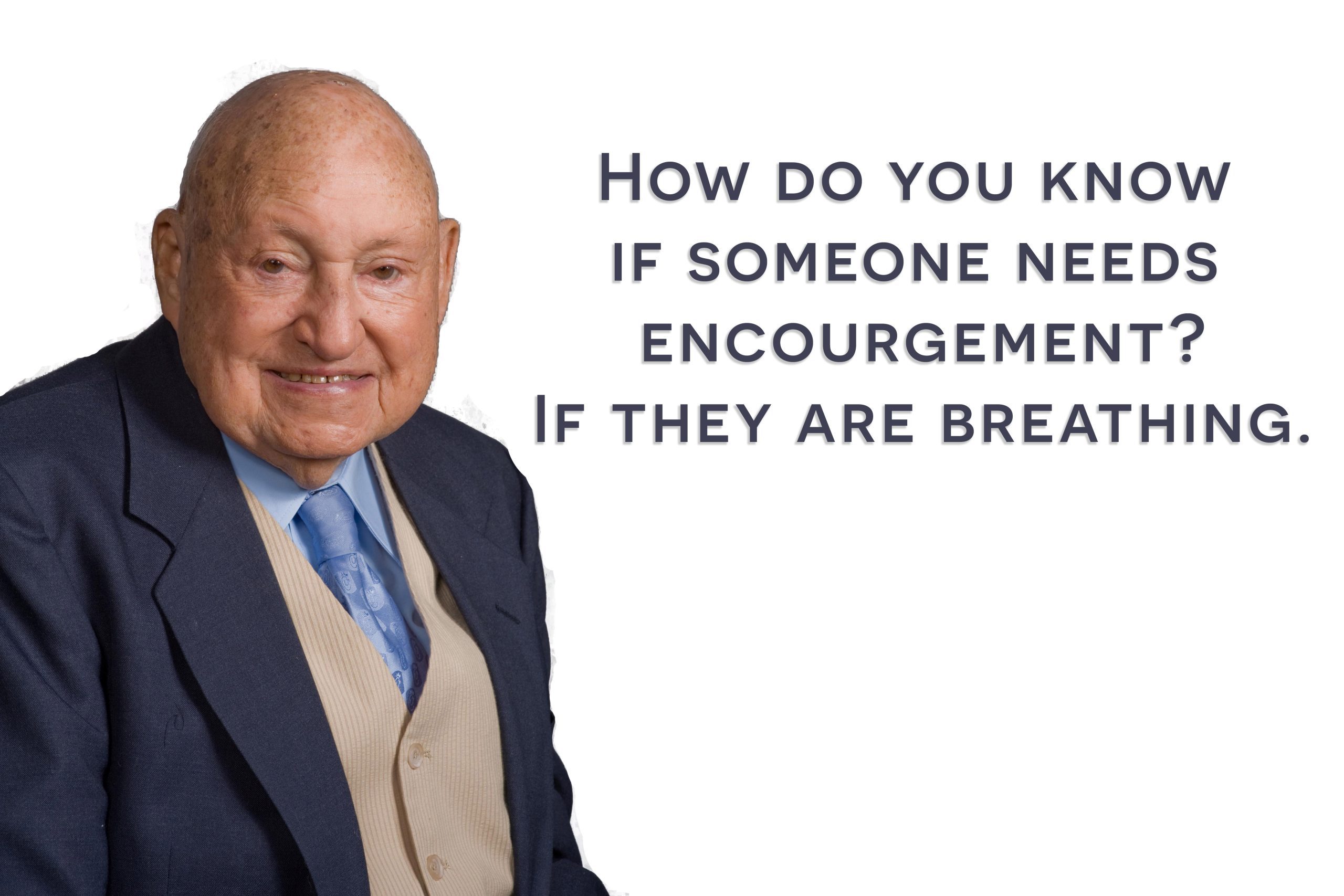
Throughout my journey, one of my main clients has been Chick-fil-A. Working closely with this renowned brand provided me with unique insights into the business world and the philosophy of its founder, S. Truett Cathy. A mantra he often shared during speeches resonates deeply with me: “How do you know if someone needs encouragement? If they are breathing.” This simple yet powerful statement encapsulates the essence of recognizing the stories that exist within each individual.

The Unseen Narratives:

In visual storytelling, it’s easy to get caught up in the technicalities of composition, lighting, and aesthetics. However, true magic happens when we go beyond the surface and acknowledge the stories often hidden from sight. Every person we encounter, be it a client, collaborator, or passerby, carries a unique narrative. Taking the time to uncover and appreciate these narratives can profoundly impact our work as freelancers.

Tips for Freelancers:

  1. Cultivate Empathy: As freelancers, it’s crucial to cultivate empathy in our interactions. Take the time to listen actively, understand others’ perspectives, and empathize with their experiences. This enriches your understanding of the human condition and enhances your ability to capture and convey emotions in your work visually.
  2. Capture Authenticity: Authenticity is the cornerstone of compelling storytelling. Strive to capture the genuine essence of your subjects, whether it’s a corporate client or an individual. Authentic visuals have the power to resonate with audiences on a deeper level, forging a connection that goes beyond mere aesthetics.
  3. Tell Diverse Stories: Embrace diversity in your storytelling. Seek out various projects and clients that allow you to explore different cultures, backgrounds, and experiences. This broadens your skill set and ensures that your work reflects the rich tapestry of human stories.
  4. Be Mindful of Your Impact: Understand the impact your work can have on the individuals you photograph or collaborate with. Respect their stories and ensure that your portrayal is sensitive and authentic. This approach fosters positive relationships and contributes to a more compassionate and understanding creative community.
  5. Prioritize Encouragement: Just as S. Truett Cathy emphasized the importance of encouragement, make it a priority in your freelancing journey. Offer support to your clients, colleagues, and even competitors. A kind word or gesture can significantly impact someone’s day and create a positive ripple effect within the creative industry.

Conclusion:

In a world driven by deadlines and deliverables, the actual value of our work as freelancers lies in the stories we tell. By remembering that everyone has a story and embracing the power of empathy, authenticity, diversity, and encouragement, we elevate our craft and contribute to a more compassionate and connected creative community. As visual storytellers, let us continue to capture and share the richness of the human experience, one story at a time.

Tagged :

Navigating Purpose: The Compass for Engaging Storytelling in Missionary Work (or for Any Organization)

Reading Time: 2 minutes

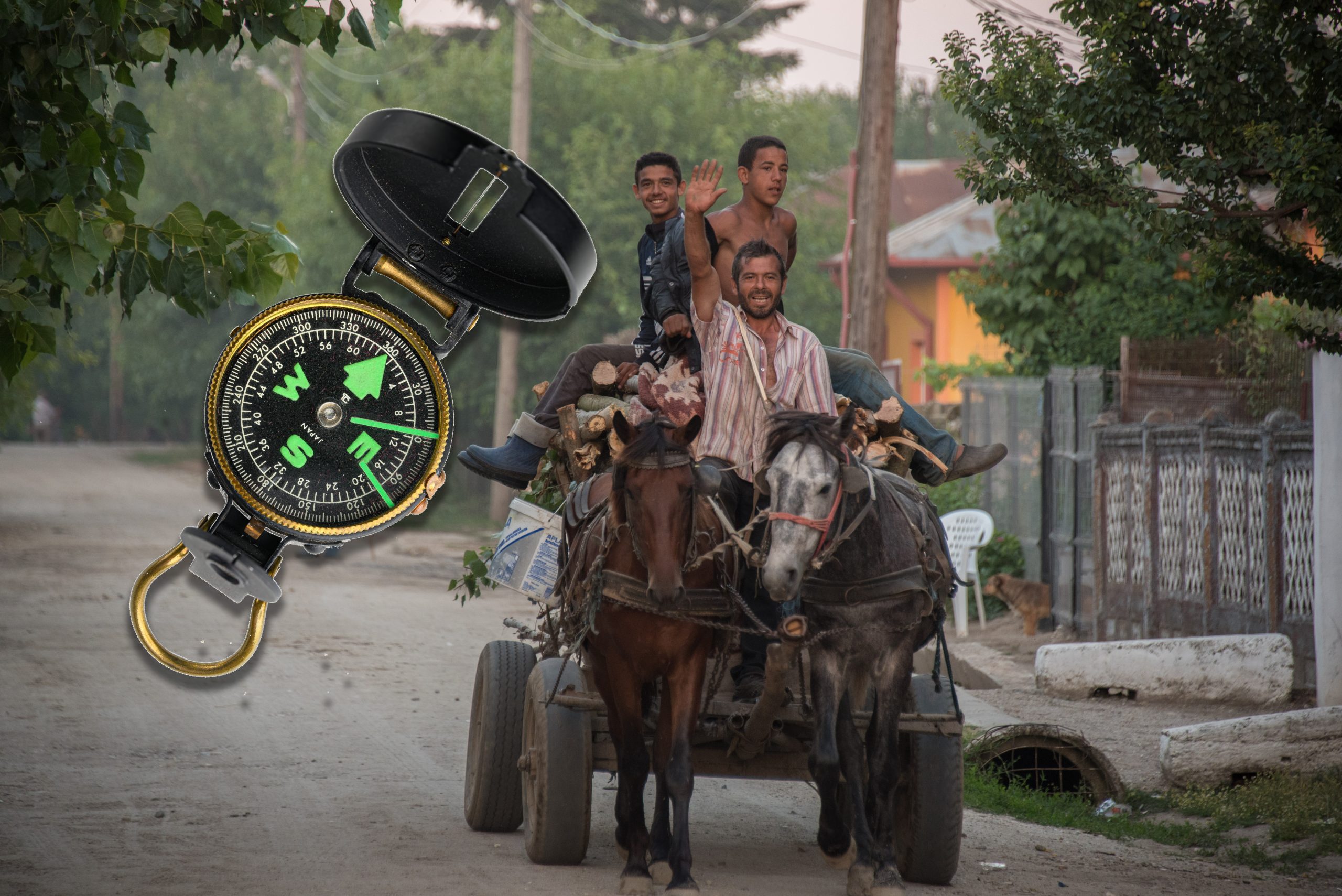
In storytelling for missionary causes or any organization, the significance of purpose cannot be overstated. Having spent my career crafting narratives to support missionaries, I’ve learned that knowing the purpose behind each story is akin to having a compass guiding every narrative journey.

Stories wield incredible power. They weave emotions, connect people, and spark action. Yet, without a clear understanding of the story’s purpose, it’s easy to get lost in the labyrinth of details or swayed by the allure of tangential anecdotes—a phenomenon I often refer to as the “squirrel moment.”

Every story needs direction—a destination it aims to reach. This purpose serves as the guiding compass, ensuring that every word and detail aligns with the overarching goal. Imagine an outline as your map; it provides structure, delineates critical points, and ensures you stay on course. But the compass—the purpose—keeps you heading in the right direction.

One of the cardinal mistakes storytellers can make is losing sight of this purpose. It’s enticing to delve into captivating side stories or charming anecdotes. Still, if they don’t serve the primary purpose, they can derail the narrative, diluting its impact and confusing the audience.

So, how do we stay true to this compass of purpose?

  1. Clarity Is Key: Before penning a word or uttering the first sentence, understand the “why” behind your storytelling. Is it to raise funds, inspire action, or foster empathy? The more precise the purpose, the sharper your compass.
  2. Crafting the Narrative: Use your purpose as a filter. Every story element—characters, challenges, transformations—should align with and reinforce this central purpose. They are the milestones on your journey.
  3. Avoiding Detours: Remain vigilant against the allure of distractions. While charming, those “squirrel moments” might lead you astray. Evaluate each narrative element against your purpose to stay on track.
  4. Engaging the Audience: A purpose-driven story resonates deeply. It tugs at heartstrings and motivates action. This connection compels the audience to participate in the mission or cause.
  5. Call to Action: Your purpose culminates in a call to action for you. Whether it’s to donate, volunteer, advocate, or spread the word, the purposeful narrative leads seamlessly to this pivotal moment.

Remember, these storytelling principles aren’t confined to missionary work alone; they’re universally applicable. Whether for businesses, nonprofits, or causes, understanding the purpose behind your narrative is the cornerstone of compelling storytelling.

In essence, let purpose be your guiding light, your compass in the vast sea of storytelling possibilities. With it, your stories become not just narratives but beacons that lead audiences to engage, empathize, and act, furthering the mission and impact of your organization.

So, storytellers, keep your compass close and your purpose more precise, and let your narratives pave the way to meaningful connections and actions.

Happy storytelling!

Tagged :

Mastering Sports Photography: Anticipation, Positioning, and Gear

Reading Time: 4 minutes

Blog On My Nikon Z9 Sports Settings

This blog post is in response to my friend Seth, who asked me on Facebook today, “Great shots. Do you have much trouble with focusing on the wrong player?”

[NIKON Z 9, NIKKOR Z 100-400mm f/4.5-5.6 VR S, Mode = Aperture Priority, ISO 22800, 1/4000, ƒ/5.6, (35mm = 400)]

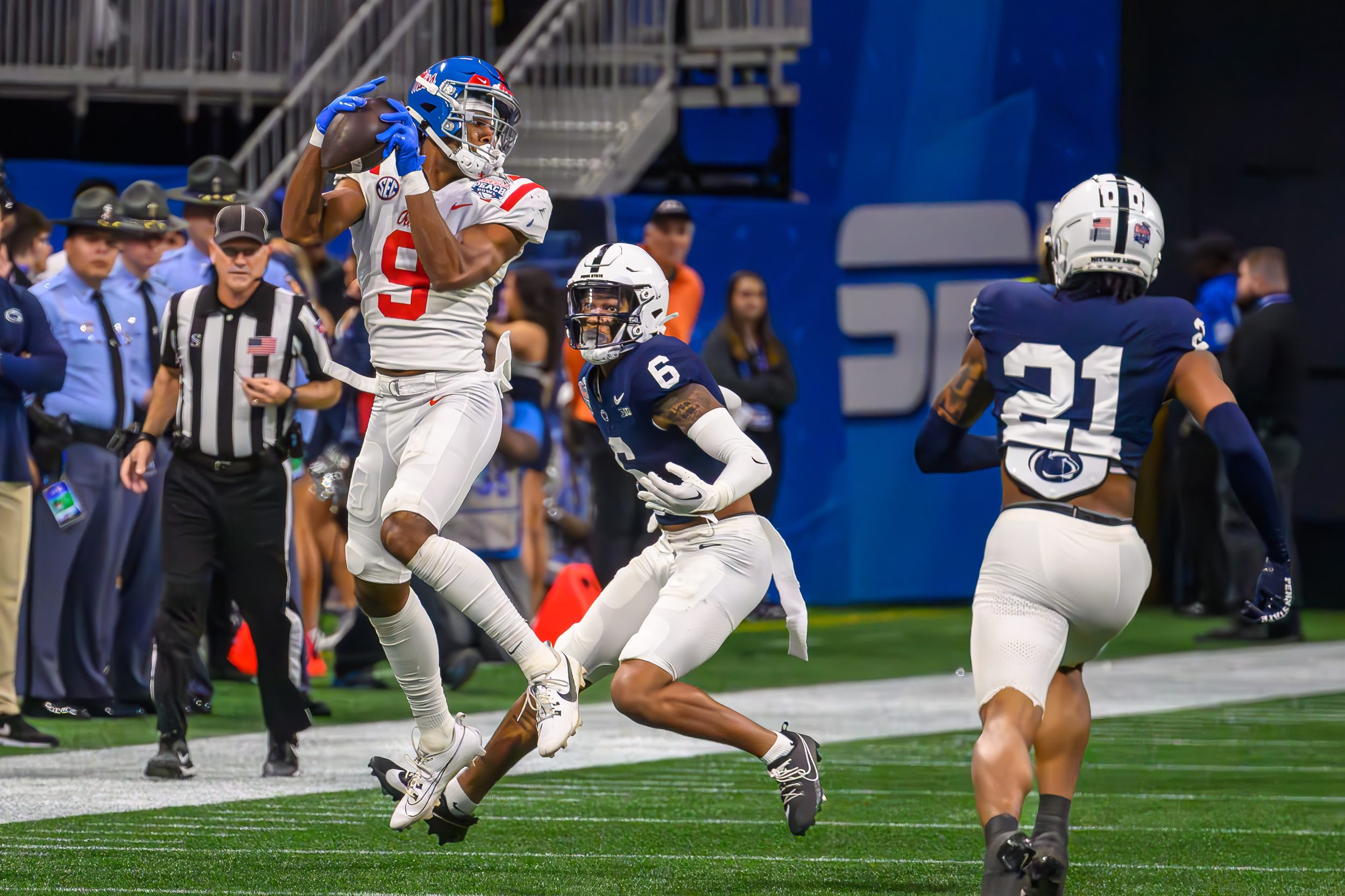
Hey Seth! Thanks for checking out the shots from the Chick-fil-A Peach Bowl game! You asked about focusing on the wrong player in sports photography, and it’s an art that’s both technical and intuitive. Let’s dive into what makes those great shots happen and why sometimes, despite all efforts, we miss capturing those pivotal moments.

[NIKON Z 9, NIKKOR Z 100-400mm f/4.5-5.6 VR S, Mode = Aperture Priority, ISO 18000, 1/4000, ƒ/5.6, (35mm = 180)]

Positioning is key. To consistently snap great sports photos, anticipation beats reaction. Balancing coverage is crucial when shooting for multiple teams, as I did in this game. Previously, focusing solely on one team allowed me to predict movements better, aiming to capture faces rather than backs and positioning strategically, like staying on the offensive end in basketball.

[NIKON Z 9, NIKKOR Z 100-400mm f/4.5-5.6 VR S, Mode = Aperture Priority, ISO 25600, 1/4000, ƒ/7.1, (35mm = 400)]

Knowing the teams inside out is like having a crystal ball. Familiarity with their plays and tendencies helps anticipate actions, whether a pass or a run, increasing the odds of having the lens trained on the action sooner.

[NIKON Z 9, NIKKOR Z 100-400mm f/4.5-5.6 VR S, Mode = Aperture Priority, ISO 25600, 1/3200, ƒ/5.6, (35mm = 310)]

Technical settings matter, too. Continuous focus and the back button focus technique ensure more shots are in focus than just following without constant adjustments. However, misses happen even with the best setup, mirroring how a defense can be deceived in a game.

[NIKON Z 9, NIKKOR Z 24-120mm f/4 S, Mode = Aperture Priority, ISO 12800, 1/4000, ƒ/4, (35mm = 96)]

Basketball? Enter remote cameras, providing different angles for coverage. Football, with its vast goal, makes this more challenging. Technicalities matter, and I’ve shared a link detailing my Nikon Z9 setup for sports photography for those interested in the nitty-gritty.

[NIKON Z 9, NIKKOR Z 100-400mm f/4.5-5.6 VR S, Mode = Aperture Priority, ISO 16000, 1/4000, ƒ/5, (35mm = 250)]

Knowing the sport inside out is the golden ticket. While understanding the game is one thing, each team’s uniqueness demands a deeper dive into their playbook. This familiarity allows for better anticipation of plays and player movements.

[NIKON Z 9, NIKKOR Z 100-400mm f/4.5-5.6 VR S, Mode = Aperture Priority, ISO 22800, 1/4000, ƒ/5.6, (35mm = 400)]

Speaking of gear, today’s cameras, like my Nikon Z9 with Z glass lenses, offer incredible focusing systems and rapid-locking motors, enhancing the number of in-focus shots. This allows quick shifts between capturing the quarterback’s throw and the receiver’s catch, minimizing missed moments.

[NIKON Z 9, NIKKOR Z 24-120mm f/4 S, Mode = Aperture Priority, ISO 450, 1/250, ƒ/4, (35mm = 52)]

So, in a nutshell, nailing sports photography isn’t just about having the right equipment and technical know-how—it’s about understanding the game, predicting actions, and being ready to adjust on the fly. The perfect shot often lies at the intersection of anticipation and preparedness.

Have you got any more questions? I am always happy to chat about the thrilling world of sports photography!

Happy shooting

Tagged : /

Capturing Diversity: Why Showcasing Your Photography Range is Crucial for Client Engagement

Reading Time: 2 minutes

Showcasing one’s capabilities as a photographer is pivotal in attracting clients. Your portfolio is your visual resume, the first impression potential clients have of your work. Here are some insights and tips on the importance of displaying your range as a photographer:

The Power of Visual Representation

1. Show Diversity: Clients often have a specific vision in mind. If they don’t see a style or type of photography they like, they’re less likely to reach out. Displaying a diverse range helps cater to different preferences.

2. Tailor Your Portfolio: Segment your portfolio to reflect different genres or styles. Create sections for weddings, family portraits, landscapes, or commercial work. This allows clients to navigate and find what resonates with them easily.

3. Highlight Your Best Work: Quality over quantity matters. Showcase your best shots, highlighting your skills, creativity, and versatility.

Tips for Photographers:

1. Curate a Strong Portfolio: Your portfolio should be a well-curated selection of your finest work. A smaller selection of top-notch images is better than a more extensive collection with mediocre shots.

2. Regularly Update: As you grow and evolve as a photographer, update your portfolio accordingly. Keep it fresh to showcase your latest and best work.

3. Show Your Range: Don’t limit yourself to one style. Experiment, explore, and display the various genres and techniques you excel in.

4. Use Social Media: Utilize platforms like Instagram, Flickr, or Behance to share your work regularly. Social media is a powerful tool for reaching a wider audience and attracting potential clients.

5. Seek Feedback: Ask peers, mentors, or clients for feedback. Constructive criticism can help you refine your portfolio and improve your presentation.

6. Customize for Clients: When pitching to potential clients, consider curating a sample selection that aligns with their specific needs or style preferences. Tailoring your showcase can make a significant impact.

Conclusion:

Your portfolio isn’t just a collection of images; it’s your sales pitch, your calling card. It’s crucial to present a well-rounded view of your capabilities. By showcasing your range, you attract more clients and increase the chances of engaging those who might not have initially considered your services.

Remember, your portfolio is a living, evolving entity that should consistently reflect your growth and talent as a photographer. Keep refining, updating, and diversifying—it’s the key to unlocking more opportunities in the competitive world of photography.

Tagged : /