|
Getting your Trinity Audio player ready...
|
I’ve been thinking a lot about what makes a business story worth sharing.
For years, businesses have been told that good marketing is about showing the product: the beautiful food, the new building, the smiling employees, the finished project.
Those things matter.
But some of the stories I’ve photographed have reminded me that something else can be even more powerful.
People share stories about what a business means to its community.
Sometimes, those stories reach people in ways traditional marketing simply can’t.
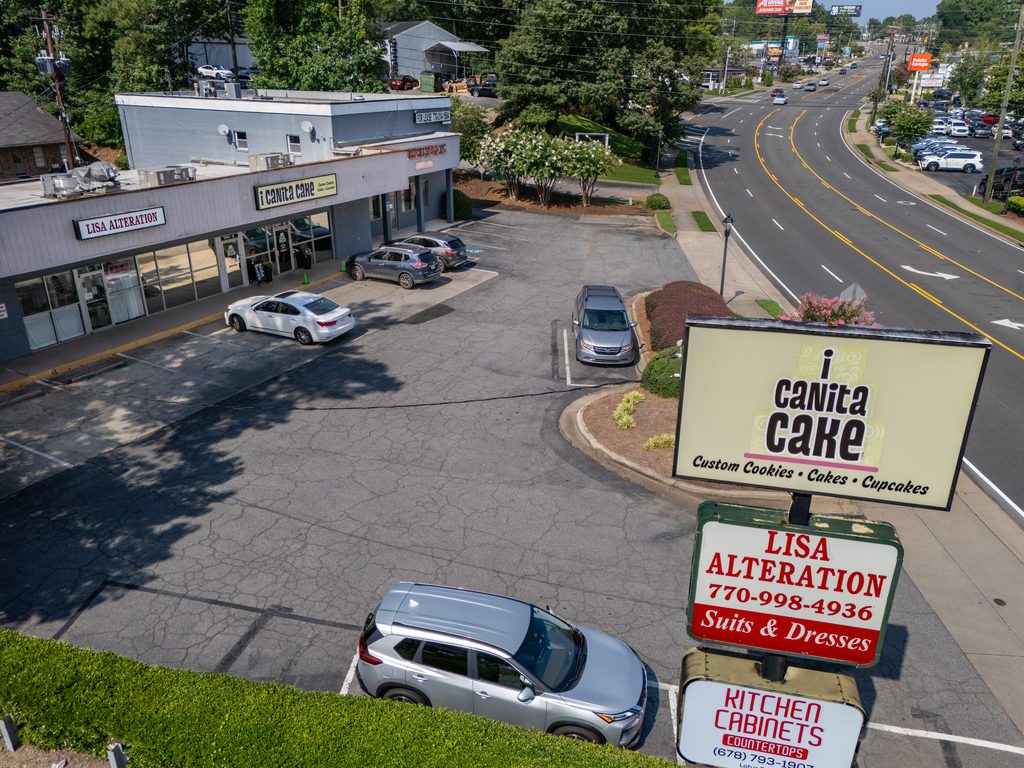
One cake shop—more than 33,000 shares.
A local cake shop gave me a perfect example.
I photographed a story about the business that included something unrelated to how beautifully they made cakes.
It was about how they treated their community.
The story included aerial photography that showed the business in a way people hadn’t seen before. The images were visually compelling, but I don’t think the drone photograph alone explains what happened next.
The story took off.
One image generated more than 33,000 shares.
That’s an extraordinary number for a local business story.
But here’s what I think is important:
People weren’t sharing a cake. They were sharing a story about a business they felt good about supporting.
My wife, Dorie, was one of those people.
And that is exactly what makes community stories so interesting from a marketing perspective.
When someone shares a story about a business doing something good, they aren’t simply distributing the company’s advertising.
They’re saying something about themselves, too:
“I support businesses like this.”
That’s a much more powerful recommendation than an advertisement.
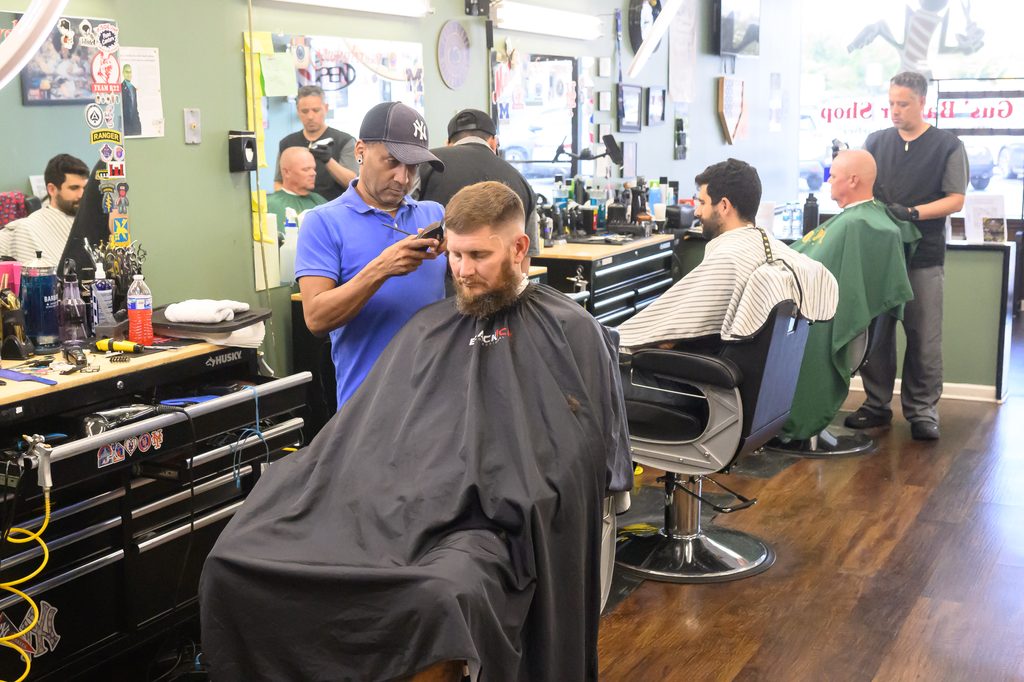
The barbershop taught me the same lesson
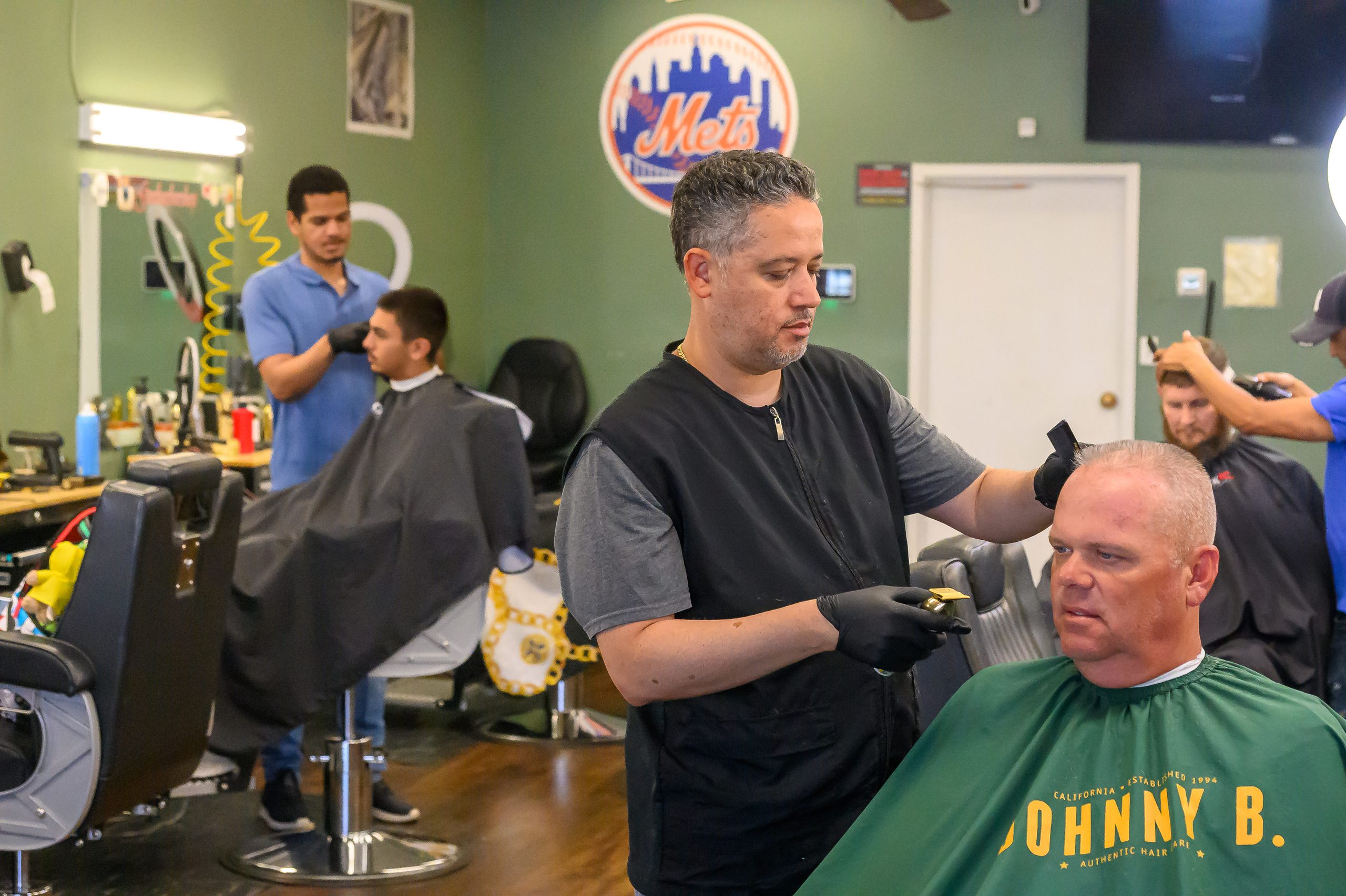
I saw something similar with a local barbershop.
The owner was keeping his prices lower than he probably could have because he wanted to make haircuts affordable for people in his community—including single mothers who struggle financially.
That isn’t a product feature.
You don’t put it in a traditional advertisement.
But it tells me far more about the business than a photograph of a haircut ever could.
It tells me why the owner runs the business the way he does.
And if I were a potential customer, that story would influence me.
Research backs up this idea.
Studies of small businesses and community engagement have found that strong customer relationships can improve financial performance. Customers who develop those relationships can also become less price-sensitive and less likely to take their business elsewhere.
In other words, community isn’t simply something nice for a business to do.
It can become part of the business’s competitive advantage.
Why do people share these stories?
Jonah Berger’s research into why things spread offers another piece of the puzzle.
His STEPPS framework identifies several characteristics that can make people more likely to share something, including emotion and social currency.
Think about that for a moment.
A photograph of a business’s storefront might be attractive.
A photograph of a product might be useful.
But a story about a business helping a neighbor can make someone feel something.
And when someone shares that story, they’re also communicating something about themselves.
“This is the kind of business I want in my community.”
That’s social currency.
The drone photograph may have gotten someone’s attention.
But the story gave them a reason to share it.
But there is an important catch.
Turning this idea into another marketing formula is dangerous.
You can’t simply manufacture authenticity.
In fact, I think this is where many corporate storytelling efforts go wrong.
A company discovers that people like stories about generosity, community, and employees doing meaningful things.
So it creates a campaign around generosity, community, and employees doing meaningful things.
But if the action exists primarily because someone wants to photograph it, people can sense the difference.
The story has to be true before the camera arrives.
That’s what made the cake shop and barber shop stories interesting to me.
The community involvement wasn’t something they invented for the photographer.
The barber wasn’t keeping prices down because I was there with a camera.
The cake shop wasn’t helping people because someone thought it would make good social media content.
They were already doing these things.
I helped tell the story.
Research on corporate social responsibility and brand authenticity points toward the same conclusion: people pay attention to whether they believe a company’s actions are sincere. When consumers become skeptical about the motives behind a company’s messaging, perceived authenticity suffers.
That makes sense to me.
People are pretty good at recognizing the difference between:
“Look what we’re doing.”
and
“This is who we are.”
Start with the “why”
This is changing the way I think about storytelling for businesses.
Before I pick up a camera, I want to understand the organization.
What does it care about?
Who does it serve?
What happens inside the business that employees are proud of?
What does the owner believe?
Who has been helped?
What does the company do when nobody is watching?
Those questions can lead us to stories that a product-focused approach would completely miss.
And once you find that story, photography, video, and social media become much more effective tools for communicating it.
The camera isn’t the strategy.
The story is the strategy.
Would you still do it if nobody was watching?
That’s probably the simplest test I know for authenticity.
If a business would still do something if there were no photographer, no journalist, no social-media post, and no marketing campaign waiting at the end of it, there’s probably a real story there.
And those are the stories I want to photograph.
Because the goal isn’t simply to show people what your business sells.
It’s to help people understand why your business matters.
Those are the stories people remember.
And sometimes, they’re the stories people share.
I’m a photographer and visual storyteller who believes the best business stories often begin long before the camera comes out. If you’re trying to communicate what makes your organization different—not just what you sell—I’d love to talk with you.