
|
Getting your Trinity Audio player ready...
|
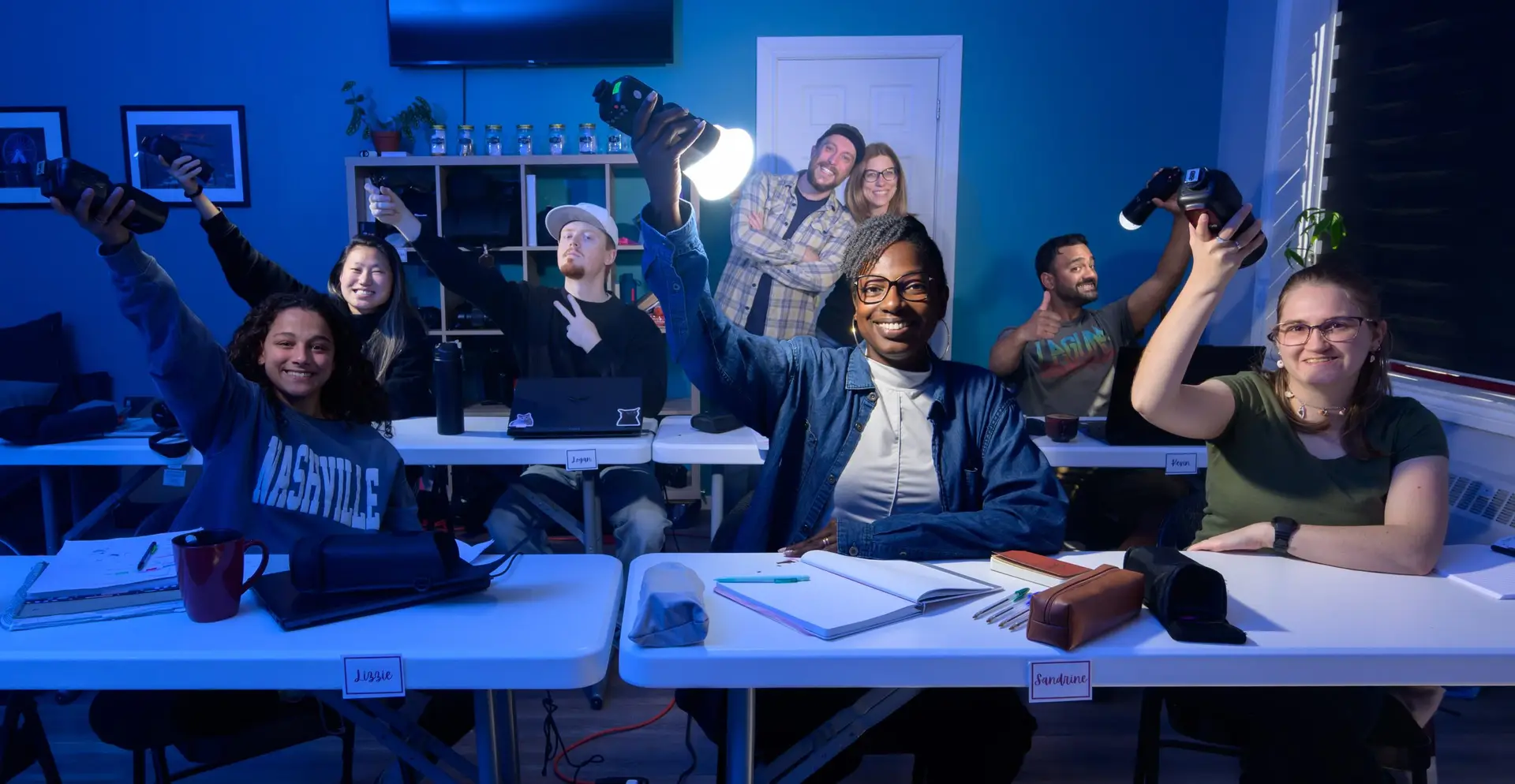
This past week, I had the privilege of teaching studio lighting and business practices to students in the School of Photography at YWAM Dunham in Quebec, Canada.
While photography is often associated with cameras and gear, my goal has always been to help students understand that great photography is built on mastering light and learning to serve people through visual storytelling. For many of these students, this was their first experience working with professional studio strobes and creating intentional lighting patterns.
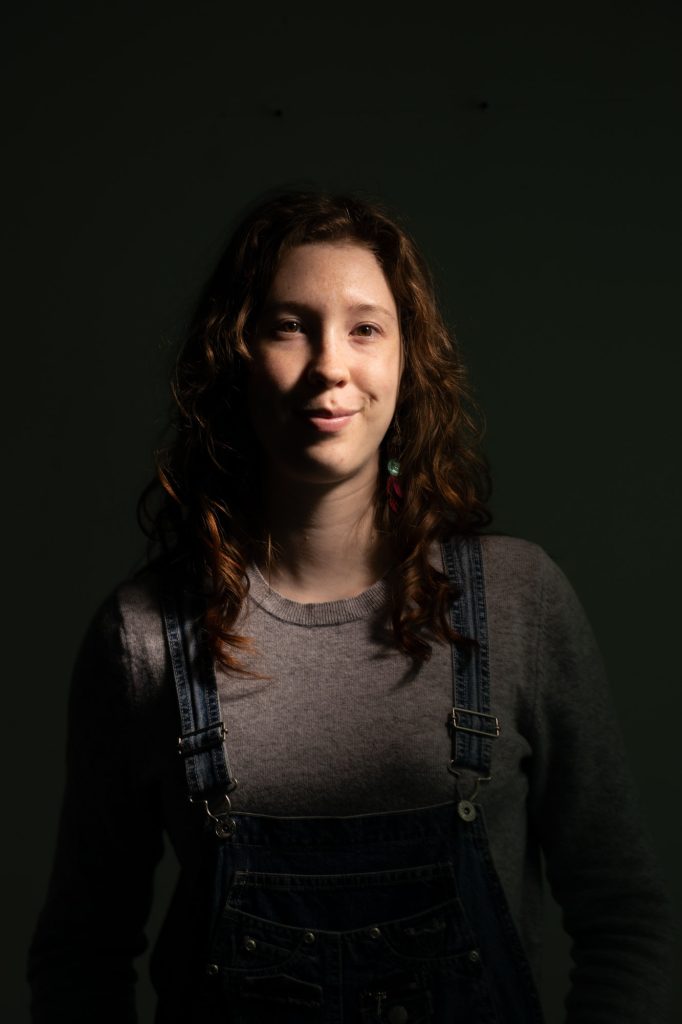
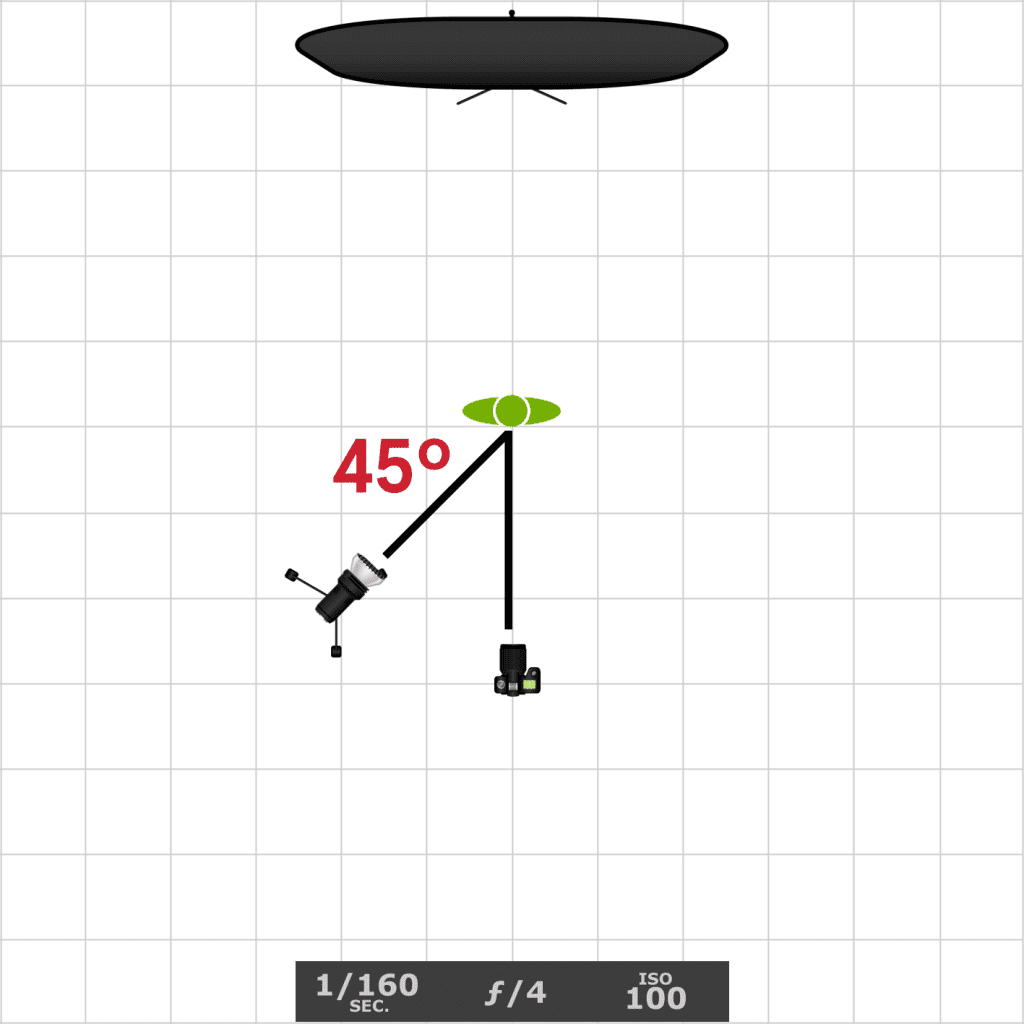
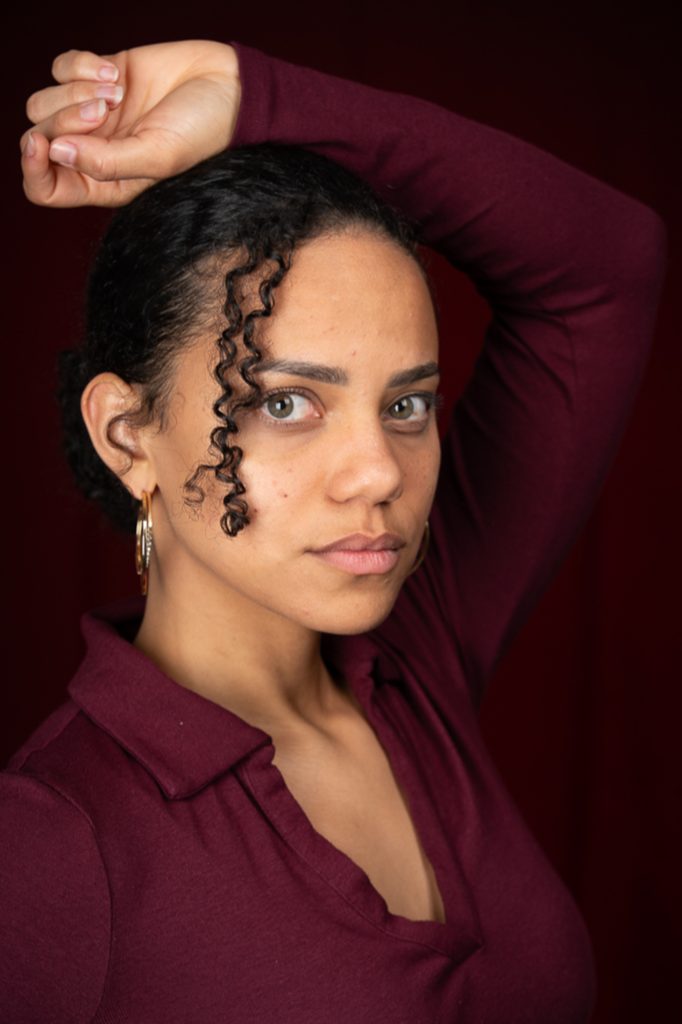
Our first assignment focused on Rembrandt lighting. Using a studio strobe equipped with a 7-inch reflector and a 10-degree grid, students learned how to create dramatic directional light. The grid allowed them to control light spill while producing the classic triangle of light beneath the subject’s eye on the shadow side of the face. This exercise helped them understand how the direction of light creates depth, dimension, and mood in a portrait.

Rosy, a missionary who teaches acting and film at Youth With A Mission Dunham, draws upon her cultural heritage and years of missionary work to guide students to embrace their individuality and develop their own creative voice. Photo by Kevin Ramchurn.
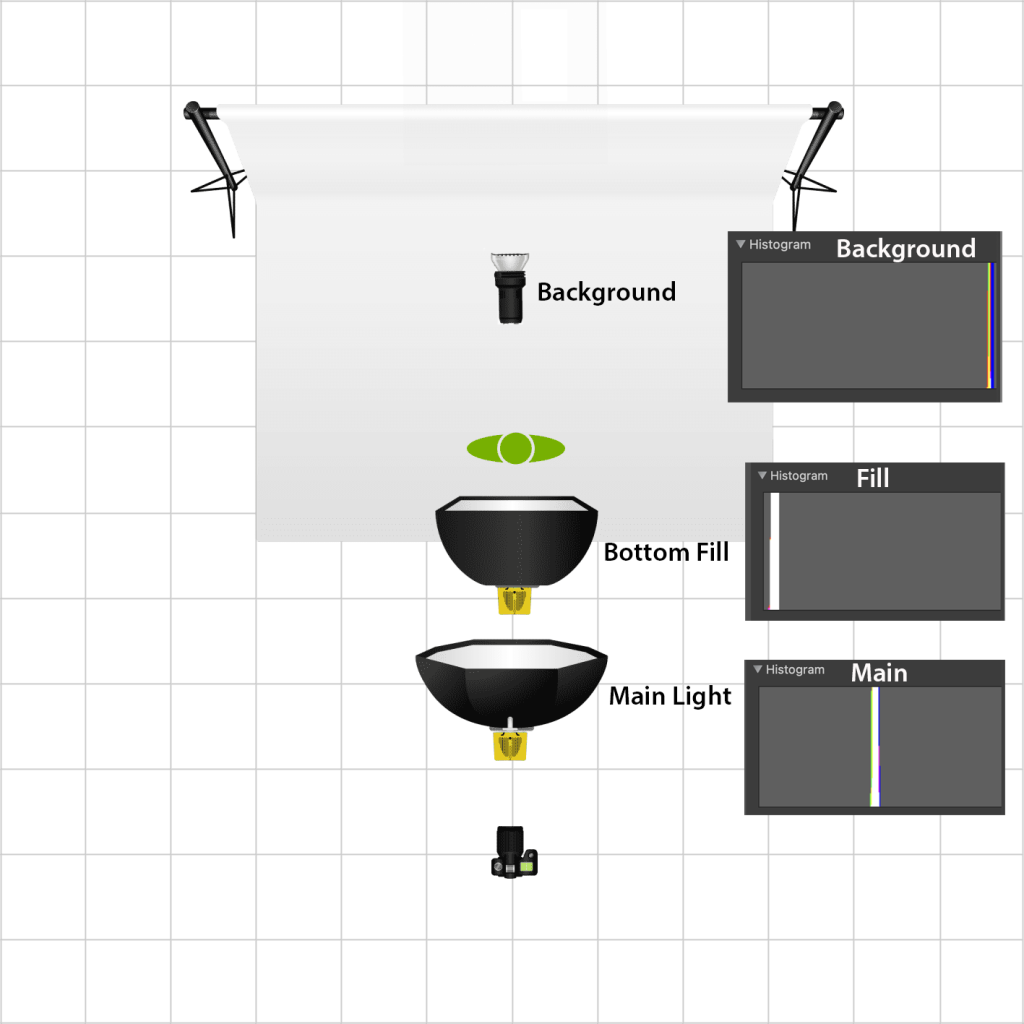
The second assignment introduced Butterfly (Clam Shell) lighting, one of the most popular lighting setups for beauty and portrait photography. Using a main light above the subject and a second light or reflector below, students learned how to create soft, flattering light that minimizes shadows and highlights facial features.

As often happens when teaching, we discovered that this assignment wasn’t producing the results we wanted. Rather than moving on, we stopped and revisited the setup. After identifying the issues and refining the technique, we repeated the exercise. The extra effort paid off. By the end, the students were producing images that could become valuable additions to their portfolios.

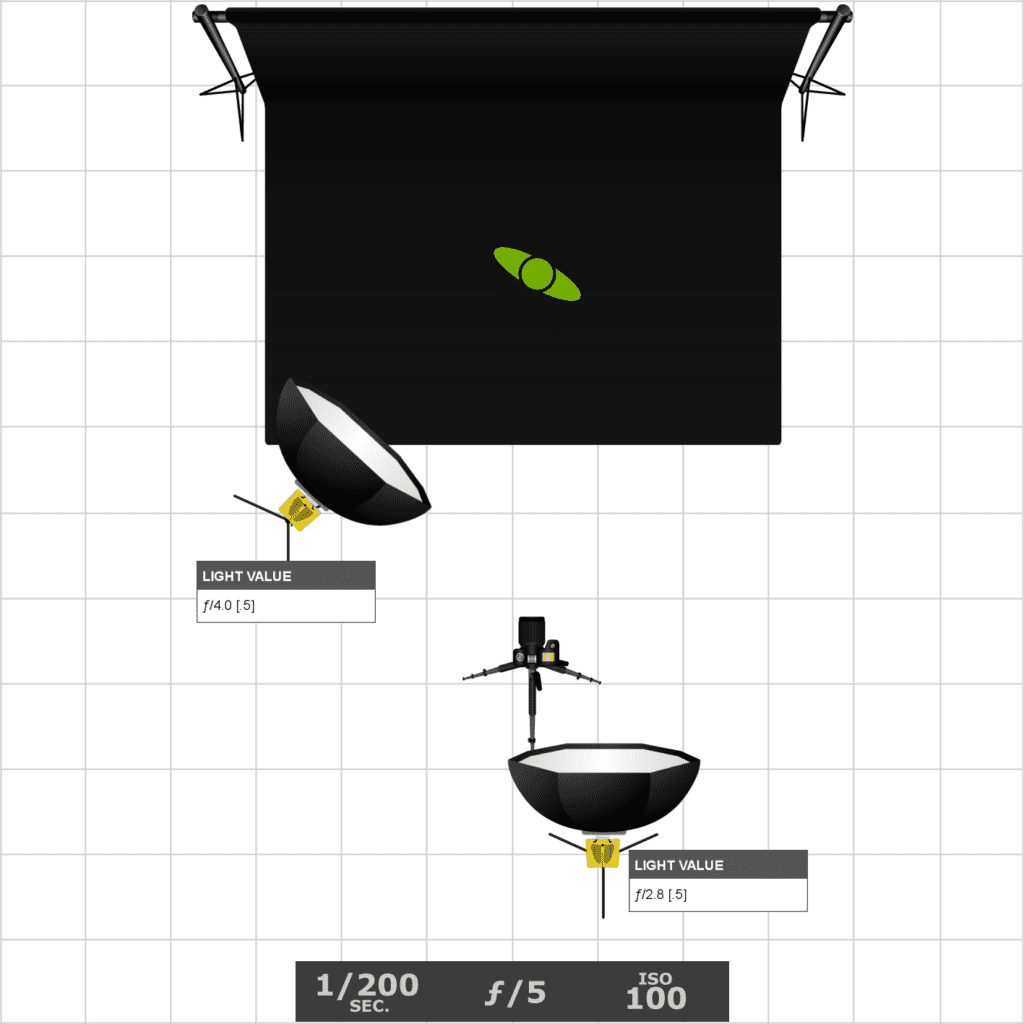
Our final lighting assignment focused on creating a 3:1 lighting ratio. This exercise helped students understand how to control contrast between the highlight and shadow sides of the face. Once they mastered the ratio, they were encouraged to experiment with different background treatments, giving them greater creative control over the final look of their portraits.

Each afternoon was dedicated to hands-on practice. Students worked through their assignments, experimented with lighting adjustments, and asked thoughtful questions. Those conversations often became some of the most valuable teaching moments of the week. Photography is learned by doing, and the time spent behind the camera helped turn concepts into skills.
In addition to studio lighting, I taught business practices designed to help students think about photography as more than a hobby. Whether they choose to start a photography business, work as a full-time photographer, or serve as missionary and humanitarian photographers, understanding the business side of the profession is essential. We discussed topics ranging from client relationships and pricing to building a sustainable career that allows them to continue serving others through photography.
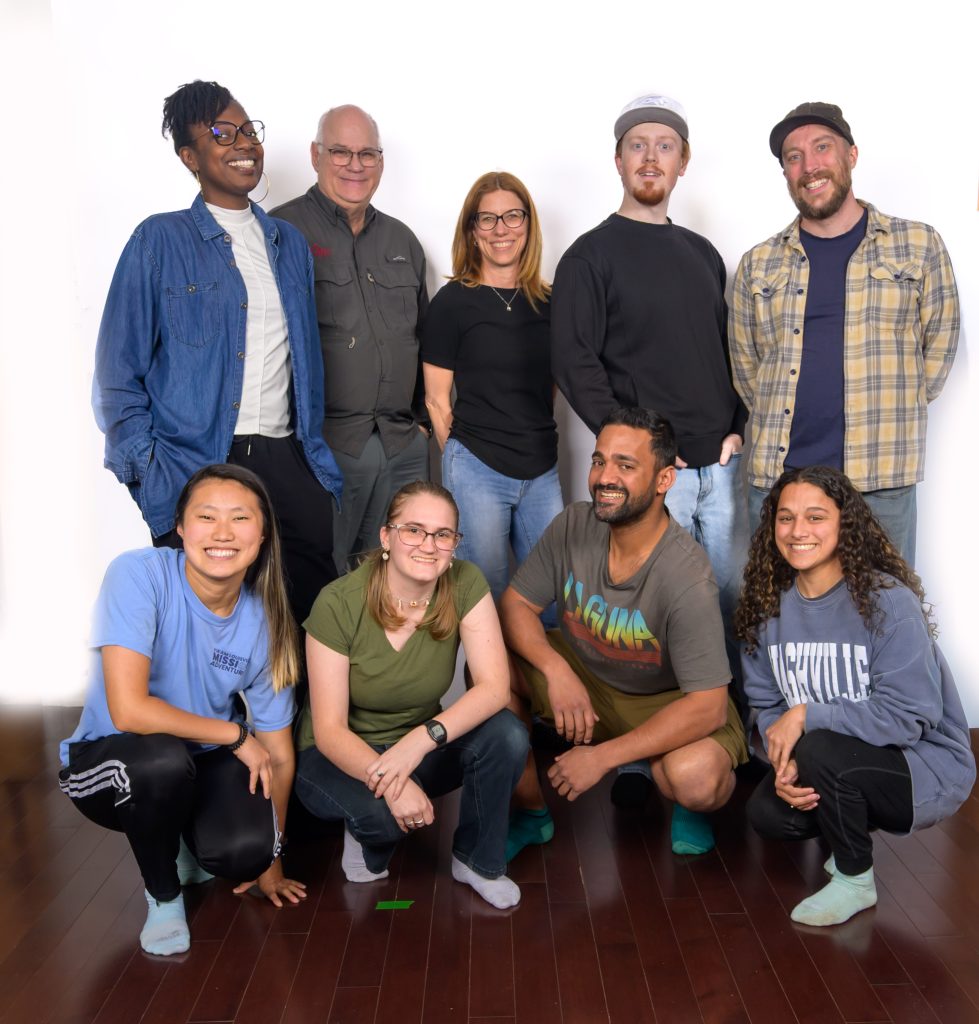
I’ve now been teaching photography for nearly 20 years. Most of those years were spent teaching in Kona, Hawaii, and over the past several years, I’ve had the opportunity to teach here in Canada as well.
What continues to bring me back year after year isn’t the equipment, the lighting diagrams, or even the photographs themselves.
It’s watching the moment when a student’s confidence changes.
At the beginning of the week, many are uncertain about their abilities. They wonder if they can create professional-quality images. Then something clicks. They see the image on the camera’s back and realize they did it. The lighting works. The portrait looks professional. They begin to believe they can do this.
Nothing is more fulfilling than watching that growth in self-confidence.
Photography has the power to open doors, tell stories, create opportunities, and serve communities around the world. My hope is that the lessons learned this week will be only the beginning of each student’s journey.
I wish every one of these students the very best and look forward to seeing where photography takes them in the years ahead.

Thank you so much for serving in such a beautiful way!
Your article gives us a wonderful understanding of the value and impact of photography!
My wish is that it will serve to attract Those who are called to explore that tool to impact the world!