Tips to get better tourist photos

Reading Time: 3 minutes
 
Nikon D5, AF-S NIKKOR 28-300mm f/3.5-5.6G ED VR, ISO 4000, ƒ/5.6, 1/500

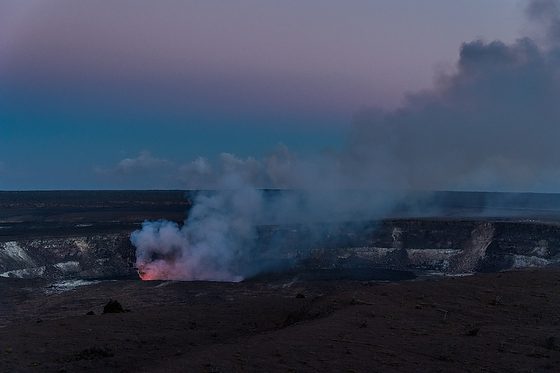
While shooting my photos of the Kilauea Volcano in the Hawaiian Volcano National park, you cannot help but notice everyone else taking pictures.

Nikon D5, AF-S NIKKOR 28-300mm f/3.5-5.6G ED VR, ISO 100, ƒ/5, 1/500

One family was doing this in the traditional way of having a stranger use their camera/smartphone to take photos.

Nikon D5, AF-S NIKKOR 28-300mm f/3.5-5.6G ED VR, ISO 100, ƒ/5. 1/1000

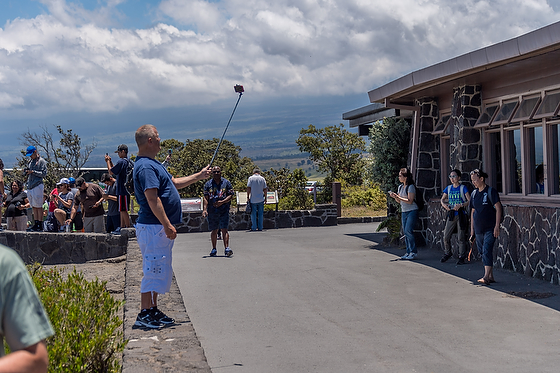
The other thing we saw a lot of was the selfie sticks.

Nikon D5, AF-S NIKKOR 28-300mm f/3.5-5.6G ED VR, ISO 110, ƒ/11, 1/100

Now, if you had a real camera, you most likely have a lens that will get you and your friends into the photo without a selfie stick.
Nikon D5, AF-S NIKKOR 28-300mm f/3.5-5.6G ED VR, ISO 100, ƒ/5, 1/640

I was watching these three ladies in the shade, and just a second ago, they were taking photos of the volcano away from them. But they couldn’t see their screens in the sun, so they backed up to get the picture.

The downside is that the only way people get close-up shots is to zoom in.

When you zoom in on your smartphone, you are not zooming; you are cropping in on the image and now shooting a more pixelated version. As long as it looks good on the phone, you are OK as long as everyone sees it on the phone, but if people see it on their computer monitor or even large screen TV, it will not look so good.

Nikon D5, AF-S NIKKOR 28-300mm f/3.5-5.6G ED VR, ISO 32000, ƒ/3.5, 1/500

While the guy has a camera with a zoom, the lady has an auxiliary lens she puts onto her photo to help her get closer without cropping. She is doing the same thing as a person with an interchangeable lens. She put another lens on her camera phone to get closer.

Nikon D5, AF-S NIKKOR 28-300mm f/3.5-5.6G ED VR, ISO 65535, ƒ/3.5, 1/160

Many of these camera phones do a great job. This photo here of Akaka falls with my DROID TURBO by Motorola. It is a 16-megapixel camera that does well.

Now here is the same shot with my Nikon D5.

 
Nikon D5, AF-S NIKKOR 28-300mm f/3.5-5.6G ED VR, ISO 100, ƒ/5, 1/400

Basically, in good sunlight, smartphones do a great job.

Now the tip I would like to share with you is that if you can fill the frame of your smartphone without cropping, then most of the latest and greatest smartphones do an excellent job in sunlight. Once-in-a-lifetime events require a camera with a zoom. So you will get better photos that you can see on other devices and even make wall prints with excellent results.

Now one final tip. Even if you have the right gear, don’t walk backward to stand in the shade so you can see your monitor. Instead, take your second hand and create the shade to see your screen.
My calling to be a photojournalist

Reading Time: 4 minutes
Nikon D2X, Sigma 18-50mm f/2.8 EX, ISO 800, ƒ/2.8, 1/20

Back in high school, I felt a call to be a preacher. For those unfamiliar with this kind of language, I will explain this a little more.

A vocation (from Latin vocātiō, meaning “a call, summons”) is an occupation to which a person is specially drawn or for which she/he is suited, trained, or qualified. Though now often used in non-religious contexts, the meanings of the term originated in Christianity.

In my Christian tradition, we believe that one is responding to God.

After this, I heard the Lord ask, “Is there anyone I can send? Will someone go for us?”

“I’ll go,” I answered. “Send me!” – Isaiah 6:8

While early in my career, I would say that when I decided not to go to seminary after getting my Social Work undergraduate degree, I took a detour; now, I would say I was learning how to tell stories.

While working on my master’s thesis on Don Rutledge, I realized I was a preacher. So here is what I wrote in my thesis:

After talking with Don, this writer felt redirected in his call to be a minister who used the camera as a central part of his ministry.  Many who are Christian photojournalists have struggled with the call.  In many ways, the Christian photojournalist is a preacher.  The photojournalist’s illustrations are not done with words in the pulpit but with photographs on the printed page.

Today I would change that last line to say with still/motion images used in many mediums to tell the story.

Nikon D2X, Sigma 18-50mm f/2.8 EX, ISO 800, ƒ/2.8, 1/30

The men in these photos are pastors in Burkina Faso, learning how to be effective preachers to lead their congregations.

In 1992 a few of my friends started the Southwestern Photojournalism Seminar in Fort Worth, Texas. To help identify who we were, we came up with this sentence:

The Southwestern Photojournalism Conference is the conference for those who believe photojournalism to be a calling and the act of bearing witness to be important.

I believe all photojournalists are responding to a call. Those who agree to the profession’s code of ethics that you can find here seek truth and communicate that to their audience.

The hardest part of the code of ethics to me is trying to be sure you are being truthful. Being truthful means, you must spend time getting to know the story. It would help if you dug to be sure you are representing the subject accurately and that after seeing your account will feel that you accurately described the subject’s story.

I learned how to exegete scripture While in seminary.

Exegesis includes a wide range of critical disciplines: textual criticism is the investigation into the history and origins of the text, but exegesis may include the study of the historical and cultural backgrounds for the author, the text, and the original audience. Other analysis includes classification of the type of literary genres present in the text, and an analysis of grammatical and syntactical features in the text itself.

I went to seminary after working as a photojournalist for more than six years. I found that the skill was pretty similar to what a journalist does to be sure they understand a story.

My call story is unique to me but has a lot of similarities to some biblical characters like Jacob, Joseph, and even Moses.

Looking back through the lives of these biblical characters, you see how God took each thing that often was a struggle to help prepare them for their calling.

Moses complained about his voice to God. I was born with Autism. Both of us complained about our struggle to communicate.

I can tell you that the camera brought me great comfort in helping me navigate this world. I am so thankful that my father, a Baptist preacher, advised me to be central in either Social Work or Business as an undergraduate and that I would get all my biblical studies in seminary.

Majoring in Social Work taught me how to listen with my ears and eyes. I learned how to ask questions to get to the bottom of a problem. I also learned about body language and how to read people. Social work would later help me tremendously with a camera and recognize why specific photos were better at communicating than others.

While my intention of going to seminary to get my master’s in communication to return to the church to do photojournalism, the required courses in education and theology would genuinely teach me more skills that I use today.

Nikon D2X, Sigma 18-50mm f/2.8 EX, ISO 800, ƒ/2.8, 1/60

Had I not been willing to take a different direction by becoming a photojournalist, I might be a pastor today of a congregation. Each week I would prepare a sermon and speak to my community. Pastors equip the saints to do the work of the church.

However, because I followed the call to use photojournalism as my pulpit, the audiences I have reached through different newspapers, magazines, online media, and the list goes on is not a few hundred. Still, I am touching the world with the photos I have been privileged by my subjects with their help to capture so that audiences will understand the world in which they live better than they did before they saw these images.

I believe I am equipping the saints by educating them with photos, text/audio, and even cinema that helps to deliver stories to them so that they can take action to make this world even better because they now know more than they knew before.

My favorite thing today is to teach others who feel called into this profession of photojournalism/storyteller and equip them to do even more than I could.

Monday morning devotional for photographers

Reading Time: 3 minutes
 
Nikon D4, Sigma 120-300mm ƒ/2.8 DG OS HSM | S, Sigma TC-2001 2x, ISO 12800, ƒ/5.6, 1/1250

There are many reasons in sports they tell you to keep your eye on the ball. However, all of them have something in common. There are many distractions in the game.

Studies on golfers showed that those who kept their eye on the ball sank more putts than those who didn’t.

They discovered that when you look at the ball, then the target, and back to the ball, the brain desperately tries to process all that information, which can yield unwanted results. So by glancing at the target first, then focusing on the ball, you narrow the mental chatter and get a more accurate shot.

The technique where before you act, you focus your gaze on the salient aspects of your goal—the rim, the catcher’s mitt, the malignant tissue, and so on is called “Quiet Eye.”

The quiet-eye technique stimulates the dorsal area of the brain, which regulates focused, goal-directed attention. It may also suppress activity in the ventral region, which oversees stimulus-driven engagement—the kind that keeps track of a scattered, fluid set of variables.

Not So Easy

According to researchers, the focusing times are as short as a fifth of a second between beginner and expert.

Nikon D4, Sigma 24-105mm f/4 DG OS HSM Art Lens, ISO 2500, ƒ/6.3, 1/5000

The moral to the story of “Little Red Riding Hood” is that children must obey their parents and that they must never talk to strangers. Even an amiable stranger is capable of having bad intentions.

Nikon D5, Sigma 120-300mm ƒ/2.8 DG OS HSM | S, Sigma TC-2001 2x, ISO 10000, ƒ/5.6, 1/400

Red Riding Hood is distracted by the Wolf, and we know what happens to her grandmother because of her not listening to her mother and not talking to strangers.

What is my ball?

I continually ask myself what the ball I should concentrate on today is. What is the target that I should be focusing my attention on now?

I go to scripture to help me discover the ball for today.

Timothy, you belong to God, so keep away from all these evil things. Try your best to please God and to be like him. Be faithful, loving, dependable, and gentle. Fight a good fight for the faith and claim eternal life. God offered it to you when you clearly told about your faith, while so many people listened. – 1 Timothy 6:11-12

We must do the right thing by being faithful, loving, dependable, and gentle. Those words are verbs implying action.

“I have so much to do that I shall spend the first three hours in prayer.” ― Martin Luther

Martin Luther was incredibly, overwhelmingly busy. His calendar was always full. And yet, despite his incredible workload, he found praying necessary. He had to meet with God before meeting with the day’s cares. He would not dive into his day without first being refreshed by the Lord. He knew he couldn’t serve the Lord well without first asking God for help.

I do not know what your ball is for today. I know that you will be more likely to find it through prayer. Taking the time to stop and spend time being still will let your mind calm itself. You will be able to concentrate and have that “Quiet Eye” moment where you can eliminate all those distractions keeping you from seeing the ball.

Less is more for the Storyteller

Reading Time: 3 minutes

The more I teach, the more I believe you can do much more with much less.

To be a successful photographer, you need camera gear, but I believe this is something you acquire over time, not something even if you had unlimited funds to buy everything you think you will ever need.

If you want to join me in my multimedia workshop in Honduras, this is the basic kit I recommend:

  1. DSLR or Mirrorless camera and lens
    1. Microphone input
    2. Headphone output
  2. Lavalier microphone
  3. Headphones rather than earbuds
  4. Tripod
  5. LCD Viewfinder
  6. Laptop
    1. Adobe Premier or Final Cut
    2. Photo editing software [Adobe Lightroom]
While keeping your gear essential can help you concentrate more on capturing than figuring out how to use all that gear, you will be surprised that as a teacher, I am focusing on getting you walking rather than running.


Why?

 
We need to remember why you are learning how to do multimedia storytelling. You have a person/organization wanting to get their message out to an audience to get them involved.
 

In pure journalism, the reporter keeps their audience informed so they can choose how they want to get involved. Most of the time, this is through their voting, volunteering, or even advocacy work they may choose to do.

Audience

 
Unless you are independently wealthy, you cannot be creating stories just for yourself because it is fun. While the subjects you will cover may want people to get involved, the audience will determine if they think it is compelling enough to warrant their attention.
 
An audience is more motivated to take action when something impacts them. Again this is why journalists keep the story’s impact on the audience paramount. 
 
Once you understand who your audience is and what concerns them finding those stories they might be interested in is far more effective than just finding exciting stories for you. 
 

The Story

 
You must dig deep and know far more about the subject than you will ever tell in a story. We have heard the analogy used repeatedly, but speaking just the tip of the iceberg story is so essential to make it an engaging story.
 
While facts are super important in a story, emotions connect and pull the audience into the story much more than facts.
 
I would say that the facts are the Queen of the story, but the emotions are the King of the story.
 
There are two effective ways to capture emotions: 1) Visuals & 2) Words.
 
I believe the most impactful visual is the still photo because people need to pause on the image to absorb a genuinely emotional moment. But, just as importantly, I think the audio recording of the human voice is the most powerful way to communicate emotions. So, in combination, you can deliver that one-two punch.
 

“I didn’t have time to write a short letter, so I wrote a long one instead.”
― Mark Twain

The most powerful stories are well crafted and keep you on the edge of your seat. To do so takes a lot of time. Time to understand the audience, the subject, and the storytelling skills to craft a captivating story.

Come with Gary S. Chapman and me to Honduras. We have great stories that need telling, and many audiences want to hear those stories.

Watch background and lighting ratios in your photos.

Reading Time: 3 minutes

 
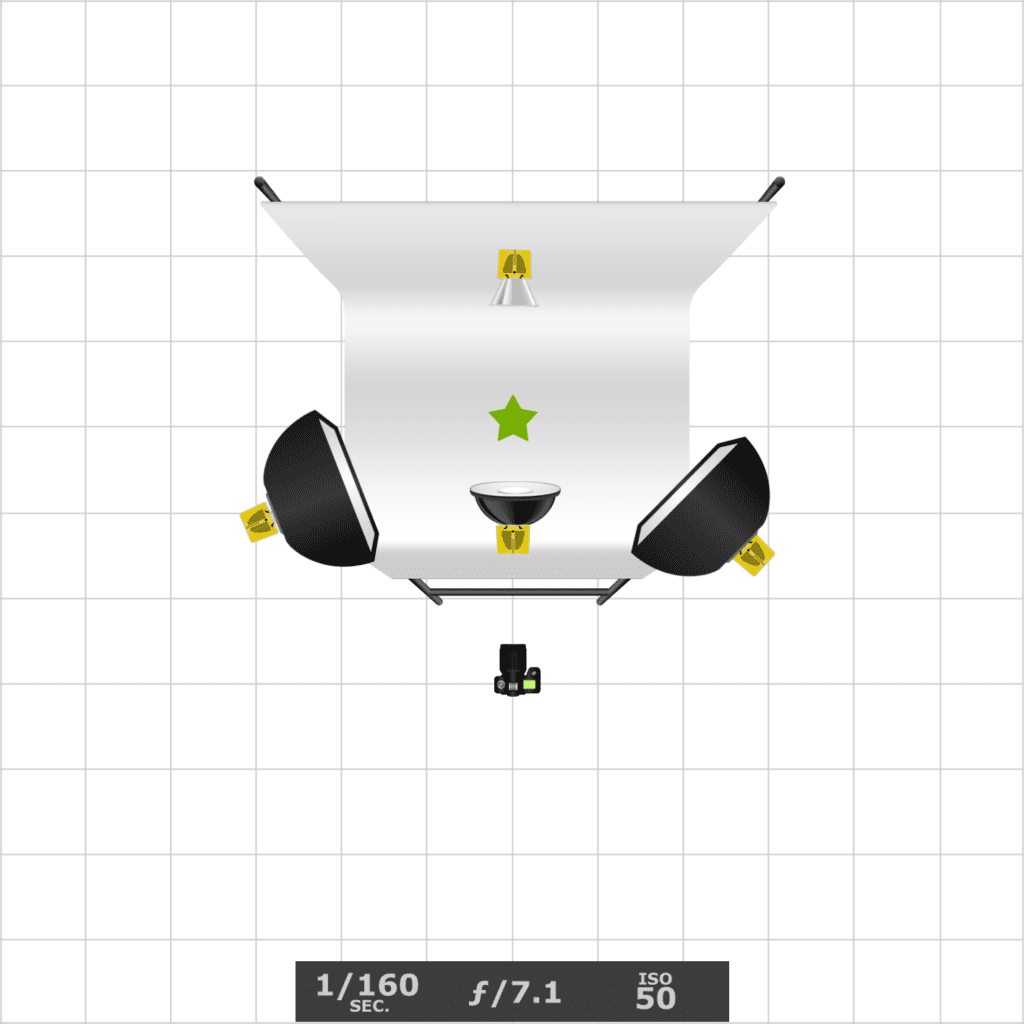
Nikon D750, Sigma 70-200mm f/2.8 EX DG APO OS HSM, ISO 50, ƒ/7.1, 1/160

When I shoot something in the studio, as simple as this setup is here, I test a few things to be sure all the lights are as I want for the final image.

Here is the setup for the photo above:

Watch your backgrounds

One of the things all photographers need to pay attention to is their backgrounds. Now, not just compositionally, but just as important is the golden ratio compared to the subject. For the most part, you want it to be more brightly.

Here, your eye goes to the background, not the subject I want your watch to go to first. Pay attention to this when you are shooting in natural light.

How do you fix this? You can move the subject or your feet and circle the subject until you find a darker background. You can also add more light to the subject. You can do that with a reflector or a flash, for example.

Another thing that can help your photos is a backlight shining on the subject to create a rim light.

Here, there is a light just slightly behind the subject pointed down. Now, here, it is a little too bright. But sometimes, it can work.

Nikon D4, Nikon 85mm ƒ/1.8G, ISO 50, ƒ/2.8, 1/60

Here are a few more examples of backlighting:

Nikon D3S, AF NIKKOR 85mm f/1.4D, ISO 200, ƒ/2.8, 1/400
Nikon D3, AF NIKKOR 85mm f/1.4D, ISO 200, ƒ/1.4, 1/4000

The photos show how the background is slightly darker than the subject. With photography, you can take control of this with your camera. In all three portraits, I use an auxiliary flash off the camera to brighten the subject enough so that the sunlit areas in the background are correctly exposed.

Three tips to remember:

  • Watch your background
  • Use Backlight
  • Watch the ratio of light on the subject versus the background.

Photographers need to understand difference between Captions & Keywords

Reading Time: 3 minutes

Are you looking for a photo? How do you find what you need?

Well, most people look for photos. They need to type a few words into a search window and then look at their results.

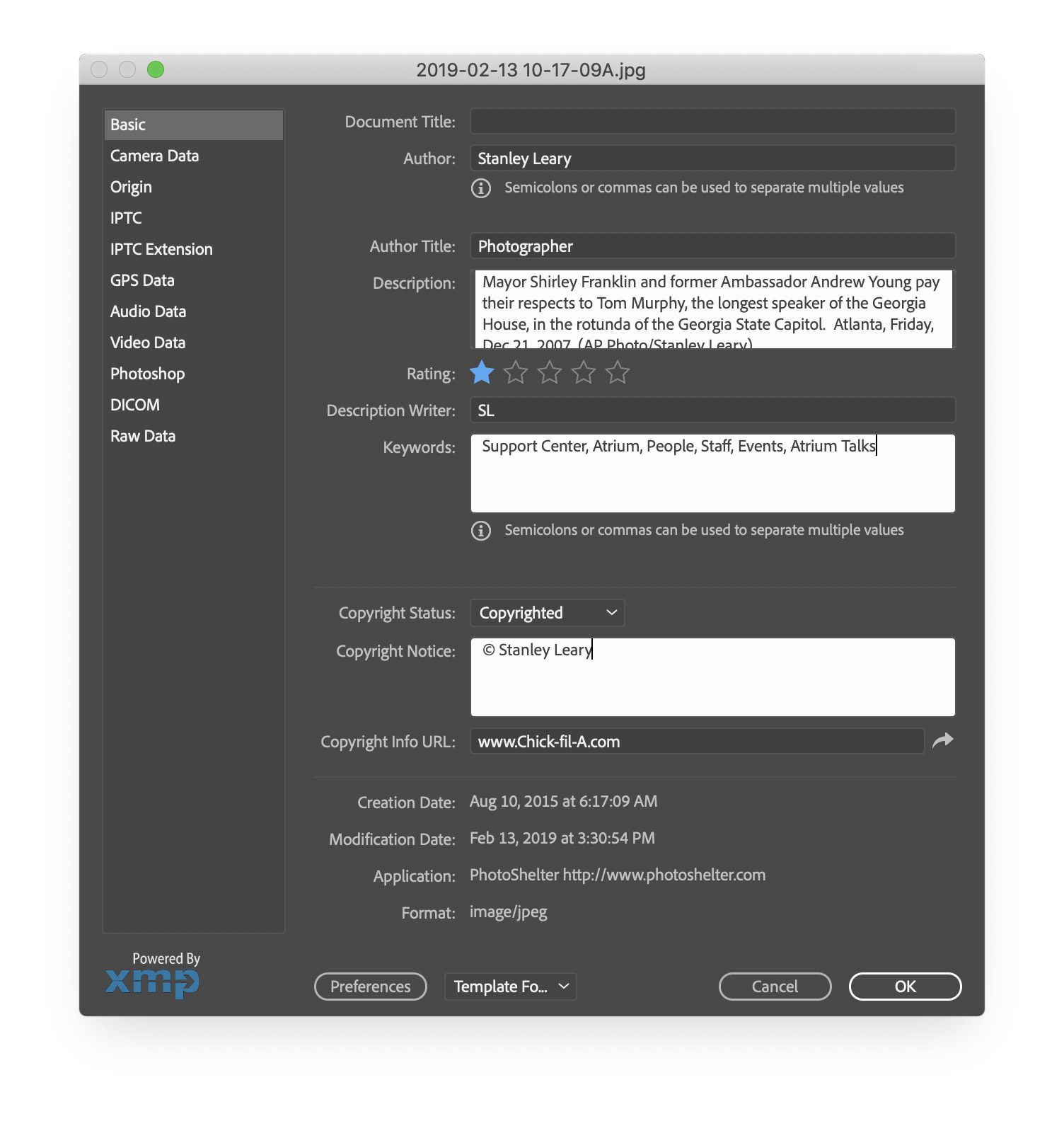
Two main fields are embedded in photographs that are the principal places search engines look for matches: the Description/Caption and Keyword fields of the Metadata.

Image Metadata is information attached to image files that provide details about the picture. This is commonly used for title, description, keywords, and location information. Metadata can be added from the camera the photo was taken with or added by the photographer in their image editing software.

The image above is a screen grab of the metadata of this photograph using the software PhotoMechanic.

If it is just you looking for your images, then whatever you want to do to help you jog your memory will help, but that will not work for people who do not know what your image looks like.

Now there are two ways people are looking for a photograph. The most searched way would most likely be looking for a picture to be used that fits a theme. These are generic searches.

To find the photo above, they may search for phrases like: “basketball,” “men’s college basketball,” or “college basketball.”

Now, if those terms are spelled exactly in the Keywords Metadata field, then the odds are pretty good the photo will find its way to their computer screen.
“Keyword” field is limited to generic terms

Once the person sees your photo, they most likely will not open special photo editing software like Adobe Photoshop, Adobe Lightroom, or PhotoMechanic to see what keywords were used for this photo.

They may have even used a different keyword like “competition” to find the image. Now, look at the very top image that shows the fields. A person must take some time to look at a picture, think about how the photograph might be used, and create a keyword for how someone might look up such a photo. Commas separate keywords. The words between the commas will determine if the photo matches someone’s search.

There is a second way a person will look for a photograph, and this is based on something specific like personal names. This is where a generic photo will not work.

To find the photo above, the person might search for “Eric Williams,” “Will Bynum,” or “Theodis Tarver” because they are writing something about them.

When this person downloads the photograph, the odds are very high that they will open photo editing software to read the CAPTION. This is because, most likely, they will use that information with the photograph when they publish it.

“Caption” field contains the specifics about a photo

New field

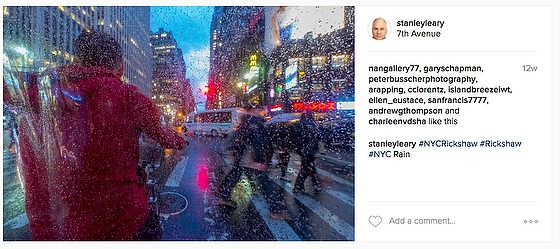
Now with the plugin LR/INSTAGRAM, you can publish your photos to your Instagram account. There is one more field that you can work in a while using Lightroom. You have to go to the Metadata and select in the pull-down menu LR/Instagram. Then you can see the fields that you want to use when posting to Instagram. You want to use the #hashtag field, and I recommend also using the caption field, which is the same as the IPTC caption field.

#hastags function just like your keywords. If they do, why don’t you use the keywords for publishing? They are missing the # symbol social media uses to signal a keyword from the caption information.

Now, if you are Social Media literate, you will know the difference between #hashtags and captions. Just remember that:

#hashtag = (keyword – #)

Why does all this work? $$$$$$$$$$ Yes, the main reason you would want to do this is so you can make your images findable on the web and then sell them. Two ways your photos are sold–Prints for personal use or Licensing an image for use [stock photography].

I use PhotoShelter to do both of these for me. Here are links to learn how you can make money with your images:

Stock Sales on PhotoShelter

Print Sales on PhotoShelter

The key to either of these is the ability of someone to find your images; they need you to fill in the caption information and the keyword information for them to find your pictures.

Why Instagram is great for photographers

Reading Time: 4 minutes
 

Instagram is an online mobile photo-sharing, video-sharing, and social networking service that enables its users to take pictures and videos, and share them either publicly or privately on the app, as well as through a variety of other social networking platforms, such as Facebook, Twitter, Tumblr, and Flickr. – Wikipedia

How do you find work?

To get hired, you need to find your audience. Where the clients hang out is where your potential clients are that you want to show your work.

Many years ago, photojournalists and photographers got work by flying to places like New York and making appointments at as many publications or agencies that they could pack together in a few days to a week.

It was common for people to spend $3,000 to $6,000 on transportation, hotel, and miscellaneous expenses to show their work. Most photographers would have a few books. Each of these books costs a few hundred dollars or more to produce. You often would drop off your book and hope they would give you a call. So having a few books were essential to get your work out there.

Today clients are more likely to ask you to send them a link to your website. Face-to-face meetings are more reserved for actual projects than just seeing people’s work.

How do you get their attention today?

Twitter might be the best way to get your work noticed if you are a writer.

Twitter is an online social networking service that enables users to send and read short 140-character messages called “tweets”. Registered users can read and post tweets, but those who are unregistered can only read them. – Wikipedia

It is essential to note the difference between Twitter and Instagram. Twitter is about sharing TEXT, and the programmers set up Instagram for PHOTOS/VIDEOS.

While you can post photos on Twitter, the audience expects mainly text. Instagram requires an image or photo because that is what the audience expects.

People like Instagram because it is visual, and this is the audience that will appreciate your images.

Your Target Audience uses Instagram.

The odds are that your audience [Potential Customers] uses Instagram. Go to Instagram.com and search the names of the companies you want to work with in the future.

I searched for Delta Air Lines, and before I could finish typing, it popped up first.

When you go to their account, they tell you to share your travel pics and use the hashtag #Delta.

Hashtags are a pound sign immediately followed by a keyword. They’re used for categorization on social media.

[youtube https://www.youtube.com/watch?v=57dzaMaouXA]
Instagram is another hotspot for hashtags, and the good news for those who love to tag photos extensively is that there doesn’t seem to be a saturation point.

Interactions are highest on Instagram posts with 11+ hashtags.

Now here is another tip. If you use @Delta, whoever manages the Instagram feed for Delta gets an alert/email that you have tagged them.

@NAME is the business account. So only the account holder will get an email, whereas the hashtag is something anyone who follows that hashtag will see.

Believe me there is someone at Delta paying attention to those posts. If they like it they may share your post and if they really like your style they may end up hiring you to shoot material for their Instagram feed and other projects.

Relevance!!!!!!

While I just showed you the backdoor to getting your work in front of potential clients, you must use this technique in such a way as to be relevant to your potential client.

If you tag your photo with @NAMEOFBUSINESS, it is sure that the image is something they would post on their account.


Here is a post where I and tagging Coca-Cola.

Here is a post that I tagged Nescafe.

I also used hashtags for the country and region of the world.

Remember that using the correct account name and hashtags to get in front of your potential customers doesn’t mean success. Your images must be compelling, and they must think your work style is worth pursuing.

Now here are some of the Instagram accounts I follow because I think they are relevant and reaching an audience:

I follow many others, but this is a good sample. In my opinion, most successful photographers use Instagram to marry the text and images, so there is a short story.
 
I have noticed that most successful people tend to stay on theme for their Instagram posts. 
 
Be careful how you evaluate Instagram accounts!!!! Please do not base your opinions on what you think about their work alone. I highly recommend taking the time to analyze a budget and figure out why they have 40K+ followers. Humans of NY has 5.5 million followers. Now, if you are a trained photojournalist, you may find fault with the work of some of these Instagram celebrities. Don’t discount them. Learn from them and then put your personal touch on your posts using some of their techniques.


Stanley’s Compact Lighting kits for the road

Reading Time: < 1 minute
 

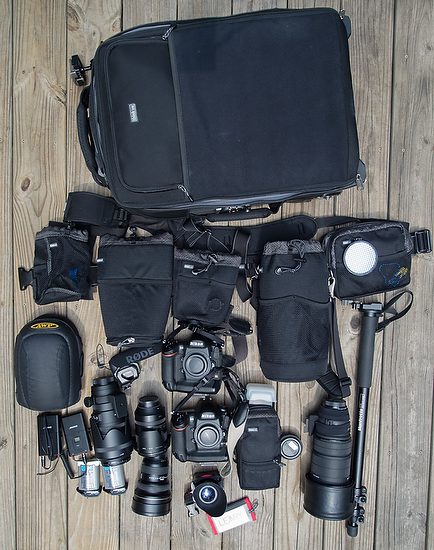
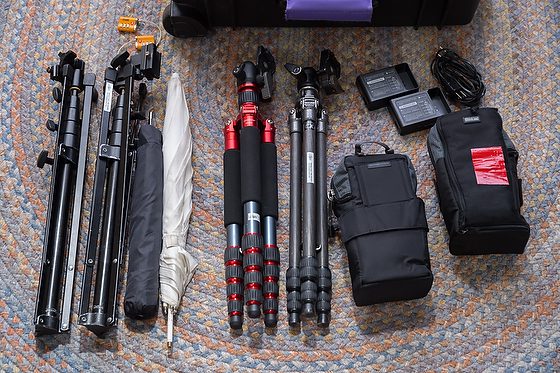
Here is my lighting gear for travel when flying.

  • (2) Manfrotto 5001B Nano Black Light Stand – 6.2′ (1.9m)
  • (2) Interfit Metal Umbrella Bracket with Adjustable Flash Shoe
  • (2) Cowboystudio 33-inch Photography Studio Translucent Shoot Through White Umbrella
  • (2) Neewer TT850
  • (2) Neewer 433MHz Wireless 16 Channel Flash Remote Trigger
  • (2) ThinkTank Strobe Stuff
  • (2) MagMod flash modifier system
  • Gitzo GT0531 Mountaineer 6X Carbon Fiber Tripod Legs – Supports 11 lbs (5kg) & Manfrotto ball head.
  • ProMaster XC525 Tripod
Just keep it simple.
 
 
When Shooting Video, I just bring in my suite case these two lights.
I also bring one extension cord to use with the lights as well.
 
There is a simple light kit to travel the world shooting stills and video. 
 

Stanley talks about Don Rutledge’s photos

Reading Time: < 1 minute

photo by: Don Rutledge

In my last blog post I talked a little about understanding how to create photos that communicate. In this post I am showing your my mentor Don Rutledge’s photos and sharing some of the comments that Don told me as we talked about some of his iconic images.

A mother brings here child to see the doctor.  In the background is a cow that she brought for the doctor. [photo by: Don Rutledge]

To read my thesis I put it online in my blog as separate posts:

Chapter One 

Chapter Two 

Chapter Three 

Chapter Four 

Conclusion 

Three Stages of Composition

Reading Time: < 1 minute

I learned so much from Don Rutledge, my mentor. He took this photo of an Alaskan family on the tundra welcoming a missionary they called a friend. Don was walking up with the missionary and realized this was the moment.

Why does the photo connect? Learn some of the techniques that Don Rutledge taught me in this video on the three stages of composition.

Do You Know Something or Understand Something?

Reading Time: 4 minutes
All artwork from “Design for Teaching and Training” by LeRoy Ford

My education courses were the best classes I took for my master’s degree.

While journalists need to know their subject well, they must also understand how persons learn to make the storytelling worthwhile.

While it is essential to help people with the knowledge, it is very limiting. Knowledge is at the base of learning. The starting point is where you memorize and recall information.

When you can take the pieces and create something new, this is when you are demonstrating you understand the content. You are demonstrating comprehension, expressing ideas in new forms, and even interpreting them.

You want to get to the highest level of understanding which is an application, which is the transfer of the learning to a new situation.

Now you may think this is all common sense, but I am finding that it isn’t for many in the communications industry.

One of the most significant issues I see with professional communicators is their lack of understanding that the content of the subject matter lacks exploration. While in this drawing, you know how the audience has different ideas in the presentation, I am finding out that many communicators, when they ask questions in the storytelling process with the subject, take what the issue says at face value.

They are unaware that what the subject is talking about isn’t how they understand their words.

When I was in Nicaragua, we had to have most students go back and clarify what the subject was talking about and not assume the content. They learned how to explore the topic and, in the process, learned how important this was to help the audience understand the problem across the cultural differences.

Watch this package that Naomi Harward produced this story on Alvaro Ramirez and his wife, Erica, who are helping children with the issues of alcoholism and how it is affecting their country of Nicaragua.

What is essential is that Naomi helped you through visuals and audio to understand how alcoholism affects the entire family and community.

Another student covered the medical volunteers and what they were doing. Saying that people have medical needs isn’t enough. By clarifying what type of services they provided, the audience will now understand we are talking about households with no medicine cabinet like we would in our homes here. When they buy aspirin, they don’t have the money for a bottle and buy it one tablet at a time.

Most of the students in the class were anticipating storytelling’s technical aspects as the biggest hurdle. They expected that learning how to use Adobe Premier was to be the most difficult to do.

Most realized pretty quickly that understanding a story and capturing all the elements needed for a good storyline was quite tricky. Before they could sit at their computers and start sequencing their video clips and photos, they had to have the content. The storyteller needed to be able to tell the story to the subject and ask if this was what they were saying.

There were Five Steps they had to understand about the problem to communicate to the audience.

When working for a nonprofit, the storyteller focuses on the call to action to the audience.

While teaching students storytelling, I am moving the students through all these stages of learning.

We show them all the microphones they can use for an interview. [Knowledge] We offer them how to record an interview. [Comprehension] Then, we send them to practice with each other, so they get clean audio and well-exposed video. [Application]

Once they go out into the field and do the actual interview, we review it with them. Together we talk about the issues that might exist. One that was pretty common was the wind noise. [Analysis]

After reviewing their interviews often, they go back to fix the problems. [Synthesis]

Near the end of the editing process, we ask them questions, and they evaluate their content and decide what they need to include or exclude to tell a compelling story. [Evaluation]

Now while this is what we are doing with the students to help them learn about storytelling, they are doing the same process of applying this to getting the audience engaged and understanding how they too can get involved in solving the problem of the story’s subject.

It is one thing to help people know about something and quite different to get them to understand how they need to be involved.

You need to know whether the audience knows more about the subject due to your story, or do they understand your topic and are taking action to do something about it?

Lesson Planning & Games are Keys to Effective Communication

Reading Time: 3 minutes
 
Nikon D5, Sigma 120-300mm ƒ/2.8 DG OS HSM | S, Sigma TC-2001 2x, ISO 360, ƒ/5.6, 1/4000

Communications professionals need to know more than the 5 Ws.

  1. Who
  2. What
  3. Where
  4. When
  5. How
I believe understanding games and educational lesson plans can make you a better communicator. 
 

If you do not understand and know the rules of the game, you will most likely not be any good but most likely will lose the game.

A game is only as good as its rules, and how well we play the game is defined by how well we follow the rules. What is so fascinating about many of the games we play today is that there are often no instruction books included—yet we somehow know how to play them anyway. Instead, we learn from family, friends, teachers, and coaches.

We also know that it doesn’t matter if you follow the rules that the game came with or if you make up your own rules; it just matters that everyone agrees on the rules.

Fuji X-E2, FUJINON XF 55-200mm, ISO 200, ƒ/7.1, 1/750

The core of a good game is understanding the game’s objective, subject matter, materials, procedures, and score.

Creating a game is no different from creating an educational lesson plan.

Five Parts of a Lesson Plan

1. Objectives
2. Subject Matter
3. Materials
4. Procedure
5. Assignment

Objective – A statement of purpose for the whole lesson. It tells us what the students will be able to do by the end of the study. It will determine the activities the students will do.

Subject Matter – This will be the source of material to be studied.

• Topic for a lesson
• References

Materials – Necessary teaching aids to be used for instruction

Procedure – This is the body of your lesson plan where you outline the steps to be taken by the teacher & student.

Assignment – where you ensure good recitation, which tells us

• What needs to be done
• How it is to be done
• Why it is to be done

Humanitarian Work

As a professional communicator for humanitarian work, I am helping organizations tell their stories so the audience will get involved. These organizations need financial support and volunteers to help make the work happen.

Looking at a project as a teacher would for writing a lesson plan, you start with the objective. Many communicators may figure out this is the way in the 5 Ws, but it is much more because, with humanitarian work, you have a call to action with the audience. However, when telling a journalistic story, you are not telling the audience to take action; you are just informing most of the time.

Having an objective also helps you focus your questions while gathering the story to help you meet that objective. Too often, the people I am helping to tell the story don’t have a call to action. Instead, they were chasing human interest stories without an objective in mind.

When doing a story, you will go down many rabbit holes. If you know your objective, it is much easier to redirect the subjects back on track. You know that when they started, they were answering a question that they took in another direction. You turn them by clarifying and helping you find the supporting information which is helping you achieve your objective.

What many storytellers lack when it comes to using their skills for humanitarian work and business is a purpose to their story. That purpose is a call to action. Did your story engage the audience? You must be able to measure this.

Like at the end of the game, you will know the score; great communicators with organizations know if their communication engages the audience to action. Therefore, they have the last lesson plan step written into their communications plan–the assignment. That is the action plan the audience will take after hearing their story.