|
Getting your Trinity Audio player ready...
|
A client wrote to me the other day. Here was her question:
CLIENT: A production company did a video on cup recycling, and I noticed this evening that if we could get stills from the video, we’d actually have most of the images we need. I recall you saying once that stills from video on are not high res/print quality. But I went back and asked, and they assured me because they shot it in high def, they could create hi res stills. In your opinion, is that accurate?
I responded first with these two sentences:
STANLEY: First I am really impressed you remembered my comment. My comments were not so much about the resolution, but how they are shot.
Then I went on to discuss the points below. But to inspire you to read on, here was the client’s response to my comments:
CLIENT: This is AWESOME, Stanley. I hear every word of what you are saying. All of it. I am taking it to heart and will influence this on my own team.
Aesthetic
Video is about movement, and stills are about a moment. So you need to preplan if you are the one doing stills and videos. Often, many moving shots are not very compelling when you freeze them to one frame from that movement. Getting both with one camera is impossible, which is why every movie set has a still photographer. Capturing stills is slightly different than video.

The Technical:
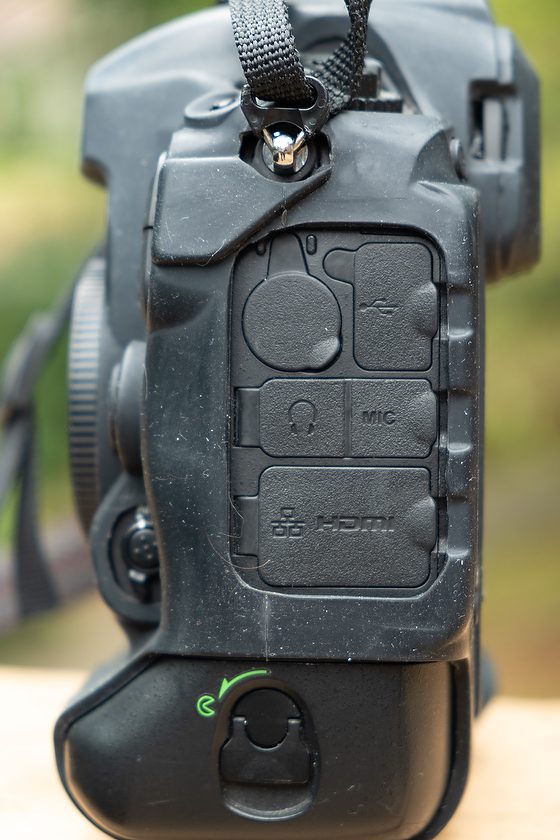
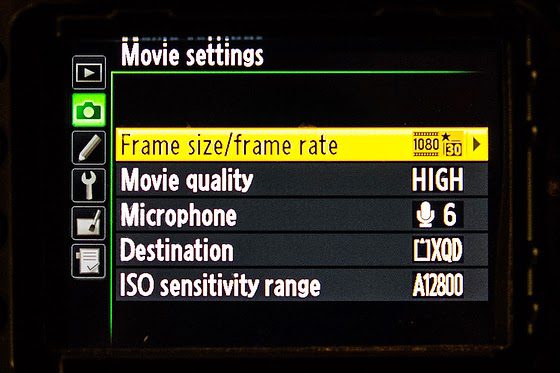
If the video camera is 4 K, you might have a usable high-resolution image. However, if I were to grab a frame from my video DSLR camera, it still isn’t the resolution when the camera is set for still photography.
Today, many crews use a 4K camera that produces a usable high-resolution still image for print and the web. I want to be sure the image is sharp. Sometimes, the sharpness of a single frame isn’t that noticeable during the movement until you grab just one frame. If you like the image in the video and it was shot on a 4K video, then the frame may work.
Know who is pitching to you.
There is way too much emphasis on video. Those promoting it are selling it as a replacement for stills—BIG MISTAKE!!! Those motion capture guys [new name for videographers] that are promoting this as a replacement are showing a lack of industry knowledge.
The News Media
The news media have gone through many changes due to digital and, most importantly, the web since 1995. For the first ten years, the issue that slowed the progress was the bandwidth. It took a while to get us from dialing up to the ability to stream HD video on the web. Once video delivery became possible, many naïve PR folks started to think this was the new standard and that the still image was dead. I recommend it before reading. Then go to these television websites where you expect video to be king. Take a moment and do the following.
- On the main page, notice how many images are used overall and how big the photos are compared to the text.
- Pay special attention to the visual promotion of a video link.
- Click on a few of those links to the videos.
- How often did the still image you clicked on show up in the video?
- Do your survey of a few of the stories on the website.
Here are the links. I recommend you take a few minutes to do your research, then come back and read the rest of this blog. [FYI, to avoid copyright infringement, I did not copy the screenshots and post them here]
Newspapers have even realized, after trying to lead with video for a while, that the numbers don’t lie. People will click on still-image galleries more than they will watch a video. A good article addressing the use of stills as engaging: Photos on Facebook generated 53% More Likes Than the Average Post.
Notice that even when all these news articles talk about Photos and Video, they are using only stills or graphics for engaging you and not video Photos and videos drive the most engagement on social media. My point is that video production companies oversell and burn chunks of your budget on video when your media may need that, but needs stills first. Video is an addition to, not a replacement for, stills.
So think about it this way. You have the opportunity to supply all that an editor needs to post to their website in the way they post their own stories. Sure, they may grab a frame from a video in a pinch, but this is the exception and not the rule, even for TV. PR needs to start supplying the package as the media shoots it. Way too many PR firms continue to operate the way they did in the 1970s. They continue to pitch, assuming new media outlets have the budget to come and cover their event. Instead, get them to like the story and let them go and cover it; that was the mentality back 30 years ago.
Today is 2014, when they’re slashing budgets. I worked at Georgia Tech, where we supplied the entire package. Text, Stills, and Video for packages are standard all over the media. On average, we were in the AJC every day of the year.
Georgia Tech is still ranked one of the top schools, and much of that is because of the PR office I worked in for more than ten years. John Toon, director of communication for many years, was the master of getting stories placed. He knew not to pitch something just because a researcher or professor wanted it promoted. Instead, he vetted those requests and helped get the crop’s cream.
When John Toon’s material went to a news director’s desk, they opened it because he was known for delivering great content, and, in a way, they could use it with minimal effort or budget.
Both—Not Either/Or
Please don’t hear me saying don’t use video and stills instead. I am saying you need stills and video. I think video production companies do a disservice when they tell you they can do it all, and they rarely have their material in major magazines or news outlets.
Many of these companies produce high-end videos used in meetings and events. Their work is superb. But it isn’t what the media creates and runs.