|
Getting your Trinity Audio player ready...
|
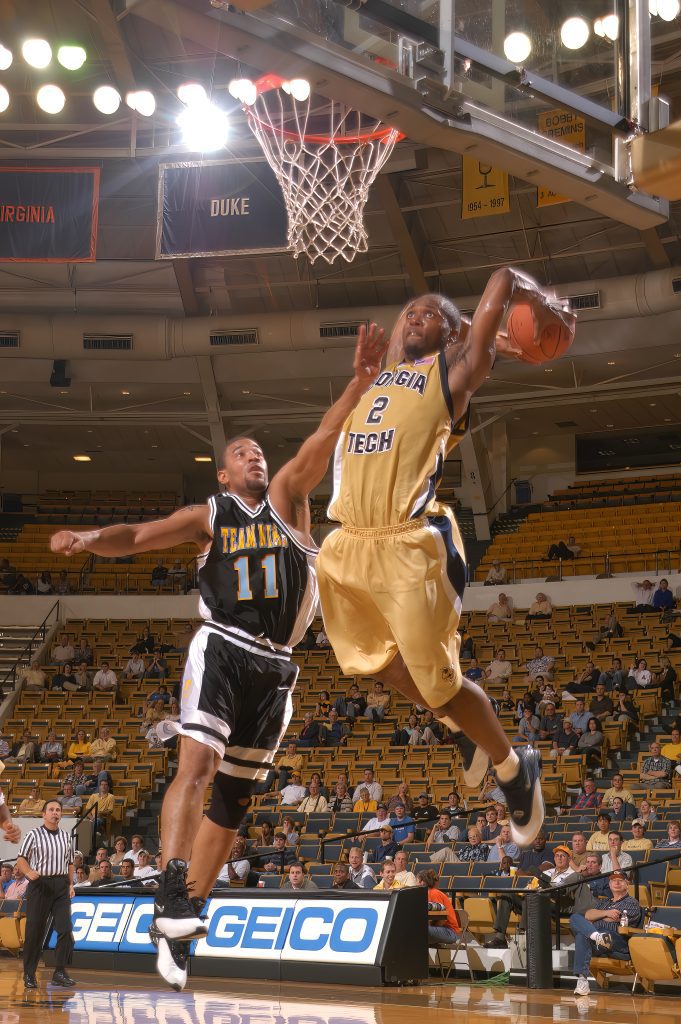
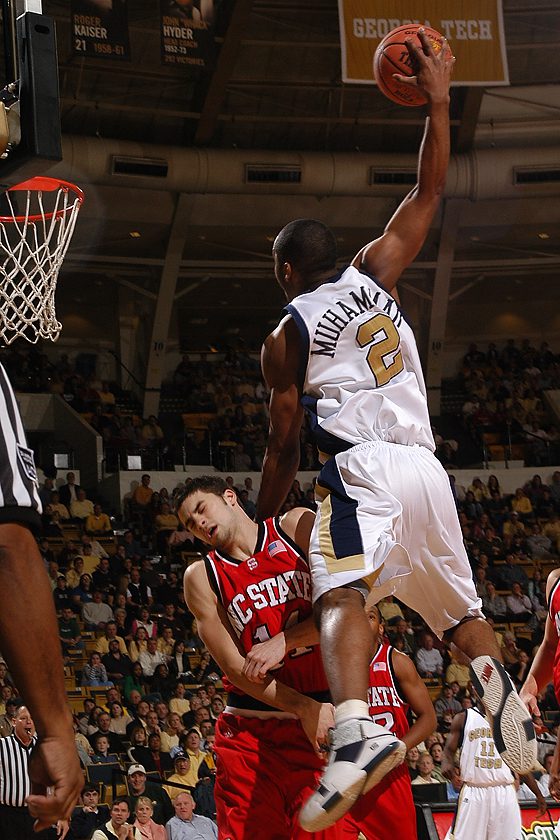
One of the more obvious places to capture a decisive moment in photography, I think, is in sports photography. Most everyone understands the purpose of the game—scoring points.
Key ingredients (Most of the time)
1. The ball
2. The competition
3. Expression of the athletes
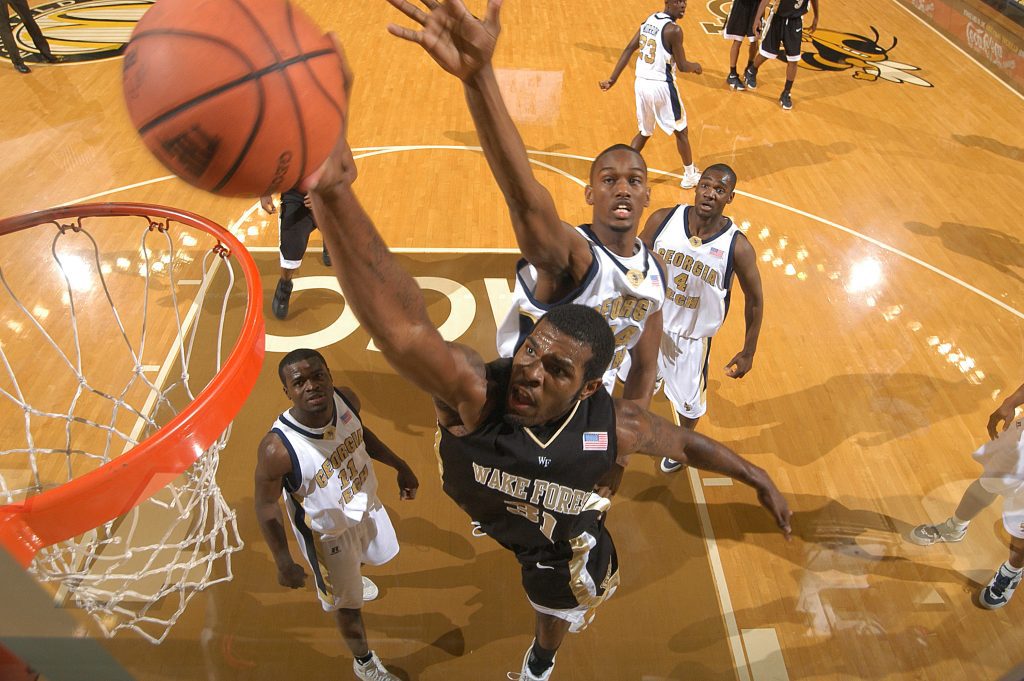
Capturing these moments requires the photographer to anticipate them, not just recognize them when they see them. The action is moving so fast in most sports that if you push the shutter button when you see it, by the time the shutter trips and captures the moment, it has already passed.
Great sports photographers are the ones who consistently capture peak action. To do this, a sports photographer has studied the sport, the team, and the players and can anticipate those peak moments.
What about peak action outside of sports?
“The decisive moment, it is the simultaneous recognition, in a fraction of a second, of the significance of an event as well as the precise organization of forms which gives that event its proper expression.” –Henri Cartier-Bresson
Henri Cartier-Bresson is credited with coining the phrase “Decisive Moment.” He may have been the first to express it this way, but painters like Michelangelo had been painting them long before. I think one of the greatest examples of this is the painting of the Creation of Adam on the ceiling of the Sistine Chapel. Many consider this the crowning achievement of all his work.
 |
| The Creation of Adam by Michelangelo |
As you can see in the painting, Adam is almost touching God. To me, this epitomizes the concept of the anticipated moment in photography, which often is the decisive moment.
This is when the anticipation is often greater than the moment itself. It is like the effort of the basketball player as they are scoring rather than the actual point.

While we may wish to capture the moment just before people touch, the touch itself can be just as powerful.
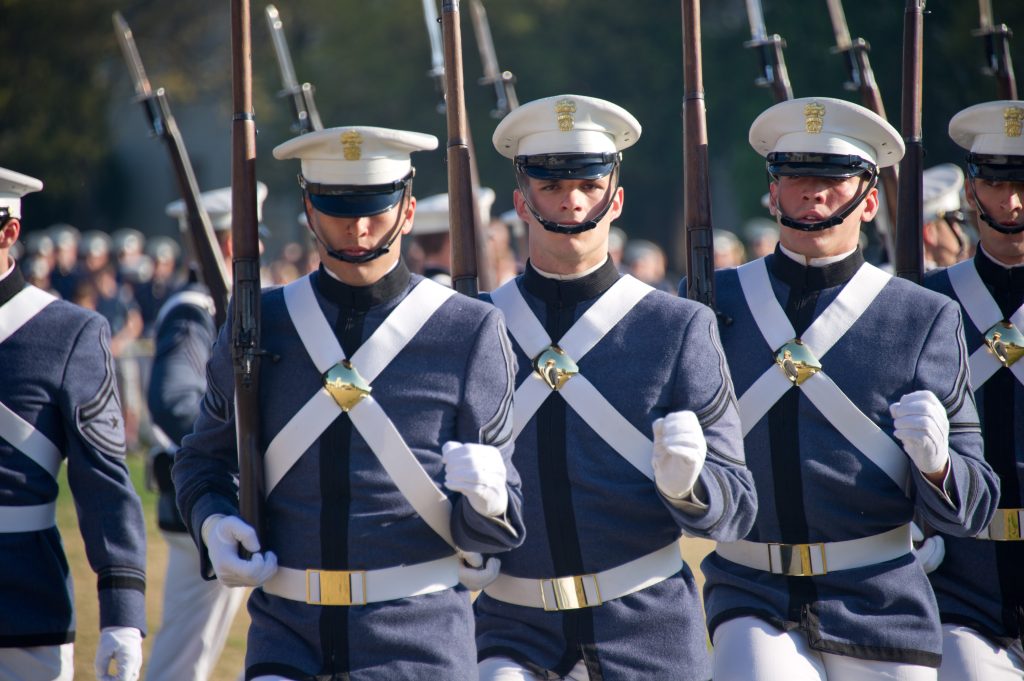
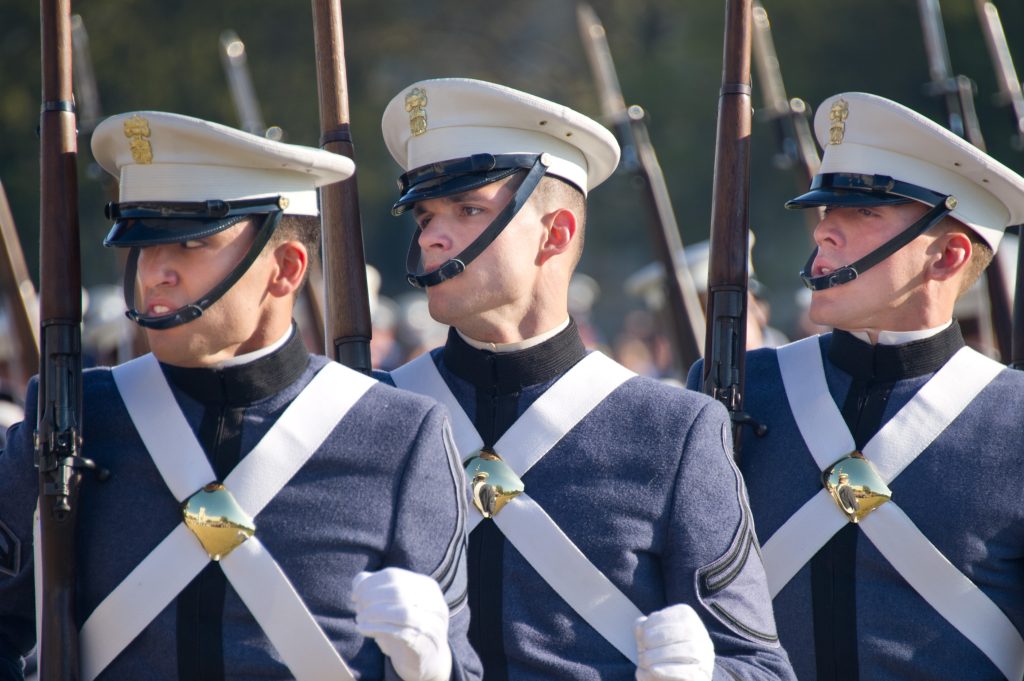
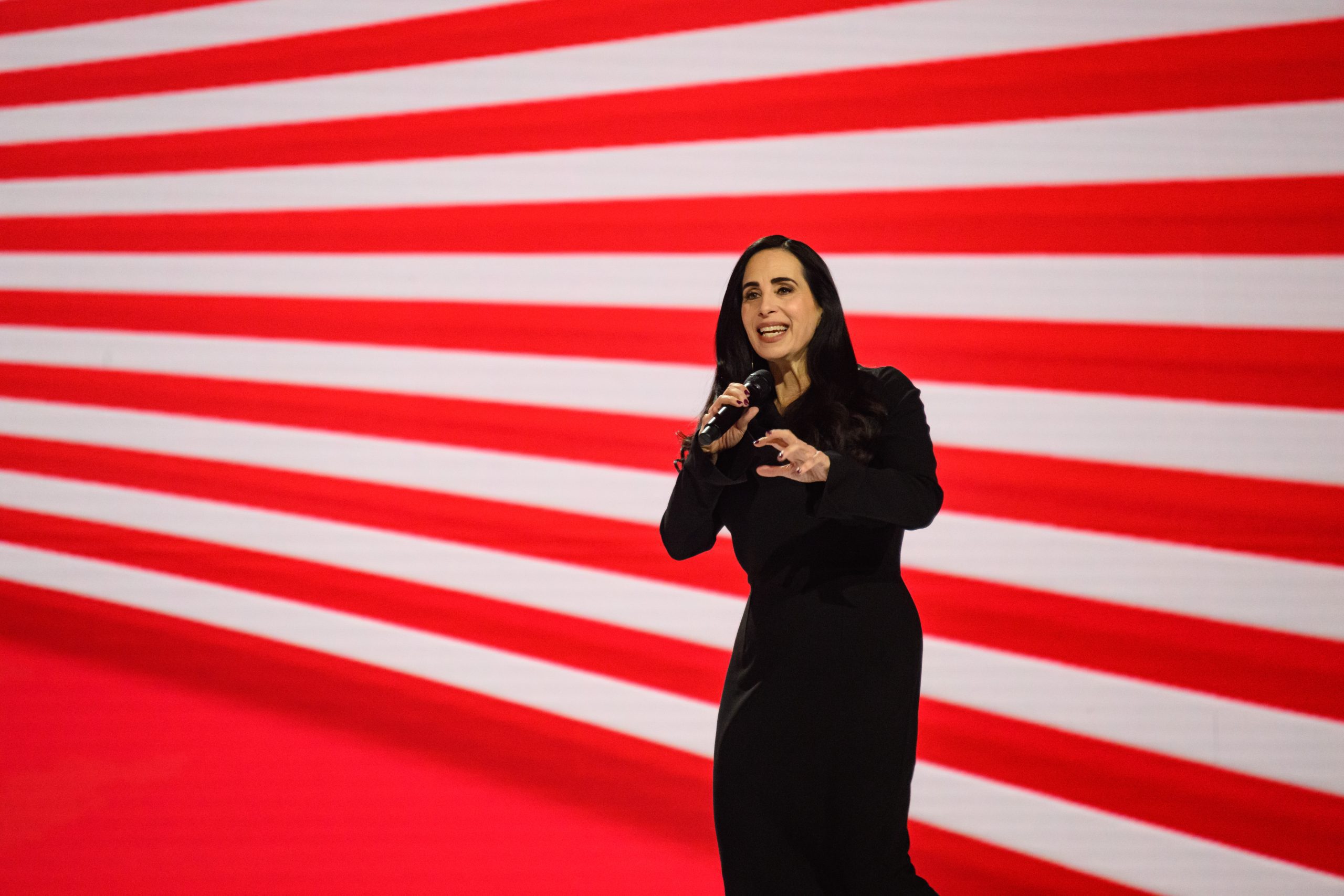
Moments are quite subtle indeed. I have written before that true smiles are detected in the eyes, not in the mouth.
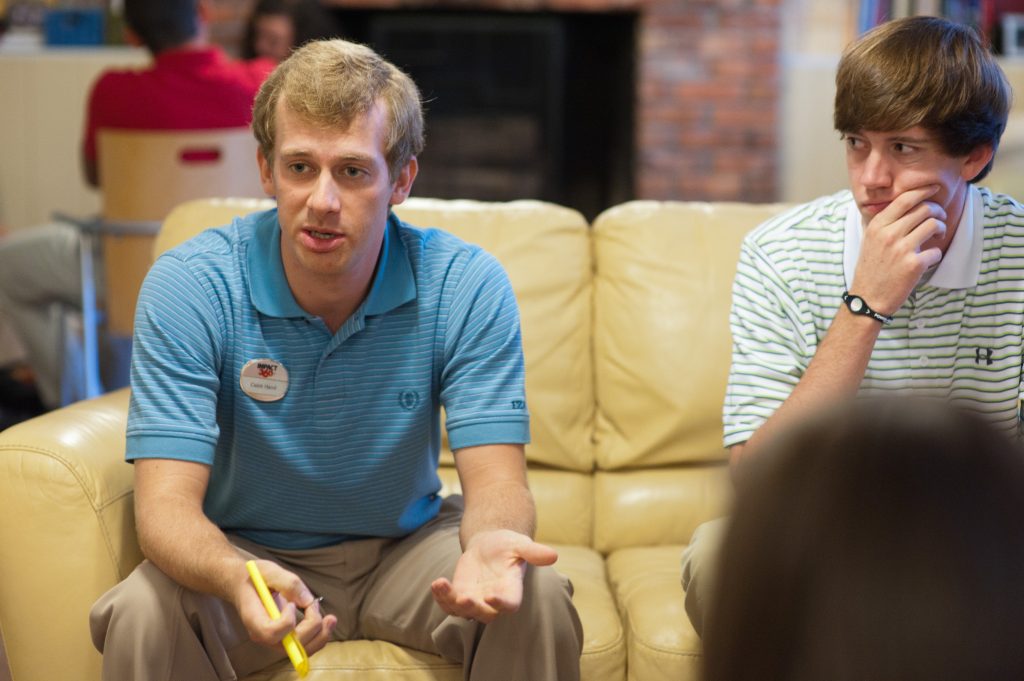
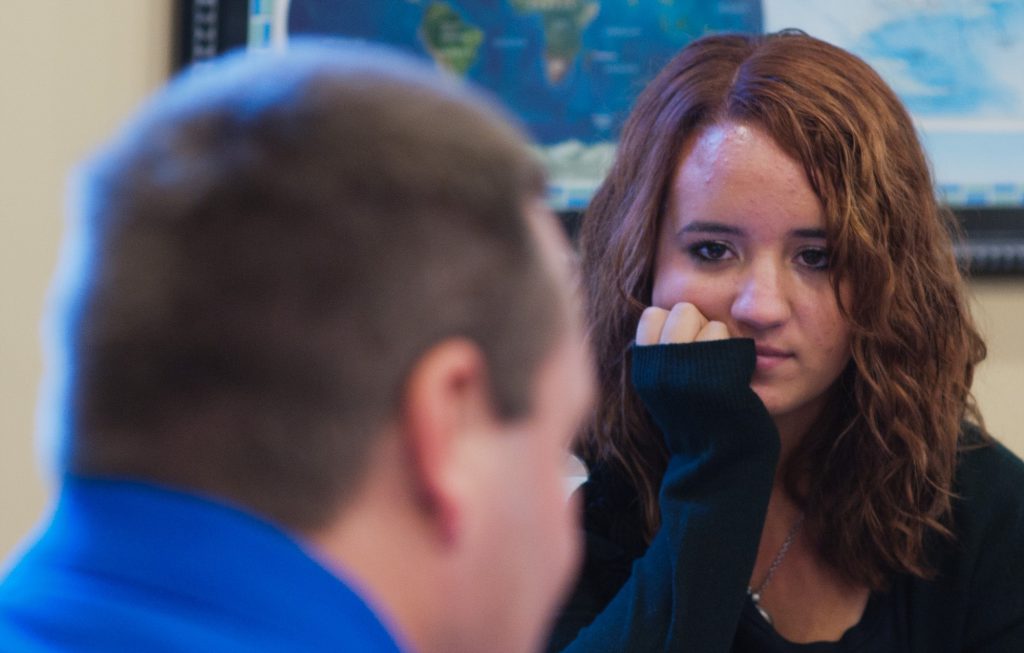
Compare these two moments:


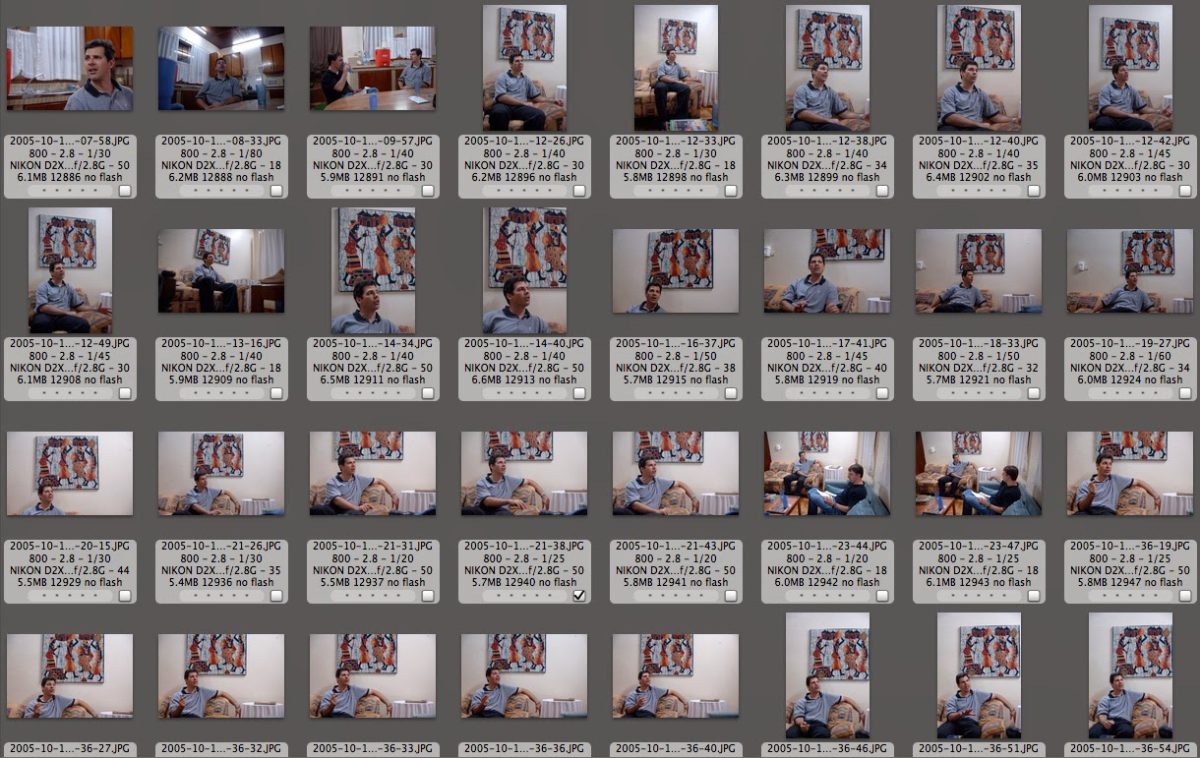
How do you capture the moment consistently? You have to first shoot enough to begin with. Way too many photographers never have learned to first overshoot. Before you can learn to pick your moments, you must first overshoot an event.
What happens when you overshoot?
First of all, over time, you will discover that, technically, many situations just will not work. I remember when I saw things and, after a while, would pick up the camera and shoot them, only to discover later that there were things from where I stood that made them impossible to capture. Next time I saw something similar, I was aware of either not taking the photo or maybe doing something to make it possible–like adding a flash.
Second, you realize there is a build-up to a moment, and then, often, just after the moment happens, the drop-off is quite abrupt. In sports, there is the moment of the score, and seldom just after, you might see a moment when, say, a catcher at the home plate loses the ball in the tag, and therefore the player is safe. However, for the most part, the player-out tagging is the moment.
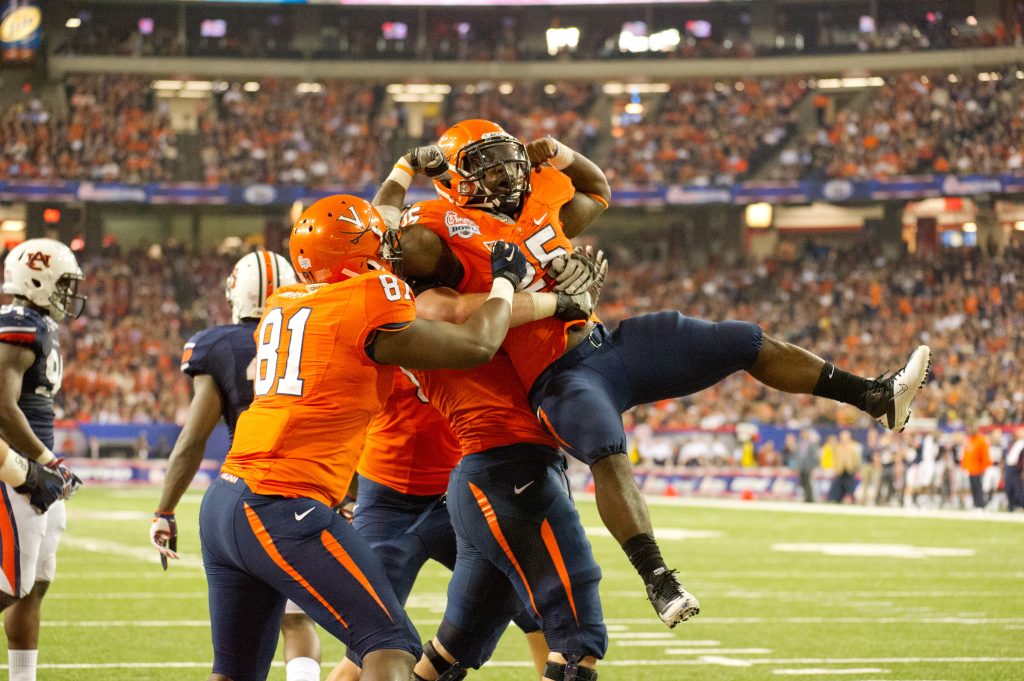
Third, you start to see another moment develop shortly after the peak, giving you a second great shot. In sports, this is often the jubilee shot. The celebration after the score, or sometimes the defeat, you see on the defense or the losing team after a score.
Lastly, you learn that moments happen all the time, and you must be on your toes, watching and anticipating.As you can see in the painting, Adam is almost touching God. To me, this epitomizes the concept of the anticipated moment in photography, which often is the decisive moment.
This is when the anticipation is often greater than the moment itself. It is like the effort of the basketball player as they are scoring rather than the actual point.
While we may wish to capture the moment just before people touch, the touch itself can be just as powerful.
Moments are quite subtle indeed. I have written before that true smiles are detected in the eyes, not in the mouth.
How do you capture the moment consistently? You have to first shoot enough to begin with. Way too many photographers never have learned to first overshoot. Before you can learn to pick your moments, you must first overshoot an event.
What happens when you overshoot?
First of all, over time, you will discover that, technically, many situations just will not work. I remember when I saw things and, after a while, would pick up the camera and shoot them, only to discover later that there were things from where I stood that made them impossible to capture. Next time I saw something similar, I was aware of either not taking the photo or maybe doing something to make it possible–like adding a flash.
Second, you realize there is a build-up to a moment, and then, often, just after the moment happens, the drop-off is quite abrupt. In sports, there is the moment of the score, and seldom just after, you might see a moment when, say, a catcher at the home plate loses the ball in the tag, and therefore the player is safe. However, for the most part, the player-out tagging is the moment.
Third, you start to see another moment develop shortly after the peak, giving you a second great shot. In sports, this is often the jubilee shot. The celebration after the score, or sometimes the defeat, you see on the defense or the losing team after a score.
Lastly, you learn that moments happen all the time, and you must be on your toes, watching and anticipating.
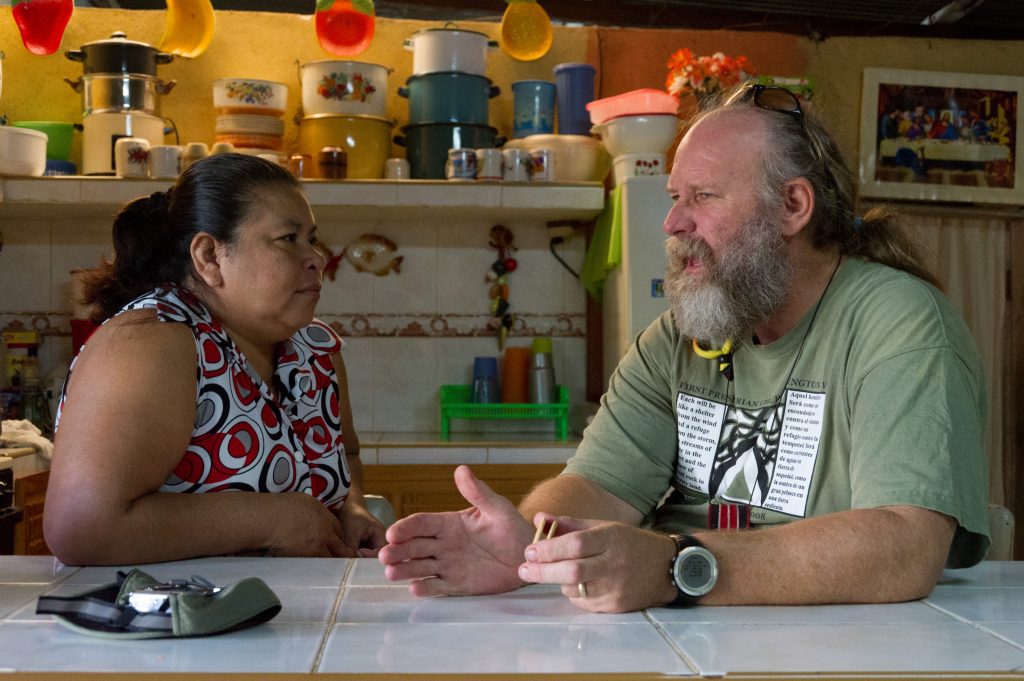
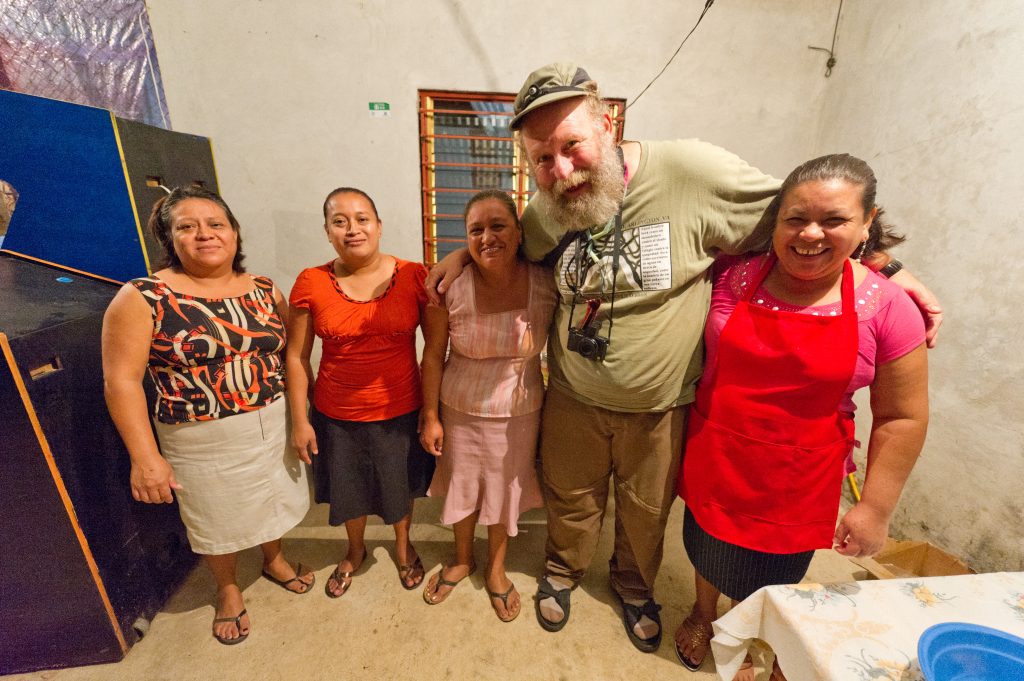
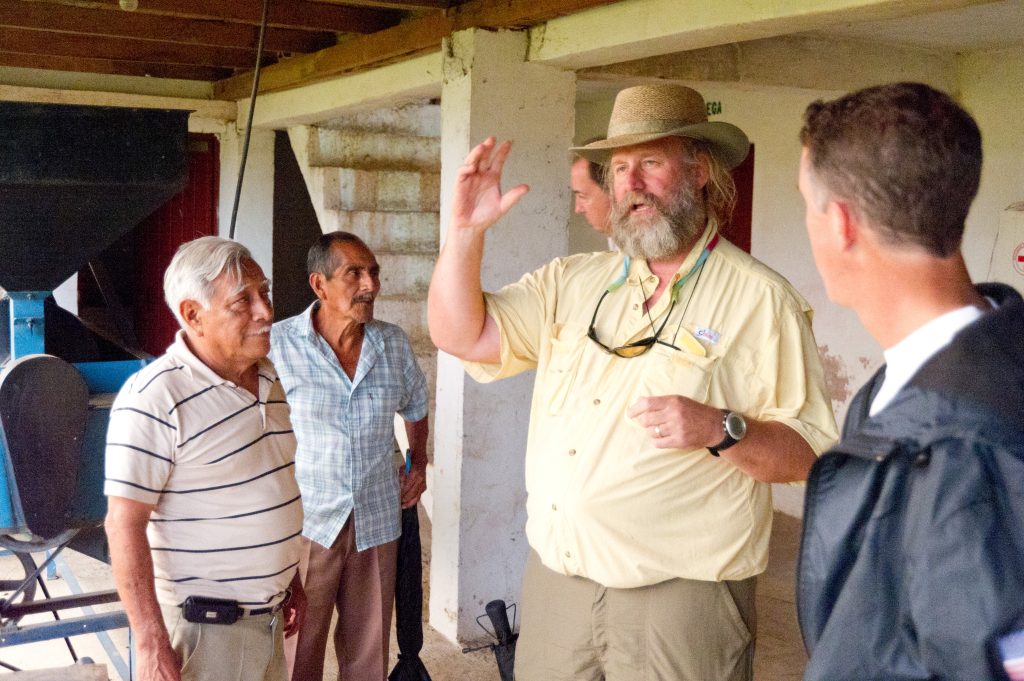
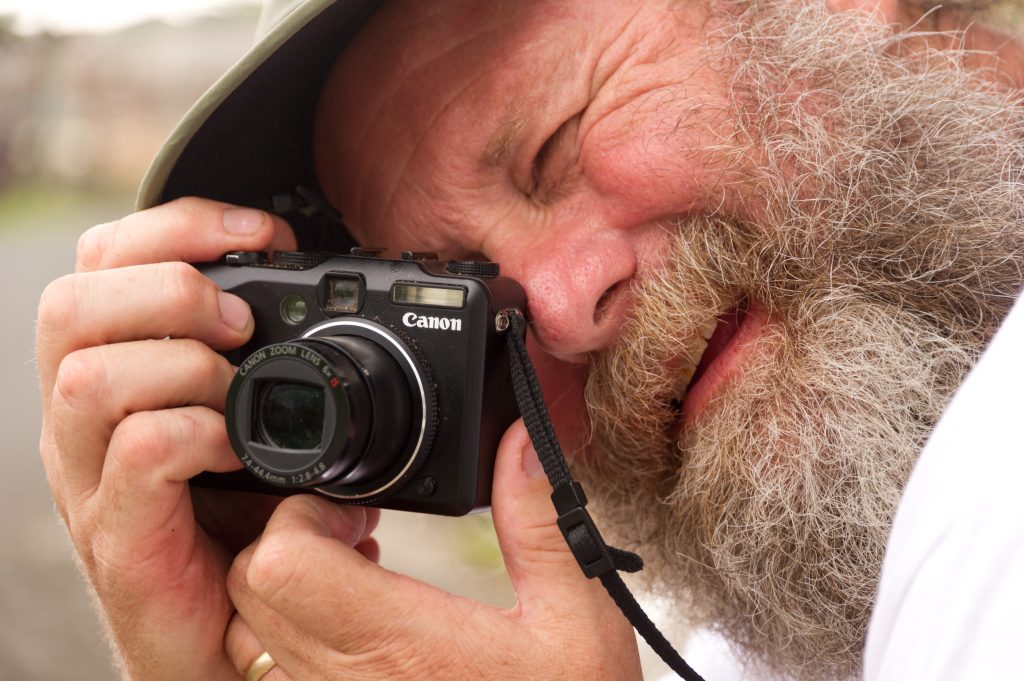
When I went back through my coverage of my trip to cover the Café Justo in Chiapas, Mexico I realized I had a series of photos of our guide Tommy Bassett and one of the founders of the cooperative. I also realized that had I wanted to do a story just on Tommy, I would have wished I had shot even more images of him.
You need to learn to think on your feet and keep asking what you are trying to say. What is the story? Then continue to shoot the things that will help you convey the story to your audience. Remember, you need to shoot enough to capture those moments that communicate. Often, these moments must be anticipated if you are to capture them.
Take that lens cap off your camera, get out there, and start shooting.