When Photographers Help Each Other Out: Ethics & Best Practices

Reading Time: 2 minutes

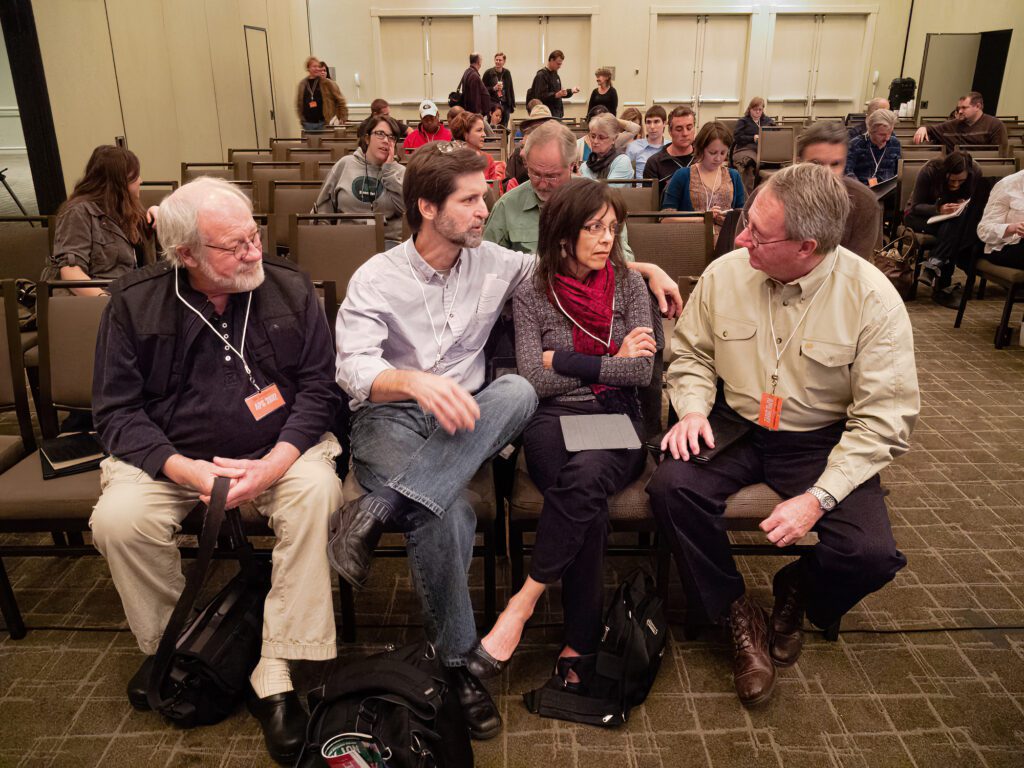
Not long ago, I got a call from fellow ASMP member Bob Mahoney. He was booked solid and had a client who needed coverage. Bob asked if I could help out, and of course, I said yes.

All my communication with the client made it clear: I was there to help because Bob was unavailable, not to poach or promote myself. I honored Bob’s pricing with them and ensured the job was seamless. Bob’s client got what they needed, and Bob had peace of mind knowing someone he trusted was taking care of things.

This kind of collaboration isn’t new to me. Over the years, I’ve helped other photographers when they’ve been overbooked or unavailable and called on others when I’ve needed the same.

This professional courtesy fosters strong relationships, helps satisfy clients, and enhances our industry when appropriately handled.

So if you’re a photographer who might need help, or you’re someone willing to help out, here’s a quick guide to the Dos and Don’ts of subbing or referring work:


✅ To Do When Helping Out Another Photographer

  1. Communicate Clearly With the Client
    • Let the client know you’re stepping in on behalf of the original photographer.
    • Make sure the expectations are consistent with the original agreement.
  2. Honor Their Pricing
    • Respect the pricing and terms your colleague offered—this keeps trust strong.
  3. Stay in Your Lane
    • Please refrain from using the job to market yourself to their client.
    • Keep branding and communication focused on supporting your colleague.
  4. Follow Their Style (If Applicable)
    • Ask about any stylistic preferences the client expects based on past work.
  5. Deliver Promptly and Professionally
    • Meet or exceed the standard your colleague would provide. It reflects on both of you.
  6. Debrief
    • Follow up with the photographer you helped. Share how it went and any notes for the future.

❌ What Not to Do

  1. Don’t Undercut Pricing
    • Offering a lower rate than your colleague may win short-term jobs, but it breaks long-term trust.
  2. Don’t Pitch Yourself to Their Client
    • It’s unethical and damages your reputation with other photographers.
  3. Don’t Overpromise
    • Take only what you can truly handle. Helping out is good—burning out or underdelivering is not.
  4. Don’t Skip Communication
    • Keep the client and the photographer informed before, during, and after the job.
  5. Don’t Forget Copyright/Usage Agreements
    • Ensure you’re aligned with your colleague about who owns the work and how it can be used.

Whether you’re helping someone or needing help, these principles ensure a positive experience for everyone, especially the client. Ultimately, it’s all about professionalism, integrity, and lifting one another in this industry.

I’m grateful to photographers like Bob Mahoney who trust me with their clients, and I’m always looking for ways to return the favor.

Have you ever helped or been helped by another photographer? I’d love to hear your stories.
Tagged :

When Stress Sneaks In: How to Spot It, Own It, and Move Forward

Reading Time: 3 minutes

This morning, I made a simple mistake in Quicken—one of those errors where you realize it just a second too late. I had to pull out the Time Machine backup, go back a few days, and restore the Quicken file. It worked, but I was drained afterward—way more than I expected. It was like the smallest thing completely zapped my energy.

If you’ve ever felt this way, you’re not alone. And you’re not broken.

Stress Doesn’t Always Announce Itself Loudly

Sometimes, stress doesn’t come from panic attacks or big emotional outbursts. It’s quieter. Subtler. It might show up like this:

  • You feel exhausted after a basic task.
  • You’re foggy-headed, but not sure why.
  • You’re spending hours at the computer and still feel behind.
  • You lose your patience faster, even with yourself.
  • Your motivation feels buried under a fog of “meh.”

These can all be signs of burnout, especially when your regular rhythms are out of sync.

A big part of this was realizing how much I miss being out in the field—telling stories with my camera, not just behind a screen. I’ve spent years helping nonprofits and businesses craft their message visually, and when that rhythm slows down, it hits hard.

You’re Not the Only One

I’m learning — and maybe you are too — that this experience isn’t unique.

I talk to other creatives, nonprofit workers, small business owners… and there’s a theme: work has changed, pace has shifted, and many are left wondering, “Is it just me? Did I do something wrong?”

It’s not just you. These kinds of dry seasons can happen to anyone, and their weight adds up if we try to push through without processing them.

So What Can We Do About It?

Here are a few things I’ve been doing (and recommending) that help me move forward — slowly, intentionally, and with hope:

1. Check in with yourself like you would a friend

You’d never tell a tired friend, “Well, just try harder.” So give yourself the same grace. Ask:

  • What do I need right now — rest, movement, connection?
  • Am I operating out of fear or purpose?

2. Reconnect with people who already know your value

Instead of chasing new leads, I’ve started reaching out to past clients. Just checking in, reminding them I’m here, and seeing how they’re doing. These are the relationships where trust is already built.

3. Create small, clear offers

Sometimes people don’t hire you because they don’t know how to. I’ve been working on packaging things more clearly — story-driven videos, photo sessions, or even consulting. That way, it’s easy to say yes when someone is ready.

4. Share your own story

This post is part of me practicing what I preach. Vulnerability creates connection — sometimes, that opens the next door.

5. Rest isn’t optional — it’s fuel

Resting doesn’t mean you’re giving up. It means you’re smart enough to know you can’t run on empty. I’m learning this the hard way, but I’m learning it.


If you’re in a season like this, I see you. And if you want to talk through ideas, get perspective, or just hear, “No, you’re not crazy,” — I’m around.

We’re all storytelling through seasons. This happens to be one of mine. Thanks for being part of the journey.

Tagged :

Why the Words We Use Matter More Than Ever

Reading Time: 3 minutes

Editorial Note Update
After receiving thoughtful feedback, I want to clarify a distinction that wasn’t fully expressed in the original post. While the missionary I referenced continues to serve where the Gospel is needed, context matters: there’s a big difference between serving in regions where 70% or more of the population identifies as Christian and serving where less than 2% have meaningful access to Jesus. In the latter, many people may never have the opportunity to hear or understand who He is. That nuance is crucial in how we discuss missions—and why word choice truly matters.

If you’ve been around faith-based nonprofits or international ministry work, you’ve likely heard:

“I’m heading to Africa as a missionary.”

Here’s the thing: many countries people “go to” today—Nigeria, Kenya, Ethiopia, for example—have vibrant, growing churches and even send missionaries to Europe, North America, and other regions.

So when we continue using outdated words like “missions” or “missionary,” it can unintentionally send the wrong message. Even with the best intentions, it can sound like we’re arriving to fix or lead, rather than joining and supporting a thriving local church. These words carry the weight of colonial-era ministry—one-way help, top-down control, and a posture that doesn’t reflect today’s reality.

Our language needs to evolve with our purpose.

Most global work today isn’t about proselytizing. It’s about partnership. It’s about equipping, learning, building capacity, and being invited into what local churches are already doing.

That means it’s time to choose words that reflect mutuality and humility, such as:

  • “Cross-cultural partnership”
  • “Global service”
  • “Faith-based collaboration”
  • “Supporting local leaders”

Or state what you do:

“I help train media teams in Uganda.”

We’re not just changing labels—we’re telling better stories.

As a visual storyteller and brand consultant, I’ve seen how a single word can shape the perception of an entire mission. The language we use becomes the lens through which people see our work. That’s why this shift matters.

It’s not about semantics.
It’s about truth.
It’s about respect.
It’s about showing up in ways that honor the people we serve, not just the work we do.

If you serve, support, or send people into cross-cultural ministry, consider how you communicate the “why” and “how” of that work. Clear, authentic language builds trust, strengthens relationships, and amplifies impact.

I’d love to hear your thoughts—drop a comment or send me a message.


Ministry vs. Missions: Understanding the Church’s Two Fronts

Ministry
Ministry is any act of service done in the name of Christ, often within the local church or Christian community. It’s the day-to-day expression of faith: serving others, teaching, leading worship, counseling, discipling, or running programs like youth groups or food banks. Ministry focuses on building up the body of Christ—believers—and supporting the local church.

Example: Leading a Bible study, organizing church events, or serving as a pastor.

Missions
Missions is about going beyond your immediate cultural or geographic context to share the gospel with people who haven’t yet heard or understood Jesus, especially those with little to no access to Him. It often involves cross-cultural work, evangelism, church planting, and discipleship.

Example: A missionary serving an unreached tribe in Southeast Asia—or planting a church in a spiritually underserved area of a Western country—is engaged in missions.

The Core Difference:

  • Ministry: Focused within the church or to those already exposed to the gospel.
  • Missions: Focused on reaching beyond the church, often cross-culturally, to those who have not heard the gospel.
Tagged :

Honoring the Heart of Healthcare – National Nurses Day

Reading Time: 3 minutes

Today is National Nurses Day, and I want to take a moment to recognize the often unseen and underappreciated heroes working on the front lines of healthcare worldwide: nurses.

In my work as a visual storyteller, I’ve had the privilege of photographing nurses in Ghana, Togo, and Nicaragua, and what I witnessed left a lasting impact on me.

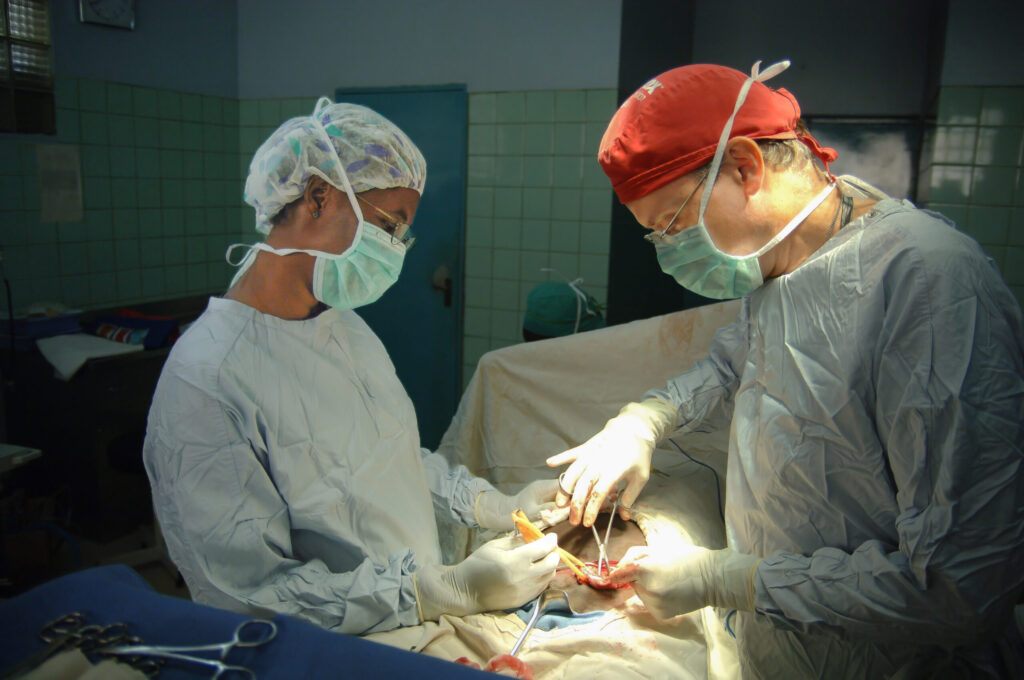
Surgeon Danny Crawley is in theatre doing a hernia operation, and Comfort Bawa, a nurse theatre assistant, helps him at the Baptist Medical Centre in Nalerigu, Ghana.

Today, on International Nurses Day, we honor the dedicated nurses at Baptist Medical Centre (BMC) in Nalerigu, Ghana. Since its founding in 1958 by IMB missionary Dr. George Faile II, BMC has been a beacon of healing and hope in northern Ghana. Nurses at BMC play a vital role in providing compassionate care, often going above and beyond their duties to serve patients from Ghana and neighboring countries.

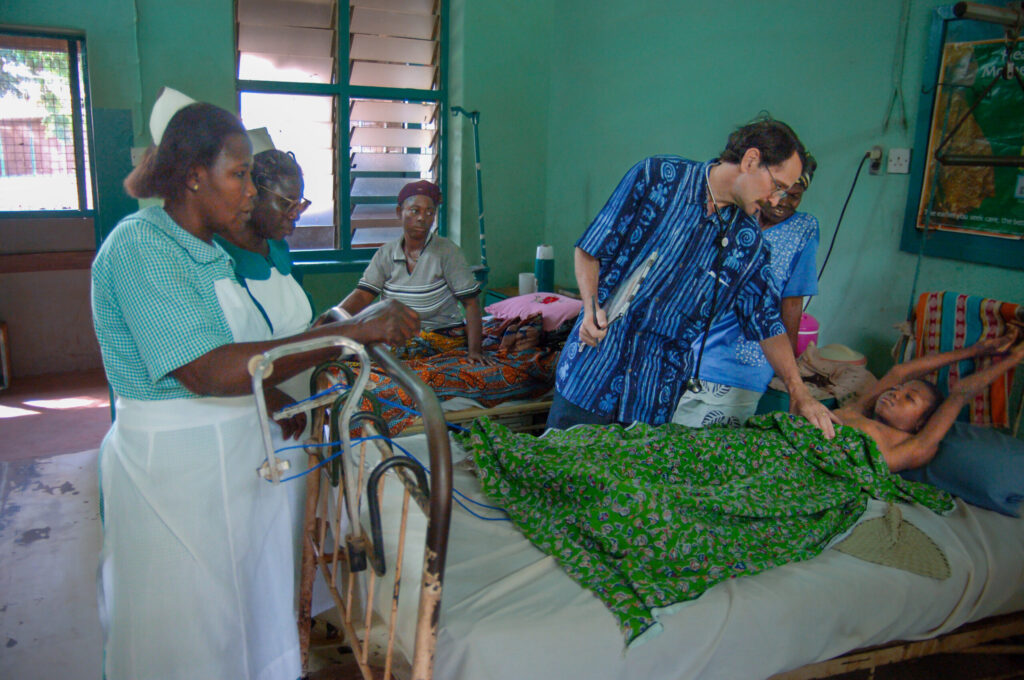
Mary Bukuri and Twumasi Bawa, nurses, help George Faile, general practitioner, with his early rounds seeing patients at the Baptist Medical Centre in Nalerigu, Ghana.

Nurses at BMC are the heart of this mission. From the pioneering days of missionary nurse Diana Floretta Lay, who served for 37 years and helped expand the hospital from 40 to 110 beds, to today’s local professionals like Senior Nursing Officer Kingsley Kombat, their commitment has never wavered. Despite resource limitations, these nurses provide critical care gracefully and resiliently, often under challenging conditions. Their work addresses physical ailments and embodies the love and compassion central to their faith, profoundly impacting the communities they serve.

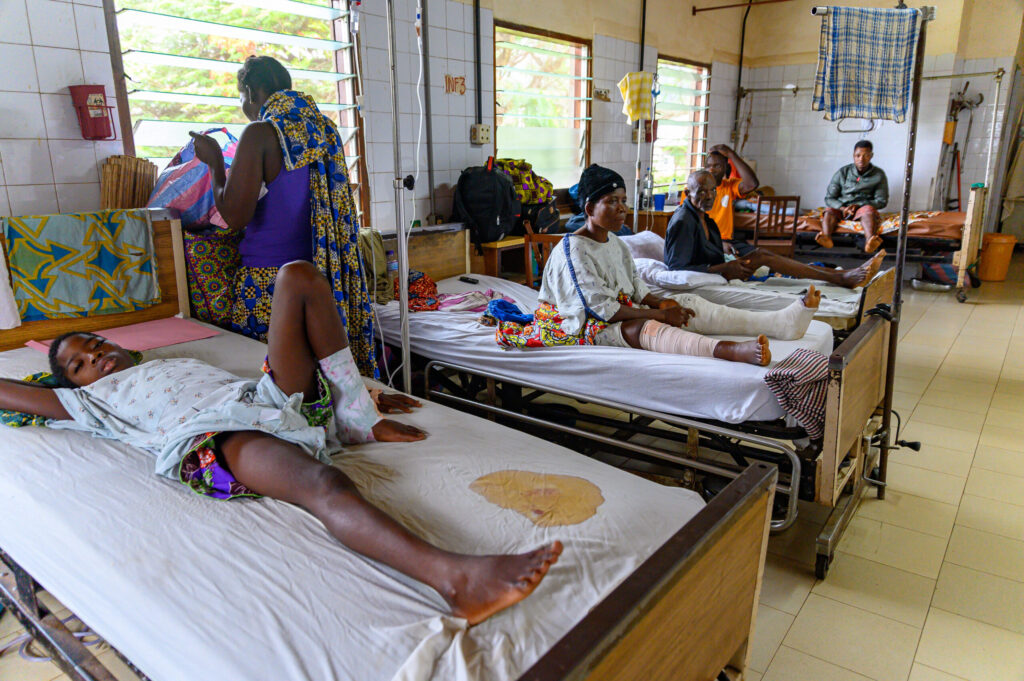
Even in the absence of nurses in the frame, their presence is felt in every bandage, every IV drip, and every step toward healing. On this Nurses Day, we celebrate the unseen heroes at Hôpital Baptiste Biblique, whose tireless care supports patients through some of their most vulnerable moments.

We celebrate the extraordinary nurses serving at Hôpital Baptiste Biblique (HBB) in Tsiko, Togo. Since its founding in 1985, HBB has provided compassionate, Christ-centered care to thousands, with nurses at the heart of this mission. These dedicated professionals not only tend to physical ailments but also share the hope of the gospel with every patient, embodying a holistic approach to healing.

The hospital’s three-year Nursing Education Program, established in 1997, has been instrumental in training Togolese men and women to serve their communities through nursing. Graduates of this program are equipped to provide care that addresses spiritual, physical, emotional, social, and intellectual needs. Their commitment has been vital in sustaining the hospital’s operations and expanding its reach through mobile health clinics and community health evangelism initiatives.

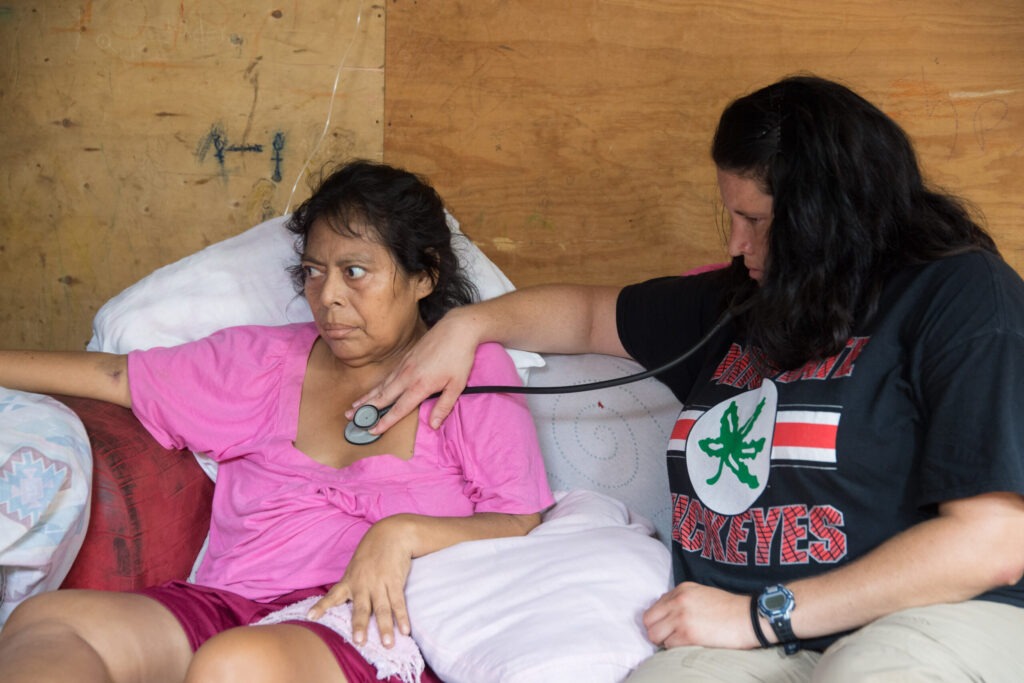
Nurse Tracy Warner gently checks on a woman struggling to breathe, just a day before she would pass away. With limited options, all Tracy could offer was pain relief and her compassionate presence in the woman’s final hours. On Nurses Day, we honor caregivers like Tracy who bring comfort when healing is no longer possible.

In Nicaragua, I had the honor of documenting Tracy Warner, a nurse who ventured into remote villages to care for people who rarely, if ever, saw a medical professional. With no backup team, no modern equipment, and limited resources, Tracy offered what she had — skilled hands, a listening ear, and a heart for the people she served. Watching her work was a powerful reminder that healthcare isn’t just about medicine — it’s about presence.

These moments remind me that nursing is more than a job—it’s a calling. While today many of us will celebrate nurses in our local hospitals and clinics (rightfully so!), let’s also remember those serving quietly, faithfully, and courageously in some of the world’s hardest-to-reach places.

I’m sharing a few photos to show the conditions and honor the spirit of care that transcends borders.

To all the nurses out there: Thank you. You are seen, appreciated, and a hero.

Tagged :

When Words Aren’t Enough: Why Music and Photography Let My Soul Speak

Reading Time: 2 minutes

For as long as I can remember, words have never quite been enough.

They often come out tangled, too late, or not at all. Growing up on the autism spectrum, I struggled with language, both the written word and the spoken one. But there was always something else… something that felt like a native language to me.

Music
Photography

Two art forms couldn’t be more different in how they look, but they are the same in how they feel. Both are languages of the soul, bypassing the noise of words and letting something deeper rise to the surface.


A Melody or a Moment Can Say What I Can’t

When I pick up my trumpet, flugelhorn, or cornet, it’s not just to make sound — it’s to make sense of my world. The same thing happens when I lift a camera to my eye. These aren’t hobbies or skills I’ve picked up; they’re how I speak when speaking fails.

Research shows that music and photography light up some of the brain’s emotional and sensory centers. I didn’t need science to tell me that — I’ve lived it. For those of us who process the world differently, structure and creativity aren’t opposites — they’re allies.

A camera has settings, and a trumpet has keys and scales. That structure gives me freedom. I can tell a story and show my feelings without getting lost in sentences that never quite land.


The Power of Being Seen and Heard — Without Speaking

Both photography and music are about noticing the details most people miss:

– A glimmer of light on a face.
– The shift in a minor chord that turns happiness into longing.
– The moment before the tear falls.

People on the spectrum often have heightened sensitivity to light, sound, texture, and emotion. Some see these as “challenges.” But in the arts, they become superpowers. They allow us to go deeper, to notice what’s underneath the surface, and to bring it into the light or give it voice.


When Friends Say Nothing, It Means Everything

Despite how much I’ve learned, words still have their limits. In moments of deep sadness or grief, I’ve found that the most healing thing isn’t what people say — it’s simply that they show up and sit with me.

Silence, shared presence, a held hand, or a friend just being there — these are often more powerful than any comforting phrase. Just like a photo can speak a thousand words, or a melody can bring tears without lyrics, presence is its language.


This Is Why I Do What I Do

As a storyteller, musician, and photographer, I help others find their voice, especially when words don’t come easily. I work with nonprofits, missionaries, and businesses to help them show the world who they are through images and story-driven visuals.

And maybe… just maybe… I’m not just telling their stories.
I’m telling mine too.

Whether it’s through a lens or a brass bell, I’ve learned this:

You don’t have to speak to be heard.
You don’t have to write to be understood.
And sometimes, the most powerful stories are the ones that live in silence — until we’re brave enough to give them sound or light.

Tagged :

The Power of Patterns: How Autism Shapes My Life as a Storyteller and Brand Builder

Reading Time: 2 minutes

If you’ve ever worked with me, you know I’m constantly learning. That’s not just a professional habit—it’s wired into who I am.

Being on the autism spectrum has given me a deep appreciation for order, patterns, and systems. I always looked at how things worked beneath the surface as a kid. I use that same instinct in my photography, video, and storytelling work today. Once I recognize a pattern—whether it’s how people move through a scene, how a nonprofit connects with donors, or how light transforms a subject—I can build on it, refine it, and teach it.

Over time, I’ve learned how powerful this is in a constantly changing world. Technology, communication styles, and visual trends shift fast. But when you understand the structure underneath them, you don’t get overwhelmed—you adapt, and you help others do the same.

For example, one of the most significant breakthroughs in my work came when I began to study body language. I realized that reading subtle shifts in posture or expression wasn’t just about being aware but about anticipating moments. This allows me to capture authentic emotion in real time, not just take technically correct photos. It’s what helps me tell visual stories that move people.

The same is true when I work with organizations. I don’t just show up with a camera—I show up with curiosity. I ask questions. I dig for the patterns behind your mission. I want to know what drives your team, what stories your audience needs to hear, and how to connect those dots to your larger goals. That comes from a lifetime of seeing systems where others might see noise.

Learning Empathy—and the Value of Blunt Truth

One of the biggest challenges I’ve faced as an autistic person is learning how to read people emotionally. I’ve always been aware that it doesn’t come naturally for me to pick up on subtle emotional cues or to instinctively respond with empathy in the moment. It’s not that I don’t care—it’s that I often have to pause, study, and think my way through what others pick up intuitively.

Growing in this area has taken years of intentional effort, and I’m still learning. But here’s what I’ve discovered: because I’ve had to work at empathy, I now approach people with a more profound respect for their stories. I ask more questions, listen more closely, and do my best to communicate that I’m in your corner.

That said, sometimes I come across as blunt. I speak directly. I say what I see. For some, that’s surprising. But for many of my clients, that’s also why they trust me. I won’t sugarcoat or sell you something that doesn’t serve your story. If I see a better way, I’ll say it—not to criticize, but because I want you to succeed. I’ve learned that clarity, paired with compassion, is a powerful combination.


This is Why I Do What I Do

I’ve realized that what once made me feel different is my greatest strength. Being on the autism spectrum means I notice things others may miss. I look for the rule behind the moment, and once I find it, I can build something meaningful from it. That’s why I’m so passionate about storytelling. It’s how I make sense of the world —and help others do the same.

So if you’re looking for someone who brings skill and deep attention to the “why” behind your story, I do that. And it’s not just work—it’s how I’m wired.

Tagged :

Photographing in the Dark: A Challenging but Rewarding Experience

Reading Time: 2 minutes

I recently spent three intense days photographing in one of the darkest rooms I’ve ever encountered, covering a meeting for a client. The experience pushed my skills and equipment to the limit, but the results were worth every moment of effort.

The Setup

The room was dimly lit, forcing me to shoot at ISO 25600, with shutter speeds of 1/125 or 1/250 and apertures of ƒ/4 or ƒ/5.6, depending on the lens. The high ISO was necessary to capture the scenes without introducing too much blur, but it also meant dealing with a significant amount of noise.

I chose not to use flash during this religious meeting so as not to attract attention and annoy the people.

My gear for the event included:

  • 2 Nikon Z9 cameras
  • 24-120mm ƒ/4 Nikkor S
  • 100-400mm ƒ/4.5-5.6 Nikkor S
  • 14-30mm ƒ/4 Nikkor S – Explicitly used for a large group photo with strobes

The Solution: DXO PureRAW 4

To tackle the noise issue, I turned to DXO PureRAW 4. For those unfamiliar, PureRAW is an app and plug-in that pre-processes raw files, effectively cleaning up lens distortions, noise, sharpness, and optical aberrations. It also addresses issues caused by the mosaicing process of color sensors. On average, it took about 90 seconds or more per photo to process on my MacBook Pro M1 with 32 GB of RAM; then, each photo was edited beyond that in Adobe Lightroom Classic. The time investment was substantial, but the results were outstanding.

[NIKON Z 9, NIKKOR Z 24-120mm f/4 S, Mode Aperture Priority, ISO 25600, 1/250, ƒ/4, (35mm 29)]

All photos except for the last three were available light.

The Results

Despite the challenging conditions, the client was thrilled with the photos. They immediately updated their website, lacking fresh images from recent meetings. Seeing my work featured prominently on their site was incredibly satisfying and made all the effort worthwhile.

Lessons Learned: The 100-400mm Challenge

One of the biggest challenges was shooting with the Nikkor 100-400mm lens at 400mm. The low light and long focal length made it challenging to avoid motion blur, mainly because I could only shoot at 1/250 instead of the ideal 1/500. A 400mm ƒ/2.8 lens would have been perfect, but since I didn’t have one, I had to be extra mindful of staying still and squeezing the shutter gently.

Tips for Covering a Meeting in a Dark Room

  1. Use High ISO and Fast Lenses: Don’t push your ISO to the maximum your camera can handle while maintaining acceptable noise levels. Pair this with the fastest lens you have available.
  2. Steady Yourself: If using a long lens, stabilize yourself as much as possible. Use a tripod or monopod and practice proper hand-holding techniques to minimize motion blur if available.
  3. Leverage Noise Reduction Software: Invest in noise reduction software like DXO PureRAW 4. The post-processing time is well worth it for the quality improvement.
  4. Test and Adjust: Spend time testing different settings on the first day. This will help you find the optimal balance between shutter speed, aperture, and ISO for your specific situation.
  5. Communicate with Your Client: Keep your client informed about the challenges and your solutions. They’ll appreciate your dedication and your extra steps to ensure high-quality results.

Photographing in low-light conditions is always a challenge, but you can deliver impressive results with the right tools and techniques. Remember, every challenging shoot is an opportunity to learn and grow as a photographer. Happy shooting!

Tagged :

Speaking to a Camera Club: Insights from a Professional Photographer

Reading Time: 2 minutes

When asked to speak to a camera club composed mainly of amateurs, many thoughts run through the mind of a professional photographer. These invitations are both an honor and a responsibility. It’s a chance to share knowledge, inspire others, and give back to the photography community. Here’s a peek into the thought process of preparing for such a talk.

Tailoring the Presentation

One of the first steps is understanding the audience. I always start by asking the organizer:

Which topics do you think your camera club is most interested in hearing from me about? Once you pick, I can send you a synopsis.

Some of the topics I suggest include:

  • The Power of Storytelling in Photography: This is a central theme in impactful photography and resonates universally.
  • Lighting Techniques for Impactful Photography: Mastering lighting is crucial, making this a valuable topic for all photographers.
  • Creating Emotional Connections Through Portrait Photography: Improving portrait skills and capturing genuine emotions is always in demand.
  • Brand Building Through Visual Storytelling: Essential for those looking to commercialize their photography skills.
  • Travel Photography: Capturing Stories from Around the World: An exciting topic that appeals to hobbyists and professionals.
  • The Business of Photography: Practical advice for turning a hobby into a business.
  • Videography for Photographers: Expanding Your Skills: As videography gains importance, this topic can help photographers broaden their skill set.
  • Faith and Photography: Using Your Talents for a Greater Purpose: This is particularly meaningful for those interested in faith-based or nonprofit work.

Knowing the Audience

To deliver a meaningful talk, it’s crucial to understand the club’s dynamics:

  • What do the members like to shoot? This helps tailor examples and anecdotes to their interests.
  • How often do they shoot? Understanding their commitment level can guide the depth of technical details.
  • Is the camera club a social group or focused on growth? This insight shapes the tone and content of the presentation.

Crafting the Message

I strive to avoid talking down to the audience. Instead, I share my experiences and the stories behind my epiphanies. Here are additional considerations for a successful presentation:

  • Engage with Stories: Personal stories and real-life examples make the content relatable and memorable.
  • Provide Practical Tips: Offer actionable advice that attendees can immediately apply to their photography.
  • Encourage Interaction: Foster a dialogue rather than a monologue. Q&A sessions and interactive segments can be highly effective.
  • Showcase a Variety of Work: Diverse examples can inspire and appeal to a broader audience.
  • Highlight Mistakes and Learnings: Sharing mistakes and lessons learned can encourage and educate amateurs.

Inspiring Improvement

Finally, I aim to inspire and motivate the club members to improve their photography. Here are some tips to achieve this:

  • Emphasize Practice: Encourage regular practice and experimentation.
  • Advocate for Feedback: Suggest seeking constructive criticism to grow and improve.
  • Highlight Learning Resources: Point them to workshops, online courses, and photography books.
  • Promote Community: Encourage them to engage with each other, share work, and learn collaboratively.

Conclusion

Speaking to a camera club of amateurs is a rewarding experience that requires thoughtful preparation and a genuine desire to share knowledge. A professional photographer can make a lasting impact by understanding the audience, crafting a tailored message, and inspiring improvement. Whether discussing storytelling, lighting, or the business of photography, the ultimate aim is to ignite passion and foster growth among fellow photographers.

Tagged : /

Embracing Failure: The Hidden Path to Success in Photography and Creativity

Reading Time: 3 minutes

As a photographer and creative, I’ve learned an invaluable lesson over the years: the importance of trying, even if it means facing the possibility of failure. We often discover the most remarkable outcomes in the pursuit, the effort, and the willingness to step into the unknown. Let me share a recent experience that highlights this very lesson.

On May 11th, while visiting my daughter in Columbus, Georgia, I decided to try photographing the Northern Lights. I missed the opportunity the night before back home in Roswell, GA, because I gave up too soon. I went outside, looked up, didn’t see anything right away, and didn’t even bother getting my camera out.

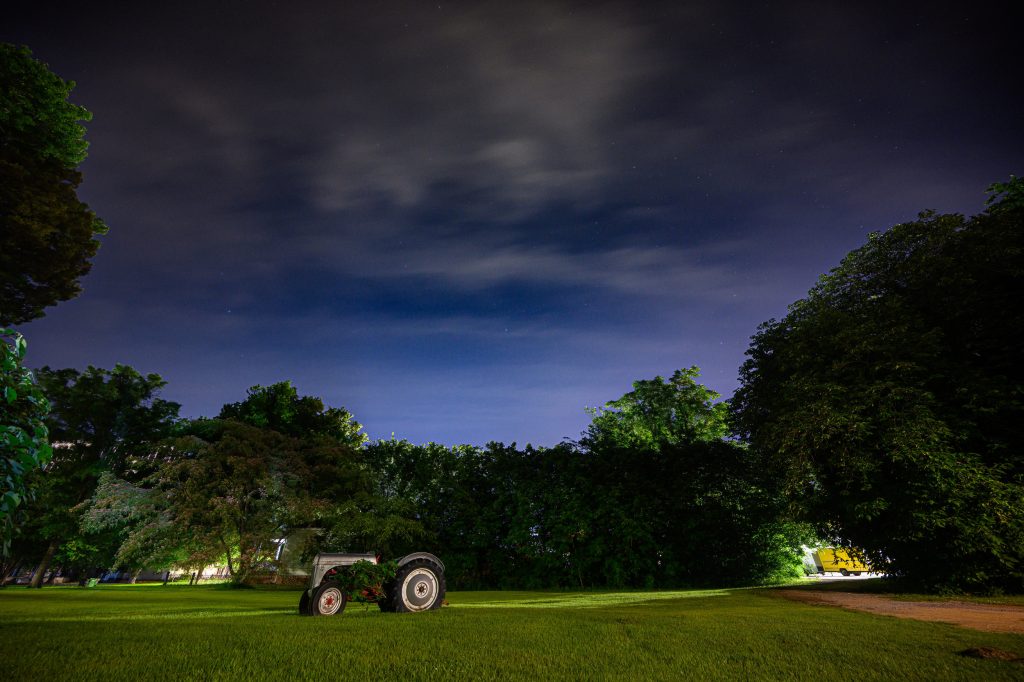
Dazzling colors lit up the night sky over the United States as the aurora borealis was visible as far south as Florida and possibly Hawaii. However, that was the night before my attempt in Columbus, Georgia. [NIKON Z 9, NIKKOR Z 14-30mm f/4 S, Mode = Manual, ISO 400, 15, ƒ/4, (35mm = 14)]

The next day, I saw everyone else’s stunning photos of the Northern Lights online. Inspired and determined, I decided I wouldn’t miss another chance. So, I set out with my camera the following night, ready to capture the elusive lights.

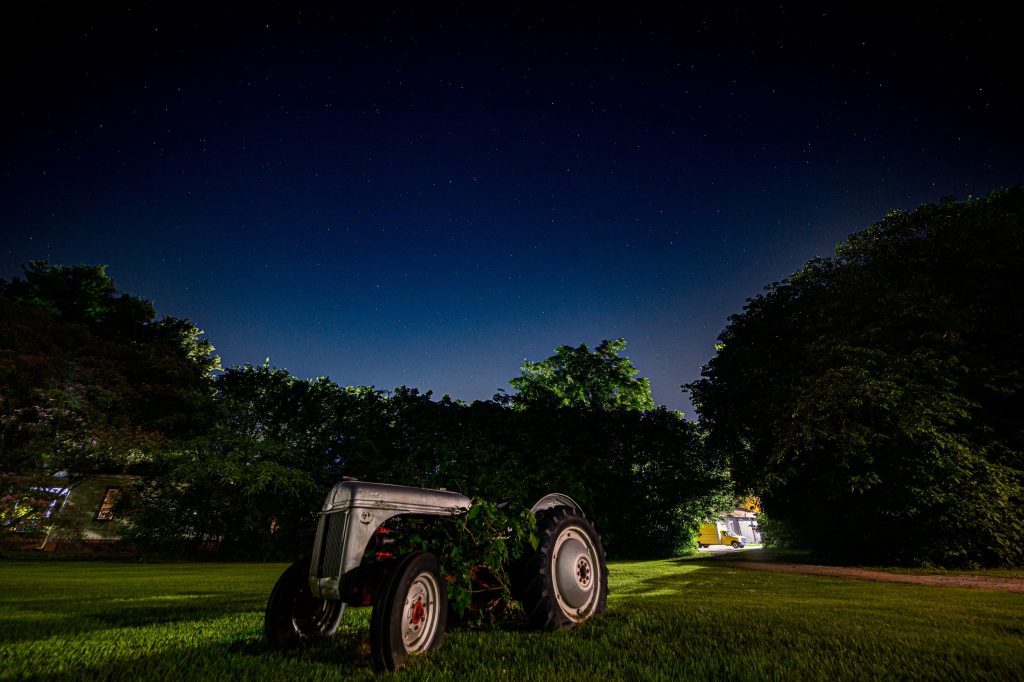
Unfortunately, the Northern Lights weren’t visible that night either. Despite my best efforts, I didn’t get the shots I hoped for. But here’s the twist: although I failed to capture the Northern Lights, I ended up with some incredible photos that my Facebook friends genuinely enjoyed. The night sky, the serene landscape, and the tranquil atmosphere created a series of images that resonated with my audience unexpectedly.

The Moral of the Story

The key takeaway from this experience is simple yet profound: without trying, there’s no possibility of success. Had I not gone out that night, I would have missed the opportunity to create something beautiful. Failure is not the end; it’s a part of the journey. Not getting what we want sometimes opens the door to new perspectives and unexpected successes.

As photographers and creatives, we must embrace the process of trial and error. We grow, learn, and often discover hidden gems through our willingness to take risks and face potential failure. Every attempt, whether successful or not, adds to our experience and enhances our craft.

[NIKON Z 9, NIKKOR Z 14-30mm f/4 S, Mode = Manual, ISO 400, 15, ƒ/5.6, (35mm = 15)]

So, the next time you’re hesitant to try something new for fear of failure, remember that the act of trying itself is a victory. You may not always get what you envisioned, but you might have something even more remarkable. Keep pushing your boundaries, experimenting, and, most importantly, trying. The journey is as important as the destination; sometimes, failure leads us to our most stunning successes.

Embrace the adventure, fellow storytellers, and let your creativity soar, knowing that every effort is a step toward greatness.

Happy shooting!

Tagged :

In Loving Memory of Knolan Benfield

Reading Time: 3 minutes

Knolan Benfield, born on May 17th, 1941, passed away on July 11th, 2024, leaving a legacy of love, mentorship, and inspiration. His journey ended in the presence of his loving daughter, Therese Benfield LaValley, and his son-in-law, Brent LaValley, after a brief battle with pancreatic and liver cancer. What began as a seemingly simple UTI diagnosis on June 24th quickly revealed the gravity of his condition. Still, Knolan faced his final days with the strength and grace that characterized his life.

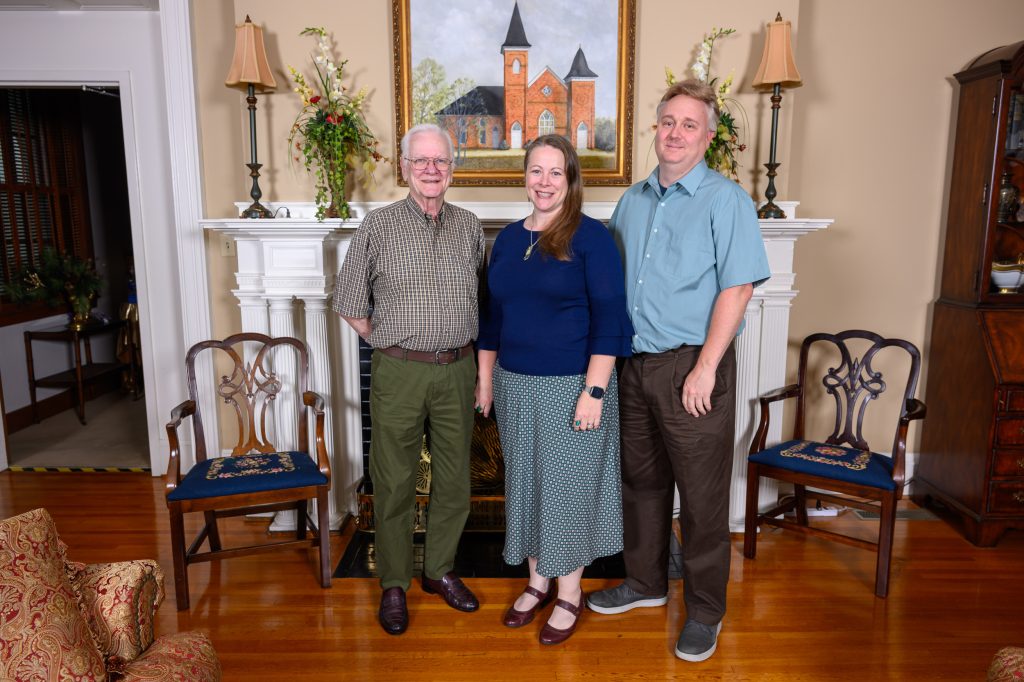
Knolan, Therese & Brent

Knolan was more than just an uncle to me; he was my guide, my teacher, and the person who opened my eyes to the world of photography. His influence shaped my career and my approach to storytelling, especially within the realm of ministry. Knolan’s work with the North American Mission Board from 1969 to 1978 was a testament to his dedication to capturing and sharing the impactful stories of missions.

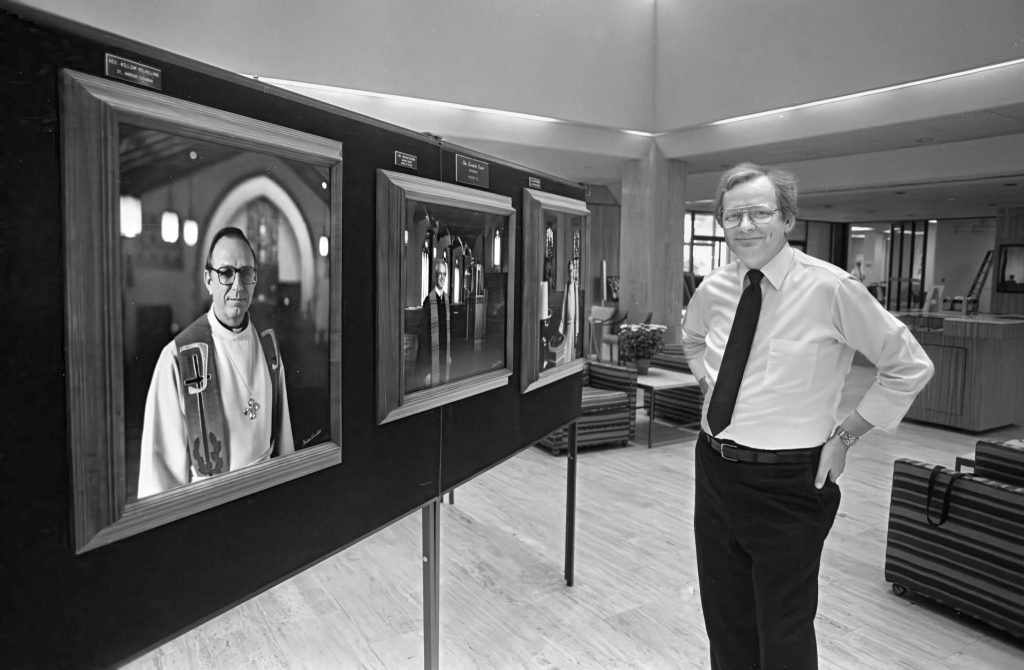
Knolan put up his portfolio of pastors of churches in Hickory, North Carolina, during the 1980s. Knolan combined off-camera flash with available light, a new lighting technique for studio photographers.

In 1978, Knolan gave me my first camera, igniting a passion that defined my professional journey. He patiently taught me the intricacies of the exposure triangle, composition, and lighting, skills that have become the foundation of my work. Our family vacations were often opportunities for me to learn from him at his studio, The Benfield Touch, in Hickory, North Carolina.

Don Rutledge enjoys telling a story at the first gathering of the SBC photographers at Ridgecrest, North Carolina

Through Knolan, I met numerous professional photographers who influenced my path. Robert Reed, whom I met during a visit in my final Spring Break from East Carolina, offered me a chance to work at the Hickory Daily Record. Knolan’s mentorship extended to his mentor, Don Rutledge, who played a crucial role in my hiring by the International Mission Board to work on The Commission Magazine.

Here are photos from one of our two teaching trips to the YWAM School of Photography in Kona, Hawaii.

Even as I pursued my theological studies at Southwestern Baptist Theological Seminary, Knolan’s network supported me. Paul Obregon, whom Knolan had hired, informed me about a job opportunity at Georgia Tech. Gary Meek, a mutual acquaintance from the North American Mission Board, would later hire me at Georgia Tech, continuing the chain of mentorship and opportunity that Knolan initiated.

When I transitioned to full-time freelancing in 2002, Knolan encouraged me to seek advice from Ken Touchton, whose wisdom was invaluable for navigating the freelance world. Knolan’s support was unwavering; he assisted with editing my early newsletters and blog posts, and I often sought his help on commercial jobs. Our collaborative spirit extended to teaching photography at the School of Photography with Youth With A Mission in Hawaii, an experience I deeply cherish.

Knolan, a founding member and president of the Atlanta Press Photographers in 1979, invited Eugene Smith to speak at their seminar. Over the years, I’ve met many attendees of this seminar, including Bill Bangham, Gary and Vivian Chapman, and Ken Touchton. Here, we gather at the Atlanta Photojournalism Seminar’s 40th Anniversary.

Family vacations were filled with moments of connection and adventure. Knolan, his wife Gale, and I shared countless hikes and camping trips from Cades Cove, Tennessee, to Stone Mountain State Park in North Carolina. These memories are a testament to the personal and professional bond we shared.

Knolan Benfield’s impact on my life and career is immeasurable. His legacy lives on through the countless stories he helped tell and the many lives he touched. As we remember him, we celebrate a life dedicated to faith, family, and the art of storytelling.

Rest in peace, Uncle Knolan. Your light continues to guide and inspire.


“Knolan means a lot to me. He started my career in photojournalism and multi-media.”

Jerome McClendon

“Knolan hired me and had he not I wouldn’t have enjoyed the professional career at the AJC. Guess The Benefield Touch touched a lot of us.”

William A. Bridges
Tagged :

Experiencing Fourth of July Fireworks from a New Perspective

Reading Time: 2 minutes

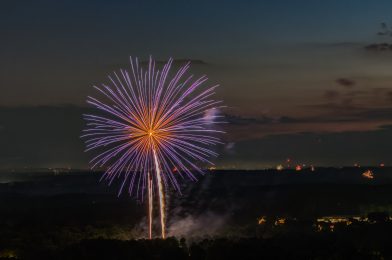
The Fourth of July brought a fresh twist to my traditional fireworks photography this year. Instead of heading out to Roswell Area Park with my trusty tripod, I stayed home and captured the dazzling display from a new vantage point – my back deck. Equipped with my DJI Air 3 drone, I flew above my house and pointed it toward Roswell Area Park for an aerial view of the fireworks.

In the past, I’ve always enjoyed the up-close experience of shooting fireworks from the ground. Setting up my tripod, choosing the perfect spot, and waiting for the show to start is a ritual I’ve come to love. I shot these at ISO 100, with an aperture of ƒ/2.8 and a 2-second exposure to capture the bursts in all their glory. I wanted to try something different and see how the fireworks looked from above.

No Images found.

Flying the drone was an exhilarating experience. As I navigated the skies, I could see the fireworks at Roswell Area Park and an array of displays across Metro Atlanta. The view from up high was breathtaking, with bursts of color lighting up the night sky in every direction. Using the telephoto lens on the DJI Air 3, I managed to capture some stunning photos and videos that showcased the widespread celebrations.

One of the highlights was witnessing the synchronized fireworks explosions from multiple locations. From my vantage point, it felt like I was at the center of a grand symphony of lights, each firework contributing to a more significant, spectacular performance. The drone’s perspective allowed me to appreciate the scale of the festivities in a way I hadn’t before.

Back on the ground, reviewing the footage was just as exciting. The different perspective offered a fresh take on the familiar fireworks show. It was a reminder that sometimes, changing your point of view can reveal new beauty in even the most well-loved traditions.

I’m already looking forward to next year’s Fourth of July. Whether I return to my usual spot on the ground or take to the skies again, I’m excited to continue exploring new ways to capture the magic of the night. For now, I’ll cherish the memories and the incredible aerial shots from this year’s celebration.

I hope everyone had a fantastic Fourth of July filled with joy, laughter, and spectacular fireworks!

Tagged :

Navigating the Car Buying Maze: A Journey Through Transparency and Customer Service

Reading Time: 3 minutes

Buying a car can often be more challenging than purchasing a house. In car dealerships, customers are frequently shuffled between rooms while salespeople dart back and forth to the sales manager. This practice not only feels disjointed but often appears to be a tactic to push prices higher. A more transparent approach would be for the sales manager to join the initial conversation with the salesperson and the buyer, discussing all details and upsells like warranties upfront.

This car-buying experience made me reflect on my transparency as a freelance Visual Storyteller. As someone who sells consulting, photography, video, and editing services, how clear am I in my dealings? The customer experience begins when the client first interacts with the business, whether through a website or in person.

This is the listing from the first dealership for the Nissan Rogue S

A Tale of Two Dealerships

My car-buying journey began with a frustrating experience at Mike Reza Nissan of Atlanta. I had my eye on a Nissan Rogue S, advertised as a great deal on Edmunds. I was prepared to pay the asking price, the standard 7% tax, an $18 title fee, and a $25 license plate registration.

However, the salesperson vanished and returned with a price that was $2,400 higher. They claimed the lower price was only for financing. According to state law in Georgia, the listed price should be the total, with only tax, title, and license fees added. Armed with a PDF on deceptive car sales from the State Attorney’s office, I pointed out their violation. The sales manager rudely refused to sell me the car. I reported the dealership to the State Attorney’s office, who confirmed my stance and encouraged me to file a formal complaint. Standing up against deceptive pricing is crucial to protect other consumers from similar experiences.

You had to scroll past 20+ car listings to the bottom of their website to see a disclaimer.

The Good Experience

Contrasting this was my experience with Nalley Infinity of Atlanta, where I found a used 2023 Nissan Rogue SV with 33,200 miles. After the ordeal at the first dealership, Nalley Infinity made the process smooth and satisfactory, restoring my peace of mind.

Transparency in Business

Reflecting on these experiences, I see the parallels in my business practices. As a freelance Visual Storyteller, transparency is key. Whether I’m consulting, shooting photographs, or editing videos, clear communication and straightforward pricing are essential. The customer experience starts online, through my website, and continues through every interaction.

How I Found Out About the Law

I shared my van troubles and the need to replace it with my friend Gibbs Frazeur. Drawing from his dealership experience, Gibbs and his wife faced similar deceptive practices. Thanks to a document his wife had found from the Attorney General for the State of Georgia, they managed to save $4,000. Gibbs recommended printing out page 11 of this document and keeping it handy, which proved invaluable for them. They encountered a dealership trying to add hidden fees after the fact, just like in my situation. However, being prepared with the document empowered them to challenge these practices successfully. Gibbs informed me that the dealership admitted, “Everyone does what we’re doing with adding fees after the fact.” Thanks to his advice, I was ready to stand my ground.

Here is a copy of the state’s policies:

Price Representations

Advertised prices must state the actual total purchase price of the vehicle, excluding only government fees, which include tax, tag, title, and Georgia Lemon Law fees. All additional fees must be included in the advertised price. Any advertisement listing a price “plus” some additional amount will be considered deceptive.

By way of illustration only, not meant to be exhaustive, the following are examples of fees that MUST be included in the advertised price of vehicles:

  1. Additional fees, such as document fees, documentary fees, lot fees, processing fees, administrative fees, customer services fees, and any other terms of similar import;
  2. Additional charges, such as freight charges, transportation charges, destination charges, dealer preparation charges, overhead charges, and any other terms of similar import; and
  3. Dealer-installed options or accessories that are required or are routinely installed, or options which are already installed on the advertised vehicle at the time the advertisement is published, must be included in the advertised price. Only those options installed at the request of the consumer following contact/negotiation with the dealership may be omitted from the advertisement.

This car-buying saga is a potent reminder of the importance of transparency and excellent customer service. As a business professional, ensuring that clients understand every aspect of your service builds trust and fosters long-term relationships.

Tagged :