25 Years of Storytelling with ISB Atlanta

Reading Time: 3 minutes

Last night, I photographed the ISB Atlanta Gala — an inspiring evening that brought together more than 500 leaders from Atlanta’s faith, business, civic, and nonprofit communities. Today, I’m excited to share a gallery of event images that capture the night’s spirit.

For me, this was more than just another assignment. My connection to ISB Atlanta goes back to its very beginning.

Around 2001, my wife, Dorie Griggs, was the Communications Manager for Faith and the City. This groundbreaking initiative produced a weekly TV show bringing Atlanta’s diverse faith communities together to discuss issues facing our city and nation. I supported the program with photography and set design, and later served as their webmaster. That work gave me a front-row seat to the power of storytelling and collaboration across faith traditions.

Through Faith and the City, Dorie invited Soumaya Khalifa to be a panelist. In 2001, Soumaya founded the Islamic Speakers Bureau of Atlanta (ISB Atlanta). Since that first encounter, I’ve been fortunate to witness — and photograph — her incredible leadership in fostering understanding, combating intolerance, and building connections across communities.

“A Call to Faith: Building Authentic Relationships Out of the Ashes of 9/11” — The 2nd 9/11 Remembrance Service at Ebenezer Baptist Church, hosted by the Faith Alliance of Metro Atlanta, brought people of all faiths together in unity, healing, and hope.

My interfaith journey continued when I became webmaster for the Faith Alliance of Metro Atlanta (FAMA), working closely with Imam Plemon El-Amin and Jan Swanson, both founding board members. I documented events that brought people of different backgrounds together, including the powerful 9/11 commemoration at Ebenezer Baptist Church, where Faith and the City, FAMA, and ISB Atlanta stood united in hope and solidarity.

Ambassador Andrew Young & Rev. Dr. Samuel Kobia together at the Culminating Worship Service at the Annual Meeting, held at Ebenezer Baptist Church in Atlanta, GA. Rev. Dr. Kobia — former General Secretary of the World Council of Churches and current Chairman of Kenya’s National Cohesion & Integration Commission — has long been a voice for reconciliation, peace, and interfaith dialogue. This gathering was supported by Faith Alliance of Metro Atlanta (FAMA), strengthening the community through faith and inclusion.

Looking ahead, 2026 will mark ISB Atlanta’s 25th anniversary. For nearly a quarter of a century, Soumaya has invited Atlanta’s leaders to learn about Islam, celebrate service, and most importantly, see one another as fellow human beings.

As I share this new gallery of photos from last night’s gala, I’ll also open my archives to highlight moments from the past 25 years of interfaith storytelling — from the Faith and the City TV program to gatherings with FAMA to milestone events with ISB Atlanta.

It has been one of the great honors of my career to help tell this story of unity, respect, and bridge-building. And I’m grateful to continue capturing ISB Atlanta’s story as it moves toward its 25th year and beyond.

Tagged :

The Power of Community Gatherings

Reading Time: < 1 minute

This weekend, I photographed the 2nd Annual Heroes, Hummers & Hops, hosted by the Roswell First Responders Foundation at From the Earth Brewing Company. The afternoon was filled with incredible food, craft beer, live music, and laughter—but at its heart, it was about something much more profound: community.

Events like this remind me why I love telling stories with my camera. They show us that a strong community isn’t built in boardrooms or policies—it’s built when people come together face to face. It’s neighbors sharing a meal, local businesses offering their best, and people taking time to honor those who protect and serve.

As I photographed, I noticed how many little moments told the bigger story:

  • A local radio station came to interview the event promoters
  • Police officers are listening to the longtime residents.
  • Friends raising a glass to celebrate first responders.

While small on its own, each of these interactions wove together into a powerful picture of gratitude and connection.

It’s easy in today’s world to feel divided or distracted. But gatherings like Heroes, Hummers & Hops remind us that community spirit is alive and well here in Roswell. Supporting our first responders isn’t just about saying “thank you.” It’s about showing up, being present, and sharing the experience.

I’m proud to play a small role in telling this story through images. In the end, photographs are more than snapshots—they’re reminders of what’s possible when a community comes together to care for those who care for us.

Tagged : /

Remembering, Reflecting, and Capturing Courage on 9/11

Reading Time: < 1 minute

Just yesterday, our country faced another act of violence—this time in the tragic shooting and death of Charlie Kirk. It’s a harsh reminder that our world feels more polarized than ever, and the threats to our safety and unity come from more than just outside our borders. I saw one post on social media today that resonated deeply: “As Americans, we need to act like we did on 9/12.” That simple sentiment—of coming together in shared humanity—felt especially poignant during today’s 9/11 remembrance ceremony.

At the Roswell ceremony, city councilwoman Lee Hills spoke with heartfelt emotion about the ongoing suffering in our country. She reminded us that the attacks of 9/11 weren’t just external—they’ve taken new forms within our own communities: school shootings, political violence, and even the erosion of civil discourse around the freedoms enshrined in the First Amendment. Her message was clear: we must learn to live together, to embrace our differences without turning disagreement into harm.

THE U.S. FLAG is draped over the front of Roswell City Hall as the city holds its 9/11 Commemorative Ceremony below, Thursday, Sept. 11, 2025. The annual service honored the victims and heroes of the September 11 attacks.
« of 12 »

Moving through the ceremony with my camera, I tried to capture the full spectrum of emotions—from solemn reflection to quiet determination. Each speaker’s words carried weight; I wanted to honor that visually. I also focused on the first responders present—men and women who, even today, rush into danger to keep our communities safe, mirroring the courage shown on 9/11.

Through these images, I hope viewers can feel not just the memory of that day, but the ongoing commitment of everyday heroes, the call for unity in a fractured world, and the powerful emotions that bind us together as a community.

Tagged : /

Why Every Business Needs Professional Team Photos and Headshots

Reading Time: 4 minutes

I recently had the privilege of photographing the Edward Jones office team in Forest City, NC. We created an outdoor team photo and indoor headshots, giving them a consistent and polished look for their website, marketing, and client communications.

If you’re wondering whether it’s worth investing in professional photos for your team, here are a few reasons why it matters:

Poe Wealth Management Group Edward Jones

Why Team Photos and Headshots Are Important

  • First impressions count – Your website and marketing materials are often a potential client’s first interaction with your brand. Professional photos make you look approachable, credible, and trustworthy.
  • Consistency builds brand strength – Matching headshots and coordinated team images give your brand a cohesive, professional presence.
  • People connect with people – Clients want to know who they’re working with, and strong headshots and team photos help put a face to the name.
  • Recruitment and retention – High-quality team photos communicate professionalism, making your business more appealing to clients and potential employees.
  • Longevity and flexibility – Good photos can be used across multiple platforms: websites, LinkedIn profiles, press releases, email signatures, and internal communications.

How We Approached the Edward Jones Session

For this session, we started outdoors to capture the team together in natural light, providing a warm and welcoming group portrait. Then we moved inside for headshots. Edward Jones has brand standards call for a solid grey background, so we matched that for a clean and professional look. Each team member now has a consistent headshot that aligns perfectly with the Edward Jones brand.

How to Prepare Your Office for a Photo Session

When I come to photograph your team, a little preparation goes a long way. Here are some tips (pulled from my Headshot Guide) to make the process smooth and stress-free:

  1. Coordinate wardrobes – Choose solid colors or simple patterns. Avoid busy prints or logos (unless it’s your company logo).
  2. Grooming matters – Encourage your team to have hair and makeup done so that they look like themselves on their best day. Simple touches like a haircut or beard trim make a big difference.
  3. Be mindful of accessories – Jewelry, scarves, and ties should complement rather than distract.
  4. Stay hydrated and rested – A good night’s sleep shows in your face.
  5. Plan timing – Schedule enough time so no one feels rushed. This ensures relaxed, natural expressions.
  6. Think about location – For team photos, we can shoot inside or outside depending on the look you want. Indoors gives consistency; outdoors can feel more casual and approachable.
  7. Communicate with your team – Let everyone know what to wear, when to arrive, and what to expect.

Professional team photos and headshots are more than just pictures—they invest in how your business is perceived. Whether you’re updating your website, refreshing LinkedIn profiles, or simply wanting your team to look their best, I’d love to help craft images that represent your brand well.

Ready to update your team’s look? Let’s talk about scheduling your next session.

Tagged : /

The “Why” Behind the Photograph: Lessons from Historic Images

Reading Time: 3 minutes

This is my favorite photograph by my mentor, Don Rutledge. I love it because the family’s eyes are not on Don’s camera, but on the missionary— their friend—standing just behind him. That simple detail speaks volumes about trust, relationship, and the deeper story behind the lens.

My friend and fellow photojournalist Martin Smith-Rodden recently asked, “What are your favorite historically significant photographs—and why?” This question sent me down a rabbit hole of reflection, not just about which images have shaped history but also about the deeper question: why we make these images in the first place.

Martin’s focus is the “why” as much as the “what” or “when,” and that resonates deeply with me. If we don’t understand the purpose behind our photographs, we’re just making pretty pictures without impact.


Seeing War for the First Time

In Shooting War: Photography and the American Experience of Combat, Susan Moeller reminds us how much the public’s view of war was controlled for decades:

“The importance of editorial decisions in the makeup and layout of a photo-essay cannot be overstated.”

For much of U.S. history, the images the public saw from war were carefully curated, often showing heroism and victory, rarely the cost. It wasn’t until the 1960s, during Vietnam, that Americans were confronted with images of their soldiers injured or dying. That visual truth changed public perception in ways words alone never could.


The Power to Shape Memory

Vicki Goldberg, in The Power of Photography, captures this duality perfectly:

“Photographs change nothing—but spread their influence everywhere.”

Photographs don’t topple governments by themselves. But they can crystallize a moment, amplify injustice, and become part of a collective memory that slowly pushes culture to shift.


Influencers Before Social Media

Before Instagram and TikTok, photographers could still move audiences—if they had the right platform. My mentor, Don Rutledge, was one of them. He spoke at the Atlanta Photojournalism Seminar four times, helped secure other world-class speakers, and influenced countless photographers. His 1970s photo story of a poor Mississippi farmer earned praise and sparked conversation in an era before “viral” was even a word.


When Access Is the Story

Some photographs are even more profound when you understand what it took to get them. Take William Allard’s National Geographic cover of an Amish boy holding a guinea pig. The photo is beautiful, but the real power comes when you realize the trust it took to be welcomed into a community that shuns typical cameras.


The Personal Project Effect

Some of the most powerful images come from personal projects when a photographer is deeply invested in the story. Eugene Richards’s work is almost entirely in this vein. W. Eugene Smith’s haunting image of the Minamata mother bathing her mercury-poisoned daughter remains one of the most affecting photographs ever made.


Accidents and Aftermath

Sometimes a photograph changes history almost by accident. Eddie Adams’s famous execution photo of a Viet Cong prisoner wasn’t staged—it was simply the right (or terrible) moment, captured without knowing it would become iconic.

And sometimes the original intent flips. Many lynching photographs in America were taken by white onlookers, printed as celebratory postcards. Today, those same images stand as damning historical evidence of racial terror.


The Real Question for Young Photojournalists

You can find countless examples of images that have impacted culture. But the deeper question for any young photojournalist is: Why are you doing this?

For me, the answer has never been to glorify the powerful. The stories I feel compelled to tell are of the everyday person struggling to be seen, often because those with wealth and influence refuse to pay honest wages to those whose labor sustains them.


Suppose you know your “why,” your photographs will carry more than just pixels. They’ll have purpose. And that’s what makes an image worth remembering.

Tagged : /

Finding Rhythm in Life: How Playing an Instrument Can Keep You Positive

Reading Time: 2 minutes

Sometimes life throws you into a rut. The kind where your mind starts circling the same thoughts repeatedly, and you feel stuck. This year’s latest season of Professor T unexpectedly hit me. The brilliant but often socially awkward criminology professor plays the drums in the show, not to become a rock star, but because his therapist suggested it as a form of therapy. It’s not about the notes; it’s about the rhythm, the release, and the mental reset.

That storyline resonated with me. Last July, when my uncle Knolan Benfield passed away, I found myself in a similar place of needing a healthy outlet. Uncle Knolan had been a big part of my life, and when he died, I inherited his trumpet. Picking it up again brought back memories of when I used to play regularly. I also bought a flugelhorn because of the warm, mellow tone it calls to me.

Now, I keep the horn within arm’s reach. If I’ve been working on the computer for hours, I’ll take a short break and play. Just a few minutes of music can reset my mind. Making sound—focusing on breathing, embouchure, and melody—pulls me out of work mode and grounds me in something tangible and joyful.

But music wasn’t my only therapy. Since losing my uncle, I’ve also gotten serious about the gym. In 2025 alone, I’ve done 117 thirty-minute workouts so far. It’s not about chasing a number on the scale but building resilience. Exercise and music together have helped me stay optimistic, so that no matter what comes, I’m looking for ways to move forward rather than letting stress take over.

Tips for Staying Positive as a Creative (Even When Life Gets Stressful)

Whether you’re a musician, photographer, writer, or artist, staying emotionally steady is critical. Here are a few practices that have worked for me:

  1. Find a creative outlet just for you.
    Don’t worry about making it perfect or sharing it online. Play an instrument, paint, dance—whatever pulls you into a different mental space.
  2. Move your body daily.
    Exercise doesn’t have to be extreme. Even a 30-minute walk or light workout can reduce stress and boost mood.
  3. Break up your workday.
    Step away from screens and do something physical or creative to reset your brain before returning to the grind.
  4. Practice gratitude daily.
    Even on tough days, note at least one thing you’re thankful for. It helps shift your mindset toward the positive.
  5. Surround yourself with encouraging voices.
    Spend time with people who help you see solutions, not just problems.
  6. Accept that stress will come, but it doesn’t have to control you.
    Have a “go-to” activity (music, exercise, journaling) that helps you process and release tension.
  7. Invest in your passions, even when life is busy.
    If something brings you joy, make room for it. It’s not indulgence—it’s maintenance for your mental health.

The trumpet, flugelhorn, and a good gym session have become tools, not just hobbies. They remind me that I can choose rhythm, movement, and optimism even when life is stressful.

Tagged : /

The Wealth of Pursuing Your Calling

Reading Time: 2 minutes

I’ve known a lot of photographers who chased assignments that paid the most, and I’ve known others who chased stories that mattered most. Dave LaBelle is one of those rare people who reminds me that wealth isn’t measured in currency — it’s measured in the lives you touch.

Dave LaBelle shared today on our Zoom meeting for The Story Thread that he decided money would not be his main goal in life. Instead, he committed to “seek first the kingdom of God” — putting faith and purpose before pursuing income. His tools were simple: a camera, a pen, and believing that his gifts were meant to serve others.

Listen to Dave here:

Dave’s words challenge one of our culture’s loudest messages: “Make as much money as possible — then you’ll be secure.” Instead, he shows the freedom and joy that come when you reverse that — focus on purpose and trust provision to follow.

This choice meant turning down specific opportunities, running a blog without ads, and measuring relationship success rather than revenue. And yet, he calls himself “one of the most successful people” he’s ever met. Why? Because he has always had enough. Enough to eat. Enough to live. Enough to keep creating.

When we choose our calling over the chase for cash, we often discover something surprising — provision shows up. The right connections appear. The bills get paid. And the work we produce matters.

Practical Takeaway:

  1. Define your priority. Money will take that spot by default if you don’t know what comes first.
  2. Use your gifts to serve. Your talents are meant for more than your gain.
  3. Trust provision. Security often comes when we stop obsessing over it.
  4. Measure wealth differently. Relationships, impact, and legacy often outlast financial success.

Closing:
Dave reminded me — and I hope this reminds you — that the real reward of pursuing your calling is a life that feels full, not just a wallet that looks full. And if you can grasp this truth early, you’ll be rich in the most critical ways.

Tagged : /

More Than BBQ: The Story Behind the Slopes Video

Reading Time: < 1 minute

This 30-second video for Slopes BBQ may have been designed to play during high school games on the jumbotrons around Roswell, Georgia, but it’s more than just a quick commercial.

Angel, the owner of Slopes BBQ, reached out and asked if I could create a video for those in-game sponsor moments. Last year, he used the restaurant’s logo while they thanked the local businesses. But this year, he noticed other sponsors running full videos and wanted to stand out.

At first, the idea was simple: a quick flyover with a drone showing the restaurant’s location.

But when we sat down to talk, I asked him, “What else could we show? What do people love about Slopes?” That question opened the door to a bigger story.

I wrote the script, coordinated the voiceover, selected music that matched the tone, and shot both aerial and interior footage. I filmed the drone shots first to establish where the restaurant is in Roswell, then came back a couple more times to capture the kitchen in action and the people who fill the place with life.

This video isn’t just about barbecue. It’s about a place that holds a history and a community. It’s where friends meet, families gather, and traditions are passed across the table.

Here’s the final result. You might see it pop up at a Roswell football game soon—but I’m excited to share it with you here first:

Thanks again to Angel and the Slopes team for trusting me to tell their story.

If your business is ready to go beyond the logo and tell a story that connects—especially in a world of distractions—I’d love to help.

Tagged : /

“Do You Feel Lost?” — Why Knowing Your True North as a Creative Matters More Than Ever

Reading Time: 3 minutes

A young Fulani shepherd watches over his cattle under the scorching sun in Burkina Faso. Known for their rich nomadic heritage, the Fulani are expert cattle herders, moving with the rhythm of the land and seasons. His Marlboro hat—an unexpected blend of tradition and Western branding—was likely a secondhand item from the global used-clothing trade that flows into West Africa. It offers both shade and a curious symbol of how cultures intersect in even the world’s most remote corners.

Have you ever felt like you’re spinning your wheels—busy, but not going anywhere?

You’re not alone. I’ve met many creatives, communicators, and even business leaders who feel like something’s off, even if everything looks good. They’re talented, experienced, and hardworking, but still feel lost.

Does this sound like you?

Lately, I’ve noticed something troubling in the news. Every time a tragedy like a mass shooting happens, the first question people ask is: “Why did they do it?” And most of the time, we never get a clear answer. We might hear about mental health, loneliness, or anger, but not the why.

That silence? That void where purpose should be? That’s what I believe we’re witnessing. A life with no compass. A person with no “True North.”

And it doesn’t only show up in extreme or tragic ways. It quietly affects artists, freelancers, and communicators every day. It drains our creativity, derails our focus, and leaves us stuck.


5 Signs You May Not Know Your “Why”

  1. You feel burned out, even when you’re not busy.
    You’re emotionally tired, even when your workload is manageable. It’s a deeper fatigue, not fixed by rest.
  2. You keep saying “yes” to things that don’t fulfill you.
    You take on projects that pay the bills but drain your soul. Over time, you start forgetting what excites you.
  3. You’re constantly pivoting, but never progressing.
    Change is normal. But if you’re constantly switching direction and never gaining traction, something’s off.
  4. You envy others more than they inspire you.
    Instead of being motivated, you may be discouraged by others’ success because you may be unsure of what success looks like for you.
  5. You can’t clearly articulate what drives you.
    If someone asks, “Why do you do what you do?”—and your answer is vague, uncertain, or just about the money—you may not have your compass set.

How I’ve Stayed Oriented—Even When I Had to Pivot

Over the years, I’ve had to adapt to many changes—new tools, shifting industries, different clients, and more than a few surprise detours. Jobs, technology, and client demands have changed.

But my True North didn’t.

I’ve always been about storytelling—stories that matter and serve. Whether behind the camera, teaching a workshop, or consulting a nonprofit, I come alive when I help people find and tell stories that change lives.

Knowing that has been my anchor. It’s what kept me going when things got challenging or confusing. That’s what I want for you, too.


5 Ways to Discover—or Re-Discover—Your “Why”

  1. Look at your childhood passions.
    What lit you up before anyone told you what you should do? There’s often a clue to your purpose there.
  2. Pay attention to what energizes you.
    Not just what you’re good at—but what you love doing, even when no one’s watching or paying.
  3. Ask others what they see in you.
    Friends and mentors often see your “why” more clearly than you do. Listen carefully to their insights.
  4. Write your obituary (yes, really).
    What do you want to be remembered for? What legacy do you want to leave behind?
  5. Work with a coach or mentor.
    Sometimes we need help uncovering purpose under layers of fear, failure, or fatigue. There’s no shame in that.

If you don’t know your why, someone else will try to give you one. A boss, a client, a culture. But it won’t fit right, and you’ll eventually feel it.

So take the time to find your True North. When you know it, every pivot becomes a course correction, not a crisis. Every change becomes a choice, not a derailment.

Your story matters.
Just make sure you know where it’s going.

Tagged : / /

From Horse-Drawn to High-Tech: A Roswell Firefighting Tradition Lives On

Reading Time: 2 minutes

Today, I photographed two meaningful ceremonies here in Roswell, Georgia—the Push-In Ceremonies for the new fire engines at Stations 22 and 26.

This isn’t just a photo op. It’s a tradition deeply rooted in the history of firefighting. Back in the days of horse-drawn fire wagons, firefighters had to physically push their equipment back into the station after returning from a call. After unhitching the horses, they’d wash and care for them, showing respect for the animals who had just pulled them through tough, smoky streets.

Fire Chief Pabel Troche shares the history behind the Push-In Ceremony, which dates back to the days of horse-drawn fire wagons. After returning from a fire, crews would wash down and cool off the horses before pushing the wagon back into the station. Today, Roswell continues the tradition by using the outgoing engine to spray down the new one, symbolically passing the baton.

Fast forward to today, with a modern twist, and the tradition lives on.

At 10:00 a.m. at Station 22 and again at 1:00 p.m. at Station 26, Roswell Fire Chief Pabel Troche led the ceremonies and shared the story behind this time-honored ritual. Instead of washing down horses, Roswell firefighters brought their retired fire engine to ceremonially spray water over the new engine—a symbolic “passing of the torch.” Having served the community faithfully, the older engine helped usher in the next generation of equipment.

One of the highlights of the day was seeing so many families come out to the ceremony. Kids were beaming excitedly as they helped carry the fire hose behind the firefighter during the washdown. Then, with towels in hand, they helped dry off the gleaming new engine. And of course, the moment everyone was waiting for: the official push-in.

« of 17 »

Dozens of hands—firefighters, kids, parents, neighbors—all came together to push the engine into the bay, just like it’s been done for over a century. It was a beautiful mix of history, community, and forward momentum.

These are the moments I love to document—where legacy meets the present, and people come together around something meaningful. I’m grateful to help tell this story through images and remind us that tradition still has a place, even in a world constantly moving forward.

Tagged : / /

If I Were 20 Again—In 2025

Reading Time: 2 minutes

Sometimes I think, “What if I were 20 years old today, just starting as a photographer and storyteller in 2025?”

In 1982, when I was 20, I was at East Carolina University. I spent more time in the darkroom than the classroom—working for the school paper and yearbook, shooting black-and-white film and color slides. It was the beginning of everything. I didn’t have a roadmap, but I had a camera and a deep curiosity about people’s stories.

With more than 40 years behind the lens, I wonder what I’d do differently if I were starting right now.

Here’s what I’d tell my 20-year-old self—if that self lived in today’s world.


1. Don’t just shoot—tell stories.

In 1982, I was focused on getting the shot. Today, I’d be focused on what the shot says.

I wouldn’t just learn lighting and composition. I’d study human nature, communication, and why specific images move people. I’d ask, “What story am I helping this person tell?” Not just, “Is this technically correct?”

In 2025, gear is more accessible than ever, but the most valuable skill is empathy.


2. Build a personal brand early.

In college, no one talked about personal branding—we were just trying to meet the deadlines for the yearbook.

If I were 20 today, I’d create a simple website and share my best photos and thoughts. I’d post behind-the-scenes videos, caption stories, and explain my learning.

People don’t hire gear—they employ a person with a point of view. Start showing yours early.


3. Fail faster. Post more.

Back then, failure was expensive. A roll of slide film might cost you a week’s lunch money. Now? You can shoot a thousand photos in an afternoon, edit them that evening, and share a short film before bed.

So if I were 20 in 2025, I’d experiment more. I’d post more. I’d get feedback. I’d try new genres. I wouldn’t worry about being perfect—I’d be focused on growth.

The quicker you get through the bad work, the faster you reach the good stuff.


4. Learn business while you learn photography.

I didn’t learn how to price my work, negotiate a contract, or license an image until I had to. If I were 20 today, I’d take a business course before I bought another lens.

Photographers who succeed long-term aren’t just great with a camera—they know how to run a business. Your creativity gets stuck in a box if you don’t learn both.


5. Find a mentor—and be one.

Looking back, I was lucky to learn from incredible mentors like Don Rutledge. Today, I’d look for someone ahead of me in the field and also look behind me to help someone just starting.

You grow by teaching as much as by doing.


Final Thought: Curiosity Still Wins

No matter what year you’re 20—1982 or 2025—the most powerful thing you can bring to the table is curiosity. Ask better questions. Listen more. Learn from everyone.

Back in college, I had no idea that chasing photos for the school paper would lead me into global storytelling, working with ministries, nonprofits, and major brands. But that same curiosity drives me today.

So if you’re 20 in 2025—lean into the tools, but even more into the people, the stories are still out there. And they still need someone to tell them well.


Now it’s your turn:
If you’re in your 20s (or wish you were), what advice would you give your younger self starting in today’s world? I’d love to hear your story.

Tagged : /

Rediscovering the Joy of Photography

Reading Time: 3 minutes

As professional photographers, many spent decades chasing light, meeting deadlines, and crafting images for clients. But we may have set down our cameras somewhere once the assignments stopped coming. I’ve noticed a trend among many of my friends, particularly those who have retired or slowed their workload—they’ve lost their sense of purpose, and with that, some of the joy that photography once brought them.

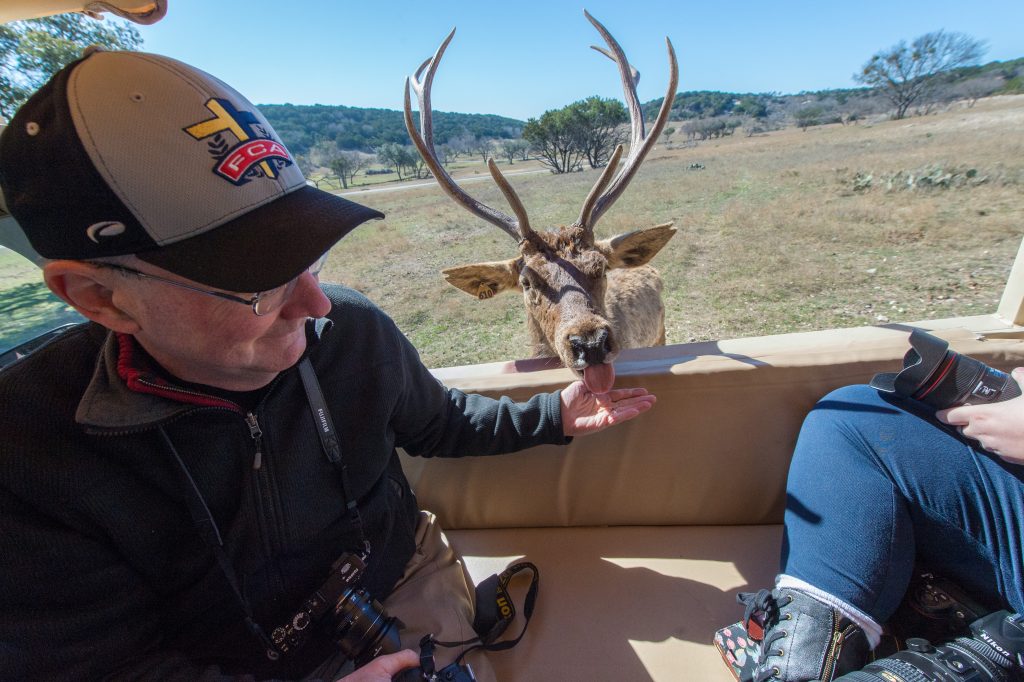
Curious visitor on four legs: a graceful deer approaches our open‐bed truck at Fossil Rim Wildlife Center, drawn by the promise of connection amid Texas Hill Country. It captures a perfect moment of wild wonder meeting warm hospitality.

But recently, I’ve seen a beautiful shift.

A few of my friends have found their way behind the lens—not for clients but for themselves. One of the most inspiring examples is Billy Weeks. Billy lives on the edge of the national forest in Ringgold, Georgia. Many mornings, he walks through those woods with his camera in hand. There is no pressure, no client brief, just the natural world and the simple act of observing it. He’s not chasing deadlines—he’s chasing the joy of seeing.

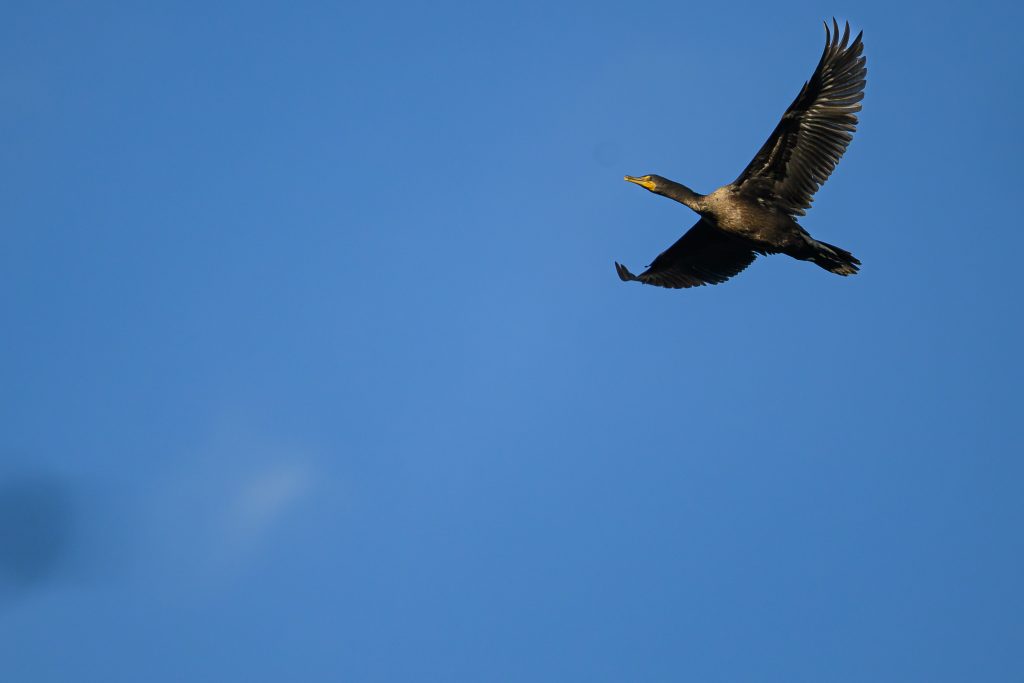
The double-crested cormorant is a member of the cormorant family of water birds. It is found near rivers and lakes and in coastal areas. It is widely distributed across North America, from the Aleutian Islands in Alaska to Florida and Mexico.

Following Billy’s example, several friends have been dusting off or upgrading their gear. My friend Gibbs Frazeur is one of them. He recently upgraded his camera and lenses, not for work, but for the pleasure of spending time outdoors, capturing the quiet beauty around him. Even more meaningful, he’s been sharing these outings with one of his sons. It’s become more than photography—connection, purpose, and presence.

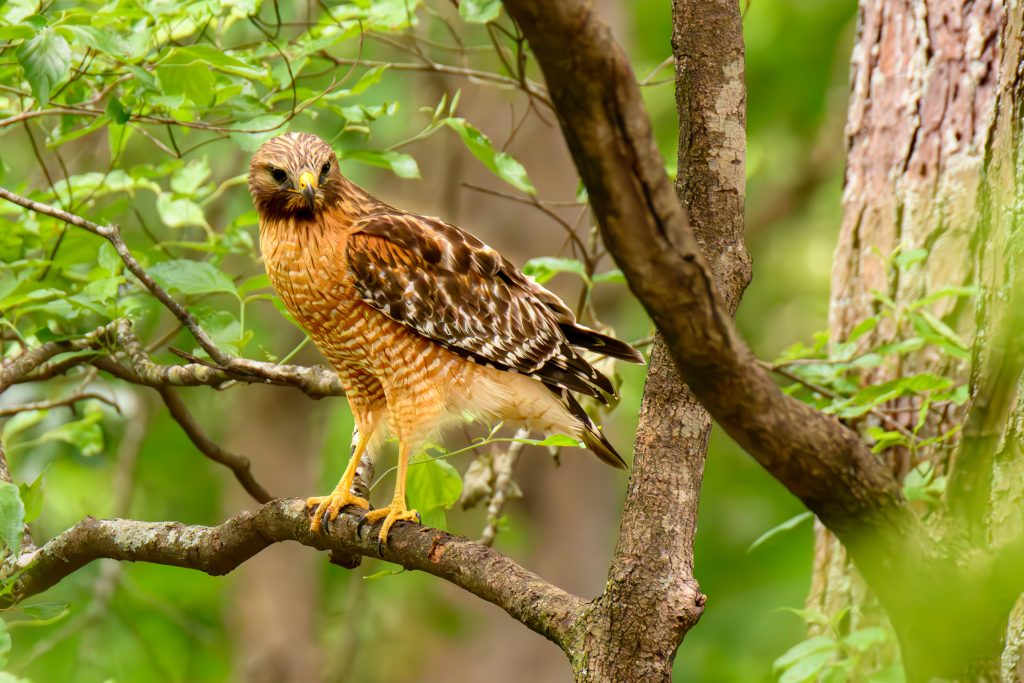
Nature’s Architecture: A red-shouldered hawk diligently builds its nest in my backyard, creating a haven for its offspring. Witnessing the intricate process of nest-building reminds us of the beauty and complexity of the natural world.

I’ve found joy in photographing nature right in my backyard. Sometimes I’ll venture out to explore, but often, it’s as simple as sitting still with my camera and waiting for the light to change or a bird to land nearby.

The beauty of this rediscovery is that it doesn’t have to be about nature. It can be whatever brings you joy—urban textures, interesting people, forgotten places, abstract light. The subject doesn’t matter nearly as much as the spirit in which you approach it.

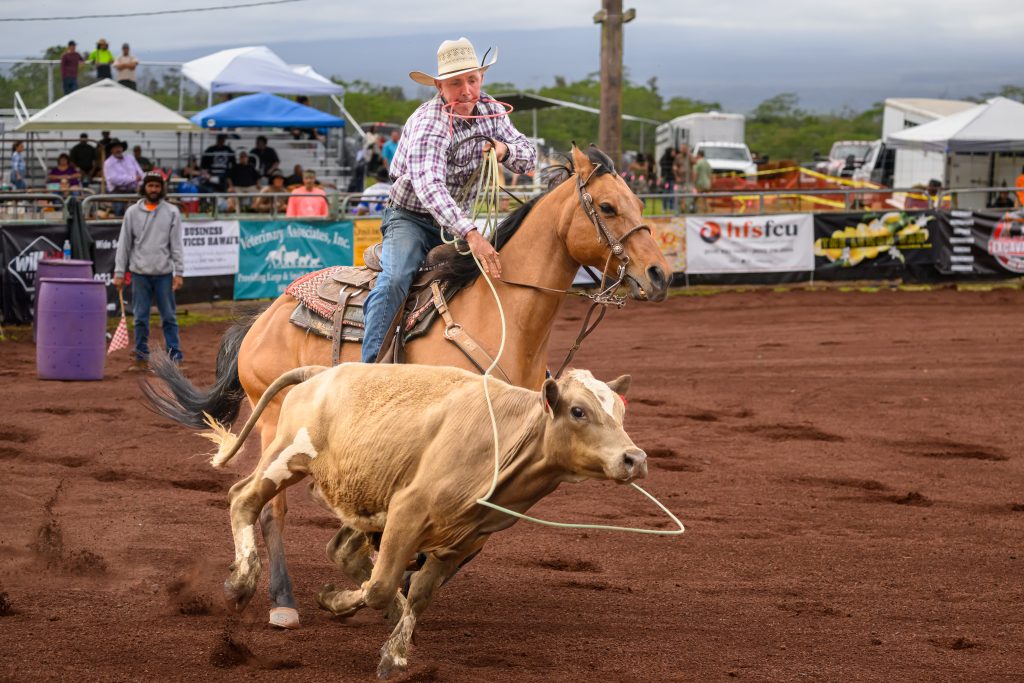
A skilled cowboy demonstrates precision and speed during the Panama Stampede Rodeo roping competition at the Equestrian Center Complex on Stainback Highway, Hilo, Hawaii.

Photography gave us a way to see the world—and for many of us, it gave us a calling. Just because we may not be shooting for clients anymore doesn’t mean that calling is gone. Maybe now is the perfect time to photograph just for the love of it, to rediscover the spark, to fall in love with the click of the shutter all over again.

So here’s your invitation: Pick up your camera again. Take it for a walk. Explore. Capture what delights you. Not for anyone else—for you.

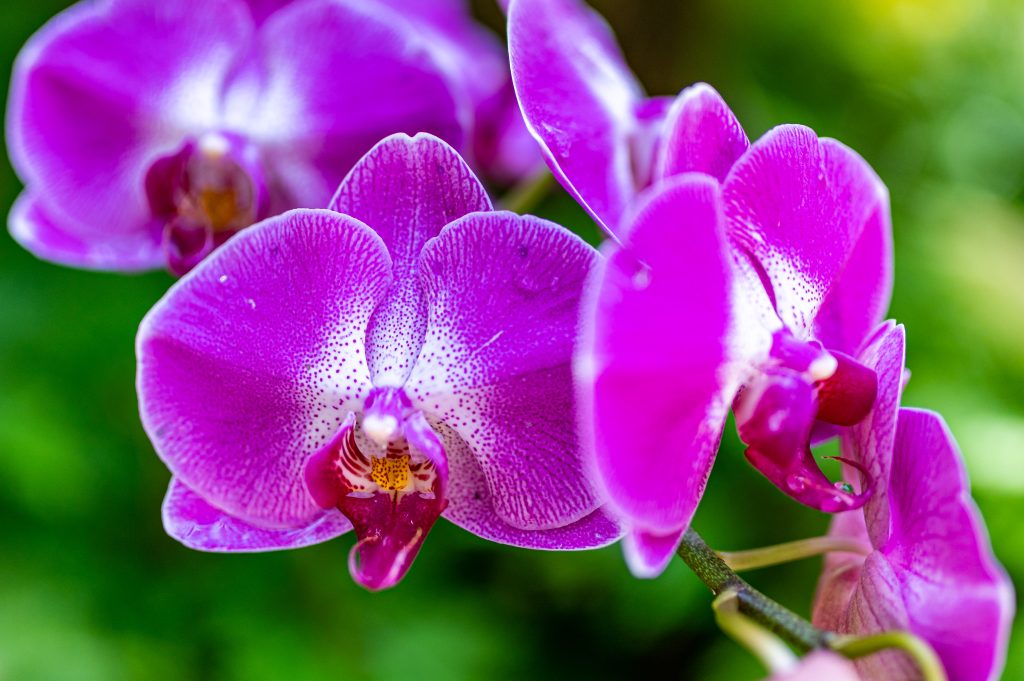
Hawaii Tropical Botanical Garden Orchid

You might be surprised what you find.

Tagged :