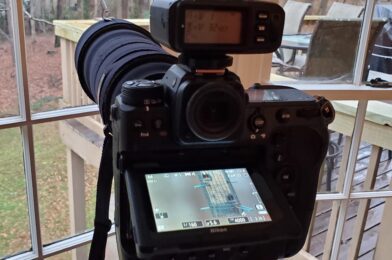
Birds, Nikon Z9, & Flashpoint XPlor 600 HSS TTL

Reading Time: 3 minutes

I have preached over and over on my blog about how Flash can improve the colors in your photos.

Flambient is even a new term you will see in photography that was being done long before. This is where the photographer blends available light with Flash.
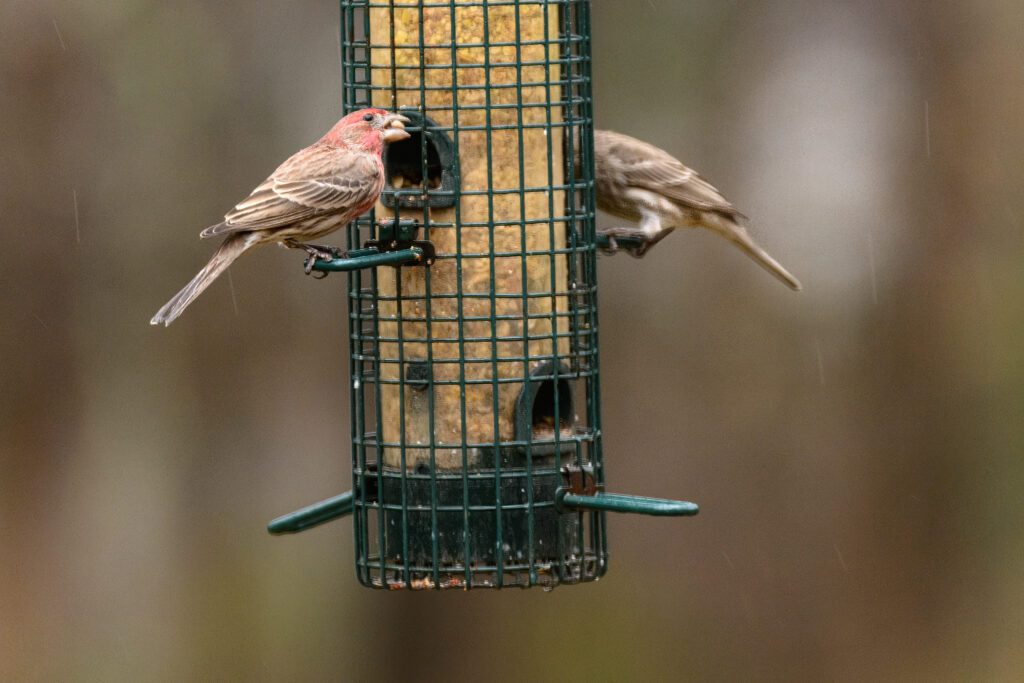
No Flash [NIKON Z 9, VR 120-300mm f/2.8G, Mode = Manual, ISO 4000, 1/160, ƒ/5.6, (35mm = 460)]

This is without a flash shot of birds on the bird feeder. I am shooting from one window of my house, and I put the Flashpoint XPlor 600 HSS TTL in another window about 15+ feet away, creating a triangle between camera, subject, and light.
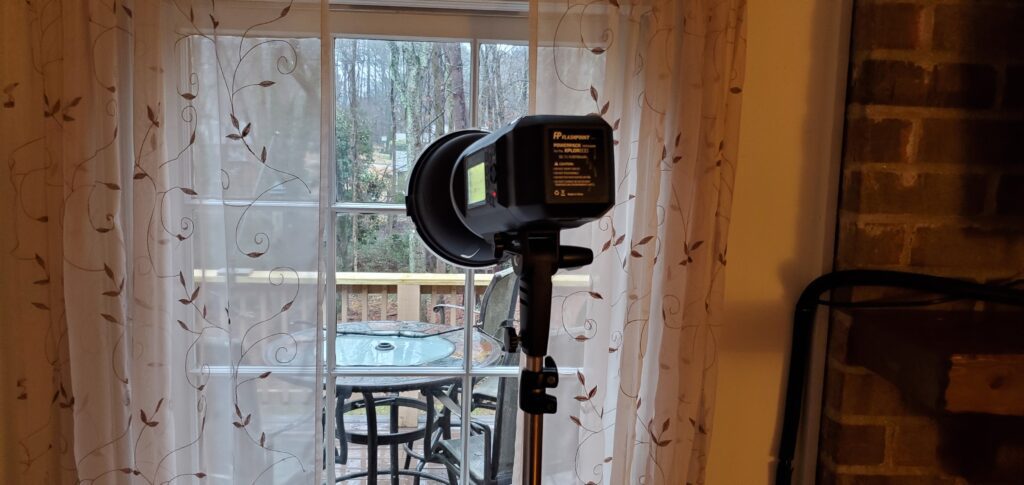
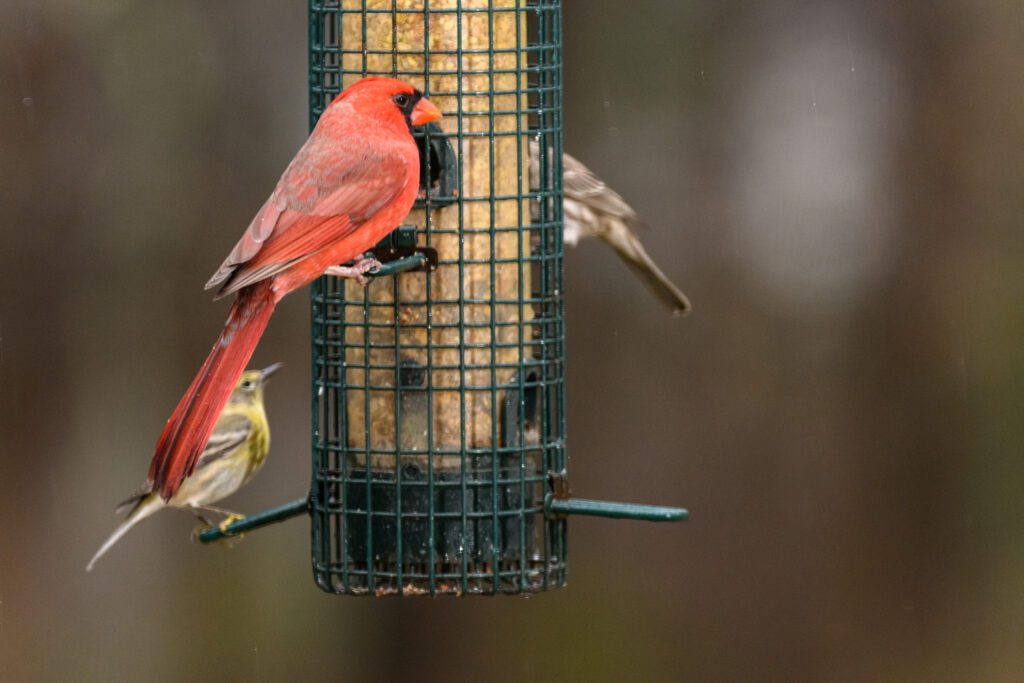
Birds at Bird feeder using the Flashpoint XPlor 600 HSS TTL [NIKON Z 9, VR 120-300mm f/2.8G, Mode = Manual, ISO 4000, 1/160, ƒ/5.6, (35mm = 460)]

The hard part of doing this is balancing available light and the flash.
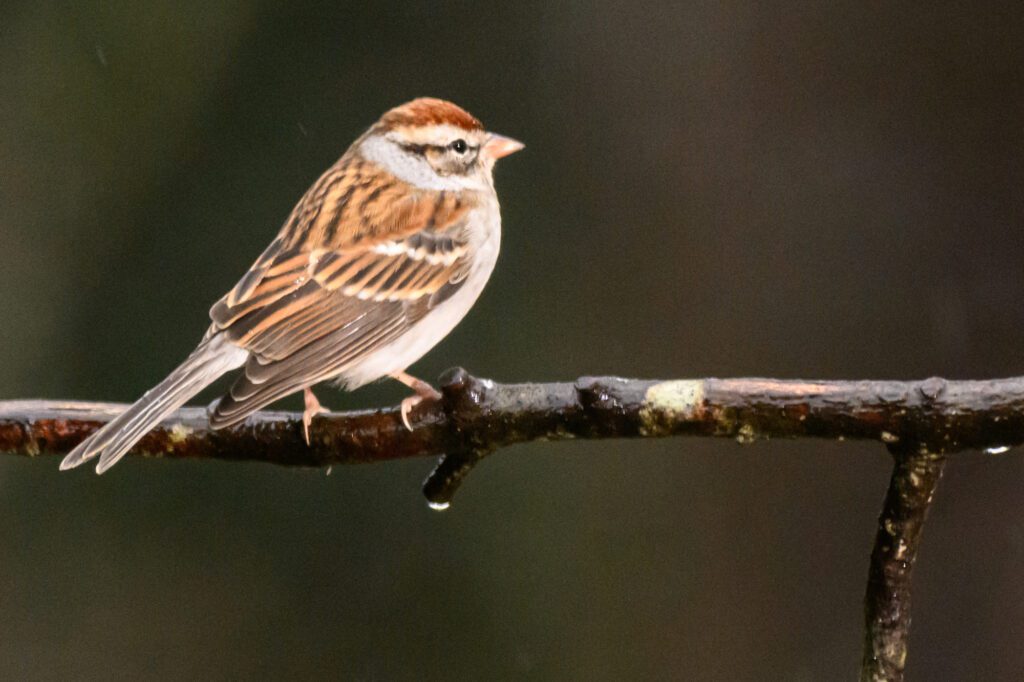
Birds at Birdfeeder Using the Flashpoint XPlor 600 HSS TTL [NIKON Z 9, VR 120-300mm f/2.8G, Mode = Manual, ISO 16000, 1/500, ƒ/5.6, (35mm = 380)]

This, to me, is a little too much flash. What you choose to do will be part of your style and approach.
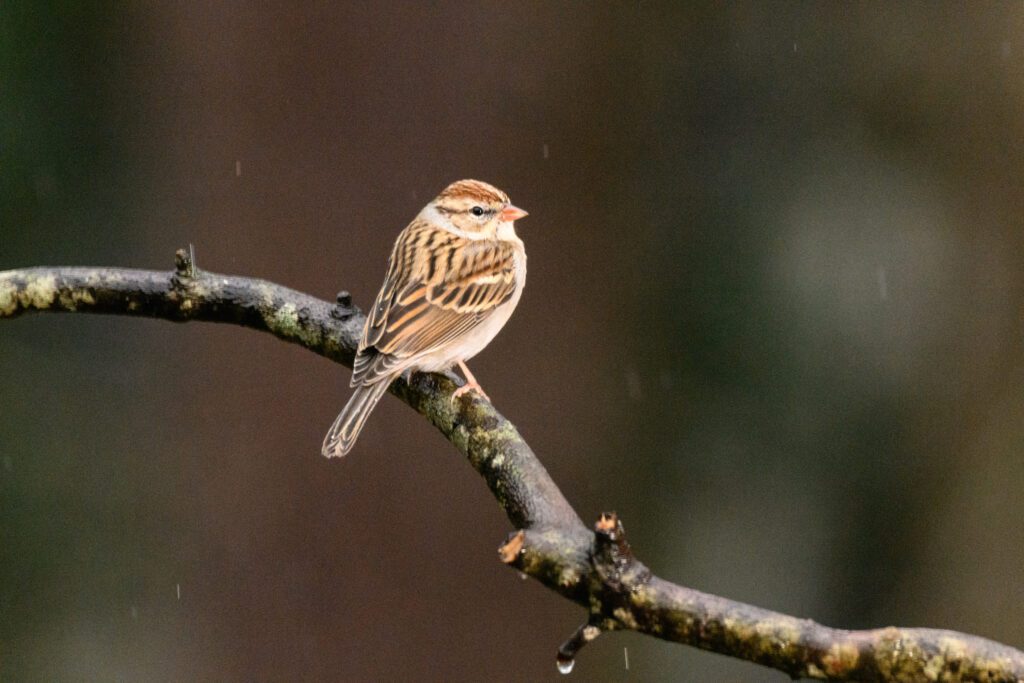
Birds at Birdfeeder Using the Flashpoint XPlor 600 HSS TTL [NIKON Z 9, VR 120-300mm f/2.8G, Mode = Manual, ISO 16000, 1/500, ƒ/8, (35mm = 600)]

Tip Don’t Use TTL

TTL Flash works by the flash doing a pre-flash, and then the camera takes a picture with the second flash. I think you could risk startling the subject and affecting the one with the actual moment.

Another problem is you will drain your battery for a flash much quicker, with it taking two seconds every time you take a photo.
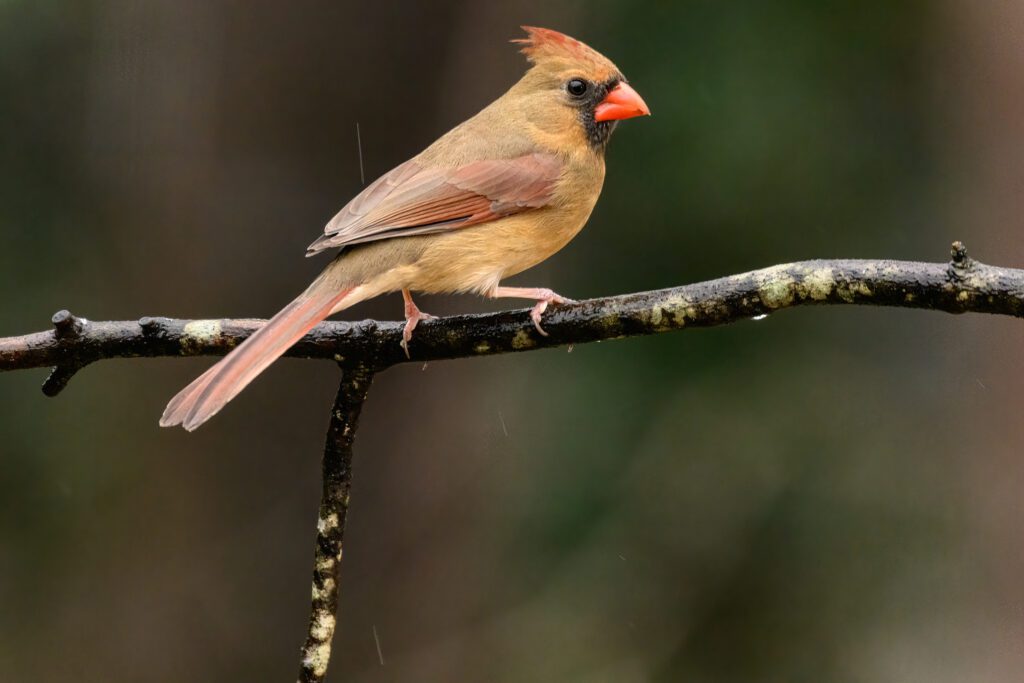
Processed in Lightroom and Topaz AI Sharpen Birds at Birdfeeder Using the Flashpoint XPlor 600 HSS TTL [NIKON Z 9, VR 120-300mm f/2.8G, Mode = Manual, ISO 8000, 1/250, ƒ/8, (35mm = 600)] Flash set to 1/16 power.

I think you dial in the best settings to take the photo without the flash and then add the sparkle. I suggest having the flash -1 EV of the location you have before.
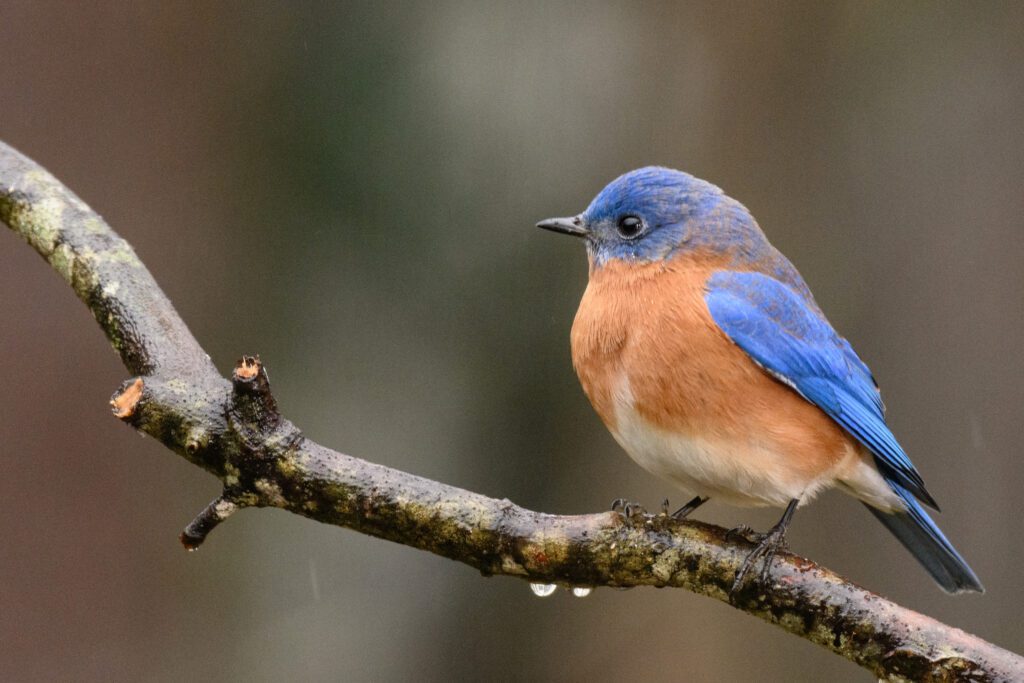
Birds at Birdfeeder Using the Flashpoint XPlor 600 HSS TTL [NIKON Z 9, VR 120-300mm f/2.8G, Mode = Manual, ISO 5000, 1/250, ƒ/8, (35mm = 600)] Flash set to 1/16 power

I always travel with a tripod

Reading Time: 2 minutes
tripod
Gitzo GT-0531 Mountaineer 6X Carbon Fiber tripod
 
I always try to have a tripod with me. Finding a sturdy tripod was pretty easy. However, you will quickly look for something much lighter once you fly and carry your tripod through airports worldwide.
 
Carbon fiber’s high tensile strength, low weight, and low thermal expansion make it a perfect solution for making tripods strong, durable, and lightweight. So, a few years ago, I researched and tried a few tripods before buying my Gitzo GT-0531 Mountaineer 6X Carbon Fiber tripod. 
 
Weighing only 1.6 lbs, it is 20.9” tall folded, extends to 51.6″, and can go as low as 10.6” with legs spread. 
folded
Folded
 
When looking for a tripod, the smaller it is folded, combined with a really tall height when expanded, will make a tripod cost more. Carbon fiber cuts the weight by 1/3 compared to a similar tripod made of metal.
ballhead
Manfrotto 492 Micro Ball Head
 
This tripod doesn’t come with a head. I liked ball heads and needed something small yet strong again, so I bought the Manfrotto 492 Micro Ball Head.
 
This combination fits in a small carry-on bag and keeps my camera steady when needed.  

Cades Cove – Personal Retreat

Reading Time: 2 minutes

Knolan Benfield, my uncle and professional photographer, and I took a few days to do what we love to do—photograph wildlife in Cades Cove.

Carter Shields Cabin George Washington “Carter” Shields (1844-1924) bought this land and cabin from John Sparks in 1910. The cabin dates to the 1830-40s. Shields lived in the cove until 1921. This cabin is located at Cades Cove in Great Smoky Mountains National Park. Cades Cove contains more historic buildings than any other location in the park.

“It is great to take time like this to put all those years of honing your craft to make a living and then spend some time shooting for yourself like this,” Knolan commented just before we finished our time in the Great Smoky National Park this past week.

When I first picked up the camera, I shot for myself; it was a lot of fun. I then pursued this as a career. Over the years, I knew I could do a better job, so I continued to the workshops, seminars, read books, and did a lot of self-assignment tests to sharpen my skills.

It had been a while since I spent time photographing nature like this—back when all I shot was film. I would shoot and then look at the back of the camera, evaluating the image. I would pull up the histogram and see if it could be improved. We played with different white balance settings to see the outcomes of our efforts.

We just had fun.

Only another photographer would put up with our long shoots with one deer and a tripod. Most of our friends would think, “haven’t you got enough already?”

Oxeye Daisy (Chrysanthemum leucanthemum) rhizomatous perennial growing erect to 1 metre in height; lower leaves spoon-shaped, coarsely dissected and stalked; upper leaves narrower and stalkless or clasp the stem; daisy-like flowers borne at ends of stems; central yellow disk flowers 10 to 20 mm wide; white ray flowers are 1 to 2 cm long Photographed on top of Clingmans Dome, Tennessee which is part of the Great Smoky National Park.

What I noticed the most were the memories in my mind of conversations, bears we saw that turned and went into the woods before we could get our camera up, and funny moments that rejuvenate the soul.

I hope I do not take as long between this adventure and the next time I shoot for myself.