The best photo is often the difference is as clear as Night and Day

Reading Time: < 1 minute
 
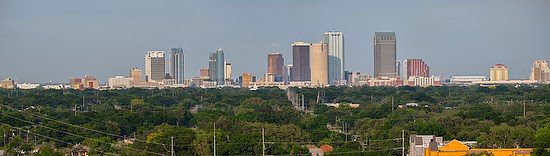
Fuji X-E2, 55-200mm, ISO 400, ƒ/7.1, 1/600 [3 images stitched together in PhotoShop CS6] Handheld

It is a Night and Day difference between these photos. Maybe we need to remember that saying next time we travel.

I find that few photos from the middle of the day stand up to dusk and nighttime photos.

Fuji X-E2, 55-200mm, ISO 6400, ƒ/11, 1/5 seconds [I stitched three images together, and the photo was shot on a tripod with a 2-second delay to eliminate camera shake]

There is a significant difference to me between the two photos.

Here are a couple of quick tips for shooting the nighttime shot.

  • Use Tripod
  • Use a cable release or shoot on delay [I used a 2-second delay]
  • Shooting ƒ/22 will give you a star effect around the lights. I shot at ƒ/11
  • Also, this is a great way to eliminate many of those pesty power lines
 

Photographers love the triangle and for good reason

Reading Time: 2 minutes
 

Rembrandt Lighting

Rembrandt is generally considered one of the greatest painters. An illuminated triangle characterizes Rembrandt lighting under the eye of the subject on the less bright side of the face.

If you want to learn more about achieving this look, read my earlier blog post where I show some of the student’s work from a workshop I did in Kona, Hawaii, with the School of Photography at Youth With A Mission here.

Create Triangle with Off-Camera Flash

Another triangle used by professional photographers is the triangle created between the camera, subject, and flash.

Here you can see the simple setup I used for the photo above. The sun was behind the clouds. I caught this photo just in between showers. The flash also helped give that needed pop on an overcast day.

Create Triangle with Subject

Another way to use the triangle in photography is subject placement within a frame. For example, putting subjects in a group photo in triangles creates a pleasing composition.

Create Triangle with Gear

To make your camera stable, we also use a triangle. Three legs to our tripods and light stands create a stable platform for our camera and light stands.

May the triangle be present in your photographs: from lighting, composition, and support.

I always travel with a tripod

Reading Time: 2 minutes
tripod
Gitzo GT-0531 Mountaineer 6X Carbon Fiber tripod
 
I always try to have a tripod with me. Finding a sturdy tripod was pretty easy. However, you will quickly look for something much lighter once you fly and carry your tripod through airports worldwide.
 
Carbon fiber’s high tensile strength, low weight, and low thermal expansion make it a perfect solution for making tripods strong, durable, and lightweight. So, a few years ago, I researched and tried a few tripods before buying my Gitzo GT-0531 Mountaineer 6X Carbon Fiber tripod. 
 
Weighing only 1.6 lbs, it is 20.9” tall folded, extends to 51.6″, and can go as low as 10.6” with legs spread. 
folded
Folded
 
When looking for a tripod, the smaller it is folded, combined with a really tall height when expanded, will make a tripod cost more. Carbon fiber cuts the weight by 1/3 compared to a similar tripod made of metal.
ballhead
Manfrotto 492 Micro Ball Head
 
This tripod doesn’t come with a head. I liked ball heads and needed something small yet strong again, so I bought the Manfrotto 492 Micro Ball Head.
 
This combination fits in a small carry-on bag and keeps my camera steady when needed.