You Don’t Need a Team to Be a Leader — You Just Need a Mirror

Reading Time: 6 minutes

How the Ideas of Brené Brown, Adam Grant, and Simon Sinek Are Actually More Powerful When You Work Alone


There’s a moment every freelancer knows.

You’re sitting at your desk — no team, no manager, no morning standup — and you’ve just finished a leadership podcast or cracked the spine on another business bestseller. And the whole time you’re reading, a quiet voice in your head is saying: This is great… but it’s not really for me, is it?

Brené Brown talks about leading with courage. Adam Grant breaks down givers, takers, and matchers. Simon Sinek tells you to start with your why. And all of it sounds thrillingly relevant until the chapter starts talking about building teams, managing employees, and transforming organizational culture.

You close the book. Back to chasing invoices.

Here’s what nobody is telling you: these frameworks weren’t just built for corner offices and org charts. When you strip away the corporate scaffolding, what Sinek, Brown, and Grant are really describing is a way of being in business — one that translates directly, sometimes even more powerfully, to the solo operator’s world.

You don’t manage employees. But you do manage yourself. You do manage client relationships. You do manage your reputation. And in the gig economy, that is your organization.

Let’s unpack it.


Part One: Simon Sinek — Your “Why” Is Your Brand

Sinek’s big idea is deceptively simple: people don’t buy what you do, they buy why you do it.

He calls it the Golden Circle. Most people and businesses communicate from the outside in — they lead with what they offer, sometimes explain how they do it, and rarely get around to why they exist at all. The most inspiring leaders, companies, and individuals do the opposite. They start at the center.

For a CEO, this shapes a company’s culture and messaging. For you, it shapes something even more fundamental: your entire reason for showing up.

Think about how most freelancers introduce themselves. “I’m a marketing consultant.” “I do web design.” “I’m a copywriter.” That’s what you do. It’s forgettable. It’s a commodity.

Now imagine instead: “I believe that small businesses deserve to tell their story as powerfully as any global brand — and I help them do exactly that.”

That’s a why. And it does several things for you that no rate card or portfolio ever can:

It filters your clients. When you know your why, you stop chasing every gig and start attracting the ones that fit. Clients who share your values don’t just hire you — they advocate for you. They refer you. They come back.

It guides your decisions. Should you take on that project that pays well but feels off? Does this new service offering align with what you actually believe in? Your why is the compass that makes those calls easier.

It builds loyalty. Clients sense purpose. When they feel you genuinely care about the outcome — not just the deliverable — the relationship shifts from transactional to a trusted one.

The practical step: sit down and write your own Golden Circle. Start with why — what do you believe? What problem in the world genuinely frustrates you that your work helps solve? Then write how you do it differently. Then, last, write what you actually offer.

Put the why on your website. Let it lead your proposals. Let it be the first thing out of your mouth at a networking event.

You’ll know it’s working when people say, “I’m not sure exactly what you do — but I know I want to work with you.”


Part Two: Brené Brown — Vulnerability Is Your Competitive Advantage

This one tends to make freelancers uncomfortable. Vulnerability? In business? Isn’t that how you get taken advantage of?

Here’s what Brown actually found after twelve years of research: vulnerability is not weakness. It’s the precise measure of courage. And in a world full of polished, guarded, LinkedIn-perfect professionals, the person willing to show up as a real human being is magnetic.

For solo operators, this hits differently than it does for executives. When you work alone, there’s no brand armor. No PR team. No company name to hide behind. The relationship your client has is with you — your judgment, your communication, your character. That’s both terrifying and, if you embrace it, a profound advantage.

Here’s what vulnerability looks like in the gig economy:

Admitting when something is outside your expertise. Rather than overpromising and underdelivering, you say: “That’s not my strongest area — here’s who I’d recommend, or here’s how we can approach it together.” Clients don’t lose trust in you. They gain it.

Owning your mistakes quickly. A missed deadline, a misunderstood brief, a deliverable that missed the mark. The instinct is to minimize. Brown’s research says the opposite works: acknowledge it directly, explain what happened, and present the fix. What feels like exposure is actually the fastest route to rebuilding trust.

Sharing your genuine passion. Telling a client, “I’ve been thinking about your problem at 6 am because I keep having ideas,” isn’t unprofessional. It’s the thing they’ll remember and tell people about.

Setting honest boundaries. Brown is equally clear that vulnerability isn’t the same as saying yes to everything. Knowing and communicating your limits — your rates, your availability, the kind of work you won’t take on — is an act of self-respect that clients read as confidence.

The solo operator who masters this becomes the person clients don’t just hire — they trust. And in the referral-driven world of freelancing, trust is the only currency that compounds.

Brown puts it plainly: “We need to trust to be vulnerable, and we need to be vulnerable in order to build trust.” For the independent worker, that loop is the entire business model.


Part Three: Adam Grant — Be a Giver. A Strategic One.

Grant’s research reveals something that sounds obvious until you realize how few people actually live it: the most successful professionals over the long run are givers — people who contribute to others without keeping score.

He identifies three types in every professional environment. Takers extract as much value as they can. Matchers trade evenly — I’ll scratch your back if you scratch mine. And givers contribute without strings attached.

Here’s the twist that makes Grant’s work so interesting: givers are both the most successful and the least successful professionals. What determines which? Whether they give strategically or let themselves burn out serving everyone.

For a freelancer, this framework is a masterclass in building a practice that grows on its own.

The solo operator who works as a strategic giver does things like:

  • Referring a potential client to a better-fit colleague, knowing the goodwill will circle back
  • Sharing a genuinely useful insight or resource with a prospect, before they’ve signed anything
  • Adding a small, unexpected deliverable for a client who really needed it
  • Introducing two people in their network who should know each other

None of this requires employees. It requires only the decision to operate from abundance rather than scarcity.

Grant’s data backs this up in a way that’s hard to argue with: givers build broader, more loyal networks than takers — not because they’re more social, but because every interaction leaves the other person better off. In a world where most new freelance work comes through referrals and reputation, this isn’t just nice. It’s a strategy.

But — and this is the part most summaries skip — Grant is specific about the traps. Selfless givers burn out and get exploited. The key is what he calls being “otherish” — genuinely other-focused, but not at the expense of your own goals and sustainability.

For freelancers, that means: block time for your own development. Set boundaries with clients who consistently drain without reciprocating. Give generously in your zone of strength, not in every direction at once. And give to givers and matchers first — people who will pay it forward, rather than pouring your energy into takers who will simply take more.


The Through Line

Here’s what becomes clear when you lay these three frameworks side by side:

Sinek gives you your compass. Your why tells you what you stand for, who you serve, and why it matters — to you and to them.

Brown gives you your courage. Knowing your why means little if fear keeps you performing a safe but hollow version of yourself. Vulnerability is what makes the compass visible to others.

Grant gives you your practice. Once you know why you’re here and you show up as yourself, generosity becomes the engine. The giver mindset — strategic, boundaried, genuine — is what turns individual transactions into a reputation, and a reputation into a growing practice.

Together, they don’t describe a leadership philosophy for the boardroom. They describe something closer to a personal operating system — a set of principles for how to be in every client call, every proposal, every difficult conversation, every moment when the work is hard, and no one is watching.

You don’t need a team to lead. You need to lead yourself consistently in a direction worth following.

That’s what clients see. That’s what they remember. That’s what they tell their peers.

And in the solo economy, that’s everything.


The next time you pick up a leadership book and feel that nagging sense that it wasn’t written for you, read it again. Just replace every instance of “your team” with “your clients,” and every “employee” with “yourself.”

You might find it was written for you all along.


About this post: This piece draws on the foundational work of Simon Sinek (Start With Why), Brené Brown (Daring Greatly, Dare to Lead), and Adam Grant (Give and Take). All three are worth reading in full — not as leadership manuals, but as mirrors.

Walter Cronkite’s Warning and What It Means for Organizations Today

Reading Time: 3 minutes

For decades, organizations relied on newspapers, magazines, radio stations, and television networks to help tell their stories. If a business launched a new service, a nonprofit started a new program, or a ministry made an impact in the community, they often turned to journalists to share the news.

Then everything changed.

The rise of Craigslist disrupted one of the largest revenue sources for newspapers—classified advertising. Soon after, social media platforms like Facebook, Twitter (now X), LinkedIn, Instagram, YouTube, and others gave organizations something they had never had before: direct access to their audiences.

Suddenly, businesses, nonprofits, and NGOs no longer needed to wait for a reporter to tell their story. They could publish it themselves.

At first, this seemed like an obvious win. Communication became faster, cheaper, and more controlled.

But something important was lost along the way.

The Difference Between Publishing and Verification

Today, nearly every organization is its own media company.

Websites, blogs, newsletters, podcasts, videos, and social media channels allow leaders to communicate directly with customers, donors, volunteers, and stakeholders.

That is incredibly valuable.

However, self-publishing and journalism serve different purposes.

When an organization publishes its own story, it controls the message.

When a journalist covers a story, someone outside the organization evaluates the facts, asks questions, provides context, and determines whether it is newsworthy.

One creates visibility.

The other creates credibility.

Both matter.

Walter Cronkite’s Warning Still Matters

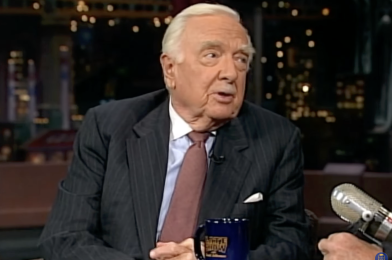
Following the attacks of September 11, 2001, legendary broadcaster Walter Cronkite appeared on David Letterman’s show to discuss the role of media in a democracy.

One of the most powerful moments came when Cronkite reflected on Germany during World War II. He noted that many German citizens accepted government control of newspapers and radio because they trusted those in power. Later, many claimed they did not know what was happening around them.

Cronkite’s point was simple: citizens have a responsibility to stay informed, and societies need independent sources of information to hold institutions accountable.

While he was speaking about government and democracy, the lesson applies more broadly today.

Trust grows when information is examined, questioned, and verified—not simply published.

The Communications Mistake Many Organizations Make

Many leaders assume that because they have social media accounts, email newsletters, and a website, they no longer need traditional media coverage.

That is a mistake.

Organizations often spend significant resources creating content but overlook one of the most valuable forms of communication available: earned media.

When a respected newspaper, industry publication, radio station, podcast, or television outlet tells your story, it carries a level of credibility that self-published content cannot achieve on its own.

People expect organizations to say good things about themselves.

Third-party validation is different.

It signals that someone outside the organization found the story important enough to share.

The Best Approach Is a Blended Strategy

The strongest communication plans combine three types of media.

Owned Media

These are the channels your organization controls:

  • Website
  • Blog
  • Newsletter
  • Podcast
  • Video content
  • Social media channels

Owned media allows you to communicate consistently and directly with your audience.

Earned Media

This includes coverage from outside sources:

  • Newspapers
  • Television stations
  • Radio programs
  • Industry publications
  • Community media
  • Independent podcasts

Earned media provides credibility and expands your reach beyond your existing audience.

Shared Media

These are channels where others help amplify your message:

  • Community partners
  • Influencers
  • Volunteers
  • Employees
  • Donors
  • Customers

Shared media extends trust through relationships.

Should Organizations Still Send Press Releases?

Absolutely—but only when they have something genuinely newsworthy to share.

Most press releases fail because they read like advertisements.

Journalists are not looking for marketing copy. They are looking for stories their audiences care about.

Before sending a press release, ask:

  • Why would the public care about this?
  • What problem does this solve?
  • Who benefits?
  • What impact does this create?
  • What larger trend does this illustrate?

The best press releases focus on people, community impact, innovation, research, trends, and outcomes—not self-promotion.

Why This Matters More Than Ever

Artificial intelligence can now generate articles, images, videos, and social media posts in seconds.

The volume of content is exploding.

As information becomes easier to create, trust becomes harder to earn.

That is why organizations should not abandon their relationships with traditional media. They should strengthen them.

Social media gives you the power to publish.

Earned media provides the opportunity for independent validation.

Organizations that combine both are often viewed as more credible, more trustworthy, and more influential than those that rely solely on their own channels.

The future of communication is not choosing between social media and traditional media.

It is understanding how each serves a different purpose—and using both strategically.

Every Leader Should Go Through “Media Training”—Even If You Never Face a Camera

Reading Time: 5 minutes

Billy Darling, left, on lead guitar, and Devron Hooker on bass perform with Electric Soul at Guston’s Grille in Woodstock, Ga., on Saturday, June 13, 2026. The band’s performance of classic rock favorites drew a crowd of regulars, including members of the “Rock and Reunion” group, who gather weekly at live music venues along the Georgia 400 corridor north of Atlanta.

Most leaders will never sit through formal media training.

That’s unfortunate.

Because while media training is often associated with preparing executives for television interviews or crisis communications, its greatest value has nothing to do with cameras or microphones. It forces leaders to answer a simple question:

Can you clearly explain why your organization exists and why anyone should care?

Over the past couple of months, I’ve had the opportunity not only to photograph events for Appen Media Group’s seven community newspapers serving North Atlanta and the Decatur area, but also to write those stories. That shift from behind the camera to conducting interviews has reminded me how revealing a few simple questions can be. Covering everything from city council meetings and community festivals to nonprofit fundraisers and veterans’ events, I’ve discovered that the most memorable moments rarely come from the basic facts. They emerge when people explain why they are investing their time, energy and resources into the work they do.

Journalists are trained to ask the Five W’s:

  • Who?
  • What?
  • When?
  • Where?
  • Why?

Most leaders can answer the first four without much hesitation.

Who are you?

What do you do?

When is the event?

Where is it happening?

Those answers provide information.

But the fifth question changes everything.

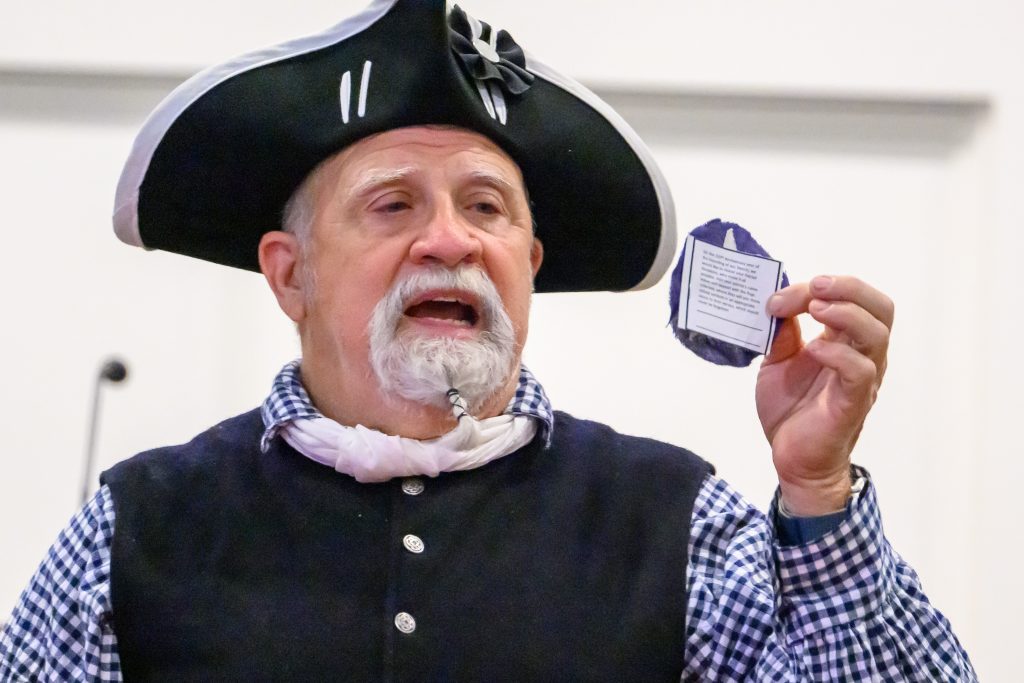
Emil Decker, president of the Robert Forsyth Chapter of the National Society Sons of the American Revolution, holds up a star cut from a retired American flag during the annual Flag Day and Flag Retirement Ceremony at Ingram Funeral Home and Crematory in Cumming, Ga., on June 13, 2026. “We cut out the Stars on some of the flags and give to vets and explain where they came from and to remind the vets of their purpose,” Decker said.

Why?

Why are you doing this?

Why does it matter?

Why should anyone care?

As a journalist, that’s the answer I’m usually chasing because it produces the quote readers remember. Facts fill in the blanks of a story. Purpose gives it life.

I’ve found that when I ask someone why they do what they do, I often get past the rehearsed responses and into the heart of the matter. That’s where people reveal what motivates them, what they believe, and whom they hope to serve.

And that matters far beyond journalism.

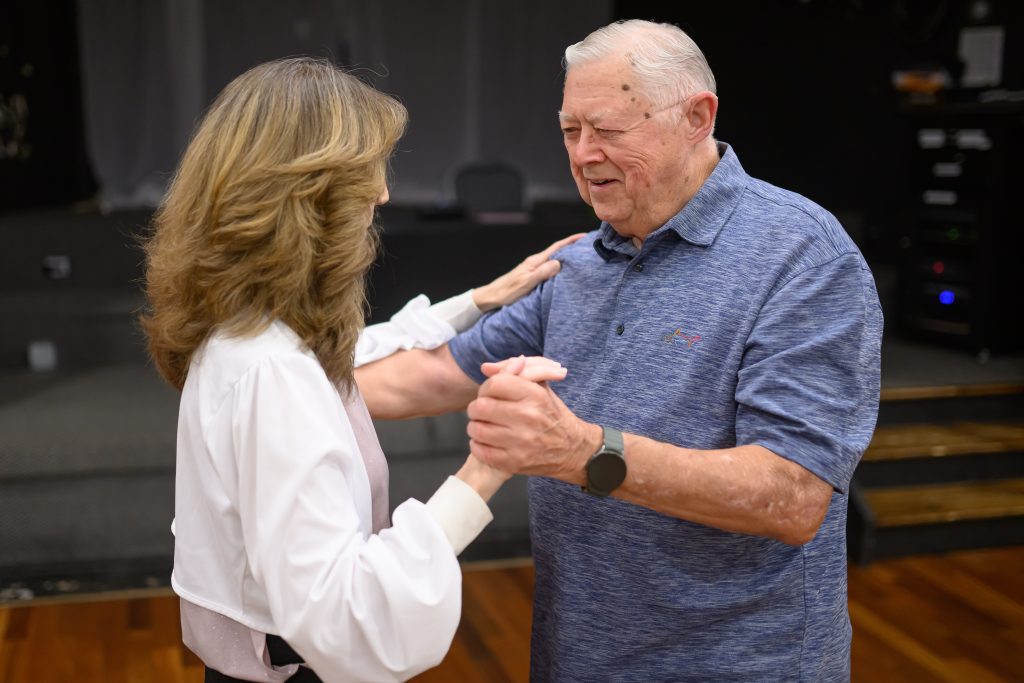
Don Askea dances with volunteer instructor Elizabeth Williams during a free class for veterans and first responders at American Legion Post in Alpharetta on Thursday, June 11, 2026. He enjoys coming to the lessons because they provide an opportunity to socialize, stay active and try something new.

The Five W’s Through the Eyes of Your Customer

Every leader should regularly answer the Five W’s about their organization. But there’s an important twist:

Every answer should revolve around your customer.

Instead of making your business the hero of the story, make your customer the focus.

Who?

Who do you serve?

Not everyone. Be specific. What problems do they face? What aspirations do they have? What keeps them awake at night?

What?

What do you actually do for them?

Avoid industry jargon. Explain the transformation you provide. What changes because of your work?

When?

When are you most needed?

At what point in your customer’s journey do they seek your help? What circumstances create urgency?

Where?

Where do you meet them?

This isn’t just geography. Where do they encounter your brand? Where do they experience the value you provide?

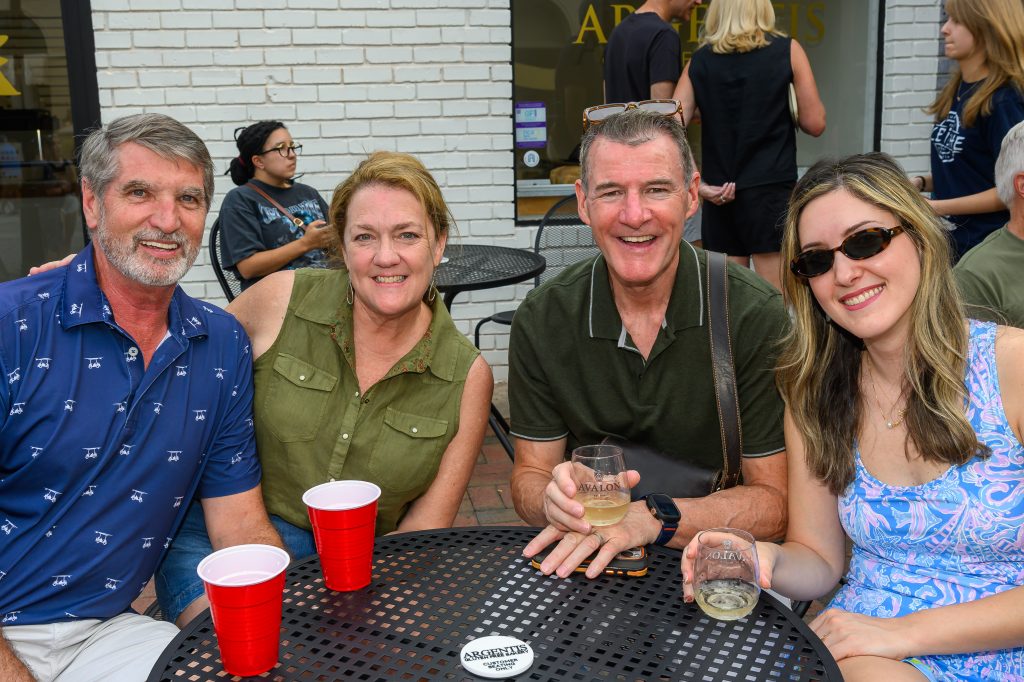
From left, Tom Ashworth, Tracy Ashworth, Sean O’Rourke and Lilas O’Rourke attend Brew Moon Fest in downtown Alpharetta, Ga., on Saturday, June 6, 2026. The longtime friends attended the annual event to see friends and enjoy the Alpharetta community, according to Tom Ashworth.

Why?

Why do you exist to serve them?

This is the question that separates organizations people simply buy from and organizations people believe in.

People don’t just purchase products and services. They align themselves with values, causes, and missions they trust.

Simon Sinek built an entire body of work around this principle in his book, Start With Why. His argument is straightforward: people don’t buy what you do; they buy why you do it.

The organizations that inspire loyalty understand this.

Their “why” isn’t about making money. Profit is necessary, but it isn’t the purpose.

Their why explains the difference they hope to make in the lives of the people they serve.

That clarity affects everything.

It influences whether customers choose you over competitors.
It shapes whether employees want to work with you.

It determines whether people advocate for your brand when you’re not in the room.

People are drawn to purpose.

Clark Spaulding holds up his crawfish during the children’s race at the Crawfish Boil benefiting the Brady Corbett Fund, a hands-on activity that brought energy and excitement to the evening’s family-friendly festivities. For parents like Sprice Packham, whose son Charles received care through the program, the support has been life-changing. “They helped him to broaden his world,” Packham said. “He couldn’t do that on his own.”

Think Like a Journalist

There’s one more layer to this exercise.

A good journalist is constantly asking:

Why would our audience care?

It’s not enough for something to matter to you. You have to connect it to the interests and needs of the people you’re trying to reach.

Leaders should ask the same question.

Why would your customers care about this initiative?

Why should your employees be excited about this change?

Why would your community pay attention?

If you can’t answer that question, you may be communicating information without creating relevance.

The leaders who communicate best don’t simply announce what they’re doing.

They translate it into terms their audience understands and values.

Your Assignment

Set aside thirty minutes this week.

Imagine you’re sitting across from a journalist who knows nothing about your organization.

Answer these questions:

  • Who do you serve?
  • What do you help them accomplish?
  • When do they need you most?
  • Where do they experience your value?
  • Why do you exist to do this work?

Then read your answers out loud.

If they sound like a brochure, keep working.

If they sound like you genuinely understand and care about the people you serve, you’re getting closer.

Because media training isn’t really about handling difficult questions.

It’s about developing the clarity to communicate your purpose.

And leaders who can clearly articulate their why—through the lens of the people they serve—don’t just attract attention.

They attract trust, customers, employees, and advocates who want to be part of the story they’re telling.

More Than a Car Show: Building Community One Conversation at a Time

Reading Time: 3 minutes

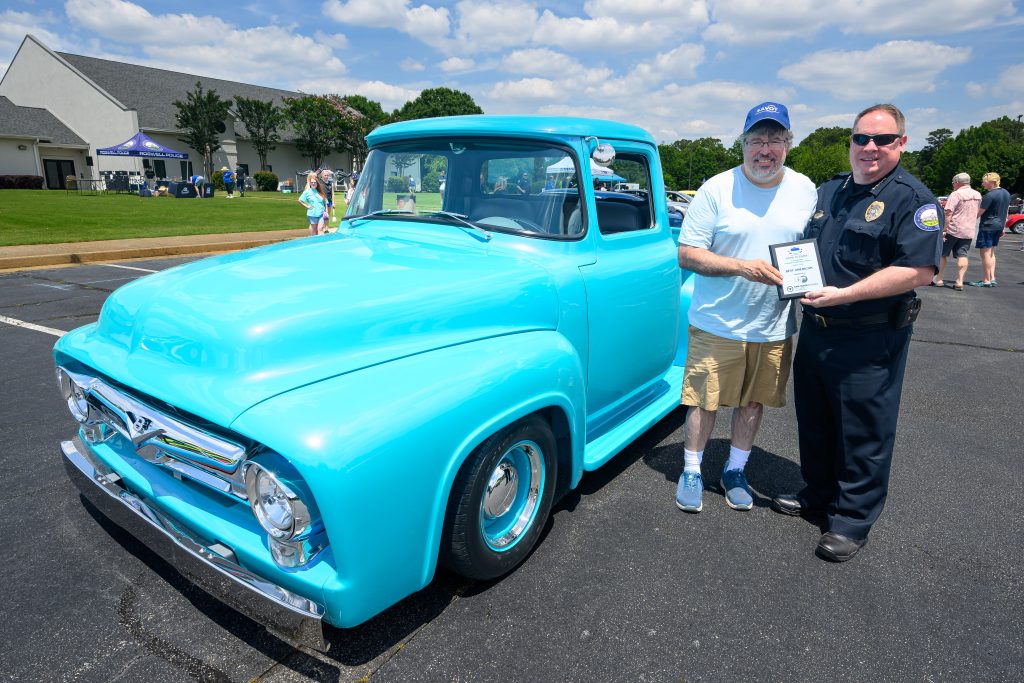
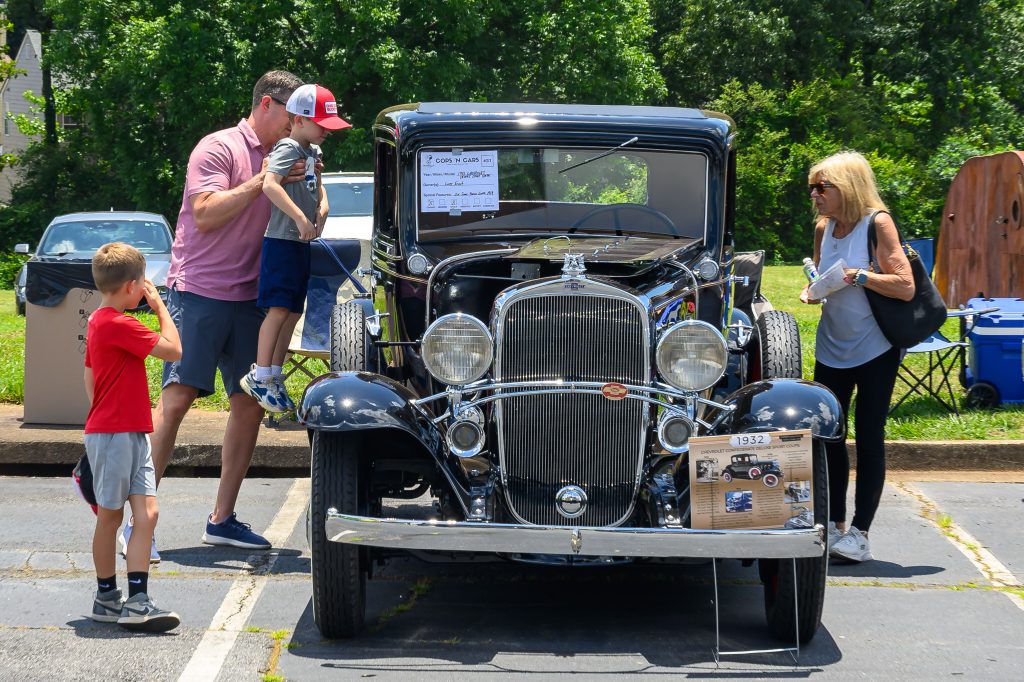
This weekend I had the privilege of serving as the official photographer for Roswell Cops N Cars, an event hosted by the Friends of Roswell Police Foundation in partnership with the Roswell Police Department.

On the surface, it was everything you would expect from a great community car show. Classic cars lined the parking lot, families wandered from vehicle to vehicle, local vendors showcased their products and services, and food trucks kept everyone well fed throughout the day.

But as I walked through the event with my camera, I was reminded that the most meaningful stories are rarely about the thing that initially draws people together.

Cops N Cars 2026

The cars were impressive. The real story was the people.

In recent months, I’ve enjoyed covering community events and writing stories for local media outlets. One thing I’ve noticed is how many organizations are intentionally creating opportunities for people to gather face-to-face. In a world where so much communication happens through screens, events like Roswell Cops N Cars remind us of the value of simply spending time together.

The Friends of Roswell Police Foundation understands this well.

Their annual event helps raise support for programs that benefit both the Roswell community and the officers who serve it. Just as importantly, it creates an environment where residents can meet police officers outside of emergency situations.

Cops N Cars 2026

That matters.
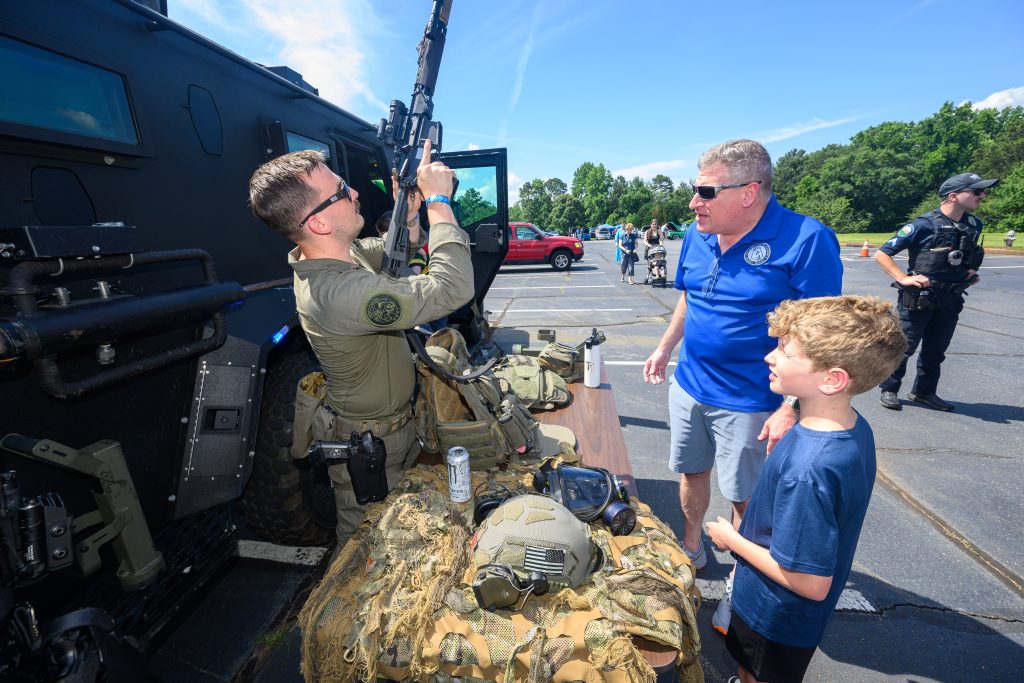
Most interactions people have with law enforcement happen during stressful moments. Community events provide a different setting—one where conversations happen naturally, children climb into police vehicles with excitement, neighbors meet one another, and officers become familiar faces rather than uniforms seen only during difficult circumstances.

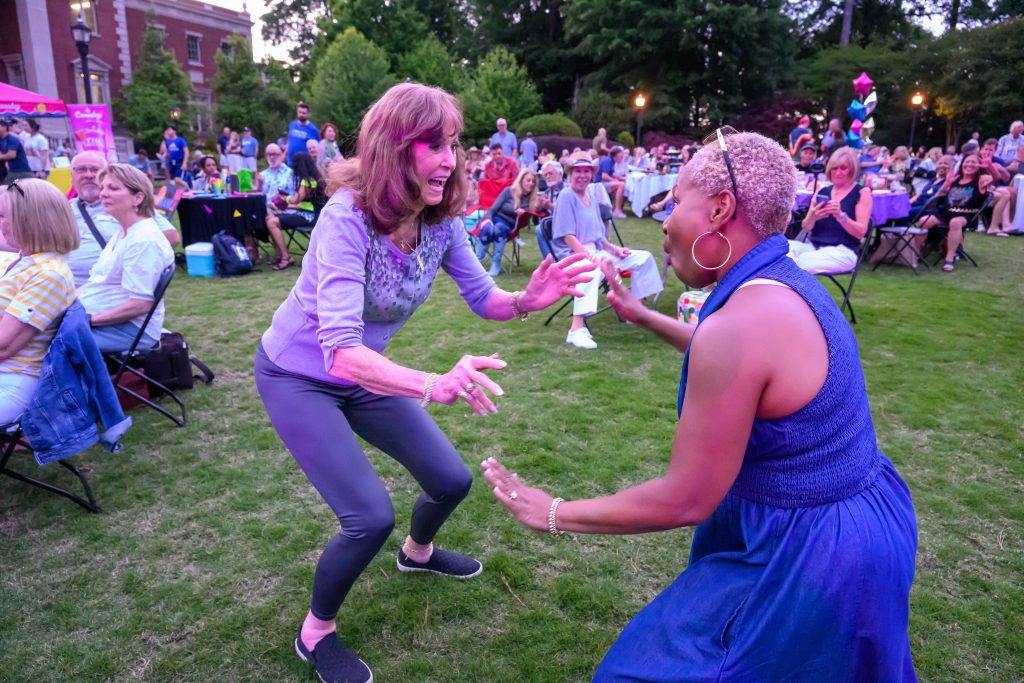
Throughout the afternoon, I watched officers answering questions, posing for photos, talking with families, and sharing laughs with attendees. Those moments may seem small, but they are the building blocks of trust and connection.

Cops N Cars 2026

The event’s organizers often talk about the relationships that develop during these gatherings, and after spending the day documenting the event, it’s easy to understand why. The strongest communities are built when people know one another, not just by name, but through shared experiences.

As a storyteller, those are the moments that catch my attention.

A child looking wide-eyed at a classic car.

Cops N Cars 2026

Neighbors reconnecting over a shared interest.

Families spending time together.

Police officers and residents are having conversations that might never have happened otherwise.

These interactions may not make national headlines, but they help create the kind of community most people want to call home.

The classic cars provided plenty of opportunities for great photographs, but the images I’m most drawn to are the ones showing people connecting with one another. Those photographs tell the deeper story of what the day was really about.

Cops N Cars 2026

Roswell Cops N Cars wasn’t simply a car show.

It was another reminder that strong communities don’t happen by accident. They are built intentionally—one conversation, one gathering, and one relationship at a time.

Cops N Cars 2026

Your Brand Is Too Important to Hand to the Cheapest Person With a Camera

Reading Time: 3 minutes

“We have a college student who takes great photos.”

I hear this all the time.

And sometimes it’s true.

That college student may be talented, enthusiastic, and capable of making a few outstanding photographs. But if your brand matters, hiring a photographer should never be based on whether someone owns a nice camera or has a handful of impressive images on Instagram.

The question isn’t:

Can they make a good photograph?

The question is:

Can they consistently create images that strengthen your brand?

That’s an entirely different skill.

Anyone Can Get Lucky. Professionals Deliver Consistently.

One of the first things I tell clients to look for in a photographer’s portfolio is consistency.

A portfolio should not be judged by its five best images. It should be judged by whether the quality remains high from image to image and assignment to assignment. Professional photographers deliver reliable results regardless of the location, lighting conditions, weather, or subject matter. That’s what separates experience from luck.

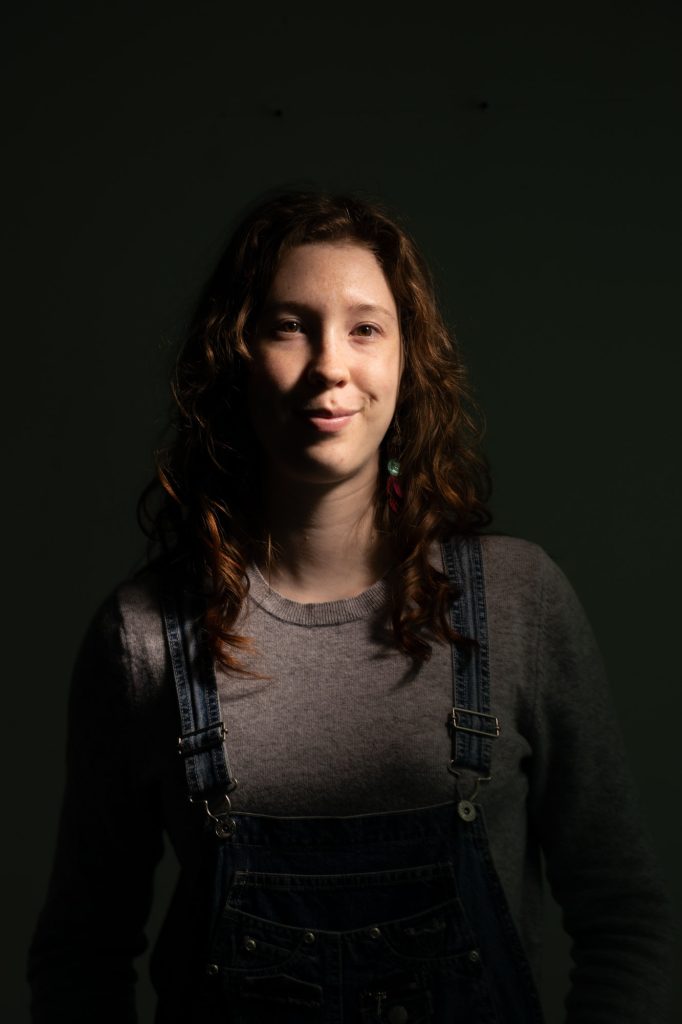
Raiden Sparks

Your Brand Deserves More Than Good Camera Gear

The camera is the least important part of the equation.

Professional photographers bring experience in:

  • Lighting
  • Composition
  • Color management
  • Storytelling
  • Working with people
  • Solving problems under pressure
  • Understanding marketing objectives

A business photograph isn’t simply about documenting what happened. It’s about communicating who you are, what you do, and why someone should trust you.

The best commercial photographers don’t just take pictures. They create visual assets that support your brand message and marketing goals.

Look Beyond the “Wow” Photos

When reviewing a portfolio, ask yourself:

  • Are the exposures consistent?
  • Do skin tones look natural?
  • Are faces well-lit and easy to see?
  • Does your eye immediately go to the subject?
  • Is there a clear visual style?
  • Do the images feel intentional?
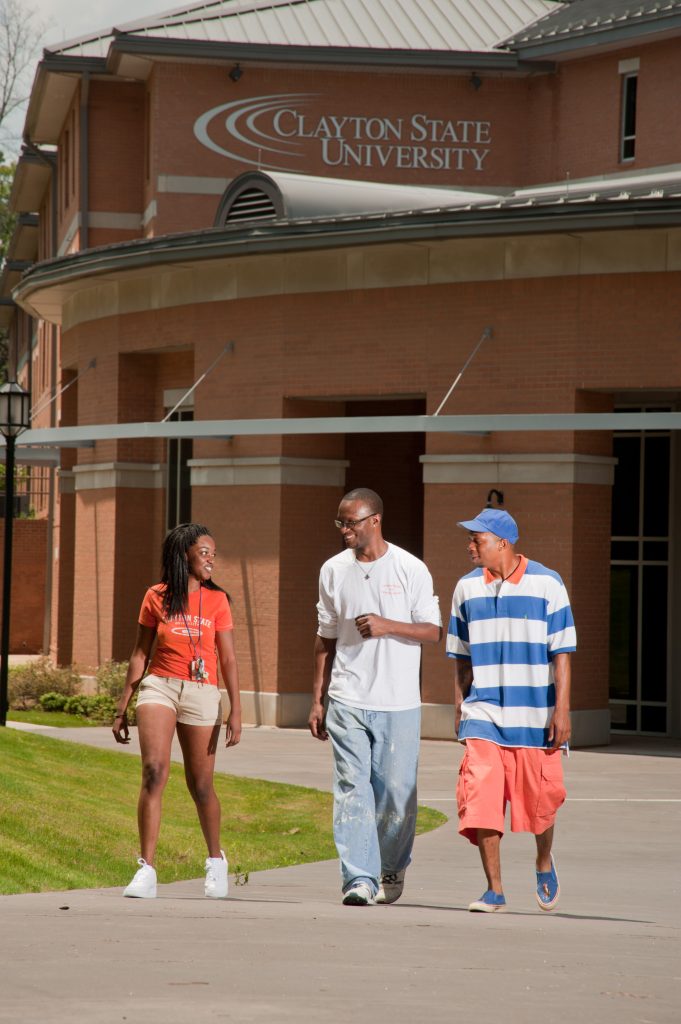
Clayton State University

A photographer’s portfolio is often a highlight reel. That’s why I encourage clients to ask to see complete projects, not just selected favorites. The real test is whether the photographer can produce strong work throughout an entire assignment.

Consistency Builds Trust

Imagine visiting a company’s website where every employee’s headshot has a different style, lighting, background, and quality level.

What does that communicate?

Most likely, it suggests a lack of attention to detail.

Visual consistency is one of the foundations of a strong brand. Whether it’s executive portraits, event coverage, product photography, or storytelling images, your photography should feel like it belongs to the same organization. Consistent imagery builds credibility and trust.

The Real Cost of Hiring the Cheapest Photographer

Many organizations compare photographers based on price alone.

But the real cost isn’t what you pay the photographer.

The real cost is using weak images for years on your website, annual reports, newsletters, fundraising campaigns, social media, recruiting efforts, and presentations.

Poor photography doesn’t just look bad.

It can make your organization look less professional, less trustworthy, and less capable than it really is.

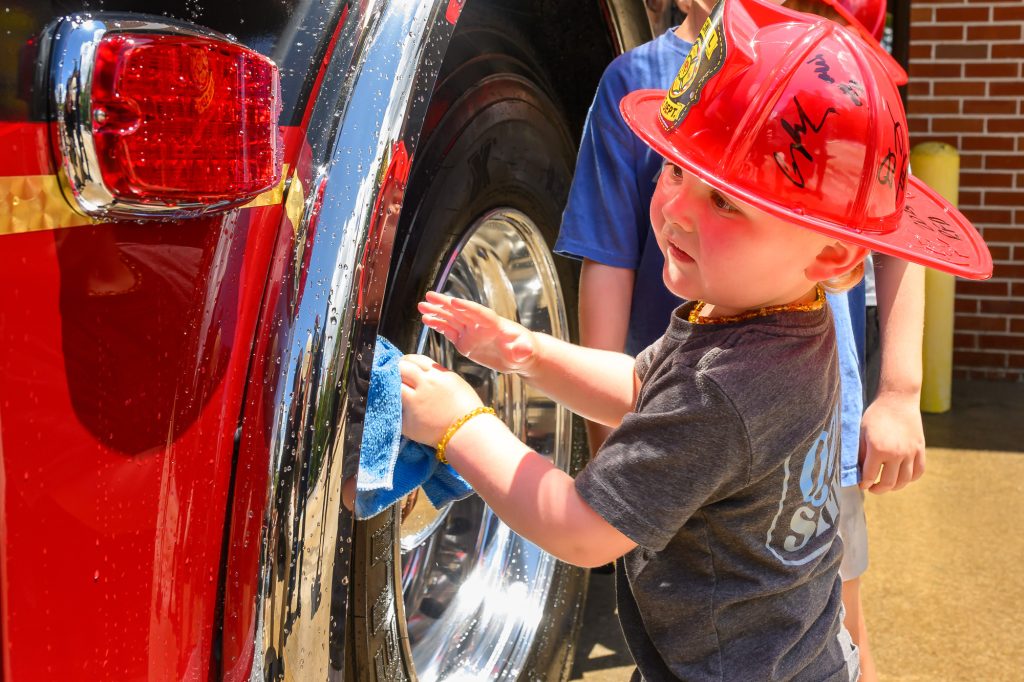
New Fire Engine Push-In Ceremonies

Hire a Photographer Who Understands Your Story

Before you hire anyone, ask yourself:

Do I need someone to take pictures?

Or do I need someone to help communicate who we are?

The best photographers are storytellers first and camera operators second.

When your brand is on the line, that’s a difference worth paying for.

The Secret to Finding Great Stories: Learning How to Listen

Reading Time: 3 minutes

Last week, while teaching at the School of Photography with YWAM Dunham in Quebec, one of the students, Sandrine Frédéric, asked me a question that many beginning storytellers wrestle with:

“How do you interview someone?”

For many young photographers and videographers, interviewing people is terrifying. Pointing a camera at someone is easy compared to asking meaningful questions and uncovering a story.

When I teach storytelling, I often point students to the work of Brandon Stanton, creator of Humans of New York. Stanton has interviewed thousands of strangers around the world. What makes his work so compelling isn’t his photography—it’s his ability to help ordinary people share extraordinary stories.

The good news is that interviewing is a skill anyone can learn.

Stop Looking for a Story. Look for a Struggle.

One of the biggest mistakes beginners make is trying to find someone with an amazing life story.

Instead, look for a struggle.

Every meaningful story involves someone facing a challenge, obstacle, fear, disappointment, loss, or difficult decision. The struggle doesn’t have to be dramatic.

A story can be about:

  • Overcoming insecurity.
  • Recovering from failure.
  • Learning to forgive.
  • Moving to a new country.
  • Losing a loved one.
  • Finding purpose.
  • Overcoming loneliness.

The question isn’t, “What happened to you?”

The question is, “What have you had to overcome?”

That’s where the story usually lives.

Start Shallow Before Going Deep

Many young storytellers make the mistake of asking deeply personal questions immediately.

Imagine meeting someone for the first time and asking:

“What is the hardest thing you’ve ever experienced?”

Most people will shut down.

Brandon Stanton often begins with simple, easy questions. He starts a conversation before he starts an interview. Trust is built one question at a time. Research on Stanton’s approach shows that he often begins with casual conversation and gradually moves toward deeper subjects as people become comfortable.

Start with questions like:

  • Where are you from?
  • What do you enjoy doing?
  • What brought you here?
  • Tell me about your family.

Then slowly move deeper.

Listen for Emotional Doorways

As people talk, certain words deserve your attention.

Listen for phrases like:

  • “That was a difficult time.”
  • “I wasn’t sure what to do.”
  • “Everything changed when…”
  • “I almost quit.”
  • “I never thought I’d…”

Those are emotional doorways.

When you hear one, don’t move on to your next prepared question.

Open that door.

Ask:

  • Tell me more about that.
  • What happened next?
  • How did that make you feel?
  • Why was that difficult?
  • What were you thinking at the time?

The best interviews rarely follow a script.

Ask Open-Ended Questions

Avoid questions that can be answered with yes or no.

Instead of:

“Did you enjoy that experience?”

Ask:

“Tell me about that experience.”

Instead of:

“Were you nervous?”

Ask:

“What was going through your mind at that moment?”

Good interview questions often begin with:

  • Tell me…
  • Describe…
  • Explain…
  • Help me understand…
  • What was it like when…

These questions encourage people to tell stories rather than provide facts.

Become Comfortable with Silence

This is one of the hardest skills for young storytellers.

When someone finishes answering, don’t immediately ask the next question.

Wait.

A few seconds of silence often encourages people to continue talking.

Many of the most meaningful parts of an interview happen after someone thinks they’ve finished answering.

Silence gives people permission to reflect.

Don’t Chase Facts. Chase Feelings.

Facts help explain what happened.

Feelings help people care.

Two people may experience the exact same event, but what makes the story unique is how they felt about it.

Ask questions like:

  • What were you afraid of?
  • What gave you hope?
  • What did you learn?
  • What would you tell your younger self?
  • How did that experience change you?

Those answers reveal the heart of the story.

Listen More Than You Talk

One of Brandon Stanton’s observations is that listening has become a rare skill in a world where everyone is trying to tell their own story. He believes genuine listening helps people open up and share experiences they might not otherwise share.

Young storytellers often think they need to impress people.

They don’t.

People are usually far more interested in being heard than being impressed.

Your job is not to be interesting.

Your job is to be interested.

Remember: Every Person Has a Story

One reason Humans of New York became so successful is that Stanton discovered ordinary people often carry extraordinary experiences. The stories that resonate most are usually rooted in universal emotions such as fear, joy, sadness, hope, and resilience.

You don’t need to find celebrities.

You don’t need to find heroes.

You simply need to find people.

If you are willing to listen long enough, most people will eventually tell you about a challenge they’ve faced, a lesson they’ve learned, or a moment that changed their life.

And that’s where the story begins.

Assignment for New Storytellers

The next time you interview someone, don’t ask, “What do you do?”

Instead ask:

“What is something you’ve overcome that has shaped who you are today?”

Then listen carefully.

Your next great story may be hiding in the answer.

The Moment It Clicks: Why I Keep Teaching Photography After 20 Years

Reading Time: 5 minutes

This past week, I had the privilege of teaching studio lighting and business practices to students in the School of Photography at YWAM Dunham in Quebec, Canada.

While photography is often associated with cameras and gear, my goal has always been to help students understand that great photography is built on mastering light and learning to serve people through visual storytelling. For many of these students, this was their first experience working with professional studio strobes and creating intentional lighting patterns.

Lia, head chef at YWAM Dunham, talks about her role after nearly a year in the position. She says she enjoys the work and feels her skills are well-suited to the role. photo by: Esperanza Rutledge

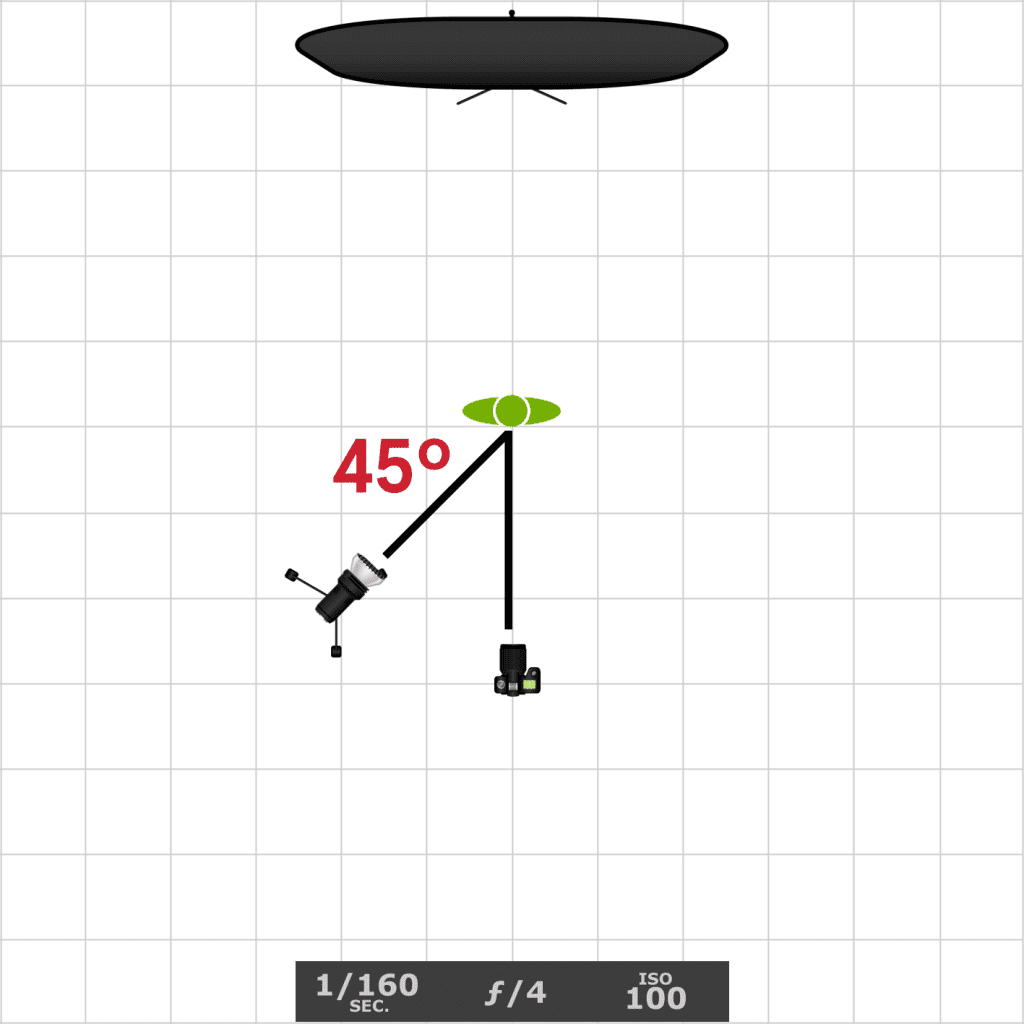
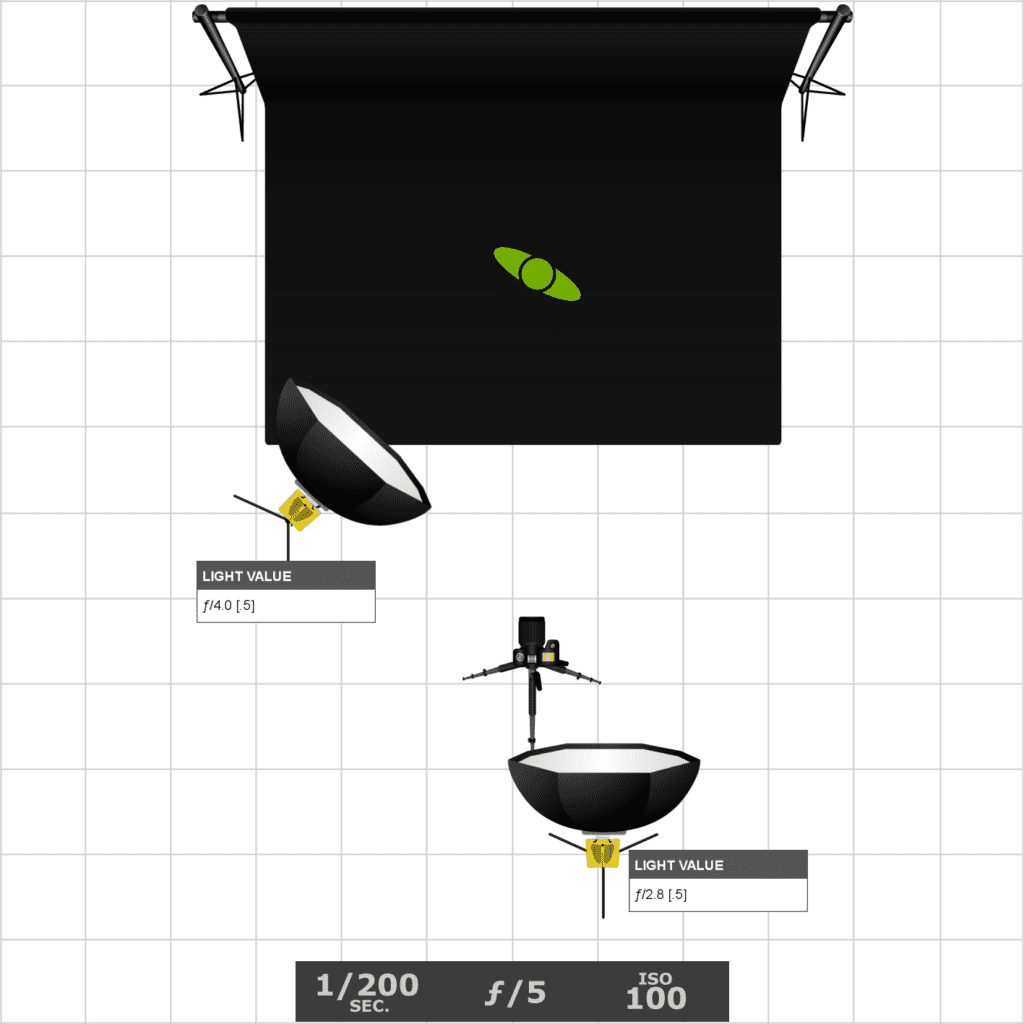
Our first assignment focused on Rembrandt lighting. Using a studio strobe equipped with a 7-inch reflector and a 10-degree grid, students learned how to create dramatic directional light. The grid allowed them to control light spill while producing the classic triangle of light beneath the subject’s eye on the shadow side of the face. This exercise helped them understand how the direction of light creates depth, dimension, and mood in a portrait.


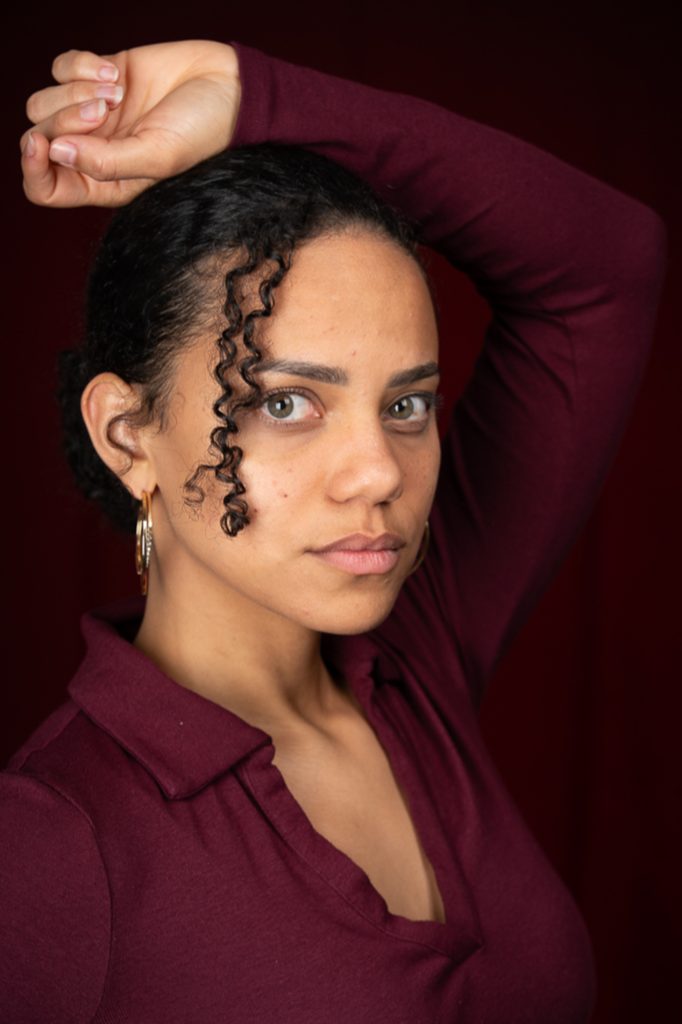
Rosy, a missionary who teaches acting and film at Youth With A Mission Dunham, draws upon her cultural heritage and years of missionary work to guide students to embrace their individuality and develop their own creative voice. Photo by Kevin Ramchurn.

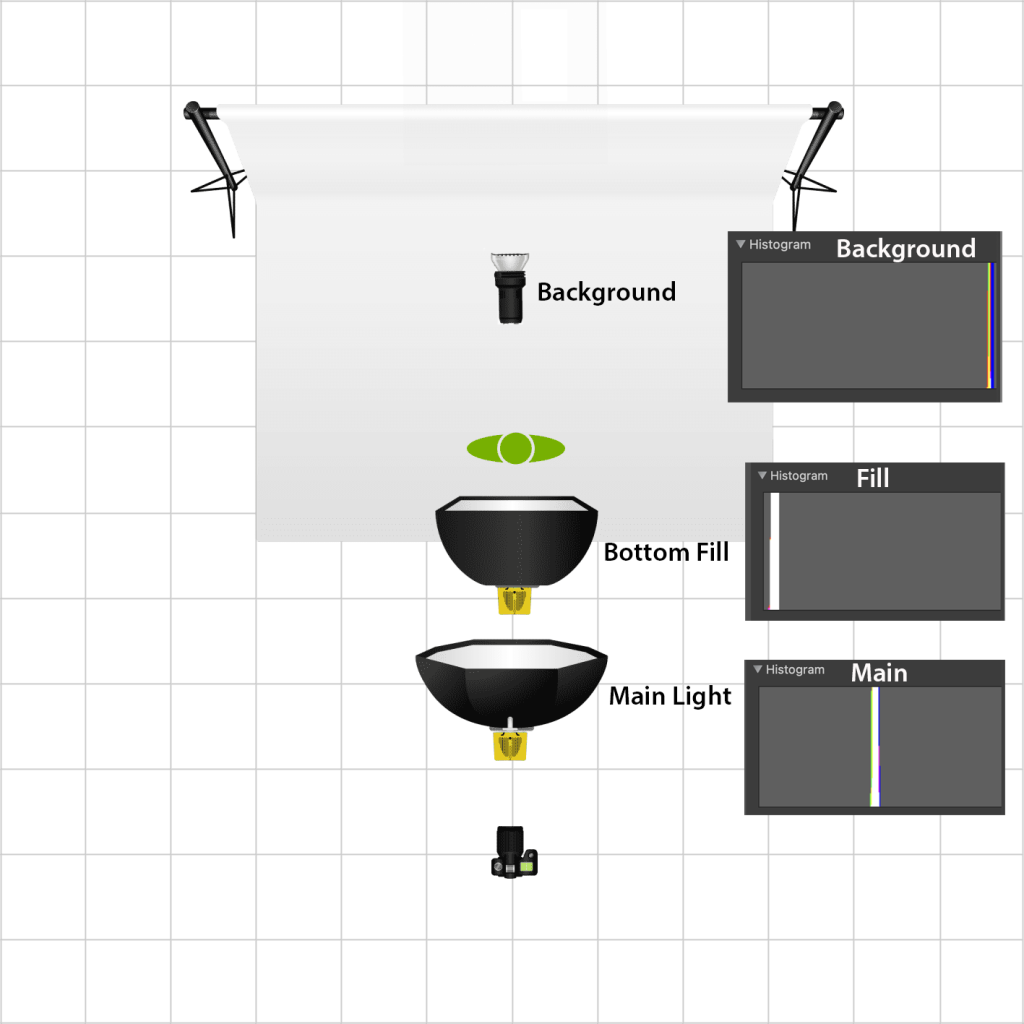
The second assignment introduced Butterfly (Clam Shell) lighting, one of the most popular lighting setups for beauty and portrait photography. Using a main light above the subject and a second light or reflector below, students learned how to create soft, flattering light that minimizes shadows and highlights facial features.

Gabriel Boucher, a wedding photographer and YWAM Dunham participant, poses for a portrait. Boucher, who attended Discipleship Training School, says the experience reshaped his outlook on relationships, which he now considers central to life. He channels that value into his photography, cooking and hosting. photo by Logan Moore

As often happens when teaching, we discovered that this assignment wasn’t producing the results we wanted. Rather than moving on, we stopped and revisited the setup. After identifying the issues and refining the technique, we repeated the exercise. The extra effort paid off. By the end, the students were producing images that could become valuable additions to their portfolios.

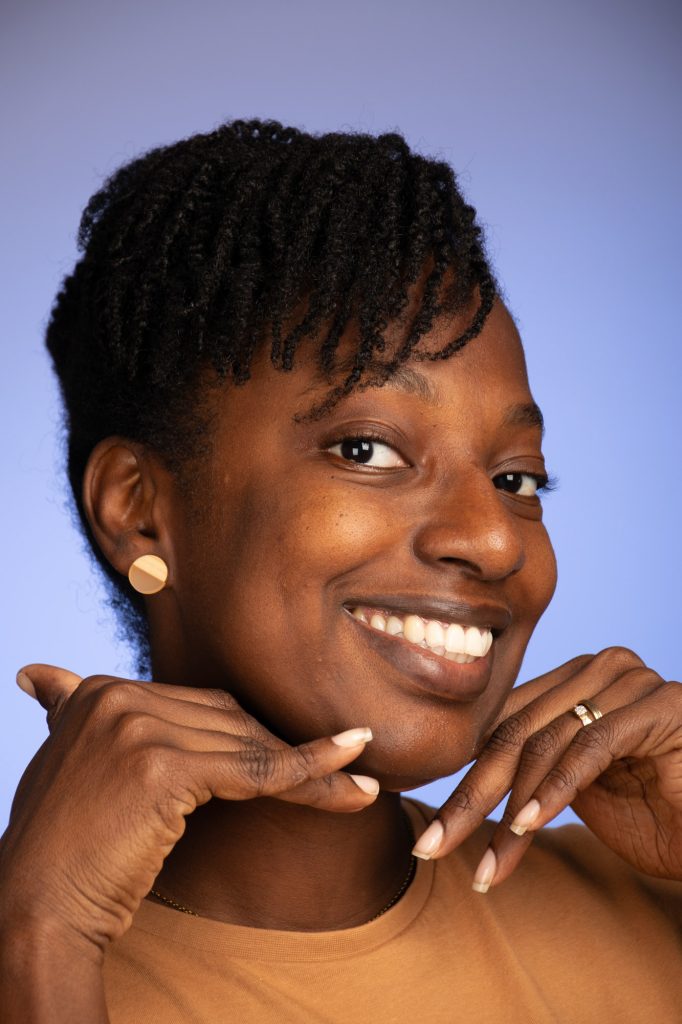
Sandrine Frederic, a student at Youth with a Mission Dunham’s School of Photography, pauses for a portrait. Though Frederic specializes in nature photography, she is attending the program to develop her skills photographing people. Outside of class, Frederic enjoys spending time in nature with her husband, Gaël. photo by Esperanza Rutledge

Our final lighting assignment focused on creating a 3:1 lighting ratio. This exercise helped students understand how to control contrast between the highlight and shadow sides of the face. Once they mastered the ratio, they were encouraged to experiment with different background treatments, giving them greater creative control over the final look of their portraits.

Julie Gavillet is the director of the School of Photography at Youth With A Mission in Dunham, Quebec. She has worked professionally as a photographer for more than eight years and now teaches students from around the world. photo by Logan Moore

Each afternoon was dedicated to hands-on practice. Students worked through their assignments, experimented with lighting adjustments, and asked thoughtful questions. Those conversations often became some of the most valuable teaching moments of the week. Photography is learned by doing, and the time spent behind the camera helped turn concepts into skills.

In addition to studio lighting, I taught business practices designed to help students think about photography as more than a hobby. Whether they choose to start a photography business, work as a full-time photographer, or serve as missionary and humanitarian photographers, understanding the business side of the profession is essential. We discussed topics ranging from client relationships and pricing to building a sustainable career that allows them to continue serving others through photography.

Asaliah Mugnier, a student model and actress, is training to support people who are struggling emotionally. Passionate about psychology and helping relationships, she is studying at an acting school. She says her acting work challenges her to step into the lives of her characters, which deepens her empathy for others. Photo by Kevin Ramchurn

I’ve now been teaching photography for nearly 20 years. Most of those years were spent teaching in Kona, Hawaii, and over the past several years, I’ve had the opportunity to teach here in Canada as well.

What continues to bring me back year after year isn’t the equipment, the lighting diagrams, or even the photographs themselves.

It’s watching the moment when a student’s confidence changes.

At the beginning of the week, many are uncertain about their abilities. They wonder if they can create professional-quality images. Then something clicks. They see the image on the camera’s back and realize they did it. The lighting works. The portrait looks professional. They begin to believe they can do this.

Nothing is more fulfilling than watching that growth in self-confidence.

Photography has the power to open doors, tell stories, create opportunities, and serve communities around the world. My hope is that the lessons learned this week will be only the beginning of each student’s journey.

I wish every one of these students the very best and look forward to seeing where photography takes them in the years ahead.

YWAM Dunham

Clamshell Lighting: My Favorite Setup for Fast, Flattering Headshots

Reading Time: 4 minutes

On May 26, while teaching at the School of Photography with Youth With A Mission (YWAM) in Dunham, Quebec, Canada, I spent time showing students one of the most practical lighting setups I know: clamshell lighting, sometimes called butterfly lighting with fill.

If I have to photograph a lot of people in a short period of time—corporate headshots, conference attendees, staff portraits, missionaries, or workshop participants—this setup is one of the first things I consider.

Why?

Because it gives you consistency.

And consistency becomes your best friend when people keep stepping in front of your camera.

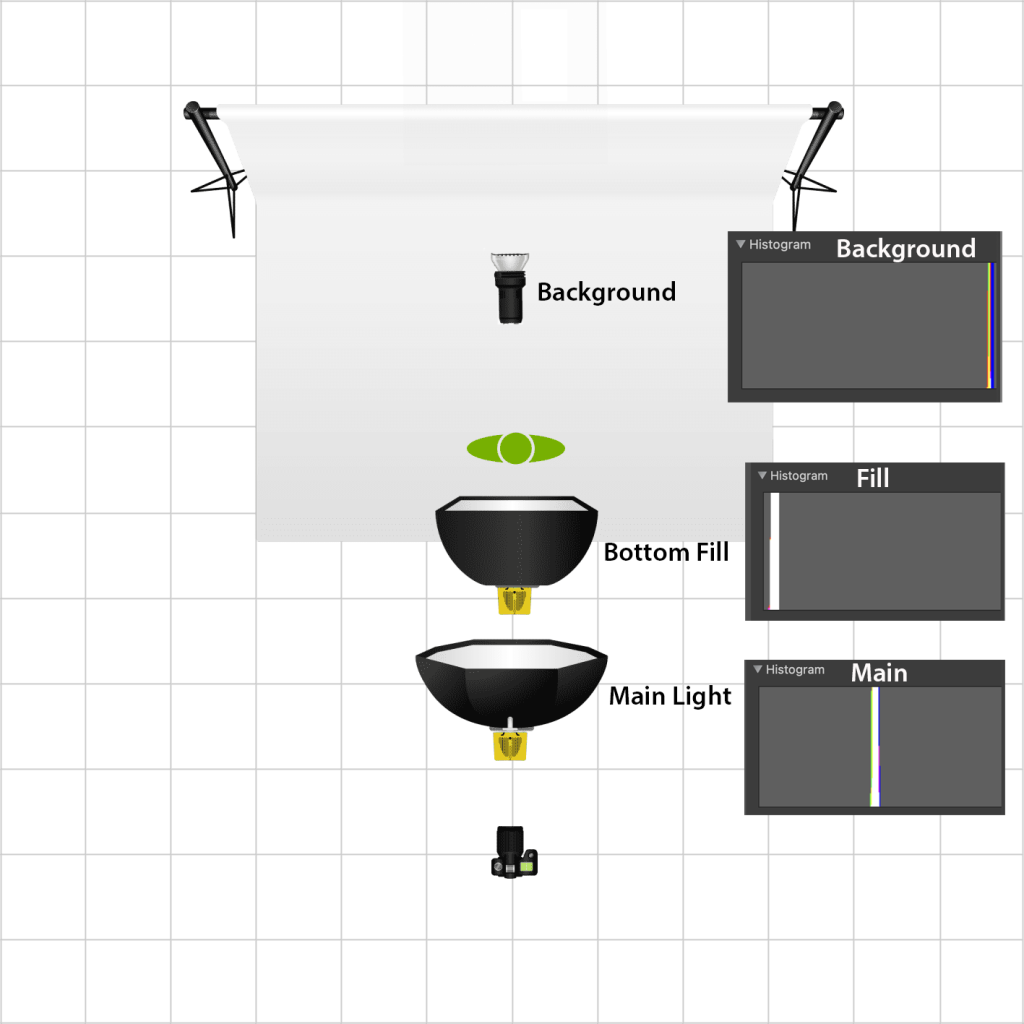
Clamshell lighting is named after the shape the lights create when viewed from the side. One light sits above the subject, angled downward, while another sits below, angled upward, creating the appearance of an open clamshell surrounding the face. The result is soft, flattering light that minimizes harsh shadows while still maintaining facial shape. It has become a standard setup for beauty photography and professional headshots because it works on a wide range of faces and skin types.

The Setup We Used

For the in-class exercise, I recommended using the same modifier above and below the subject. We used softboxes of roughly the same size.

My basic setup looked like this:

  • Top softbox: about 45° downward toward the face (main light)
  • Bottom softbox: about 45° upward toward the face (fill light)
  • Background light: +2 stops to create a clean white background
I asked Sandrine Frederic to have fun and act surprised

For exposure:

  • Main (top) light = base exposure
  • Bottom fill light = 1–2 stops lower than the main light
  • Background light = about 2 stops brighter than the subject

The top light creates the shape and direction of the portrait. The lower light simply opens the shadows and softens the transition areas.

If the lower light is as powerful as the main light, the image often becomes too flat. Keeping it one or two stops lower preserves dimension while still reducing under-eye shadows and smoothing skin texture. Typical clamshell ratios often keep the lower source noticeably weaker than the key light.

Why I Like This for Workshops and High-Volume Portraits

One thing I particularly like about using two similar-sized softboxes is the flexibility.

People move.

Even after you tell someone to stay still, they naturally turn their head slightly or lean toward one side.

With a narrower lighting setup, small movements can completely change the look. Suddenly, one side of the face goes dark, shadows become uneven, or catchlights disappear.

With this setup, your subject can comfortably rotate approximately 45° left or right, and the lighting still remains attractive.

That means less time fixing lights and more time connecting with people.

And connection matters more than light placement.

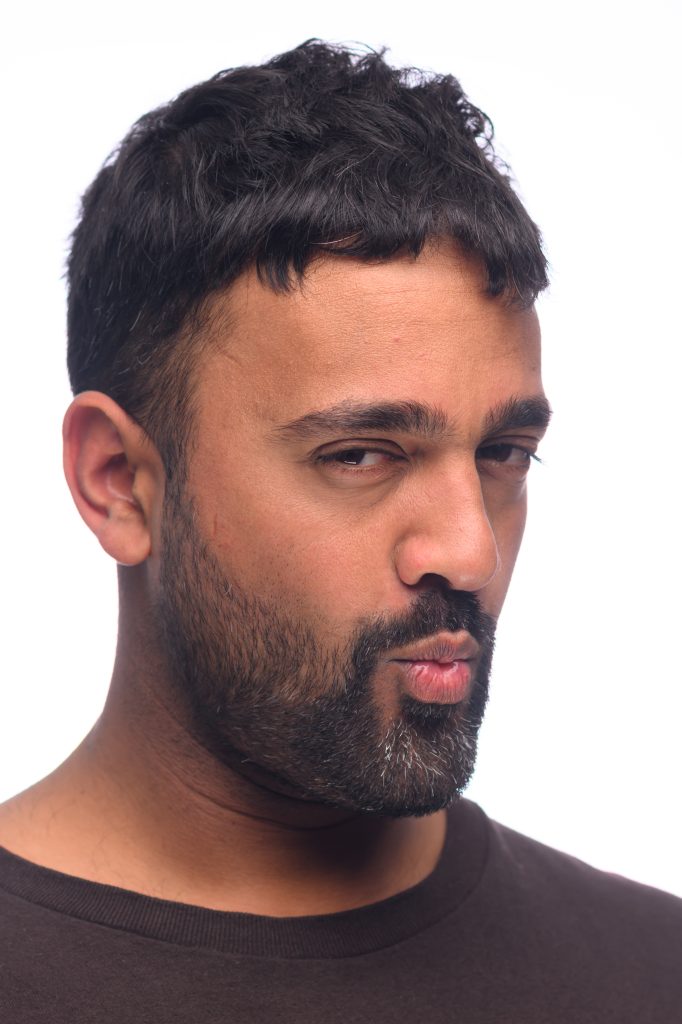
I asked Kevin Ramchurn for his “Zoolander” expression

Watch the Eyes

One of the signature features of clamshell lighting is the catchlights in the eyes.

You’ll often see two reflections:

  • One catchlight from the upper light
  • One from the lower light

Those reflections create life in the portrait. Many photographers spend time adding sparkle to eyes in post-production, but good lighting often creates it naturally. Double catchlights are a common characteristic of clamshell setups.

Common Mistakes Students Make

While teaching this setup, I noticed a few things students often run into:

Placing the top light too high

When the light is too high, shadows under the nose and eyes become more pronounced. You start moving toward dramatic butterfly lighting rather than soft clamshell lighting.

Making the lower light too bright

If the bottom light becomes equal to or brighter than the top light, faces lose shape. Portraits can start looking flat and unnatural.

Putting lights too far away

The closer the light source is to the subject, the softer the light becomes. Move those softboxes farther away and they become effectively smaller, producing harder shadows.

Ignoring the background

Clamshell lighting creates beautiful light on the face, but it doesn’t automatically separate subjects from the background. That’s one reason I used a background light approximately two stops brighter than the subject—to create a clean white background and separation. Additional rim or hair lights can also add depth if desired.

One More Thought

Lighting patterns are tools, not rules.

Students often ask, “What’s the best lighting setup?”

The answer is always: the one that helps tell the story and serves the subject.

Clamshell lighting isn’t ideal for everything. If you want drama, mystery, character, or strong texture, side lighting may be a better choice.

But if your goal is approachable, clean, flattering portraits for a large number of people, clamshell lighting is difficult to beat.

Sometimes the best lighting setup isn’t the most dramatic one.

It’s the one that lets you focus less on your gear and more on the person in front of your camera.

The Most Rewarding Part of Photojournalism Isn’t Publication

Reading Time: 2 minutes

When I first started as a student photographer at East Carolina University, I quickly discovered that I loved working for the newspaper more than the yearbook.

The yearbook was beautiful. It had higher production quality and was designed to become a keepsake people would hold onto for years. But the newspaper had something different. It was alive.

I would walk around campus and see students carrying it, sitting in the student center reading it, or talking about stories they had seen. I wasn’t just taking pictures and turning them in. I could actually see people interacting with the work.

That feeling stayed with me.

As my career progressed, I saw my work published in different places. I enjoyed seeing my photographs in The Commission magazine and seeing stories I covered for the International Mission Board appear in Baptist state papers. While working on my master’s degree, I saw my work in print less often.

Later at Georgia Tech, I again had opportunities to see my work used in recruiting materials and publications such as Research Horizons for the Georgia Tech Research Institute. But even then, it wasn’t like the daily newspaper experience.

As a freelancer, you often see your work even less. Sometimes your images are used in internal communications, annual reports, websites, or marketing materials with a limited audience. I worked for Chick-fil-A, primarily publishing materials internally for operators and support staff. The work mattered, but I rarely saw people engaging with it.

Lately, I have been doing assignments for Appen Media, and it has reminded me of something I had almost forgotten from my first full-time job after college at The Hickory Daily Record.

The reward is not publication itself.

The reward is impact.

One thing I am really enjoying is that before many assignments, I reach out to event planners or people connected to the story. I interview them. I photograph them. Then, after the story is published online, I send them the link.

That simple process has become one of the most rewarding parts of the work.

Last night I covered the Roswell Community Masjid vigil. After the story was published, I sent the link to some of the contacts involved. One response came from Shaheen Bharde of the Masjid:

“Thank you for putting together such a beautiful article. Truly appreciate your words and efforts to humanize our community.”

That comment stopped me.

Not because it complemented my work.

Because it reminded me of what photojournalists are supposed to do.

We aren’t simply documenting events.

We help people see one another.

A photograph can cause someone to pause. A story can help someone understand experiences outside their own. Together, they can create empathy and close gaps between communities that might otherwise remain distant.

The best photojournalism does more than tell people what happened.

It helps them understand why it matters.

As photojournalists, we move quickly. We shoot, edit, write, file the story, and then move to the next assignment. Often, we never hear what happened after that. We don’t know whether people connected with the work or simply scrolled past it.

Then occasionally someone responds.

Someone says they felt seen.

Someone says they felt understood.

Someone says you helped others understand them.

Moments like that remind me that the most rewarding part of photojournalism was never publication itself.

It’s knowing the story made a difference.

Link to story

Roswell show solidarity after San Diego mosque shooting

Why My Best Photos Started With Better Questions

Reading Time: 4 minutes

When I started my professional career as a photojournalist for The Hickory Daily Record in Hickory, North Carolina, in 1984, my job was pretty simple. I took photographs and gave the reporter enough information to write the captions.

Back then, I was trained to think in shots:

  • Opener — sets the scene
  • Decisive moment — the image that can tell the story by itself
  • Details — visual candy and transitions
  • Sequences — variety in action
  • High overall shot — shows relationships and context
  • Closer — wraps up the story visually
  • Portraits — introduces characters
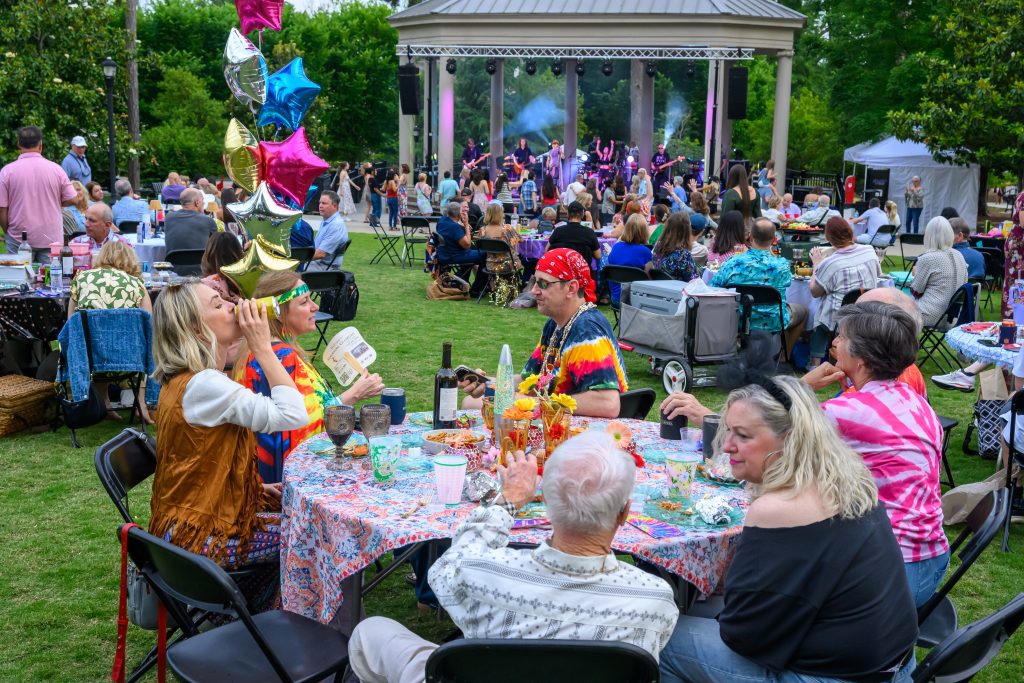
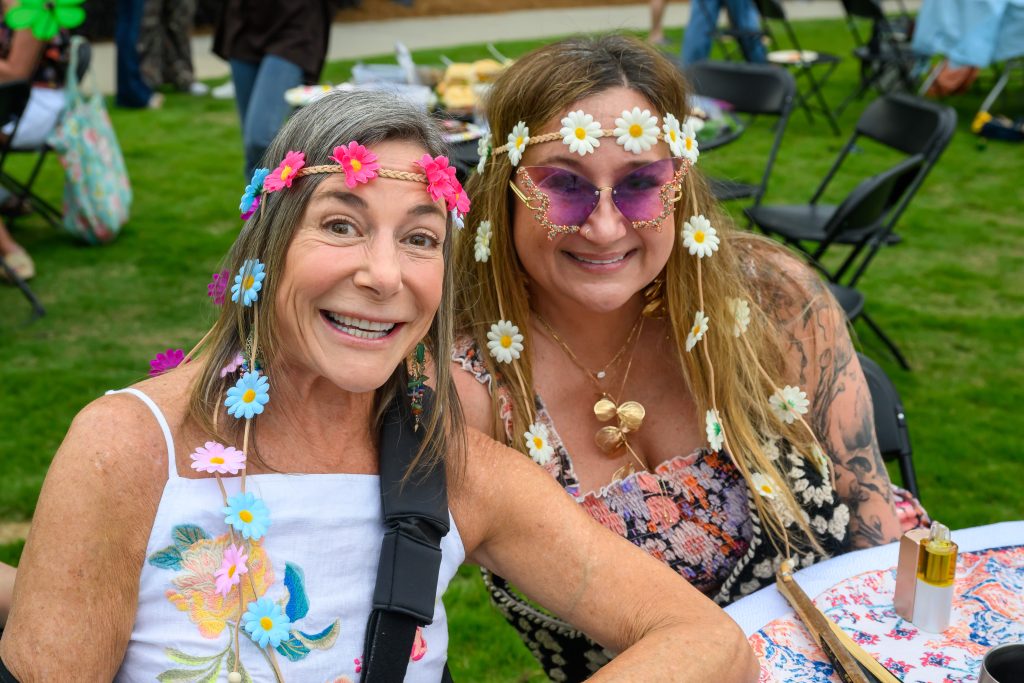
Jill Broyles and Misty Martin dress in 1970s attire during Under the Stars — Vibe Fest at Brooke Street Park in Alpharetta on Friday, May 16, 2025.

That approach worked. In many ways, it still works today.

Forty-two years later, I am doing freelance writing and photojournalism for Appen Media, a North Atlanta community news organization that publishes local newspapers and digital news serving Decatur, Alpharetta, Roswell, Milton, Dunwoody, Forsyth, Sandy Springs, Cumming, and Johns Creek.

The editor only asks for about 10 photos from an event with short captions placed in metadata and in a separate document.

I decided to do something different.

If they asked for 10, I tried to deliver 15. Rather than simply submitting captions, I started writing complete 400-word AP-style stories for every assignment.

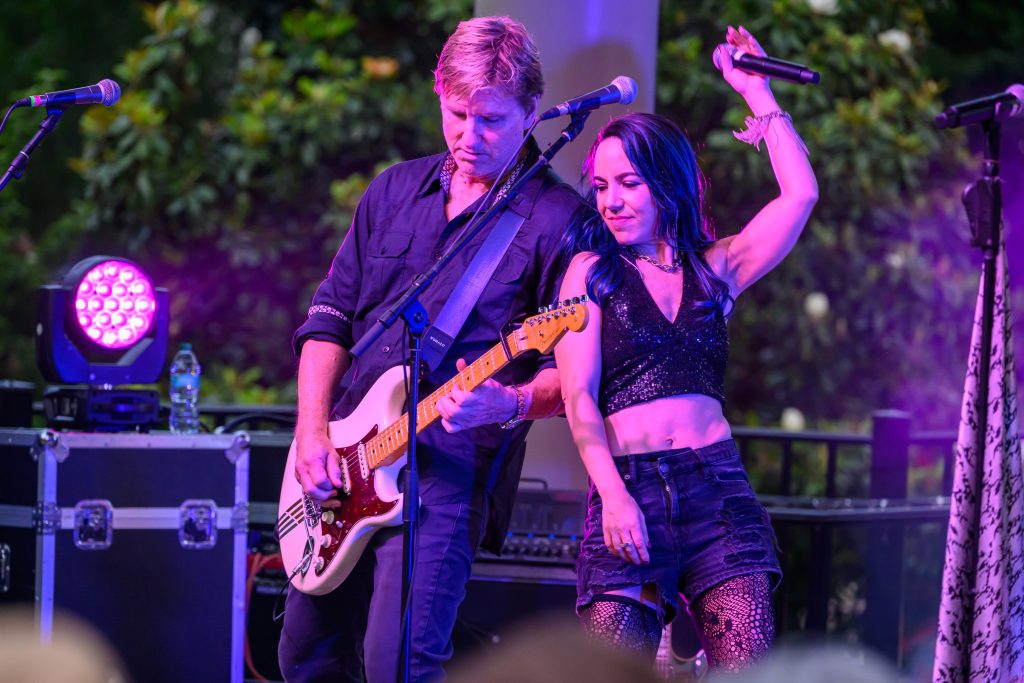
Lead guitarist Todd Goodwin and singer Mandy Guimaraes perform during Under the Stars — Vibe Fest at Brooke Street Park in Alpharetta on Friday, May 16, 2025.

The editor replied:

“Woooowww the writing is good. That’s a pleasant surprise (no offense). I don’t usually have a high level of expectation for photogs when it comes to the wordsmithing, but this is great content for a community newspaper.”

I laughed.

Not because of the compliment, but because it made me realize something.

For years, I had focused on covering events.

Now I was focusing on finding stories.

Amanda and Mark Vail dance with their son, Trip, on his father’s shoulders during Under the Stars — Vibe Fest at Brooke Street Park in Alpharetta on Friday, May 16, 2025.

There is a difference.

Recently, I covered Under the Stars — Vibe Fest at Brooke Street Park in Alpharetta. Years ago, I would have shown up with my mental shot list:

Band photos. Crowd photos. Details. Wide shots.

Instead, before arriving, I started asking:

Doris Nixon, 90, dances with Nicole Fleming on the lawn during Under the Stars — Vibe Fest at Brooke Street Park in Alpharetta on Friday, May 16, 2025.

What is the story?

Why should someone who wasn’t here care?

Suddenly, my questions changed.

Instead of asking:

“Who are you?”

I asked:

“Why does this matter?”

“What brought you here?”

“What memory does this music bring back?”

“Why does this event matter to the community?”

Patrons enjoy reserved tables during Under the Stars — Vibe Fest at Brooke Street Park in Alpharetta on Friday, May 16, 2025. Table sales benefited the Alpharetta Rotary Club.

Those questions changed the story.

They also changed the photographs I needed.

Now I wasn’t simply hunting for a singer at a microphone.

I was looking for nostalgia.

Connection.

Community.

Emotion.

Because photographs and stories work best when they answer the same question.

Why should anyone care?

Here is the story along with the photo package I submitted.


Tips for photographers who want their photos to tell stronger stories

Start with the story before camera settings
Ask yourself: What is actually happening here?

Jay Tee performs during Under the Stars — Vibe Fest at Brooke Street Park in Alpharetta on Friday, May 16, 2025.

Find the “why.”
People care less about events and more about meaning.

Create three or four questions before arriving
Good questions lead to better quotes and stronger photos.

Photograph emotion, not activity
The activity shows what happened. Emotion shows why it mattered.

Think beyond captions
A caption answers who, what, where, and when.

A story answers why.

Shoot with the ending in mind
Ask yourself, What image would make someone stop scrolling?

Your camera isn’t just gathering pictures
You’re collecting evidence for the story.

The Most Important Storytelling Question: “So That…”

Reading Time: 3 minutes

I often draw on communication principles from the Bible, not just because I’m a professional storyteller, but because faith has shaped much of my life.

I grew up in a pastor’s home. I later attended seminary myself, and my wife also attended seminary and now serves as a chaplain. Alongside my work as a photographer, writer, videographer, and communications consultant, I’ve spent decades immersed in faith communities and studying how people communicate truth, purpose, and transformation.

One of the most powerful communication lessons I’ve learned from Scripture comes from two simple words used repeatedly throughout the Bible:

“So that…”

Throughout Scripture, “so that” is used to explain purpose, intention, and desired outcome.

Jesus taught this way.

Paul wrote this way.

The Gospel writers structured stories this way.

They weren’t just sharing information. They were leading people somewhere.

That matters to photographers, writers, filmmakers, nonprofit communicators, and brand storytellers because too much modern storytelling stops at documentation rather than transformation.

We capture moments.
We collect quotes.
We gather footage.

But if we cannot answer the “so that” question, the story often lacks direction.

Storytelling With Purpose

Look at how Jesus framed teaching in Matthew 5:16:

“Let your light shine before others, so that they may see your good works and glorify your Father in heaven.”

Notice the structure:

  • Action
  • Purpose
  • Intended result

The action was never the endpoint.

The goal was transformation.

That same principle applies to communication work today.

ANDALUSIA, Al.–Southern Baptist Disaster Relief volunteers Jerry Schleiff, Arkadelphia, and Chris Clark, Hot Springs, are preparing meals for the feeding unit at First Baptist Church, Andalusia, Al.

You photograph a volunteer serving meals…

So donors understand the ministry’s impact.

You interview a missionary…

So that churches can emotionally connect with the people being served.

You create a brand video…

So that potential clients trust the organization enough to engage.

You document a nonprofit’s work…

So that the audience moves from awareness to action.

Without the “so that,” storytelling becomes random content creation.

The “So That” Should Shape Story Selection

One of the biggest mistakes communicators make is choosing stories simply because they are emotional, dramatic, or visually interesting.

But great storytellers ask:

  • Why does this story matter?
  • What should happen after someone experiences it?
  • What is the audience supposed to understand, feel, or do?

The biblical writers were remarkably intentional.

John even explains why he selected certain stories about Jesus:

“These are written so that you may believe…” (John 20:31)

John didn’t include everything.

He curated stories with purpose.

That is exactly what editors, filmmakers, photographers, and writers must do today.

Every assignment needs a “so that.”

Every Creative Decision Should Serve the Purpose

The “so that” doesn’t just shape story selection. It shapes execution.

It affects:

  • which interviews you conduct,
  • what photos you make,
  • what B-roll you gather,
  • pacing,
  • music,
  • sequencing,
  • captions,
  • headlines,
  • and even what you leave out.

Strong communicators understand that every creative decision either supports the purpose or distracts from it.

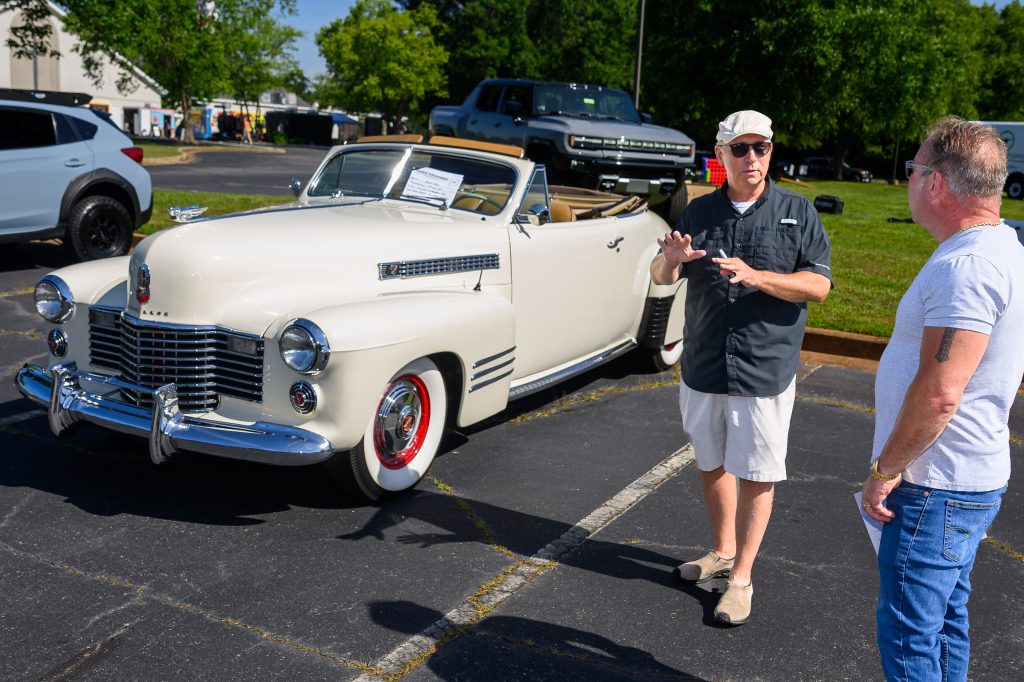
A drone view shows classic cars lining the streets during the Tin Cup Cruise-In on Thursday evening at City Center in downtown Cumming. The monthly event draws large crowds of car enthusiasts and families, bringing increased foot traffic to restaurants, shops, and businesses throughout the area.

A beautiful drone shot that doesn’t advance the story may impress people, but it may not serve the “so that.”

An emotional quote that creates confusion may weaken the message.

A visually dramatic image that lacks context can actually pull the audience away from the intended outcome.

The Difference Between Content and Communication

There is a difference between producing content and communicating with purpose.

Content says:

“Look what happened.”

Purpose-driven communication says:

Regan Phelps, Erin Allen, Callie Anderson, and Melissa Rose pose with Oliver the horse during the fourth annual Down & Derby fundraiser benefiting Children’s Healthcare of Atlanta at Crabapple Market Green on Saturday, May 2, 2026, in Alpharetta, Ga. The group said they have attended all four years of the event in support of the cause.

“This happened so that…”

The best communicators know where they are leading the audience before they ever press the shutter, hit record, or write the first paragraph.

That doesn’t make storytelling manipulative.

It makes it intentional.

And intentionality is one of the clearest characteristics of both great biblical teaching and great communication.

The Story Isn’t About You. It’s About the Audience.

Reading Time: 5 minutes

One of the hardest lessons for organizations to learn is this:

The stories you most want to tell are not always the stories your audience most wants to hear.

That can feel frustrating, especially when you have poured years of work, passion, sacrifice, and resources into something important. But storytelling is not simply about importance. It is about connection.

And connection starts with attention.

If you cannot get people to stop scrolling, pause, lean in, or emotionally engage, then even the most meaningful story may never be heard.

I see this all the time in my wildlife photography hobby.

Over the years, I’ve photographed all kinds of wildlife. Personally, some of my favorite images are not the ones that get the most engagement online. I’ve photographed beautiful shorebirds, songbirds, owls, herons, deer, and countless other animals.

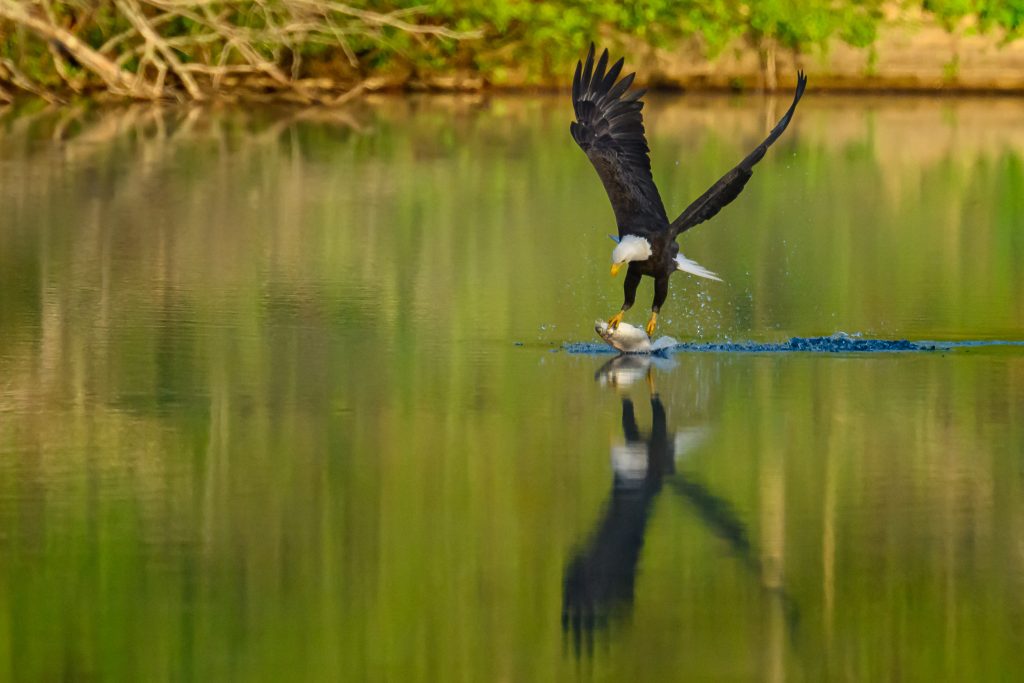
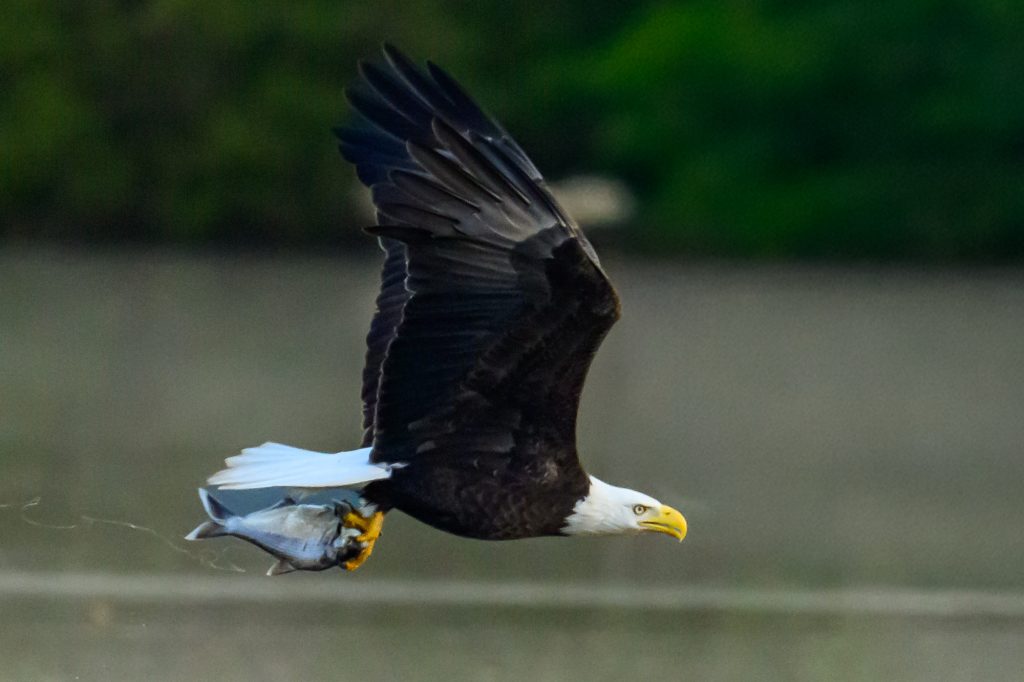
Bald Eagle

But whenever I post a Bald Eagle photo—especially one catching a fish—the response explodes.

People stop.
People react.
People share.
People comment.

Even a simple Bald Eagle in flight will often outperform technically better photographs of less “charismatic” birds.

Why?

Because the Bald Eagle already carries emotional weight with the audience.

It represents strength, freedom, power, beauty, and patriotism. People instantly connect with it emotionally before they even analyze the photograph itself.

Researchers studying “charismatic species” found that people consistently gravitate toward animals that are visually impressive, emotionally powerful, beautiful, rare, or culturally symbolic. Large predators and iconic wildlife dominate public attention.

In other words, some subjects naturally create stronger audience engagement.

That does not make the other animals less important.

It simply means the Bald Eagle is a better hook.

And hooks matter.

Bald Eagle

The Bald Eagle Strategy

Here’s the important part:

I can lead with the Bald Eagle and then bring the audience along to see the other wildlife.

Once people stop for the eagle, they’ll often swipe through the gallery and discover the heron, the egret, the kingfisher, or even the Tufted Titmouse.

But if I lead with the Tufted Titmouse?

Great Blue Heron

Most people may never stop long enough to discover the rest.

This is where many organizations struggle.

They say:

“We’ve already talked about that.”
“We want to highlight something new.”
“We’re tired of focusing on the same topic.”

But your audience is not living inside your organization every day.

They do not have the same emotional connection or insider perspective you have.

You may be tired of the Bald Eagle story.

Your audience may be hearing it for the very first time.

The Mistake Many Organizations Make

Organizations often choose stories based on:

  • Internal passion
  • Senior leadership preferences
  • Historical importance
  • Amount of effort invested
  • What they wish people cared about
The northern cardinal

But audiences respond based on:

  • Emotional connection
  • Relatability
  • Curiosity
  • Visual power
  • Human tension
  • Inspiration
  • Hope
  • Surprise
  • Identity

Those are very different filters.

That’s why a smaller story with emotional resonance will often outperform a larger story filled with facts and significance.

A story can be critically important internally and still fail publicly because it does not emotionally connect.

That does not mean you abandon important topics.

It means you learn how to enter through the audience’s door instead of demanding they enter through yours.

The American Black Bear ranges throughout the forested areas of the United States and Canada.

Start With What Resonates

A conservation organization may want to talk about an obscure but ecologically critical species.

That’s admirable.

But the audience may only stop because they saw the eagle, wolf, whale, tiger, or bear first. Research consistently shows humans are drawn toward “charismatic” wildlife—especially large, visually striking, emotionally symbolic animals.

Smart communicators understand this.

They use the flagship story to create momentum.

Then they educate deeper.

The Bald Eagle becomes the doorway into the broader ecosystem.

The cougar, also known as the mountain lion or panther, ranges throughout the wilderness areas of western America and Canada.

This Applies to Every Organization

Nonprofits, ministries, schools, healthcare systems, businesses, and churches all face this challenge.

The goal is not simply to communicate information.

The goal is to earn attention long enough to create transformation.

Here are some examples:

Nonprofit Example

Mediocre Story:
“Our organization distributed 14,000 hygiene kits across three regions.”

Stronger Story:
“A 9-year-old girl finally returned to school after receiving basic hygiene supplies that restored her confidence.”

One is statistics.
One is human.

The statistics matter more organizationally.
The human story matters more emotionally.

Church or Ministry Example

Mediocre Story:
“We launched three new discipleship initiatives this year.”

Stronger Story:
“After years of addiction and isolation, Michael found community and purpose through a small group.”

Programs matter.
Transformation connects.

Healthcare Example

Mediocre Story:
“We expanded pediatric surgical capacity by 18%.”

Stronger Story:
“A child heard her mother’s voice clearly for the first time after surgery.”

The second story helps people feel the impact of the first.

Education Example

Mediocre Story:
“Our STEM enrollment increased significantly.”

Stronger Story:
“A first-generation student built a robot that solved a problem on his family’s farm.”

One informs.
One inspires.

Businesses Make This Mistake Too

Businesses often want to talk about:

  • Features
  • Processes
  • Certifications
  • Technical superiority
  • Company history

Customers usually care more about:

  • Outcomes
  • Transformation
  • Relief
  • Simplicity
  • Confidence
  • Identity

People rarely buy the drill.

They buy the hole-in-the-wall.

And even deeper than that, they buy the feeling that comes from solving the problem.

Why Outside Perspective Matters

One reason organizations struggle to find their strongest stories is that they are too close to their own work.

Inside the organization, everything feels important.

That makes prioritization difficult.

An outside storyteller, communicator, consultant, or photographer often sees something leadership misses because they are looking through the audience’s eyes rather than through organizational familiarity.

Sometimes the most powerful story is so common internally that the organization overlooks it entirely.

Meanwhile, the audience sees it as remarkable.

That outside perspective helps answer critical questions:

  • What would make someone stop scrolling?
  • What creates an immediate emotional connection?
  • What story creates curiosity?
  • What makes this relatable to someone outside the organization?
  • What earns attention quickly enough to lead people deeper?

Because the greatest story in the world is ineffective if nobody engages long enough to hear it.

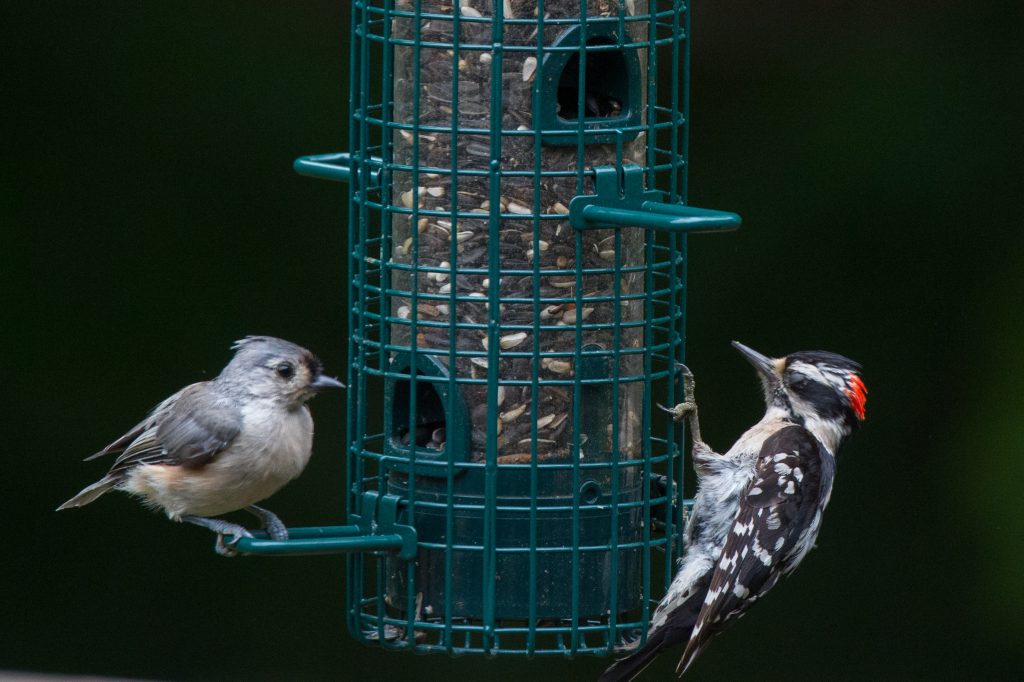
Tufted Titmouse & Hairy Woodpecker

Hook First. Teach Second.

This does not mean manipulating audiences.

It means respecting how humans naturally engage.

Jesus often taught this way through parables.

Great journalists do this through compelling leads.

Filmmakers do this through opening scenes.

Photographers do this through the strongest image.

Marketers do this through headlines.

You start with what captures attention.

Then you guide people toward deeper understanding.

The Bald Eagle is not the entire story.

It is the invitation into the story.

And the organizations that understand this are the ones that consistently connect with audiences in meaningful ways.