Picture Storyteller Is Evolving: From Photography Blog to Stories That Matter

Reading Time: 5 minutes

For nearly 20 years, I have been writing at PictureStoryteller.com.

When I started the site around 2006, the purpose was pretty simple. I was teaching photography, particularly lighting and the business of photography, and I wanted my students to have a place they could return to after class. I could share what I was learning, examples of my work, lessons from assignments, and ideas that might help another photographer.

Over the years, something happened that I didn’t necessarily plan.

The blog grew up.

What began as a photography resource became a collection of more than 2,000 posts exploring photography, photojournalism, storytelling, communication, business, teaching, leadership, faith, purpose, and the people I’ve encountered along the way.

And I’ve come to realize that the site has become broader than the word photographer suggests.

Photography Is Still at the Center

I’m not walking away from photography.

Photography has been part of my life for more than 40 years. It is how I learned to pay attention. It taught me to slow down, look carefully, anticipate moments, and become curious about people.

But photography has always been more than making pictures for me.

The camera is a tool.

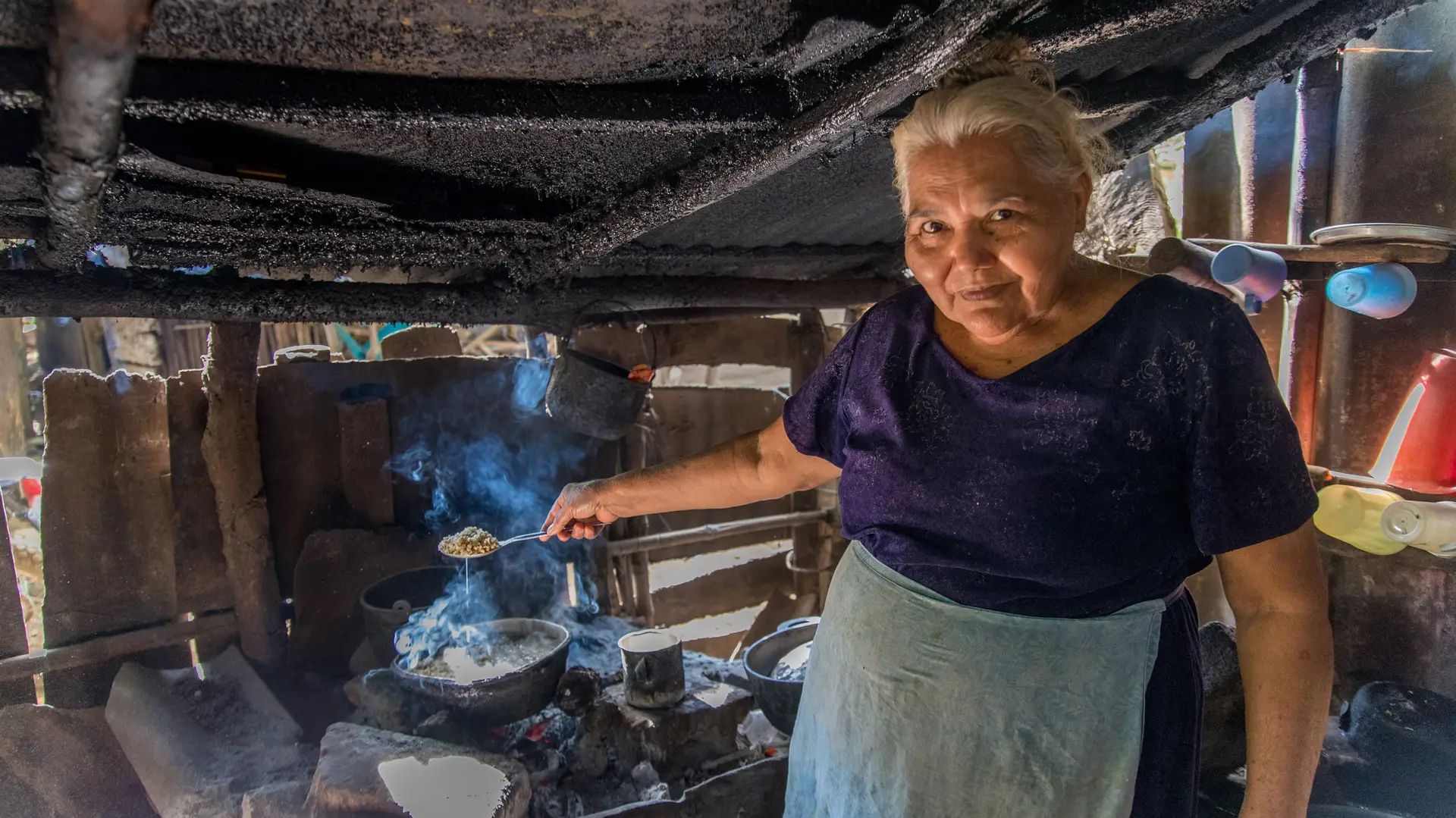
The photograph is a doorway.

The real question has always been:

What is the story behind the picture, and why should anyone care?

That question has taken me places I never expected.

It has led me into photojournalism, corporate communications, nonprofit work, teaching, organizational storytelling, interviews and conversations with people from all kinds of backgrounds.

It has also taught me that the best photographs often begin long before the camera comes out.

They begin with curiosity.

They begin with listening.

They begin with understanding people.

The Story Isn’t About Me

One of the things I’ve learned through all of this is that storytelling isn’t really about the storyteller.

It’s about the audience.

Organizations often tell the stories they want to tell. Photographers sometimes make the photographs they want to make. Writers can become fascinated with what they have to say.

But effective storytelling asks a different question:

What does the audience need to see, understand, or feel?

That changes everything.

It changes how I approach a portrait.

It changes how I photograph a firefighter.

It changes how I tell a business’s story.

It changes how I interview someone.

And it changes how I think about this website.

Picture Storyteller won’t simply be a place where I write about cameras, lenses, and lighting.

Those things will still be here.

But they’re part of a much larger conversation.

What Comes Next

In the future, I want Picture Storyteller to explore the intersection of people, stories, photography, and communication.

There will still be photography education and discussions about technique.

There will still be photojournalism.

There will still be stories about the business of photography.

But I also want to explore questions like:

How do we tell better stories?

How do we become more curious?

How do we listen to people?

How do organizations communicate who they really are?

How can a photograph help someone understand something they might otherwise miss?

What does it mean to build a meaningful creative career?

What can failure, disappointment, aging, and change teach us?

And perhaps most importantly:

How do we tell stories that matter to the people who need to hear them?

Five Doors Into the Story

As Picture Storyteller evolves, I’m thinking about the site through several connected areas.

Stories

People, organizations, communities and experiences.

These are the stories that remind us that behind every organization, event, or issue are real people.

Seeing

Photography, photojournalism, lighting and visual storytelling.

This is where the craft still matters. I’ll continue sharing what I’ve learned about making photographs and helping other photographers develop their ability to see.

Communicating

How organizations and individuals use stories, photography, and video to connect with their audiences.

A good photograph isn’t necessarily a good communication tool. The question is whether the image helps achieve the story’s purpose.

The Business of Storytelling

The realities of making a living as a creative professional.

Pricing. Marketing. Clients. Careers. Finding work. Losing work. Adapting. Learning. Starting over.

These are conversations I’ve been having for decades, and I don’t think they’re going away.

Teaching

Lessons for photographers, storytellers and communicators.

I’ve spent a significant part of my career teaching. Teaching forces me to examine what I know—and what I don’t know.

Sometimes the best way to understand something is to try to explain it to someone else.

The Photograph Is the Doorway

There is an idea that keeps coming back to me:

The photograph is the doorway into the story.

A photograph can get our attention.

But then what?

What happens when we become curious about the person in the photograph?

What happens when we learn what happened before that moment?

What happens when we discover the reason someone does what they do?

What happens when we realize that someone else’s experience has something to teach us about our own?

That’s where storytelling becomes more interesting than photography alone.

The image opens the door.

The story invites us inside.

A More Honest Description of What I Do

For a long time, the easiest way to describe myself was:

I’m a photographer.

That’s still true.

But it isn’t the whole truth.

I’m a photographer.

I’m a photojournalist.

I’m a storyteller.

I’m a teacher.

I’m a communicator.

And after decades of doing all of those things, I’m increasingly interested in how they fit together.

Photography taught me how to see.

Photojournalism taught me how to observe.

Storytelling taught me how to listen.

Teaching taught me how to explain.

Working with organizations taught me how important it is to understand the audience.

And life has taught me that the most interesting stories usually aren’t about perfect people having perfect experiences.

They’re about people figuring things out.

Why Keep Writing?

I’ve occasionally wondered whether I should continue writing this blog.

There are plenty of places to post photographs now. Social media moves faster. Artificial intelligence is changing how images are created. The traditional photography business continues to evolve.

So why maintain a blog that has been around for nearly two decades?

Because I don’t think the need for stories is going away.

If anything, I think it is becoming more important.

Images surround us.

We are surrounded by information.

Competing narratives surround us.

What we need isn’t simply more content.

We need better stories.

Stories that help us understand people.

Stories that create curiosity rather than division.

Stories that allow us to see something from another person’s perspective.

Stories that remind us that behind the statistics, organizations, headlines, and photographs are human beings.

That’s the kind of storytelling I want to keep exploring.

What’s Next for Picture Storyteller

So Picture Storyteller is evolving.

Not away from photography.

Through photography and beyond it.

The camera will still be part of the conversation.

So will lighting.

So will photojournalism.

So will the business of photography.

But the larger subject is becoming clearer to me:

People. Stories. Seeing. Listening. Communicating.

For nearly 20 years, I’ve been documenting what I’ve learned.

Now I want to be more intentional about bringing those lessons together.

Picture Storyteller is becoming a place to explore how we see, how we listen, how we tell stories, and how those stories can help people connect.

The tagline still feels right:

Human Eyes. Honest Stories.

Because that’s ultimately what I’ve been trying to do all along.

Not simply make better photographs.

See better. Listen better. Tell better stories.

And hopefully help other people do the same.