Why Easter Eggs Matter (And What Photographers Should See That Others Miss)

Reading Time: 2 minutes

Most people see Easter eggs and think of color, candy, and kids running through the yard.

As photographers, we should see something deeper.

Because behind every egg is a story—and if you miss that story, you’re just taking pictures of objects instead of creating images that mean something.

The Symbol Most People Know

In the Christian faith, the egg represents new life and resurrection.

A shell that looks lifeless on the outside… yet inside, life is forming. And then one day, it breaks open.

That’s the visual parallel to Easter—the resurrection of Jesus. Life overcoming death.

Now think about that as a photographer.

You’re not just photographing an egg—you’re photographing a metaphor.


The Story Most People Don’t Know

Here’s where it gets even more interesting—and more useful for storytelling.

Historically, during Lent—the 40 days leading up to Easter—people often gave up meat, dairy, and eggs as part of their spiritual discipline.

But chickens didn’t stop laying eggs.

So day after day, eggs piled up.

By the time Easter arrived, families had an abundance of them. And when the fast ended, eggs were among the first foods people could enjoy again.

That’s why they became part of the celebration.

Not just because of symbolism—but because of real life.


This Is Where Story Lives

This is the difference between documenting and storytelling.

Anyone can photograph:

  • dyed eggs
  • baskets
  • kids on a hunt

But a storyteller asks:

  • What does this represent?
  • What came before this moment?
  • Why does this matter?

Because the meaning isn’t just in the object—it’s in the context.


How This Changes Your Photography

If you approach Easter (or any assignment) this way, everything shifts.

Instead of just capturing moments, you start looking for:

  • anticipation (before the celebration)
  • contrast (fasting vs. feasting)
  • symbolism (life, renewal, restoration)
  • emotion (joy after restraint)

Now your photos aren’t just descriptive—they’re interpretive.

And that’s what clients are really looking for, whether they know how to say it or not.


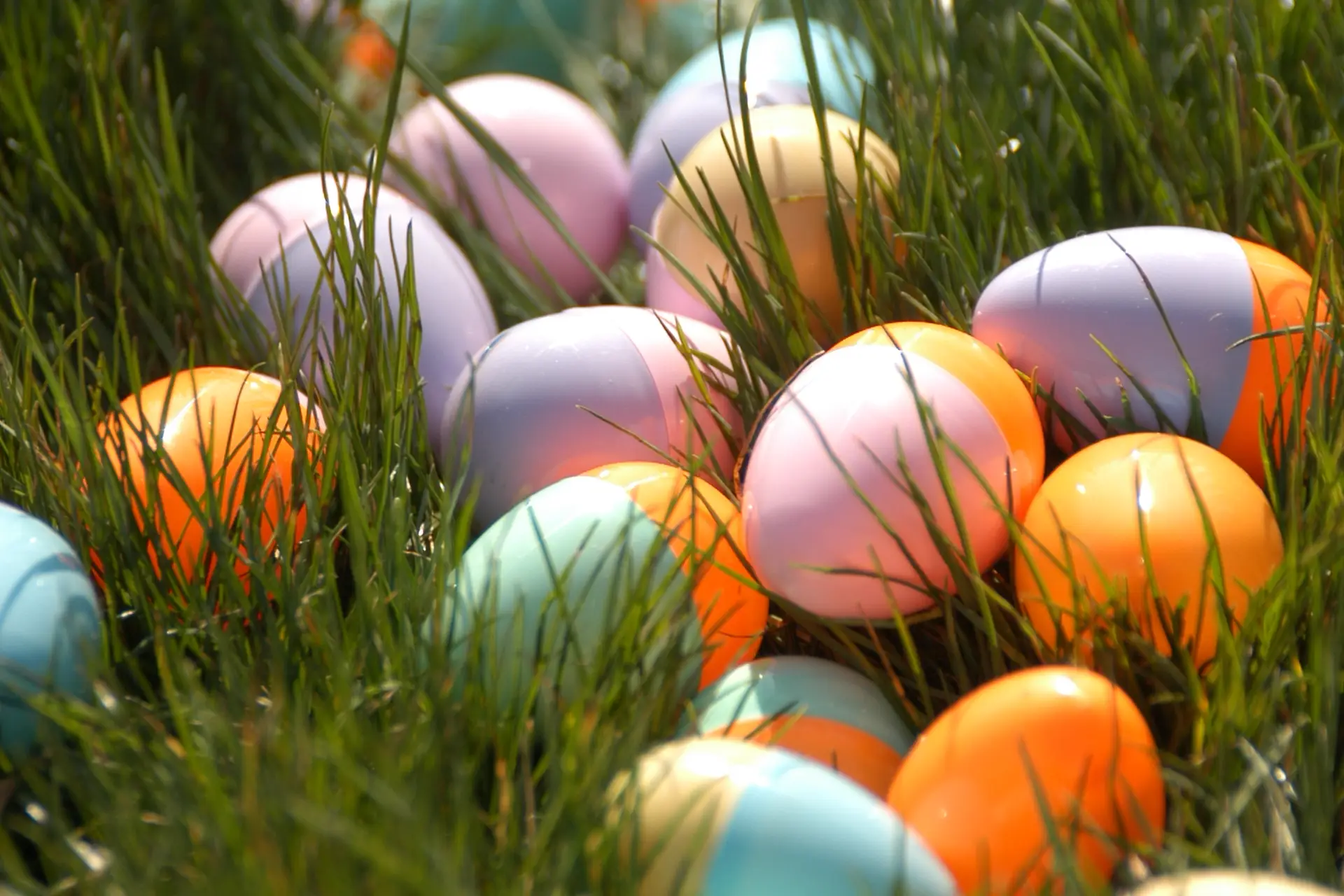
Easter Egg Hunt at Riverside Park in Roswell, Georgia

The Bigger Lesson

Easter eggs are a perfect reminder that the strongest images come from understanding the story behind what you’re photographing.

When you know the “why,” you shoot differently.

You wait longer.
You frame more intentionally.
You capture meaning—not just moments.

And that’s what separates a photographer from a visual storyteller.

Naive Enough to Start

Reading Time: 2 minutes

There’s a moment before anyone starts something new where they stand at the edge of what they don’t know.

For some, that’s where they stop.

For others, that’s where they begin.

Naiveté—what we often dismiss as inexperience or lack of awareness—might actually be one of the most powerful assets an entrepreneur has.

Because if you fully understood everything it would take to build something from scratch… You might never start.


The Problem With Knowing Too Much

Experience is valuable. I’ve built a career on it.

But experience also does something subtle—it teaches you all the reasons something won’t work.

You begin to see:

  • The competition
  • The saturated markets
  • The financial risks
  • The long hours
  • The uncertainty

And those are all real.

But here’s the tension:
If those realities show up too early in your thinking, they don’t inform your decision—they shut it down.


Why Naiveté Creates Movement

Naiveté allows you to ask a different kind of question.

Not:

“Will this work?”

But:

“What if it did?”

That shift is everything.

It’s what allowed Daniel Lubetzky to step into a crowded food industry and build KIND Snacks around values most competitors weren’t prioritizing.

He didn’t start with dominance in mind.

He started with curiosity:
What would it look like to build a snack company rooted in kindness, transparency, and long-term thinking?

That question doesn’t come from expertise alone.

It comes from a willingness not to fully understand the limits.


Freelancers Face This Same Moment

I see this all the time with photographers, videographers, and storytellers.

The ones who haven’t started yet often say things like:

  • “The market is too saturated.”
  • “There are already too many people doing this.”
  • “I don’t know enough yet.”

And in many cases, they’re right.

But the people who do start?
They’re often just naive enough to believe:

  • They’ll figure it out
  • Their voice matters
  • There’s room for them

And because they believe that… they take action.


Naiveté Gets You Started. Growth Keeps You Going.

Naiveté isn’t the goal. It’s the doorway.

At some point, reality shows up—and it should.

You learn:

  • How to price your work
  • How to communicate value
  • How to handle rejection
  • How to build systems and workflows

That’s where experience becomes your ally.

But none of that happens if you never start.


What This Means for You

If you’re standing on the edge of starting something—especially a freelance business—don’t wait until you feel fully ready.

That feeling doesn’t come.

Instead, pay attention to the part of you that says:

“I think this could work.”

That voice isn’t ignorance.

It’s a possibility.


A Better Way to Think About It

Maybe naiveté isn’t a weakness to overcome.

Maybe it’s a window you only get for a short period of time—before experience fills in all the blanks.

And maybe some of the most meaningful work you’ll ever do…

only exists on the other side of stepping forward before you have everything figured out.


Closing Thought

If you knew every obstacle ahead of time, you might hesitate.

If you don’t know them all, you might begin.

And the beginning is what makes everything else possible.