|
Getting your Trinity Audio player ready...
|
There’s a lot of noise right now about AI in visual storytelling.
Some say it will replace photographers. Others say it will make real images irrelevant. But what I’m seeing in the field tells a very different story.
AI hasn’t replaced visual storytelling.
It has raised the expectation for emotional truth.
And that changes everything.
We’re not competing with AI—we’re competing with believability
For years, the challenge in photography was technical:
sharpness, exposure, composition, and lighting.
Those things still matter, but they are no longer what make an image powerful.
Today, the question has shifted:
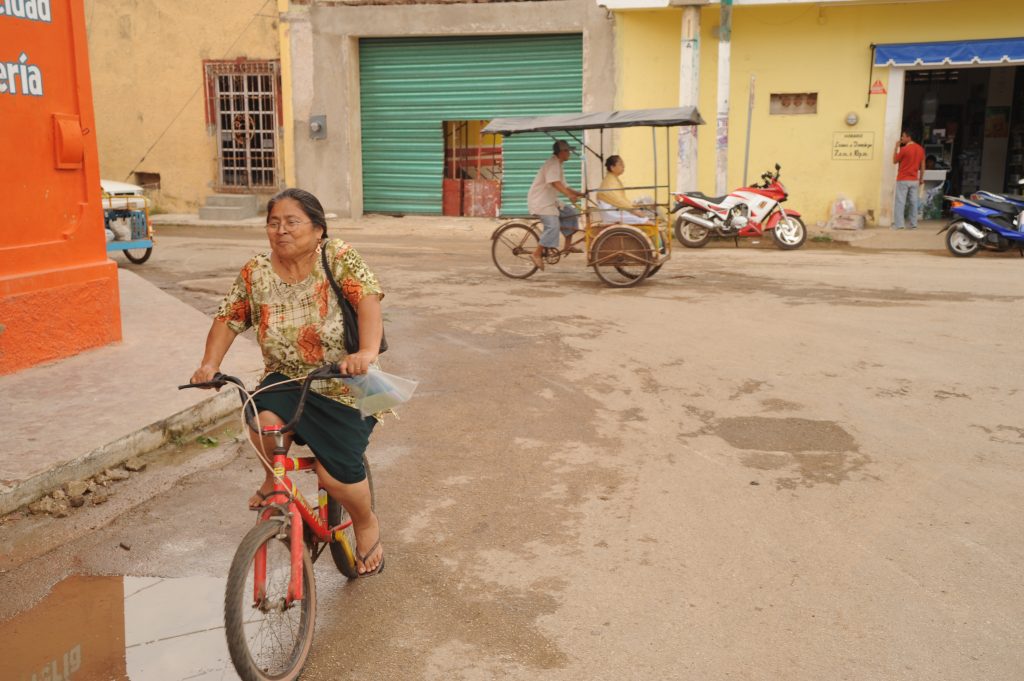
Does this feel real?
Not “Is this perfect?”
Not “Is this impressive?”
But “Do I believe this moment actually happened?”
AI can now generate perfection on demand. It can build faces, environments, and entire worlds that look convincing at a glance.
But it cannot remember a moment it didn’t live.
And that’s where visual storytellers now have an advantage—if we choose to lean into it.
The new value is emotional evidence
The strongest images today carry something deeper than aesthetics.
They carry emotional evidence:
- The tension in a room before a hard conversation
- The exhaustion after serving long hours in a mission field
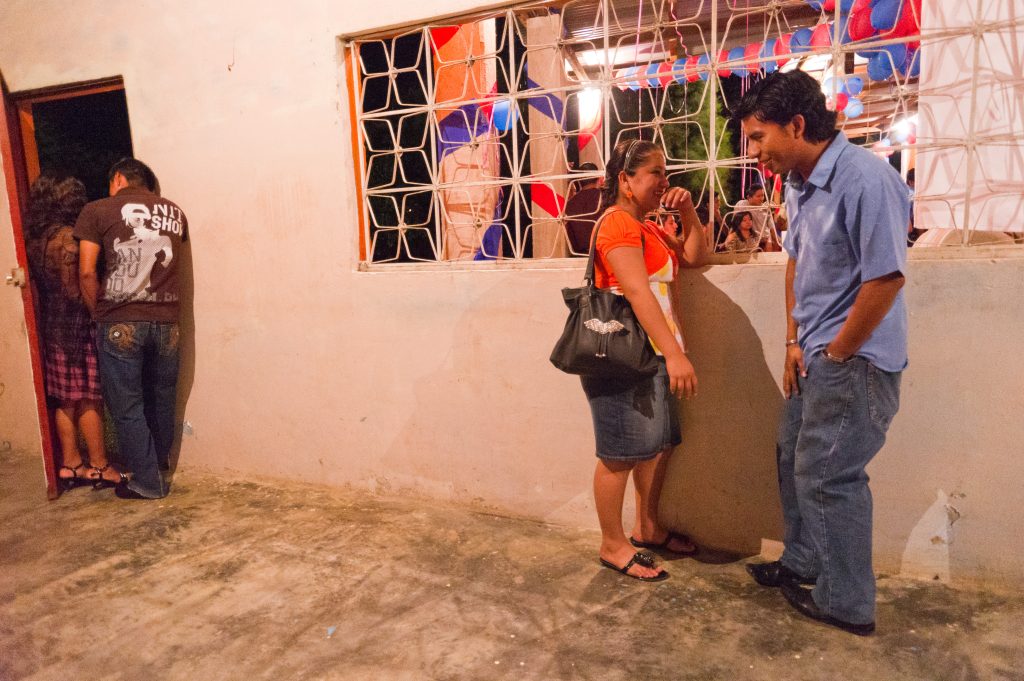
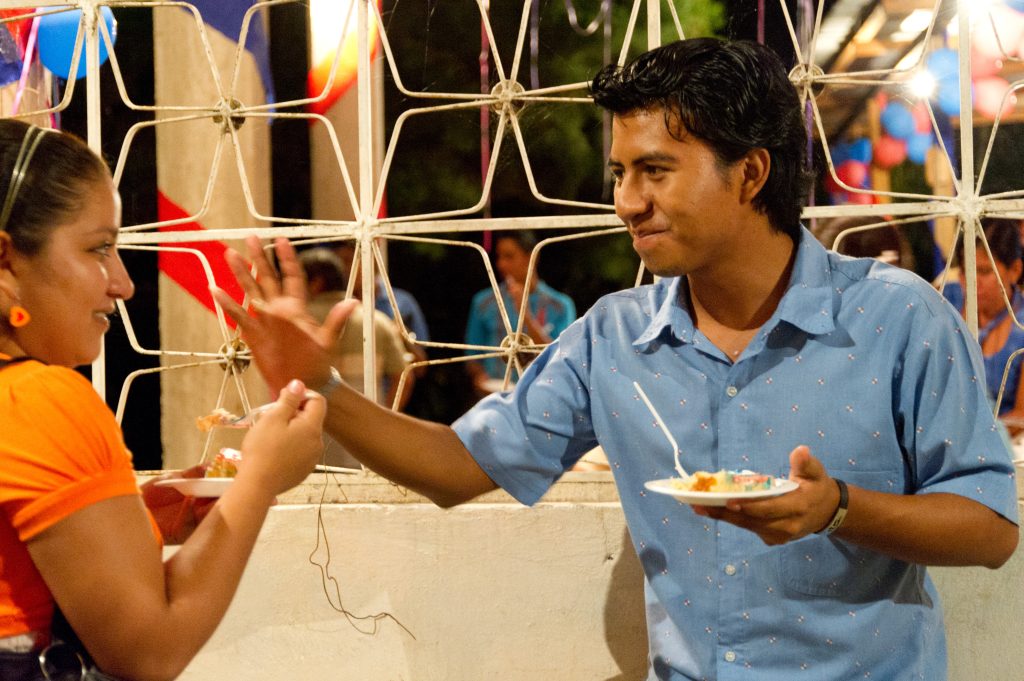
- The joy that shows up in unguarded laughter
- The silence that speaks louder than words
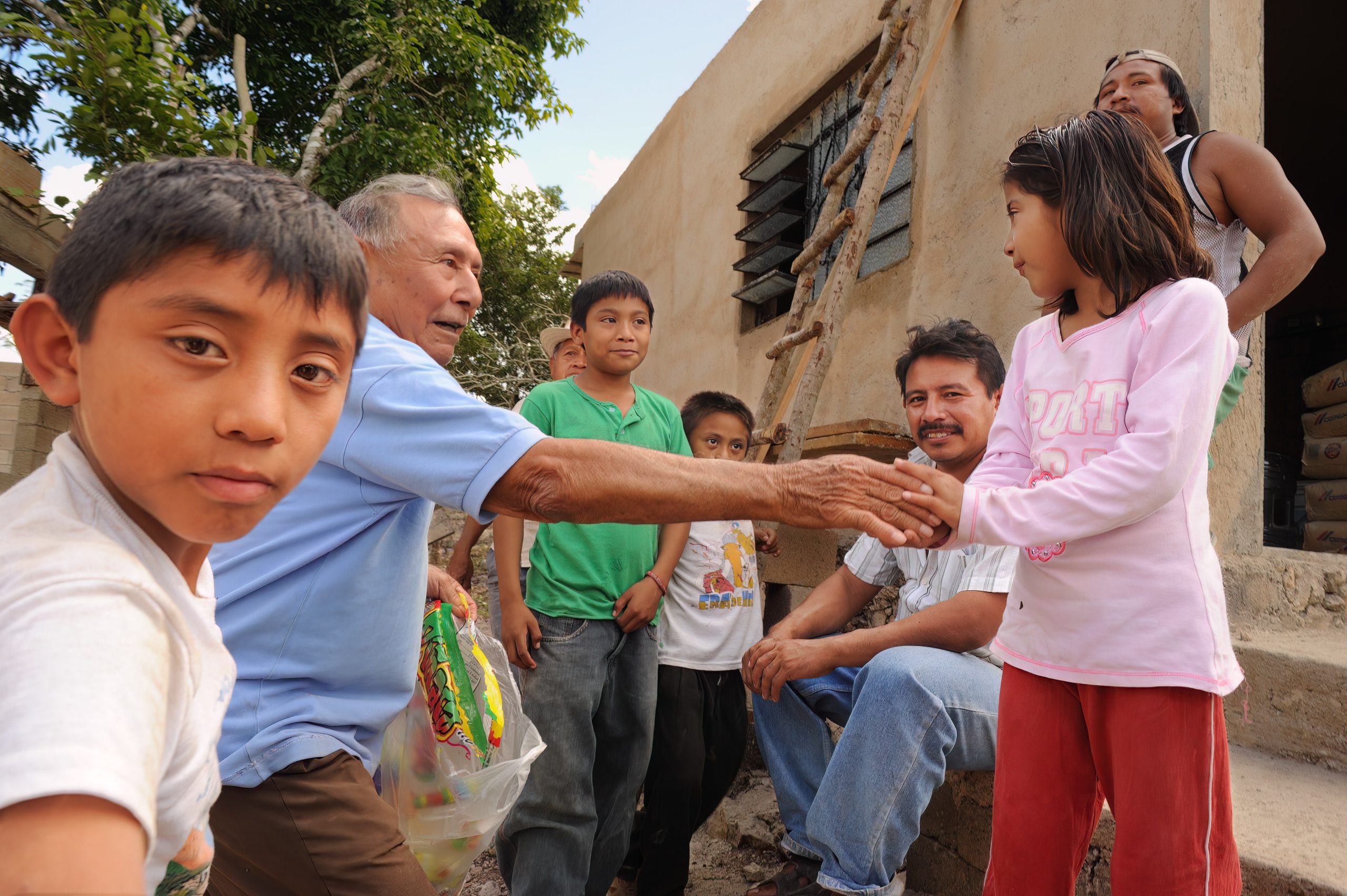
These moments are not manufactured.
They are witnessed.
And that witnessing is what separates storytelling from content creation.
AI is a tool—but it can’t be the witness
AI is useful. I use it. Many of us do.
It can:
- Organize ideas faster
- Help structure narratives
- Enhance production workflows
- Generate concepts and variations
But here’s the boundary I keep coming back to:
AI can assist storytelling, but it cannot stand inside the moment with people.
It can describe grief, but it cannot feel the weight of it in a room.
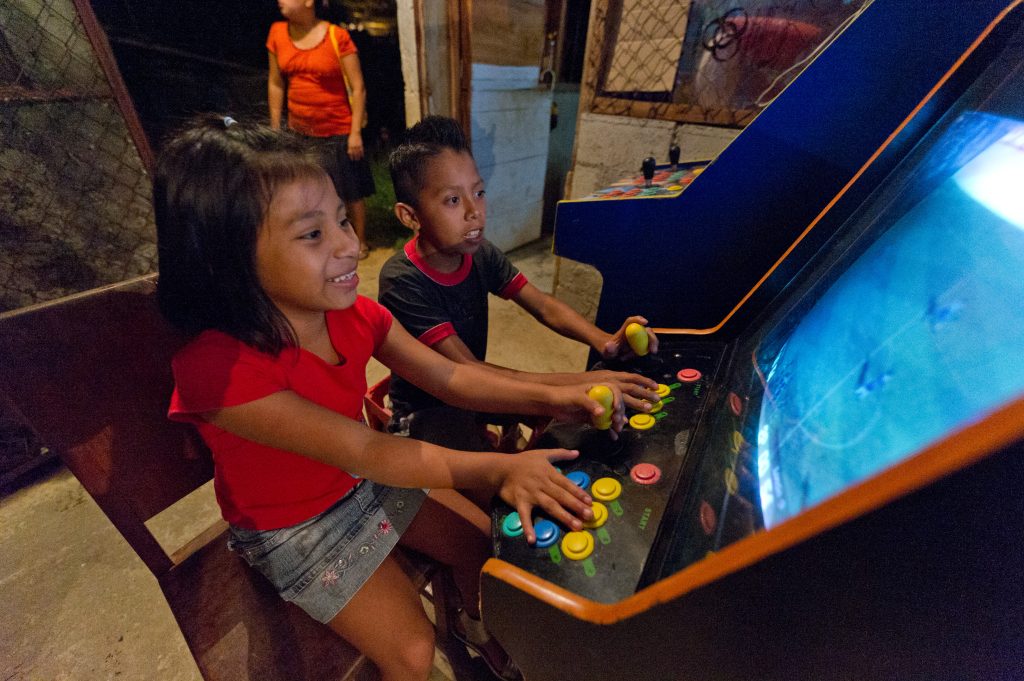
It can simulate joy, but it cannot wait for joy to arrive unexpectedly after a long day of uncertainty.
That’s still our work.
The temptation: replace meaning with efficiency
The danger isn’t AI replacing photographers.
The danger is photographers replacing themselves with efficiency.
It becomes tempting to:
- Rely on generated visuals instead of going into real spaces
- Choose speed over presence
- Construct stories instead of discovering them
But the stories that last—the ones organizations remember, the ones that move people to act—are never the fastest ones to create.
They are the ones who required us to be there.
What clients are really asking for now
Whether they say it directly or not, clients are asking for something very specific:
They don’t just want “great photos.”
They want proof that their story matters.
They want:
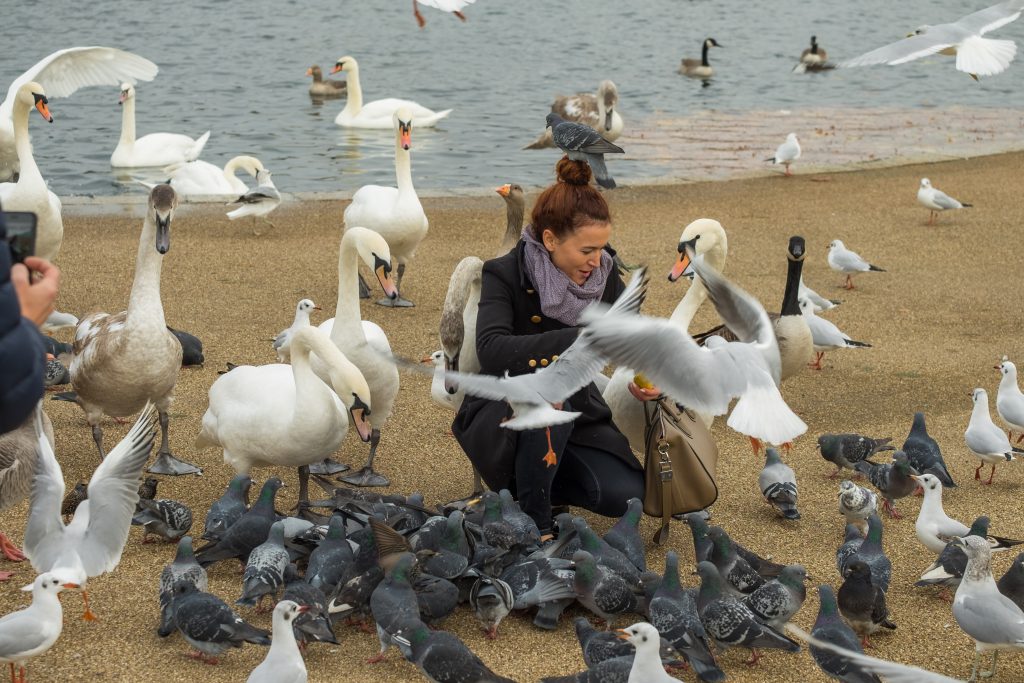
- Trust built through real moments
- Credibility that cannot be faked
- An emotional connection that survives scrolling
AI can create attention.
But only real storytelling creates trust.
How I’m using AI without losing the human story
For me, the balance looks like this:
- I may use AI to outline or refine narrative structure
- I may use it to explore angles I didn’t initially consider
- I may use it to speed up post-production thinking
But I never use it to replace:
- Presence
- Observation
- Timing
- Human connection
- Lived experience
Because those are the ingredients that carry emotional truth.
The future belongs to witnesses
We are entering an era where anyone can create an image.
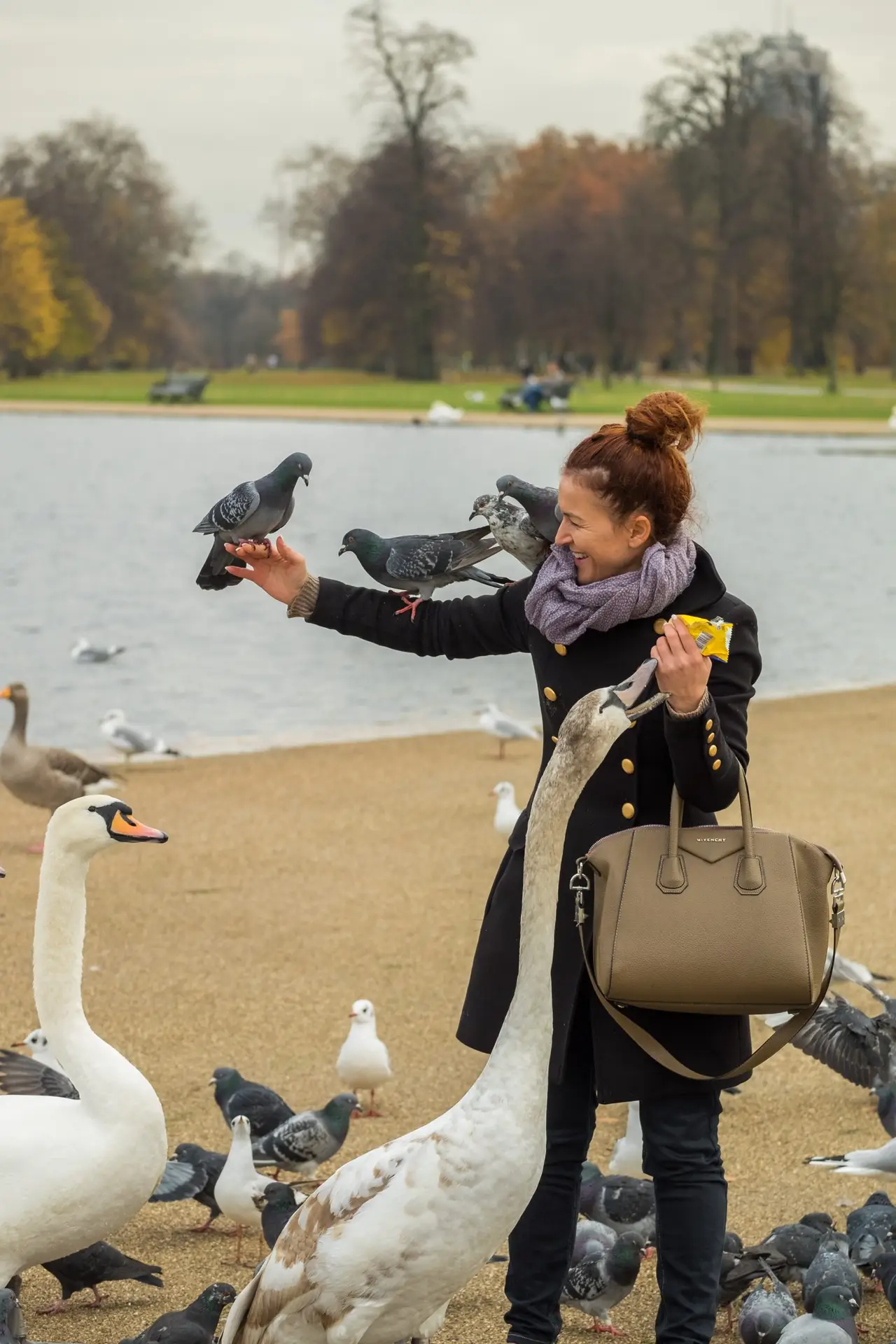
But not everyone has stood in the room where the story actually unfolded.
That difference matters more now than ever.
Because in a world of infinite images, the most valuable thing we can offer is still the same:
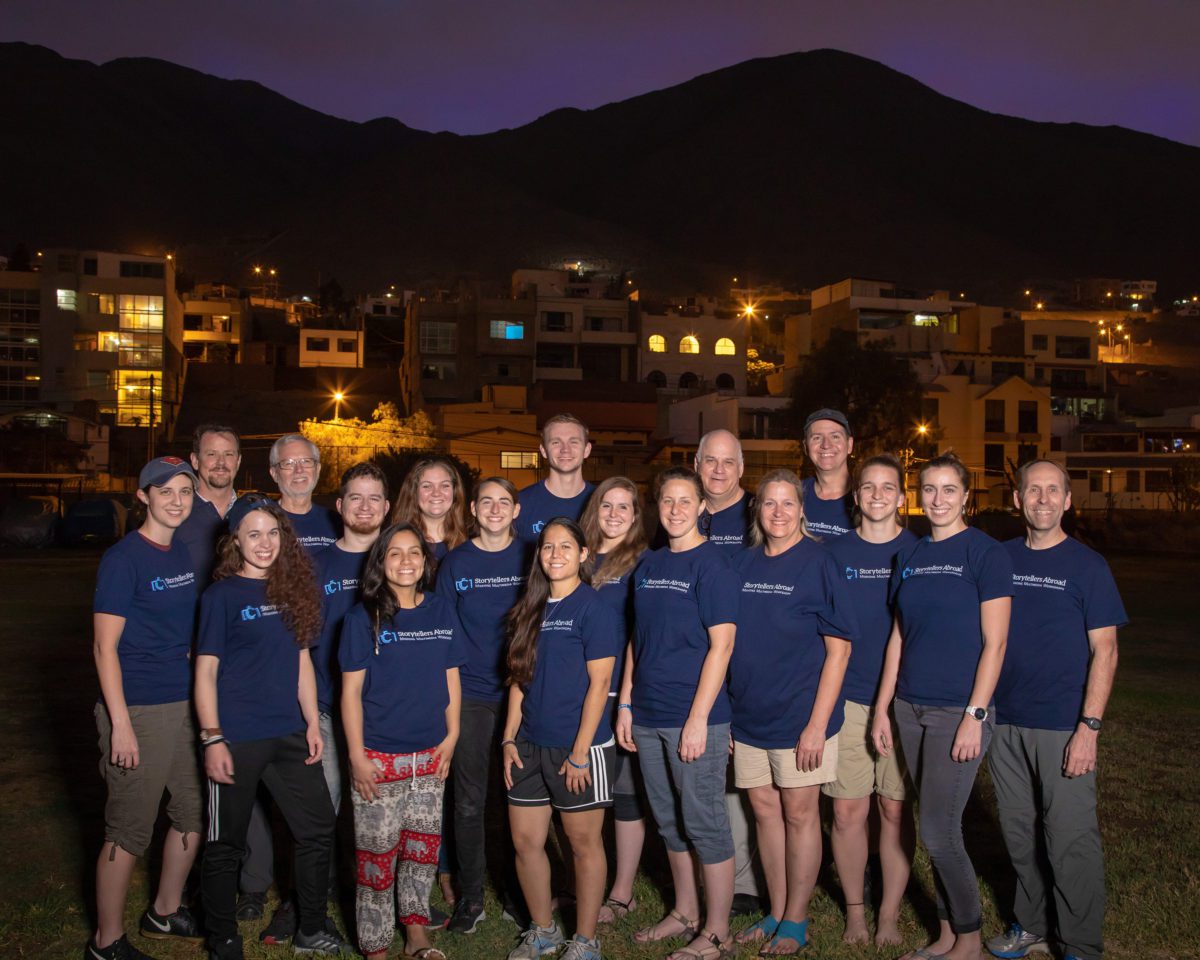
We were there. We saw it. And we can show you what it felt like.
Closing thought
AI didn’t reduce the value of visual storytelling.
It clarified it.
And what it clarified is simple:
The closer we stay to real human experience, the more powerful our work becomes.
Not because it is perfect.
But because it is true.