The Difference Between Snapshots and Concept-Driven Photos

Reading Time: 4 minutes

We all take pictures. Some are casual snapshots that preserve a personal memory, while others are carefully crafted to convey a message or evoke an emotion. When you understand the difference between these two approaches, you can elevate your photography from a simple pastime to a purposeful art form.

Chelle and Dorie, during our family vacation at Universal Studios in Orlando, Florida.

Snapshots: Capturing Moments for Personal Use

Snapshots are typically informal, spontaneous, and personal. You often take them without considering composition, lighting, or storytelling. Think of your phone gallery filled with photos from a family barbecue or a quick selfie with friends. Snapshots prioritize the memory over the artistry, serving as a visual diary for personal consumption.

During a Storytellers Abroad Workshop, we went out to the village of Herăști, Giurgiu, Romania, where I got a photo that tells about the culture. The smiling man humanizes this, and the waving gesture creates an immediate sense of warmth and welcome. The boys’ expressions suggest a carefree and joyful moment, inviting viewers into their world. The horse-drawn cart loaded with firewood contrasts with modern forms of transportation, giving insight into a way of life that might be simpler or rooted in tradition. The rural setting, with dirt roads and a figure in the background walking with a stick, paints a broader picture of the community and its pace of life. The greenery and modest homes suggest a close connection to nature and a humble lifestyle. This photo communicates themes of rural life, hard work, and community. It goes beyond being a nicely composed image by telling a story of resilience and joy in everyday moments. It captures the subjects and context of their lives, making it relatable and engaging to a broad audience.

Concept-Driven Photos: Communicating a Purpose

In contrast, concept-driven photos require intention. You design these photos to communicate an idea, tell a story, or convey a feeling to a broader audience. Consider composition, lighting, and subject matter when creating these images to ensure they align with your purpose. Professionals often use concept-driven photos in travel photography, advertising, or journalism.

Concept photos aim to resonate with the viewer, making them stop, think, or feel something—whether it’s wanderlust from a travel shot or empathy from a documentary image.


Tips for Shooting Travel Stock Photos vs. Family Vacation Photos

If you want to transition from taking casual vacation snaps to creating purposeful travel photos, these tips will guide you:

Travel Stock Photos

Travel stock photos target a public audience, often with the intent to sell or promote a destination or concept. Here’s how to approach them:

  1. Research Your Destination
    • Learn about the culture, landmarks, and unique aspects of your location.
    • Seek out off-the-beaten-path spots to offer a fresh perspective.
  2. Tell a Story
    • Decide what you want the viewer to feel or understand from your photo.
    • Add context, such as locals interacting with the environment or cultural elements that set the scene.
  3. Focus on Composition
    • Use the rule of thirds, leading lines, and framing techniques to guide the viewer’s eye.
    • Incorporate symmetry, patterns, and textures.
  4. Capture Quality Lighting
    • Shoot during the golden hour to capture warm, soft light.
    • Embrace varying weather conditions and use them creatively.
  5. Think About Marketability
    • Avoid including logos, brand names, or identifiable people unless you have model releases.
    • Create versatile photos that fit different themes or uses.
  6. Include Negative Space
    • Leave room for text overlays, which is essential for stock photo usability.

Family Vacation Photos

Family vacation photos are personal and meant for sharing within a small circle. While they don’t require the same level of precision, applying some thoughtful techniques can enhance them:

This photo of my daughter Chelle on the right with the tour guide, who has a similar hairstyle and dress, tells a delightful story of a family experience intertwined with a cultural and literary exploration. The image captures two individuals smiling warmly while dressed in Harry Potter-themed scarves, standing in Cecil Court, a location rich in history and literary significance, believed to have inspired Diagon Alley in the Harry Potter series.
  1. Prioritize Moments Over Perfection
    • Capture candid moments that reflect genuine emotions.
    • Focus on authenticity rather than technical perfection.
  2. Use Familiar Contexts
    • Show your family enjoying the environment. Include iconic backdrops to place the memory in context.
  3. Mix Posed and Candid Shots
    • Blend posed group photos with spontaneous action shots to add variety.
  4. Experiment with Angles
    • Shoot from a child’s-eye view or a high vantage point to create interest.
  5. Include Details
    • To add texture to your vacation story, highlight close-ups of hands holding ice cream, footprints in the sand, or a favorite souvenir.
  6. Make Use of Editing Tools
    • Enhance colors, adjust exposure, or crop distractions with simple edits, but avoid overdoing it.

The Takeaway

Snapshots and concept-driven photos have their place, but understanding their differences helps you approach your photography more clearly and purposefully. Whether you’re documenting a family vacation or creating stock images for a global audience, knowing your intent is the first step to elevating your work.
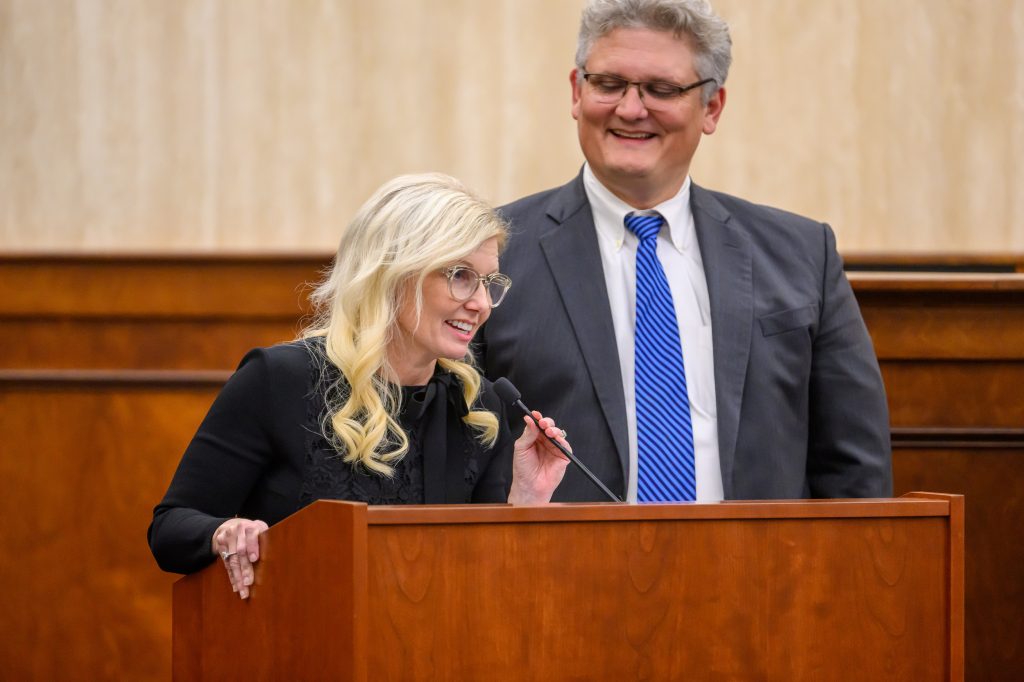
Tagged :

Capturing Moments That Matter: Photographing Investiture and Retirement Ceremonies

Reading Time: 4 minutes

One of the most enjoyable aspects of my work as a professional photographer is being invited to the Richard B. Russell Federal Building in Atlanta. The United States District Court for the Northern District of Georgia often asks me to document judges’ investiture ceremonies or retirements. These occasions, held in the largest courtroom on the 23rd floor, are steeped in tradition, emotion, and, yes, a bit of humor.

This courtroom has hosted some of the most significant cases in our country’s history, including the trial of Eric Rudolph, the Olympic Park bomber. But the atmosphere transforms from serious deliberation to lighthearted celebration during investiture or retirement ceremonies.

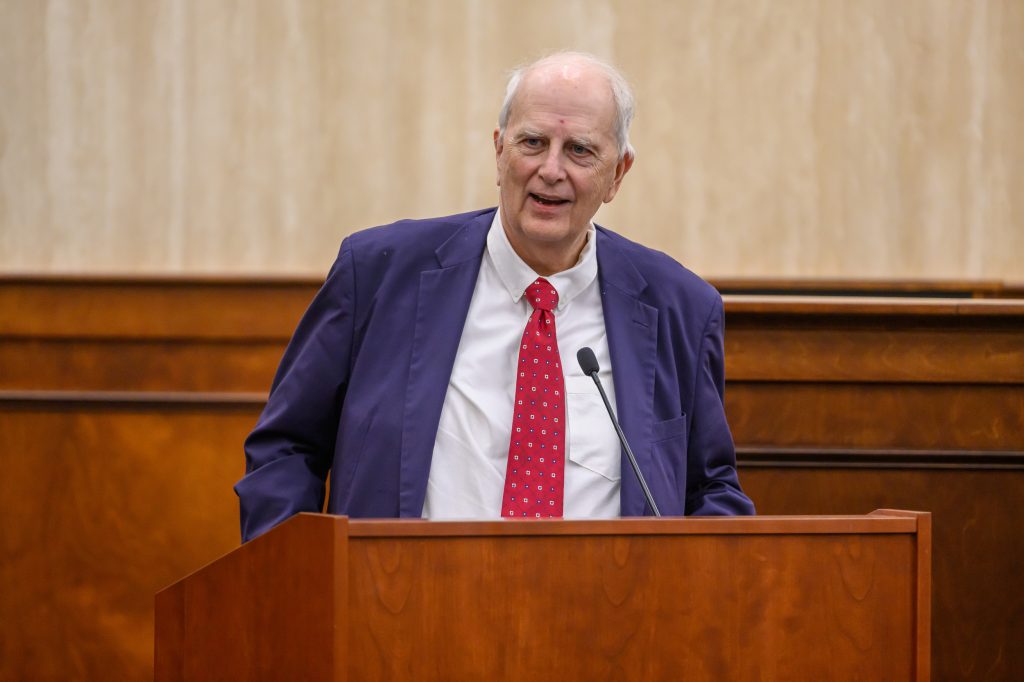
Ruth Ann Pannell Crider tells one of the many stories about growing up with Judge Pannell as her father and her brother, Charles A. Pannell III, look on.

The Unique Joy of Judicial Ceremonies

What makes these events truly memorable are the roasts. Colleagues, friends, and family take turns sharing humorous anecdotes, some of which gently poke fun at the honoree. These moments of levity often provide a unique insight into the judge’s personality, making them all the more enjoyable to capture.

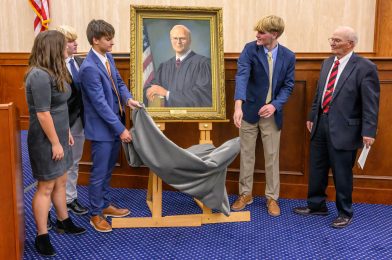
The Honorable Alan J Baverman holds up the transcript of what the Honorable Charles A. Pannell, Jr. said at his retirement. He is ready with some juicy stories to even the match.

I vividly recall Judge Pannell’s Retirement and Portrait Presentation. The ceremony featured some of the best storytelling I’ve ever heard, with former Governor Roy Barnes delivering a particularly entertaining tribute. Judges, as it turns out, are sharp decision-makers and masterful storytellers.

Former Governor Roy Barnes

My role is to capture the day’s emotions: the laughter, the pride, the nostalgia, and sometimes even the tears. These images become treasured keepsakes for the judge, their family, and the court.

Judge Pannell’s family and himself enjoy a laugh while Roy Barnes roasts.

A Photographer’s Approach to Events

Photographing ceremonies like these requires a thoughtful approach. Here are some ways photographers can ensure they capture the essence of an event:

  1. Anticipate the Moments
    Listening carefully to speeches and conversations helps you anticipate reactions—a laugh, a smile, or a sentimental glance. The ability to predict these moments ensures you’re ready when they happen.
  2. Work with the Lighting
    The courtroom on the 23rd floor was recently renovated, so the lighting is pretty good for the available space, so no flash was necessary.
  3. Focus on Expressions
    Genuine emotions tell the story of an event. I aim to capture the nuances of a judge’s reaction when a funny anecdote is shared or the pride on a family member’s face. These are the images that resonate most.
  4. Frame the Context
    Including courtroom elements, like the judge’s bench or the iconic seal of the United States Courts, adds depth to the story and reminds viewers of the occasion’s significance.
  5. Capture Group Dynamics
    The camaraderie between colleagues is a key part of these events. Photos of shared laughs or hugs among the judges and their peers highlight the relationships that make these ceremonies so unique.
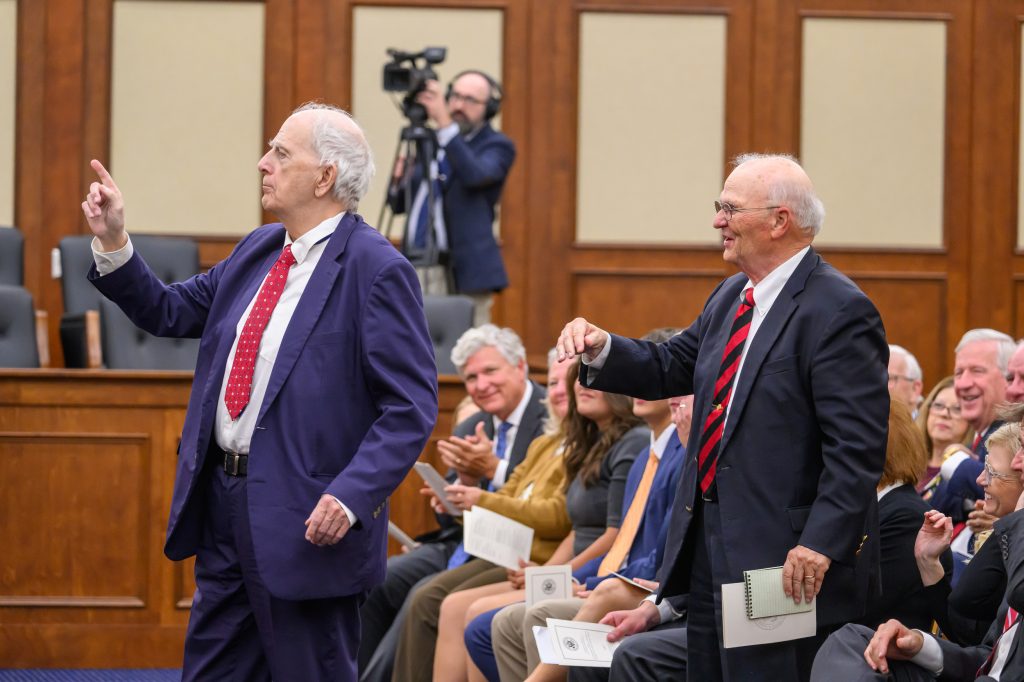
Governor Roy Barnes is asking the Honorable Steve C. Jones asked if he could have a rebuttal after Honorable Charles A. Pannell, Jr. Since the tradition is the honoree gets the last word, Barnes’ request is denied.

Why I Love This Work

It’s a privilege to be part of such meaningful events. Every ceremony reminds us of the importance of storytelling, whether through words or images. It’s an honor to witness history in the making and to document the moments that define it.

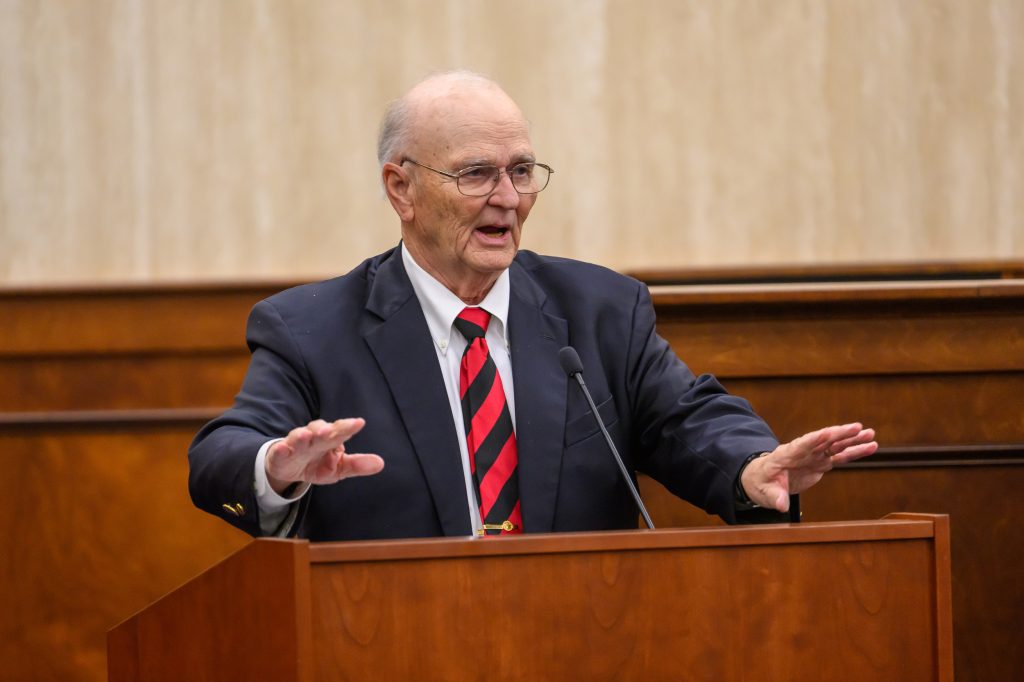
The Honorable Charles A. Pannell, Jr. gets his rebuttal from all those friends, former colleagues, and family who told stories of their time with him.

The Richard B. Russell Federal Building holds a special place in my heart, not just for its grandeur or history but for the people who fill it with laughter, camaraderie, and stories worth remembering. Each event I photograph here reminds me why I dedicate my life to storytelling through the lens.

Tagged :

Honoring Veterans in Roswell—Why Local Assignments Matter to My Craft

Reading Time: 2 minutes

Each November 11, Roswell, Georgia, gathers to honor veterans with an event that feels as personal as it is profound. Today’s ceremony at Roswell Area Park was no different. As attendees reflected on the bravery and sacrifices of our veterans, I found myself drawn once again to cover this event, not just as an observer but as a storyteller, capturing moments that speak to shared community values and connections.

Roswell, Ga., Mayor Kurt Wilson, an Army veteran, delivers remarks honoring local veterans for their service and sacrifices during the Veterans Day ceremony at Roswell Area Park Pond on Monday, Nov. 11, 2024.

Documenting Veterans Day events here, close to home, goes beyond honoring veterans and preserving community stories. It also gives me a regular opportunity to stay proficient in my craft, keeping my eye sharp and my equipment in top shape. Photography, especially in documentary and storytelling genres, is a skill that benefits from consistent practice in various environments. When capturing Roswell’s Veterans Day event, I’m honing my ability to find meaningful angles and frame shots naturally and anticipate the split-second emotional moments that make stories resonate.

This year, the event featured powerful highlights: Roswell Mayor Kurt Wilson, an Army veteran himself, spoke from the heart, expressing gratitude to those who served; veterans seated in the front rows received a visible place of honor; and the Sons of the American Revolution Color Guard presented the colors, bringing a solemn tradition to the community ceremony. Standing on the banks of the Roswell Area Park Pond, I caught glimpses of the ceremony reflected in the water—a reminder of how our community traditions mirror those around the world.

In Europe, many recognize this date as Armistice Day, with similar ceremonies marked by silence and wreath-laying, while Britain’s “Poppy Day” symbolizes remembrance. Being able to capture these moments for Roswell on a day with such global significance is a humbling reminder of the shared history and respect communities everywhere hold for their veterans.

My images from today were shot for Zuma Press, a platform that puts these local stories on the national and even international stage. By covering events like this, I’m able to create images that highlight Roswell’s distinct character and the universal language of respect and honor. Whether photographing global workshops or local community events, each assignment brings something new, helping me grow and stay connected to my craft and community.

Tagged :

Crafting a Storytelling Video for Your Organization: A Step-by-Step Guide

Reading Time: 3 minutes

Storytelling is at the heart of meaningful communication. Whether you’re working for a nonprofit, a business, or a community organization, a well-produced storytelling video can amplify your message and connect with your audience profoundly and emotionally.

In this post, I’m excited to walk you through the critical steps in producing a storytelling video for your organization. These steps are based on years of experience helping organizations craft stories that change lives. Check out the video embedded below for a more in-depth look!


1. Know the Story
Before the cameras start rolling, you must understand the organization’s heart. What is their mission? Who is their target audience? And most importantly, what story needs to be told to move that audience?

Taking the time to research the organization’s core values and message is essential. This step will guide the rest of the production, ensuring the video feels authentic and focused.

Key Questions to Ask:

  • What is the organization’s mission and vision?
  • Who are they trying to reach with their story?
  • What is the message that will resonate most with the audience?

2. Pre-production Planning
Planning is where the magic starts. You’ll need to create a detailed outline or script, identify the key people in the story, and determine where and when to shoot. A smooth pre-production process sets the tone for the entire project.

Considerations for Pre-production:

  • Craft a story outline or script that aligns with the organization’s message.
  • Identify the key individuals whose stories will be shared.
  • Plan logistics: schedule the shoot, book locations, and gather necessary equipment.

3. Capture Real Stories
Once filming begins, it’s time to focus on authenticity. Real stories from real people make storytelling videos powerful. Instead of scripting every line, encourage your subjects to speak from the heart. Their personal experiences are what will resonate with the audience.

Tips for Capturing Authenticity:

  • Let the subjects share their stories naturally—don’t force them into a script.
  • Create a relaxed environment where people feel comfortable sharing their experiences.
  • Capture emotion through candid, real-life moments.

4. Use Visuals to Enhance the Story
Visual storytelling goes beyond just recording people talking. The environment, lighting, and supporting footage add to the story’s emotional impact. Consider how visuals can enhance the narrative.

Visual Elements to Consider:

  • Show more than just talking heads—film the environment, the work, and the people in action.
  • Use thoughtful lighting and composition to emphasize the emotional tone.
  • Capture different angles and scenes to create a visually engaging story.

5. Craft the Sound
Good sound design and music are critical to bringing the story to life. Clear audio ensures your message is understood, while carefully selected music can set the emotional tone without overpowering the story.

Sound Considerations:

  • Use high-quality audio equipment for clear dialogue.
  • Choose music that supports the story’s mood and helps evoke the right emotions.

6. Weaving the Story in Post-production
In the editing phase, you’ll bring all the elements together. The video’s pacing, how shots flow into one another, and the placement of interviews and supporting visuals all contribute to a compelling story.

Editing Tips:

  • Focus on pacing that keeps the viewer engaged.
  • Consider how each visual and audio element supports the overall story.
  • Don’t be afraid to trim footage if it distracts from the core message.

7. Deliver with Purpose
Every storytelling video should have a clear purpose. Whether raising awareness, inspiring action, or educating the audience, the video must lead the viewer toward a specific goal.

Final Steps:

  • Make sure the video aligns with the organization’s overall goals.
  • Add a solid call to action—this could be a prompt to donate, get involved, or learn more.

Conclusion
Producing a storytelling video is about more than just putting footage together—it’s about connecting with your audience on a deeper level and communicating a message that can inspire change. By following these steps, you can create videos that leave a lasting impact on both the organization and its audience.

Check out the embedded video below for a behind-the-scenes look at the storytelling process and to see these tips in action. Happy storytelling!

Tagged :

Why Nonprofits Need Professional Communicators: The Key to Effective Storytelling and Long-Term Donor Engagement

Reading Time: 3 minutes

Nonprofits often struggle to decide between using volunteers or hiring professional communicators such as producers, photographers, and videographers. While it may be tempting to use volunteers to save money, relying on professionals can significantly impact the effectiveness and sustainability of a nonprofit’s mission, especially regarding communication strategies.

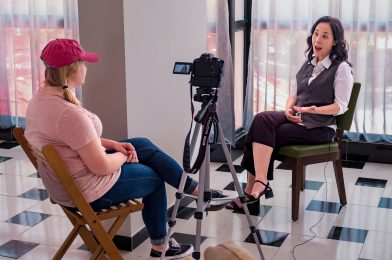
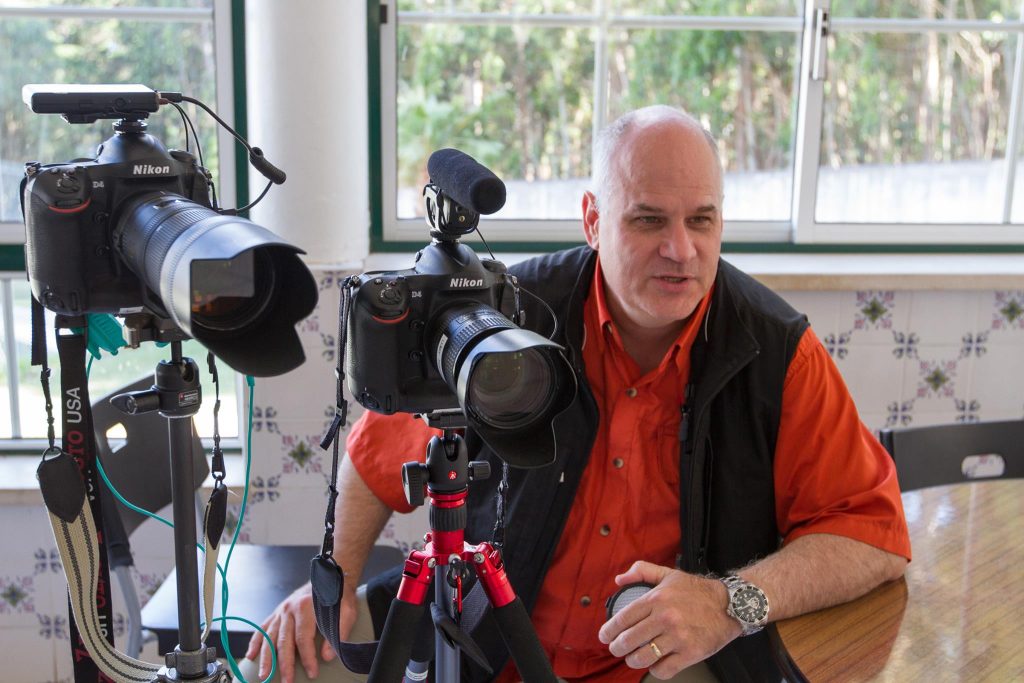
Stanley is doing a two-camera interview in Lisbon, Portugal.

Why Nonprofits Should Use Professionals in Communications:

  1. Impactful Storytelling: Professional communicators bring a high level of expertise in crafting stories that resonate emotionally with audiences. This is critical for nonprofits, as compelling stories help donors connect with the cause more deeply. Organizations like Charity Water have used professional storytelling to engage supporters with authentic, emotionally charged narratives, which have led to higher donor trust and more significant contributions.
  2. Consistency in Branding: One of the critical aspects of maintaining donor trust is having a consistent and professional brand image. Volunteers, while passionate, may not have the experience needed to maintain uniform messaging across platforms. Professionals are trained to handle multi-channel strategies and create brand guides that ensure the nonprofit’s identity is cohesive, which enhances long-term donor relationships​.
  3. Efficiency and Focus: Professionals are equipped with the tools and knowledge to handle the complexities of media production efficiently. From pre-production planning to post-production editing, they streamline the process, ensuring deadlines and resources are effectively utilized. On the other hand, volunteers may lack the necessary time and expertise, leading to delays and suboptimal outcomes.
  4. Audience Engagement: Nonprofits need to engage their supporters through various media channels. A professional photographer or videographer can capture high-quality content that tells a story visually, engaging audiences in ways that statistics alone cannot. This engagement often leads to higher donations, as supporters can see the direct impact of their contributions.
  5. Avoiding Risk: Without trained professionals, nonprofits risk producing content that could be perceived as amateurish or even misleading. Poor-quality media can damage a nonprofit’s reputation, making it appear untrustworthy. Moreover, volunteers may not always understand the nuances of sensitive storytelling, which could inadvertently lead to legal or ethical issues, further undermining the organization’s credibility.
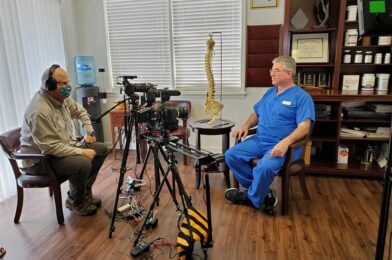
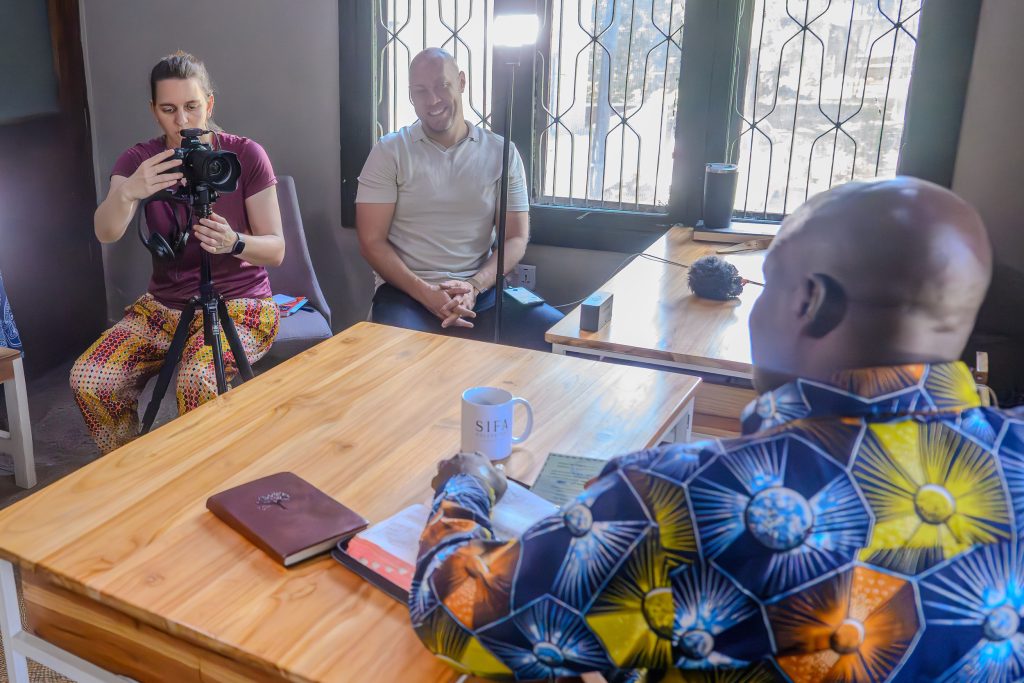
Stanley’s interview setup with Dr. Jack Sorg for the Moldova Medical Short-Term Missions Team

Risks of Not Using Trained Communications Professionals:

  • Brand Dilution: Inconsistent messaging and visuals can dilute the nonprofit’s brand, making it harder to differentiate from competitors. Without professional oversight, the organization’s voice may lack clarity, causing confusion among supporters and stakeholders.
  • Lost Donor Engagement: Volunteers might need to gain the skills to create media that effectively capture the attention of potential donors. This could result in less engagement on social media, fewer website visits, and, ultimately, a decline in fundraising​.
  • Long-term Costs: While volunteers may seem cost-effective initially, the long-term costs of ineffective communication—such as lower donor retention or decreased fundraising—can outweigh the short-term savings. Correcting poorly executed media projects can be more expensive than getting it right the first time with professionals.

Conclusion: For nonprofits, communication is more than just delivering a message; it’s about connecting with donors and supporters. Hiring professional photographers, videographers, and producers ensures this communication is done effectively, increasing monetary donations and volunteer involvement. While volunteers are invaluable in many areas, the role of skilled professionals in nonprofit communications should not be underestimated, as it is a crucial part of building a sustainable and prosperous organization.

With over two decades of experience organizing the Southwestern Photojournalism Conference and creating mission Storytelling Abroad Workshops, I’ve seen firsthand professionals’ vital role in nonprofit communications. From 1990 to 2024, I worked with both amateurs and professionals, particularly in mission photography. Through this, I firmly believe that organizations should prioritize hiring professionals for storytelling, especially for projects to raise funds or build public engagement. Professionals bring expertise, consistency, and the ability to craft impactful narratives. Once these critical stories are in place, volunteers can work alongside them, learning and contributing to internal projects. This approach ensures the highest quality in external-facing communication while nurturing the next generation of storytellers.

Tagged :

A Journey in Storytelling: Hannah Strayer’s Mission to Togo and Beyond

Reading Time: 2 minutes

I first met Hannah Strayer in 2015 during our Storytellers Abroad Missions Multimedia Workshop in Romania. At the time, she was already deep into her missionary journey. Hannah had a passion for photography, and this workshop introduced her to the world of storytelling, where words and visuals come together to create compelling narratives.

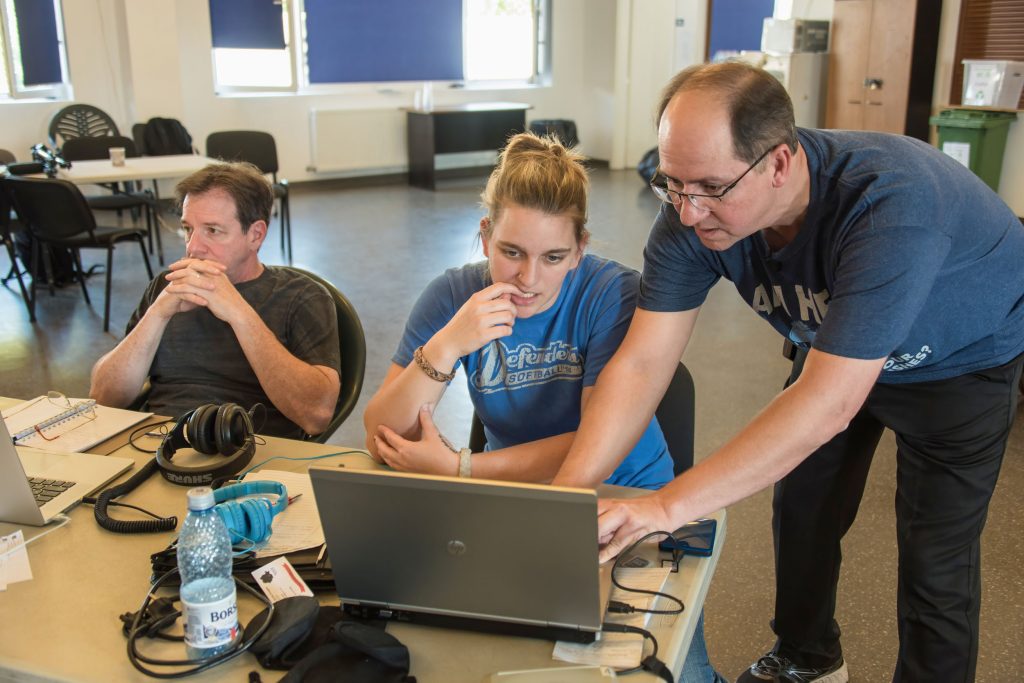
During the 2015 Storytellers Abroad Workshop in Romania, Hannah Strayer received guidance from storyteller coach James Dockery while Jon Franz worked diligently on his project beside them.

Her enthusiasm for storytelling led her to attend several more ABWE’s Storytellers Abroad workshops, traveling to places like Nicaragua, Peru, and Togo. With each experience, Hannah grew in her craft, eventually attending language school to learn French in preparation for her move to Togo, West Africa, where she would serve as a full-time missionary media specialist.

However, Hannah didn’t join a large missions team with on-field mentors. To continue improving her skills and gaining valuable feedback, she kept participating in more workshops, working closely with coaches who helped refine her storytelling abilities.

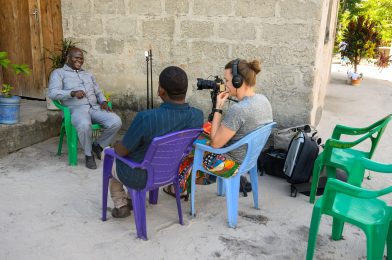
Hannah Strayer conducts a video interview with Samweli Chacha, capturing his story with the help of missionary Aaron Boon, who translates from Swahili to English for the storytelling project in Tanzania on September 7, 2024.

One of the stories we worked on in Tanzania revolved around a key challenge facing missionaries there: securing visas from the government. A vital part of that solution was the new farm established by the local missionary team. The farm helped with visa renewals and trained pastors in farming techniques, providing them with the tools to support their families while leading their churches.

One of the pastors we featured was Samweli Chacha, who attended The Biblical Center for Pastors. He was thrilled to discover the bonus of learning agriculture alongside his studies. His story is familiar in Tanzania, where many pastors are called to lead churches with little formal education. Often, pastors need a secondary job to support themselves, and without proper income, they may have to abandon their role in the church to care for their families.

Samweli’s story is a testament to the holistic approach the missionaries are taking—addressing both spiritual and financial needs.

Watch the video to see how these efforts are making a difference for Samweli and other pastors striving to serve their communities in Tanzania.

Tagged :

Behind the Scenes: Creating a Powerful Video for the Tanzania Missionary Team

Reading Time: 4 minutes

In collaboration with the Tanzania Missionary Team, our journey started by defining the ultimate goal of our visit through the Storytellers Abroad Missions Multimedia Workshop. Like many organizations I’ve worked with, their initial desire was to showcase the breadth of their efforts. In this case, they ran six different programs, all worth highlighting.

However, after they detailed all their activities, I asked, “Once people hear this, what do you want them to do?”

That’s when we honed in on the fundamental objectives for the video. The mission team needed ongoing support to keep their families in the field, funding for their main property, and their newly acquired farm, which they hoped would offset operational costs. Additionally, they wanted to raise money for scholarships to extend their outreach further.

Our workshop focuses on creating 70% inspirational and 30% informational videos. We acknowledged that some videos flip that ratio, but our approach emphasizes the human element—evoking emotion before providing information.

One of the key programs they wanted to highlight was the Dar Health Initiative, which addresses various aspects of community health, including education and prenatal care. This led us to an incredible story about Pendo Saidi and her son Daniel, a woman the missionaries had helped through this initiative. The missionaries worked closely with mother and son, providing health care and emotional and spiritual support.

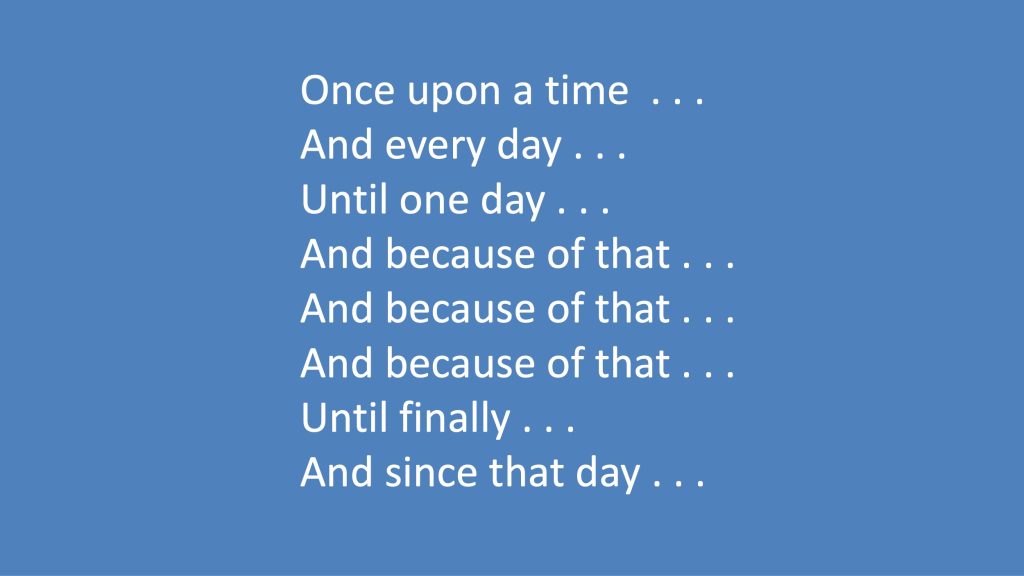
The Story Spine is very much like the ingredients of a cake; the baker still has to make the cake.

After understanding the story, I crafted a Story Spine, or outline, for Alicia Sparkman, one of the participants creating her first video in the workshop. She teamed up with veteran storyteller Jordan Timpy to bring this story to life. Together, they sat down with Pendo Saidi and missionary Brittany James, uncovering more about their journey.

The story immediately touched everyone involved, moving Alicia and the rest of the team to tears. Pendo Saidi’s life—marked by loss, as her husband left her because of Daniel’s condition—could easily be an epic on its own. However, we had a clear focus: The story wasn’t just about Pendo Saidi. It was also about missionary Brittany James’ role in Daniel’s healthcare and Pendo Saidi’s spiritual growth.

While we captured many profound moments, we made the tough decision to trim certain parts, including the emotional scene where Pendo Saidi forgave her husband for abandoning the family. Though it was a powerful moment, keeping it would have extended the video beyond the ideal length for engagement.

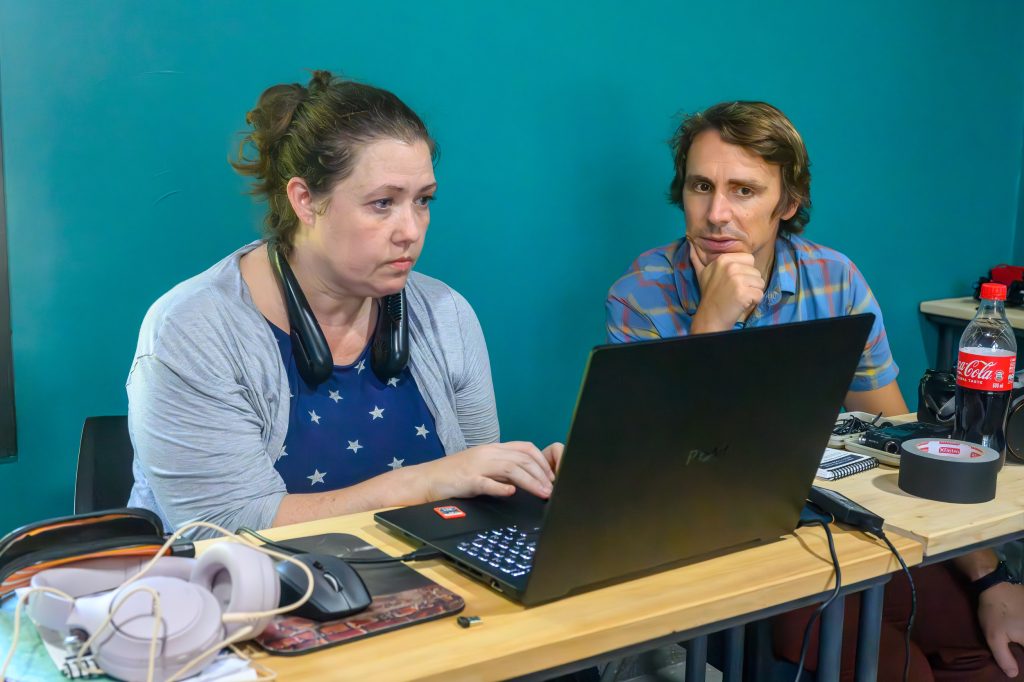
Alicia Sparkman works on her video in Adobe Premiere with veteran storyteller Jordan Timpy’s guidance. In our workshops, there’s a lot of back-and-forth with coaches, significantly when cutting content. It’s tough for newcomers to let go of great material, but learning to make those tough decisions ultimately strengthens the story, making it more impactful.

For videos like these, shorter is often better. Based on current trends, most viewers tend to lose interest after the two-minute mark. While more complex stories can stretch to five minutes, we aim for concise, emotionally engaging content.

Our workshop kicked off on Friday with dinner, introducing us to the nationals at the heart of the stories. By Thursday night, we were screening our final videos for the missionaries, the community, and the nationals.

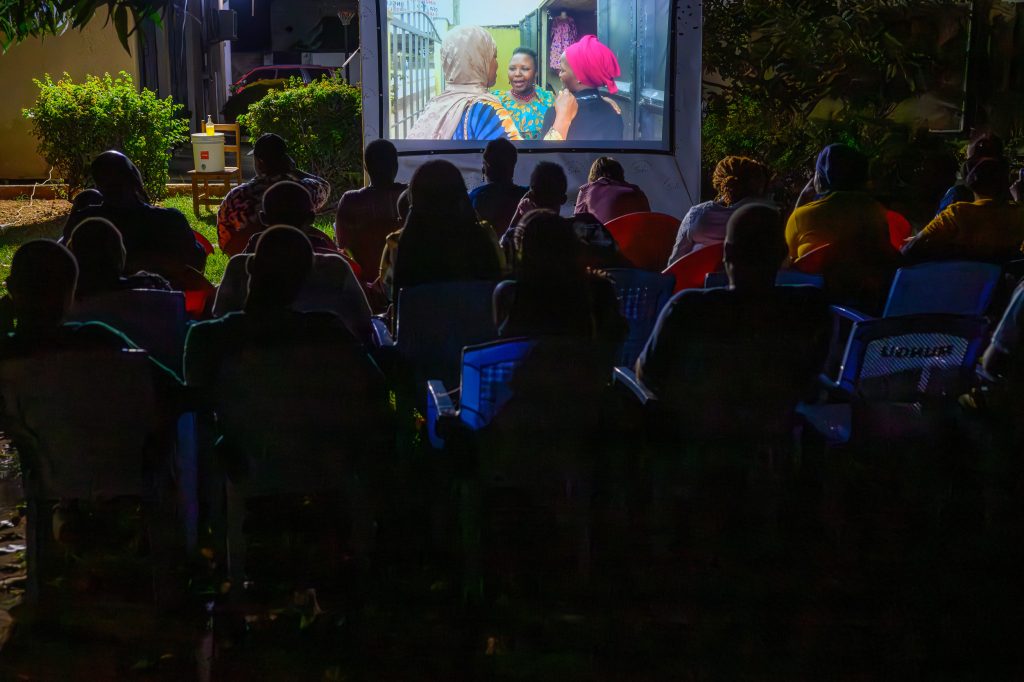
Gathered together for a special evening, missionaries and the communities they serve watched as we unveiled the three stories we created to help them in their marketing. Surrounded by friends and families, the nationals who shared their powerful testimonies took center stage, bringing their inspiring journeys to life on screen—a heartfelt celebration over dinner, united by stories of faith and transformation.

Alicia had the benefit of working closely with Jordan all week, receiving personalized guidance on how to cut unnecessary material and focus on completing a compelling story within our short timeframe. There were many tear-filled moments along the way as we navigated the emotional weight of this story.

Now, I invite you to watch the finished video. I believe it achieves the objectives we set out to accomplish. Let me know what you think, and feel free to share if it resonates with you.


Tagged : /

Sewing Threads of Hope – A Journey of Faith

Reading Time: 2 minutes

“Please, God, don’t send me to Africa.”

That’s what Ken Robinson had been saying since feeling a call to missions as a teenager. Yet, just a couple of weeks ago, Ken found himself in Dar es Salaam, Tanzania, with me and six others as part of the Storytellers Abroad Missions Multimedia Workshop.

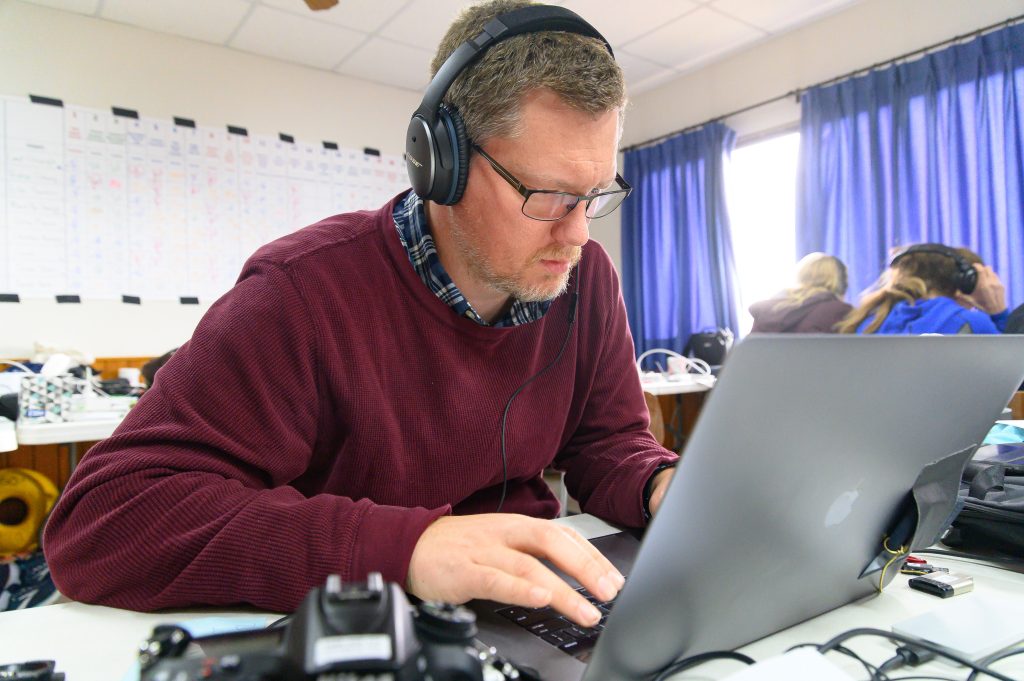
This is Ken in Santiago, Chile, working on his video in his first ever video and workshop.

Ken’s journey into multimedia began in 2019 when he took a leap of faith and joined our workshop in Santiago, Chile. That’s when I first met him. As an IT professional, Ken has always been deeply connected to technology. He even volunteers at his church, helping with IT and media every Sunday. The technical side of multimedia came naturally to him, but when it came to working with people, that was a different story.

Ken is the kind of person who’s comfortable behind the scenes, ensuring that PowerPoint slides run smoothly and the Wi-Fi is working. Stepping into the world of storytelling, especially getting up close to his subjects, was out of his comfort zone.

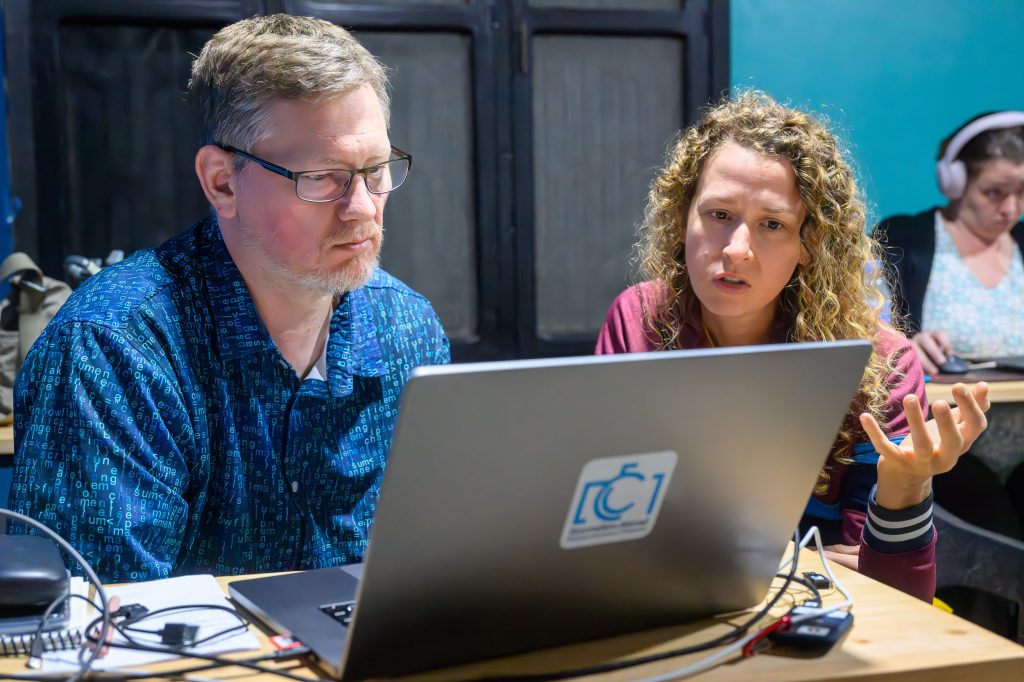
Ken & Cassie are polishing his video on Jamilah.

During the Tanzania workshop, we paired Ken with Cassie Timpy, a veteran storyteller, as his coach. Cassie’s mission was to push Ken out of the background and into a more personal space with his subject, Jamilah. Ken had some understandable apprehension, mainly because he was a man telling the story of a single woman. I intentionally paired him with Cassie for this very reason.

As Ken sat down with Jamilah, alongside missionaries Shantelle Meta and Steph Boon, he began to listen and understand her story. Slowly but surely, Ken’s hesitations started to fade. His excitement for the project grew, but Cassie kept encouraging him to move physically closer to capture better, more intimate footage. It was a challenge, but Ken embraced it despite the discomfort.

The result is a touching and powerful video about the SIFA Threads program, one of the many initiatives run by ABWE missionaries in Tanzania to spread the Gospel.

I invite you to watch Ken’s video, Sewing Threads of Hope, and learn more about the incredible work happening through SIFA Threads and how it brings hope to the lives of many in Tanzania.

Tagged : /

The Power of Context in Don Rutledge’s Photography & Steven Spielberg’s movies.

Reading Time: 5 minutes

When I reflect on what set my mentor, Don Rutledge, apart from other photographers, one skill shines above the rest—his extraordinary ability to contextualize. This wasn’t just about taking pictures but weaving together a visual story with depth, character, and narrative.

Many photographers understand the basics of environmental portraits—placing a subject in their natural surroundings to help tell their story. But Don took this to another level. For him, it wasn’t simply about a person standing still in a setting that described their profession or personality. It was about how that person interacted with their environment and how their surroundings shaped their narrative.

Don was always after the wider shot, not for the sake of showing more but for the sake of bringing a deeper context to his subjects. His mastery of composition meant that every object, every shadow, and every beam of light in the scene played a part in telling the story. He didn’t rely on isolated moments but instead captured the interplay between the person and their world. This connection, this broader story, made his photographs feel so alive and real.

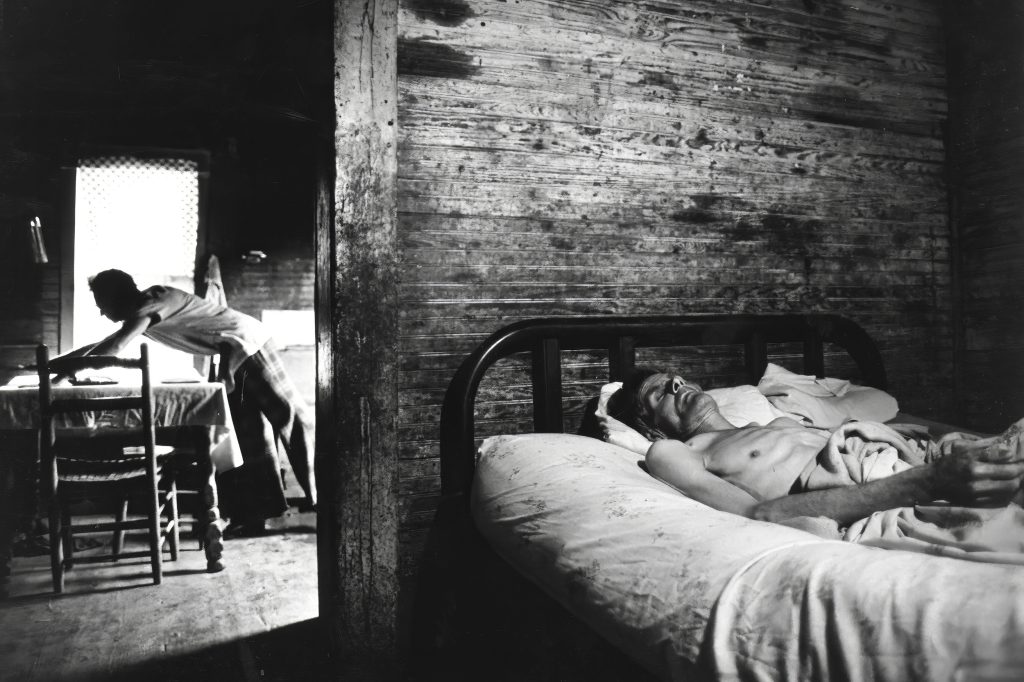
Bailey King was broken by a lifetime of poverty and dawn-to-dark labor when Don Rutledge came to spend several weeks with him and his family. Doctors claimed it was meningitis and a stroke. “It weren’t that,” a friend said. “His body just plumb wore out.” But King’s mind was keen — and his lifelong belief in accepting others and sharing what little he had shone through. Rutledge’s photographs found the windows onto his soul in the lines and ridges of King’s weathered face, in the light and shadows of his sagging clapboard house. Photo by Don Rutledge

His process was almost cinematic. Don approached photography with the patience and precision of a director, except he never directed his subjects. He knew that life would naturally create the needed moments if he just observed long enough. Rather than forcing a scene, Don learned to wait. And if the perfect moment didn’t come? He’d wait some more. He understood people so well that he knew their habits and behaviors would repeat themselves, giving him another chance to capture that elusive, perfect shot.

Don loved to include something in the edges to give context.

But it wasn’t just his patience and observation that set him apart. His understanding of context wasn’t about showing the big picture but about using the environment to add layers of meaning. Unlike an ordinary establishing shot, Don’s wider shots tell a deeper story—one where the viewer can almost step inside the frame and feel the relationship between the subject and their space.

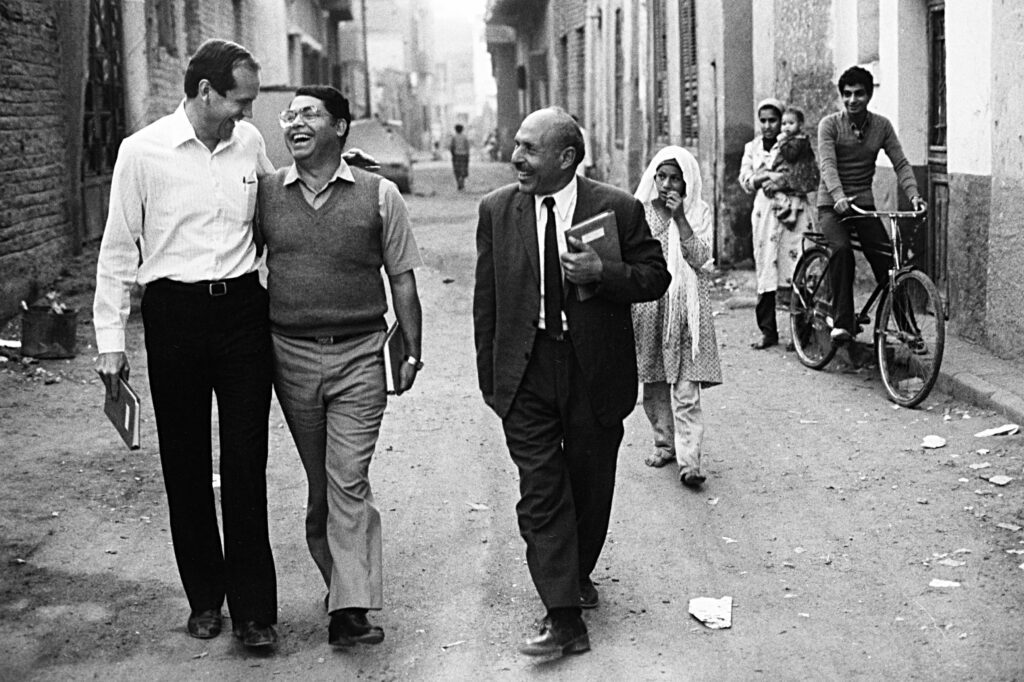
Egypt—Missionary Mike Edens (left) worked closely with Egyptian Baptist pastors to enhance their discipleship and pastoral ministries. These pastors—(left to right) Mikhail Shehata Ghaly and Anwar Dakdouk—took MasterLife discipleship training in Cyprus in 1984. [photo by Don Rutledge]

Shallow Depth of Field vs. Depth of Story

In contrast, many photographers today rely on shallow depth of field to isolate their subjects. While there’s a place for that technique, it can feel like you might as well put the person in a studio with a muted backdrop when overused. Sure, the background becomes soft and discreet, but it also strips away the environment that could have added much more to the narrative.

Don’s approach was the opposite. He understood that depth of field wasn’t just a technical decision but a storytelling choice. Rather than erasing the background into a blur, he used a bit more depth of field to keep enough in focus to bring context. The surroundings weren’t distractions—they were essential elements of the story.

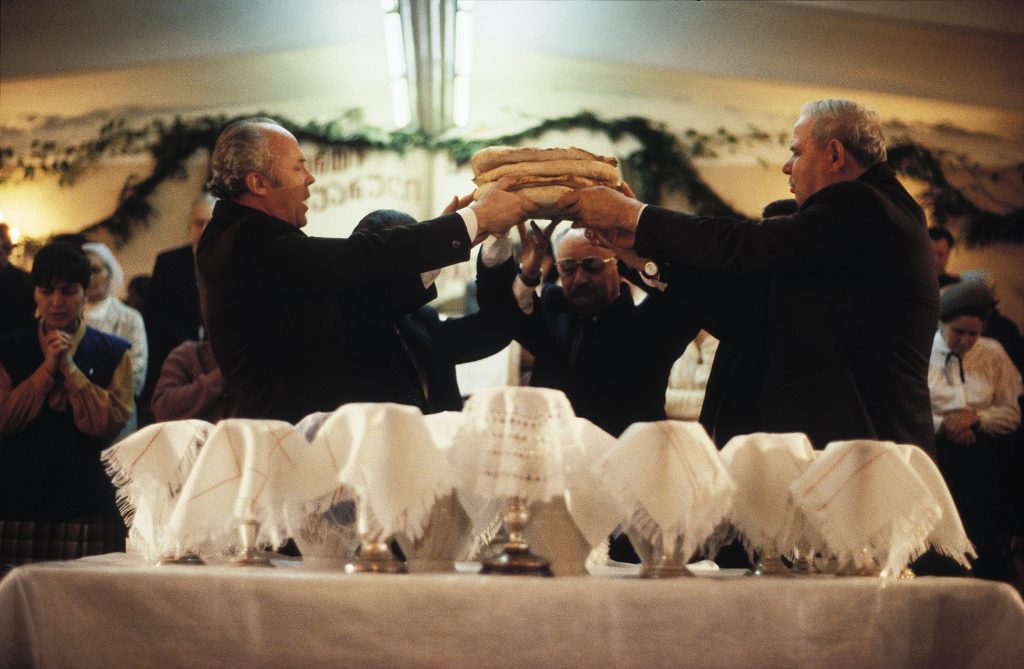
Still under Soviet rule in 1988, believers from four language groups met for Easter worship and communion in Tbilisi, Georgia. Their faith stood firm during tough times, as captured by Don Rutledge’s camera.

However, shooting with more depth in the field requires a different skill. It forces you to carefully compose your shot, working around the clutter and chaos until you can distill it into something beautiful and meaningful. It requires an understanding of light, lines, and placement—how to take what’s in front of you and mold it into a master painting where every piece of the scene contributes to the whole.

Instead of isolating the subject, Don used the environment to draw the viewer in, creating a relationship between the subject and their world. It’s a much more challenging approach, but one that, when executed well, leads to photographs that are rich in detail, layered in meaning, and powerful in their storytelling.

In an era where isolation seems to dominate photography, Don Rutledge’s ability to contextualize his subjects is a timeless reminder of what storytelling in photography can be. His work was more than just images—it was a narrative brought to life by his mastery of patience, composition, and context.


Steven Spielberg’s Mastery of Depth: Using Wide-Angle Lenses to Weave Context into Cinematic Storytelling

Steven Spielberg’s approach to depth-of-field, particularly with wide-angle lenses, is a crucial element of his filmmaking style. Unlike many directors who prefer shallow depth-of-field to isolate their subjects, Spielberg often opts for smaller apertures that allow for deep focus, where the foreground and background remain sharp. This choice adds layers of context to his scenes, making them immersive and rich in detail.

Spielberg avoids wide-open apertures and ensures that every part of the frame contributes to the story. For instance, in Jurassic Park, Spielberg uses a smaller aperture during crucial scenes, such as when the T. rex first appears. The terrified characters in the foreground and the menacing dinosaur in the background are sharply in focus. This technique enhances the viewer’s connection to the environment, creating a more realistic and engaging experience​ (Personal View).

Spielberg’s use of wide-angle lenses, such as the 21mm lens, is particularly effective for maintaining deep focus. By choosing these lenses, he can capture expansive shots, conveying a sense of vastness while keeping multiple planes in sharp detail. This technique was masterfully used in Raiders of the Lost Ark, where Indiana Jones and the surrounding environment are in focus, allowing the viewer to grasp the significance of the character and his surroundings​ (Wolfcrow)​ (No Film School).

By employing deep focus, Spielberg can add context that enhances the narrative. Rather than isolating his characters from their environments, he integrates them into them, making the audience feel like they are part of the world he creates on screen. This approach requires skillful composition and an understanding of how to naturally balance visual elements to guide the viewer’s eye through the scene. This mastery of context through depth-of-field and wide-angle lenses distinguishes Spielberg as one of cinema’s greatest storytellers.

Tagged :

Captivating Audiences: The Art of Storytelling for Your Business or Nonprofit

Reading Time: 3 minutes

Imagine conversing with someone who shares your deep passion for a subject. You could talk for hours, diving into every detail, story, and nuance. This enthusiasm is a gift that many entrepreneurs and nonprofit leaders share. They are deeply invested in their work and want to communicate that passion to others. However, listing services or programs won’t cut when creating videos, public relations content, or brochures. Without a compelling story, the odds are stacked against you in capturing anyone’s interest or support.

The Magic of Storytelling

Entrepreneurs, especially those in nonprofits, often have an uphill battle. For-profit businesses have the advantage of offering services people need and are willing to pay for. For instance, a plumbing company can easily attract customers by promising to fix common issues like clogged drains or leaky faucets. They not only solve these problems but do so in a way that reassures and comforts their clients.

On the other hand, nonprofits provide services to those who often cannot afford to pay. They might offer free lunches to children whose parents struggle to make ends meet. The impact of their work is profound, yet the challenge lies in communicating this effectively to potential supporters.

Why Stories Matter

The temptation for many nonprofits is to dive into the details of their programs—how they operate, the statistics, the history. But here’s the catch: most people aren’t interested in hearing all those details immediately. Think of it like meeting someone new. They might tune out if you overwhelm them with intricate details about your favorite subject.

Instead, it would be best to have a story to engage and hook your audience, much like a fisherman uses bait. A good story draws people in, making them curious and eager to learn more. The movie trailer teases the plot just enough to make you want to watch the entire film.

Tips for Effective Storytelling

  1. Start with the Problem: Like a movie trailer, begin by presenting a problem that needs solving. This grabs attention and sets the stage for your story.
  2. Humanize Your Story: Use real-life examples and testimonials. Show the faces and tell the stories of those who benefit from your services.
  3. Keep It Concise: You have only a few seconds to capture interest. Make sure your opening is compelling and straight to the point.
  4. Use Emotion: Tap into the emotional side of your story. People are more likely to support causes and services that resonate with them.
  5. Show Impact: Highlight the difference your service or nonprofit makes. Show the before and after, and let your audience see the tangible impact of their support.
  6. Call to Action: End with a clear call to action. Tell your audience exactly what you want them to do next, whether donating, volunteering, or learning more about your services.

By leading with a story, you capture attention and create a connection. This connection can transform passive viewers into active supporters eager to be part of the solution you offer. So, next time you’re crafting content, remember stories are your most powerful tool. Use them wisely and watch your message resonate.

Tagged :

Inside Out 2: A Beautiful Portrayal of Anxiety

Reading Time: 4 minutes

The new summer movie in theaters is Disney/Pixar’s Inside Out 2, which introduces the character Anxiety, a figure many viewers can relate to deeply. While all the emotions play a crucial role in Riley’s mind, Anxiety is the newcomer, constantly battling with Joy over what they believe is best for Riley. Despite their good intentions, this internal conflict leads Anxiety to grow increasingly irrational throughout the movie.

Anxiety becomes panicked after accidentally creating Riley’s destructive belief that “I’m not good enough.” An anxiety attack is vividly depicted in the movie, showing a racing heart, quickened breathing, and an overwhelming sense of panic. Many with anxiety disorders have similar reactions to those Riley experiences.

The portrayal of an anxiety attack in Inside Out 2 is profound, capturing the intense emotional and physical turmoil accurately. The film uses Riley’s crisis to advance the storyline and help viewers feel the emotions tied to such an experience. Multiple psychology consultants aided Pixar in understanding adolescent psychology, enhancing the power and accuracy of the storyline.

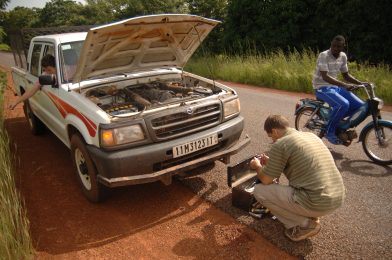
My van’s t-joint for my radiator hose broke as I drove on the expressway to a camera club where I was the keynote speaker. We are having to reschedule my presentation. I panicked when the check engine yellow light came on, and the van started acting differently. I was able to get off on the very next exit, where the van died, and I had to be towed.

Managing Anxiety: My Journey

As someone on the autism spectrum, I’ve experienced heightened levels of Anxiety for several reasons:

  1. Sensory Sensitivities: Everyday environments can become overwhelming due to heightened sensitivity to light, sound, and touch.
  2. Difficulty with Social Interactions: Understanding social cues and nonverbal communication can be challenging, leading to social Anxiety.
  3. Need for Predictability: Disruptions in routine can cause significant stress.
  4. Communication Barriers: Expressing thoughts and feelings verbally can be complex, leading to frustration and Anxiety.
  5. Executive Functioning Challenges: Planning and organizing tasks can feel overwhelming.
  6. Sensory Overload: Overly stimulating environments can trigger Anxiety.
  7. Social and Peer Pressure: Conforming to social norms can create additional stress.

These factors can contribute to a higher prevalence of anxiety disorders among individuals on the autism spectrum. Understanding and addressing these specific challenges helps in managing Anxiety more effectively.

Dealing with Anxiety Before, During, and After an Attack

Before an Anxiety Attack

  1. Practice Deep Breathing: It can slow your heart rate and promote relaxation.
  2. Grounding Techniques: Use your senses to ground yourself by identifying things you can see, touch, hear, smell, and taste.
  3. Mindfulness Meditation: Apps like Headspace or Calm can guide you through meditation sessions.
  4. Create a Comforting Routine: Include calming activities like reading or listening to soothing music.
  5. Prepare a Safety Kit: Have items that comfort you, like a favorite book or stress ball.

During an Anxiety Attack

  1. Focus on Your Breath: Return to deep breathing techniques.
  2. Progressive Muscle Relaxation: Tense and relax each muscle group in your body.
  3. Visualization: Picture a peaceful place in your mind.
  4. Use Positive Affirmations: Repeat reassuring phrases to yourself.
  5. Remove Yourself from the Situation: Find a quiet place to sit and breathe calmly.
  6. Cool Down: Splash your face with cold water or hold a cold object.
  7. Engage in a Distraction: Shift your focus to an activity you enjoy.

After an Anxiety Attack

  1. Reflect and Journal: Write down what triggered the attack and what helped calm you.
  2. Seek Support: Talk to a trusted friend, family member, or therapist.
  3. Take Care of Your Body: Ensure you get enough sleep, eat well, and exercise regularly.
  4. Practice Self-Compassion: Be kind to yourself and acknowledge that it’s okay to have difficult moments.

Embracing the Mantra “Life Happens”

As one with autism, anxiety attacks have been a part of my entire life. “Life Happens” has become my mantra, expressing that unexpected and uncontrollable events are a natural part of life. Embracing this concept can be particularly relevant when dealing with Anxiety.

By adopting the mindset that “Life Happens,” you can cultivate greater acceptance, flexibility, and resilience—key components in managing and reducing Anxiety.

The Serenity Prayer: A Tool for Calm

The Serenity Prayer has been a powerful tool for managing my Anxiety. Its focus on acceptance, courage, and wisdom provides a framework for coping with stressful situations.

“God, grant me the serenity to accept the things I cannot change, courage to change the things I can, and wisdom to know the difference.”

  1. Serenity to Accept the Things I Cannot Change: Encourages acceptance of uncontrollable circumstances, reducing feelings of helplessness.
  2. Courage to Change the Things I Can: Empowers you to take action where possible, alleviating Anxiety by focusing on what you can influence.
  3. Wisdom to Know the Difference: Helps prioritize efforts and reduce wasted energy on futile concerns.

Incorporating the Serenity Prayer into daily routines can promote acceptance, encourage proactive change, and foster wisdom in decision-making, providing a calming influence in the face of Anxiety.


I hope this blog post provides insights and practical steps for managing Anxiety, drawing from personal experiences and the inspiring portrayal in Inside Out 2. If you find yourself struggling with Anxiety, remember that help and support are available.

Tagged :

The Power of Storytelling in Photography: Capturing Attention and Creating Impactful Photos

Reading Time: 4 minutes

In today’s world, where visual content is consumed at an unprecedented rate, capturing and holding people’s attention is more challenging than ever. As photographers, we wield a powerful tool: our camera. But to truly stand out and make a lasting impact, we need more than technical skills and creative flair. We need to harness the art of storytelling.

Why Storytelling Matters

Storytelling has been a fundamental part of human culture since the dawn of time. It’s how we make sense of the world, share experiences, and connect with others on a deeper level. In photography, storytelling transforms images from mere snapshots into compelling narratives that evoke emotions, spark curiosity, and invite viewers to engage with the scene on a more profound level.

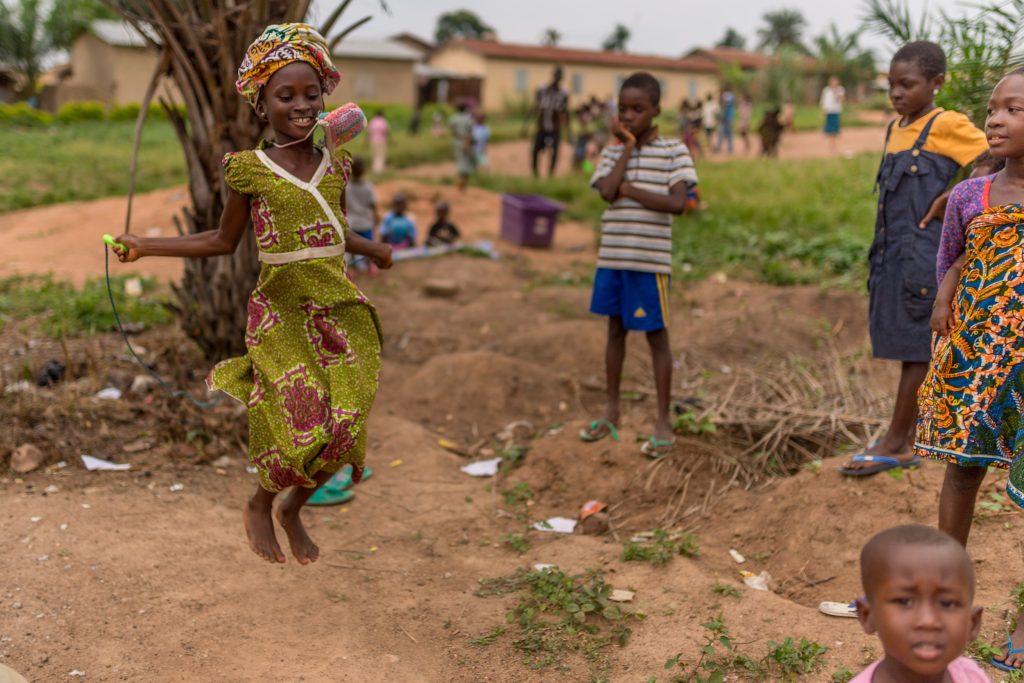
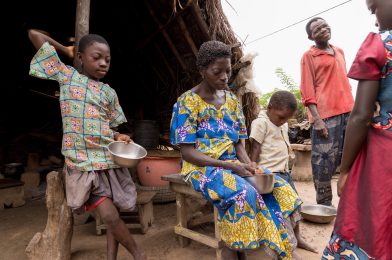
A little girl joyfully jumps rope, surrounded by children playing together in the vibrant community of Tsiko, Togo, West Africa.

Asking the Right Questions

Strong storytelling photos do more than capture a moment; they ask the audience questions. They invite viewers to ponder the emotions and actions depicted. Questions like:

  • Why are they happy?
  • Why are they sad?
  • What are they doing?
  • What’s happening next?

By provoking these questions, you create a sense of mystery and intrigue, drawing the audience into the story. This engagement is what makes your photos memorable and impactful.

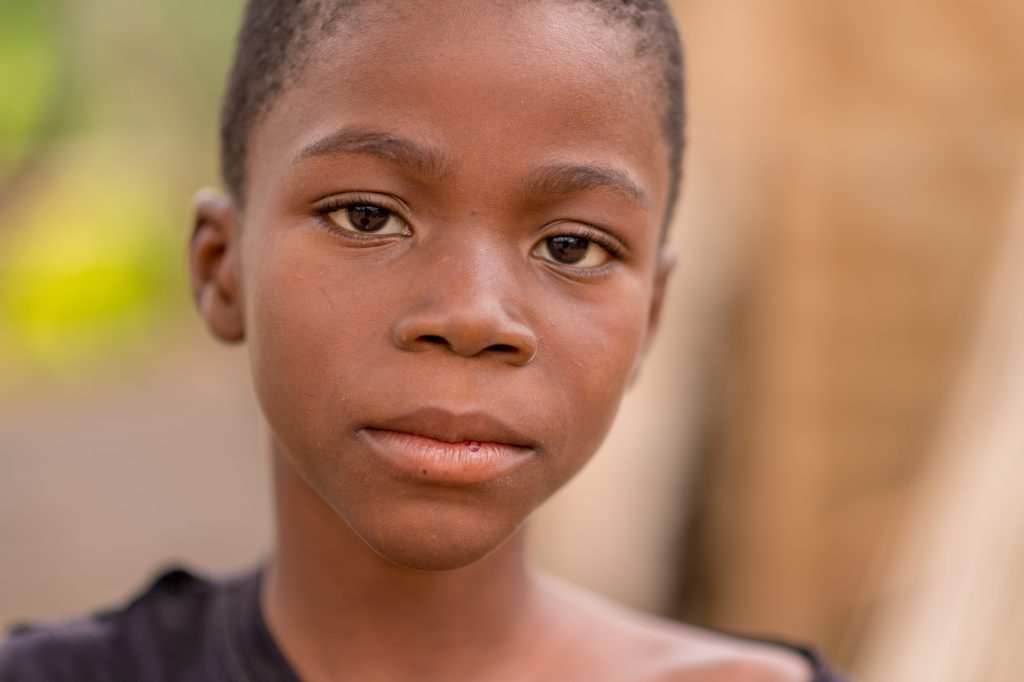
Full of curiosity, a young boy in Tsiko, Togo, West Africa, eagerly poses for the camera, capturing a moment of connection with the photographer.

The Photographer’s Journey: Asking “Why?”

To create resonant storytelling photos, photographers must ask themselves a crucial question: Why am I taking this photo? This question is the foundation of your storytelling journey. Here’s how to navigate this journey:

  1. Identify the Story: Before picking up your camera, think about the story you want to tell. Is it a story of joy, struggle, triumph, or sorrow? Understanding the narrative will guide your creative decisions.
  2. Capture Emotion: Emotions are at the heart of every great story. Look for moments that convey strong feelings and capture them in a way that allows viewers to experience those emotions, too.
  3. Focus on Details: Sometimes, the smallest details can tell the most powerful stories. A tear rolling down a cheek, a hand reaching out, or a shared glance can speak volumes. Pay attention to these moments and use them to enrich your narrative.
  4. Compose with Purpose: Composition plays a vital role in storytelling. Think about how you frame your subjects, using light and shadow, and the elements you include or exclude from the shot. Every choice should serve the story you want to tell.
  5. Create Context: Provide context to your story by capturing the main subjects and their surroundings. The environment can add layers of meaning and help viewers understand the broader narrative.
  6. Seek Authenticity: Authenticity is key to storytelling. Candid moments often tell more compelling stories than posed shots. Strive to capture genuine interactions and real emotions.
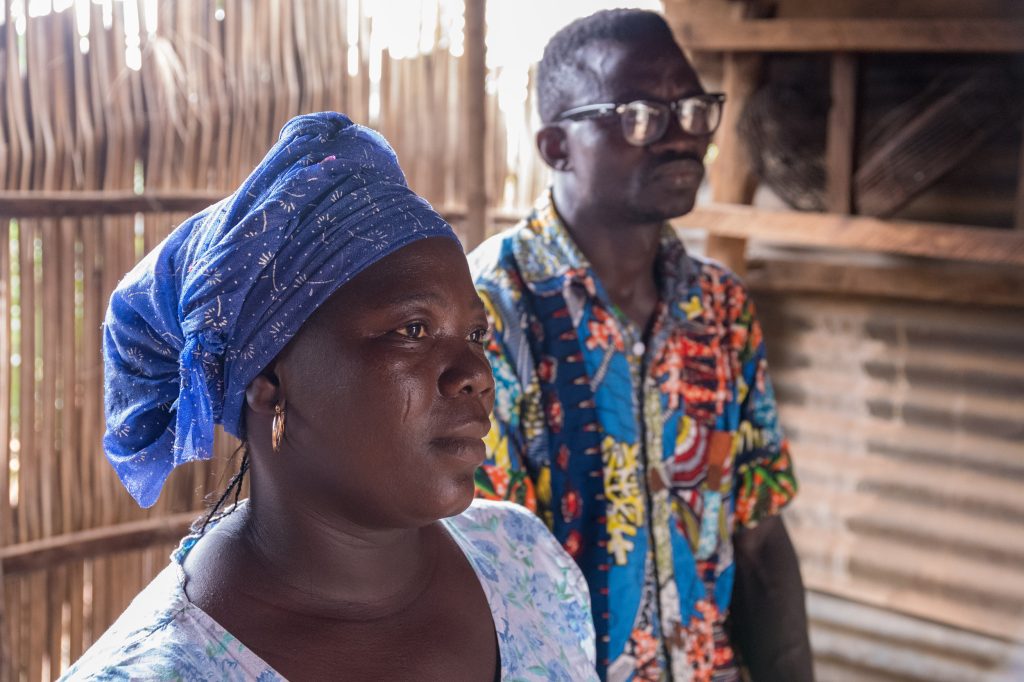
In their home in Tsiko, Togo, West Africa, a Pastor and his wife share their stories and experiences during an interview, offering a glimpse into their life and faith.

Enhancing Your Storytelling Skills

Continuous learning and practice are essential to becoming a master storyteller with your camera. Here are some tips to help you enhance your storytelling skills:

  • Study Great Storytellers: Look at photographers known for their storytelling work. Analyze their photos and try to understand how they convey emotions and narratives.
  • Practice Mindfulness: Be present in the moment and observe everything around you. This mindfulness will help you notice the subtle details that make a story come to life.
  • Experiment with Techniques: Don’t be afraid to try new techniques and approaches. Experimenting can lead to unexpected and powerful storytelling opportunities.
  • Solicit Feedback: Share your work with others and seek constructive feedback. Understanding how others perceive your photos can provide valuable insights into how effectively you’re telling your stories.
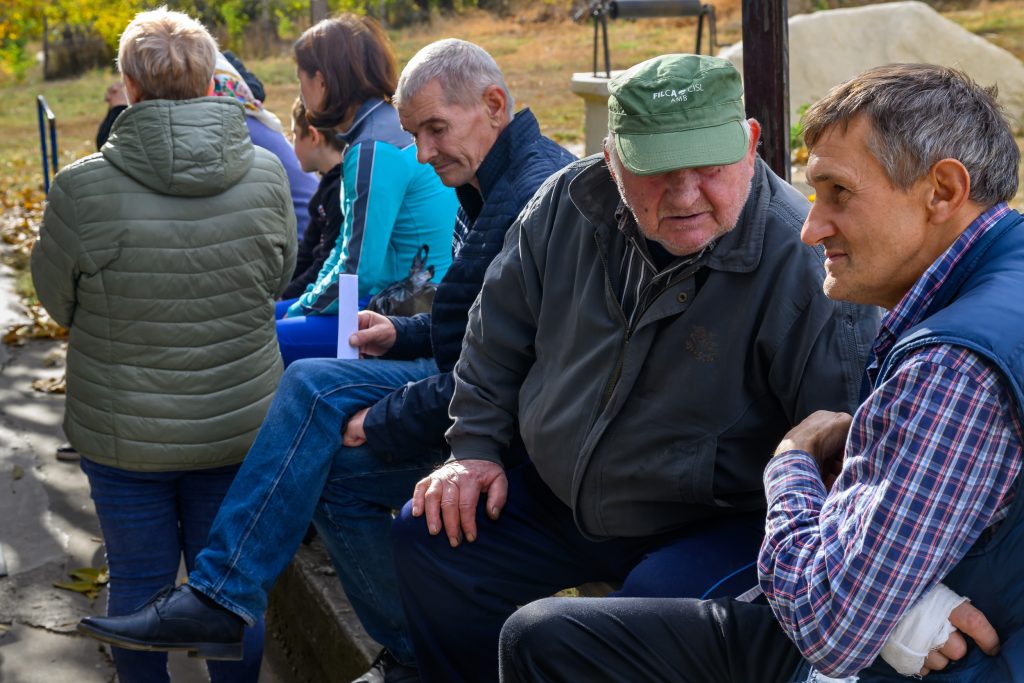
In the Obreja Veche, Moldova community, people wait outside the Golgotha Church to see the Medical Missions team for health check-ups. The local pastor and church planter had struggled to start conversations with residents, as they rarely answered their doors. However, when he brought a medical missions team from the United States to offer free services for a day, the community turned out in large numbers, allowing the pastor to finally engage in the conversations he had long desired with his neighbors.

Conclusion

Storytelling is a powerful tool that can elevate your photography to new heights. You can create images that resonate deeply with your audience by asking the right questions and focusing on the “why” behind your photos. Remember, the key to impactful storytelling lies in capturing emotions, paying attention to details, composing with purpose, providing context, and staying authentic. As you hone your storytelling skills, you’ll find that your photos capture attention and leave a lasting impression.

So, the next time you lift your camera to your eye, ask yourself, “Why am I taking this photo?” Let that question guide you, and watch as your storytelling prowess transforms your photography into a powerful medium for connection and expression.

Tagged :