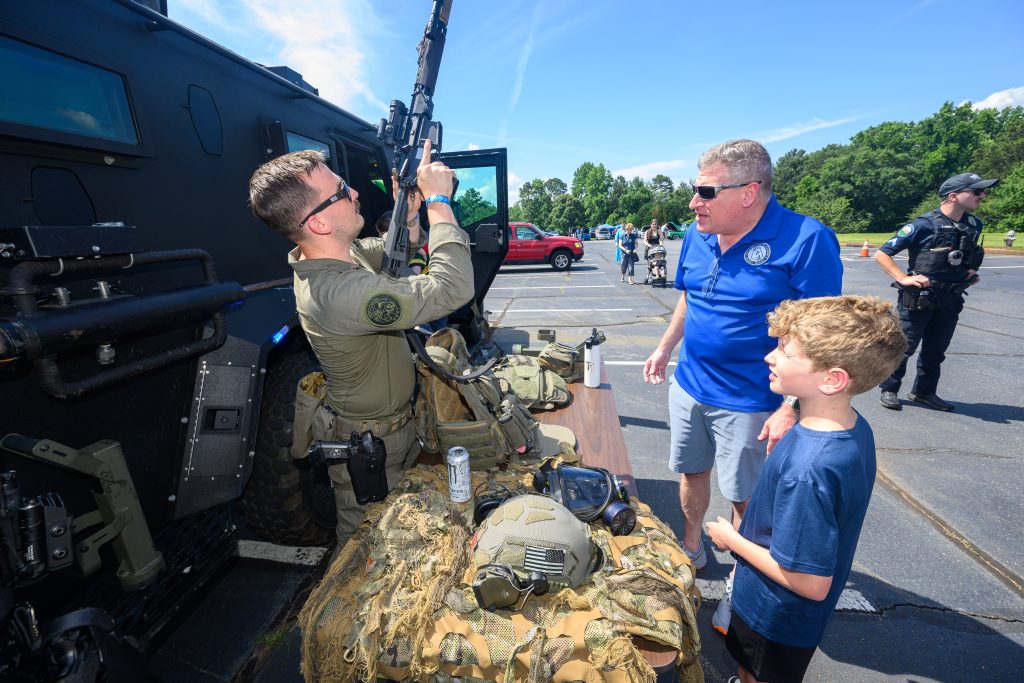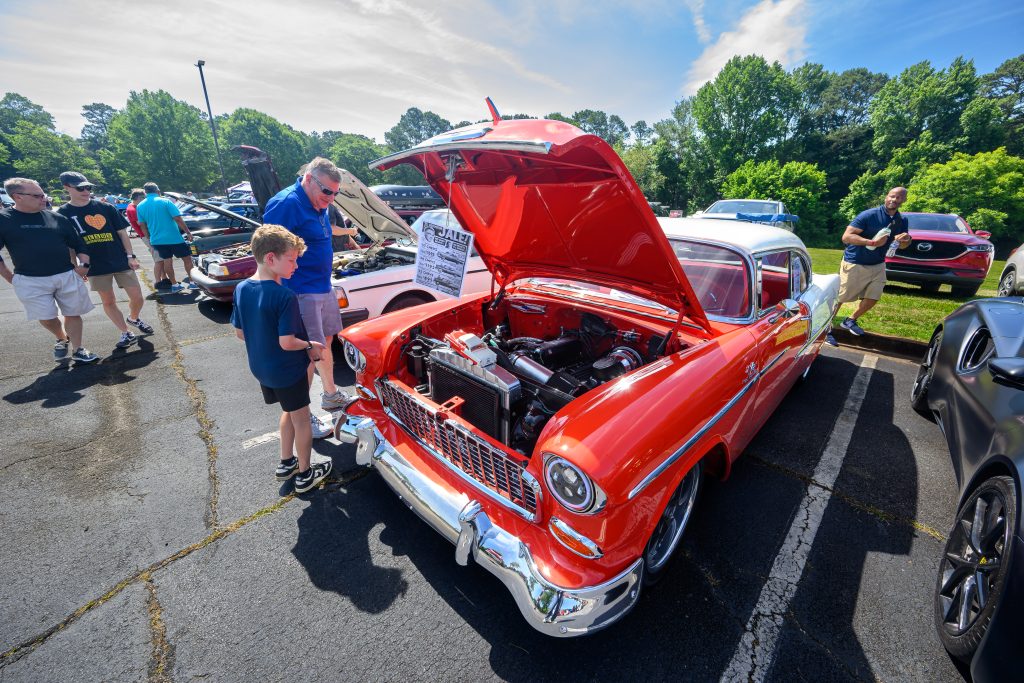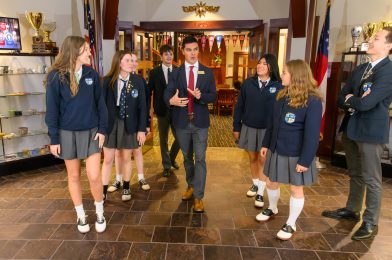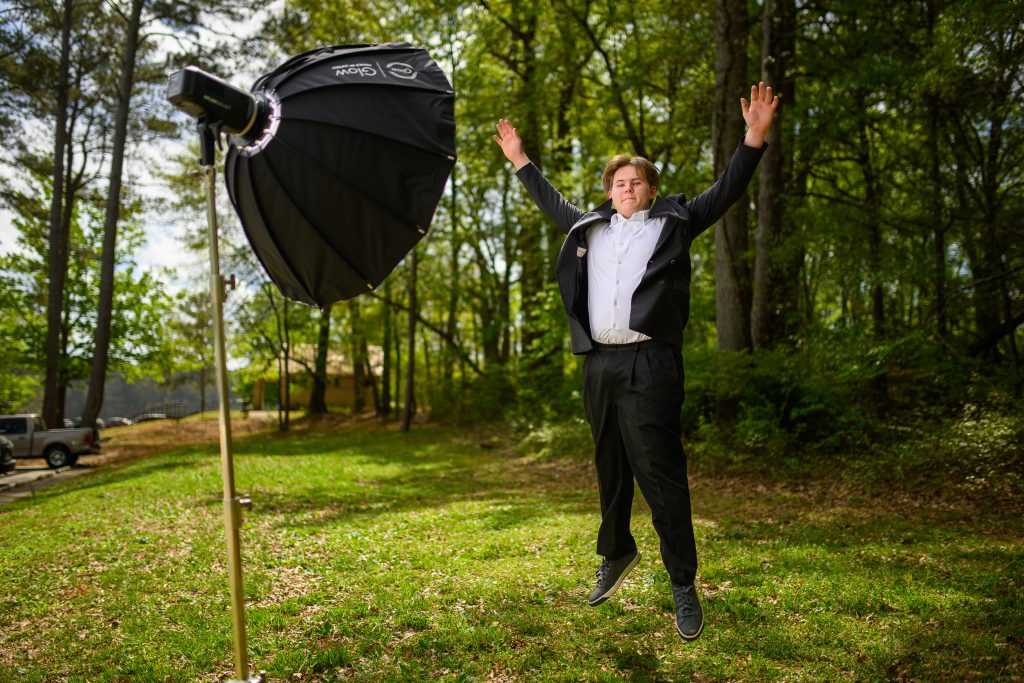
I am not covering events. I am covering the people who show up — and what their presence says about who we are to each other.
When my editor sends me out on an assignment, the brief is usually about an event: a festival, a fundraiser, a ceremony. But by the time I walk back to my car, what I have on my cards is almost never really about the event at all.
It is about a man spinning his wife across a dance floor because someone finally gave him a reason to. It is about a group of friends who graduated high school together in Florida forty years ago and somehow ended up in the same corner of Georgia, still sitting at the front table every Saturday night. It is about a woman standing in a barn, holding a piece of her county’s history like it belongs to her — because it does.
Community is my beat. And I have come to believe that documenting it is one of the most important things a photographer can do.
The South Florida Rejects
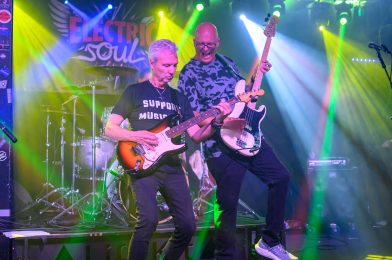
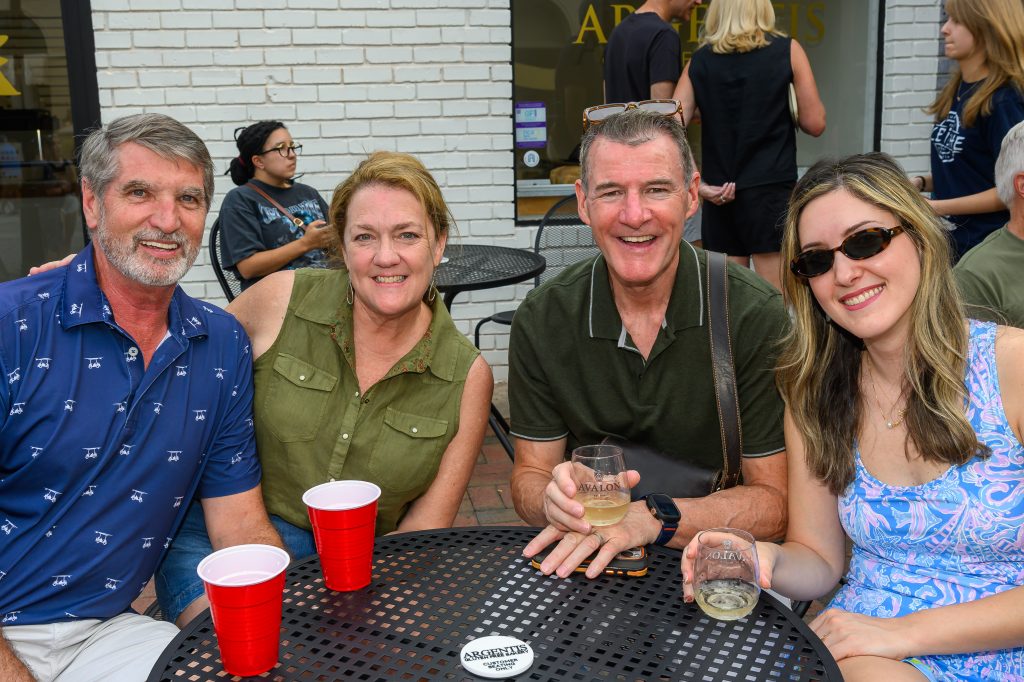
A few weeks ago I drove out to Guston’s Grille in Woodstock to photograph a story about a Roswell chiropractor who built a spreadsheet tracking more than 350 bands. On the surface it sounds like a quirky feature. But when I walked in and found the table — Gene and Lisa, Lydia and Charlie, Jamie and Mark, all singing along from the front row — I realized what I was actually photographing was loyalty.
These people graduated from Coconut Creek High School in 1983. Life scattered them, as it does. But something pulled them back together in the suburbs north of Atlanta, and now they show up, week after week, for live music and for each other. The spreadsheet is just the mechanism. The real story is that they decided their friendship was worth the effort of maintaining it.
That is the kind of thing you cannot capture with a wide shot of a stage. You have to sit down close, earn a smile, and wait for the moment when someone forgets you are there.
The Milton Historical Society Spring Fling
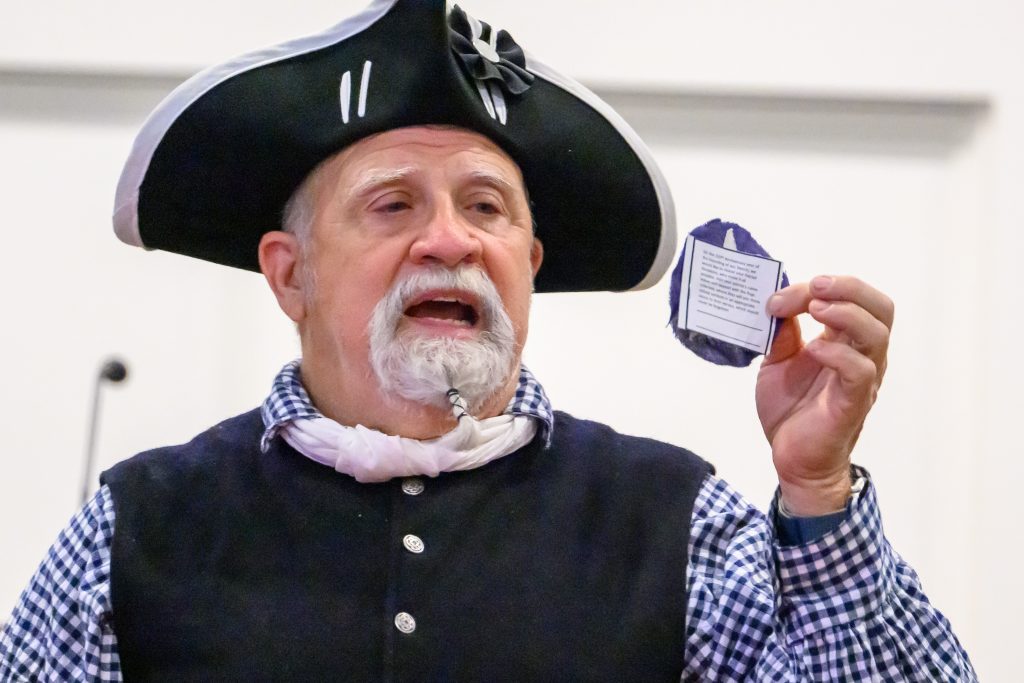
A few weeks before that, I photographed the Milton Historical Society’s Spring Fling in a historic barn out in Milton. Bob Meyers was there signing copies of his book on the old barns of Milton County — signing it inside one of the very barns he wrote about. That kind of moment is a gift, and I did not want to waste it.
What struck me most that evening was how many different threads of community were gathered in one room. A conservation advocate who has helped protect more than 500,000 acres of Georgia land. An indie folk musician whose Appalachian roots sounded exactly right in that setting. Neighbors reading exhibit panels about places their grandparents may have known. These were not strangers at an event. They were people maintaining a connection to something larger than themselves.
My job in a room like that is to move quietly, make eye contact before I raise the camera, and trust that the story will reveal itself if I stay patient enough to let it.
The Veterans and the Dance Floor
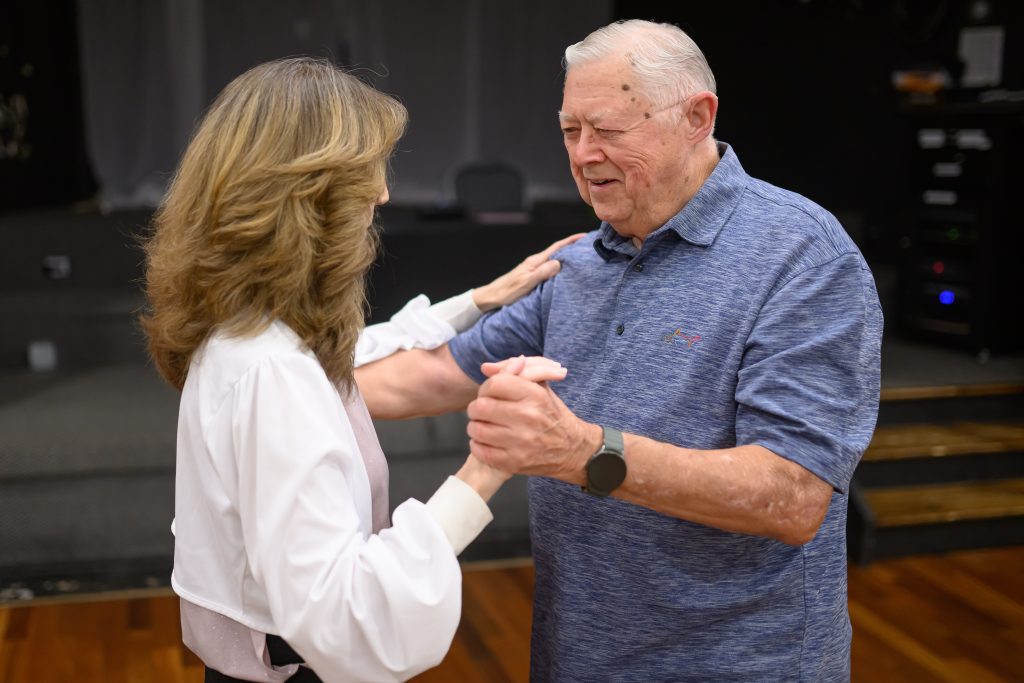
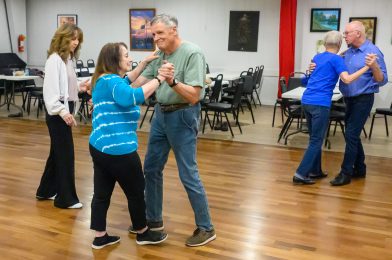
Of all the assignments I have had over the past year, the one that has stayed with me longest is the free dance class for veterans and first responders at the American Legion Post in Alpharetta.
I watched men who had carried enormous weight in their lives learn the two-step from a volunteer instructor with patience and grace. I photographed couples — some who had been dancing together for decades, some who were finding their footing for the first time — moving across that floor like they had all the time in the world. Wayne Lass spinning Barbara. Tom Moore shadowing his partner through a swing step. Don Askew, tentative at first, then grinning.
Nobody there needed me to tell them that service costs something. They already knew. What they were doing that Thursday evening was choosing, deliberately, to receive something back. Joy. Motion. Connection. The photographs I came home with are some of the quietest and most honest I have made in years.
What Community Photography Actually Requires
I have been making pictures for more than forty years. The technical side is not what separates a meaningful community photograph from a forgettable one. What separates them is whether the photographer actually believes the people in front of the camera matter.
My mentor Don Rutledge taught me that visual storytelling is about revealing a person through their relationships and their context — not isolating them in front of a lens and pointing. That principle does not change when you are working a community event with fifteen minutes and a crowd. It just means you have to move faster toward the real thing and spend less time on the surface.
When I walk into a festival or a fundraiser or a barn dance, I am not looking for a representative image of the event. I am looking for the person whose presence at this event tells me something true about why human beings need each other. That is always the picture worth making. And in North Atlanta, I keep finding it.
Stanley Leary is a photographer, journalist, and visual storytelling educator based in the Atlanta area. He contributes regularly to Appen Media and writes about photography at picturestoryteller.com.