|
Getting your Trinity Audio player ready...
|
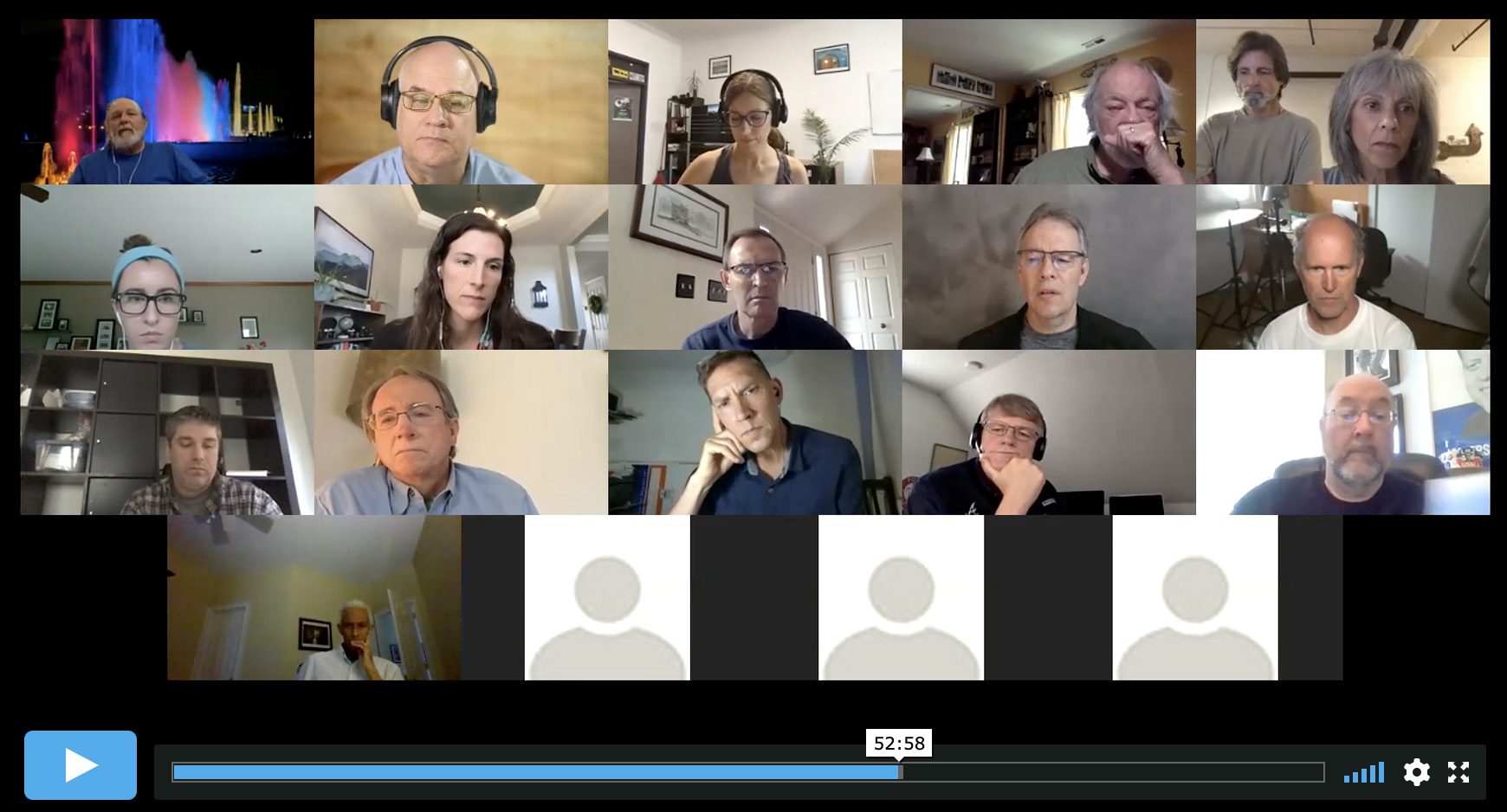
Photographer and instructor Brien Aho works with students during a hands-on critique session, offering targeted feedback on composition, light, and storytelling.
A critique is information about your photograph — not a verdict about you as a person. Learning to receive feedback well is one of the most powerful skills a photographer can develop.
Understanding the differenceGuilt vs Shame
When receiving feedback, students tend to respond in one of two ways. Understanding which mode you’re in changes everything.
How to Respond in the Moment
These five steps move you from a shame response toward a growth response — every time.
Take a breath. Your first instinct may be to defend yourself — that’s normal. Give yourself a moment before responding.
The critique is about the image in front of you, not who you are as a person. The photograph is the subject.
Instead of accepting or rejecting the feedback, get curious: “What specifically would you change about the exposure?” Questions build skill.
Complete this sentence: “From this image, I learned that I could try _____.” One specific action beats a vague resolve to “do better.”
You don’t have to agree with every critique. You do need to understand it. Try: “I hear what you’re saying — I want to think about that.”
Reframing Shame Thoughts
When a shame thought appears, translate it into a specific, actionable observation about the photograph.
| Shame thought | Growth reframe |
|---|---|
| “My photos are always blurry.” | “My shutter speed was too slow — I can try 1/500 next time.” |
| “I can’t get composition right.” | “This shot was too centered — I’ll try the rule of thirds.” |
| “Everyone else is better than me.” | “I’m at an earlier point in the learning curve.” |
| “I shouldn’t even be here.” | “This discomfort is what learning actually feels like.” |
Recognizing When It’s Shaming, Not Critiquing
Not all feedback is critique. A critique targets your photograph. Shaming targets you. Knowing the difference protects your growth as an artist.
- Attacks your identity rather than the image: “You just don’t have an eye for this.”
- Uses absolutes — always, never, hopeless: “You never get the exposure right.”
- Compares you unfavorably to others as a statement of worth: “Even beginners do better than this.”
- Offers no path forward — pure judgment with nothing to act on.
- Feels personal, contemptuous, or meant to diminish rather than improve.
What you can do
- Name the impact, not the person. You don’t need to accuse — simply say: “That comment felt more personal than helpful to me.”
- Separate the useful from the harmful. Even poorly delivered feedback sometimes contains a real technical point. Extract the lesson, leave the tone.
- You are not obligated to absorb shaming. Critique is a gift; shaming is not. You can set it aside without losing your curiosity.
- Seek feedback elsewhere. One person’s contempt is not the verdict of the craft. Find voices that challenge and support your growth.
“The critique lives in the photograph — not in you. Your worth as a photographer is not on the table.”