
|
Getting your Trinity Audio player ready...
|
I originally wrote about the questions I ask before doing a story back in 2016.
A lot has changed since then. Cameras have become smarter. Phones have become incredibly capable cameras. Video has become an essential part of almost every visual story. Social media has changed how stories are discovered and shared. And now we have artificial intelligence capable of creating images, writing copy, and producing video.
But one thing hasn’t changed:
A good story still begins with understanding people.
After more than 40 years of photographing people, organizations, events,s and stories, I’ve become increasingly convinced that the most important part of a storytelling assignment happens before I ever pick up a camera.
It starts with questions.
What Is the Story?
It is surprisingly easy to skip.
Someone calls and says, “We need some photographs.”
Okay.
Photographs of what?
And more importantly:
Why?
Are they documenting an event? Introducing a person? Explaining a process? Recruiting employees? Raising money? Celebrating an accomplishment? Helping people understand a problem?
The assignment may sound like it is about making pictures.
It usually isn’t.
The pictures are a means of communicating something.
Until I understand what that something is, I’m not really ready to photograph it.
Who Is the Story About?
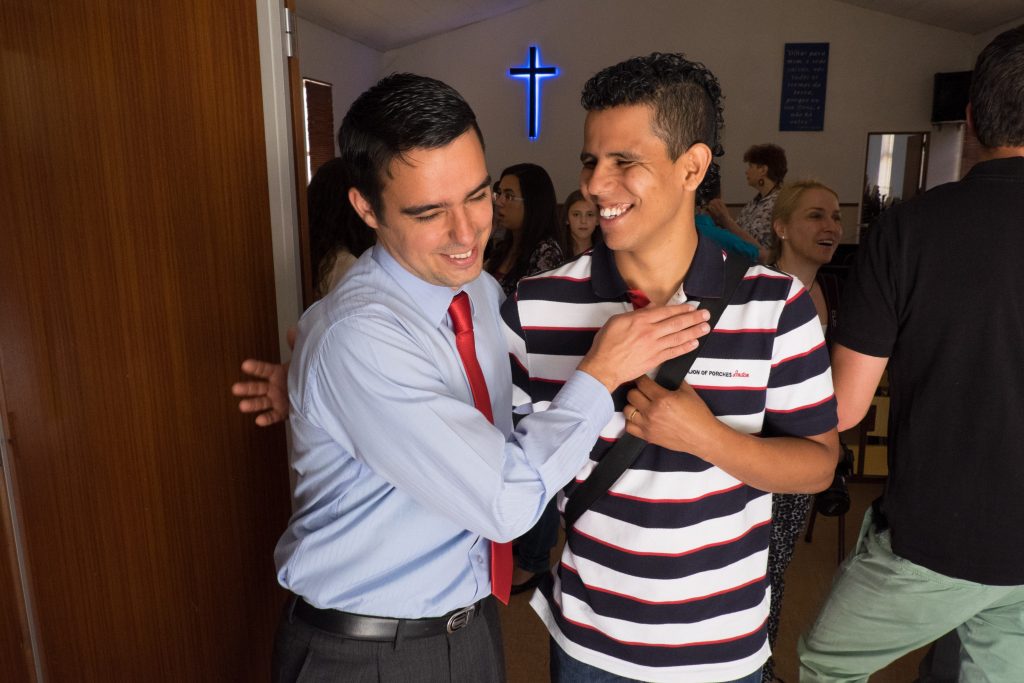
The person paying for the photographs isn’t necessarily the person the story is about.
An organization may want to tell its story, but the story might actually be about an employee.
A nonprofit may want to explain its mission, but the most powerful story might be about the person whose life changed because of that mission.
A school may want photographs of a program, but the real story might be the student who discovered something about themselves through that experience.
This is where curiosity becomes important.
Instead of asking only, “What do you want me to photograph?”
I try to ask:
“Who should I meet?”
People are usually where the story begins.
Why Does This Story Matter?
This may be my most important question.
A story doesn’t become meaningful simply because something happened.
It becomes meaningful when we understand why it matters.
Why should someone who wasn’t there care?
Why should a customer care?
Why should a potential employee care?
Why should a donor care?
Why should a community care?
If I don’t understand why something matters, it’s difficult for me to make photographs that communicate its importance to someone else.
Who Is the Audience?
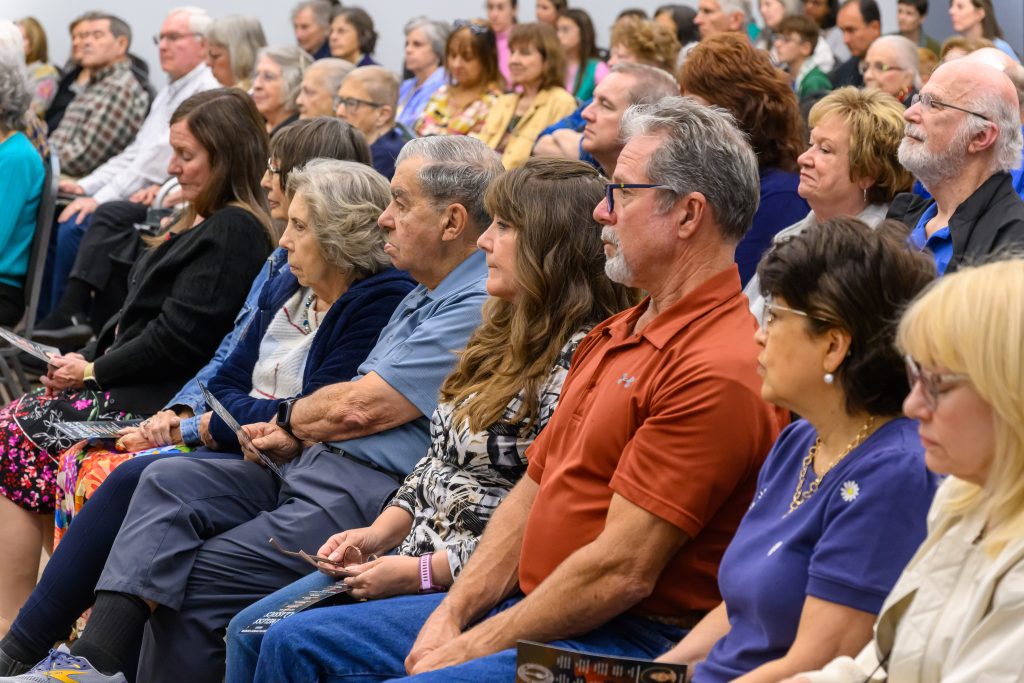
One lesson I’ve learned over the years is that you cannot separate the story from the audience.
The same person can tell the same story to two different audiences and need to tell it differently.
Think about a photograph of a firefighter.
A photograph intended for a fire department’s training program is different from one intended for a recruiting campaign.
A photograph for a newspaper is different from one for Instagram.
A photograph for a donor may need to communicate something different from a photograph for a person considering volunteering.
The subject hasn’t changed.
The audience has.
And that changes the story.
What Does the Audience Already Know?
Before telling a story, I want to understand what the audience knows—or thinks it knows.
Sometimes the most important part of storytelling is correcting an assumption.
Sometimes it’s revealing something people have never seen.
Sometimes it’s simply helping people see something familiar in a new way.
That is why I don’t want to walk into a story with my mind already made up.
I want to be curious.
What Do I Need to Discover?
This is an important distinction.
I’m not simply looking for photographs to illustrate information someone has already given me.
I’m looking for what I don’t know yet.
That’s one reason I enjoy talking with people before photographing them.
I’ll often ask questions that have little to do with the photograph I initially think I need.
Then something happens.
A person tells me something unexpected.
Their expression changes.
They mention someone important.
They describe an experience.
They tell me why they care.
Suddenly, the story becomes bigger than the original assignment.
That’s the moment I’m looking for.
What Is Beneath the Surface?
I’ve written before about “peeling the onion.”
The idea came partly from my background in social work.
When you’re working with people, the first answer isn’t always the real answer.
Someone may tell you what happened.
But what happened isn’t necessarily the story.
You want to know:
- Why did it happen?
- How did it affect them?
- What changed?
- What did they learn?
- What do they want other people to understand?
Those answers often lead somewhere much more interesting.
And that’s where photography can become powerful.
I’m no longer simply photographing what something looks like.
I’m trying to photograph what it means.
What Should the Audience Feel?
Information is important.
But stories aren’t only information.
They create an emotional connection.
Should the audience feel inspired?
Concerned?
Hopeful?
Curious?
Connected?
Surprised?
Proud?
Sometimes the desired emotion is obvious. Sometimes it isn’t.
But if I understand what I want the audience to feel, it changes the photographs I look for.
A smiling person isn’t automatically an inspiring photograph.
A dramatic photograph isn’t automatically a powerful photograph.
The photograph needs to support the story.
What Should the Audience Do Next?
This is especially important when I’m working with organizations.
A story usually has a purpose.
Maybe the organization wants someone to:
- Donate
- Volunteer
- Apply for a job
- Attend an event
- Understand an issue
- Support a program
- Purchase something
- Share the story
- Or remember it
The photograph isn’t necessarily the final destination.
It may be the doorway into the story.
Then—and Only Then—Do I Think About the Photograph
Once I understand the story, the people, the audience, and the purpose, I can start making photographic decisions.
What needs to be shown?
What can be suggested?
What needs a portrait?
What needs a moment?
What needs context?
What details help tell the story?
Do I need video?
Would audio make this more powerful?
Would a series of photographs communicate more effectively than one image?
Would a drone photograph provide context?
Would an environmental portrait tell me more than a traditional headshot?
These are photographic questions.
But they come after the storytelling questions.
That’s an important distinction.
The Camera Is Not the Beginning
Photography has changed enormously since I first started.
The technology available to us today is extraordinary.
My Nikon Z9 can do things I couldn’t have imagined when I started. Phones can produce remarkable photographs. Autofocus can recognize eyes. Software can remove distractions. AI can help us edit and organize enormous collections of images.
But none of that answers the most important questions.
What are we trying to say?
Why does it matter?
Who needs to hear it?
Who needs to see it?
Those are human questions.
And a camera can’t answer them for us.
Curiosity May Be the Most Important Tool I Carry
When I teach photography, I often encourage students to ask “why.”
Why is this person doing this?
Why does this moment matter?
Why am I making this photograph?
Why did this image work?
Why didn’t it?
Curiosity changes the way we photograph.
Instead of walking into a situation looking for the picture we expected to make, we begin looking for the picture we haven’t imagined yet.
That’s where stories often surprise us.
And those surprises are often the photographs worth making.
Before You Pick Up Your Camera
So, before I begin a story today, these are some of the questions I try to answer:
- What is the story?
- Who is the story really about?
- Why does it matter?
- Who is the audience?
- What does the audience already know?
- What don’t I know yet?
- What’s beneath the surface?
- What should the audience feel?
- What should the audience do or understand afterward?
- What photographs—or other forms of media—will communicate that story best?
The last question is deliberately last.
The camera shouldn’t determine the story. The story should determine what I do with the camera.
After four decades of photography, that’s probably one of the biggest lessons I’ve learned.
I’m not really interested in simply making photographs anymore.
I’m interested in helping people see, understand,d and remember something that matters.
And that starts long before I press the shutter.
It starts with a question.