
|
Getting your Trinity Audio player ready...
|
Have you ever seen the acronym WIIFM? It stands for “What’s in it for me?” It is an essential part of telling a story. But first, you must understand your audience to craft a story that appeals to their desires.
What’s In It For Me is, without a doubt, the most important five letters in your business writing, your website, and maybe even your business success. Always tell people what’s in it for them when they do business with you.
You will likely appeal to no one if you try to reach everyone.

Think of you talking one-on-one with someone in your audience. It helps to keep the audience in mind before picking the story. For there to be a story, we have these four basic things:
- Subject
- They WANT something
- They overcome obstacles
- To get it
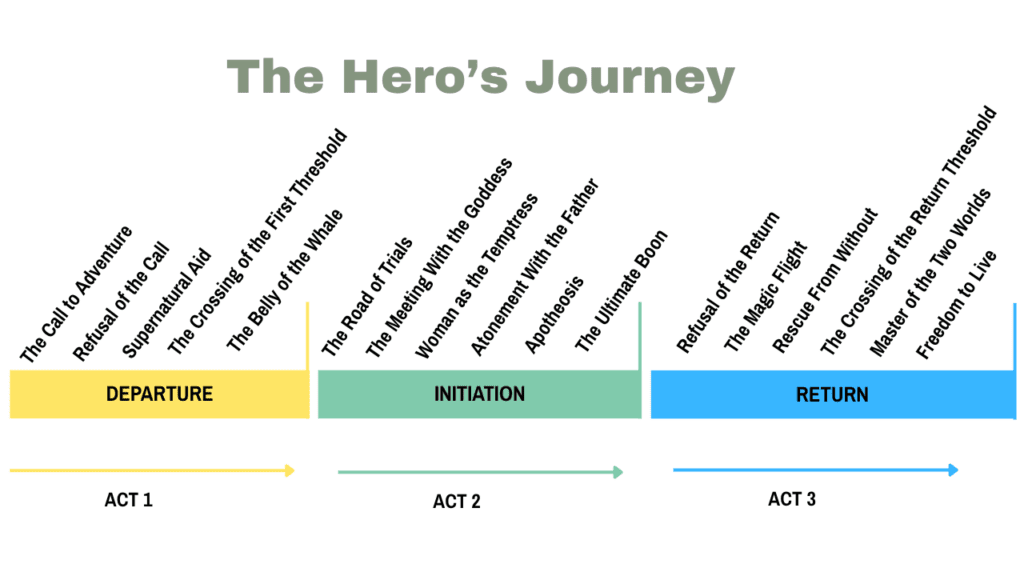
The audience wants something too. The audience wants to be part of the story. In a call to action, the audience can help the subject attain their wants. When I teach the Missions Multimedia Storytelling Workshop, the hardest part for students isn’t learning to use the gear. Instead, the real struggle is understanding the storyline. They must toss out so much because it isn’t engaging the audience. I get the deer-in-the-headlights look over and over from students when they show me their work, and I ask why I should care. They are crafting a story they are interested in, not one for the audience. In the hero’s journey storytelling model discovered by Joseph Campbell and modified by Chris Vogler, the hero usually meets the mentor in Act 1. The mentor can play the role of the audience when it comes to the call to action that helps the subject attain their goal.
A good storyteller understands that the Audience, Subject, and even you as a storyteller all have a storyline. The key to a success story is when the Audience, Subject, and even you as a storyteller can all get what they want. If your story seems stuck, check and see which of the storylines [Audience, Subject, Storyteller] is having problems. One key thing to evaluate is constantly asking how this helps us achieve our WANTS/GOAL; if it doesn’t, consider cutting it out.