|
Getting your Trinity Audio player ready...
|
Open a fashion or beauty feed today, and you’ll see skin with no pores, no texture, and no history. The models are flawless because they were never real, or because software finished the job. AI made perfection free, and when something becomes free, it stops being worth anything.
For anyone responsible for a brand’s reputation, that changes the question. It used to be “How do we look polished?” Now it’s “How do we look real, and how do we prove it?”

The wrong answer: calling sloppy work “authentic”
There’s a tempting reaction to AI perfection: lean into the mess. Shaky framing, muddy light, awkward expressions, all labeled “authentic” because it’s the opposite of a machine.
I think that’s a mistake.
Flawed isn’t the same as real. A poorly lit, poorly composed photograph doesn’t show your audience the truth about your people. It shows them that nobody in the room knew how to see. Sloppy work is just sloppy, and calling it authentic doesn’t change what your customer feels when they look at it: this brand didn’t care enough to do it well.
What real craft looks like
Forty-plus years behind a camera have taught me that authenticity isn’t the absence of skill. It’s skill applied in service of the truth.
A skilled photographer commands three things:
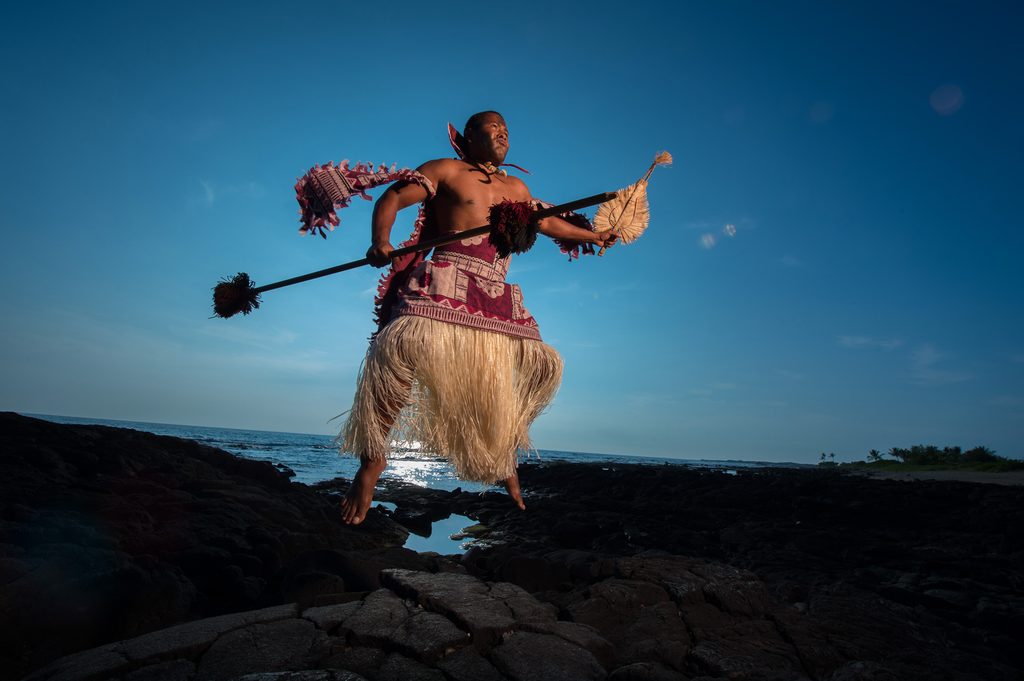
- Light. Knowing how it falls on a face, a room, or a product, and shaping it so the subject looks like the best, most honest version of themselves.
- Composition. Deciding what belongs in the frame and what doesn’t, so the eye goes where the meaning is.
- The subject. This is the one most people skip. You have to understand who you’re photographing, what they do, and how they move through their world. My mentor Don Rutledge taught me to reveal people through their relationships and environment, not in isolation.
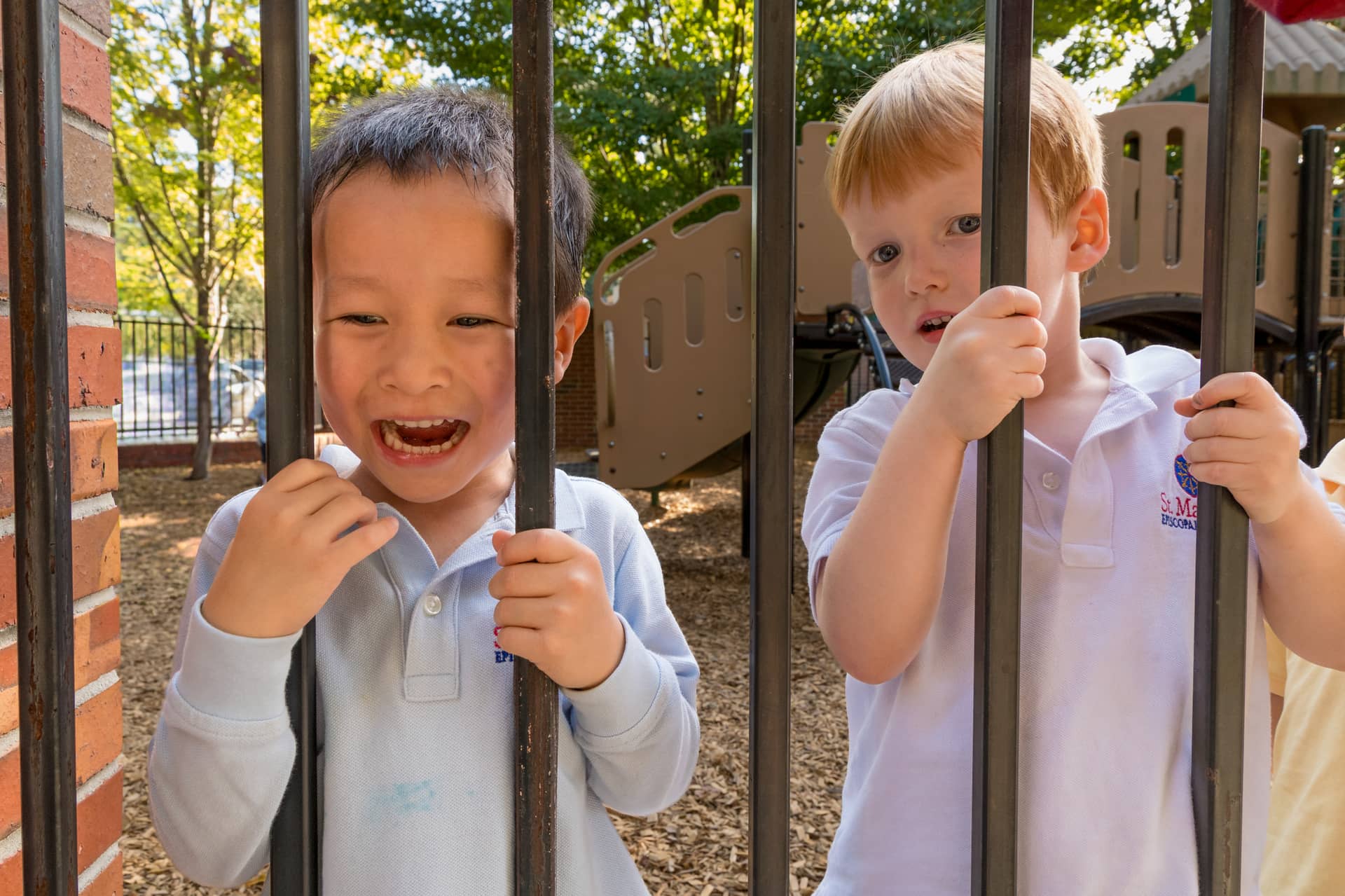
Command of all three is what lets the real moment survive the camera. Pores, laugh lines, and the way someone’s hands move when they talk about their work don’t need to be hidden or faked. They need to be seen well.
Your own people are your strongest asset
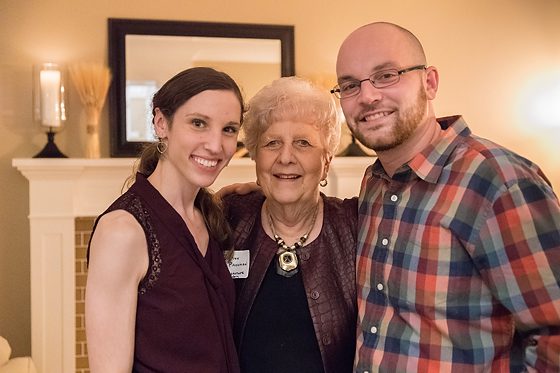
Here’s the opportunity most brands are missing. In a market saturated with synthetic faces and stock models, the most trustworthy thing you can put in front of your audience is someone who actually works for you.
Your team members are specific. They have real names, real expertise, and real stories, and your customers can meet them, call them, and hold them accountable. A model can’t offer any of that, and an AI-generated face certainly can’t.
I’ve seen what happens when a business shows its real community. A local bakery’s drone shoot drew more than 33,000 shares because the owner was already giving leftover food to first responders, and people recognized something true. That wasn’t a polished campaign. It was real people, photographed with care.
Coaching makes the difference
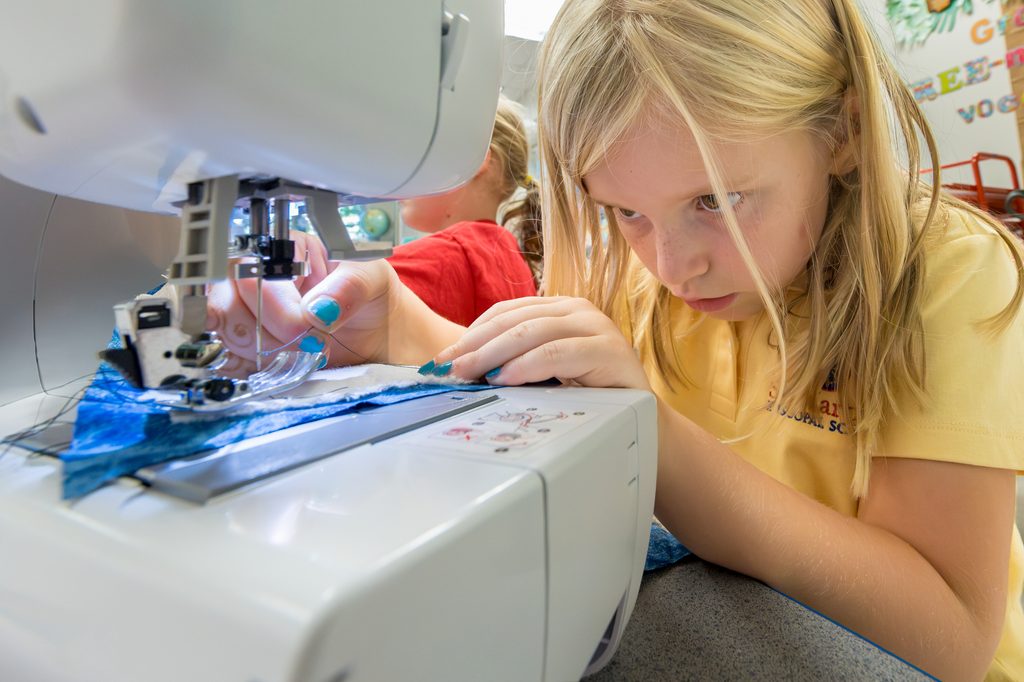
Using your own people doesn’t mean handing someone a camera and hoping. Most people freeze in front of a lens, and that stiffness reads as discomfort, not sincerity.
That’s where preparation matters:
- Coach them to talk about what they know. Nobody is stiff explaining their own craft.
- Build ease before the camera rolls. Conversation, not direction, produces natural expressions.
- Shape the environment. Their workspace, their tools, and their colleagues put them in context and give them something real to react to.
- Respect their comfort. Some people will shine on camera immediately, and others need more time. Both can work.
When it’s done well, the result is a person who looks like themselves on their best day.
Why this takes a specialist
None of this happens by accident. Mastering light and composition takes years, and putting a nervous engineer or shop owner at ease takes a different set of years. Combining both is what turns a photo shoot into trust.
That’s the work I do. I help brands show their real people in a way that’s polished enough to respect the audience and honest enough to earn their confidence. If you’re rethinking how your visuals hold up in the age of AI, I’d welcome the conversation.