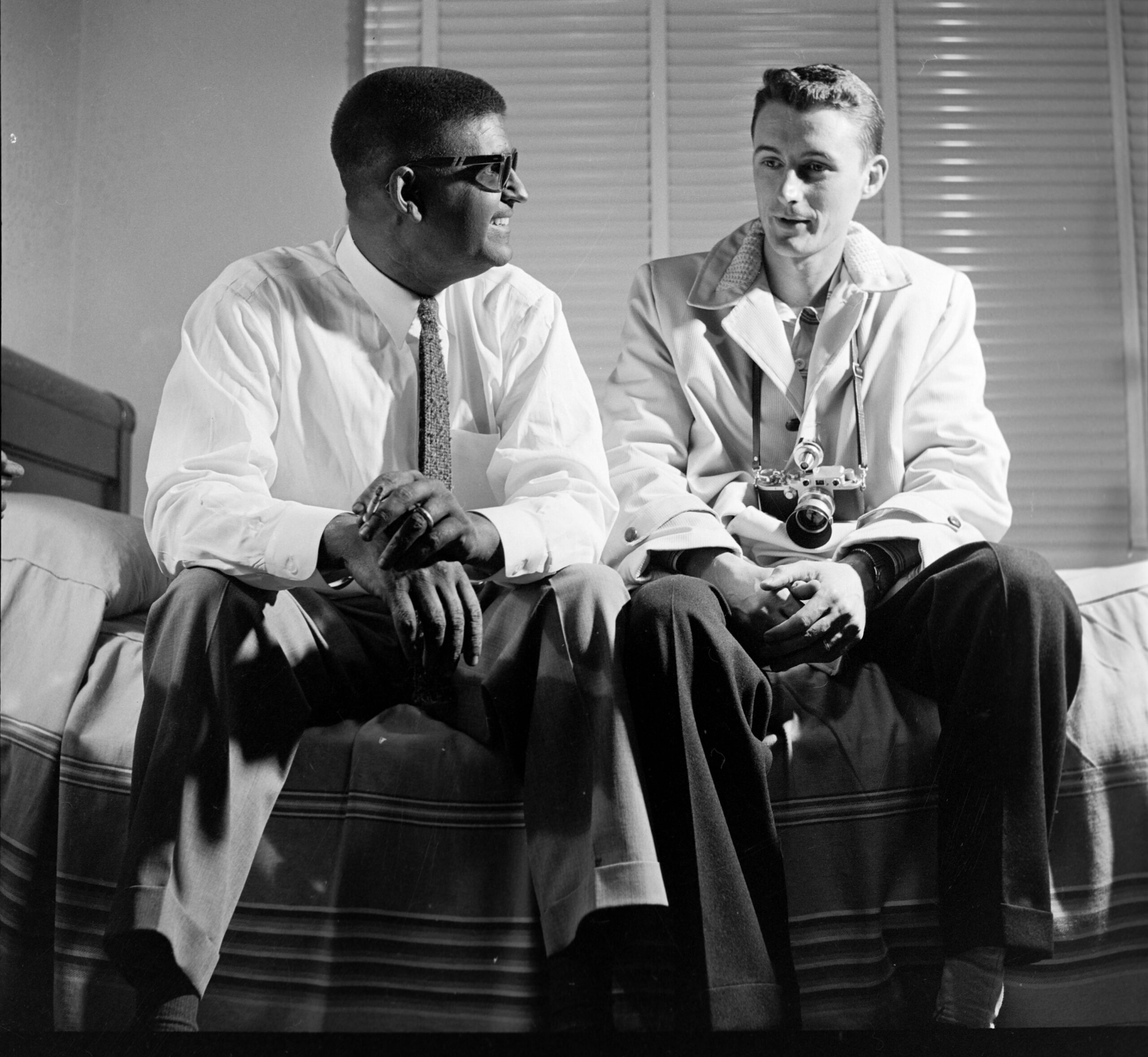
|
Getting your Trinity Audio player ready...
|
The longer I shoot, the faster I get. That’s the good news. The bad news is that speed has a cost: somewhere along the way, many of us stop paying attention to everything except the subject.
I see it in my own work, and in the work of experienced photographers who should know better. In documentary, humanitarian, and photojournalism work, the subject is never the whole story. The frame is. And the frame gets sloppy when we stop looking at it.
The best metaphor I’ve found for the fix comes from distilling.
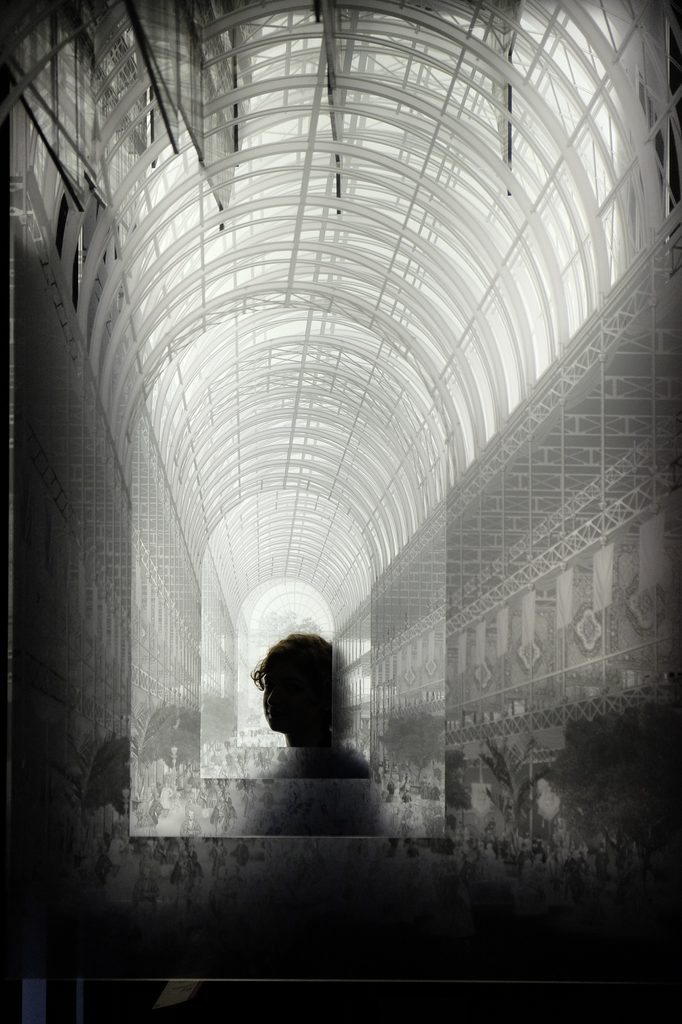
What a still actually does
A distiller starts with a wash: a big, messy, low-proof liquid with a little of what they want mixed in with a lot of what they don’t. They apply heat, collect the rising vapor, and condense it. What comes out is smaller in volume and far more concentrated. Nothing is added. The craft is deciding what comes through and what stays behind.
A scene works the same way. Everything is in front of you: people, light, clutter, emotion, noise. Your job isn’t to capture all of it. Your job is to concentrate it into a single frame that holds the essence of what’s happening.
But you can’t distill what you haven’t tasted.
Step one: taste the wash
Before I raise the camera, I try to simply feel what’s going on. What’s the mood in the room? Who is connected to whom? What is actually happening here, underneath what I can see?
Experienced shooters often skip this because the camera is already up before our feet have stopped. We’re filtering a scene we don’t understand yet. The result is technically competent and emotionally empty.
So take the time. Feel first, then decide what inside the frame will help you communicate what you felt.
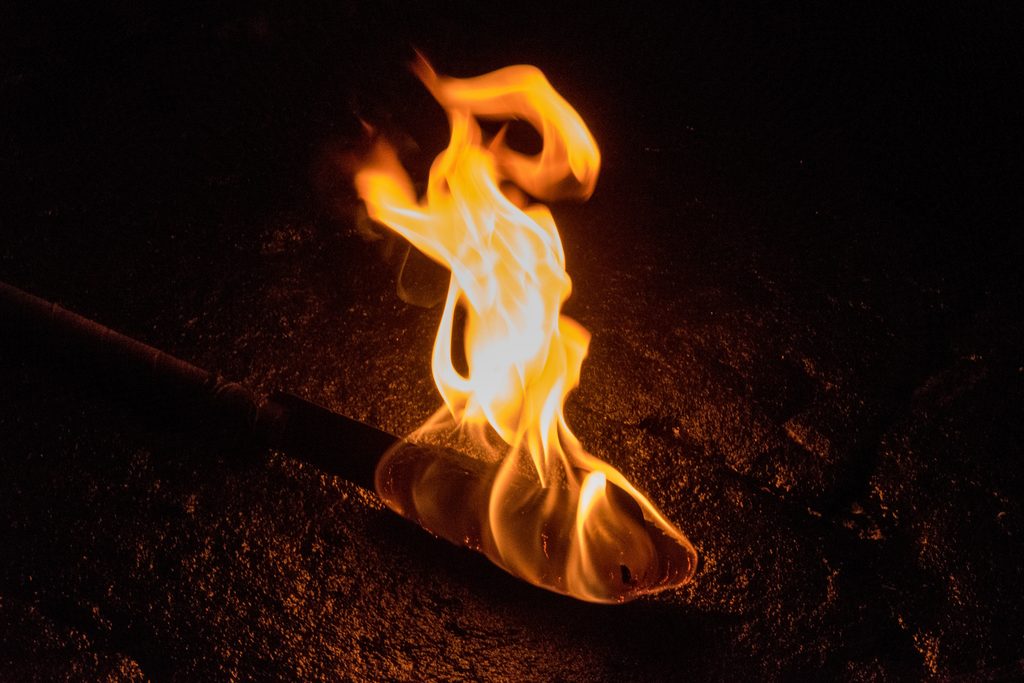
Apply the heat: walk, then wait
Two kinds of heat make a scene give up its best material.
Use your feet. Move around. Get low, get high, step left, step right. The scene you see from where you first stopped is rarely its best version. Walking is how you explore the wash.
Then stop moving. At some point you have to quit circling and wait. You’ve found the light, the layers, the background. Now the subject has to do something, and you have to be there, ready, when they do. Patience is the heat that finally makes the vapor rise.
Make the cut
Distillers separate the “heads” and “tails” from the “hearts.” Only the hearts go in the jar. Everything else, however interesting, gets left behind.
This is where sloppiness gets in. A few places I check every time:
Anchor the shot. As we get comfortable, our subjects start sliding lower in the frame, leaving too much headroom and dead space. Sometimes all it takes is keeping the subject’s feet in the shot, or finding something that pulls the viewfinder back down. Dead space is water in the spirit. It dilutes what you’ve concentrated.
Scan the edges. Before pressing the shutter, look at all four edges of the frame. Is there something out there that belongs, or something that doesn’t? Unwanted things sneak in at the edges.
Watch the layers. Notice what’s behind and in front of your subject, and make sure nothing is growing out of them: the pole from a head, the sign from a shoulder, the tangent that cuts through an elbow.

Don’t over-distill
Here’s where I’d push back on the obvious lesson. If distilling were pure subtraction, we’d all end up with tight, isolated portraits. Clean, but characterless, like neutral grain spirit.
Context is the flavor. Where is your subject? What surrounds them? Do those things help tell the story? I learned from my mentor, the late Don Rutledge, that people are revealed through their relationships and their environment, not in isolation. A distilled frame still has character. It simply has only the character that belongs.
So the goal is to distill the scene, not just the subject.
Before you press the shutter
Next time you’re out, run through this:
- Have I tasted the wash? Do I know what’s really happening here?
- Have I explored? Have I moved my feet?
- Am I waiting for the moment, or settling for the first one?
- What am I keeping? Is the subject anchored, with context that helps?
- What am I leaving behind? Are the edges clean, the layers clear?
Then press the shutter.
And tell me what you found. What did you catch on the edge of the frame that you would have missed?