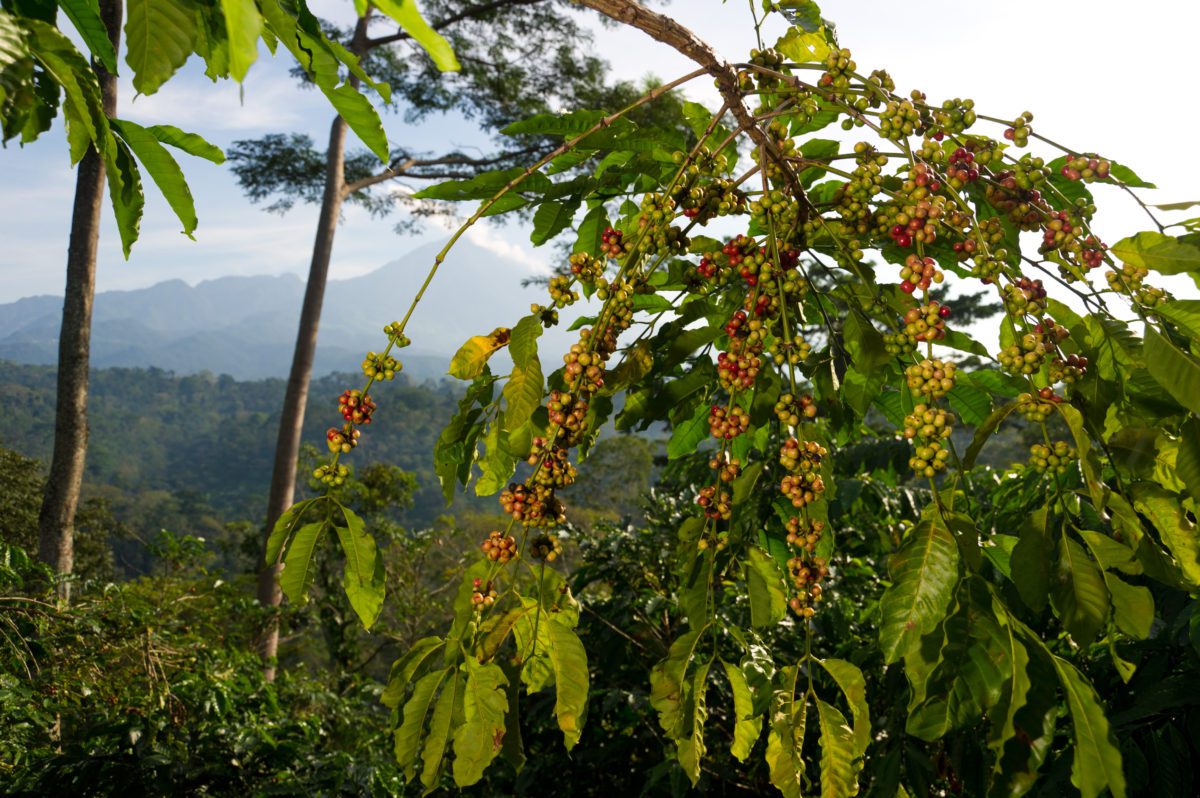
Arabica coffee is grown at high altitudes under shade, as you can see with this plant in Mexico.
Being busy does not always mean real work. The object of all work is production or accomplishment and to either of these ends there must be forethought, system, planning, intelligence, and honest purpose, as well as perspiration. Seeming to do is not doing.
–Thomas A. Edison
A few blogs earlier, I discussed the importance of picking a good subject. Here is a link to that blog. Once you have your subject, construct an outline of how you would tell the story. Here are some photos from my last coverage of Mexico’s coffee farmers’ cooperative. I am going back to do more stories on them in November.
![]() |
| As the coffee growers brought in groups from churches and civic groups to see how their cooperative was doing, it helped them fund water filtration for their communities with the profits. |
Take these categories if you need to as a starting point, and fill in each of the things you would shoot.
- Opener: Sets the scene for the story
- Decisive moment: The one moment that can by itself tell the story
- Details: Besides being like visual candy to the report, help often with transitions–especially in multimedia packages
- Sequences: give a little variety to a situation
- High overall shot: Gives a good perspective on how the elements all fit together.
- Closer: Besides the classic shot of the cowboy riding off into the sunset, there are other visual ways to help bring the story to a close
- Portraits: These photos are great for introducing the characters of the story
These are from a story I wrote about coffee farmers in Mexico who formed a cooperative. Before the cooperative, they made so little money that many of them were crossing the border as illegal immigrants so they could work to earn enough to feed their families, which usually stayed behind.
![]() |
| Part of the process of coffee is spreading it out on concrete slabs and letting it dry. No need to shoot this over and over; I had it. |
I needed to tell two stories. First, about how the coffee the cooperative grows is the finest Arabica. I also needed to tell the story that after joining the joint, the lives of the farmers and their families improved.
As you are there, one day, an incredible moment happens that you did not plan for and did not even know was happening. You make a portfolio shot even. You add this to the package. In the end, putting your total package together might cut, and it might not. You can go off script, but the writing helps you tell the story. You may even change the outline as you shoot. The system helps you start and navigate the story better than getting up in the morning, grabbing your camera, and just waiting for something to happen so you can capture it.
“By failing to prepare, you are preparing to fail.”
― Benjamin Franklin
Here is a brief outline of what I had before shooting the story on the coffee cooperative.
- Showing the coffee on the plant and being harvested
- Removal of what is left of the fruit from the bean
- Drying coffee on slabs of concrete
- Roasting the coffee
- Bagging the coffee and grinding the coffee
- Coffee farmers working in each of those settings
- Coffee farmers in their homes
- The families and what they do (mainly to show before and after)
- Show how dangerous crossing the border is for a person
- Showing them remembering all those who died crossing
- Showing putting water in the desert for crossers
- Maybe show some in the desert waiting to cross in the darkness
- Show what happens when border patrol finds them
Without a list, you may spend 80% of your time just growing the coffee, but by having a list, you can divide your time and have a storyline that will come together.


