
|
Getting your Trinity Audio player ready...
|
When I started my professional career as a photojournalist for The Hickory Daily Record in Hickory, North Carolina, in 1984, my job was pretty simple. I took photographs and gave the reporter enough information to write the captions.
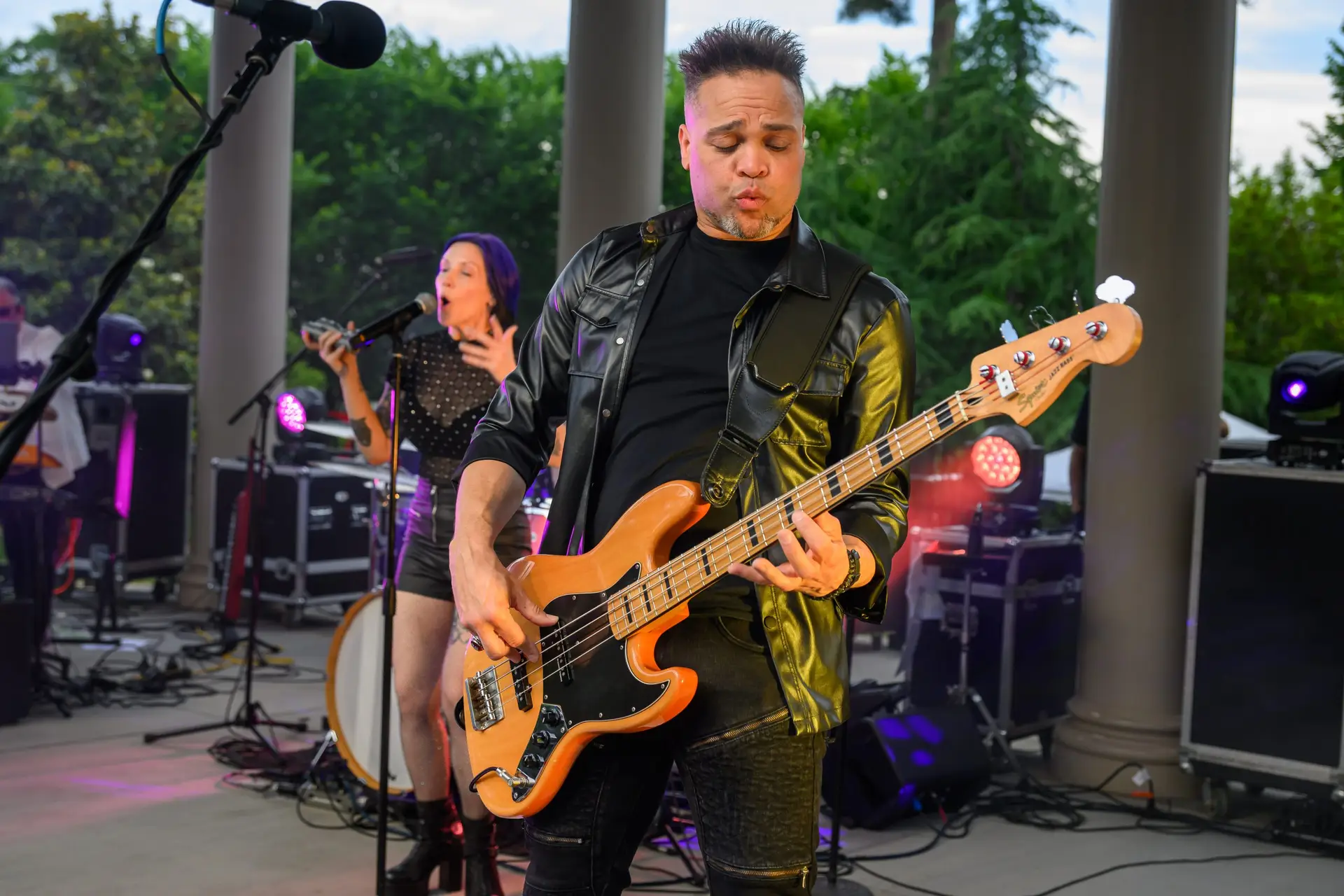
Back then, I was trained to think in shots:
- Opener — sets the scene
- Decisive moment — the image that can tell the story by itself
- Details — visual candy and transitions
- Sequences — variety in action
- High overall shot — shows relationships and context
- Closer — wraps up the story visually
- Portraits — introduces characters
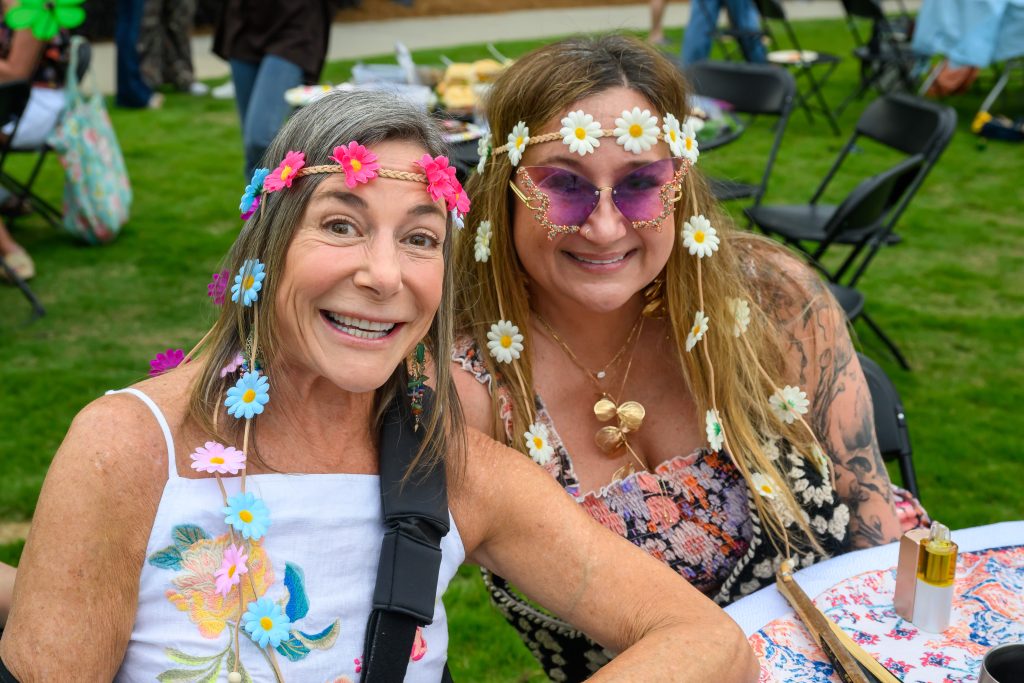
That approach worked. In many ways, it still works today.
Forty-two years later, I am doing freelance writing and photojournalism for Appen Media, a North Atlanta community news organization that publishes local newspapers and digital news serving Decatur, Alpharetta, Roswell, Milton, Dunwoody, Forsyth, Sandy Springs, Cumming, and Johns Creek.
The editor only asks for about 10 photos from an event with short captions placed in metadata and in a separate document.
I decided to do something different.
If they asked for 10, I tried to deliver 15. Rather than simply submitting captions, I started writing complete 400-word AP-style stories for every assignment.
The editor replied:
“Woooowww the writing is good. That’s a pleasant surprise (no offense). I don’t usually have a high level of expectation for photogs when it comes to the wordsmithing, but this is great content for a community newspaper.”
I laughed.
Not because of the compliment, but because it made me realize something.
For years, I had focused on covering events.
Now I was focusing on finding stories.
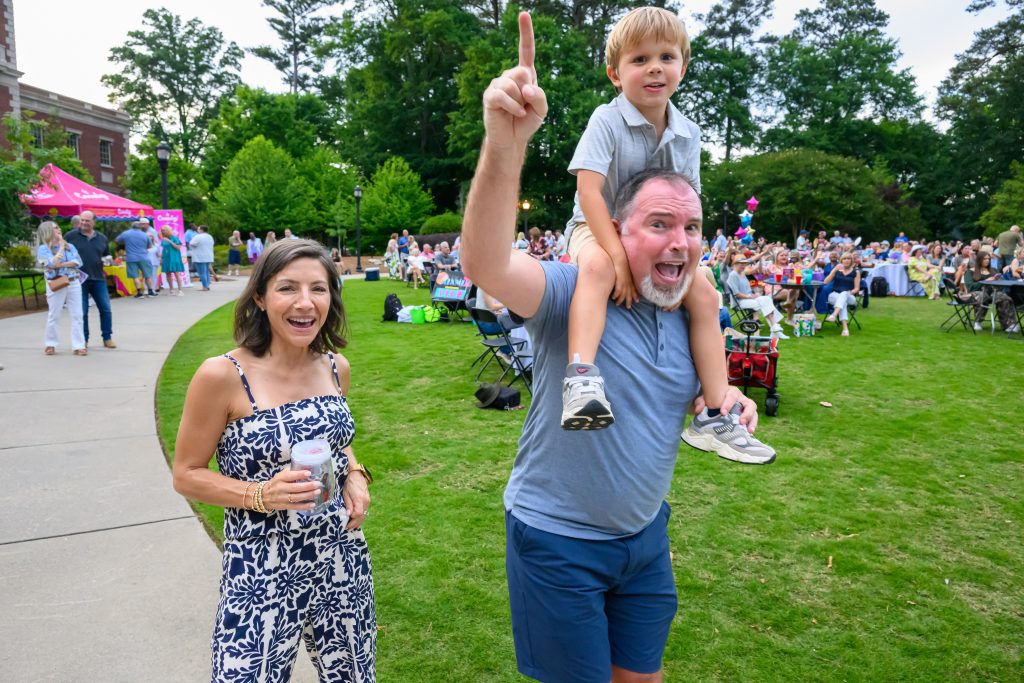
There is a difference.
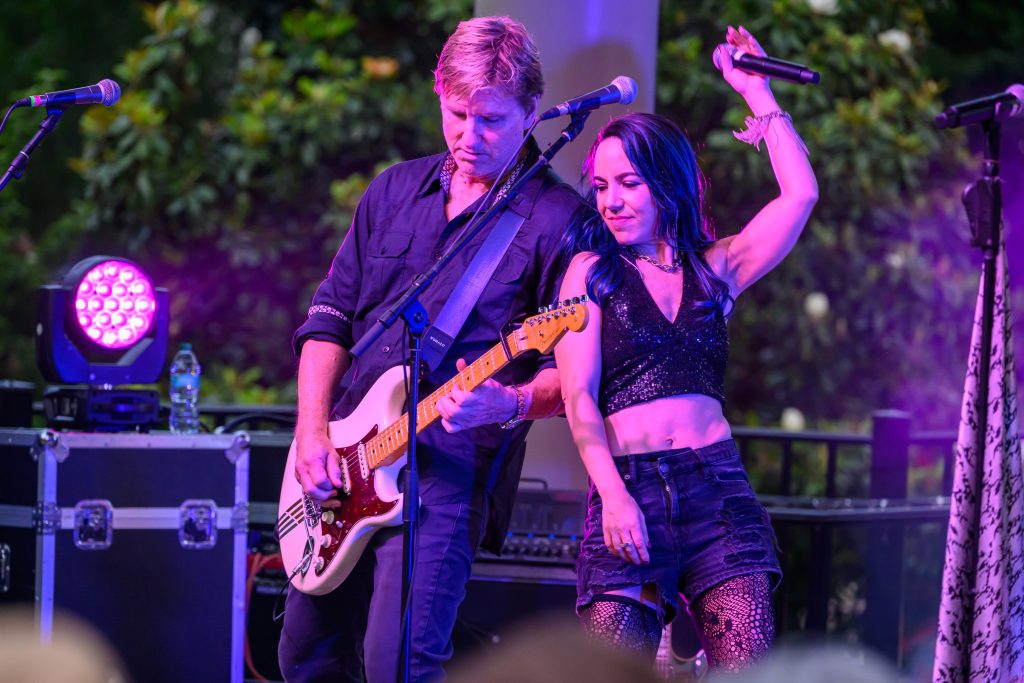
Recently, I covered Under the Stars — Vibe Fest at Brooke Street Park in Alpharetta. Years ago, I would have shown up with my mental shot list:
Band photos. Crowd photos. Details. Wide shots.
Instead, before arriving, I started asking:
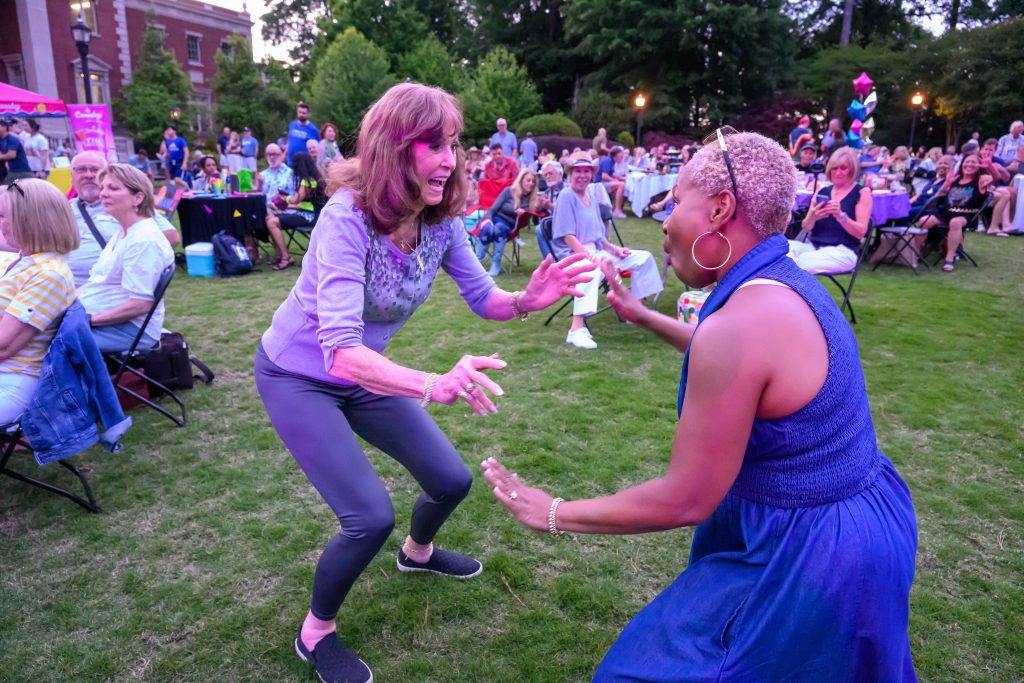
What is the story?
Why should someone who wasn’t here care?
Suddenly, my questions changed.
Instead of asking:
“Who are you?”
I asked:
“Why does this matter?”
“What brought you here?”
“What memory does this music bring back?”
“Why does this event matter to the community?”
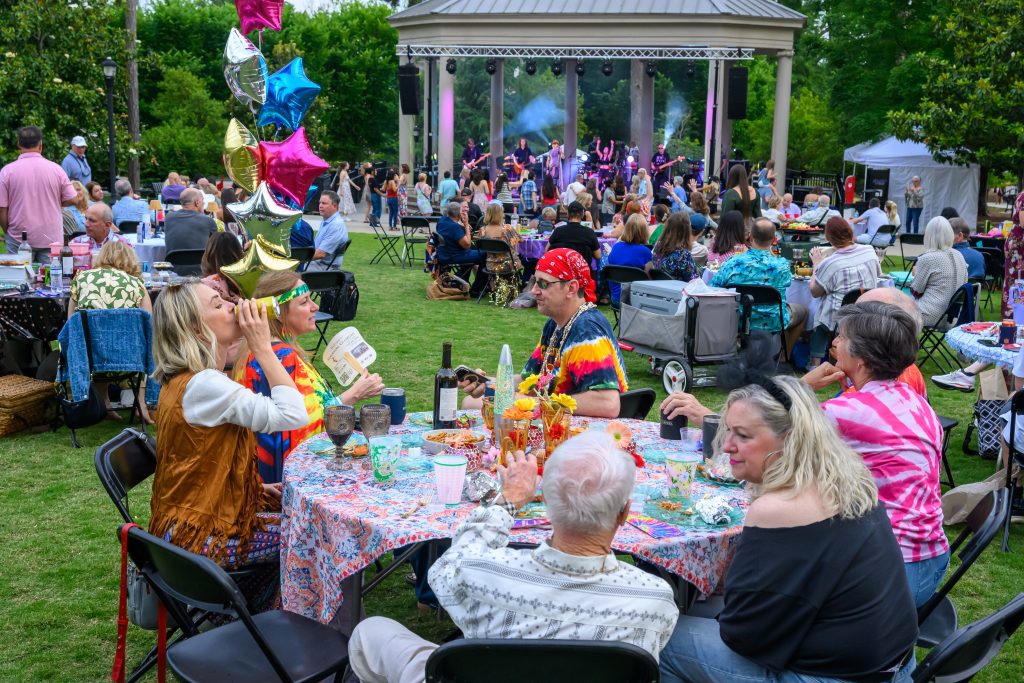
Those questions changed the story.
They also changed the photographs I needed.
Now I wasn’t simply hunting for a singer at a microphone.
I was looking for nostalgia.
Connection.
Community.
Emotion.
Because photographs and stories work best when they answer the same question.
Why should anyone care?
Here is the story along with the photo package I submitted.
Tips for photographers who want their photos to tell stronger stories
Start with the story before camera settings
Ask yourself: What is actually happening here?

Find the “why.”
People care less about events and more about meaning.
Create three or four questions before arriving
Good questions lead to better quotes and stronger photos.
Photograph emotion, not activity
The activity shows what happened. Emotion shows why it mattered.
Think beyond captions
A caption answers who, what, where, and when.
A story answers why.
Shoot with the ending in mind
Ask yourself, What image would make someone stop scrolling?
Your camera isn’t just gathering pictures
You’re collecting evidence for the story.