

|
Getting your Trinity Audio player ready...
|
I’ve long believed that photojournalists don’t just take pictures—they train themselves to see. And in doing so, they uncover something most people overlook: your gut reacts long before your brain has time to explain why.
That reaction? It’s not random. It’s built on what you see and hear—far more than the words someone chooses.
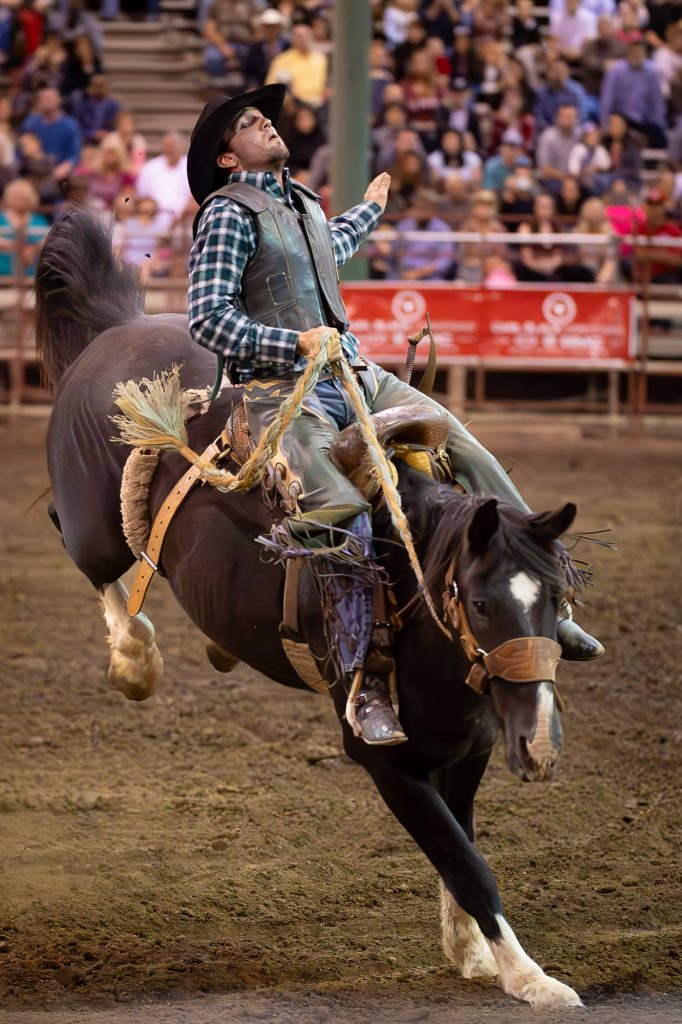
1. We Look for Moments That Speak Without Words
At the heart of great storytelling is the moment.
Not just any moment—but the one that communicates emotion, tension, or truth in a way words often can’t. A glance. A gesture. The way someone holds their hands when they’re unsure.
As Henri Cartier-Bresson famously said,
“Your first 10,000 photographs are your worst.”
What he was getting at wasn’t discouragement—it was training your eye to recognize the moment when everything aligns.
And when it does, it hits people in the gut.

2. Composition Shapes How You Feel About What You See
Once you find the moment, composition determines how that moment lands.
Leading lines, framing, layering—these aren’t just artistic tricks. They guide the viewer’s eye and, more importantly, their emotional response.
Dorothea Lange, whose work during the Great Depression shaped public opinion, once said:
“The camera is an instrument that teaches people how to see without a camera.”
Her images didn’t just document hardship—they helped a nation feel it.

3. Exposure Creates Mood
Light is emotion.
Bright, airy images can feel hopeful. Deep shadows can create tension or mystery. Exposure isn’t just technical—it’s psychological.
This is why two photographers can stand in the same place and tell completely different stories.

4. Positioning Changes Everything
Where you stand determines what the audience experiences.
Background, light, layers—these aren’t accidents. They’re choices.
Over time, you begin to anticipate how these elements come together. You start seeing not just what is, but what could be if you take two steps to the left or wait ten more seconds.
That’s where experience shows up.
5. Sound Adds a New Layer of Truth
When you move into video or multimedia storytelling, you add something even more powerful: the human voice.
And it’s not just the words.
Tone. Cadence. Pauses.
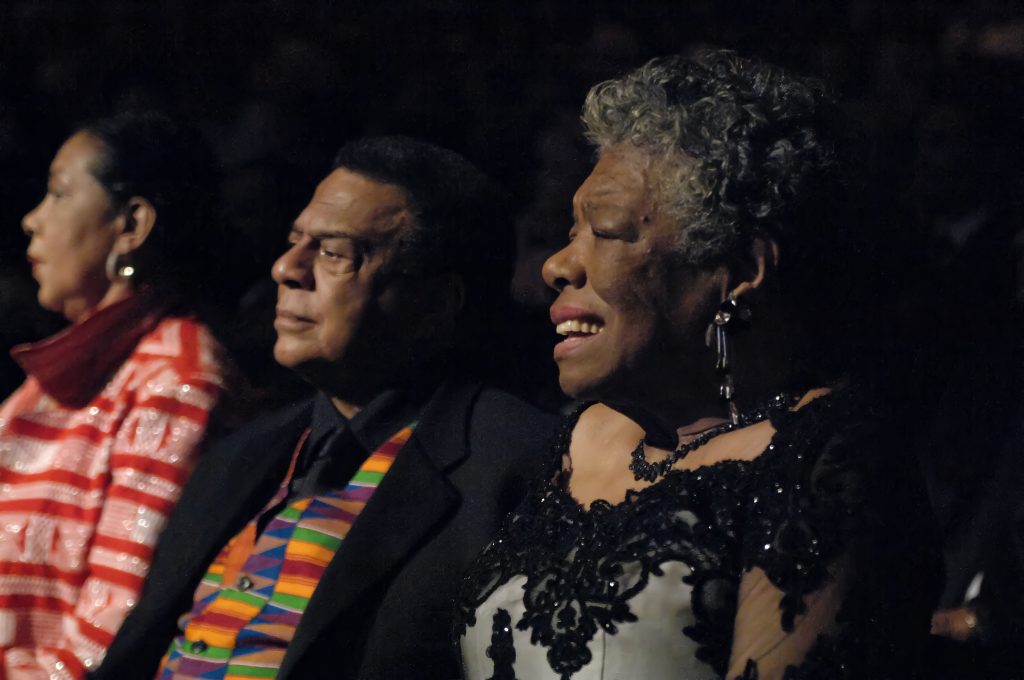
As Maya Angelou put it:
“People will forget what you said… but people will never forget how you made them feel.”
That feeling often comes from how something is said—not just what is said.
The Power—and the Responsibility
At its best, photojournalism moves people toward action. It shapes how societies think, feel, and respond.
History is full of moments where images changed the course of public opinion—from war photography to civil rights coverage.
But that power comes with a warning.
Not Everything That Moves You Is True
We’re wired to respond emotionally to what we see and hear. And that makes us vulnerable.
Actors are trained to create believable emotions. That’s why we cry in movies. That’s why we feel connected to fictional characters.

There’s nothing wrong with that—it’s storytelling.
But outside of the theater, that same emotional pull can be used to mislead.
There are also individuals who intentionally manipulate emotion for personal gain—people who understand how to trigger trust, urgency, or empathy without grounding it in truth.
And now, we’ve added a new layer.
AI Has Changed the Game
With the rise of artificial intelligence, images, audio, and video can be created or altered in ways that are increasingly difficult to detect.
What looks real may not be.
What sounds authentic may be generated.
Your gut will still react—but now it can be triggered by something that never actually happened.
So What Do We Do?
If your gut is powerful—and it is—you don’t ignore it.
You train it.
Photojournalists don’t just learn how to create powerful images. They learn how to evaluate what they’re seeing.
And that’s the takeaway for all of us:
- Slow down before reacting
- Ask where the image or story came from
- Look for context, not just impact
- Verify through credible sources
- Pay attention to what might be outside the frame
Because the same tools that can move us toward truth can also pull us toward deception.
Final Thought
Your gut reaction is one of the most powerful tools you have.
But it works best when it’s paired with discernment.
The goal isn’t to become cynical—it’s to become aware.
To see not just what’s in front of you…
But to understand why it affects you the way it does.
That’s what great photojournalists learn over a lifetime.
And it’s something we can all start practicing today.
very good