
|
Getting your Trinity Audio player ready...
|
Most people only see the final performance.
What they don’t see is the moment where everything either comes together—or falls apart.
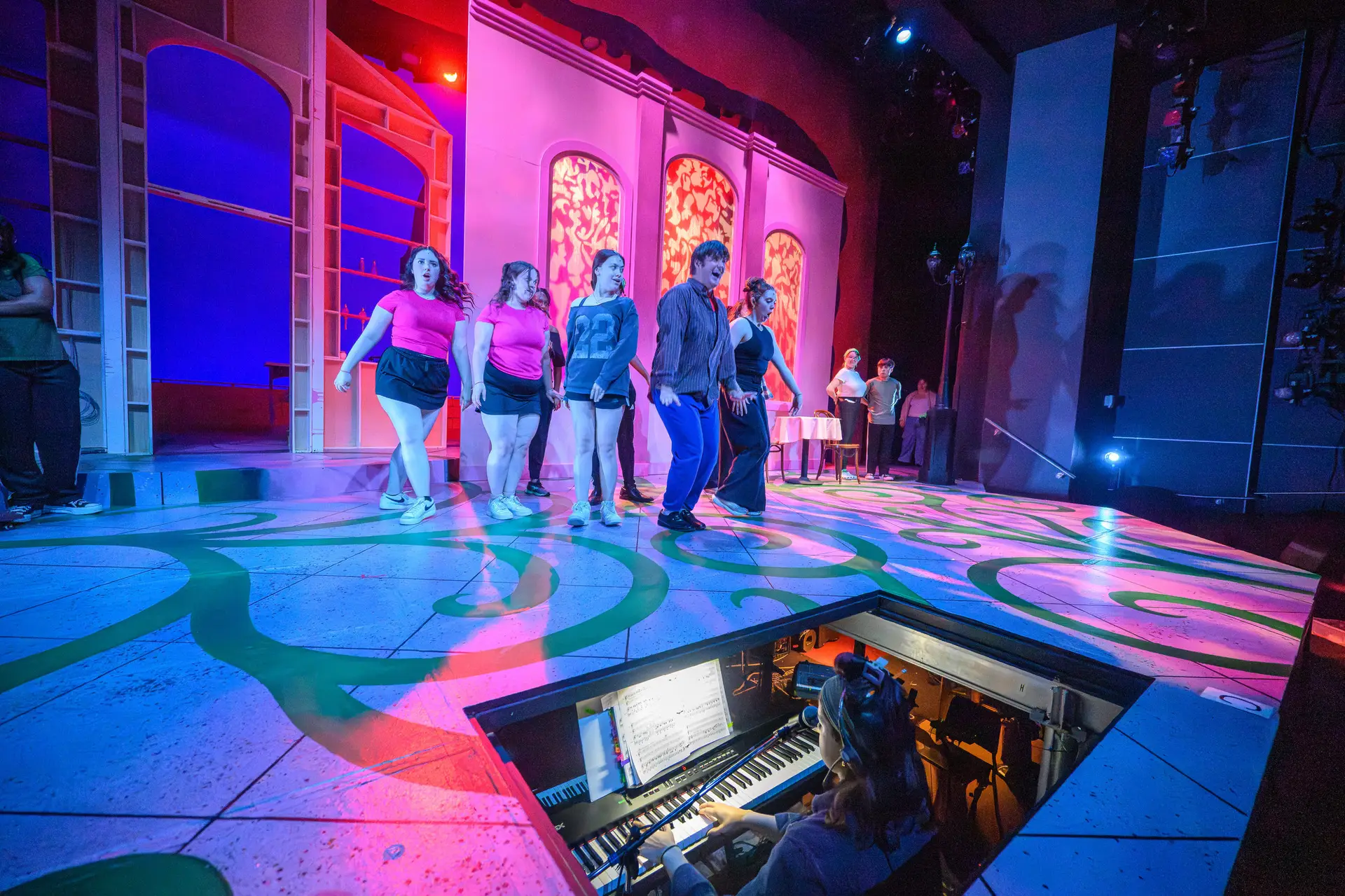
I recently photographed a cue rehearsal for the musical She Loves Me at Kennesaw State University’s Robert S. Geer Family College of the Arts, and it reminded me of something every organization needs to understand about storytelling.
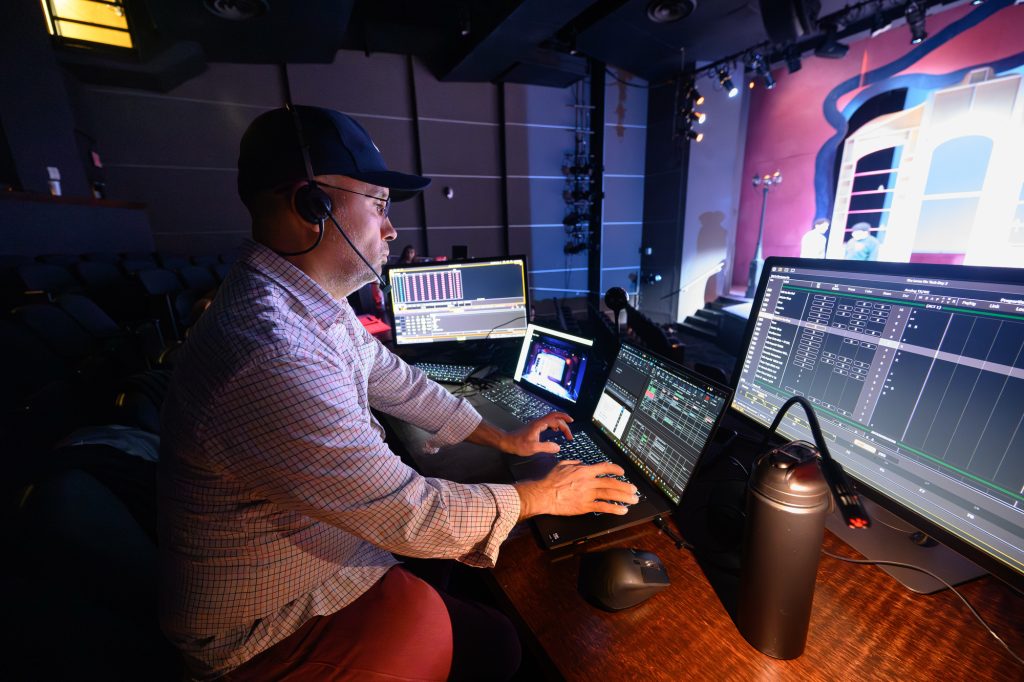
A cue rehearsal—often called a cue-to-cue—isn’t about running the full show. It’s where the production jumps from one technical moment to the next: lighting changes, sound cues, scene transitions. Every detail is tested and timed so the story flows seamlessly for the audience.
In many ways, this is exactly what most organizations skip.
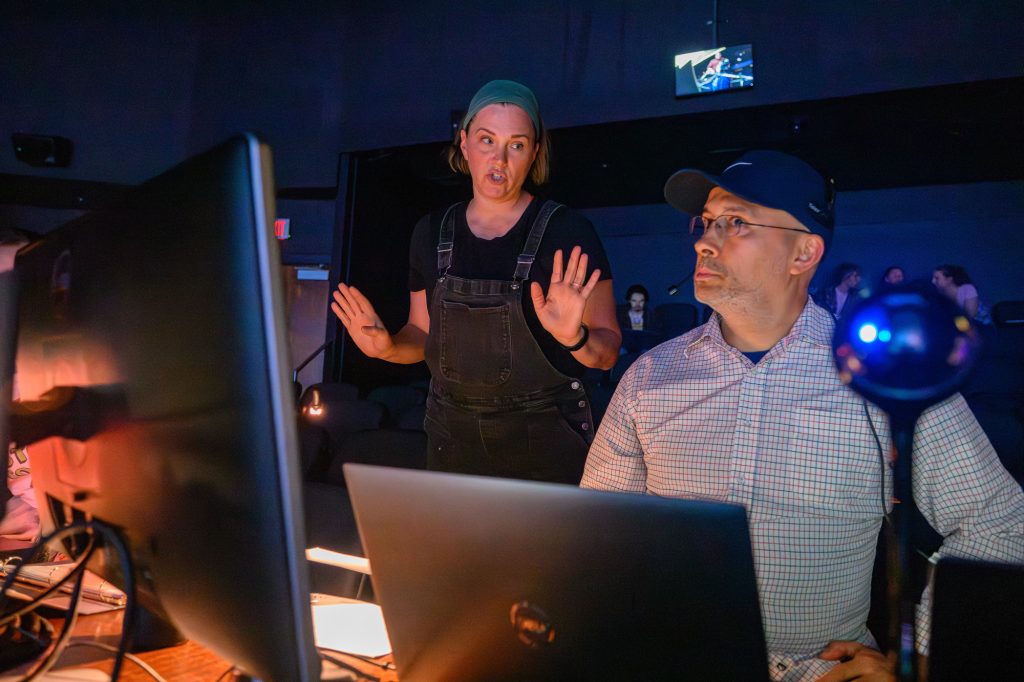
Too often, teams jump straight to the “performance”—the final video, the photos, the campaign—without ever working through the cues:
- Who is the story really about?
- What moment carries the emotional weight?
- Where does the audience feel something shift?
Without those cues, the story may exist… but it won’t connect.
What I love about photographing a rehearsal like this is that it reveals the full team behind the story.
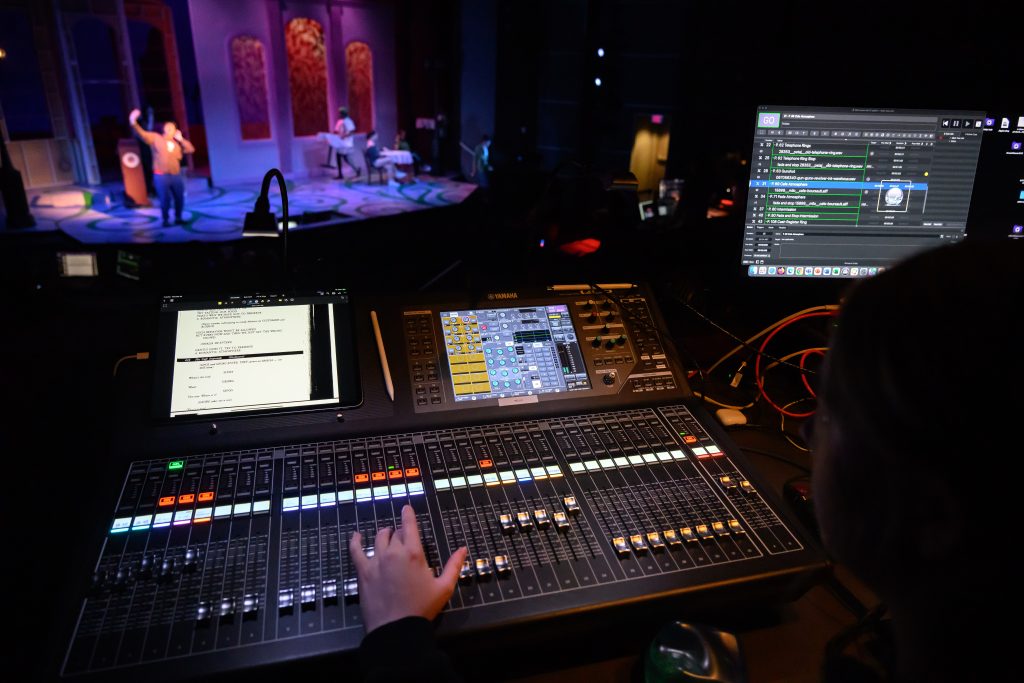
You see the stage manager calling cues and holding everything together.
You see lighting and sound designers shaping the emotional tone.
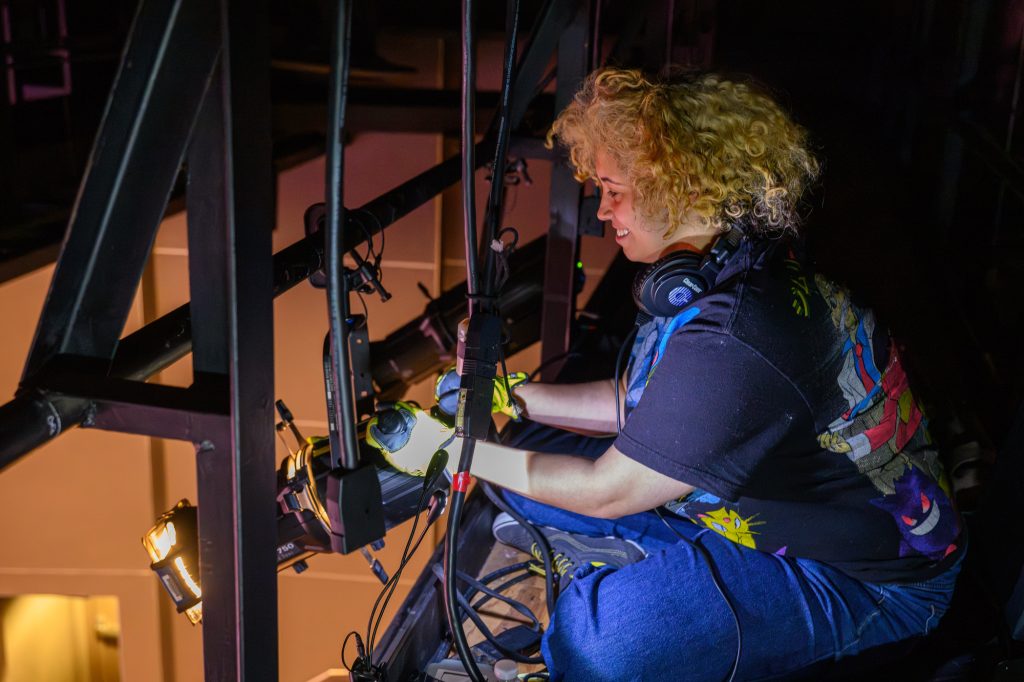
You see crew members moving pieces in near darkness.
You see actors stepping in and out, helping mark the exact moments that trigger everything else.
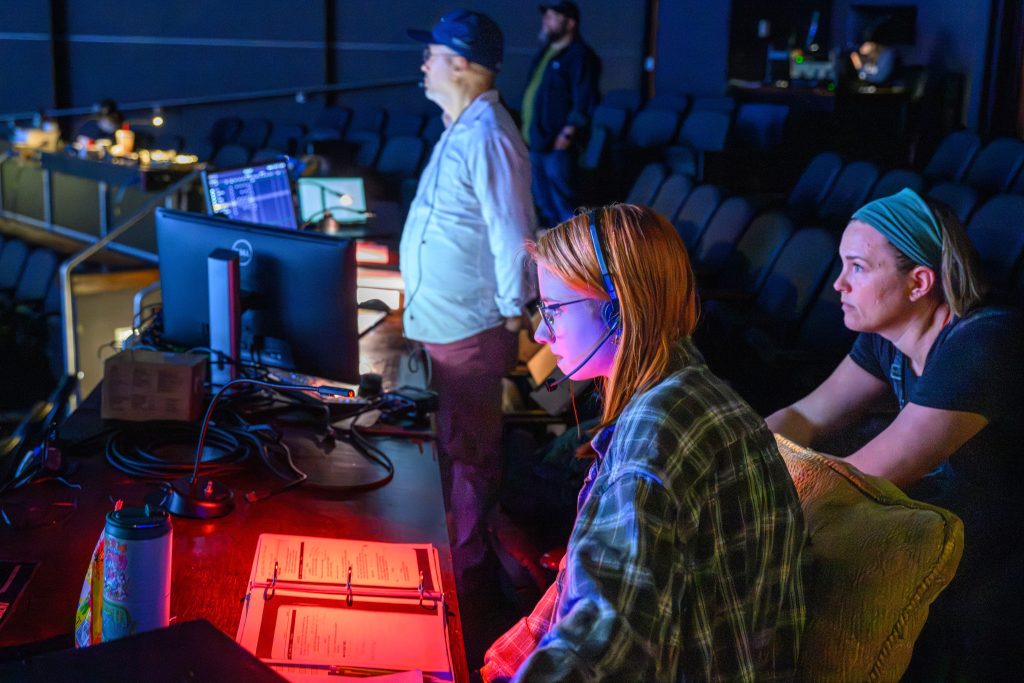
This is where storytelling becomes synchronized.
And this is why I photograph it.
I’m not just documenting performers—I’m capturing the system that makes storytelling work. Because great storytelling is never just about the person on stage. It’s about everything supporting that moment.
If you want stronger storytelling in your organization, don’t start with the final product.
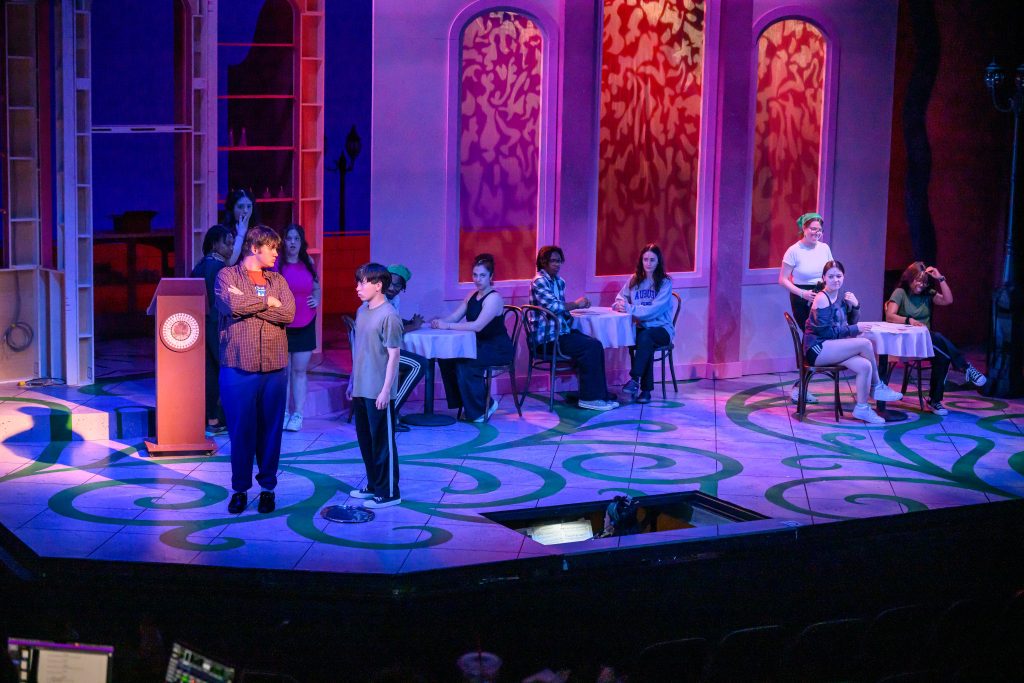
Start with your cues.
- What is the turning point in the story?
- Who carries the emotional weight?
- What details help the audience feel it?
When those are clear, everything else falls into place.
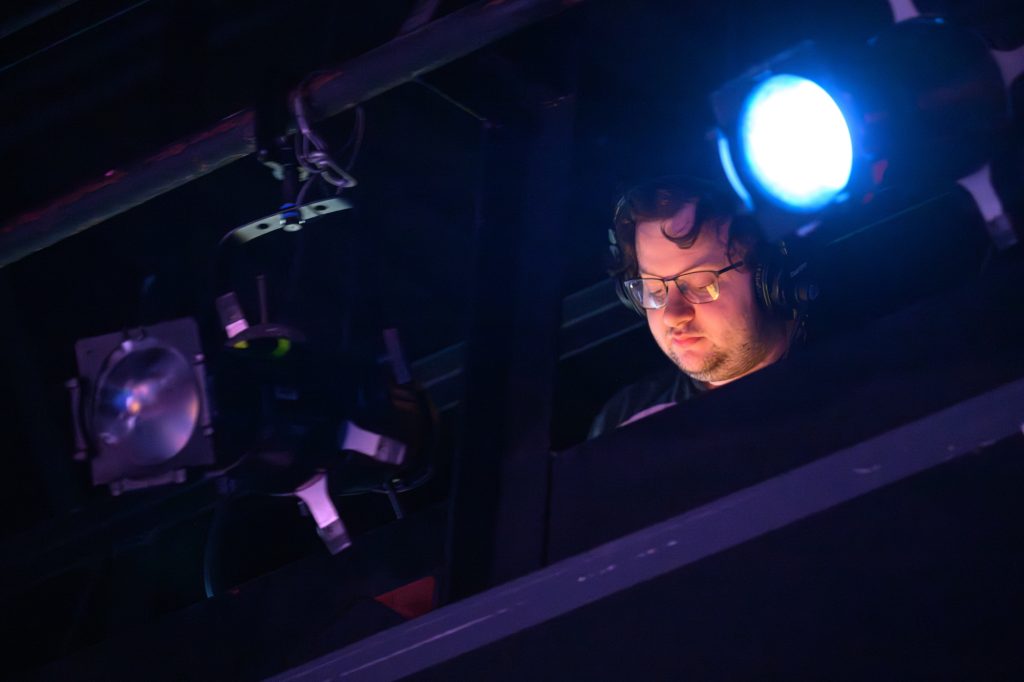
Watching She Loves Me move from cue rehearsal to performance is a reminder of what happens when every detail is aligned.
If you’re in the area, it’s worth seeing how all of this comes together on stage.
🎟️ Get tickets (April 2–12, 2026):
https://ci.ovationtix.com/35355/dept/2631
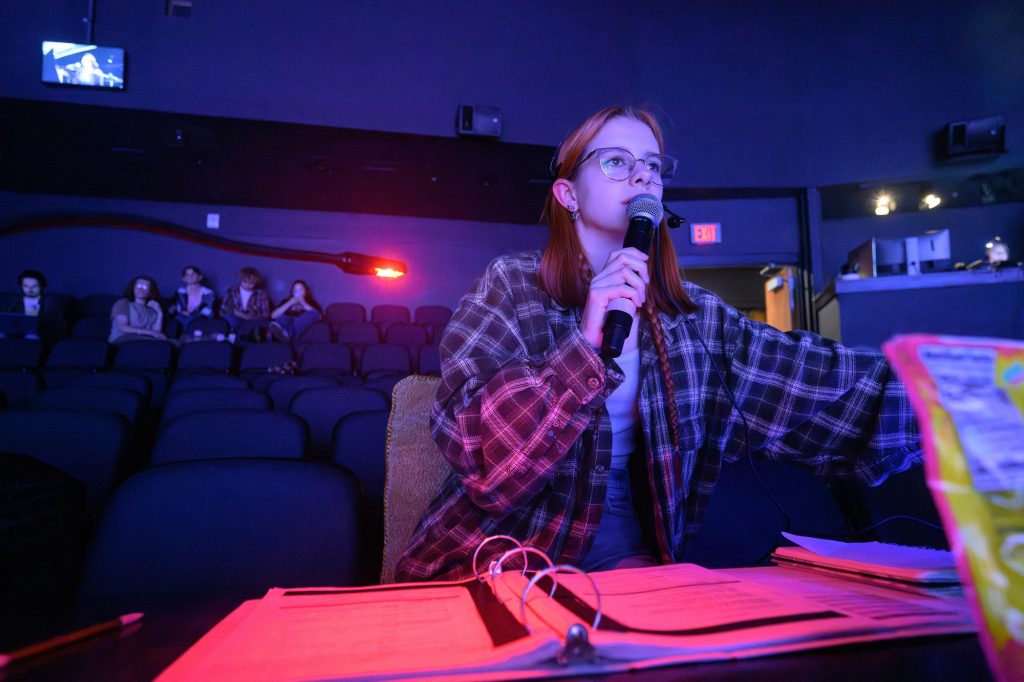
One more thing that stood out to me…
If you look closely at the theater world, the people behind the scenes are often the ones who build the most consistent, long-term careers.
Actors are incredibly talented, but their work is often project-based—moving from audition to audition, role to role, with very little security. In fact, many actors work other jobs between performances because steady roles are hard to maintain.
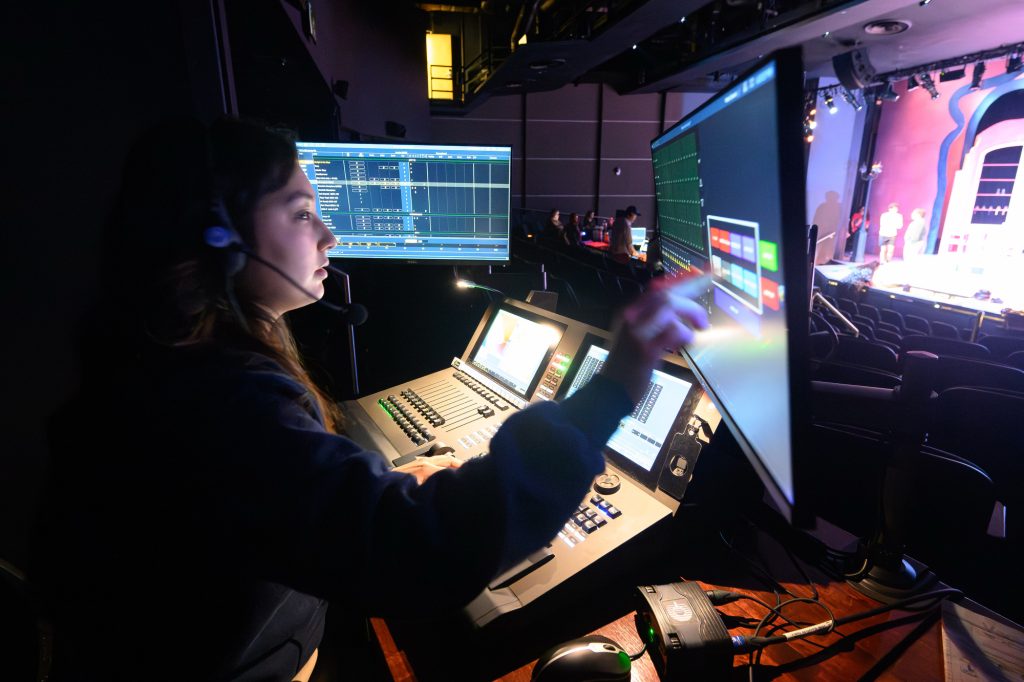
But behind the scenes, it’s different.
Stage managers, lighting designers, sound engineers, and crew members are the ones productions depend on over and over again. These are the people who make the show run—and because of that, they’re often the ones who continue working season after season, sometimes for their entire careers.
A stage manager, for example, isn’t just part of one performance—they carry the show from rehearsal through the entire run, calling every cue and maintaining the production night after night.
And the broader crew—stagehands, technicians, designers—are the skilled professionals who build, operate, and sustain the production itself.
If you love theater, it’s worth remembering this:
Not everyone is meant to stand in the spotlight.
Some of the most meaningful—and lasting—careers in the arts happen just out of view, where the story is quietly being held together.