Don’t Just Document It—Make People Feel It: A Guide for Photojournalists

Reading Time: 3 minutes

Emotion is the difference between a photo that informs and one that stays with someone.

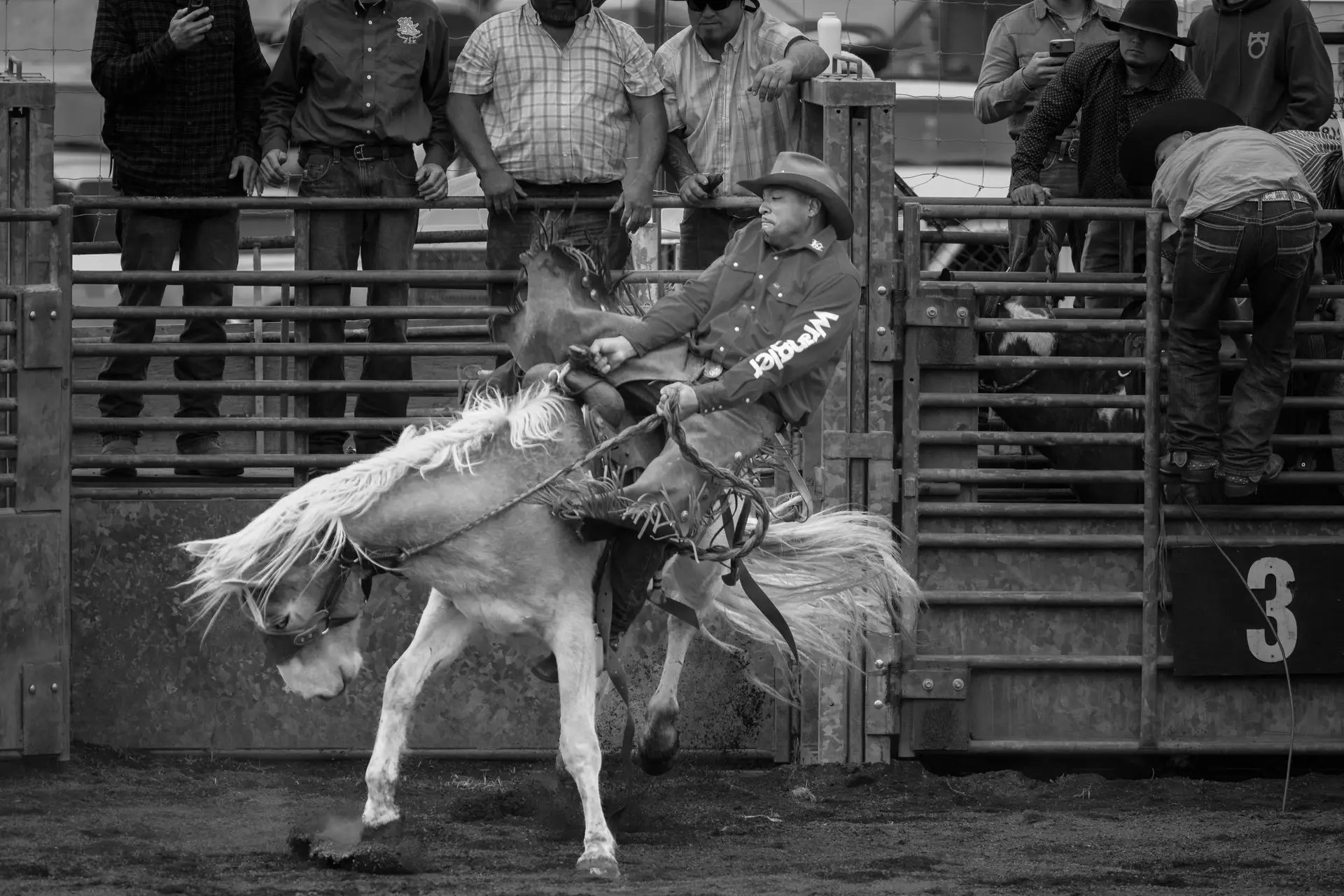
In photojournalism, you’re not just documenting what happened—you’re helping people feel why it matters. Anyone can record an event. What separates strong visual storytelling is the ability to recognize moments that carry weight, tension, and humanity—and to be ready when they unfold.

The challenge is that emotion isn’t staged. It’s fleeting, often subtle, and easy to miss if you’re only focused on the obvious action. As a photojournalist, your job is to go beyond the surface and anticipate the moments that reveal truth.

Here are some ways to consistently create photographs with more feeling and impact:


1. Stay longer than feels comfortable

Deadlines and access can pressure you to move on quickly, but emotions often follow the peak action.

When the speech ends, when the crowd thins, when the subject exhales—that’s when people become real again. Give moments time to unfold.


Elizabeth Wall & Andrew Thompson Wedding

2. Watch for transitions, not just peak action

The peak moment is important, but the emotional truth is often just before or after it.

Look for:

  • the reaction instead of the event
  • the quiet after the chaos
  • the connection between people

Those in-between moments often tell a deeper story.


Truck 21 Push-In Ceremony and Station 21 Open House

3. Get physically closer

Being close isn’t just about composition—it’s about connection.

When you’re physically present:

  • expressions carry more weight
  • viewers feel immersed
  • distractions fall away

If you’re too far back, the audience stays detached.


4. Shoot with intent, not just reaction

Coverage is expected. Insight is what elevates your work.

Ask yourself:

  • What is this story really about?
  • Who is most affected?
  • Where is the emotional center?

When you understand the narrative, you can anticipate rather than chase moments.


Cosmic Bowling

5. Use light to reinforce the story

Light is part of the storytelling language.

  • Soft, natural light can emphasize vulnerability
  • Harsh light can add tension or conflict
  • Shadows can suggest isolation or uncertainty

Expose correctly—but more importantly, use light to support what the moment is saying.


Cosmic Bowling

6. Include context when it strengthens meaning

A single face can show emotion, but context explains it.

Think about when to:

  • Step back and include the environment
  • Show relationships between people
  • Reveal what’s at stake

The “why” behind the emotion is often what makes an image powerful.


7. Build trust quickly

Access is more than being allowed in—it’s being accepted.

Even in fast-moving situations:

  • Acknowledge people
  • Show respect
  • Be present without being intrusive

The more trust you build, the more authentic the moments you’ll witness.


Daddy Daughter Date Night

8. Wait for alignment

Strong images often come when multiple elements come together:

  • Expression
  • Gesture
  • Composition
  • Timing

That alignment rarely happens instantly. It takes patience and awareness.


Memorial Day @ Georgia National Cemetery

9. Edit for emotional impact

When selecting images, think beyond technical quality.

Ask:

  • Does this image make me pause?
  • Does it reveal something meaningful?
  • Will someone remember this?

The strongest photo isn’t always the cleanest—it’s the one that communicates.


10. Stay emotionally engaged

You are your most important tool.

If you become detached, your work will reflect that. But when you stay engaged—curious, empathetic, aware—you begin to see moments others overlook.


In the end, powerful photojournalism isn’t just about being in the right place at the right time. It’s about recognizing when something real is happening—and having the patience and awareness to capture it in a way that others can feel.

Introducing Simple, Scalable Storytelling Services for Your Brand

Reading Time: 2 minutes

Most organizations don’t struggle with knowing they need better visuals or stronger storytelling—they struggle with knowing where to start.

Some need a single, powerful story to clarify who they are. Others need a steady flow of content to stay visible and relevant. And many are somewhere in between.

That’s why I’ve created four clear service tiers designed to meet you wherever you are and grow with you as your needs expand.

Think of it as a ladder. You can step in at the right place today—and move up as your storytelling needs grow.


1. Brand Story Sessions

This is where clarity begins.

In a focused session, I help you identify and shape the core story of your brand or organization. We define what you do, why it matters, and how to communicate it visually and emotionally.

This is ideal if you need direction, a refresh, or a strong foundation to build everything else on.


2. Brand Content Package

Once your story is clear, you need the visuals to support it.

This package creates a set of intentional photos and video content designed around your messaging. It’s structured to give you a library of assets you can use across your website, social media, presentations, and marketing.

Think of this as your storytelling toolkit.


3. Content in a Day

Fast, focused, and highly productive.

We dedicate a full day to capturing a wide range of content in your environment. It’s designed for organizations that need a large volume of usable, high-quality storytelling assets in a short timeframe.

You walk away with months of content ready to deploy.


4. Monthly Storytelling Package

For organizations that never want to fall behind in their storytelling.

This ongoing partnership ensures you consistently have fresh, relevant content being created. It keeps your brand visible, your message current, and your audience engaged throughout the year.

It’s storytelling without gaps.


The Big Idea

You don’t need to figure everything out at once.

You just need the right next step.

Whether you’re starting with clarity, building your first content library, or committing to ongoing storytelling, these tiers are designed to support real growth—not overwhelm.


Ready to Begin?

If you’re unsure where to start, that’s exactly what I help with. Most clients begin with a conversation and then step into the level that fits their current season.

Let’s build your story in a way that actually works in the real world.