|
Getting your Trinity Audio player ready...
|
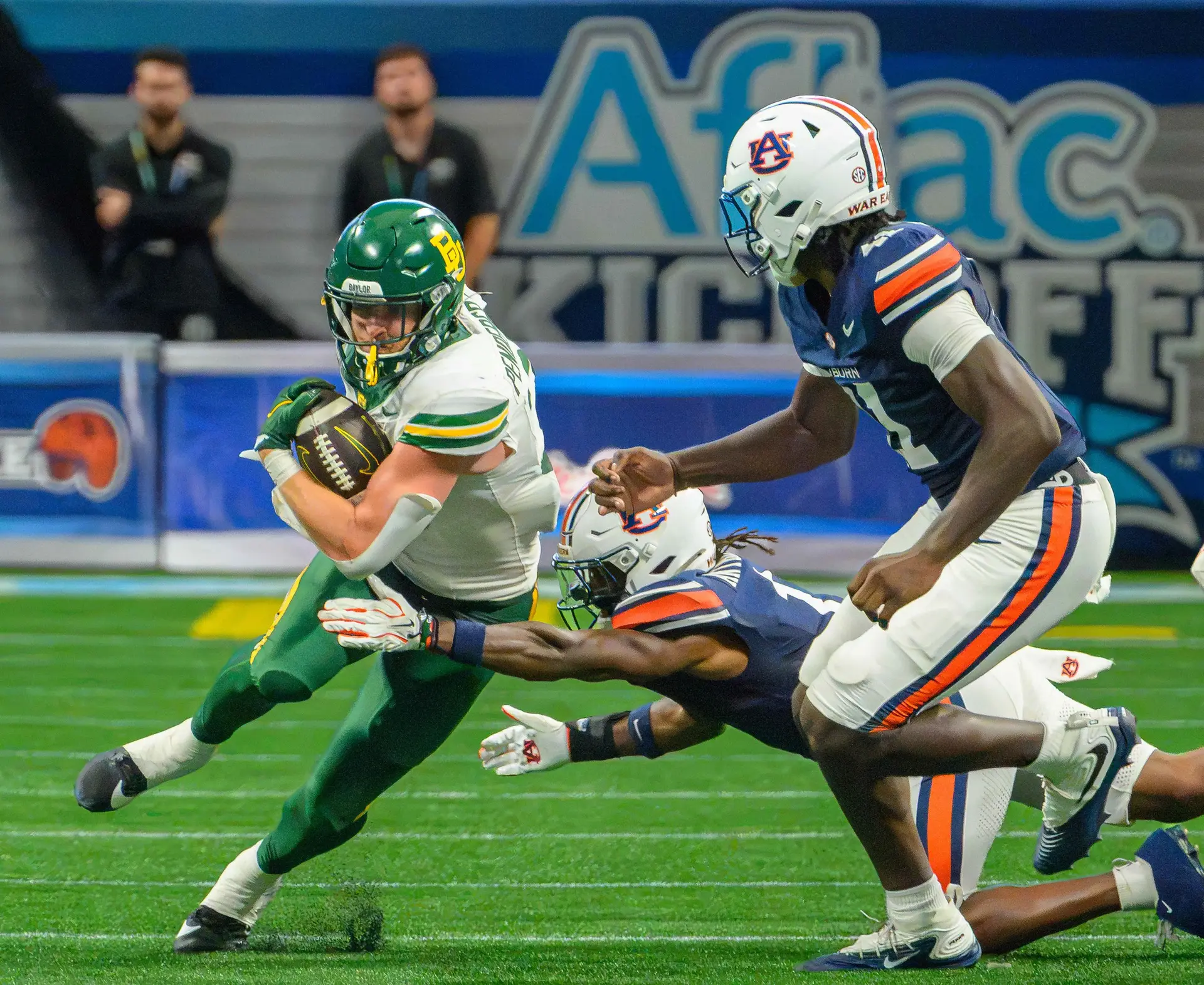
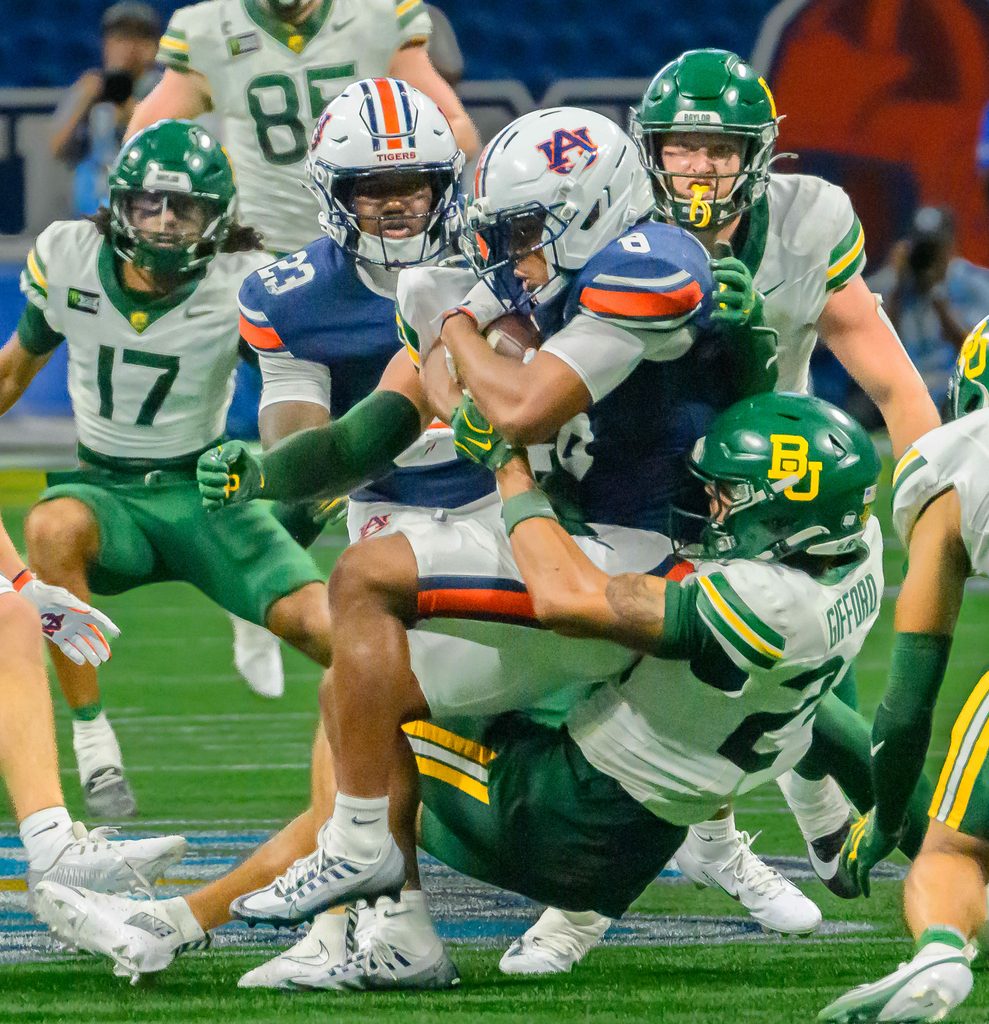
Baylor Bears running back DAWSON PENDERGRASS (35) runs with the football against the Auburn Tigers during the Aflac Kickoff Game, at Mercedes-Benz Stadium in Atlanta, Saturday, Sept. 5, 2026.
Every photograph is a negotiation between what you control and what you don’t. After 40-plus years behind a camera, I’ve come to think of my work as falling into two very different categories, and understanding which one I’m in changes everything about how I shoot.
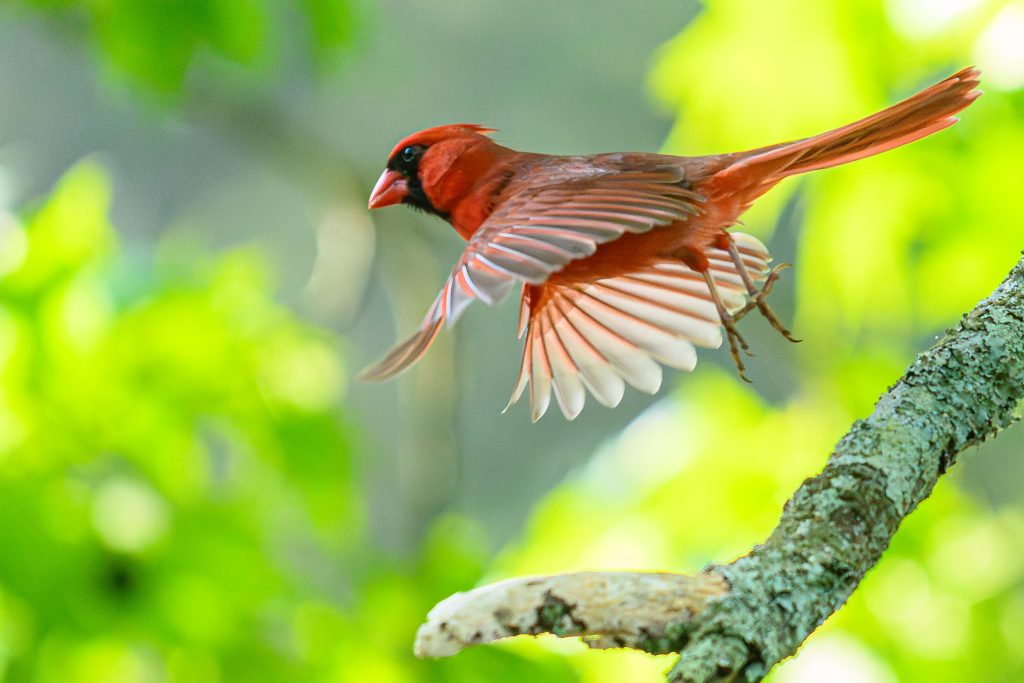
In the studio, I control almost everything: the light, the background, the pose, the moment. In wildlife and sports photography, I control almost nothing about the subject itself. A hawk doesn’t care that I drove two hours to photograph it. A running back doesn’t run his route to give me a clean angle. My skill, my gear, and my preparation only do one thing in these situations — they put me in the best possible position to get the shot if the subject cooperates. They don’t make the subject cooperate.
That distinction is worth sitting with, because it changes how you should measure your own success as a photographer.
When You Don’t Control the Subject: Wildlife and Sports
With wildlife and sports, you’re playing a percentage game. You can’t force the moment, but you can dramatically improve your odds of being ready when it happens. Here’s how the best photographers in both fields stack the deck in their favor:
- Know your subject cold. Wildlife photographers study migration patterns, feeding times, and habitat before they ever raise a camera. Sports photographers study the sport itself — the tendencies of specific players, the rhythm of a game, the situations that tend to produce a big moment (a breakaway, a free throw, a photo finish). You can’t predict the instant, but you can predict the type of moment that’s coming.
- Position yourself for the moment before it happens. In sports, that might mean shooting from the baseline in basketball or the corner of the end zone in football, where the highest-value action is likely to unfold. In wildlife, it means getting low, getting close to a known trail or nest, and thinking about where the light will be when the animal shows up — not just where the animal is now.
- Anticipate, don’t react. By the time you consciously see the peak of the action, it’s already gone. Professionals train themselves to recognize the moment before the moment — the wind-up before the swing, the crouch before the leap — so their finger is already moving on the shutter when the real instant arrives.
- Master your gear until it’s invisible. Changing settings, hunting for a focus point, or fumbling a lens swap costs you the shot. The technical side — shutter speed to freeze or intentionally blur motion, autofocus tracking, ISO for available light — has to be so automatic that it never competes for your attention with the subject.
- Shoot in volume, then edit ruthlessly. A high hit rate on any single frame is unrealistic when the subject is uncooperative by nature. Professionals accept a low percentage of keepers per roll or per card and build a system — high burst rates, a fast card, a workflow for culling — that turns a large volume of attempts into a handful of genuinely great images.
- Show up early and stay late. So much of wildlife and sideline sports photography is simply being present for more of the window when something might happen. Early light, late light, the extra twenty minutes after most people have packed up — that’s often when the actual moment occurs.
- Put yourself in position, then let go of the outcome. This is the hardest one. You do everything above, and the subject still might not perform. The photographers who last in these genres make peace with that and keep showing up anyway, because the odds — not any single day — are what eventually deliver the image.
None of this guarantees the shot. It just means that when the moment happens, you’re the photographer standing in the right spot, with the right settings, already anticipating it — instead of the one still reaching for a camera bag.
When You Do Control the Subject: The Studio
Studio work is a different game entirely, and it’s worth naming why. When I set up lighting for a portrait or a product, I control the background, the direction and quality of light, the pose, the timing, and often the subject’s own cooperation, because I can ask for what I need. If the light isn’t right, I move a strobe. If the expression isn’t right, I ask again.
That control is exactly why the hit rate is so much higher. A well-run studio session doesn’t depend on luck or the whims of an animal or an opposing team’s offense. It depends on planning and technique executed in a controlled environment — and when you control the variables, you can iterate your way to a great frame almost every time. This is why studio and controlled-environment work will always produce a higher percentage of “great” images per session than wildlife or sideline sports ever will. It’s not that the photographer is more skilled; it’s that the odds are structured completely differently from the start.
The Real Differentiator: Just Be Different
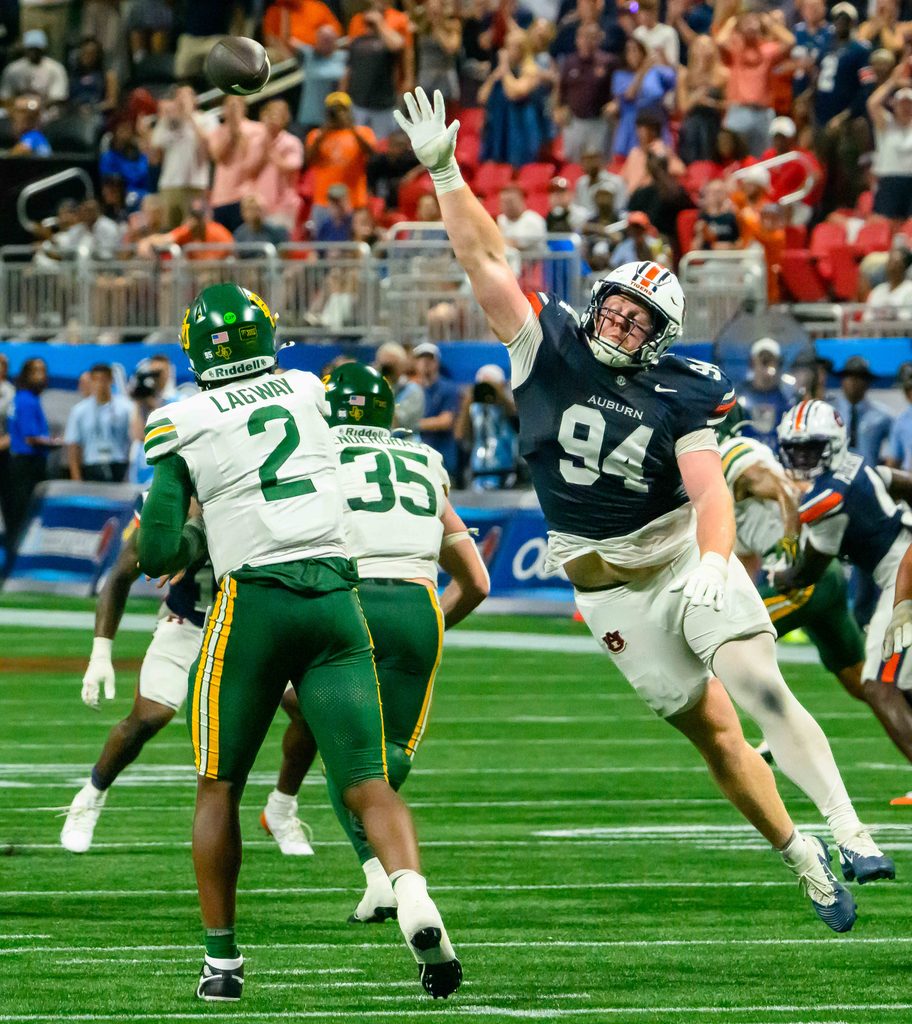
Here’s something worth remembering, especially in sports photography: if you’re standing on the same sideline as fifteen other photographers, all with similar gear, all shooting the same play from roughly the same angle, you are all going to come home with roughly the same photograph—the quarterback releasing the ball. The runner crossing the goal line. Technically excellent, well-exposed, in focus — and indistinguishable from the photographer standing ten feet away from you.
That’s the moment where “different” becomes more valuable than “technically perfect.” If most of the pack is getting the same shot, you don’t need a dramatically better photograph to stand out — you need a different one. A wider angle that shows the crowd’s reaction. A tighter shot on a face instead of the ball. A frame taken a half-second before or after everyone else pressed the shutter. Shooting low instead of at eye level. Including the sky, or the shadow, or the bench, when everyone else is filling the frame with the play itself.
Being different doesn’t require better equipment or even a better vantage point. It requires the discipline to ask, in the moment, “what is everyone else here about to capture, and what can I do instead?” That single question, asked consistently, is often the difference between a photograph that looks like a hundred others from the same game and one that gets remembered.
Control what you can. Improve your odds where you can’t. And when everyone around you is getting the same shot, have the nerve to get a different one.