|
Getting your Trinity Audio player ready...
|
You built something people need. Maybe it’s a product that solves a real problem—but there’s a catch: people won’t buy it or use it well until they actually see how it works. You know a video would help. You’ve known it for months. And yet it’s still sitting on your to-do list, right below “figure out taxes” and right above “someday.”
You’re not lazy, and you’re not alone. What’s actually stopping you isn’t a lack of ideas — it’s an invisible stack of skills that nobody tells you about until you try to do it yourself.
It’s Not Laziness — It’s an Invisible Skill Stack
Making a single, simple “here’s how to use this” video looks easy from the outside. Someone points a phone at a product, talks for two minutes, and it’s online. But do that yourself and you quickly discover it’s not one skill — it’s eight:
- Planning what to shoot. What does the viewer actually need to see to understand your product? This is harder than it sounds — it’s easy to show what you find interesting and skip what a first-time user is actually confused about.
- Lighting. The difference between a video that looks trustworthy and one that looks like a scam is often just light.
- Camera work. Framing, focus, and steady footage — small technical misses that make a video hard to watch without viewers quite knowing why.
- Audio. Often the most overlooked skill, and the one that does the most damage. Viewers will forgive so-so video far more than they’ll forgive audio they can’t understand.
- Editing. Trimming dead space, pacing the story, adding captions so it works with the sound off — a different discipline entirely from shooting.
- Publishing decisions. YouTube or Vimeo? Public, unlisted, or private? Each choice affects who can find it, how it looks embedded, and whether it helps or hurts your search visibility.
- Embedding it correctly on your website or landing page so it actually loads fast and looks intentional, not like an afterthought.
- Distribution. Knowing where your actual customers are — social media, email, your product page — and getting it in front of them, which is a completely separate skill from making the video in the first place.
Any one of these is learnable. All eight, on top of running your business, is what turns “I should really make that video” into a project that never leaves the to-do list.
The Cost of the DIY-or-Nothing Trap
When entrepreneurs try to handle all of this themselves, one of two things usually happens: the video never gets made, or it gets made — but poorly. And a poorly made video doesn’t just fail to help. A dark, shaky, hard-to-hear video can actively undermine trust in a product, doing more damage than having no video at all. Customers read production quality as a signal about the product itself, whether that’s fair or not.
This Is the Infomercial Problem, Just Smaller-Scale
This isn’t a new problem — it’s an old one wearing a new outfit. Long before YouTube, companies that wanted to teach customers how to use a product turned to infomercials and shopping channels like QVC and HSN, because a live demonstration overcame the biggest objection any new product faces: “will I actually be able to figure this out?” But producing an infomercial was expensive—studio time, crews, and airtime were all costly — so only companies with real marketing budgets could afford to teach customers this way.
YouTube tore down the cost barrier. Anyone can upload for free. But it didn’t tear down the skill barrier — it just relocated it. Instead of needing money to hire a production company, today’s entrepreneur needs either the time to learn four or five different disciplines from scratch, or the resources to bring in someone who already has.
What Working With Someone Who’s Already Fluent Looks Like
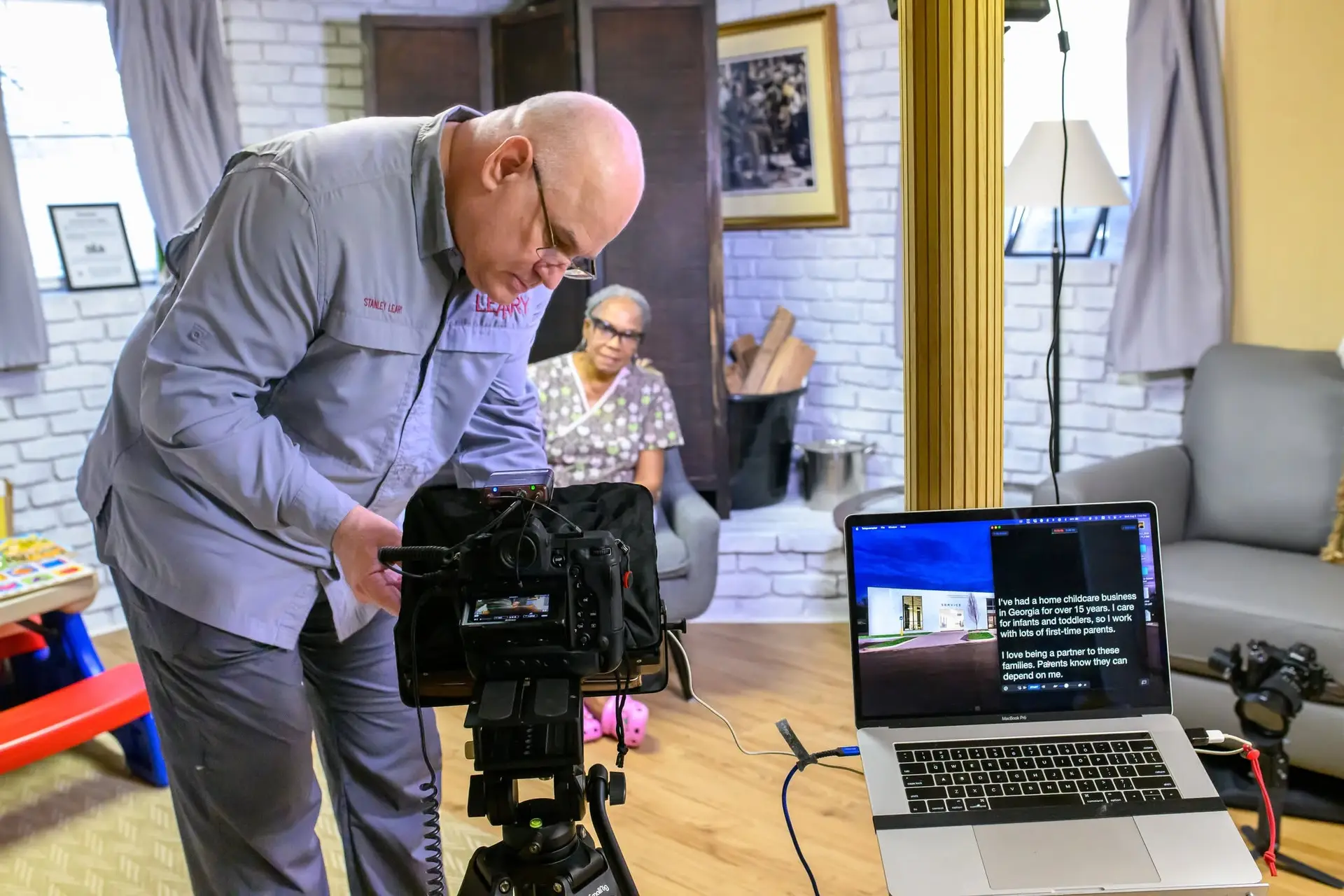
This is exactly where I come in for a lot of my clients. I’ve been doing this for my own brand for years — I already know the lighting setups, the editing rhythm that keeps people watching, and the platform decisions that make sense for a given product and audience. When a client brings me their product, I’m not just showing up with a camera. I’m removing eight separate decisions they didn’t want to make and don’t have time to learn.
That’s really what you’re hiring when you bring in someone to help with this kind of content: not “a video,” but removing a whole skill stack standing between your product and the people who need to understand it.
Let’s Figure Out What Your Customers Need to See
If you’ve got a product people don’t yet know how to use well, let’s talk about what your customers actually need to see to buy with confidence — and how to get that in front of them the right way.