|
Getting your Trinity Audio player ready...
|
Today is World Photography Day — the 35th anniversary of a celebration that started in 1991 with a few hundred photographers sharing images online. This year’s theme is simple: Home. Everyone will post a pretty picture of a house or a hometown skyline. I want to make the case for something harder — and more honest.
Home isn’t a location. It’s a relationship. And if you only photograph the place, you’ll miss the story.
What I Learned From Don Rutledge
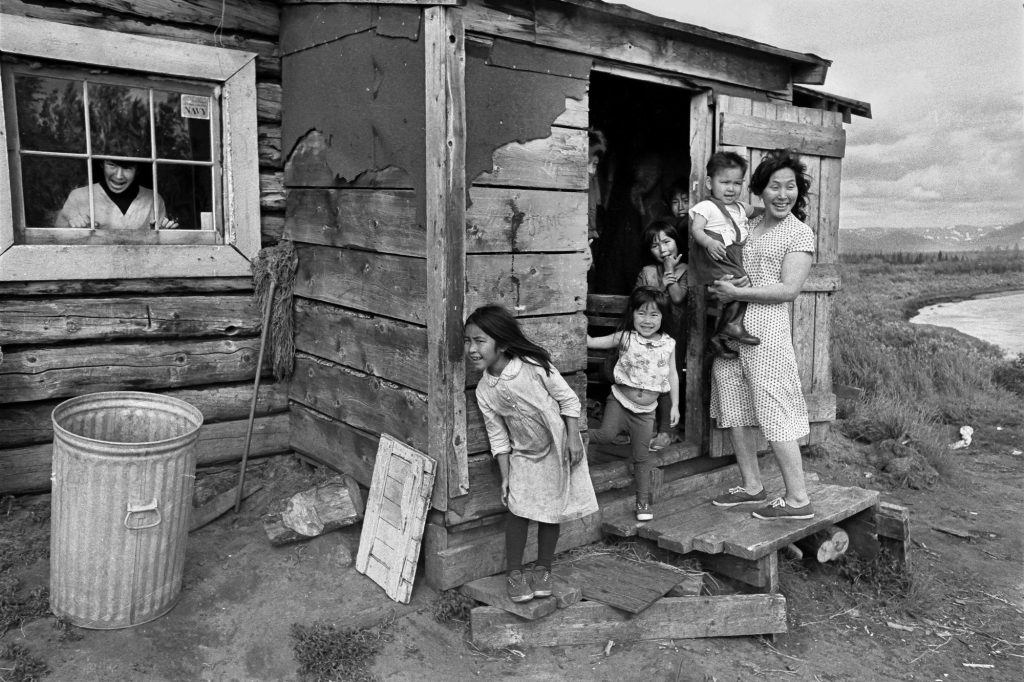
Early in my career, I had the good fortune to work under Don Rutledge — the photographer behind the landmark 1959 book Black Like Me. Don had a rule that reshaped how I see: don’t point your camera at a place. Point it at the relationship between a person and their environment. The room, the porch, the kitchen table — none of it matters until you can see how someone belongs to it, or is shaped by it, or is fighting to hold onto it. That’s the difference between a snapshot of a house and a photograph of a home. One documents an address. The other documents a bond.
Home Shows Up in Unexpected Places
You don’t have to be shooting a family in their living room to photograph “home.” Some of the most honest home photographs I’ve made happened on assignment — in an office, a workshop, a hospital hallway. Wherever someone has claimed a space as their own, decorated it, worn a path into it, made it theirs — that’s home, even if it’s a corner of a corporate office or a caregiver’s chair beside a hospital bed.
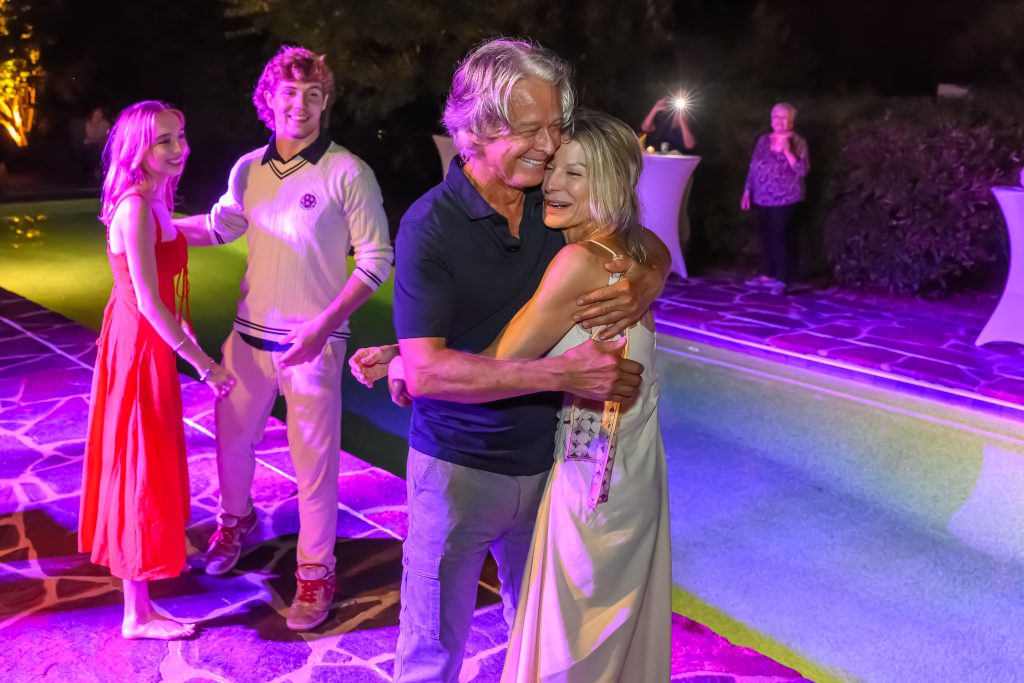
This is also the thread running through See Me, Hear Me: How We Live, the long-form project I’ve been building on caregiving and belonging across the American South. Caregiving relationships redraw what “home” means — sometimes a home becomes a clinic, sometimes a hospital room becomes the only home two people have left together. Photographing that honestly means slowing down enough to see the relationship, not just stage the room. [INSERT PHOTO 2 — a quieter, more intimate frame showing a caregiving relationship or a moment of belonging] Caption idea: Let the photo carry the emotional weight; keep the caption factual and short.
A Practical Exercise for Today
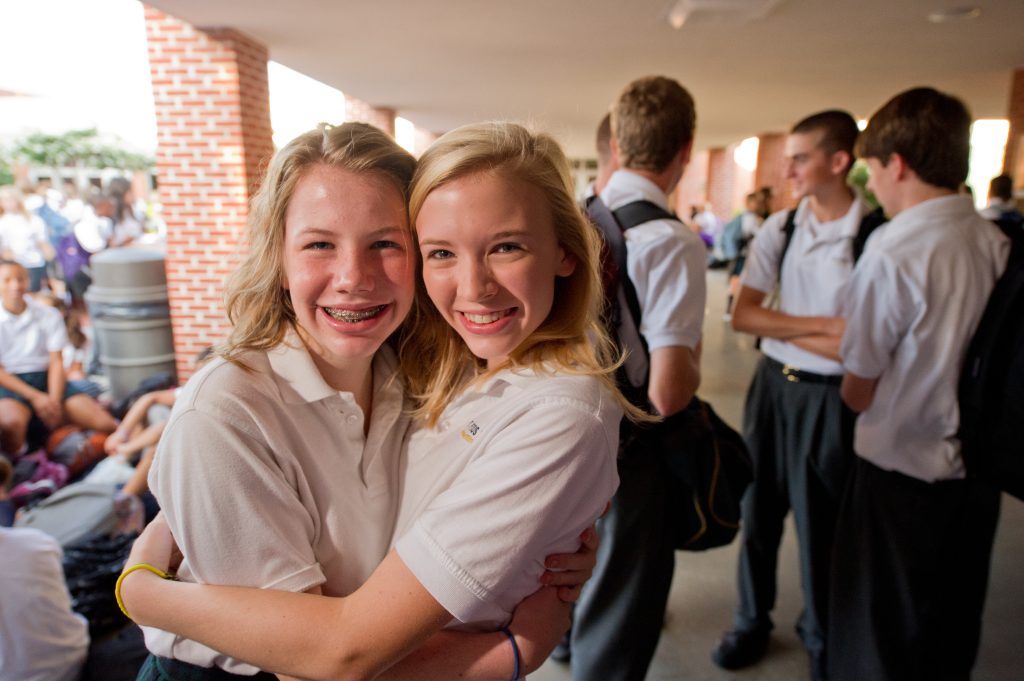
Before you make your “home” photograph for World Photography Day, pause and ask yourself one question: What relationship am I actually photographing?
- Is it a person and a place they built with their own hands?
- Is it two people who’ve made a room theirs together?
- Is it someone photographed in a space that’s about to change — a last visit, a move, a goodbye?
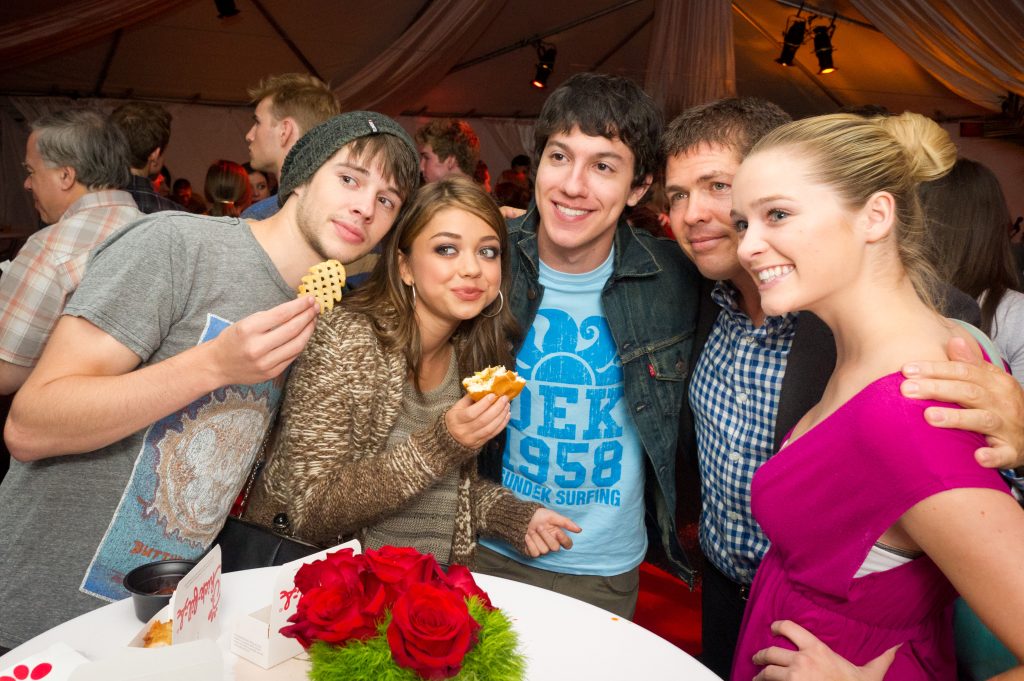
Once you know the relationship, the composition tends to solve itself. You’ll find yourself including the worn spot on the armrest, the photo taped to the mirror, the hands resting on a familiar surface — the details that prove a place has been lived in, not just occupied. [INSERT PHOTO 3 — a detail shot: hands, a worn object, a small domestic detail that signals lived-in belonging]
Share Yours
If you make a “home” photograph today, I’d love to see it — and I’d love to hear the one sentence behind it. Not the technical details. The relationship. Tag your photo #WorldPhotographyDay and send me a link, or drop it in the comments below. Forty-plus years into this work, the photographs that still stop me aren’t the technically perfect ones. They’re the ones where I can feel exactly what someone meant when they said, “This is home.”