|
Getting your Trinity Audio player ready...
|
In the fast-paced world of photography, the need for speed and accuracy often collides with the pursuit of consistent and controlled results. Enter the realm of studio flashes equipped with TTL (Through-The-Lens) capabilities, exemplified by the Flashpoint XPlor 600 HSS TTL. These flashes offer a swift solution when time is scarce, instantly delivering acceptable images using TTL technology. However, seasoned photographers often opt for manual mode for its reliability and consistency.
The Power of TTL: Swift Solutions with a Caveat
TTL is extremely helpful or advantageous when you need to work quickly and don’t have time to adjust your flash settings manually.. Its ability to gauge and set flash output based on the scene’s lighting conditions can be a lifesaver. Yet, its Achilles’ heel lies in its tendency to overexpose or underexpose photos, particularly when faced with extreme lighting situations.
Imagine a subject against a starkly dark or dazzlingly bright background. In such scenarios, TTL might misinterpret the scene, resulting in an erroneously exposed image. The automated system might struggle to discern the subject’s true tonal range amidst such stark contrasts, leading to suboptimal exposures.
Moreover, the TTL process isn’t a one-and-done affair. It necessitates two flashes: the first to evaluate and adjust settings, and the second to capture the image. This dual flash cycle drains the flash’s battery faster and slows the recycling time, potentially causing delays when speed is crucial.
Inside the TTL Sensor: Deciphering Scene Variations in Flash Power Output
Within the TTL sensor’s lens, despite a consistent distance to your subject, the scenes analyzed lead to dynamic changes in flash power output. Sometimes, the flash illuminates with more intensity; other times, the flash holds back, all while the distance remains unchanged. Explore how the TTL interpretations influence your shot’s exposure in surprising ways.
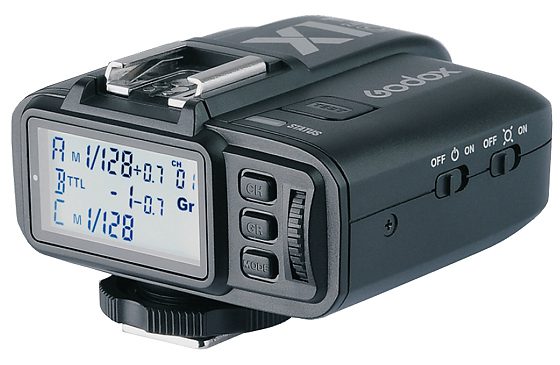
Group A is manually set at 1/128 power plus 0.7.
Group B is set to TTL mode with an exposure value (EV) of -1 and -0.7.
Group C is manually set at 1/128 power.
Embracing Manual Mode: Consistency Amidst Control
Manual mode emerges as the trusted ally for photographers seeking consistent and precise results. Photographers manually set the flash power and other parameters to control the lighting, ensuring each shot adheres to its envisioned aesthetic.
When using manual mode, the initial setup might require more time than TTL. However, this investment pays dividends in reliability and consistency. By bypassing TTL’s automated guesswork, photographers sidestep the risks of overexposure or underexposure, especially in challenging lighting conditions.
The Middle Ground: Leveraging RAW and TTL in Tandem
TTL undoubtedly shines in moments of haste or when circumstances limit the luxury of time. Its quick adaptability can salvage shots that might otherwise be lost. Shooting in RAW becomes imperative to make the most of this swift solution without compromising quality. RAW files contain more data, offering greater latitude in post-processing to rectify any exposure discrepancies incurred during TTL usage.
Finding Balance: The Photographer’s Arsenal
In the arsenal of a proficient photographer, TTL and manual mode have distinct roles. TTL saves the day when speed is of the essence, while manual mode ensures unwavering consistency and control.
Ultimately, the choice between TTL and manual mode often hinges on the balance between practicality and precision. TTL is a reliable ally for fleeting moments demanding rapid responses. Yet manual mode remains the steadfast preference for instances where meticulous control reigns supreme.
In the quest for that perfect shot, photographers navigate the dual realms of swift solutions and steadfast control, leveraging each as the situation demands and crafting visual narratives that transcend time constraints.