|
Getting your Trinity Audio player ready...
|
All my trips overseas have been for humanitarian work. Humanitarian work is concerned with or seeks to promote human welfare.
During this past trip to Nicaragua, there were many opportunities to take care of primary healthcare needs. Now, the tricky thing sometimes for a humanitarian photographer is to capture and compel the audience to act.
In the homes, they didn’t have a medicine cabinet with their essential bottles of Tylenol, Ibuprofen, Aspirin, cough medicine, and Band-Aids. If they needed an aspirin, they would go to the city and buy not a bottle but just a few pills. That is all they could afford. I needed to capture the medically trained indigenous volunteers checking blood pressure or giving an IV because handing a person a small ziplock bag of ibuprofen doesn’t read quickly to the audience as medical care.

The gravity of this moment with medical missionary nurse practitioner Traci Warner isn’t as apparent to the audience visually as I would have wished. Dominga is the lady in the middle with the IV above her head. Her sister is to the left and had just paused a moment from waving the fan to keep her sister comfortable.
Dominga is dying from cancer. After we visited, Dominga would die later that night.

Missionary nurse practitioner Warner has much more to offer than her medical skills. During this part of life that we all will go through, Warner took the time to read Psalm 23.
Verse 4 speaks to me:
4 Yea, though I walk through the valley of the shadow of death, I will fear no evil: for thou art with me; thy rod and thy staff they comfort me.
This photo captures some of the reasons why I like working with missionaries. They care for the whole person and not just their physical needs, but they are also spiritual.

If you are taking photos of humanitarian work, you must keep shooting. Sometimes, taking pictures and thinking that something better will come is a mistake. Instead, you shoot everything you can and pick the moments that best capture the work and the story’s soul.
Here, Warner is checking a lady’s skin condition with the Nicaraguan medical volunteer, who is learning about the fungal condition.
Words are paramount to understanding each of these photos. So take notes and describe what is happening in an image and why they are doing something.

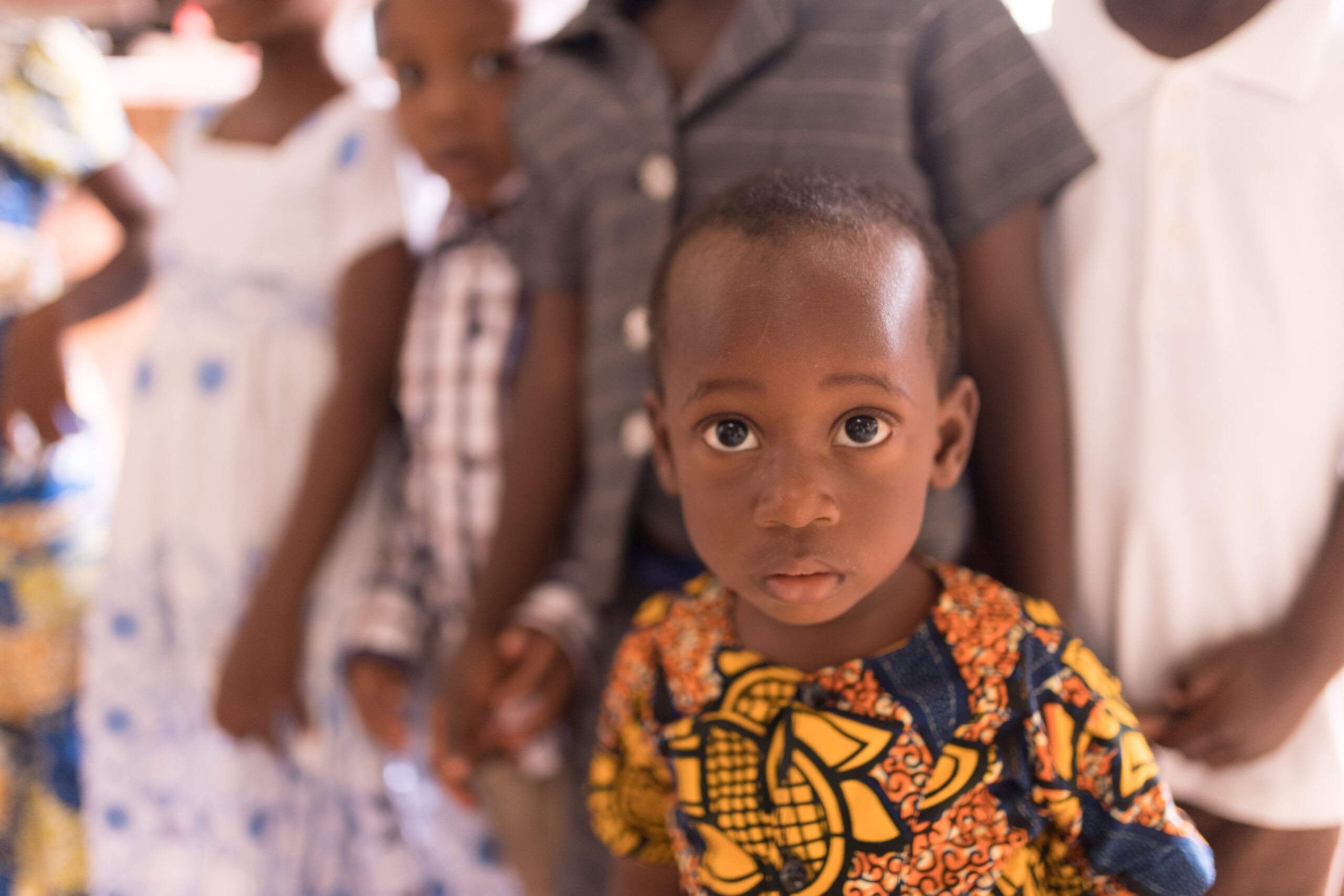
I like this photo of the young girl here. Now, without text, it is still a very compelling photograph. However, in the context of the images above, the picture can have even more meaning, but the words are required to help the audience feel more impact than the visual can.
The young lady leaning on the post is the granddaughter of the lady in the first photo. Having her blood pressure taken, the lady had high blood pressure, which they monitored. However, the medical team did not just give her some medicine to help lower their blood pressure; they helped her by educating her on her diet. So today, she no longer needs the blood pressure medicine but needs to monitor it.
By saving the grandmother, we saved the granddaughter’s caretaker. Now, she has someone to watch and take care of her while her parents are both out working to make ends meet for the family.
Many young girls like her are raped and abused due to a lack of adult supervision. Who would think that humanitarian aid through medical training and blood pressure pills would help save this young girl’s life?
Telling people’s stories is why I love traveling and helping improve people’s lives. How do I make things better when I am not a nurse practitioner? I help tell these stories and get people like you to give and go to make a difference.

The workshop is not a classroom class only. Instead, it allows you to produce a complete project that will do what you would if you captured the story on your own. The difference is that you have teachers/coaches to help you navigate all the hurdles of storytelling.