Stop Hiding Behind Style: How Gimmicks Can Hold You Back as a Visual Storyteller

Reading Time: 3 minutes

As storytellers and photojournalists, it’s easy to fall in love with a “look.” We all have go-to techniques—such as shallow depth of field, dramatic off-camera lighting, or a high-contrast edit—that feel safe and impressive. But if we’re not careful, what started as a creative tool can quickly become a crutch.

I’ve seen it repeatedly—photographers leaning too hard into a style and losing their ability to communicate the depth and complexity of real stories. Think of the impact of Steve McCurry’s iconic Afghan Girl portrait. That one photo inspired generations, but too many have spent their careers chasing a look instead of listening for truth.

Or the obsession with razor-thin depth of field. Yes, it’s beautiful. Yes, it can draw your eye. But it can also rob your viewer of context—where the subject is, what’s happening around them, and why it matters.

The same applies to the popular one-light, off-camera flash portrait taken outdoors. The technique can be powerful. But if every photo in your portfolio feels like a fashion shoot, even when documenting people in crisis or poverty, you’re probably missing the point of visual storytelling.

Let’s be clear: technique isn’t bad. Style isn’t bad. But when your style becomes more important than the story, you’re no longer a communicator but a performer.

Are You Stuck? Here’s How to Tell:

Ask yourself these questions:

  1. Are most of your photos shot the same way? (Same lens, same lighting, same framing?)
  2. Do you default to a specific technique even when it may not serve the story?
  3. Are you making your subject fit your style, rather than letting their environment shape your approach?
  4. Do your photos raise more questions than answers—not because they’re mysterious, but because they’re missing context?
  5. Have mentors or peers challenged your choices, and have you been quick to defend your style instead of listening?
  6. When was the last time you tried something uncomfortable or unfamiliar?
  7. Are you more concerned with what looks cool than what communicates well?

You might be stuck in a style loop if you said “yes” to more than a couple of these.

How to Grow as a Visual Communicator:

Here are some ways to stretch yourself and become a more effective storyteller:

  1. Shoot with intent, not instinct. Start by asking What do I want the viewer to feel or understand from this image? Let that guide your creative decisions.
  2. Use a wider lens for context. Challenge yourself to shoot more with a 24mm or 35mm lens and include more of the environment. Show the whole story, not just the character.
  3. Limit your gear. Force yourself out of your routine. Use only one prime lens for a wee,k, or shoot entirely without flash.
  4. Study classic documentary work. Look at how great storytellers like Don Rutledge, Dorothea Lange, or Gordon Parks communicated using space, layers, and emotion, not gimmicks.
  5. Tell full stories, not just moments. Work in sequences or photo essays that show setting, conflict, resolution, and character.
  6. Get feedback. Find trusted peers or mentors who care more about the message than metrics, and listen to their critique.
  7. Learn to let go. Some photos may be “wow” shots, but don’t serve the story. Have the courage to leave them out when they don’t belong.
  8. Mix things up. If you’re a natural light shooter, learn flash. If you love portraiture, work on your candid moments. Build range.
  9. Write captions. You’ll be surprised how much more clearly you’ll shoot when you think about words and narrative.
  10. Let the story lead. Ultimately, your subject’s truth should shape your choices, not your signature look.

Final Thoughts

As the storyteller behind Stanley Leary: Crafting Stories that Change Lives, my greatest joy is helping others communicate clearly and with integrity. Style has its place, but when we value aesthetics over authenticity, we miss the opportunity to make a real impact.

Don’t just chase a look. Chase understanding. Chase meaning. Chase truth.

And let your photos speak for the people, not for your portfolio.

Tagged :

The One Question That Can Transform Your Storytelling (and Fundraising)

Reading Time: 2 minutes

Most ministries and nonprofits believe they’re telling powerful stories. They have the passion, the photos, and maybe even a video. But here’s the truth: something’s missing if your audience can’t tell someone else what you’re about after engaging with your story.

And usually, it comes down to one thing: you skipped over your purpose.

The Real Problem Isn’t Just the Story—It’s the Strategy

Many folks jump into storytelling because they feel pressure to share what’s happening on the field. So they grab a camera, get some footage, and try to piece something together. But without a clear destination, your story can feel like a road trip with no map.

That’s where one question can make all the difference:

“What do you want someone to do after they engage with this story?”

Simple? Yes.
Easy to answer? Surprisingly, not always.

Why This One Question Matters

This question forces clarity.

  • Do you want people to pray for your work?
  • Do you want them to give?
  • Do you want them to go, to become involved, or even serve themselves?

Once you know the action you’re inviting someone into, everything else falls into place:

  • The interview questions you ask.
  • The visuals you capture.
  • The tone you set in the edit.
  • Even the platform you share it on.

A Quick Story from the Field

Not long ago, during one of my storytelling workshops, a participant came in with a story idea about a local ministry doing great work. They had footage, testimonials, and heart, but the video felt scattered.

So I asked, “What do you want someone to do after watching this?”

There was a pause.

Then they said, “I guess I just want people to know we exist.”

That’s not a bad goal, but it’s not powerful either. Once we reframed the goal to “We want people to join our team as monthly supporters,” everything changed. The story tightened. The messaging sharpened. And the final video brought in new donors—people who finally understood how to join the mission.

How You Can Apply This Today

Before your next photo series, newsletter, or video shoot, ask yourself this:

👉 What do I want the viewer/reader/listener to do after this?

Write it down, tape it to your camera, make sure your whole team knows, and let it guide you like a compass.

You’ll be amazed how much more effective (and fruitful) your storytelling becomes when your purpose is clear.


Want Help Clarifying Your Purpose?

I’ve created a free Purpose Clarity Worksheet to help you or your team define the action step behind your next story.
📩 Shoot me an email or message me, and I’ll send it right over.

Let’s make sure your next story doesn’t just move hearts, but moves people to action.

Tagged :

What Most Creatives Need Help With (And How I Can Help You)

Reading Time: 2 minutes

Over the years, I’ve mentored creatives at all stages of their careers—some just starting, others looking to refine their craft and business. I even brought one photographer on for two years in a near full-time role to help them grow and gain experience.

From one-on-one coaching to college classrooms, from international workshops to coffee shop conversations, I’ve had the chance to teach and learn from people across the creative spectrum. While everyone has their own unique journey, a few themes come up repeatedly.

These aren’t the only things creatives need help with, but they surface most often.

If any of these resonate with you, I’d love to help.


1. Storytelling

Everything I do comes back to the story. Whether you’re creating stills or video, the ability to find and tell meaningful stories is what separates you from others in your field.

I help people learn how to discover stories, understand the importance of knowing their audience, connect with their subject, and use their expertise to turn ideas into something clients are excited to pay for. Good storytelling builds trust, and trust builds business.


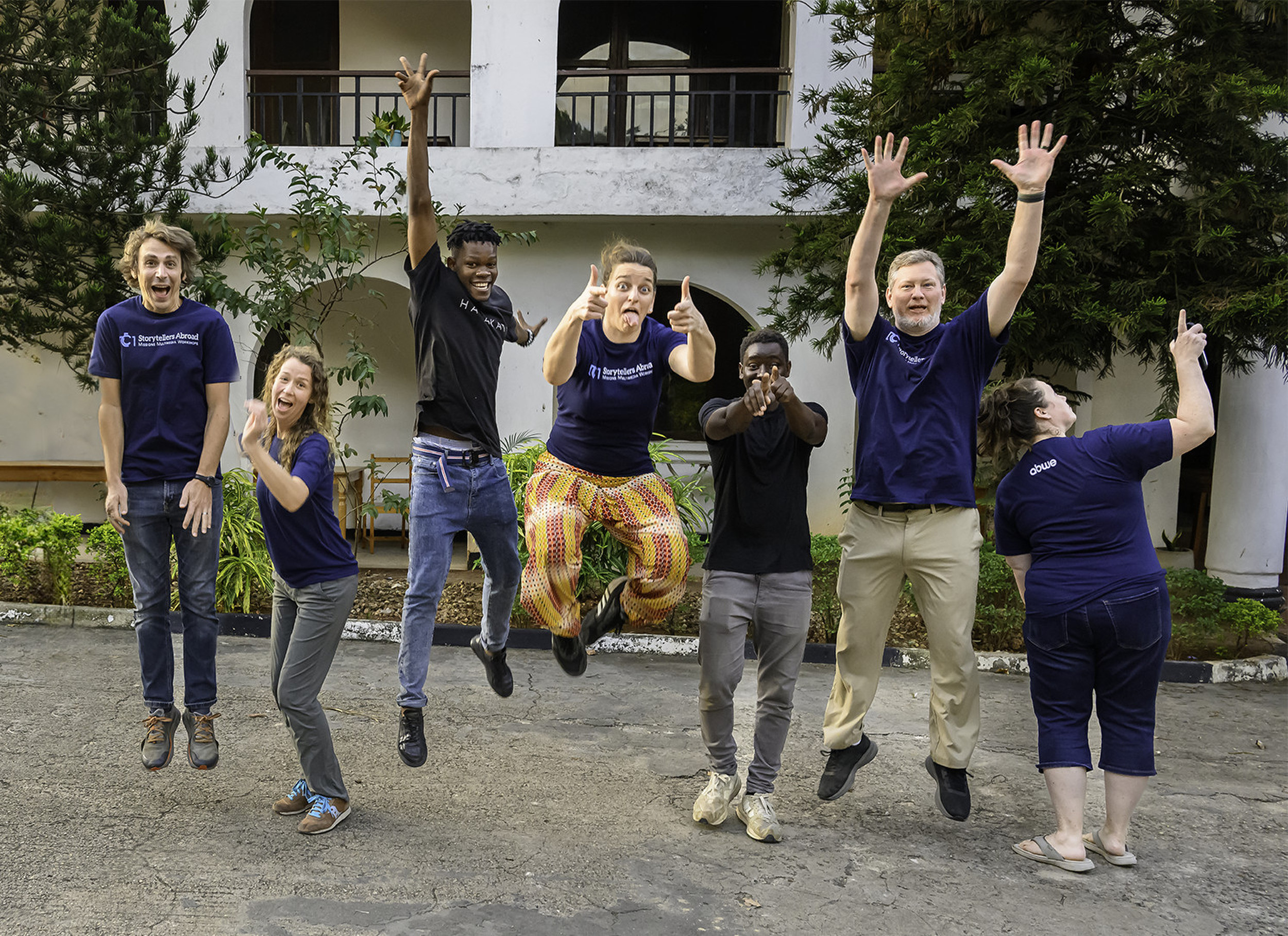
Group Photo [NIKON Z 9, NIKKOR Z 24-120mm f/4 S, Mode = Manual, ISO 1250, 1/400, ƒ/7.1, (35mm = 24)]

2. Lighting

Lighting can be one of the most intimidating parts of photography or video, but it doesn’t have to be.

Whether you’re working with hotshoe flashes, studio strobes, or LED lights, I’ll help you use them confidently. We’ll discuss modifiers, gels, placement, and how to shape light to create mood and impact that supports your story.


3. Business Practices

I’ve seen many talented creatives struggle—not because they lacked skill, but because they didn’t understand the business side.

We’ll talk about your Cost of Doing Business (CODB), how to price your work fairly and profitably, how to use model releases, and how to keep track of money and paperwork in a way that doesn’t overwhelm you. You don’t need to love numbers—you need a system.


4. Marketing

If business practices are the engine, marketing is how you drive.

Having a nice website and hoping people find you is not enough. You need a plan to reach potential clients repeatedly so they remember you when the time is right. I help people build portfolios, structure outreach efforts, and create strategies that fit their goals and lifestyle.


5. Networking

Some of the best opportunities in my career didn’t come from a job board—they came from relationships.

Networking isn’t just about handing out business cards. It’s about professional development, learning from others, and placing yourself in communities where people refer and hire you. It also helps you discover your niche and grow in it.


Let’s Talk

If any of these topics resonate with you—whether you’re just getting started or refining your skills—I’d love to connect.

Send me a message, and we can discuss where you are, where you want to go, and how I can help you get there.

You don’t have to figure it all out on your own.

Tagged :

How to Pitch Story Ideas That Get Noticed

Reading Time: 3 minutes

One of the most valuable advice I give aspiring photojournalists, videographers, and writers is to learn to pitch their ideas well.

It’s not just about having talent—it’s about showing people you can deliver and that you’re the right person to trust with the story.


Relationships Matter More Than You Think

This might be the biggest blind spot for many creatives—thinking that a great pitch or powerful content will speak for itself. The truth is, many projects get greenlit not just because the idea is good but also because of who is behind it.

Editors, funders, and comms directors are far more likely to support pitches from people they know or are highly recommended by someone in their network.

That means you need to do more than email cold pitches. You need to connect with people. Go to workshops, network at events, comment on other people’s work, and reach out with encouragement, not just a request. Build authentic relationships before you need something.

Your idea may be solid, but your reputation and relationships move it forward.


Where to Find Places to Pitch (and Fund) Your Ideas

Now, let’s talk practically: where do you find places that want to hear your idea or fund your story? Here are a few to get you started:

1. Grants & Fellowships

  • National Geographic Society Grants
  • Pulitzer Center Grants
  • CatchLight Fellowship
  • Open Society Foundations
  • International Women’s Media Foundation
  • Rory Peck Trust (for freelancers)

Start by signing up for newsletters from these organizations—they often post open calls or deadlines.

2. Media Outlets & Publishers

Identify outlets that regularly cover the kind of content you’re creating. Look for freelance submission guidelines. Some examples:

  • The Guardian
  • BBC Stories
  • VICE Features
  • Christianity Today (if faith-based)
  • Narratively
  • Hakai Magazine (science and communities)
  • Local papers or regional magazines

3. Nonprofits & NGOs

Nonprofits always need good storytellers, especially if you already have content that aligns with their mission. Use sites like:

  • Charity Navigator
  • Idealist.org
  • Christian Alliance for Orphans
  • Your local community foundation website
    Pro tip: Search nonprofit directories by cause. If you’re passionate about helping people with special needs, look for nonprofits in that space and study their storytelling style.

4. Businesses with a Social Impact Angle

More and more companies are investing in storytelling around their CSR (corporate social responsibility) initiatives. Think beyond NGOs—healthcare providers, tech companies, and educational institutions are telling human-centered stories, too.


Let Passion Guide Your Pitch (Example: Special Needs)

Let’s say you’ve spent time with a family who has a child with special needs, and you’ve captured a few incredible moments on video or in photos. The next step?

  1. Define the Story: What’s the heart of the story? Is it inclusion in schools? Is it a parent’s advocacy journey? Is it about faith and resilience?
  2. Find Aligned Organizations:
    Search for nonprofits, schools, or government agencies working in that exact space. Ask if they’re interested in collaborating or supporting the story’s completion.
  3. Pitch to Outlets that Cover Human Interest Stories:
    Consider local TV stations, niche podcasts, or magazines with family or education audiences.
  4. Use Personal Networks:
    Ask people who work in that space to connect you to others. “Do you know anyone who might want to help share this?”

What If You’re “Late to the Game” on a Topic?

It’s true—some topics are heavily covered: human trafficking, AIDS, immigration, even homelessness. But that doesn’t mean the world doesn’t need more stories. The key is how you frame your approach.

Here’s what to consider:

  • What’s your fresh angle?
    Maybe it’s hyper-local, or it’s a lesser-known aspect, or it’s from a voice we rarely hear (like a survivor’s or child’s perspective).
  • Can you go deeper, not broader?
    Instead of telling a global story about sex trafficking, say the story of one person, one program, or one surprising solution.
  • Check what’s trending.
    Use tools like Google Trends or check what major outlets are covering now. This helps you shape your pitch around current angles.
  • It’s not always about “new.” It’s about “needed.”
    Some issues need ongoing visibility. If you can tell a timeless story with emotional impact and strong visuals, it’s worth pitching—even if others have done it.

Final Thought

Pitching isn’t just about sending ideas into the void. It’s about showing up with clarity, creativity, credibility, and connection. Your job is to make it easy for someone to say yes.

And when you combine passion, preparation, and persistence, you’re not just pitching.
You’re building trust.

Tagged :

Why Experience Matters—and Why You Still Need the New Grads

Reading Time: 3 minutes

One thing I’ve observed over the years—whether I’m consulting for a brand, teaching a workshop, or reviewing someone’s visual storytelling portfolio—is that organizations often miss the mark when building their creative teams.

Too often, I see companies and nonprofits looking to save money by hiring fresh-out-of-college grads for everything—photo, video, design, you name it. And while there’s a place for these enthusiastic up-and-comers, what’s often missing is someone to guide them.

Here’s the problem: if your team is made up entirely of folks just getting started, who’s mentoring them? Who’s helping them grow from technically decent to strategically sharp? If you don’t have experienced veterans on the team, you don’t just save money—you lose momentum.


The Difference Isn’t Just Age—It’s Depth

I’ve written about how a strong photo or video story doesn’t happen because someone owns a good camera or studied the craft in college. (You can read more here: The Difference a Veteran Makes). It occurs because the person behind the lens understands how to shape a message, not just capture a moment.

New graduates often have the tools, theories, and even a good eye, but veterans bring context. We know how to read the room, spot potential problems in the field, and solve them before they affect the story. We know when to lead, step back, and let others shine.


Not All Experience Is Equal

Here’s a harsh truth I’ve seen firsthand: just because someone has been with your organization for years doesn’t mean they’ve grown in the right ways.

If someone came straight out of college and joined your team—and never had a mentor to guide them—they may have developed habits that limit their storytelling. They may know how to “get the job done,” but without being intentionally mentored, they’ve likely plateaued.

That’s not the same as bringing in a professional who’s honed their craft across different contexts, under outstanding leadership, and with high expectations.

How can you mentor someone else well if you were never mentored well?

Mentorship isn’t just about being nice or answering questions. It’s about intentional coaching, thoughtful critique, and exposing people to higher standards of excellence. That kind of growth doesn’t just come with time—it comes with investment.

So if your organization’s “veterans” were never taught how to think critically about their work, lead others, or align visual storytelling with brand strategy… then you might not have mentors. You have people who’ve been around a while.


Why Your Organization Needs Both Veterans and New Grads

Veterans bring wisdom, leadership, and a strategic mindset. They can mentor and train. They raise the bar and help build a lasting creative culture.

New grads bring energy, fresh ideas, and a willingness to try new things. They challenge us veterans to keep growing and stay current.

When you have both, you build something sustainable, create a pipeline of excellence, and develop storytellers, not just technicians.

When you don’t? You risk burning out your young team, making the same mistakes year after year, and never quite reaching your full potential as an organization.


Pay Now or Pay Later

I get it—budgets are tight. But hiring only entry-level creatives because they’re “cheaper” often costs more in the long run. You spend more time fixing mistakes. You don’t get the results you were hoping for. And worst of all, your brand’s message suffers.

If you’re serious about telling your story well, invest in experience, not just equipment. Make space for mentorship. And value the long game.

Because when it comes to storytelling, the veteran’s wisdom and the rookie’s energy are both essential. But one without the other is like trying to fly with one wing.

Tagged :

The Most Overlooked Part of Support-Raising Stories

Reading Time: 2 minutes

Not long ago, I encouraged a friend who’s been serving faithfully for years with a missions organization. She’s done everything from writing and photography to mentoring students and even caring for animals on campus. Every time I’ve gone to teach at this organization, she’s been right there helping make it all run smoothly behind the scenes.

Like many in ministry, she recently put out a call for support. She shared her story and included a few links, but mentioned that people weren’t clicking. Donations had come in—thank God—but engagement was low. And that got me thinking about something I’ve seen often over the years:

Even when people know you, they can forget why you do what you do.

That “why” matters. When we don’t communicate our purpose, we risk people viewing our support requests as personal needs rather than an invitation to join a bigger mission.

In my consulting work, I see this all the time. A passionate nonprofit leader or missionary will share their heart, maybe even their backstory, but skip the vital part: What are you doing now? What is God doing through you today—and why does it matter?

Here’s one simple but powerful tip I always give:


🔥 Storytelling Tip: Always connect your past to your present purpose.
It’s easy to fall into the pattern of telling how God led us to where we are, but then we forget to say what we’re doing now and how that connects to the bigger mission. Your audience may love your story, but if they don’t know what you’re currently working on—or how it impacts others—they won’t feel invited to join the journey. Always link your background to your current purpose.


I believe support raising is more than fundraising—it’s vision casting. It’s not about asking people to help you, but inviting people to allow God to work through you.

If you’re someone in ministry and you’re not seeing the response you hoped for, take a moment to revisit your story. Is your current mission clear? Are you giving people a way to connect their support to transformation?

That one shift in your storytelling can make all the difference.

Tagged :

You’re Telling Stories—Now Let’s Let Them Speak

Reading Time: 2 minutes

It’s been encouraging to see so many of you take what I’ve shared in my newsletters and blog posts and put it into action. You’re telling the stories of the people you’re helping, highlighting the impact your organization is making, and painting a picture of transformation.

That’s storytelling—and you’re stepping into it beautifully.

But here’s the next step.

You still do all the talking, and I see much of what you do. You’re narrating the story, describing the impact, telling us what happened. And while that’s valuable, something critical is missing:

We’re not hearing from the person whose life was changed.

No quotes.
No video clips.
No audio snippets.

Just your summary of their story.

And here’s the thing: when it comes to authentic storytelling, hearing the characters’ actual voices—whether that’s through a written quote, audio, or video—makes all the difference.


Why Their Voice Matters

Real, authentic storytelling happens when we hear people share their own experience in their own words. When someone says, “I didn’t know how I was going to get through that week, but then your team showed up,” it lands in a way no third-person narration ever could.

Quotes bring clarity.
Audio brings tone.
Video brings emotion.

It’s not that you shouldn’t tell the story—it’s that you shouldn’t be the only one telling it.

Letting the person you helped speak for themselves shows authenticity, builds trust, and puts the spotlight where it belongs: on the human being whose life was changed, not just the organization that helped.

And the best part? You don’t need fancy gear to do this.


How to Add Authentic Voice—With Just Your Smartphone

You’ve already got everything you need in your pocket. Here’s how to make it happen:

1. Record a Short Audio or Video Clip
Ask the person to share part of their story using your phone and just 30–60 seconds of their voice talking about what they experienced before, during, or after your help is powerful.

2. Capture Great Quotes
If recording isn’t possible, jot down a few powerful things they say. Use their exact words. Let that quote be the heartbeat of your written story.

3. Ask Open-Ended Questions
Prompt them with questions like:

  • “What was life like before this?”
  • “How did you feel in that moment?”
  • “What changed for you?”

These open doors to honest, emotional responses.

4. Share It Everywhere

  • Add the quote or clip to your blog post.
  • Embed the video or audio in your email newsletter.
  • Post the clip to YouTube (public or unlisted) and include the link.
  • Use it as a reel or short on social media to connect with even more people.

5. Don’t Worry About Perfection
Raw and honest content often connects more than polished productions. People don’t expect a documentary—they want to see and hear someone who sounds real.


It’s Not Either/Or—It’s Both

You should keep telling stories. Context is essential, and your perspective is helpful. But the most potent storytelling happens when your voice sets the stage and the other person’s voice brings it to life.

So next time you’re writing a newsletter or blog post, ask yourself:
“Where’s their voice in this?”

Adding a quote or a short video clip—even one captured on the fly—can transform your message from informative to unforgettable.

Do you need help putting it all together? I help organizations like yours craft authentic stories that move people to action. Let’s talk.

Tagged :

Spring Into Action: Making the Most of Your Downtime as a Visual Storyteller

Reading Time: 2 minutes

As the days get longer and nature begins to bloom, spring offers more than just a backdrop for beautiful photos—it presents the perfect opportunity to refresh your creative vision and business.

This season can bring a lull between major client projects for many of us in photography and storytelling. But that doesn’t mean we sit idle. Using downtime well can be one of the year’s most productive and strategic parts.

1. Spring Clean Your Portfolio

Think of this season as a creative reset. Like cleaning out a closet, go back through your older projects—those buried folders of RAW files or overlooked story packages. You might find hidden gems or moments you once passed over that now speak louder because your style and perspective have evolved.

Ask yourself:

  • Does my portfolio reflect where I am now creatively?
  • Do the types of clients I want to attract see the work that speaks to them?
  • What stories have I told recently that deserve a place front and center?

Take time to update your website, social channels, or sample reels. Sometimes, refreshing how you present your work can open the door to new business opportunities without even picking up the camera.

2. Market With the Season in Mind

While you’re in refresh mode, it’s also a great time to get strategic about your business. Spring is packed with opportunities: graduations, proms, nonprofits planning summer campaigns, and small companies rebranding for Q2—all of which might need strong visuals to tell their stories.

Think about creating spring-themed content bundles or promotional packages. Maybe it’s a mini-session offer or partnering with a local florist, coffee shop, or school to capture lifestyle visuals or events.

And don’t underestimate the power of a thoughtful email newsletter or blog post to remind past clients that you’re not just a visual artist—you’re a creative consultant who can help them communicate their message through visuals that connect.

3. Revisit, Reframe, Relaunch

Sometimes, the work is already done—we must frame it differently. Dig into those past projects that never made it beyond your hard drive. Could one of them become a case study to share with potential clients? Or maybe there’s a before-and-after transformation story you could post to show how visuals improved a brand or campaign.

By reframing past work for today’s audiences, you give new life to old files and position yourself as someone who always thinks ahead, even during quiet seasons.

Final Thought:

Downtime isn’t dead time. It’s your secret weapon—a chance to sharpen your edge, reflect on your growth, and plant seeds for future work. So this spring, treat your business the way you treat your best shoots: with intention, creativity, and a vision for what’s next.

Tagged :

Mistake #2: Thinking One Story Has to Say Everything

Reading Time: 2 minutes

You’ve made the shift. You’re no longer just reporting what you do—you’ve embraced the power of story. But now you’re stuck.

You might ask: If I lead with a story, how will people know about all the amazing work we do? Am I missing something?

That’s a fair question. And it’s one I always hear when organizations begin transitioning from traditional reporting to transformational storytelling. So let’s talk about it.

Why Story First Still Works

Science backs it up: stories work.

Neuroscience research shows that stories activate more brain areas than facts alone. According to one study, stories are 22 times more memorable than straight facts. Storytelling also increases the likelihood of staying engaged because a good story makes them feel something. And if they think something, they stick around.

But here’s the thing: you don’t have to cram everything you do into one story. That’s actually where many organizations go wrong. They try to make one story do too much, and instead of being engaging, it becomes overwhelming or confusing.

Instead of over-communicating, think of storytelling as a conversation starter.


Authentic Storytelling Creates Dialogue, Not a Data Dump

When you tell an authentic story that focuses on the transformation of someone you serve, you open the door for connection. That connection leads to curiosity. And curiosity leads to deeper engagement.

This isn’t about hiding what you do. It’s about building trust through the long game.

You’re not broadcasting a list of services. You’re inviting someone into a journey—one story at a time.

Yes, it may feel like you’re leaving things out. That’s normal.

But the goal isn’t to overwhelm your audience with everything at once. It’s to draw them in, hold their attention, and keep it.

Think of your communication like a TV series, not a documentary. You don’t give it all away in episode one. You let people walk with you, learn over time, and fall in love with the bigger mission.


A Simple Storytelling Campaign Formula

Here’s a simple framework to help you structure a storytelling series that stays engaging and still informs your audience over time:

1. Pick a Theme

Choose one aspect of your mission (e.g., clean water, education, healthcare) and focus your following few stories around that.

2. Tell a Transformation Story

Start with one powerful story from someone impacted by that part of your mission. Use the “Before – Turning Point – Transformation – New Life” framework.

3. Sprinkle in the Details

After you tell the story, use a follow-up post highlighting the programs, partners, or process that made the transformation possible. This is where you can naturally add your reporting, because now your audience cares.

4. Repeat with a New Story

Move on to the next person, the next facet of your work, the next life changed. Continue the rhythm: story first, details after.


Engagement Is the Goal

Remember, the aim isn’t to educate your audience on everything you do in one post. It’s to keep them coming back. You should create content that doesn’t just inform—it invites people into a relationship with your mission.

If they stay engaged, you’ll have plenty of time to tell them everything you do. But first, you have to earn their attention. And the best way to do that?

Tell a good story.

Tagged :

Why Many Missionaries Miss the Mark on Storytelling

Reading Time: 2 minutes

I recently received a social media post from someone sharing a missionary team’s incredible work in a remote community. The post described how these dedicated individuals built prosthetics, ran programs, and provided vital resources. While their work was undoubtedly meaningful, something was missing—the actual story.

Too often, missionaries (and many nonprofits) focus on reporting what they do rather than telling the more profound, transformative stories of the people they serve. The difference? Reporting is about actions, while storytelling is about change.

Who Is the Real Hero?

In the best stories, the protagonist isn’t the helper—it’s the one who transforms. Missionaries, aid workers, and nonprofit leaders play a crucial role but aren’t the story’s heroes. The real heroes are the individuals whose lives are forever changed.

If you want your stories to resonate truly, shift the focus:

  • Before the intervention: Who was struggling? What was their life like?
  • The turning point: What event or moment led them to seek help?
  • The transformation: How has their life changed physically, emotionally, spiritually, or socially?
  • The new reality: What does their life look like now?

The Power of Story Structure

A proven storytelling framework, often called the “Hero’s Journey,” helps craft compelling narratives. Pixar storyteller Matthew Luhn simplifies it into a “Story Spine”:

  1. Once upon a time…
  2. And every day…
  3. Until one day…
  4. Because of that…
  5. Because of that…
  6. Until finally…
  7. And since that day…

This structure moves beyond reporting facts and creates a transformation journey, emotionally engaging the story.

Jesus Called Us to Be Witnesses, Not Reporters

This isn’t just about storytelling techniques—it’s rooted in the essence of Jesus’ command: “Be My witnesses” (Acts 1:8). A witness doesn’t simply describe events; they share how their lives have been changed.

Think of a powerful testimony:

  1. Life before Christ – What was broken? What was missing?
  2. The struggle – What challenges seemed impossible to overcome?
  3. The encounter with Jesus – How did He step in? What changed?
  4. The transformation – How did your life shift because of Him?
  5. Life today – How are you now living in that transformation?

When we merely report on what missionaries do, we overlook the real story—the testimony of lives transformed by God’s power. And it’s our testimony, not just our activities, that spreads the gospel.

Bringing This to Organizations

This shift in perspective isn’t just for individual missionaries; it applies to entire organizations. Before sharing stories, organizations must take a step back and ask more profound questions:

  • What problem are we really solving?
  • Why do we do what we do?
  • How do we ensure our messaging truly connects with people’s hearts?

This is the foundation of the next chapter of my work: helping organizations move beyond surface-level reporting into powerful, transformational storytelling.

If you’re ready to tell stories that truly change lives, let’s talk!

Tagged :

Storytelling Through Events: Capturing Moments with Purpose

Reading Time: 2 minutes

Two Assignments, One Mission

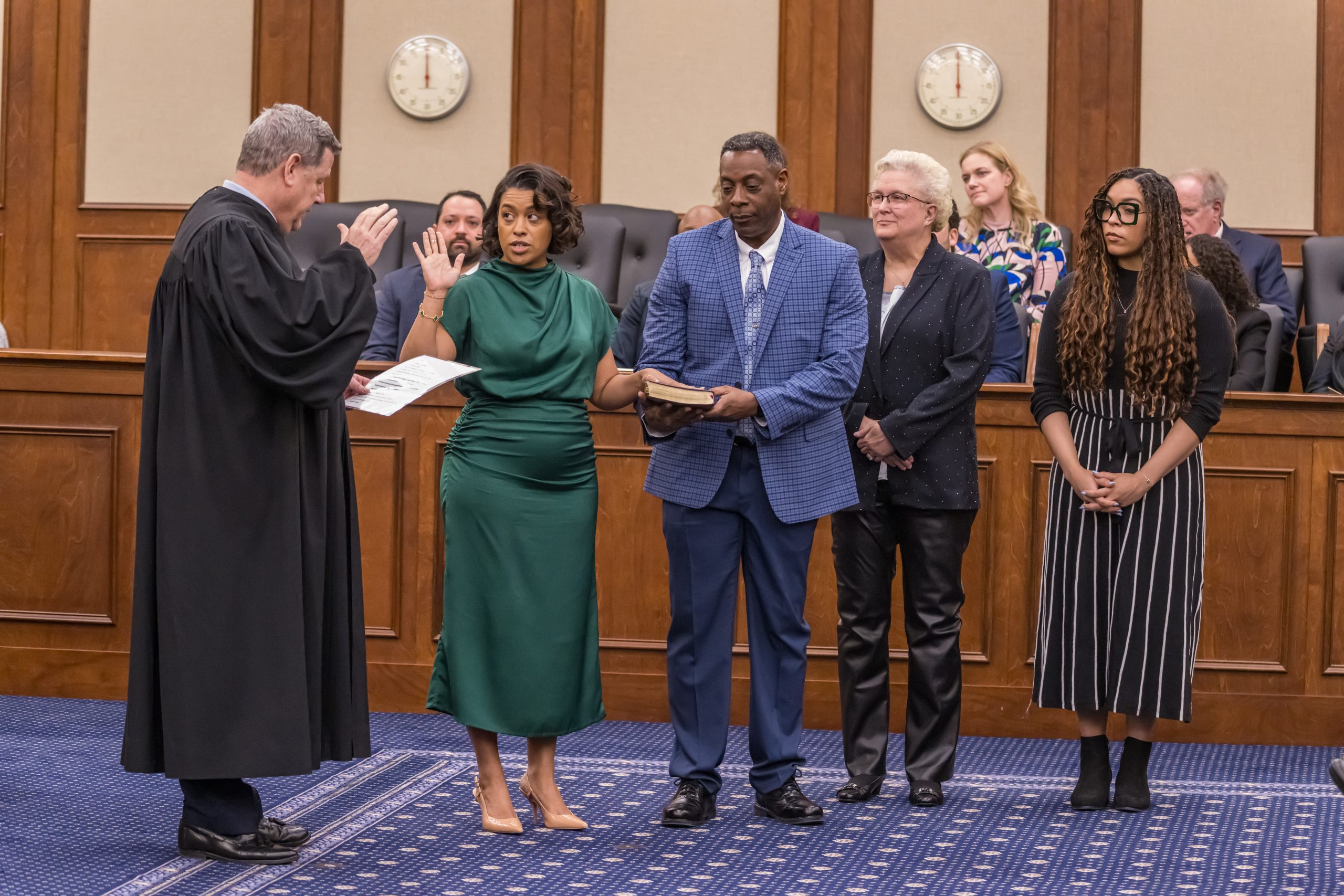
As a visual storyteller, every assignment presents an opportunity to connect people to the stories behind the moments. This past week, I photographed two unique events: the Investiture Ceremony of the Honorable Tiffany R. Johnson for the U.S. District Court and the Roswell Fire Department’s Ole Timer’s Dinner. Each event is rich in tradition and meaning.

Planning for the Story

Before I pick up a camera, I ask myself: What’s the story?

For both events, the answer lay in honoring legacies—whether Judge Johnson’s groundbreaking journey or the decades of service represented by the retired firefighters.

Roswell Fire Department – Ole Timer’s Dinner

Technical Challenges & Solutions

Every assignment comes with its technical considerations.

  • Lighting the Legacy: At the Ole Timer’s Dinner, the traditional group portrait outside in front of the ladder truck required two studio strobes. Photographing a large group at night means balancing ambient light with the strobes to ensure everyone is evenly lit while keeping the background crisp. My Nikon Z9’s GPS sync also helped document the exact location—a slight touch that adds historical value to the image.
  • Candid Moments with Dignity: During the Investiture Ceremony, the challenge was capturing natural expressions without intruding. I stayed aware of the ceremony’s flow, anticipating moments of connection between Judge Johnson and her speakers—Ryan K. Buchanan, Chris Huber, Trish Treadwell, Rebeccah Bower, and Senator Raphael Warnock.

The Art of Anticipation

No matter the subject, the best storytelling photos come from watching—not just through the viewfinder but with your whole self. I look for small interactions: a hand on the shoulder, a shared laugh, or how light falls on a face during a quiet moment.

Takeaway Tips for Photographers

  1. Scout Your Environment Early: Knowing where light sources are and how the space will be used helps you plan your shots without interrupting the event.
  2. Pack for the Unexpected: Studio strobes aren’t always needed, but they can elevate a portrait into something timeless when they are.
  3. Be Present, Not Just Observer. Engage with your subjects when appropriate. This helps put people at ease and often leads to more authentic images.

Conclusion

Whether documenting history in the making or preserving community traditions, every assignment is an opportunity to craft stories that change lives. What made this week so special was not just the moments I captured but also the people whose stories I had the privilege to tell.

Tagged :

Balancing Storytelling and Information in Business and Nonprofit Messaging

Reading Time: 3 minutes

In today’s crowded communication landscape, standing out requires more than just sharing facts and figures. Whether you’re a business or a nonprofit, storytelling is the secret weapon that connects you emotionally with your audience while inspiring action. But how much of your messaging should lean into storytelling, and how much should deliver the critical information your audience needs to make decisions? Let’s explore this balance and outline how to craft a strategy that resonates and drives results.

The Power of Storytelling in Messaging

Stories create emotional connections. They’re how humans have communicated values, lessons, and experiences since the dawn of time. For businesses and nonprofits, storytelling has the potential to:

  • Engage your audience: A compelling narrative captures attention and invites people to invest emotionally in your mission or product.
  • Make your message memorable: People may forget a statistic, but they’ll remember how a story made them feel.
  • Humanize your brand: Sharing real stories about the people you serve or the impact you’ve made makes your organization relatable.

The Role of Information in Messaging

While storytelling connects emotionally, information builds trust. Your audience needs to understand the “what,” “why,” and “how” of your offering:

  • What are you offering?
  • Why does it matter?
  • How can they take action?

The details matter here: statistics, features, benefits, and clear calls to action turn interest into support or sales.

Coffee baristas Solomon David Ndunguru and Greyson Tizo Majiyakunde are part of the Harakati Coffee program, launched in 2017 to equip individuals in Dar es Salaam and across Tanzania with essential skills for a career in coffee. Initially focused on monthly week-long training sessions covering barista skills, job readiness, customer service, and hospitality soft skills, Harakati has since evolved into a social enterprise. Today, it offers top-notch training while creating sustainable, value-added products. Learn more at harakaticoffee.com.

The Ideal Balance: 70% Storytelling, 30% Information

For most businesses and nonprofits, a 70/30 split is an effective way to structure messaging:

  • 70% Storytelling: Lead with stories that evoke emotion and connect your audience to your mission or product. Showcase the human impact, the transformation, or the vision you’re working to achieve.
  • 30% Information: Follow up with the essential facts and figures your audience needs to take action. Be concise and straightforward—this is where you provide the rational foundation that supports the emotional appeal.

Putting It into Practice

Here’s how this could look in action:

  1. Opening Hook (Storytelling): Start with a relatable story or a powerful anecdote. For example, a nonprofit might share the journey of a single individual whose work changed their life. A business might highlight a customer’s success story.
  2. Supporting Information: Once you’ve captured attention, transition into the specifics. What problem are you solving? How does your product or service work? What’s the evidence of your impact?
  3. Call to Action: End with a clear, compelling call to action that ties back to the story. Ask your audience to donate, sign up, purchase, or engage.

Example: Nonprofit

  • Storytelling: “When Maria fled home with her two children, she left everything behind. Thanks to your support, Maria now has a safe place to live and a job that helps her provide for her family.”
  • Information: “Last year, we helped over 1,000 families like Maria’s rebuild their lives through our shelter and employment programs.”
  • Call to Action: “Your gift today can help more families like Maria’s find hope. Donate now and make a difference.”
Ursala Phoenix trains with her coach, Wlaa (pronounced Will-eh) Weeks, at the Wellbridge Athletic Club. Since joining, her stamina has soared, helping her thrive at the CDC and in everyday life!

Example: Business

  • Storytelling: “John struggled with back pain for years until he discovered our ergonomic office chair. Now, he works pain-free and with better focus.”
  • Information: “Our chairs are designed by experts and backed by a 10-year warranty, offering the perfect combination of comfort and durability.”
  • Call to Action: “Transform your workspace today. Shop now and experience the difference.”

Your Next Steps

Think about the stories you have at your disposal. Who have you helped? What transformation have you enabled? Lead with those narratives, then back them up with solid, concise information. By striking the right balance, you’ll capture your audience’s hearts and equip them with the knowledge they need to act.

Would you be ready to tell your story? Reach out to me by clicking on the “Let’s Talk” button above, and let’s craft messaging that connects and converts.

Tagged : /