Do You Need a Second Photographer for Your Event? Here’s What to Consider

Reading Time: 5 minutes

As a professional photographer, one of the common questions I often receive from clients is whether they need a second photographer for their event. Most of the time, I must consider needing a second photographer. It’s a valid question that requires careful consideration to capture every aspect of the event beautifully. Let’s dive into some key points when faced with this decision.

1. Assess the Event Schedule: The first question is whether concurrent activities occur throughout the event. Events like weddings with multiple locations or conferences with simultaneous breakout sessions may benefit from having a second photographer to ensure comprehensive coverage.

ISB & Atlanta Mayor’s EID Reception

2. Consider the Size of the Venue: The size of the venue can also influence the need for a second photographer. Larger venues may require more ground to cover, making it challenging for a single photographer to capture every moment effectively.

The Alif Institute Drummers perform at the ISB & Atlanta Mayor’s EID Reception at City Hall in Atlanta, Georgia.

3. Evaluate the Guest Count: Another factor to consider is the number of guests attending the event. Larger guest counts often mean more candid moments to capture, and having a second photographer can help ensure that no moment is missed.

The cellphones came out to capture the Alif Institute Drummers performing at the ISB & Atlanta Mayor’s EID Reception held at City Hall in Atlanta, Georgia.

4. Determine the Importance of Candid Shots: If candid shots are essential to capturing the essence and atmosphere of the event, having a second photographer can be invaluable. They can focus on candid moments while the primary photographer handles formal shots and staged portraits.

5. Analyze the Event Program: Review the event program to identify critical moments requiring simultaneous coverage. VIP receptions, keynote speeches, and entertainment performances are examples of segments where having a second photographer can be beneficial.

Andre Dickens, Mayor of Atlanta, raising funds for the Mayor’s Youth Scholarship Program during the ISB & Atlanta Mayor’s EID Reception, which was helping raise money for the Mayor’s

6. Discuss Specific Client Expectations: Every client has unique preferences and expectations regarding event photography. Discussing these expectations beforehand can help determine whether a second photographer is necessary to meet those requirements effectively.

7. Factor in Budget Constraints: Budget constraints must be considered while having a second photographer can enhance coverage. Could you discuss the additional cost with the client and weigh it against the potential benefits to determine the best action?

8. Assess Your Availability and Skillset: As the primary photographer, assess your availability and skillset. If you’re interested in capturing all aspects of the event single-handedly without compromising quality, a second photographer may not be necessary.

Soumaya Khalafi, executive director and founder of the Islamic Speakers Bureau, speaks to the audience about how EID is the time for giving. ISB helped organize the event to raise funds for the Mayor’s Youth Scholarship Program at City Hall during the ISB & Atlanta Mayor’s EID Reception.

9. Consider Backup and Contingency Plans: Lastly, consider backup and contingency plans in case of unforeseen circumstances such as equipment failure or emergencies. A second photographer can provide peace of mind, knowing they are in place if needed.

10. Hire the Primary Photographer First: One crucial aspect to consider is the hiring process itself. Clients should prioritize hiring the primary photographer based on their expertise, style, and portfolio. The primary photographer plays a pivotal role in setting the tone and direction for the event photography.

Why the Primary Photographer Should Hire Second Shooters: The primary photographer is intimately familiar with the client’s vision, preferences, and the event’s specific requirements. The primary photographer ensures team cohesion in style, approach, and quality by personally selecting and hiring second shooters.

Maintaining Consistency: When the primary photographer hires second shooters, they can ensure consistency in the final deliverables. They can brief the second shooters on the client’s expectations, preferred shooting techniques, and specific shots to capture, thereby maintaining a cohesive visual narrative throughout the event.

Streamlining Communication: Hiring second shooters directly allows for streamlined communication channels between the primary photographer, second shooters, and the client. Any adjustments, changes, or special requests can be communicated efficiently, minimizing potential miscommunications or misunderstandings.

Paulina Guzman, Interim Director, Mayor’s Office International & Immigrant Affairs, thanks to everyone who helped make this event possible.

Leveraging Expertise and Experience: The primary photographer is in the best position to assess the skill level, experience, and suitability of potential second shooters based on the event’s demands. They can select second shooters with complementary skills and expertise to ensure comprehensive coverage and high-quality results.

Ensuring Accountability and Responsibility: By hiring second shooters, the primary photographer also assumes accountability for the entire photography team’s performance. They can oversee workplace issues promptly and ensure that every team member upholds professional standards and delivers exceptional results.

Maintaining Creative Control: Hiring second shooters allows the primary photographer to maintain creative control over the entire photography process. They can guide the second shooters in capturing the event in alignment with their artistic vision and the client’s expectations, resulting in a cohesive and visually compelling final product.

Reflecting on the recent event I shot at the Islamic Speakers Bureau & Atlanta Mayor’s EID Reception, I found that a second photographer wasn’t necessary. With a VIP reception preceding the main event and no simultaneous activities, I could cover all aspects effectively.

In summary, clients should prioritize hiring the primary photographer based on their expertise and suitability for the event. The primary photographer, in turn, should be responsible for hiring second shooters to maintain consistency, streamline communication, leverage expertise, ensure accountability, and maintain creative control over the photography process. This collaborative approach ensures that every aspect of the event is captured beautifully and exceeds the client’s expectations.


Tagged :

Dancing Through Client Requests: A Photographer’s Journey

Reading Time: 2 minutes

One lesson stands out in the ever-evolving world of photography and client servicing: keep your dancing shoes on. As a photographer and storyteller, I’ve encountered many client requests, each with its unique twist. Let’s delve into some recent encounters that have truly tested my adaptability.

Example 1: The Tale of Two Publishers

Imagine the challenge of matching the aesthetics of coffee table books produced by different publishers. Recently, despite my familiarity with a different platform, I was tasked with aligning my work with past yearbooks created through Shutterfly. This required mastering new software, navigating font limitations, and covering design intricacies. Flexibility became the key to ensuring continuity in the client’s visual narrative.

Example 2: Transitioning Across Platforms

Another client presented the challenge of transitioning their extensive photo library from Aperture to Lightroom. This seemingly straightforward task changed when I discovered that not all images had been migrated. I was asked to ingest 150 memory cards that had never been formatted, and some of the photos were already in Lightroom. Balancing the need to match existing folders with creating new ones showcased the importance of adaptability in addressing unexpected hurdles.

Example 3: Shifting Storage Solutions

For over 17 years, I’ve partnered with a corporate client to manage their photography needs. However, a recent request to move from an external platform to an internal server posed unforeseen obstacles. Anticipating IT restrictions and adjusting my workflow accordingly highlighted the necessity of staying nimble in an ever-changing digital landscape. I had to have more conversations, letting the client know what I needed from them to meet their needs.

Example 4: A Vertical Video Voyage

In the fast-paced world of client demands, flexibility is often tested in real time. A last-minute adjustment to shoot vertical video and produce additional short clips challenged my established workflow. Yet, embracing the challenge allowed me to expand my skill set and exceed client expectations.

Navigating the Quandary

Amidst these varied encounters, one lesson remains constant: understanding and communicating boundaries. While accommodating client requests is paramount, it’s equally crucial to articulate potential limitations and adjustments. As my friend wisely advises, saying “yes” is only the beginning; clarity and transparency pave the way for successful collaboration.

Conclusion: Finding Harmony Amidst Change

Flexibility reigns supreme in the dance between client demands and creative execution. We meet and exceed client expectations by embracing change and adapting our workflows. Whether mastering new software or pivoting mid-project, the ability to pivot gracefully ensures our continued success in the ever-evolving world of photography and storytelling.

So, fellow storytellers and brand builders, lace up your dancing shoes and embrace the rhythm of change. For in the twists and turns of client requests lies the opportunity to showcase our adaptability and creativity. Keep dancing, keep creating, and let the collaboration music guide us forward.

Tagged : /

Turning Every Event into a Networking Opportunity: The Power of Sharing Your Work on Social Media

Reading Time: 3 minutes

As a photographer or videographer, attending events isn’t just about capturing stunning images or compelling videos; it’s also an incredible opportunity to expand your network and grow your business. In today’s digital age, social media has become an invaluable tool for professionals in the creative industry. By sharing your work from events on platforms like Instagram, Facebook, or Twitter, you showcase your talent and open networking doors that can lead to future collaborations and opportunities.

Leveraging Social Media for Networking

Sharing photos or videos from events on your social media profiles creates a digital portfolio accessible to a broad audience. Here’s how it works:

  1. Tagging Individuals: When you post photos or videos from an event, tag individuals featured in your content. This acknowledges their presence and increases their likelihood of sharing your post with their followers. As they tag themselves and engage with your content, they introduce you to their network, expanding your reach organically.
  2. Engagement Multiplier: Each like, comment, or share on your post endorses the extended network of the individual engaging with your content. As more people interact with your posts, the algorithm ensures that your content appears on the feeds of their friends and followers, further amplifying your visibility.
  3. Showcasing Expertise: Sharing high-quality images or videos from events highlights your skills as a photographer or videographer and positions you as an authority in your field. This can attract potential clients or collaborators who are impressed by your work and may reach out to you for future projects.

Tips for Maximizing Networking Opportunities at Events

While capturing compelling visuals is essential, gathering additional information at events can enhance your social media strategy and networking efforts:

  1. Collect Contact Information: Don’t just focus on snapping photos or shooting videos; take the time to collect contact information from critical individuals you meet at the event. This could include email addresses, social media handles, or business cards, allowing you to follow up with them after the event. Get a program or take a photo of it so you have the names of the speakers.
  2. Testimonials or Quotes: If appropriate, you can approach event organizers, speakers, or attendees for testimonials or quotes about their experience. These can be valuable content pieces to share on social media platforms, showcasing your involvement and expertise at the event. I generally carry a Moleskin notebook with a pen and write typically out quotes as I hear them.
  3. Capture Behind-the-Scenes Moments: In addition to the main event, capture behind-the-scenes moments that provide a glimpse into the atmosphere and energy of the occasion. These candid shots humanize your brand and create authentic content that resonates with your audience.
  4. Stay Engaged on Social Media: After the event, continue to engage with attendees by responding to comments on your posts, sharing user-generated content, and participating in relevant conversations. This fosters community and keeps your brand top-of-mind among your network.

Conclusion

Attending events as a photographer or videographer presents many opportunities beyond capturing captivating visuals. You can turn every event into a powerful networking opportunity by leveraging social media to share your work and actively engage with attendees. Remember to be proactive in gathering information and stay consistent in your online presence to maximize the impact of your efforts. With the right approach, you’ll expand your network and elevate your brand in the eyes of potential clients and collaborators.

Tagged :

Maximizing Success with Timeline Planning: Insights from Stanley

Reading Time: 3 minutes

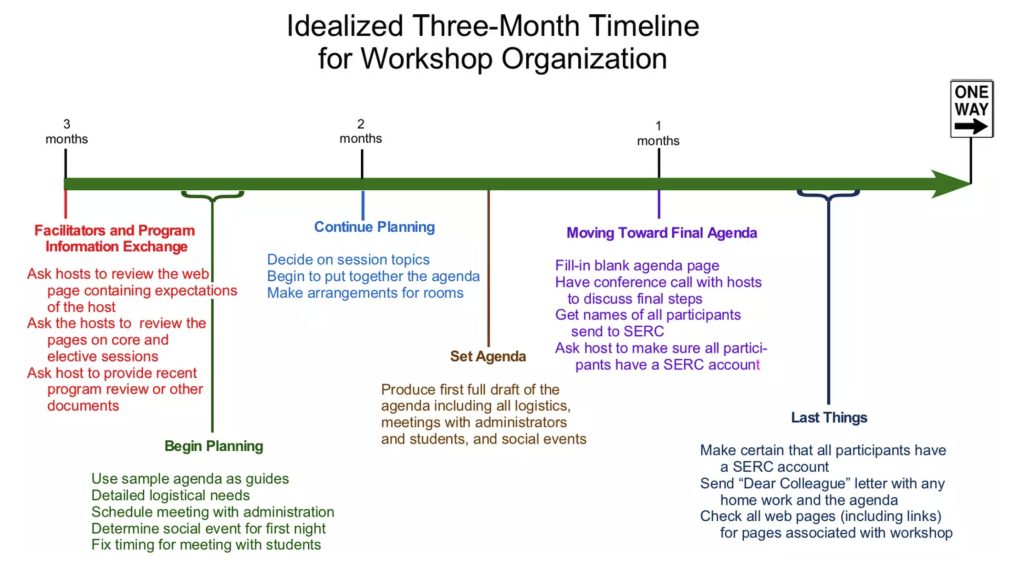
In the realm of project management, event coordination, and workshop organization, time is of the essence. As a professional photographer, videographer, and storytelling consultant, I’ve found that effective time management can make or break the success of any endeavor. That’s where the invaluable tool of a timeline planning chart comes into play.

I understand the significance of meticulous planning, especially when executing projects, events, and workshops. Let’s delve into why a timeline planning chart is essential and how it has been instrumental in our endeavors.

Why Use a Timeline Planning Chart?

Imagine embarking on a journey without a map or a compass. That’s akin to undertaking a project or organizing an event without a timeline planning chart. A timeline provides structure, clarity, and direction. It serves as a visual roadmap, outlining key milestones, deadlines, and tasks required for successful project completion.

The Value in Execution

Whether orchestrating a client’s brand launch event or facilitating workshops for aspiring storytellers, our timeline planning chart is our guiding light. Let’s take a closer look at how it aids in execution:

  1. Project Management: Adhering to strict timelines is paramount when working on a photography or videography project for a client. Our timeline planning chart breaks the project into manageable phases, from pre-production to post-production. This ensures that every aspect of the project is executed seamlessly and on schedule.
  2. Event Coordination: Hosting events requires meticulous planning and coordination. Our timeline planning chart allocates time for venue selection, vendor coordination, marketing campaigns, and rehearsals. This comprehensive approach minimizes last-minute hiccups and ensures a memorable experience for attendees.
  3. Workshop Organization: As an instructor, hosting workshops worldwide necessitates efficient time management. Our timeline planning chart outlines the curriculum development process, promotional activities, participant registration deadlines, and logistical arrangements. This structured approach enables us to deliver enriching learning experiences consistently.

What Makes Our Timeline Planning Chart Effective?

Our timeline planning chart isn’t just a static document; it’s a dynamic tool that evolves throughout the project lifecycle. Here’s how we maximize its effectiveness:

  1. Flexibility: Although we establish deadlines and milestones, we remain adaptable to accommodate unforeseen challenges or opportunities. This adaptability ensures that we can pivot when necessary without compromising project integrity.
  2. Collaboration: Effective communication is crucial to the successful execution of projects. We share our timeline planning chart with stakeholders, clients, and team members to foster transparency and accountability. This collaborative approach promotes synergy and enhances overall productivity.
  3. Regular Updates: We revisit our timeline planning chart to reflect progress, adjustments, and new developments. This real-time visibility lets us stay on track and make informed decisions throughout the project lifecycle.

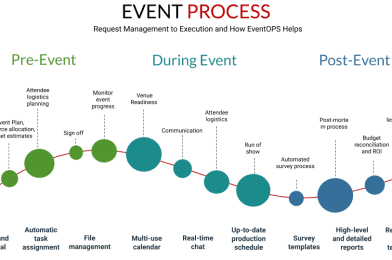
Visualizing Success: Our Timeline Planning Chart

Conclusion

Effective time management is non-negotiable in the fast-paced world of photography, videography, and storytelling. A timeline planning chart serves as a compass, guiding us through the intricacies of project execution, event coordination, and workshop organization. At Stanley Leary Brand Builder, we harness the power of strategic planning and utilize our timeline planning chart to bring visions to life. Join us on our journey towards success, one milestone at a time.

Feel free to contact us with inquiries about our services or to learn more about our approach to project management, event coordination, and workshop organization. Let’s bring your storytelling endeavors to life on time and within budget.

Tagged :

The Shocking Truth Behind Photography Clickbait: Why Time, Not Tricks, is Your True Teacher

Reading Time: 3 minutes

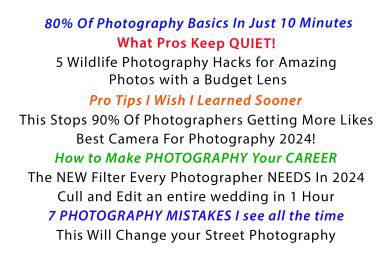
Ah, the wonders of the internet, where every other click promises to unveil the secret to photographic mastery. From gear gurus to composition connoisseurs, YouTube thumbnails scream at you to discover the magic tip that will transform your photography from amateur hour to Ansel Adams in a snap.

But let’s hit pause on the hype train for a moment, shall we? Because here’s the real scoop: mastering photography isn’t about finding a quick fix or unlocking a hidden cheat code. It’s about putting in the time, honing your craft, and diving deep into the subjects that light your creative fire.

Before we debunk the myths and expose the truth, let’s take a stroll down Clickbait Lane and peek at some of the tantalizing titles that promise to revolutionize your photography game:

  1. “The ONE Camera Hack That Will Instantly Upgrade Your Shots!”
  2. “Unlock Pro-Level Photos with These Secret Settings!”
  3. “Composition Tricks the Pros Don’t Want You to Know!”
  4. “5 Must-Have Gadgets Every Photographer Needs NOW!”
  5. “How to Edit Like a Boss: Lightroom Secrets Revealed!”
  6. “Shoot Like a Pro: Mastering Manual Mode Made Easy!”
  7. “Get Insta-Famous Overnight: Social Media Secrets Exposed!”

Sound familiar? We’ve all fallen down the clickbait rabbit hole at some point, lured by the promise of quick fixes and overnight success. But here’s the reality check: while these tips and tricks might offer temporary boosts, true mastery comes from dedication, practice, and a willingness to learn from the best.

So, what’s the antidote to clickbait madness? Well, it’s not another flashy YouTube video or Instagram reel. It’s investing your time and energy into hands-on workshops led by seasoned professionals who have mastered the craft and made it their livelihood.

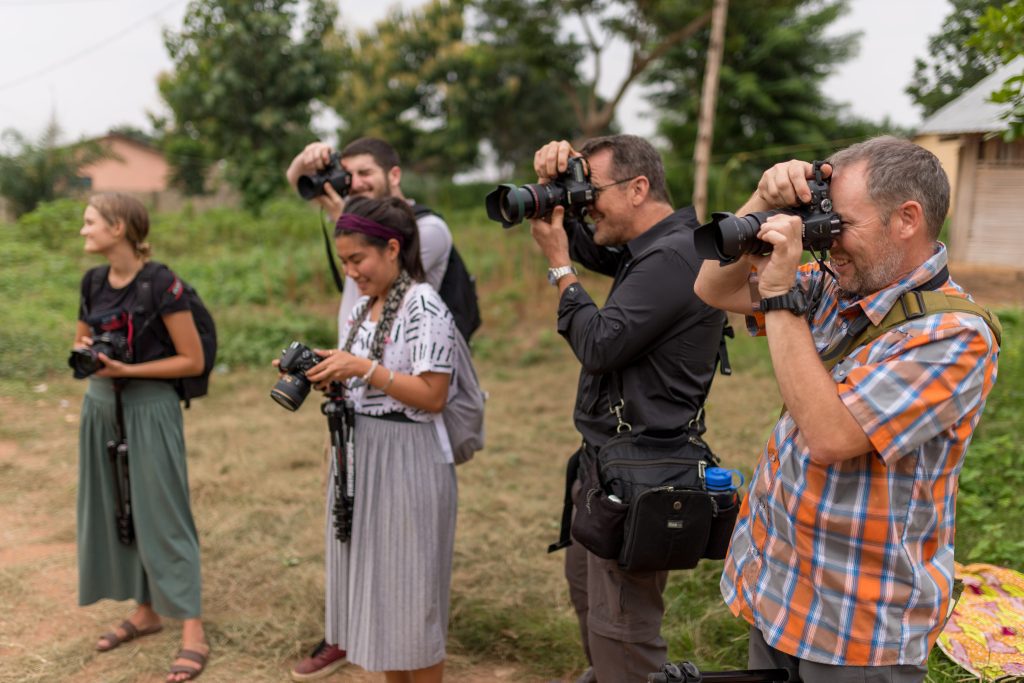
Photography Workshop in Togo, West Africa

Here’s my humble list of topics that, while they may not promise instant gratification, will undoubtedly lead you down the path of true photographic enlightenment:

  1. Patience and Persistence: Rome wasn’t built in a day, nor are stunning portfolios. Embrace the journey and stay committed to improvement, even when progress feels slow.
  2. Understanding Light: Instead of relying on presets and filters, learn to see and manipulate light to create mood, drama, and impact in your photos.
  3. Composition Beyond the Rule of Thirds: Expand your compositional toolbox beyond the basics and explore concepts like leading lines, negative space, and visual storytelling.
  4. Mastering Your Gear: It’s not about having the latest and greatest equipment; it’s about knowing your gear inside and out, from camera settings to lens selection.
  5. Finding Your Voice: Discover what inspires you and develop a style that separates your work.
  6. Building Relationships: Photography is as much about connecting with your subjects as it is about technical skills. Learn to communicate and collaborate effectively to capture authentic moments and emotions.
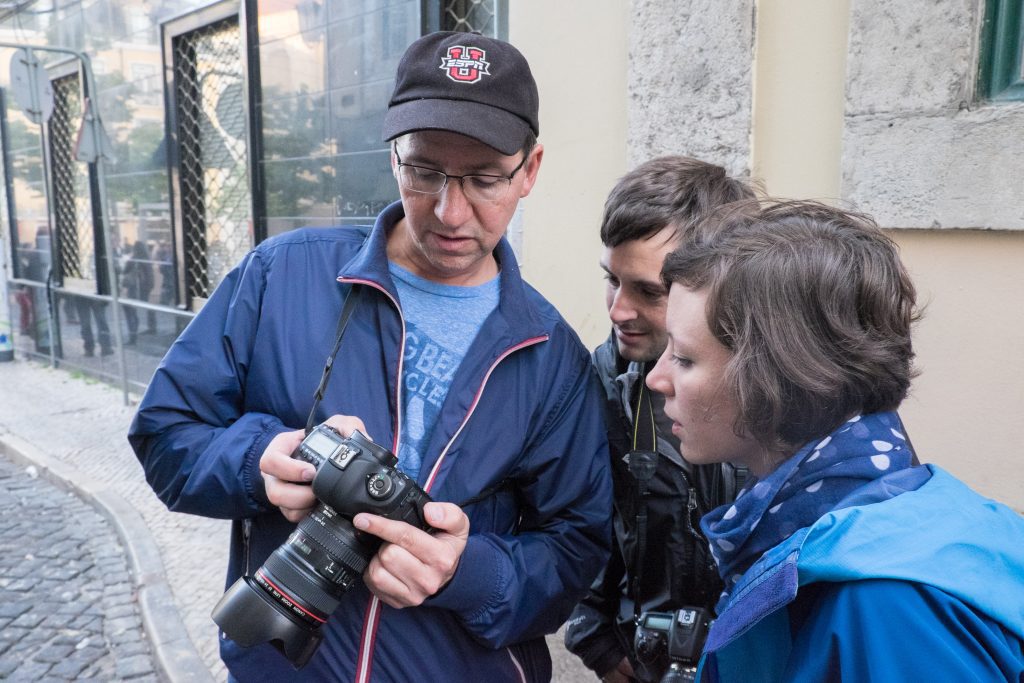
Lisbon Mission Storytelling Workshop

So, the next time you’re tempted by a flashy clickbait title promising instant photography fame, remember there are no shortcuts to mastery. But with time, dedication, and the guidance of experienced mentors, your photographic journey will be more prosperous, fulfilling, and ultimately more rewarding than any quick fix could ever offer.

Who’s ready to ditch the clickbait and start creating something significant? I’ll see you behind the lens.

Tagged :

The Power of Vision Casting: A Guide for Creative Entrepreneurs

Reading Time: 4 minutes

In the realm of creativity, sometimes all it takes is a shift in perspective to unlock a world of possibilities. As a photographer, videographer, and storyteller, I’ve always been captivated by the art of seeing things differently. Yet, it wasn’t until I stumbled upon the metaphor of drone photography that I truly grasped the profound impact of altering our viewpoints.

University of the Nations ~ YWAM Kona, Hawaii

Unlocking New Perspectives

Drone photography, with its ability to soar above landscapes and capture scenes from previously inaccessible angles, is a powerful metaphor for transcending limitations and broadening our horizons. Just as a drone provides a fresh vantage point, offering insights and revelations we might have overlooked from ground level, so does embracing new perspectives in our creative journeys.

This metaphorical revelation struck me deeply, prompting a reevaluation of how I approached my craft and my entrepreneurial endeavors. Much like navigating the skies with a drone, success in business often hinges on our willingness to explore uncharted territory, see beyond the familiar, and venture into the unknown.

Kona, Hawaii

Casting Your Vision: A Roadmap to Success

The parallels between drone photography and the art of vision casting became increasingly apparent. Vision casting, after all, is about more than just setting goals—it’s about envisioning a future that stretches beyond the confines of the present, about charting a course that leads to new horizons.

This metaphorical shift in perspective holds particular significance for solo entrepreneurs like myself. In a world where we wear multiple hats and navigate the complexities of running a business single-handedly, the ability to see things from a different angle can make all the difference. It provides us with clarity of purpose, ignites our passion, and fuels our determination to pursue our dreams.

Jet Skiing on Buford Dam on Lake Lanier

Why Vision Casting Matters

As we enter the waning days of March, it’s worth remembering that it’s never too late to embrace a new perspective. Just as drone photography has the power to unveil unseen vistas, so too can a fresh outlook on our businesses illuminate pathways we might have overlooked.

What is Vision Casting?

Vision casting is more than just setting goals or making plans. It’s about painting a vivid picture of where we see our businesses heading in the future. It’s about articulating our dreams, aspirations, and values in a way that inspires not only ourselves but also those around us—our clients, collaborators, and partners.

Why is it Important for Solo Entrepreneurs?

For those of us who run solo ventures, vision casting takes on even greater significance. As the driving force behind every aspect of our businesses, having a clear vision is like having a compass guiding us through uncharted territories. It provides clarity of purpose, motivation, and focus amidst the myriad of decisions and challenges we face.

Georgia Tech

The Power of Purpose

Crafting a compelling vision gives us a sense of purpose—a reason to wake up excited about what lies ahead every morning. It fuels our passion and determination, propelling us forward even when the road ahead seems daunting. Whether we’re photographers, videographers, storytellers, or communications consultants, our vision shapes the very essence of our work, infusing it with meaning and significance.

It’s Never Too Late to Start

While January often marks the beginning of new endeavors, the truth is that vision casting can happen at any time. Even as we find ourselves at the end of March, there is still time to give ourselves purpose and direction. Every day is an opportunity to embark on a transformation journey—to define our dreams and set our sights on the horizon.

Phipps Plaza is a shopping mall in Atlanta’s Buckhead district. It is located at Peachtree Road and Lenox Road, adjacent to the Phipps Tower office building.

How to Get Started

So, how can we, as creatives, begin the vision casting process? It starts with introspection—reflecting on our values, passions, and long-term aspirations. From there, we can articulate our vision in clear, compelling language, creating a roadmap for the future. And remember, vision casting isn’t set in stone—it’s a dynamic process that evolves as we grow and learn.

Embracing the Journey

As we embrace the power of vision casting, remember that we’re not alone on this journey. Whether connecting with fellow creatives, seeking client feedback, or collaborating with partners, sharing our vision can amplify its impact and bring it to life in ways we never imagined.

Conclusion

In the fast-paced world of creative entrepreneurship, vision casting is not just a luxury—it’s a necessity. It sets us apart, defines our purpose, and propels us toward our goals. So, as we forge ahead on this journey, let’s dare to dream big, cast our vision wide, and transform our aspirations into reality—one brushstroke at a time. After all, every day is a new opportunity to craft the future we envision.

Tagged :

Learning from Firefighters: Essential Lessons for Business Success

Reading Time: 2 minutes

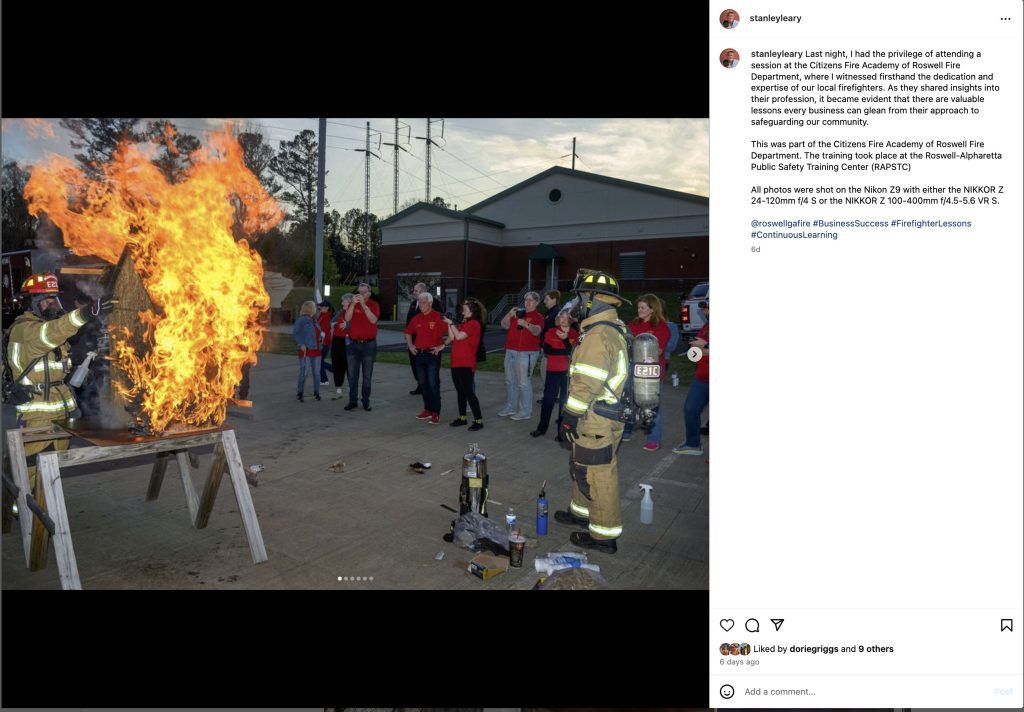
Last night, I had the privilege of attending a session at the Citizens Fire Academy of Roswell Fire Department, where I witnessed firsthand the dedication and expertise of our local firefighters. As they shared insights into their profession, it became evident that there are valuable lessons every business can glean from their approach to safeguarding our community. Here are some key takeaways:

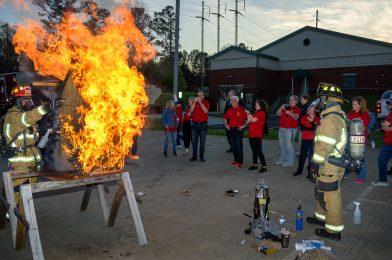
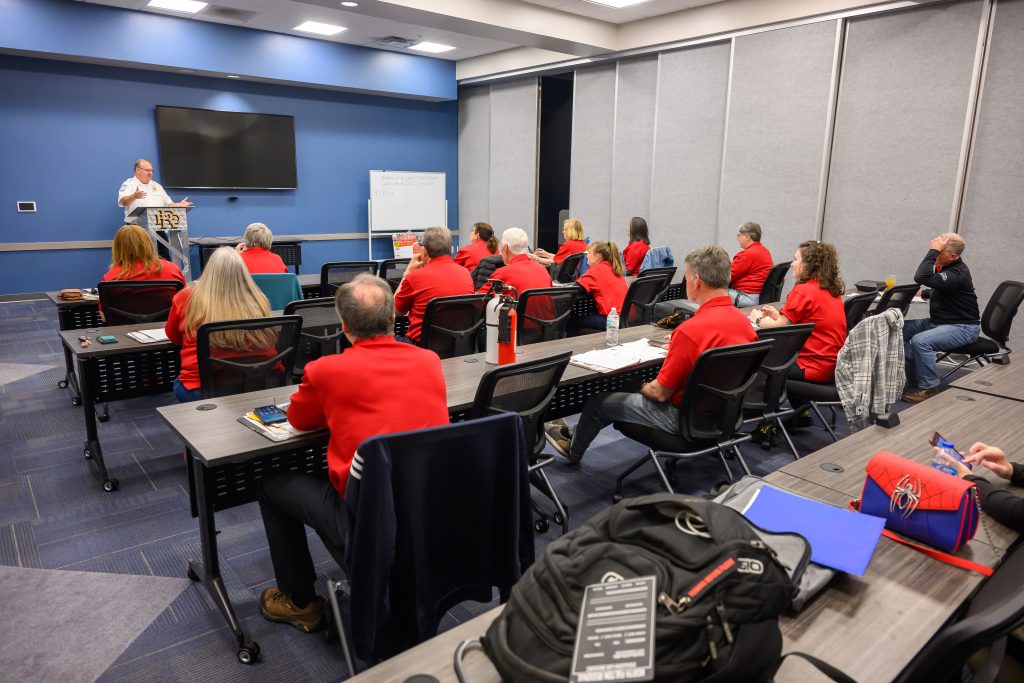
Battalion Chief Jason Patterson leads class for the Citizens Fire Academy of the Roswell Fire Department. The Citizen’s Fire Academy is a free, 30-hour program that provides a more in-depth understanding of the fire service and the many functions it serves within the community. This program includes a variety of presentations and hands-on activities taught by members of all ranks within the Roswell Fire Department. With the support of our community, we are achieving our vision of becoming an innovative, world-class public safety organization.
  1. Embrace Continuous Learning: Just like firefighters undergo rigorous initial training and continuous education to stay abreast of new techniques and technologies, businesses must prioritize ongoing learning. Investing in employee development ensures that your team remains equipped to navigate evolving industry landscapes and embrace emerging best practices.
  2. Prioritize Safety and Wellness: Firefighters understand the importance of physical and mental well-being in their line of work. Similarly, businesses should prioritize the safety and wellness of their employees. Implementing programs that address mental health, stress management, and physical fitness enhances employee satisfaction and contributes to a more productive and resilient workforce.
  3. Effective Communication: Firefighters emphasize the importance of clear communication and active listening during emergency responses. In business, fostering open communication channels and encouraging active listening among team members promotes collaboration, problem-solving, and innovation.
  4. Adaptability and Flexibility: The firefighting profession has evolved significantly, requiring firefighters to adapt to new challenges and technologies. Likewise, businesses must remain agile and adaptable in changing market dynamics, consumer preferences, and technological advancements.
  5. Prevention and Preparedness: Fire departments prioritize prevention through education, inspections, and community outreach. Similarly, businesses can mitigate risks and enhance resilience by proactively identifying and addressing potential threats, whether economic downturns, cybersecurity vulnerabilities, or supply chain disruptions.
  6. Specialization and Skill Development: Firefighters undergo specialized training to handle diverse emergencies, from hazardous materials incidents to medical emergencies. Similarly, businesses can benefit from fostering a culture of specialization and skill development among their employees, empowering them to excel in their respective roles and contribute to organizational success.
  7. Teamwork and Collaboration: Firefighters rely on effective teamwork and collaboration to execute their missions successfully. Similarly, businesses thrive when team members work together towards common goals, leveraging their unique skills and perspectives to drive innovation and achieve shared objectives.
  8. Resilience and Persistence: Firefighters embody resilience and persistence in adversity, demonstrating an unwavering commitment to protecting lives and property. Resilience is essential for overcoming challenges and setbacks in business, allowing organizations to adapt, recover, and thrive in an ever-changing business environment.
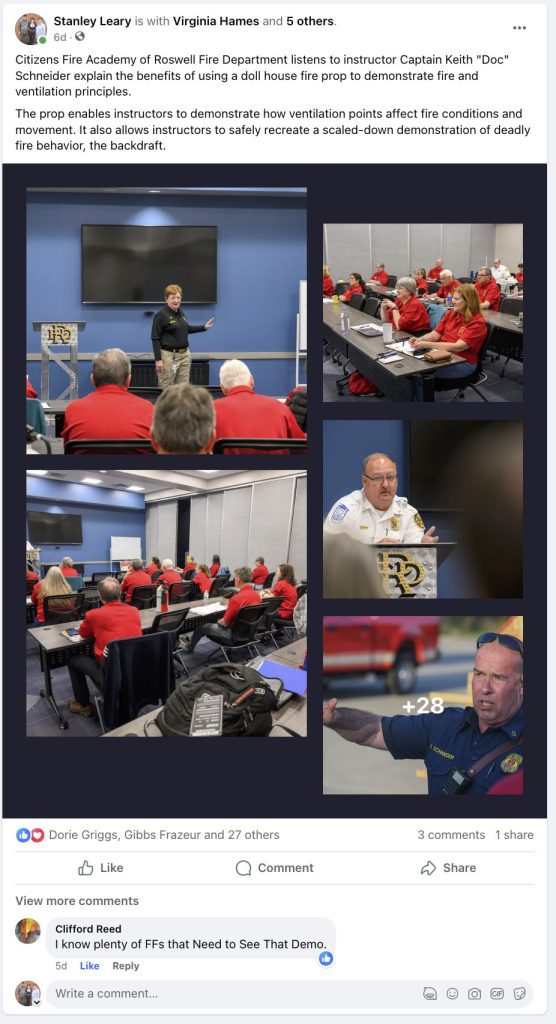
Citizens Fire Academy of Roswell Fire Department listens to instructor Captain Keith "Doc" Schneider explain the benefits of using a doll house fire prop to demonstrate fire and ventilation principles.

By embracing these principles inspired by our local firefighters, businesses can enhance their resilience, foster a culture of continuous improvement, and achieve sustainable success in today’s dynamic marketplace. As we reflect on the invaluable contributions of our firefighters, let us also recognize the invaluable lessons they impart to us as business leaders and professionals.

Tagged :

The Evolution of Stock Photography: From Bill Gates to AI and Beyond

Reading Time: 3 minutes

Once a lucrative avenue for photographers to earn residual income, stock photography has undergone significant changes over the years. With the advent of the digital era and the internet, the industry dynamics shifted dramatically, impacting photographers’ ability to protect their residuals and maintain sustainable careers. Let’s delve into the history of stock photography and the role of pioneers like Bill Gates and Mark Getty and explore what photographers can do today to stay relevant in a rapidly evolving landscape.

The Roots of Stock Photography

The concept of stock photography traces back to the 1920s when the first stock photo agency emerged. Initially, these agencies catered to publishers and newspapers, offering a convenient solution to access a wide range of images without needing custom photoshoots. However, the process was cumbersome, involving manual searches through physical archives of prints or slides.

The Digital Revolution

The 1980s and 90s marked a significant turning point with the digitization of photography and the rise of the internet. Bill Gates and Mark Getty emerged as critical players in this revolution, founding companies like Corbis and Getty Images, respectively. These ventures aimed to capitalize on the growing demand for digital content and streamline the distribution process.

With the proliferation of the internet, stock photography has become more accessible and affordable than ever. Microstock platforms emerged, offering vast images at a fraction of the cost. This democratization of stock photography democratized access to visual content, but it also led to a commodification of images, driving prices down and challenging photographers’ ability to earn sustainable incomes.

Consider These Statistics

In 2006, Getty Images disclosed detailed financial figures, revealing that their Creative Images division (combining RM and RF) amassed $634.1 million in revenue. The average license fee was $536.25 for an RM image and $242.50 for an RF, totaling 1,767,214 licensed users. Fast forward to 2018, and Getty’s gross revenue for its Creative Collection plummeted to approximately $280 million. The average price per licensed image dropped drastically to about $29, with one-third of licenses fetching fees under $5.00.

By the onset of 2020, Getty ceased selling RM altogether. According to photographers, the agency now licenses a notable number of uses for a mere $0.17. With photographers receiving a 20% royalty share, that translates to just $0.03 per use.

Challenges Faced by Photographers

Unlike the Hollywood writers’ strike that aimed to protect creatives’ residuals, photographers lacked a unified voice or union to advocate for their rights. As a result, they found themselves at the mercy of stock agencies and changing pricing models that favored the platforms over the creators.

The Rise of AI and Oversupply

In recent years, advancements in artificial intelligence have further disrupted the stock photography industry. AI-generated images rapidly close the gap with human-generated content, challenging traditional stock photography’s uniqueness and value proposition.

Moreover, the oversupply of images, fueled by the ubiquity of smartphones and the ease of digital photography, has flooded the market. This oversaturation has led to declining sales revenue and reduced payments to artists, making it increasingly difficult for photographers to sustain themselves solely through stock photography.

Navigating the Future

Despite these challenges, opportunities exist for photographers willing to adapt to the changing landscape. The demand for exceptional work grows as the market becomes saturated with average content. Photographers who consistently produce high-quality, unique imagery stand to distinguish themselves in a crowded market and command better rates.

Moreover, diversification is critical. Instead of relying solely on stock photography, photographers can explore other revenue streams such as print sales, licensing directly to clients, or offering specialized services like workshops and consultations.

In conclusion, the history of stock photography reflects a journey marked by innovation, challenges, and opportunities. While the digital era and the rise of AI have reshaped the industry, photographers with vision, creativity, and adaptability can still thrive in this ever-evolving landscape. Photographers can continue making their mark in visual storytelling by staying informed, honing their craft, and embracing new technologies.

Tagged :

Leveraging Your Unique Background: Turning Life Experience into Photographic Advantage

Reading Time: 4 minutes

In the vast realm of photography, where every angle, every click of the shutter, and every brushstroke of light tell a story, your journey is uniquely yours. Your lens isn’t just a tool; it’s a vessel through which your life experiences, education, and passions converge to create something extraordinary. If you’re like me, your path to photography has been a winding road, rich with diverse influences that set you apart in a sea of talent.

My mother’s extended family. My grandparents are on the left, and he is the pastor of 1st Baptist Morganton, NC. My dad is the West Monmouth Baptist Church pastor in Freehold, NJ, and my uncle on the right is a photographer for the Home Mission Board in Atlanta, Georgia.

Growing up in a minister’s family, the tapestry of my childhood was woven with threads of faith, music, and community. Living in a Children’s home during my formative years, I learned the art of empathy and connection, which would later become invaluable in capturing the essence of human experience through my lens. With over 30 ministers in my family tree, spirituality isn’t just a backdrop; it’s a guiding light that infuses depth and meaning into my work.

My mother at the piano as a little girl

Music, too, courses through my veins, inherited from a lineage of talented musicians. From my aunt and her daughter, both concert pianists, to my years playing the trumpet in orchestras and praise bands, music’s rhythm and harmony have shaped my understanding of composition and emotion. Each note strikes a chord within me, inspiring images that resonate with soulful resonance.

My academic pursuits took me down unexpected paths, from studying social work focusing on alcohol and drug abuse to delving into theology, education, and communication in seminary. These diverse disciplines provided me with a multifaceted lens through which to view the world, offering insights into human behavior, societal dynamics, and the power of storytelling. Armed with this knowledge, I embarked on a career that bridged the gap between art and advocacy, using my camera as a tool for social change.

I am at the Southwestern Photojournalism Conference, working with Anke Leuschner to review her portfolio and give her some feedback.

My professional journey has been equally eclectic, from my early days as a staff photographer for college newspapers and magazines to my tenure at the Georgia Institute of Technology, where I honed my recruiting, sports, and research photography skills. Along the way, I’ve worn many hats, from workshop instructor to conveyor belt technician, each role adding layers of experience and expertise to my repertoire.

As I reflect on decades spent behind the lens, I realize that every twist and turn of my journey has been a gift, equipping me with a unique perspective and a diverse skill set that sets me apart in the competitive world of photography. My ability to connect with clients, understand their needs, and translate their stories into visual narratives is not just a product of technical prowess; it reflects who I am and where I come from.

Stanley as a guest speaker to Mark Johnson’s Advanced Photojournalism Class at The Grady College of Journalism and Mass Communication of the University of Georgia in Athens, Georgia.

So, to my fellow photographers and storytellers, I urge you to embrace your journey, however unconventional it may seem. Your background, passions, and experiences are not just assets but the building blocks of your artistic identity. Explore the intersections of your life and your craft, and you’ll discover a wealth of inspiration waiting to be uncovered.

Ultimately, it’s not just about taking pictures; it’s about telling your stories in a way only you can. So pick up your camera, embrace your uniqueness, and let your light shine through every frame. The world is waiting to see the world through your eyes.

Tagged :

The Power of Professional Nametags: Networking Essentials

Reading Time: 3 minutes

First impressions are paramount in professional networking. Whether you’re attending a conference, a seminar, or a business mixer, how you present yourself can significantly impact the connections you make and the opportunities that arise. One often-overlooked tool in this realm is the humble nametag. Yet, its significance cannot be overstated.

Why a Nametag Matters:

Picture this: you walk into a crowded room filled with faces you’ve never seen before, all engaged in conversations. How do you navigate this sea of strangers? A clear, professional nametag instantly breaks down barriers. It provides an immediate reference point for others to address you by name, facilitating introductions and conversations.

Nametags serve as visual cues, making it easier for others to remember you long after the event has ended. This is especially crucial in environments where countless new acquaintances are created and faces quickly blur together. By wearing a nametag, you’re not just a face in the crowd but a distinct individual with a name and identity.

The Importance of Placement:

Now, where you place that nametag matters as much as having one. The general rule of thumb is to wear it on your right side. Why the right side, you may wonder? When people shake hands, their eyes naturally travel to the right, making your nametag more visible and accessible.

Placing it on the right ensures your name is prominently displayed during handshakes or interactions. This eliminates any awkward fumbling or confusion about where to look for your name.

The Elevator Speech: Always Be Prepared:

Opportunities can arise unexpectedly in networking, often in the blink of an eye. That’s why it’s crucial to have your elevator speech ready at a moment’s notice. An elevator speech is a brief, compelling introduction that summarizes who you are, what you do, and what you’re looking for professionally.

Crafting a concise and impactful elevator speech allows you to communicate your value proposition to potential contacts effectively. It should be tailored to your audience and delivered with confidence and enthusiasm. Remember, you only have a short window to capture someone’s attention, so make every word count.

My Elevator Speech

Hello! I’m Stanley Leary, a seasoned storyteller passionate about crafting narratives that resonate with audiences. Over the years, I’ve collaborated with esteemed brands like Chick-fil-A, Kimberly Clark, and Newell, Inc., both nationally and internationally.

What sets me apart is my deep understanding of the power of storytelling. I don’t just tell stories; I help my clients uncover their unique narrative thread—one that intersects seamlessly with their customers’ stories. By aligning these narratives, we create compelling connections that engage and inspire action.

My approach isn’t just about crafting tales; it’s about fostering meaningful relationships and driving results for my clients. Let’s connect if you want to elevate your brand’s story and unlock new opportunities. Together, we’ll embark on a journey leading to greater visibility, engagement, and success.

The Power of the Business Card:

While nametags facilitate immediate recognition, business cards are tangible reminders of your encounter. They provide recipients with your contact information and serve as a reference point for future communication.

A well-designed business card should include essential details such as your name, job title, company name, phone number, email address, and professional website or LinkedIn profile. Keep the design clean, experienced, and reflective of your brand. Like your nametag and elevator speech, your business card should leave a lasting impression.

In conclusion, never underestimate the power of a professional nametag when attending networking events. It’s a small yet impactful tool that can significantly enhance your networking efforts. Pair it with a well-crafted elevator speech and a sleek business card, and you’ll be well-equipped to make lasting connections and seize valuable opportunities in any professional setting.

Tagged :

My Journey in Photography: 7 Mistakes I Made When Starting Out

Reading Time: 3 minutes

As I reflect on my forty-year career as a photographer, I can’t help but acknowledge the myriad of mistakes I made along the way. Despite spending seventeen years as a staff photographer for various newspapers, magazines, nonprofits, and colleges, some of these errors persisted even while I juggled freelance work. Transitioning into full-time photography was a dream come true but came with challenges. Here are the seven most significant mistakes I made when I started:

  1. Underestimating the Business Side: Like many photographers, I was enamored with the artistry of the craft and often neglected the business aspects. I failed to recognize the importance of marketing, financial planning, and client management, ultimately hindering my growth.
  2. Lack of Financial Planning: Despite having a steady income from my staff positions, I needed to establish a solid financial plan when venturing into freelance work. I struggled setting appropriate pricing, budgeting for expenses, and managing cash flow effectively.
  3. Ignoring Marketing and Networking: I relied heavily on word-of-mouth referrals and social media, neglecting the importance of actively networking and marketing my services. This limited my visibility and growth potential in the industry.
  4. Not Diversifying Income Streams: While my staff positions provided a steady income, I needed to diversify my revenue streams through avenues like stock photography, workshops, or selling prints. This left me vulnerable to income fluctuations.
  5. Neglecting Legal and Contractual Aspects: I should have prioritized having clear contracts, copyright protection, or liability insurance, leaving myself vulnerable to legal issues and client disputes.
  6. Overlooking Client Relationships: While I focused on delivering quality work, I often neglected the importance of nurturing client relationships. Building long-term connections and ensuring client satisfaction are crucial for sustained success in the industry.
  7. Unrealistic Expectations: I harbored overly optimistic expectations about income, workload, and the time required to establish myself in the industry. This led to frustration and disappointment when reality didn’t align with my expectations.

Reflecting on these mistakes, I realize each was a valuable lesson that contributed to my photography growth. While it’s natural to stumble along the way, acknowledging and learning from our mistakes is critical to evolving and thriving in any career, especially one as dynamic and competitive as photography.

Strength: Financial Discipline

As a dedicated photographer, my passion for the craft often tempted me to invest in the latest equipment. However, I leveraged my innate penny-pinching tendencies to my advantage. I recognized the importance of fiscal responsibility and consciously decided to purchase gear only when I had cash. Refusing to succumb to the allure of credit card debt, I ensured that my financial decisions aligned with my long-term goals, allowing me to build a sustainable business without unnecessary financial strain.

Strength: Exceptional Time Management

One of my greatest photography industry strengths was my ability to book and manage multiple projects simultaneously. Rather than succumbing to overwhelm, I thrived in high-pressure environments by meticulously considering my workload and personal capacity. By prioritizing tasks and allocating my time, I could meet deadlines consistently and deliver quality work to my clients. This skill enhanced my reputation and laid the foundation for long-term success in the competitive field of photography.

Strength: Commitment to Continued Learning

In recognizing the dynamic nature of the photography industry, I understood the importance of continual education and skill development. Instead of resting on my laurels, I embraced a mindset of lifelong learning, investing in workshops, seminars, and courses to stay abreast of emerging trends and technologies. This proactive approach fueled my creativity and ensured that I remained competitive in an ever-evolving landscape. By prioritizing ongoing education, I positioned myself as a forward-thinking professional, capable of adapting to the changing demands of the industry and maintaining a distinct edge over my competitors.

Tagged : /

The Power of Contracts: Why Every Creative Needs One

Reading Time: 5 minutes

Starting in any creative business can be daunting. Whether you’re a photographer, videographer, writer, or any other creative professional, there’s often a sense of trepidation regarding contracts. It’s understandable. Legal jargon can be intimidating, and formalizing agreements with clients can seem like overkill, especially when you’re just starting. However, I’m here to tell you that contracts are not just for lawyers or big corporations. They’re essential for protecting yourself, your work, and your clients while also elevating your professionalism in the eyes of those you do business with.

I am not a lawyer and recommend consulting one. Usually, they can help you create templates to use in your industry. I recommend Alicia Wagner Calzada.

How my contract has saved me

Having encountered numerous instances in which clients canceled less than 48 hours before an event, I cannot stress the importance of a solid contract enough. Thanks to the provisions outlined in my contracts, I’ve secured full payment in these situations, mitigating the financial impact of last-minute cancellations. This underscores the necessity of contracts in protecting the interests of creative professionals and highlights their role in ensuring fair compensation for the time and resources invested in preparing for an event. Such cancellations could have resulted in significant financial losses and added stress without a contract in place. Still, with one in place, I’ve been able to uphold the agreed-upon terms and maintain professionalism and security in my business dealings.

One of the key reasons the clause regarding cancellations is essential in my contracts is my commitment to my clients. When a client books my services for an event, I reserve that specific date and time for them and often turn down other potential work opportunities to honor that commitment. This dedication ensures I can provide my clients with the highest service and attention to detail. However, when a client cancels on short notice, it disrupts my schedule and results in lost income from potential alternative bookings. By including a cancellation clause in my contracts, I can protect myself financially in these situations, ensuring I am fairly compensated for the time and effort invested in preparing for the event and for the lost opportunities caused by the cancellation. This clause serves as a safeguard, allowing me to maintain a sustainable, professional business while upholding my commitments to my clients.

Why you shouldn’t be scared of creating a contract

One of the most common fears when starting a creative business is appearing overly formal or bureaucratic. Many worry that presenting a contract to clients might scare them off or make them think we’re difficult to work with. However, the reality is quite the opposite. A well-drafted contract demonstrates that you take your work seriously and are committed to delivering a professional service. It sets clear expectations from the outset, which can help to build trust and confidence with your clients.

At its core, a contract is simply a tool for managing expectations. It provides a clear framework for what both parties can expect from the working relationship, minimizing the risk of misunderstandings or disputes. While verbal agreements may technically hold up in court, they often lead to “he said, she said” scenarios that can be difficult to resolve. Even something as informal as a written agreement on a napkin is better than nothing, but a properly drafted contract provides much greater clarity and protection for all parties involved.
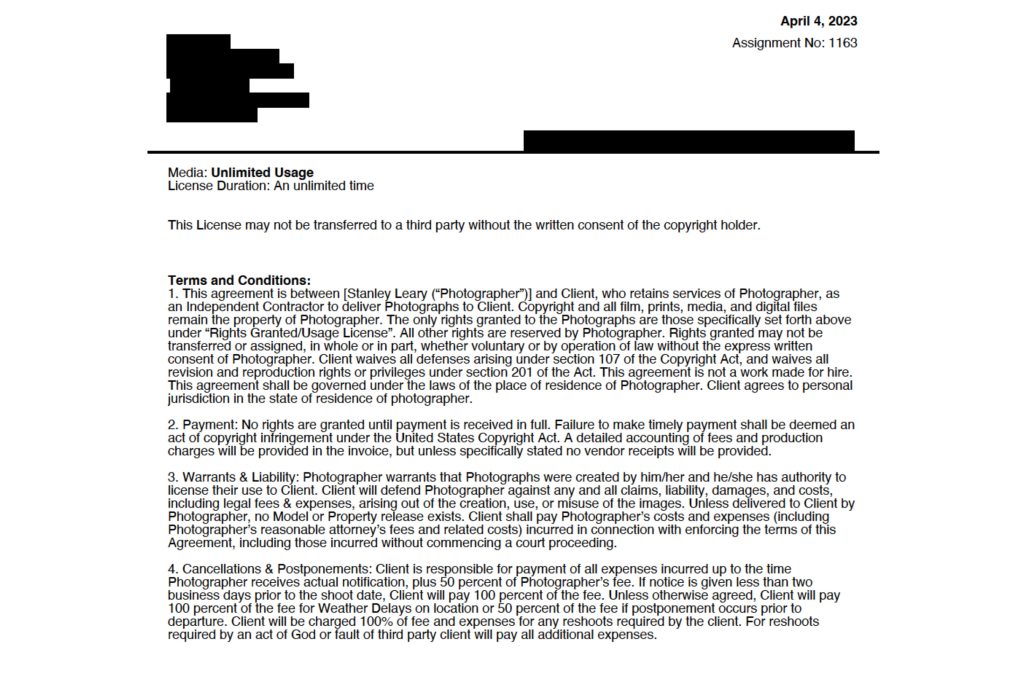
So, what should you include in your contract? Here are some key sections that I always make sure to include:

1. Job Description: This section outlines the client’s requests, including specific requirements or deliverables. Clarity is critical, whether it’s a shot list for a photography assignment or a detailed run of a show for an event. I always ask plenty of questions upfront to ensure that both parties understand what’s expected. Additionally, I specify when and how the work will be delivered, giving myself a buffer to ensure I can meet deadlines consistently.

2. License: This section outlines the client’s rights to use the work produced. Editorial assignments might involve one-time usage rights with a byline for the photographer. It could include unlimited usage rights for commercial clients for a specified period. The price of the assignment typically increases with the extent of usage rights granted, reflecting the value of the work being produced.

3. Terms & Conditions: This section lays out the rights and responsibilities of both parties in more detail. It covers general conditions that apply to all contracts, as well as any specific conditions that apply to the current agreement. A critical aspect of this section is the choice of jurisdiction, specifying where any disputes will be resolved. I always choose the jurisdiction where I live because it gives me greater security and familiarity with the legal system.

4. Line Items: Finally, I include a breakdown of all pricing components, including creative fees, expenses, and any other costs associated with the project. I prefer the term “creative fee” over “day rate” to emphasize the value of my work and avoid being perceived as a day laborer. Spelling out all expenses leaves no room for confusion or disagreement later.

In conclusion, contracts shouldn’t be seen as scary or unnecessary hurdles in your creative business journey. Instead, they should be embraced as powerful tools for clarity and protection. By establishing clear expectations from the outset, contracts can remove much of the stress and uncertainty associated with any job, allowing you to focus on what you do best: creating outstanding work for your clients. So don’t be afraid to embrace the power of contracts in your creative business—you’ll thank yourself later.

My Software For Writing Estimates & Invoices

In running my creative business, software like FotoBiz has become indispensable in streamlining my workflow and ensuring smooth operations. FotoBiz not only simplifies the process of writing estimates and invoices but also provides invaluable templates and pre-loaded legal language that I can tailor to fit the specifics of each client and project. This saves me time and ensures my documents are professional, comprehensive, and legally sound. Given the importance of contracts in protecting my interests and establishing clear client expectations, I strongly recommend using similar software to draft contracts. With FotoBiz, I have peace of mind knowing that my contracts are well-written and enforceable, allowing me to focus on delivering exceptional creative work without the stress of administrative tasks.

Tagged :