What Dorothy, the Yellow Brick Road, and Seth Godin Taught Me About Strategy

Reading Time: 2 minutes

I recently heard Seth Godin share a powerful metaphor; it hasn’t left my mind since.

He talked about Dorothy from The Wizard of Oz—how she started her journey alone, heading to see the Wizard. Along the way, she invited the Scarecrow, the Tin Man, and the Cowardly Lion to join her. Each one said yes, not because she was offering a service, but because they were on a journey too.

That hit home for me as a creative and solo entrepreneur.


As Creatives, We’re All on a Road

Like Dorothy, we start with a vision. But if we’re honest, the road gets long, and we can’t walk it alone. That’s where our customers come in.

They’re not just hiring us for photography, video, or storytelling. They’re looking for something more profound:

  • Like the Scarecrow, they want clarity—they feel stuck in the weeds.
  • Like the Tin Man, they want to connect—they’ve got the structure but need heart.
  • Like the Lion, they want courage—to speak up, be seen, and lead.

And just like Dorothy, we invite them to walk with us.


Strategy Isn’t About You—It’s About Us

Seth’s metaphor reminded me of something I often tell others:

You cannot reach your business goals without your customers.
And they can’t reach theirs without you.

This is the heart of strategy for creatives.

We’re not just offering a product or a service—we’re extending an invitation.
We’re saying, “Let’s go together.”

When we understand what our clients need and show them how we’ll help them achieve it, we build trust.
We build something better than a transaction.
We build a shared mission.


The Takeaway

Dorothy didn’t wait to be fully prepared. She started moving, saw people along the way, and brought them in.

That’s what I’m learning to do, too.

So thanks to Seth Godin for the metaphor and Dorothy for the example.

If you’re building a brand, trying to tell better stories, or just finding your way down the yellow brick road…
Ask yourself:
Who can I invite to walk this path with me?


Want me to help you tell your story along the way?
Let’s talk.

Tagged :

When Strategy Feels Uncomfortable (That’s When You Know You’re On to Something)

Reading Time: 3 minutes

There’s a moment in every solo entrepreneur’s journey when you look around and wonder:

Should I be doing what they’re doing?
Should I change my logo? Get that lens? Should I rebuild my site to look more like theirs?

That feeling—that tug toward mimicry—is familiar. And it’s not always wrong. But it’s often a warning sign that you’re drifting from strategy into reaction.

Both Simon Sinek and Seth Godin speak to this from slightly different angles.

  • Sinek calls us back to our “Why”—the reason we do what we do in the first place.
  • Godin reminds us that strategy isn’t about copying what works for others—it’s about choosing what works for you in service to your audience.

Both are saying the same thing:
Use your creativity to solve real problems for others, in a way only you can.

And that? That’s strategy.


Why Strategy Feels Weird (and Why That’s a Good Sign)

Strategy forces you to be specific. It asks hard questions like:

  • Who are you really serving?
  • What kind of transformation do you create for others?
  • What are you not going to do?

In his conversation with Chase Jarvis, Seth Godin said that most people hide behind tactics because they fear being seen. Following the crowd is safer than stepping forward with something original.

But when you do choose to own your niche, your voice, and your direction—it won’t feel like instant success. It will feel awkward.

“When you do something truly creative,” Godin says, “it’s not obvious to everyone else. That’s what makes it original.”

And that’s what makes it strategic.

🎧 Want to hear where this all started?
A conversation between Chase Jarvis and Seth Godin inspired this post. Seth talks about why so many creatives fall into the trap of chasing tactics instead of committing to strategy—and how discomfort is often the sign you’re finally doing your best creative work.


Simon Sinek’s Why: The Foundation of Strategy

If Seth challenges us to stop chasing tactics, Sinek gives us the blueprint for what to pursue: clarity of purpose.

Your “Why” doesn’t have to be grand. But it must be real—rooted in your values and driven by a desire to make life better for someone else.

When you’re clear on that Why, strategy becomes a filter:

  • You stop offering services that don’t fit.
  • You invest in tools that serve your purpose—not trends.
  • You create content that speaks to real needs—not just algorithms.

You stop chasing everyone—and start building something for someone.

  • At 2:15, Sinek introduces the concept of the Golden Circle: Why → How → What.
  • By 3:30, he clearly explains why “People don’t buy what you do; they buy why you do it.”
  • The section wraps around 5:00 with Apple as an example of how clearly communicating your Why is a strategic advantage.

Strategy is Creativity With Direction

This is where real creativity lives—not just in visuals or videos or clever captions, but in how you design your business around solving problems.

Strategy is creative.

  • It takes imagination to narrow your audience instead of going wide.
  • It takes courage to simplify your offerings instead of adding more.
  • It takes confidence to do it differently—even if no one else in your field is doing it that way.

Strategy is not what you post. It’s why you show up.


How to Know You’re Following Strategy (Not Just Tactics)

Ask yourself:

✅ Am I making this decision because it aligns with my values and goals—or because someone else is doing it?
✅ Does this tool, design, or offer help me serve my audience better—or just help me feel busy?
✅ Am I building something that reflects me—or trying to look like everyone else?

If you feel some discomfort in the answers—you’re likely on the right path.


Final Thought: Don’t Abandon the Why. Deepen It.

This isn’t about abandoning Simon Sinek’s “Why” for Seth Godin’s strategy. It’s about integrating both.
Your “Why” gives you your purpose.
Your strategy gives you your path.

And your creativity?
That’s what brings both to life.

When you stop chasing someone else’s formula and start building from your own values, that’s not a step backward. That’s the moment you become a true creative entrepreneur.

The kind who doesn’t just run a business—
But builds a life that solves real problems for others.

And that’s a business worth showing up for every day.

Tagged : /

The Unseen 25%: What Freelancers Spend Their Time Doing

Reading Time: 2 minutes

The past few days have been a bit of a reality check, and if you’re freelancing or running your own business, you might relate.

I’ve been knee-deep catching up on bookkeeping. It’s the kind of task that’s easy to push aside when you’re focused on client work, editing projects, or traveling for assignments. But when you let it go too long, it’ll take a few solid days to get everything back in order. That’s precisely what I’ve been doing lately.

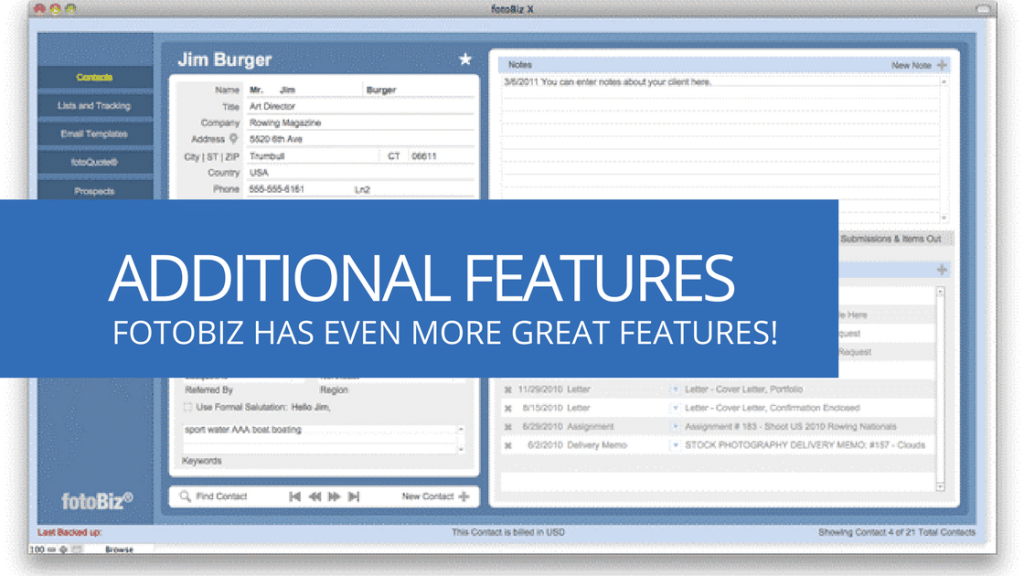
For my system, I use Quicken to help manage my books and FotoBiz to create and track invoices. Every American Express and bank account transaction must be appropriately categorized for tax purposes. It’s tedious but necessary.

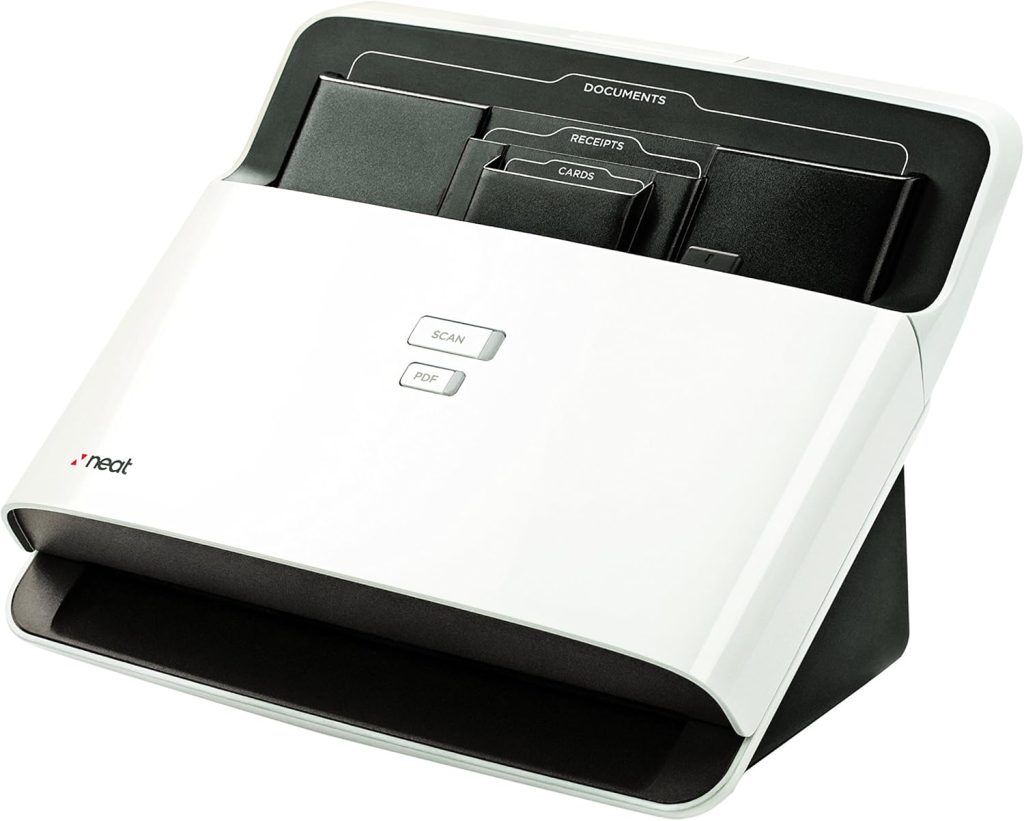
And here’s one extra step: I scan every tax-related receipt, turn it into a PDF, and attach it directly to the transaction in Quicken. Why? Because if you’re ever audited—and I have been, three times—you’ll be incredibly thankful you kept a paper trail organized and ready to go.

Now here’s something I wish more folks talked about when starting their freelance journey:
Running your business takes time that doesn’t always appear on a client invoice.

According to the U.S. Small Business Administration and several time-tracking studies, solo business owners typically spend between 15% and 25% of their time on administrative tasks, such as bookkeeping, invoicing, categorizing expenses, and tax preparation. That’s 6 to 10 hours per week if you work a 40-hour.

If you’re starting, it’s easy to overlook this side of the work. But it’s just as important as delivering great client results.

My advice?
Set aside regular time—weekly if possible—to handle your books. It’s a lot easier to stay organized than to go back and clean up a mess. Trust me.

If you have questions about how I organize things or what I’ve learned from those audits, I’m happy to share. After all, part of my mission as a storyteller is helping others build strong foundations for the work they’re called to do.

Tagged :

The Power of Archiving: A 40-Year-Old Photo Request

Reading Time: 2 minutes

A few days ago, I received an email that took me back to my early days as a photojournalist. The message started with a simple question:

“I’m looking for a Stanley Leary who would have worked with Hickory Daily Record in the ’80s…”

That’s me.

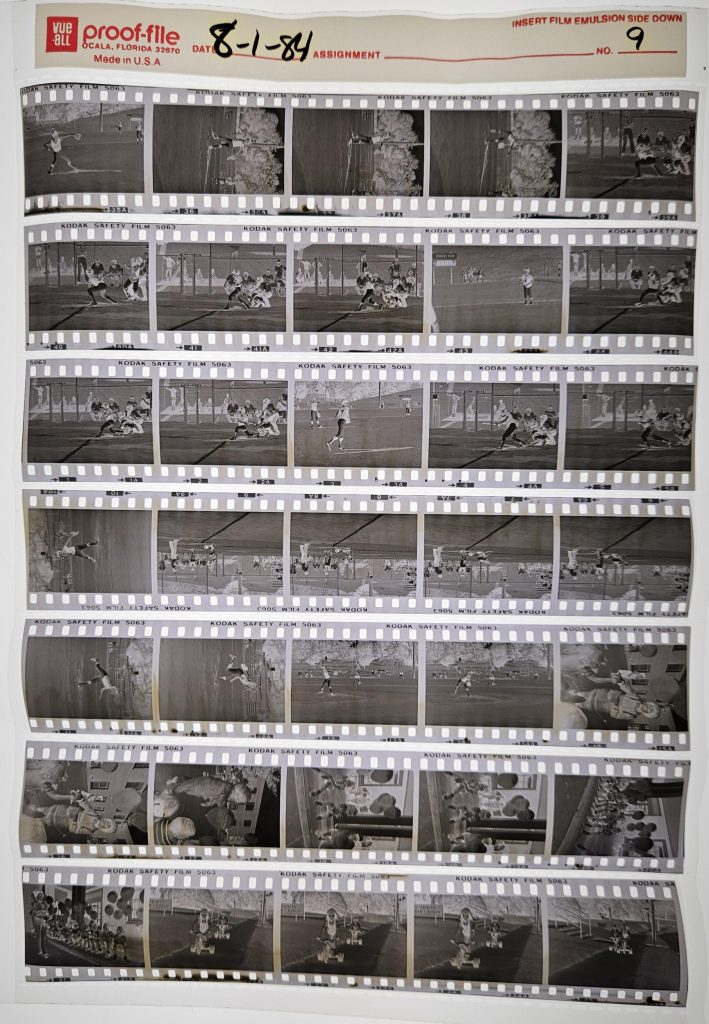
The request was for a photo I had taken on August 2, 1984—of a young pitcher, Marc Bolton, throwing from the mound in a Little League game. The email’s sender hoped to get a clear copy of the image, better than what had been printed in the newspaper.

Finding the Negative

For many photographers, a request like this would mean digging through old boxes of prints—if they even kept them. But early in my career, I developed a system for archiving my negatives by year and date. That organization paid off.

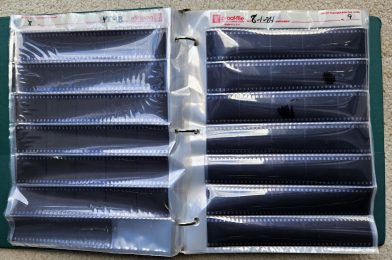
I went to my files, pulled the Print File Archival Storage Page for Negatives labeled August 2, 1984, and there it was—black-and-white negative.

Scanning the image after 40 years felt like finding lost treasure—not just for the person requesting it but also for me. It reminded us of the importance of what we do as visual storytellers—capturing moments that matter, sometimes more than we realize at the time.

Why Archiving Matters

This experience reinforced something I often tell photographers: your work has long-term value, but only if you can find it.

Whether you’re a professional or a hobbyist, an organized system for storing your digital or film images ensures that your work isn’t lost to time.

For me, this request was a little like found money. A chance to reconnect with my past work, serve a client decades later, and provide a family with a piece of history they thought might be gone.

So, I advise all photographers to keep their archives in order. You never know when a 40-year-old request might land in your inbox.

Tagged :

How to Build Relationships While Covering a Multi-Day Corporate Event

Reading Time: 3 minutes

As a freelance photographer covering a company’s annual meeting or conference, your role extends beyond capturing great images—you’re also building relationships. Whether engaging with key leadership or connecting with attendees, how you interact can influence future opportunities. Here’s how to approach conversations strategically while maintaining professionalism and delivering high-quality work.

Simon Sinek

Engaging with Key Leadership

Your goal with executives, organizers, and speakers is to build trust, understand their expectations, and position yourself as a valuable asset.

Simon Sinek
  1. Introduce Yourself with Confidence
    Approach them when they aren’t busy and set a professional yet friendly tone.
    • “Hi, I’m [Your Name], the event photographer. I want to ensure I capture what’s most important to you. Is there anything specific you’d like me to focus on?”
  2. Ask Insightful Questions
    Show that you care about their goals beyond just taking photos. Ask:
    • “What key moments would you like documented?”
    • “Are there any VIPs or interactions that are important to capture?”
    • “How will these images be used—internal communications, social media, or marketing?”
  3. Balance Professionalism & Friendliness
    Show genuine interest in their role and the company’s vision. A simple conversation like, “I’ve enjoyed capturing the energy of this event. What’s been a highlight for you so far?” can leave a lasting impression.
  4. Express Appreciation & Follow Up
    Before the event ends, thank them personally. A quick follow-up email with a sneak peek of standout images (if appropriate) can strengthen the connection.
Melanie Burdette Nittolo

Connecting with General Attendees

Your goal with attendees is to make them feel comfortable and engaged, resulting in natural, authentic photos.

  1. Be Approachable & Friendly
    When capturing images, make people feel at ease:
    • “Looking sharp today! Let me get a great shot of you.”
    • “Mind if I capture a quick photo of you enjoying the event?”
  2. Encourage Natural Expressions
    If someone seems camera-shy, lighten the mood:
    • “Pretend I’m not here—just enjoy your conversation!”
    • For group shots: “Let’s get one with some energy—big smiles!”
  3. Make It Easy for Them to Find Their Photos
    Let attendees know where they can access event photos:
    • “The company will have all the event photos soon, but if you want a quick look at any, feel free to connect with me.”
Jocko Willink

Building Relationships During Breaks

Your downtime at an event is an excellent opportunity to connect with people in a more relaxed setting.

  1. Start with Small Talk, Then Go Deeper
    • “Wow, it’s been a packed day! What’s been your highlight so far?”
    • “How long have you been with the company?”
    • “Is this your first time at this event, or are you a regular?”
  2. Find Common Ground
    Not every conversation has to be about work. Pay attention to details and make genuine connections. If someone is wearing a sports logo, mention it:
    • “Are you a Braves fan? I grew up going to their games.”
    • If they mention hobbies: “Oh, you play the trumpet? I just picked up the flugelhorn again after years off!”
  3. Exit Smoothly & Keep the Door Open
    If the conversation winds down or you need to get back to work, wrap it up with:
    • “Great chatting with you—I hope you enjoy the rest of the conference!”
    • If there’s potential for future work: “Let’s stay in touch! I’d love to send over some of my work after the event.”

Final Thoughts

Your presence at an event isn’t just about documenting—it’s about enhancing the experience through genuine interactions. You’ll make a strong impression by showing attendees professionalism, leadership, and warmth, leading to future opportunities.

Have you found specific approaches that work best for networking at corporate events? I’d love to hear your thoughts!

Tagged :

When System Data Takes Over: My Hard Lesson in Mac Storage Management

Reading Time: 2 minutes

On Friday, I ran into a frustrating issue that every digital creative dreads—my Mac ran out of space. As someone who regularly works with large files, I understand the importance of keeping my storage in check, but this time, something unusual happened.

The Mystery of Missing Space

I had been helping a friend recover files from an 8TB damaged hard drive. Using data recovery software, I recovered about 3.9TB of data. However, I could only find 2.5TB of recovered files when I checked my storage. At the time, I assumed the missing data was due to the drive’s damage and didn’t think much of it.

I didn’t realize that my Mac’s System Data had swallowed 1.5TB of space. I had always assumed that System Data was just a temporary cache used while working on files and that macOS would eventually distribute those files to their appropriate locations. However, this time, it didn’t work as expected, and my computer was stuck with a bloated System Data folder, leaving me almost no free space.

Troubleshooting the Issue

I tried everything—clearing cache files, rebooting in safe mode, manually deleting unnecessary files—but nothing freed up that mysterious 1.5TB of System Data. After a call with Apple Support, I realized the only real solution was to wipe my Mac and restore it from a Time Machine backup.

The Restore Process

Thankfully, I followed a 3-2-1 backup strategy and had a full Time Machine backup on my NAS (Network Attached Storage). The restoration process took about four hours because I was restoring over the network. While this worked, I quickly realized there was a much faster way to get back up and running.

The Faster Restore Solution

If I had copied my backup from the NAS to an external SSD and then restored it from that drive, the entire process could have been completed in under 30 minutes instead of four hours.

For reference:

  • Restoring from a NAS over a network: ~4 hours
  • Restoring from an external SSD via USB-C or Thunderbolt: ~25–30 minutes

Lessons Learned

Additionally, I learned that if I travel, as I did this week, I should carry an SSD with my latest Time Machine backup. This way, I could have completed the restore in just a few hours rather than waiting until I got home.

  1. System Data Can Get Stuck: While macOS is supposed to clear out temporary files, sometimes it doesn’t. Be mindful when working with massive data recovery projects.
  2. Keep a Fast Local Backup Option: NAS is great for redundancy, but an external SSD is the way to go for speed.
  3. Plan for Large Restores: If you ever need to restore your Mac, copying the backup to an external SSD first can save hours.

This experience was a wake-up call about the importance of not just backing up, but backing up efficiently. Next time, I’ll be better prepared—and hopefully, this post helps someone else avoid the same hassle!

Tagged :

Values + Trust = Relationship: How Freelance Photographers Can Go Beyond Transactions

Reading Time: 3 minutes

As an independent photographer, it’s easy to fall into the trap of thinking your work is just about delivering images. A client hires you; you take photos, and they pay you—it’s a transaction. But if you want to build a lasting career, focusing solely on transactions will limit your growth.

The magic happens when you go beyond the transaction and build client relationships. Relationships lead to repeat business, referrals, and a more fulfilling career. The formula is simple:

Values + Trust = Relationship

Without trust, you’re just another photographer sending an invoice. But when clients trust you and connect with your values, they see you as a partner—not just a vendor.

How Transactions Differ from Relationships

A Transaction-Only Mindset

A transaction looks like this:

  • A client emails you for a quote.
  • You respond with a price and contract.
  • They approve it, you show up, take photos, and send the gallery.
  • The client pays, says thanks, and moves on.

There’s nothing inherently wrong with this process, but there’s no connection beyond the business exchange. The next time they need a photographer, they might shop around for the cheapest option because there’s no relationship keeping them loyal to you.

A Relationship-Driven Approach

Now, contrast that with a photographer who focuses on values and trust:

  • Before sending a quote, you take time to understand the client’s needs, goals, and vision.
  • You align your work with their values—whether it’s their brand story, personal milestones, or the emotions they want to capture.
  • You communicate consistently, helping them feel confident and heard.
  • After the project, you follow up—not just with a delivery link, but with personal engagement.

In this approach, the client sees you as more than a service provider. They feel connected and are likelier to return to you, recommend you, and even advocate for your work.

How to Implement Values + Trust in Your Business

1. Define and Share Your Values

What do you stand for as a photographer? Is it authenticity? Storytelling? Capturing emotions? Helping nonprofits?

Your values should be reflected in:

  • Your website and portfolio
  • Your social media posts
  • The way you communicate with clients

Clients who see your values align with theirs are more likely to trust and invest in your work.

2. Be More Than a Price Tag

If the first thing a potential client asks is, “What are your rates?” don’t just send numbers. Instead, respond with:

“I’d love to understand what you’re looking for and how I can best serve you. Let’s hop on a quick call so I can hear more about your vision.”

This shifts the conversation from cost to connection and allows you to create a service that meets their needs.

3. Over-communicate (In a Good Way)

Trust is built through clear and consistent communication. Keep clients informed at every stage:

  • Confirm bookings and send reminders.
  • Share what they can expect before, during, and after the shoot.
  • Offer guidance on how to prepare.
  • Be responsive and proactive in answering questions.

Clients feel valued when they’re not left guessing.

4. Give More Than Just Photos

A transaction ends when files are delivered. A relationship continues because of thoughtful follow-up:

  • Send a handwritten thank-you note or a small gift.
  • Share behind-the-scenes moments on social media and tag them.
  • Offer a referral discount or loyalty incentive.
  • Check-in months later with a personal message.

Small touches make clients feel part of something bigger than a one-time shoot.

5. Think Long-Term, Not One-Time

Approach each client as someone you want to serve for years, not just for one project. Consider:

  • How can you provide value beyond this shoot?
  • What future needs might they have (family portraits, branding updates, milestone events)?
  • How can you stay top-of-mind without being salesy?

For example, a wedding photographer who follows up with anniversary reminders or a corporate photographer who sends insights on visual branding will naturally build deeper client loyalty.

The Long-Term Benefits of Relationships Over Transactions

When you invest in relationships rather than just jobs, you gain:
✅ Repeat business
✅ Word-of-mouth referrals
✅ Clients who trust your expertise (fewer pricing objections!)
✅ More fulfilling work with people who truly appreciate your talent

The best photography businesses aren’t built on one-time gigs. They thrive on connection, trust, and shared values.

So, as you approach your next client, ask yourself: Am I just delivering a service, or am I building a relationship?

Your business will thank you for choosing the latter.

Tagged :

The Photographer’s Guide to Marketing on a Budget

Reading Time: 3 minutes

As a photographer and small business owner, mastering marketing can feel overwhelming, especially with limited funds. However, you can grow your brand without breaking the bank by focusing on the right resources, strategies, and opportunities. Here are some key insights to get you started.

Best Books for Marketing as a Photographer

Books are a fantastic way to learn timeless principles and practical strategies. Here are some of the best-rated books for marketing that cater to photographers and small business owners:

  1. “Building a StoryBrand” by Donald Miller
    • Learn how to clarify your message to connect deeply with clients by positioning your services as a solution to their problems.
  2. “This Is Marketing” by Seth Godin
    • An excellent resource for understanding how to find your audience, tell your story, and build trust.
  3. “Lead with a Story: A Guide to Crafting Business Narratives That Captivate, Convince, & Inspire” by Paul Smith
    • This book offers practical techniques for using storytelling to engage clients, build credibility, and drive business results. It is perfect for photographers looking to connect emotionally with their audience.

Budget-Friendly Marketing Strategies

When funds are tight, creativity and focus become your best allies. Here are some high-impact actions to prioritize:

1. Master Social Media

  • Use platforms like Instagram to showcase your work, engage with potential clients, and build your brand.
  • Create reels or stories highlighting behind-the-scenes shots, client testimonials, and quick tips.

2. Leverage Networking Opportunities

  • Join local networking groups or professional organizations like the Chamber of Commerce.
  • Connect with other small business owners in your area who may need photography services.

3. Develop Your Website

  • A professional, portfolio-driven website is essential. For affordable yet polished designs, use platforms like Squarespace or Wix.
  • Focus on SEO by adding relevant keywords, blog posts, and image metadata to attract organic traffic.

4. Embrace Direct Mail

  • While digital dominates, direct mail still works. Create targeted postcards showcasing your photography and send them to local businesses or individuals who may need your services.
  • Highlight any promotions or packages.

5. Collaborate with Nonprofits

  • Many nonprofits appreciate professional visuals but have tight budgets. To build goodwill and gain exposure, offer discounted or pro bono services.
  • Always include your name and contact information in the credits.

Maximizing Internet Marketing

The internet is your most powerful marketing tool. Here are the top strategies to prioritize:

  • Google My Business: Optimize your profile to appear in local searches.
  • Email Marketing: Build a list of clients and prospects. Tools like Mailchimp offer free plans to get started.
  • Content Creation: Start a blog or vlog to share stories, tips, or tutorials, establishing yourself as an authority in photography.
  • Online Ads: Consider running targeted ads on Facebook or Google. When ads are optimized for your audience, even a tiny budget can yield results.

Networking and Community Engagement

Joining organizations can open doors for collaboration, learning, and client acquisition:

  • Chamber of Commerce: Ideal for meeting local business owners needing your services.
  • Photography Groups: Both online and in-person groups can provide mentorship and referrals.
  • Nonprofit Events: Volunteering at events can showcase your skills while benefiting a good cause.
  • Special Interest Clubs: Join groups aligned with your niche, such as wedding expos, sports leagues, or art communities.

Tips & To-Do List for Marketing Success

Tips:

  1. Focus on consistency over perfection; show up regularly on social media and your website.
  2. Leverage storytelling in all your marketing materials to connect emotionally with your audience.
  3. Always measure your efforts. Use analytics tools to see what’s working and adjust accordingly.

To-Do List:

  1. Read one of the recommended marketing books.
  2. Create or update your Google My Business profile.
  3. Post consistently on your top-performing social media platform for one month.
  4. Research local networking groups or nonprofit events to attend.
  5. Design a direct mail postcard and identify 20 potential recipients.
  6. Write one blog post or create one video showcasing a recent project.
  7. Reach out to another local business to discuss collaboration opportunities.

By investing time and energy into these steps, you can market yourself effectively without needing a huge budget. Remember, marketing is about building relationships and showing your audience the unique value you bring as a photographer and storyteller.

Tagged :

Beyond the Assignment: Building a Photo Library for Clients

Reading Time: 3 minutes

When shooting photos for clients, my goal isn’t just to fulfill the immediate assignment and create a resource that serves them far beyond the event or project. I want to provide my clients with a photo library they can draw from repeatedly, saving them time and adding value to their branding efforts.

That mindset has led me to refine my approach over the years. Here’s how I’ve evolved my workflow and what you can learn if you create or curate visual assets for an organization.


Culling Down to the Best Images

I used to give clients all the acceptable images in the past, but that often resulted in an overwhelming number of similar shots. For example, if I captured 30-50 photos of a keynote speaker, that sheer volume wasn’t helpful—it was overkill.

Now, I focus on curating the most potent images, selecting a handful that best captures the moment. Typically, 5-10 images per speaker is an ideal range. These might include:

  1. A clear, engaging portrait of the speaker.
  2. Dynamic shots show gestures or expressions that emphasize their points.
  3. A contextual image with the audience to show interaction or scale.
  4. Close-ups of details like hands, props, or visuals on stage.

This curated approach gives clients variety without overwhelming them, ensuring they get the most impactful and polished images.


Shooting and Cropping for Impact

Another change I’ve made is shooting and cropping tighter. In the past, I left extra room in my shots to allow flexibility for editing or layouts, but I realized this sometimes resulted in images that didn’t feel finished or compelling.

Now, I aim to compose shots nearly ready for final use, with minimal cropping needed. This means:

  • Focusing closely on expressions or actions that tell the story.
  • Eliminating distractions in the background or frame.
  • Considering verticals or horizontals based on likely usage (e.g., social media, presentations).

Tighter cropping immediately elevates the image’s visual appeal and saves clients extra editing time.


Tagging Key People for Better Usability

Metadata is another area where I add value. While I don’t tag every single person in group photos, I make sure to tag the key players, especially:

  • Speakers and performers on stage.
  • Members of an organization’s C-Suite or leadership team.
  • VIPs like sponsors, special guests, or honorees.

This makes it easy for my clients to search their archives later and find exactly who or what they need. Efficient tagging transforms a simple collection of photos into a strategic asset.


Creating a Visual Story Beyond the Stage

Yesterday, I photographed the Chick-fil-A Peach Bowl, including the Fanfest before the game. My goal wasn’t just to document the event and create a dynamic photo library to serve Chick-fil-A’s storytelling needs.

From fans enjoying pregame activities to action-packed moments on the field, I aimed to provide a mix of images that capture the event’s spirit and connect with its brand values.


Takeaways for Clients and Creators

Whether you’re commissioning photography or creating visuals for your organization, think beyond the immediate needs of your project. Ask yourself:

  1. How can these images serve long-term marketing and branding goals?
  2. Am I curating a selection that tells the story clearly and efficiently?
  3. Are the images ready for immediate use, or will they need extensive edits?
  4. Can I improve searchability with thoughtful metadata?

These small but intentional steps can make a big difference in how your visuals support your organization’s mission over time.

Here are a few highlights from yesterday’s Chick-fil-A Peach Bowl to show this approach in action:

« of 65 »

By thinking beyond the assignment, we turn every shoot into an opportunity to craft stories that endure.


Want to build a photo library that works as hard as you do? Let’s talk about how I can help.

Tagged :

Tips for Starting Out: Insights from My First Meeting with an NPPA Mentee

Reading Time: 3 minutes

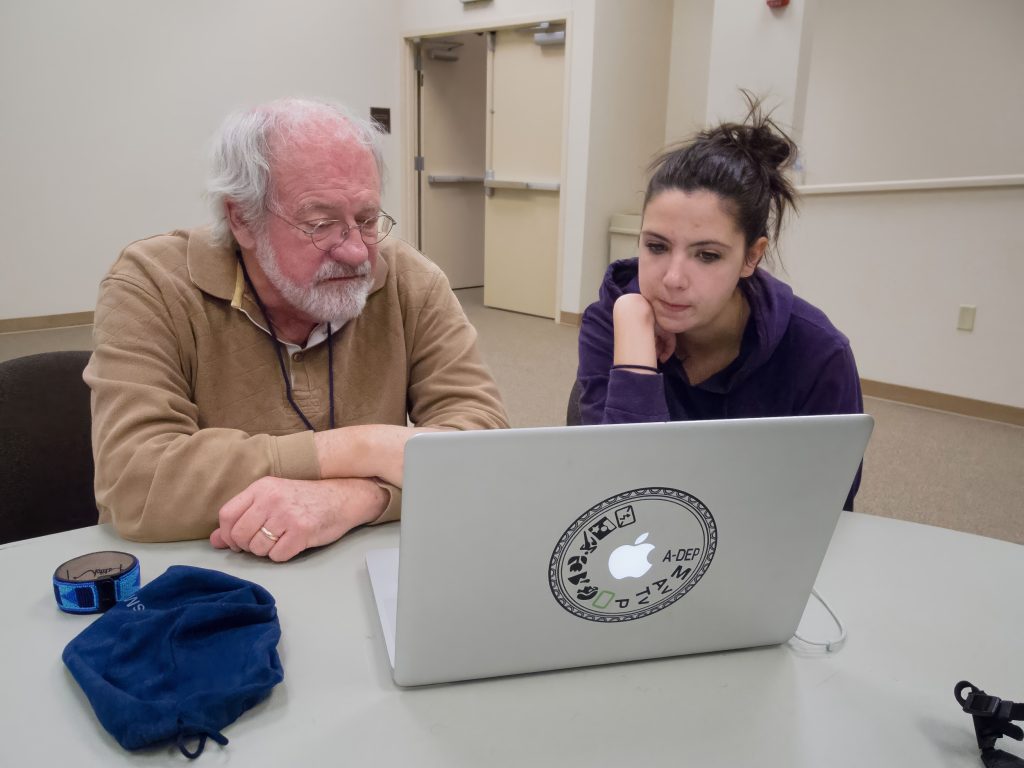
I recently had the pleasure of meeting my NPPA mentee for the first time. She’s just starting in the photography business, and as we talked, it became clear that she had some basic questions about the business side of things. It reminded me how critical it is to get those foundational elements right. Here are a few key tips I shared with her to set her on the right track:

1. Keep Every Receipt in Your First Year

When starting, it’s better to over-document than miss something important. Save every receipt. Whether it’s for a lens you bought, software you downloaded, or even parking fees for a shoot, keep those records. At the end of the year, you can determine what’s deductible, but you can’t claim what you didn’t document.

2. Use Software to Track Your Transactions

I recommended a tool like Quicken to help her track every financial transaction—credit card purchases, debit card payments, checks, and deposits. By staying on top of this from the beginning, you’ll clearly understand your cash flow and be prepared for tax season. It’s also a good way to identify trends in your spending and adjust accordingly.

3. Log Your Mileage

If you use your car for business, those miles can add up to significant tax savings. I’ve been using the TripLog app, which makes tracking mileage effortless. Just remember to categorize your trips as personal or business so you can provide accurate records if the IRS asks.

Additional Tips for Starting Out

4. Separate Personal and Business Finances

One of the first steps is to open a dedicated business bank account and credit card. Mixing personal and business expenses can lead to confusion and missed deductions. Keeping them separate makes your bookkeeping cleaner and your accountant happier.

5. Invest in Insurance

Make sure you’re insured—both for your gear and your liability. Accidents happen, and having coverage can save you from financial disaster. Many organizations, like the NPPA, offer insurance options tailored for photographers.

6. Build a System for Organizing Files

Whether it’s client contracts, invoices, or your portfolio, create a system for storing and organizing your files. Use cloud storage solutions like Dropbox or Google Drive, and back everything up regularly. I recommend a 3-2-1 photo backup system—three copies of your files stored on two different media types, with one copy offsite.

7. Start Networking Early

Relationships are the backbone of any business, especially in photography. Join local photography groups, attend workshops, and don’t hesitate to reach out to potential mentors. You never know where your next client or collaboration will come from.

8. Learn the Basics of Contracts

Always use a contract for your jobs. It doesn’t have to be complex, but it should outline the scope of work, payment terms, and what happens if things don’t go as planned. A good contract protects both you and your client.

Final Thoughts

There’s a lot to learn when you’re just starting, and it can feel overwhelming. But you’ll set yourself up for success if you focus on building good habits early—tracking receipts, logging mileage, separating finances, and networking.

As I shared with my mentee, the key is to stay organized and proactive. Mistakes will happen, but the more prepared you are, the fewer surprises you’ll face. Remember, asking questions and seeking guidance, as my mentee did, is a significant first step in growing as a photographer and a business owner.

Tagged :

Balancing Storytelling and Information in Business and Nonprofit Messaging

Reading Time: 3 minutes

In today’s crowded communication landscape, standing out requires more than just sharing facts and figures. Whether you’re a business or a nonprofit, storytelling is the secret weapon that connects you emotionally with your audience while inspiring action. But how much of your messaging should lean into storytelling, and how much should deliver the critical information your audience needs to make decisions? Let’s explore this balance and outline how to craft a strategy that resonates and drives results.

The Power of Storytelling in Messaging

Stories create emotional connections. They’re how humans have communicated values, lessons, and experiences since the dawn of time. For businesses and nonprofits, storytelling has the potential to:

  • Engage your audience: A compelling narrative captures attention and invites people to invest emotionally in your mission or product.
  • Make your message memorable: People may forget a statistic, but they’ll remember how a story made them feel.
  • Humanize your brand: Sharing real stories about the people you serve or the impact you’ve made makes your organization relatable.

The Role of Information in Messaging

While storytelling connects emotionally, information builds trust. Your audience needs to understand the “what,” “why,” and “how” of your offering:

  • What are you offering?
  • Why does it matter?
  • How can they take action?

The details matter here: statistics, features, benefits, and clear calls to action turn interest into support or sales.

Coffee baristas Solomon David Ndunguru and Greyson Tizo Majiyakunde are part of the Harakati Coffee program, launched in 2017 to equip individuals in Dar es Salaam and across Tanzania with essential skills for a career in coffee. Initially focused on monthly week-long training sessions covering barista skills, job readiness, customer service, and hospitality soft skills, Harakati has since evolved into a social enterprise. Today, it offers top-notch training while creating sustainable, value-added products. Learn more at harakaticoffee.com.

The Ideal Balance: 70% Storytelling, 30% Information

For most businesses and nonprofits, a 70/30 split is an effective way to structure messaging:

  • 70% Storytelling: Lead with stories that evoke emotion and connect your audience to your mission or product. Showcase the human impact, the transformation, or the vision you’re working to achieve.
  • 30% Information: Follow up with the essential facts and figures your audience needs to take action. Be concise and straightforward—this is where you provide the rational foundation that supports the emotional appeal.

Putting It into Practice

Here’s how this could look in action:

  1. Opening Hook (Storytelling): Start with a relatable story or a powerful anecdote. For example, a nonprofit might share the journey of a single individual whose work changed their life. A business might highlight a customer’s success story.
  2. Supporting Information: Once you’ve captured attention, transition into the specifics. What problem are you solving? How does your product or service work? What’s the evidence of your impact?
  3. Call to Action: End with a clear, compelling call to action that ties back to the story. Ask your audience to donate, sign up, purchase, or engage.

Example: Nonprofit

  • Storytelling: “When Maria fled home with her two children, she left everything behind. Thanks to your support, Maria now has a safe place to live and a job that helps her provide for her family.”
  • Information: “Last year, we helped over 1,000 families like Maria’s rebuild their lives through our shelter and employment programs.”
  • Call to Action: “Your gift today can help more families like Maria’s find hope. Donate now and make a difference.”
Ursala Phoenix trains with her coach, Wlaa (pronounced Will-eh) Weeks, at the Wellbridge Athletic Club. Since joining, her stamina has soared, helping her thrive at the CDC and in everyday life!

Example: Business

  • Storytelling: “John struggled with back pain for years until he discovered our ergonomic office chair. Now, he works pain-free and with better focus.”
  • Information: “Our chairs are designed by experts and backed by a 10-year warranty, offering the perfect combination of comfort and durability.”
  • Call to Action: “Transform your workspace today. Shop now and experience the difference.”

Your Next Steps

Think about the stories you have at your disposal. Who have you helped? What transformation have you enabled? Lead with those narratives, then back them up with solid, concise information. By striking the right balance, you’ll capture your audience’s hearts and equip them with the knowledge they need to act.

Would you be ready to tell your story? Reach out to me by clicking on the “Let’s Talk” button above, and let’s craft messaging that connects and converts.

Tagged : /

Why Every Professional Photographer Should Join a Photographer’s Association

Reading Time: 2 minutes

Joining a professional photographer’s association can be transformative for your career. It provides community, resources, and financial advantages. Here’s a breakdown of a few major organizations and their benefits.


1. Professional Photographers of America (PPA)

PPA, the largest nonprofit trade association for photographers, has over 30,000 members, including wedding, portrait, and event photographers. Members benefit from resources such as customizable business forms, copyright advocacy, and discounted insurance options. Additionally, the organization offers education via workshops, webinars, and competitions to help refine skills and build credibility.


2. American Photographic Artists National (APA)

APA primarily supports photographers in the commercial and advertising sectors. Members often include those creating images for brand campaigns, products, and lifestyle photography. APA provides access to professional development tools, including portfolio reviews, industry networking opportunities, and exclusive discounts on production tools and services​.


3. American Society of Media Photographers (ASMP)

ASMP is tailored to editorial, advertising, and media photographers. Members can access legal support, business templates, and health insurance options. ASMP also advocates for photographers’ rights and provides educational resources to support sustainable business practices​.


4. National Press Photographers Association (NPPA)

NPPA focuses on visual journalists, including photojournalists and documentary photographers. Its benefits include legal advocacy, ethics guidance, and training programs on emerging trends in visual journalism. NPPA also offers discounts on gear and software to its members​.


Financial and Professional Advantages

Many of these associations provide practical benefits like:

  • Discounted insurance: Coverage for equipment, liability, and data loss at reduced rates.
  • Education and certification: Access to workshops, webinars, and certification programs that can enhance credibility and earning potential.
  • Legal support: Guidance on copyright and contracts, and in some cases, legal representation for disputes.
  • Networking opportunities: Access to industry events, portfolio reviews, and exclusive job boards.
  • Discounts: Reduced pricing on software, gear, and other photography tools.

My Memberships

I am a proud American Society of Media Photographers (ASMP) member and the National Press Photographers Association (NPPA). Both organizations align closely with my work as a visual storyteller, supporting my professional development and advocacy for photographers’ rights. I’m also part of the Atlanta Press Club, which broadens my network and keeps me informed about the industry’s latest trends.


Joining a professional association is not just a financial investment—it’s a commitment to your growth and the photography community. Find one that aligns with your niche and start reaping the benefits today!

Tagged :