|
Getting your Trinity Audio player ready...
|
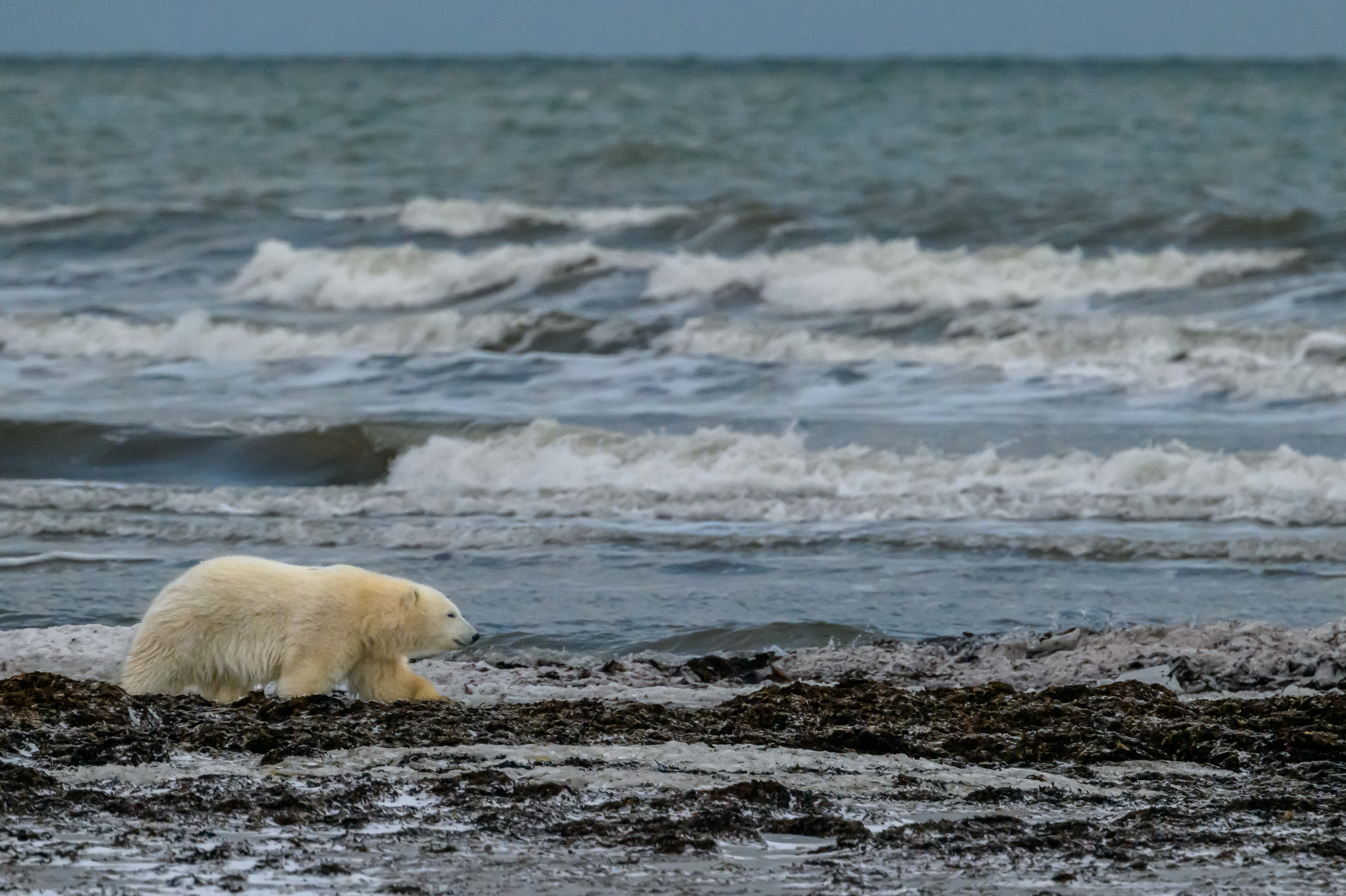
A polar bear waits along Hudson Bay’s shoreline near Churchill, Manitoba. The timing of sea-ice formation is critical to its ability to hunt seals.
I traveled to Churchill, Manitoba, to photograph polar bears. That was the reason for the trip, and those magnificent animals certainly delivered moments I will never forget.
But as I worked through roughly 40,000 photographs after returning home, I realized something. Some of the most important photographs weren’t of polar bears at all.
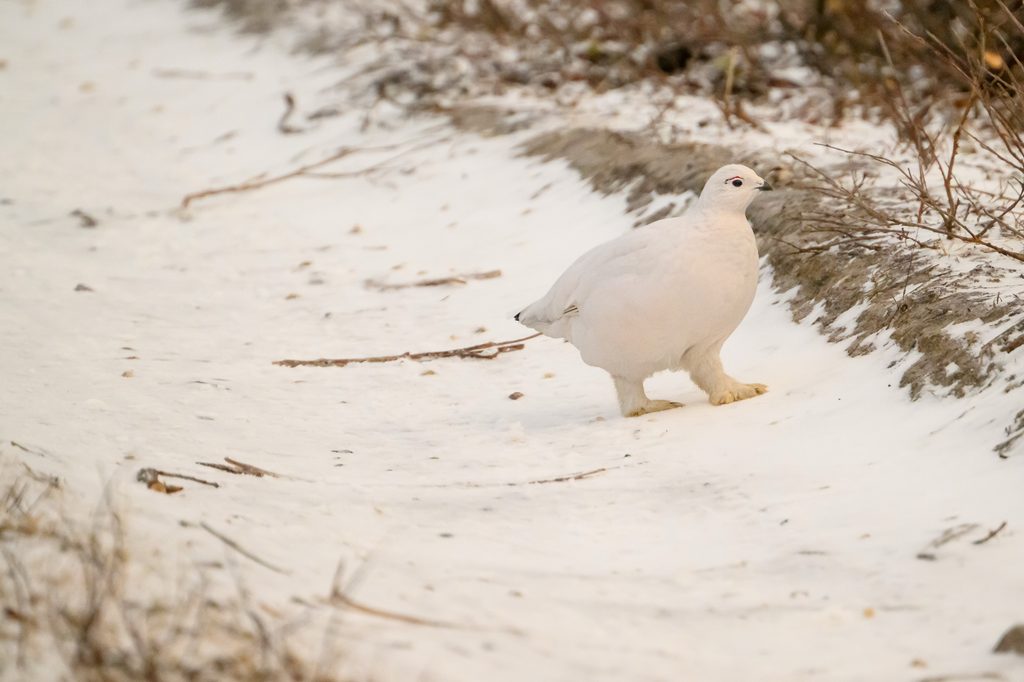
They were of a ptarmigan and a red fox.
The ptarmigan is a remarkable bird. As winter approaches, its feathers turn white, helping it disappear into the snowy landscape. That camouflage can mean the difference between being seen by a predator and surviving another day.
But what happens when the timing of snowfall changes? A white bird against a snowless landscape becomes much easier to spot.
Scientists call this a camouflage mismatch. It is one example of how changing seasonal conditions can affect wildlife in ways that aren’t immediately obvious.
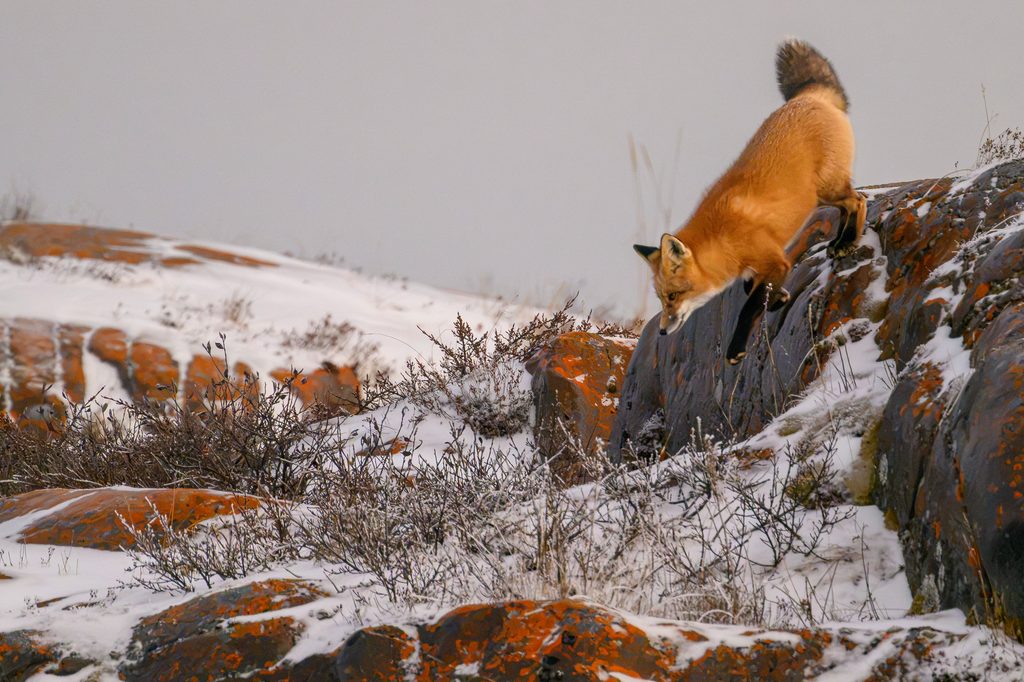
Then there was the red fox.
I photographed a fox moving through the rocky landscape near Churchill. I also photographed a fox with a ptarmigan it had caught.
That encounter reminded me that nature isn’t a collection of independent animals. It is a web of relationships.
The ptarmigan depends on its surroundings for protection. The fox depends on finding food. The polar bear depends on sea ice to reach seals.
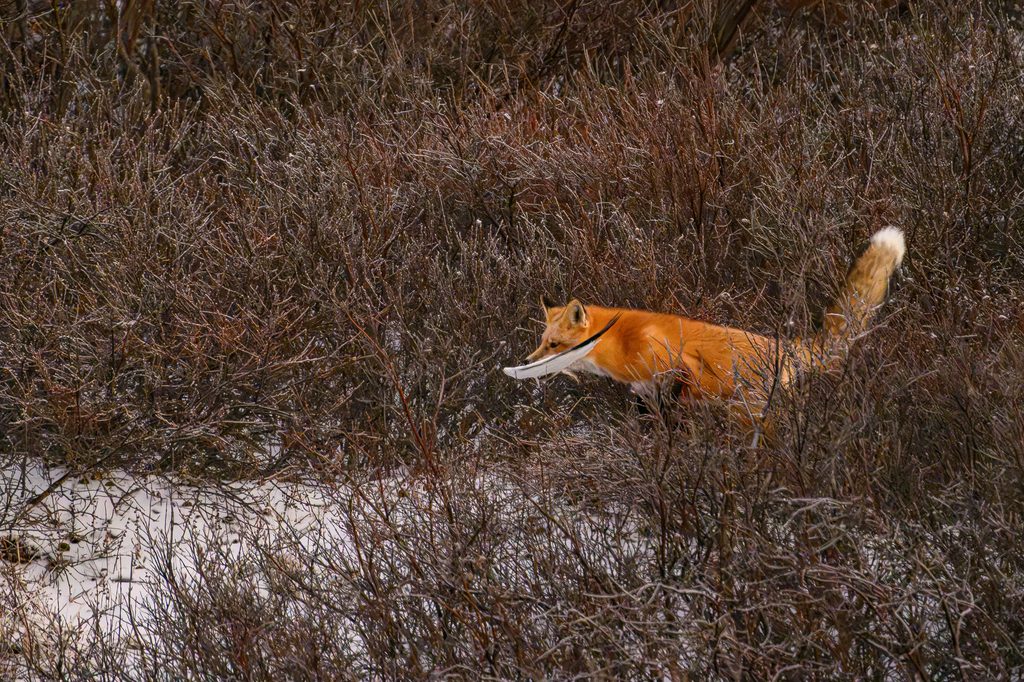
Different animals. Different needs. One interconnected environment.
And that brings me back to Georgia.
We don’t have wild polar bears here, but we do have red foxes, migratory birds, insects, and countless other species whose lives are shaped by seasonal changes.
The same ecological principles I witnessed in Churchill operate right here in our neighborhoods.
What happens when flowers bloom before their pollinators are active? What happens when migratory birds arrive after an important food source has peaked? What happens when a changing habitat favors one species over another?
The answers vary, and not every change produces a negative outcome. But these are the kinds of questions scientists study because timing and relationships matter.
I went to Churchill looking for polar bears.
The fox and ptarmigan helped me see something bigger.
The environment doesn’t change one species at a time.