|
Getting your Trinity Audio player ready...
|
What a week in Churchill taught me about algorithms, attention, and communicators’ responsibility.
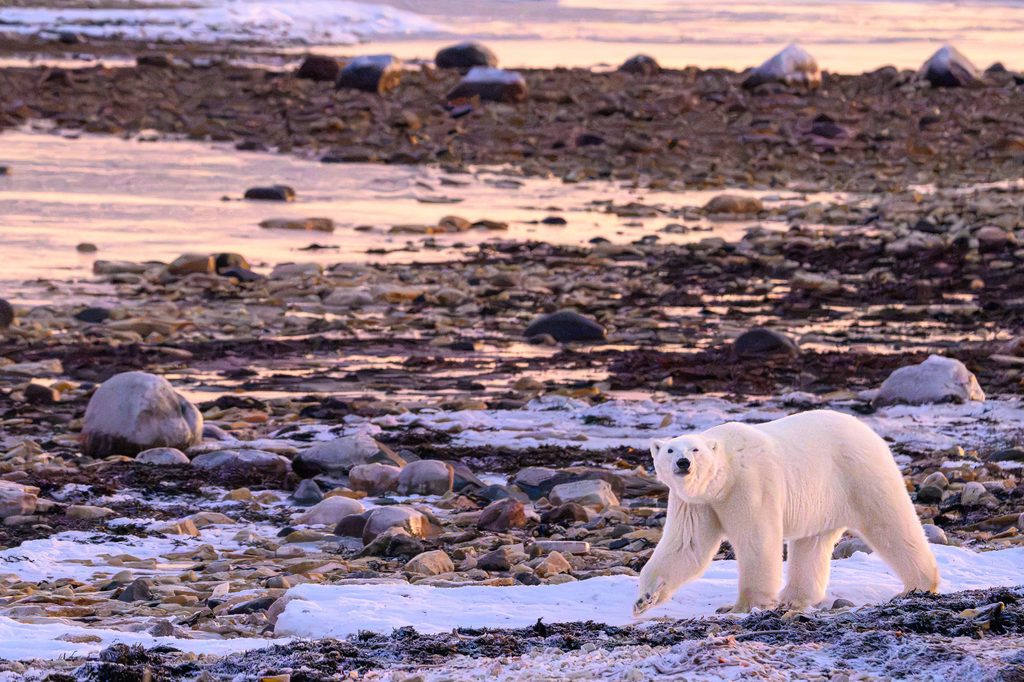
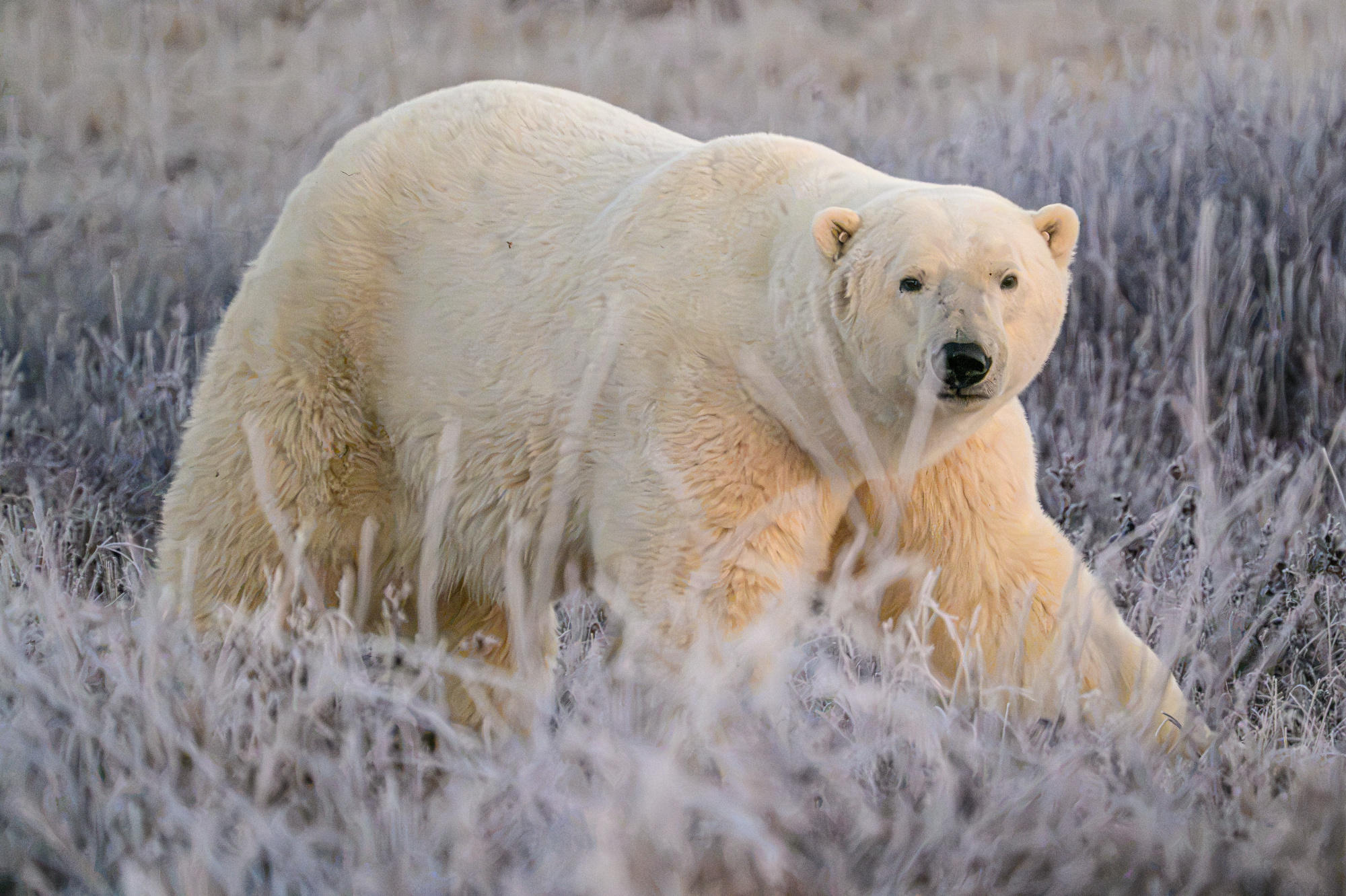
I recently spent a week in Churchill, Manitoba, photographing polar bears along the shores of Hudson Bay.
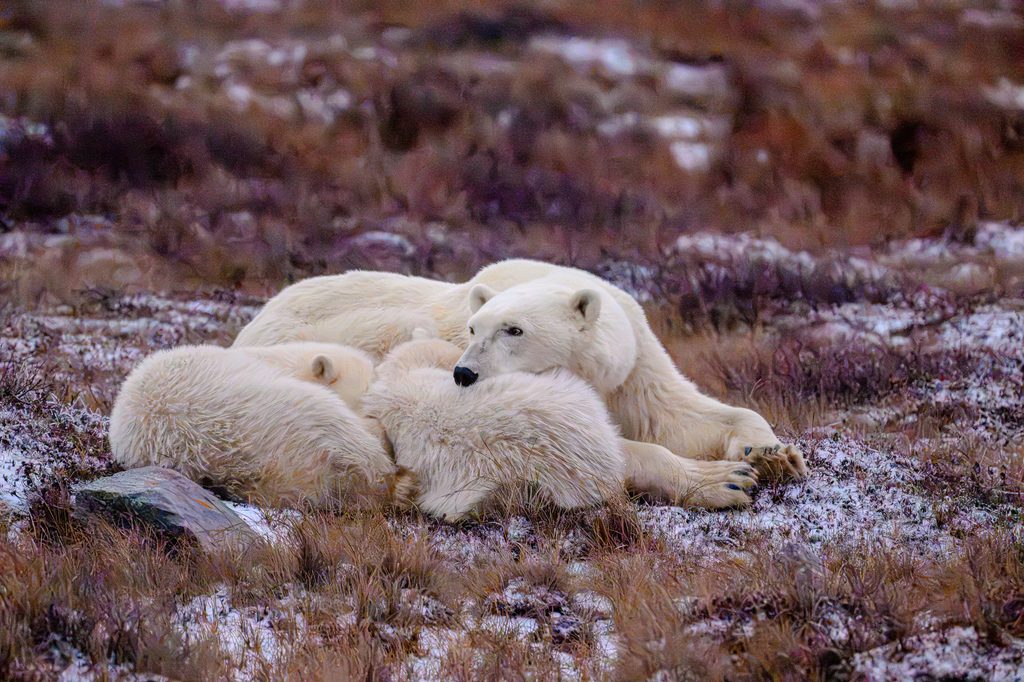
It was an extraordinary experience. I photographed mothers with cubs, males sparring, and solitary bears making their way across the rocky landscape. I also spent time learning from conservationists and guides about the challenges these magnificent animals face as they wait for the sea ice to form.
When I returned home, I began the enormous task of editing approximately 40,000 photographs. Eventually, I narrowed those down to 1,550 images, with roughly 150 that I particularly liked.
Naturally, I began sharing some of my favorites on Facebook.
Then something interesting happened.
Facebook apparently decided I needed to see more polar bears. A lot more polar bears.
Suddenly, my feed was filled with polar bear photographs from other photographers. What caught my attention was that many of those images were also taken in Churchill.
Some were from people I had never heard of.
I had spent a week surrounded by polar bears, and now, back home in Georgia, Facebook seemed determined to keep me surrounded by them.
That got me thinking.
Who Is Deciding What We See?
Most of us understand that Facebook pays attention to our behavior.
When we stop scrolling to look at something, watch a video, click on a photograph, comment, or share a post, those actions can become signals about our interests.
Facebook’s recommendation systems use signals like these to predict what might keep us engaged.
What fascinated me was how specific my recommendations became.
Not just wildlife.
Not just bears.
Polar bears photographed around Churchill, Manitoba.
Now, I don’t know exactly why Facebook selected those particular posts. My own posts, the captions I wrote, my interactions with other photographers, and my viewing habits could all have contributed.
But the experience raised a question that goes far beyond polar bears.
If Facebook can fill my feed with photographs of polar bears, what else is it filling my feed with because of the things I stop to look at?
The World Outside the Frame
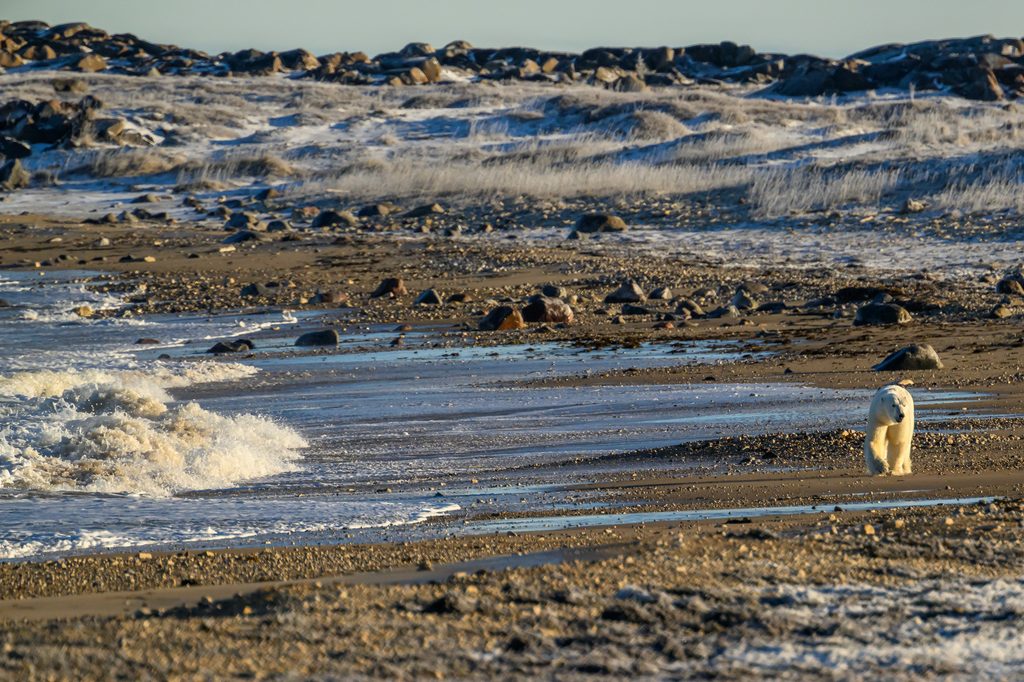
As a professional photographer, I’ve spent more than four decades deciding what belongs inside a photograph.
Move a few feet to the left, and the story changes.
Use a longer lens, and the background disappears.
Get closer, and a small detail can become the entire story.
None of those decisions necessarily makes a photograph dishonest. But every photograph is a selection from a much larger reality.
The photographer decides what the audience sees and, just as importantly, what remains outside the frame.
Social media algorithms make another kind of selection.
They help determine which photographs, stories, opinions, and videos appear in front of us.
A photographer decides what goes inside the frame. An algorithm helps decide which frames you see. Neither gives you the whole picture.
That realization should concern all of us.
When Repetition Starts to Feel Like Reality
Imagine someone who has never visited Churchill.
They stop scrolling to watch a dramatic video of two male polar bears fighting.
Facebook recommends another.
Then another.
Soon, they are seeing photographs of polar bears fighting, wandering through town, approaching vehicles, and interacting with other bears.
What impression might that person develop?
They might begin to think polar bears are constantly fighting or that dangerous encounters happen everywhere around Churchill.
But that isn’t the complete story.
During our workshop, we spent hours watching bears rest, walk, sniff the air, and wait for the ice to form. Some days were much quieter than others.
The dramatic moments made exciting photographs, but they represented only a fraction of what we experienced.
That’s the danger of confusing what appears repeatedly in our feeds with what is happening most often in the real world.
And this isn’t limited to wildlife.
Think about politics, business, religion, health, or social issues.
If we repeatedly stop to look at stories that make us angry, frightened, or excited, recommendation systems may show us more of that material.
Over time, we can begin to mistake our personalized feed for a balanced picture of reality.
Emotion Gets Our Attention. But Does It Help Us Understand?
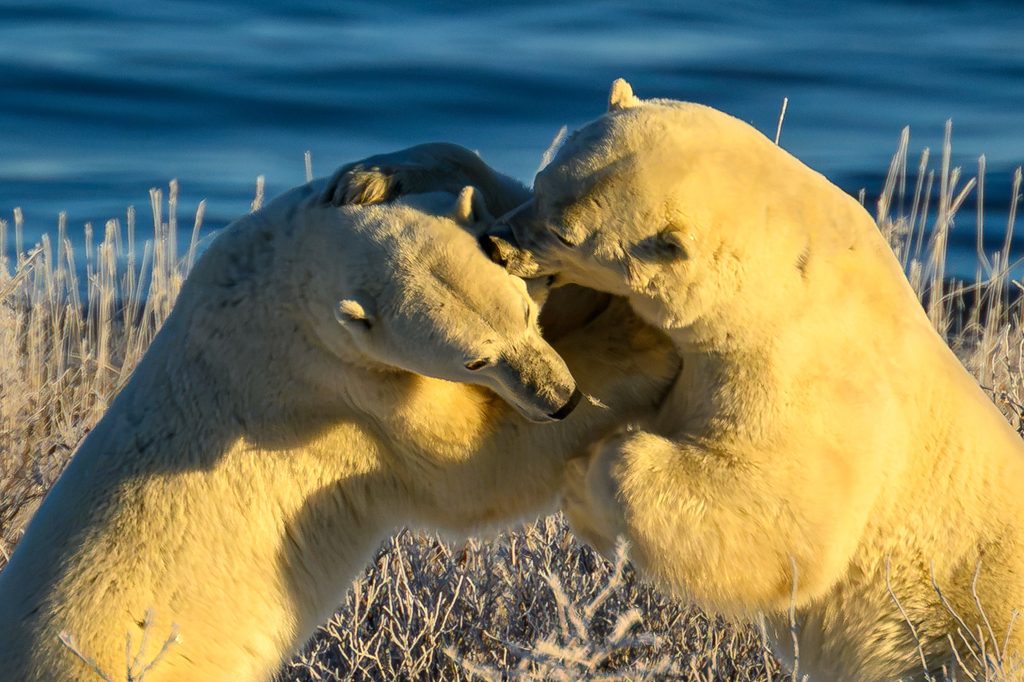
One of my favorite experiences in Churchill was photographing two male polar bears sparring.
At one point, one bear lunged toward the other. In another encounter, I captured a bear with part of another bear’s cheek in its mouth. In a different frame, blood was visible.
Those are powerful photographs.
They stop people scrolling.
But without context, someone might assume they were witnessing a vicious fight between two animals trying to kill each other.
The reality is more complicated.
Male polar bears sometimes spar while gathered near the coast, waiting for sea ice. These encounters can be rough, but they are not necessarily attempts to kill one another.
The photograph captures a moment.
The story helps explain what that moment means.
That difference matters enormously to me as a photographer and communications consultant.
I don’t want people to react to my photographs.
I want them to understand something they didn’t understand before.
What the Polar Bears Taught Me About Ethics
One of the most meaningful lessons from Churchill came from conservationist Drew Hamilton.
He challenged us to consider two very different approaches to wildlife photography.
We could ask what the bears could do for us, or what we could do for the bears.
That question has stayed with me.
It applies to much more than wildlife photography.
When we communicate, are we simply trying to get attention, increase engagement, or make ourselves look successful?
Or are we trying to help people understand something that matters?
I could post a dramatic photograph of a polar bear and write a sensational caption designed to generate reactions.
I might even get more likes and shares.
But would I be helping the audience understand polar bears, their behavior, or the conservation challenges they face?
And would I be helping the bears?
Those are the questions I want to ask before publishing.
The Responsibility Doesn’t End When We Press Publish
For years, I’ve worked with businesses, nonprofits, and organizations helping them communicate their stories.
Sometimes that meant creating photographs.
Sometimes it meant producing videos or writing stories.
But the most important work always began before the camera came out.
What are we trying to communicate?
Who needs to understand it?
And what do we want people to know, feel, or do as a result?
Social media makes these questions even more important.
We cannot control everything an algorithm does with our work.
We cannot control which other posts appear alongside ours.
But we can control the accuracy of our captions, the context we provide, and whether we choose to educate or simply provoke.
Getting someone’s attention is not the same as earning their understanding.
And just because a story generates engagement doesn’t mean it has communicated the truth effectively.
Maybe We Should Pay More Attention to What We’re Paying Attention To
I still enjoy seeing other photographers’ polar bear photographs.
In fact, some of them have helped me appreciate the different ways people experienced Churchill.
But now, when another polar bear photograph appears in my Facebook feed, I find myself thinking about something beyond the photograph.
What have I been teaching Facebook about my interests?
What am I seeing more often because I stopped to look?
And what important stories might I be missing because the algorithm has decided I would rather see another polar bear?
We should all be asking those questions.
Because the stories we encounter help shape how we understand the world.
And when our attention helps determine which stories we encounter next, we have more responsibility for our information habits than we might realize.
The next time you scroll through Facebook, ask yourself one question:
Am I seeing the world as it is, or am I seeing more of the world I’ve already shown an interest in?
There’s a big difference.
And sometimes it takes a few thousand polar bear photographs to make you notice it.